1. Introduction to Aerospace Materials
What are aerospace materials
Aerospace materials are a specialized class of metals, composites, and polymers engineered to meet the extreme demands of aircraft, spacecraft, and related systems. These materials are selected based on critical performance factors such as high strength-to-weight ratio, thermal stability, corrosion resistance, fatigue life, and manufacturability. Common aerospace materials include titanium alloys, high-grade aluminum, stainless steel, nickel-based superalloys, carbon fiber composites, and high-performance polymers like PEEK and polyimide.
Unlike conventional materials used in consumer products or automobiles, aerospace materials must consistently perform under extreme environmental conditions—such as high speeds, elevated temperatures, and intense pressure variations—while also meeting rigorous international standards like AMS, ASTM, and MIL specifications.
Why are specialized materials critical in the aerospace industry
In aerospace, every gram matters. Weight reduction directly impacts fuel efficiency, payload capacity, and flight range. At the same time, materials must offer outstanding mechanical strength and reliability to ensure safety and mission success.
For example:
-
Titanium alloys provide exceptional corrosion resistance and strength at high temperatures, making them ideal for jet engine components.
-
Aluminum alloys are widely used in airframes due to their light weight and structural rigidity.
-
Carbon fiber composites are increasingly replacing metals in modern aircraft to reduce weight while maintaining strength.
The aerospace industry also requires materials that are compatible with advanced manufacturing techniques such as CNC machining, additive manufacturing (3D printing), and precise surface finishing.
YICHOU’s role in high-performance aerospace materials and components
At YICHOU, we specialize in the supply and processing of advanced aerospace-grade materials for global clients in aviation, space exploration, and defense sectors. Our capabilities include:
-
Precision machining of titanium, aluminum, stainless steel, and high-temperature alloys
-
Material sourcing with full certification to aerospace standards (AMS, ASTM, ISO, etc.)
-
Custom bar, billet, and near-net shape production for aerospace structures
-
Comprehensive quality control including ultrasonic testing, chemical analysis, and mechanical testing
With years of experience in serving demanding aerospace projects, YICHOU ensures not only material reliability but also rapid delivery and competitive cost. We act as both a material supplier and a manufacturing partner, helping our customers reduce lead times and bring high-performance aerospace components to market faster.
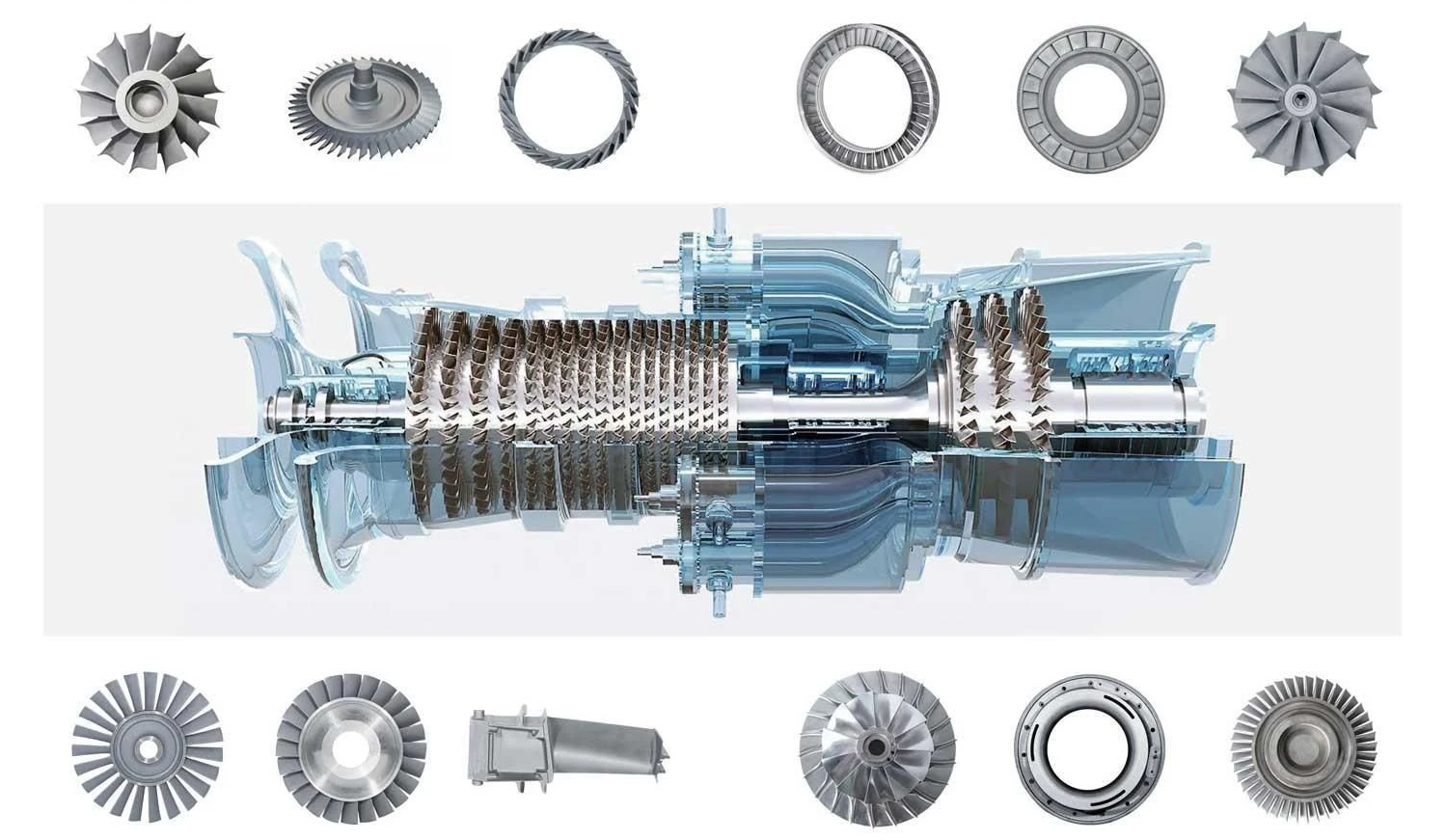
2. Common Materials Used in Aerospace
The aerospace industry relies on a wide range of advanced materials to meet stringent requirements for strength, weight, temperature resistance, and corrosion performance. These materials are selected based on their application, from airframes and engines to interior components and insulation. Below is an overview of the most commonly used material categories in aerospace manufacturing.
Metals
Metals remain the foundation of aerospace structural components due to their mechanical strength, fatigue resistance, and processing versatility.
-
Titanium Alloys (e.g., Ti-6Al-4V):
Known for their exceptional strength-to-weight ratio, corrosion resistance, and high-temperature stability, titanium alloys are commonly used in engine parts, landing gear, and structural airframe components. -
Aluminum Alloys (e.g., 7075, 2024):
Lightweight and easy to machine, aluminum alloys dominate aircraft fuselage and wing structures. 7075-T6 is one of the strongest aluminum grades used in aerospace frames, while 2024 offers excellent fatigue resistance. -
Stainless Steel (e.g., 15-5PH, 17-4PH):
These precipitation-hardened stainless steels offer high strength and corrosion resistance, making them suitable for high-load components such as actuators, fasteners, and support brackets. -
Nickel-Based Alloys (e.g., Inconel, Hastelloy):
Ideal for extreme environments, these alloys retain strength at elevated temperatures and resist oxidation. They are widely used in turbine engines, exhaust systems, and thermal shielding.
Composites
Composite materials provide strength and stiffness at a fraction of the weight of metals, making them crucial in modern aircraft and spacecraft design.
-
Carbon Fiber Reinforced Polymers (CFRP):
Offering high tensile strength and low weight, CFRPs are commonly used in wings, fuselage panels, and rotor blades. Their resistance to fatigue and corrosion makes them a key material in next-generation aircraft. -
Glass Fiber:
While not as strong as carbon fiber, glass fiber composites are more cost-effective and used in secondary structural components and radomes. -
Aramid Fiber (e.g., Kevlar):
Aramid fibers are known for impact resistance and are used in ballistic protection, aircraft flooring, and lightweight structural panels.
Plastics and Insulation
High-performance polymers and specialized insulators are essential in aerospace interiors, wiring systems, and thermal management.
-
Engineering Plastics (e.g., PEEK, PTFE, Polyimide):
These plastics can withstand high temperatures and harsh chemicals, making them suitable for insulation, seals, wire coatings, and cabin components. -
Ceramic Matrix Composites:
Used in high-heat areas such as turbine blades and exhaust liners, ceramic composites combine the heat resistance of ceramics with improved toughness. -
Aerospace Insulation Materials:
These materials are engineered to reduce thermal transfer, dampen vibration, and improve fire safety. Common applications include cabin insulation, wiring harnesses, and cryogenic system insulation.
3. What Are Aerospace-Grade Materials?
What Does “Aerospace Grade” Mean?
The term “aerospace-grade” refers to materials that meet strict standards of performance, reliability, and safety required for use in aviation and space applications. These materials must exhibit high strength-to-weight ratios, excellent fatigue resistance, and superior behavior under extreme conditions such as high temperatures, pressure, and corrosive environments.
Aerospace-grade materials are not just selected for their chemical composition but for their certified mechanical performance and traceability, ensuring they perform consistently in mission-critical applications.
Differences Between AMS, ASTM, MIL, and SAE Standards
Several governing bodies define specifications for aerospace materials. Understanding these standards helps ensure compliance in global aerospace supply chains:
-
AMS (Aerospace Material Specifications) – Issued by SAE International, AMS standards provide detailed material and process specifications used throughout the aerospace industry.
-
ASTM (American Society for Testing and Materials) – Provides standardized test methods and material definitions, especially useful for material comparison and performance benchmarking.
-
MIL (Military Specifications) – Used by defense contractors and military organizations, MIL specs define performance requirements for defense-grade materials.
-
SAE (Society of Automotive Engineers) – Sets broad material and design standards, often overlapping with AMS in aerospace applications.
Aerospace Quality Control Certifications
To ensure product consistency and traceability, aerospace manufacturers and suppliers must comply with industry-recognized certifications:
-
AS9100 – A globally adopted quality management system specific to the aerospace industry, based on ISO 9001 but with stricter traceability, documentation, and risk controls.
-
ISO 9001 – A general international quality management standard, often required as a baseline for aerospace suppliers.
YICHOU complies with stringent quality standards, ensuring every product meets global aerospace requirements.
What Is 8.8 Grade Material? What Is Military-Grade?
-
8.8 grade material typically refers to medium-carbon steel used in bolts and fasteners. While strong, it is not aerospace-grade and is more suited for general industrial use.
-
Military-grade materials follow MIL specs and are qualified for defense use. However, military-grade ≠ aerospace-grade. Aerospace materials demand higher performance, documentation, and testing.
4. What Materials Are Aerospace Bars Made Of?
Aerospace Bar Materials: Aluminum, Titanium, Stainless Steel
Bars are critical raw forms used in machining aerospace components. Aerospace-grade bars must exhibit consistent grain structure, mechanical properties, and surface finish. Common bar materials include:
-
Aluminum Bars (e.g., 7075, 2024): Ideal for lightweight structural components, frames, and support brackets.
-
Titanium Bars (e.g., Ti-6Al-4V): Used in engine parts, fasteners, and landing gear due to excellent corrosion resistance and high strength.
-
Stainless Steel Bars (e.g., 15-5PH, 17-4PH): Chosen for parts requiring high mechanical strength and durability under load.
Aircraft Bar vs Plate vs Sheet
-
Bar: Solid round, square, or hexagonal sections. Ideal for precision-machined parts.
-
Plate: Flat material with thickness over 6mm. Used in structural parts like ribs or floor beams.
-
Sheet: Thin flat material under 6mm. Common in skin panels and light covers.
Each form is chosen based on the design, machining method, and strength requirements.
Use Cases in Engines, Landing Gear, Fuselage Frames
-
Engine components require materials with thermal stability and fatigue resistance—typically titanium or Inconel bars.
-
Landing gear demands high-strength steel or titanium bars for shock absorption and load-bearing.
-
Fuselage frames and wing ribs often use aluminum bars for lightweight support.
YICHOU’s Custom Bar Processing Capabilities
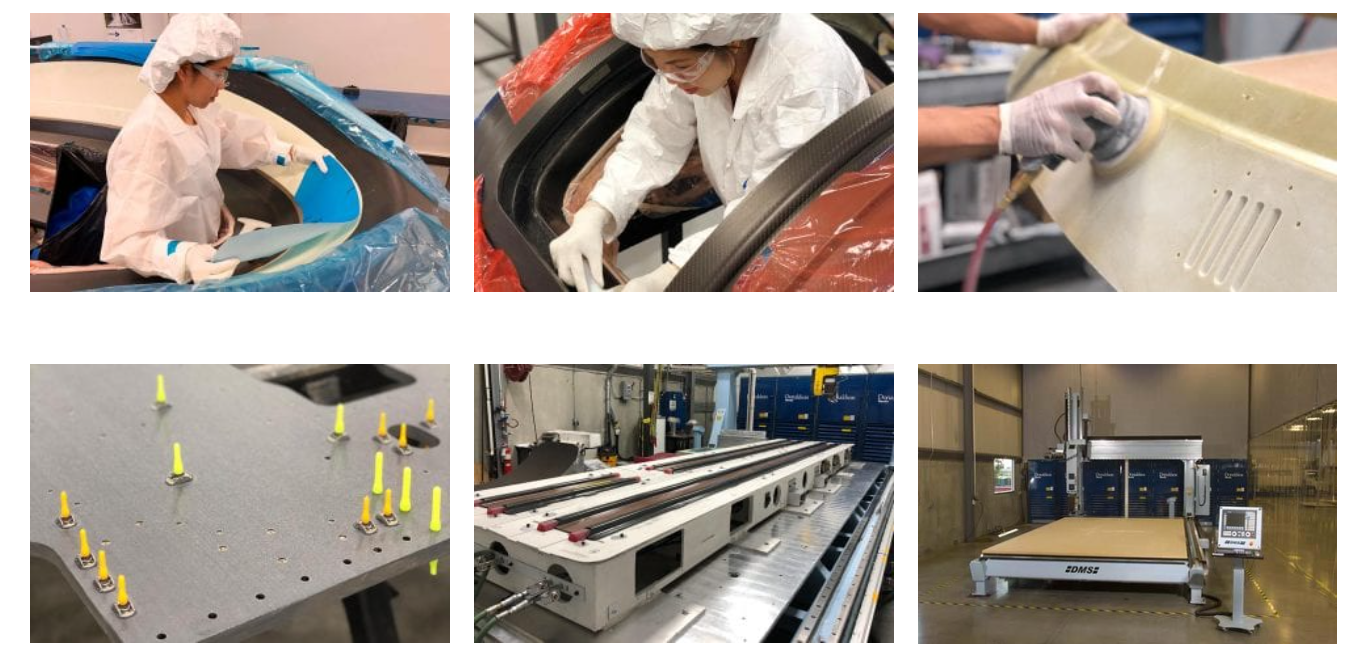
YICHOU supplies precision aerospace-grade bars tailored to your specifications. With advanced CNC machining, heat treatment, and material certification, we deliver custom titanium, aluminum, and stainless steel bars for aerospace manufacturers worldwide. Our quality control ensures traceability and compliance with AMS, ASTM, and AS9100 standards.
5. Raw Materials for Aerospace Manufacturing
Aerospace manufacturing begins with carefully selected raw materials that form the foundation of safe, high-performance flight. These materials undergo rigorous processing and transformation to meet the extreme requirements of aircraft, spacecraft, and defense systems.
What Are the 7 Raw Materials?
The core 7 raw materials commonly used in aerospace manufacturing include:
-
Aluminum – Lightweight, corrosion-resistant, and widely used in airframes.
-
Titanium – High strength-to-weight ratio and heat resistance, ideal for engine and structural parts.
-
Stainless Steel – Durable and fatigue-resistant, used in mechanical supports and hydraulic systems.
-
Nickel-Based Alloys – Withstand high temperatures, critical for jet engines and exhaust systems.
-
Composites – Such as carbon fiber, used to reduce weight while maintaining structural strength.
-
Ceramics – High-temperature stability, used in insulation and heat shields.
-
High-Performance Polymers – Like PEEK or polyimide, used in insulation, connectors, and interiors.
Where Aerospace Raw Materials Come From
Raw materials for aerospace are sourced globally and must come from certified mills and foundries that comply with AMS, ASTM, and NADCAP standards. Key sourcing regions include:
-
Titanium – Russia, China, and the U.S.
-
Aluminum – Australia, Canada, China
-
Nickel – Indonesia, Canada, Russia
-
Composites and Polymers – Europe, Japan, and specialty chemical producers worldwide
YICHOU works with a trusted network of raw material suppliers to ensure consistent quality, traceability, and compliance with international aerospace standards.
Processing Steps: From Billet to Finished Component
Raw materials typically begin as billets, ingots, or sheets, then undergo several precision processes:
-
Forging or Casting – Shaping the raw material into desired forms.
-
Heat Treatment – Enhancing mechanical properties such as hardness, strength, and fatigue resistance.
-
Machining (CNC Turning, Milling, Grinding) – Creating tight-tolerance parts ready for aerospace assembly.
-
Surface Treatment – Includes anodizing, coating, or polishing depending on corrosion and friction requirements.
-
Inspection and Testing – Ensures dimensional accuracy, mechanical integrity, and compliance with certifications.
YICHOU’s Sourcing, Forging, and Heat Treatment Solutions
At YICHOU, we provide end-to-end solutions for aerospace material processing:
-
Material sourcing from certified global suppliers
-
Precision forging and billet shaping using advanced equipment
-
Heat treatment processes tailored to aerospace-grade specifications
-
Custom machining and finishing for bars, plates, and near-net shapes
We ensure full material traceability, compliance with AS9100, and fast delivery to global aerospace and defense customers.
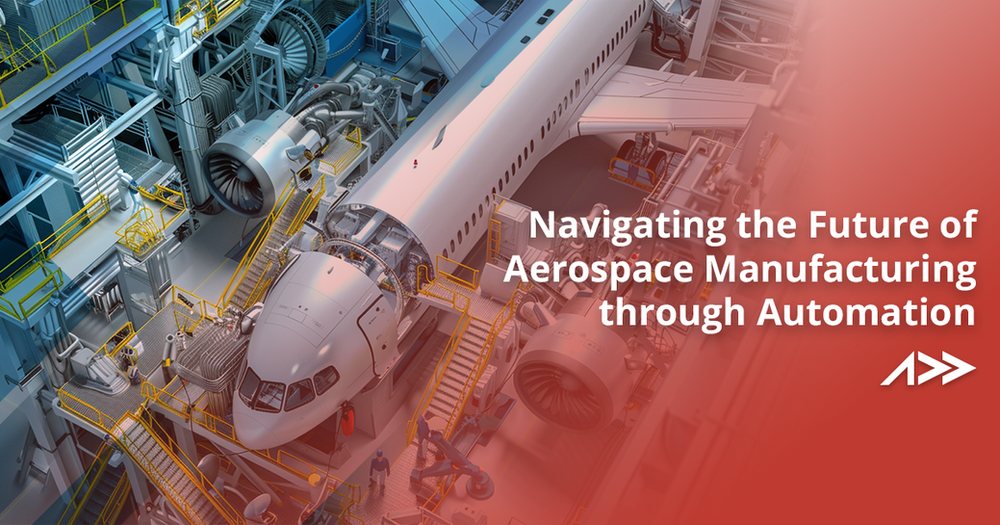
6. Aerospace Materials for Aircraft & Spacecraft
Modern aircraft and spacecraft demand a unique combination of lightweight strength, thermal stability, and corrosion resistance—which only advanced materials can deliver.
Boeing 747 Material Breakdown
A typical Boeing 747 contains:
-
Aluminum Alloys (~80%) – Used extensively in the fuselage, wings, and structural components.
-
Titanium (~5%) – Found in landing gear, engine pylons, and high-stress areas.
-
Steel (~10%) – For fasteners, landing gear, and structural reinforcements.
-
Composites (~5%) – Increasingly used in control surfaces and interior structures.
The selection of materials balances weight, cost, performance, and durability, critical for fuel efficiency and safety.
SpaceX / NASA Spacecraft Material Use
Space-grade materials push engineering limits. Both SpaceX and NASA utilize:
-
Titanium and Inconel – In rocket nozzles and propulsion systems due to extreme heat and stress resistance.
-
Carbon composites – In fairings, fuselage sections, and pressure vessels for lightweight strength.
-
Thermal insulation materials – Like reinforced carbon-carbon (RCC) and multi-layer insulation (MLI), for re-entry and thermal protection.
These materials must meet NASA, ASTM, and MIL standards, with extensive documentation, non-destructive testing (NDT), and traceability.
Material Selection for Weight Reduction and Heat Resistance
In both aviation and aerospace, selecting the right material can:
-
Reduce structural weight by up to 40%, improving fuel efficiency and payload capacity.
-
Withstand temperatures up to 1000°C, especially in engine, exhaust, and re-entry applications.
-
Prevent fatigue failure, ensuring longer component life and reduced maintenance.
YICHOU’s Experience with Space-Grade Titanium and Superalloys
YICHOU supplies and processes aerospace-grade titanium, nickel-based superalloys, and aluminum with:
-
Tight material tolerances
-
Certified melting and heat treatment processes
-
Cleanroom packaging (on request)
-
Full traceability with mill certificates and quality documents
We are proud to support projects in aviation, commercial spaceflight, and satellite systems, delivering precision materials with guaranteed performance.
7. Custom Aerospace Components at YICHOU
In addition to supplying raw and semi-finished materials, YICHOU provides precision manufacturing services for aerospace components.
CNC Machining for Aerospace Parts
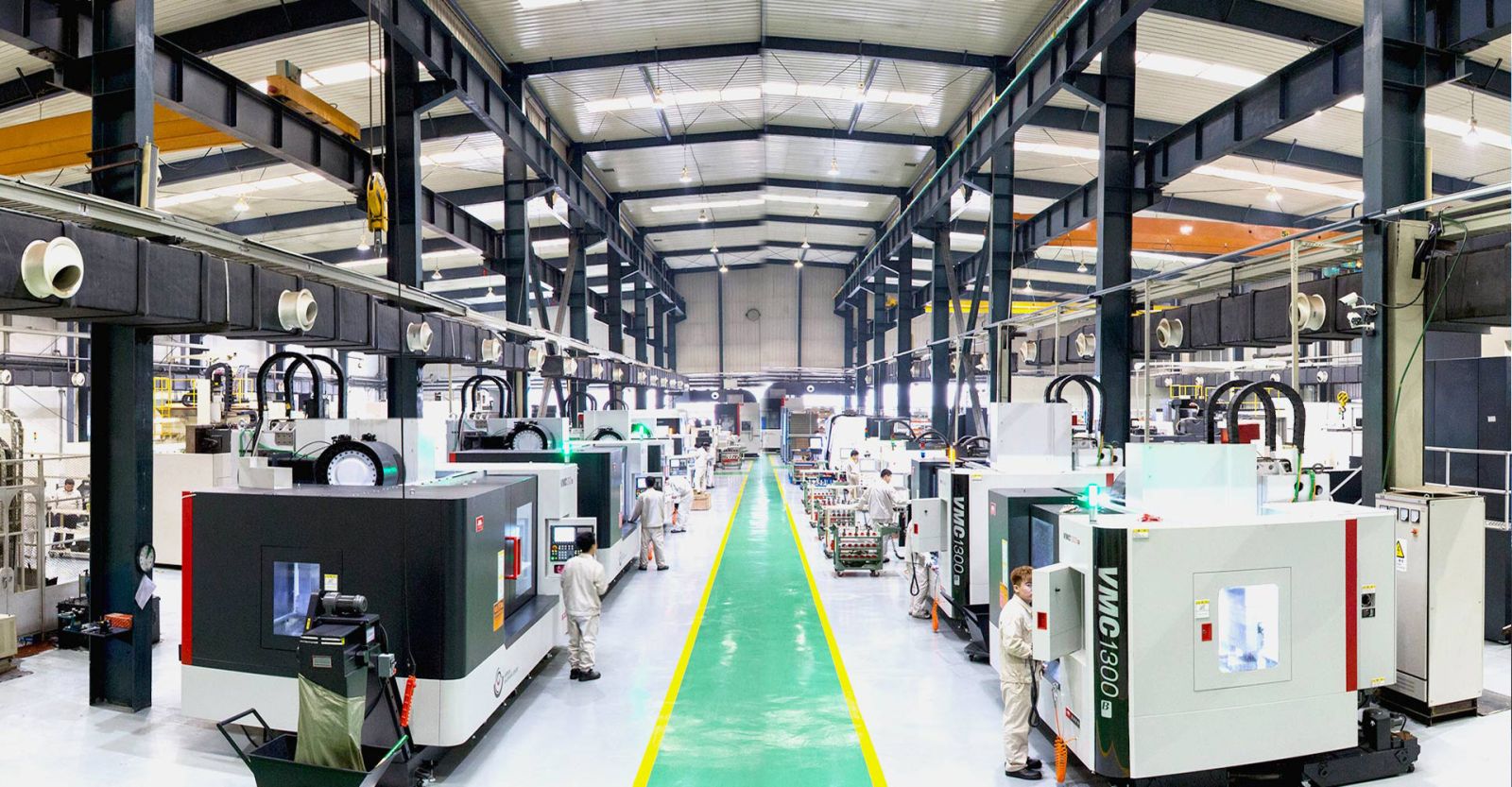
Our 5-axis CNC machines and multi-axis lathes allow us to produce complex aerospace parts with tight tolerances, including:
-
Turbine components (blades, vanes)
-
Structural frames and brackets
-
Engine parts and manifolds
-
Fasteners, bushings, and fittings
All parts are machined to AS9100 and ISO 9001 standards, with optional NADCAP-certified post-treatments available through our partners.
Material Traceability and Certification
Every aerospace part we manufacture is accompanied by:
-
Material test reports (MTR)
-
Certificate of conformance (CoC)
-
Heat lot and batch tracking
-
Optional third-party inspection
This ensures that your parts meet regulatory and customer-specific documentation requirements.
Tolerance & Quality Assurance for High-Performance Parts
Our quality control processes include:
-
3D CMM inspection
-
Ultrasonic and dye penetrant testing
-
Surface finish verification
-
Dimensional reports and PPAP (upon request)
We maintain a zero-defect mindset to serve critical industries with confidence and precision.
Industries Served
YICHOU proudly serves customers in:
-
Commercial aviation – Airlines, MRO, OEMs
-
Defense and military – Tactical UAVs, armored aircraft components
-
Space – Satellite mounts, propulsion system parts, launch structures
-
Research & prototyping – Universities, R&D labs, and space start-ups
8. FAQs About Aerospace Materials
Curious about aerospace-grade materials and their applications? Here are answers to some of the most frequently asked questions:
What Are Smart Materials in Aerospace?
Smart materials are advanced materials that respond to external stimuli such as temperature, pressure, or electrical signals. In aerospace, they are used for:
-
Vibration control
-
Shape-memory components
-
Self-healing composites These materials are still emerging but have significant potential in improving performance and reducing maintenance needs.
What Is Aerospace Composite Made Of?
Aerospace composites typically consist of:
-
Reinforcing fibers (such as carbon fiber, glass fiber, or aramid fiber)
-
Matrix resins (usually epoxy, phenolic, or polyimide)
These materials are chosen for their high strength-to-weight ratio, corrosion resistance, and fatigue tolerance — ideal for aircraft fuselages, wings, and interior components.
What Are the Most Common Materials for Aerospace Structures?
The most commonly used aerospace materials include:
-
Aluminum alloys – For airframe and skin
-
Titanium alloys – For engines and landing gear
-
Nickel-based alloys – For turbine blades and heat-exposed components
-
Carbon fiber composites – For fuselage and control surfaces
Each is selected based on the performance requirements of the specific aerospace structure.
What Material Is Used for Insulation in Aerospace?
Aerospace insulation materials must resist heat, fire, and vibration. Common types include:
-
Ceramic matrix composites
-
Polyimide foams
-
Multilayer insulation (MLI) for spacecraft
-
PTFE and fiberglass blankets in aircraft cabins
These materials ensure both thermal control and passenger safety in extreme flight conditions.
9. Contact YICHOU for Aerospace Material Solutions
YICHOU is your trusted partner for aerospace-grade materials and precision-engineered components. With decades of experience in aerospace metal processing in China, we offer:
Full Production Capabilities
-
Processing of aluminum, titanium, stainless steel, and nickel alloys
-
CNC machining and precision fabrication of aerospace components
-
Capability to meet AMS, ASTM, MIL, and SAE standards
-
Support for both prototype and volume production
Value-Added Services
-
Material consultation and alloy selection
-
Heat treatment, surface finishing, and non-destructive testing (NDT)
-
Full certification and traceability (AS9100, ISO 9001)
Our aerospace team works with clients worldwide to deliver materials and components that meet the highest standards in quality and performance.
.jpg)
Whether you need amaterial supplier or are sourcing custom aerospace CNC machining for your next program, YICHOU is ready to help.
Get Quote
- Visit our website: https://www.nbyichou.com/
- Email us: [email protected]
- Call us/whatsapp: +86 13355741031
- Chat with us: Live chat support available on our website