What Is Inconel 718 Sheet
Inconel 718 sheet is a high-strength, corrosion-resistant nickel-based superalloy designed for use in extreme environments involving high heat and mechanical stress. It is widely used in sheet form for its excellent workability, weldability, and long-term performance at elevated temperatures.
Composition and Metallurgical Background
Inconel 718 is primarily composed of nickel, chromium, and iron, with additions of niobium, molybdenum, and titanium to enhance strength and stability. It is a precipitation-hardening alloy, meaning it gains its high strength through heat treatment rather than just cold working.
| Element | Approximate Content |
|---|---|
| Nickel (Ni) | 50 to 55 percent |
| Chromium (Cr) | 17 to 21 percent |
| Iron (Fe) | Balance |
| Niobium (Nb) | 4.75 to 5.5 percent |
| Molybdenum (Mo) | 2.8 to 3.3 percent |
| Titanium (Ti) | 0.65 to 1.15 percent |
This unique composition provides a combination of high strength, creep resistance, and corrosion resistance, even at temperatures up to 700 degrees Celsius or 1300 degrees Fahrenheit.
Key Properties of Inconel 718 Sheet
-
High yield and tensile strength at elevated temperatures
-
Excellent corrosion resistance in harsh environments
-
Superior oxidation resistance at high temperatures
-
Outstanding fatigue and creep resistance under stress
-
Good weldability and formability compared to other superalloys
Sheet Form Versus Other Forms
-
Sheet: Thin and flexible, typically less than 6 millimeters thick. Suitable for formed components, shrouds, heat shields, and gaskets.
-
Plate: Thicker than sheet, used for structural parts such as flanges or heavy-duty bases.
-
Bar or Rod: Solid cylindrical or square sections used for machined parts like shafts and fasteners.
Selecting the correct form depends on the specific application, weight limits, and fabrication processes required.
What Is Inconel 718 Used For
Due to its exceptional mechanical and chemical properties, Inconel 718 sheet is widely used across high-performance industries where reliability under extreme conditions is essential.
Aerospace Industry
Inconel 718 is widely used in aerospace due to its strength and oxidation resistance at high temperatures. Common applications include:
-
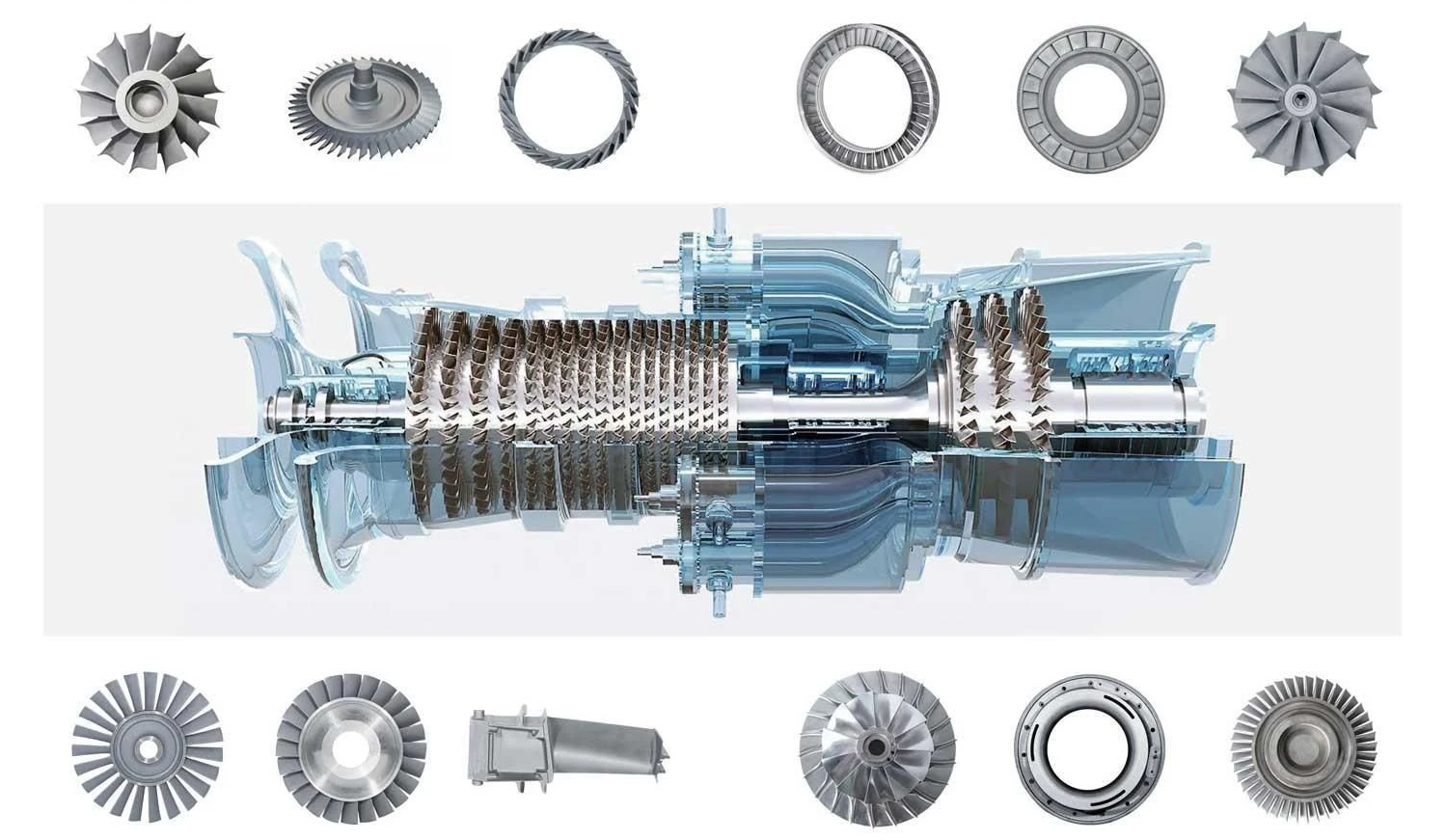
Jet engine turbine discs and components
-
Compressor wheels
-
Exhaust system parts
-
Heat shields and nozzle seals
Oil and Gas Industry
The oil and gas sector requires materials that can withstand corrosion, pressure, and high temperatures. Inconel 718 is commonly used for:
-
Valve components and internal parts
-
Downhole tools and drilling equipment
-
Tubing hangers
-
High-pressure manifold parts
Nuclear and Power Generation
Inconel 718 is also used in energy generation systems where exposure to heat, radiation, and corrosive environments requires a highly durable alloy. Applications include:
-
Steam generator supports
-
Heat exchanger components
-
Structural bolts and fasteners
-
Gas turbine hot-section parts
High Temperature Structural Applications
Inconel 718 sheet is ideal for components exposed to continuous thermal stress in both industrial and automotive environments. Examples include:
-
Furnace parts and baskets
-
High-temperature mounting brackets
-
Turbocharger components
How Thick Is Inconel 718 Sheet Metal
Inconel 718 sheet metal is available in a wide range of thicknesses to suit diverse industrial requirements. The thickness of the sheet directly impacts the application, fabrication method, and structural integrity of the final product.
Standard Thickness Ranges
Inconel 718 sheet is typically supplied in the following thicknesses:
-
From 0.5 millimeters (0.020 inches) for lightweight or precision applications
-
Up to 6 millimeters (0.250 inches) or more for structural or load-bearing applications
These standard sizes allow for flexibility in aerospace, energy, and chemical processing applications.
Custom Thicknesses and Tolerances
Many manufacturers and suppliers offer custom thicknesses based on project specifications. Tight tolerance control can be achieved through precision rolling or machining. When ordering Inconel 718 sheet, it is essential to specify:
-
Thickness requirements
-
Tolerance limits (e.g., ±0.05 mm)
-
Surface finish and flatness, if required for forming or joining
How Thickness Affects Application Choices
-
Thinner sheets are often used for high-temperature shielding, insulation wraps, or formed brackets due to easier forming and bending.
-
Thicker sheets are suitable for pressure-containing parts, flanges, or reinforcement components where structural strength is critical.
Thicker material may require special handling or pre-heating during fabrication processes such as welding or deep forming.
Is Inconel 718 Hard to Machine or Weld
Inconel 718 is known for its high strength and work-hardening characteristics, which can make it more challenging to machine and weld compared to conventional steels or lower-strength alloys. However, with proper methods, both machining and welding can be successfully performed.
Challenges in Machining
-
Tool wear: The alloy’s hardness and strength lead to rapid wear on cutting tools.
-
Heat generation: Poor thermal conductivity means heat builds up at the cutting edge.
-
Work hardening: Inconel 718 hardens quickly during machining, requiring sharp tools and careful technique.
Machining Tips and Recommended Practices
-
Use carbide or ceramic tools with optimized geometries.
-
Apply copious coolant to minimize thermal effects.
-
Use slower cutting speeds and higher feed rates to reduce work hardening.
-
Perform roughing and finishing passes separately to maintain accuracy.
CNC machining with rigid setups and careful control is strongly recommended.
Welding Compatibility and Techniques
Inconel 718 is weldable by most conventional methods, including TIG (GTAW), MIG (GMAW), and electron beam welding. However, welding should be carried out under controlled conditions to prevent cracking and maintain corrosion resistance.
-
Solution annealing and aging may be required after welding to restore strength.
-
Clean surfaces thoroughly before welding to avoid contamination.
-
Use matching filler metals (e.g., Inconel 718 filler) to maintain alloy integrity.
Common Issues and How to Avoid Them
-
Cracking: Caused by stress or improper filler metal; use correct pre-heat and post-weld treatment.
-
Porosity: Avoid contamination, maintain shielding gas coverage.
-
Distortion: Use clamping and slow welding speeds to control heat input.
Understanding these issues in advance helps engineers and procurement specialists plan for successful fabrication of Inconel 718 sheet components.
Does Inconel 718 Rust? What About Oxidation
Inconel 718 is a nickel-based superalloy specifically engineered for high corrosion and oxidation resistance in extreme environments. Its performance surpasses many common metals, making it a preferred material in demanding industries.
Corrosion Resistance in Marine, Acidic, and High-Temperature Environments
Inconel 718 offers excellent resistance to a wide range of corrosive environments, including:
-
Marine environments: High resistance to saltwater corrosion, making it ideal for offshore and subsea applications.
-
Acidic environments: Resists attack from acids such as sulfuric, nitric, and hydrochloric acid, which commonly degrade other metals.
-
High-temperature environments: Maintains structural integrity and resists chemical breakdown at elevated temperatures.
Its chromium content forms a passive oxide layer that protects the material from corrosion over time.
Oxidation Behavior and Temperature Limits
-
Inconel 718 exhibits excellent oxidation resistance up to 1000°C (1830°F).
-
The alloy retains its strength and surface stability in continuous or cyclic heating conditions, crucial for aerospace and power generation.
Comparison with Stainless Steel and Titanium
-
Versus stainless steel: Inconel 718 performs significantly better in high-temperature and aggressive chemical environments where stainless steel would corrode or weaken.
-
Versus titanium: While titanium also offers corrosion resistance, it cannot match Inconel 718’s strength at elevated temperatures.
For applications involving prolonged exposure to heat and chemical attack, Inconel 718 is often the more reliable choice.
Inconel 718 vs Stainless Steel Titanium and Other Alloys
Choosing the right material for high-performance components depends on several factors, including strength, temperature resistance, corrosion resistance, and cost. Here is how Inconel 718 compares to common alternatives.
Strength Comparison
-
Inconel 718: Exceptional high-temperature strength and creep resistance, with tensile strength exceeding 1200 MPa after heat treatment.
-
Stainless steel: Good mechanical properties at room temperature, but strength drops significantly above 600°C.
-
Titanium: High strength-to-weight ratio, but less heat resistant than Inconel 718.
-
Inconel 625 or 750: Each has different advantages—718 is superior in mechanical strength due to its age-hardening capability.
Cost Comparison
-
Inconel 718: Higher cost than stainless steel or titanium due to complex manufacturing and alloy content.
-
Stainless steel: More economical, widely available, but limited in high-temperature and corrosive environments.
-
Titanium: Expensive but often used when weight savings are critical.
Inconel 718 provides better long-term value in environments that would degrade lower-cost materials quickly.
When to Choose Inconel 718 Over Alternatives
Select Inconel 718 when:
-
Operating temperatures exceed 600°C
-
Components are exposed to aggressive corrosive media
-
High fatigue and creep resistance is required
-
Long-term durability and performance are more critical than upfront cost
Comparison Table
| Property | Inconel 718 | Stainless Steel (316) | Titanium Grade 5 |
|---|---|---|---|
| Max Temperature Resistance | ~1000°C | ~600°C | ~400°C |
| Corrosion Resistance | Excellent | Good | Excellent |
| Strength at High Temperature | Very High | Moderate | Moderate |
| Weldability | Good (with care) | Good | Moderate |
| Machinability | Challenging | Good | Moderate |
| Cost | High | Low | High |
This table offers a quick reference for engineers and procurement teams comparing materials for critical applications.
What Is the Difference Between Inconel 718 and 750
Inconel 718 and Inconel 750 are both nickel-based superalloys, but they are designed for different performance profiles and applications.
Key Mechanical and Thermal Differences
-
Inconel 718
-
Age-hardened (precipitation hardening)
-
Excellent strength and creep resistance up to 700°C
-
Superior weldability and formability
-
-
Inconel 750 (Alloy X-750)
-
Also age-hardened, but optimized for higher oxidation resistance
-
Better performance above 700°C
-
Less ductile than 718, with more limited weldability
-
Application-Specific Recommendations
-
Use Inconel 718 for structural components under cyclic loading, such as turbine discs, fasteners, and downhole oil tools.
-
Use Inconel 750 for springs, seals, and components exposed to extreme heat and oxidation.
Additional Comparison with Rene 41, Inconel 625, and Monel 400
| Alloy | Strength | Oxidation Resistance | Temperature Limit | Weldability | Typical Use |
|---|---|---|---|---|---|
| Inconel 718 | Very High | Excellent | ~700°C | Good | Aerospace, energy, oil & gas |
| Inconel 750 | High | Excellent | ~800°C+ | Moderate | Heat shields, springs, jet engines |
| Rene 41 | Extreme | Very Good | ~1000°C | Difficult | High-performance turbine blades |
| Inconel 625 | Moderate | Superior | ~980°C | Good | Corrosive marine and chemical service |
| Monel 400 | Moderate | Good (seawater) | ~500°C | Good | Marine, chemical, heat exchangers |
What Is the Material Equivalent to Inconel 718
Inconel 718 is produced to a number of international specifications, depending on regional standards and industry requirements.
Common Global Standards and Equivalents
-
UNS N07718 – Universal designation
-
AMS 5596 / AMS 5662 / AMS 5663 – Aerospace-grade sheets, bars, forgings
-
ASTM B670 / B637 – General engineering use
-
DIN 2.4668 – European designation
Equivalent Materials in Europe, China, and Japan
-
Europe (EN): EN 2.4668 / Werkstoffnummer 2.4668
-
China (GB): GH4169 (Inconel 718 Chinese equivalent)
-
Japan (JIS): NAS 718
Procurement professionals should confirm that the specification matches both chemical composition and mechanical property requirements for the target application.
Why Is Inconel 718 Expensive Is It Worth It
Inconel 718 is more expensive than many standard engineering alloys, but the cost is justified by its superior performance in extreme conditions.
Raw Material Cost
-
High nickel and chromium content increases base material cost
-
Other alloying elements (niobium, molybdenum) add to the price
Processing Complexity
-
Requires controlled heat treatment (solution annealing and aging)
-
Machining is challenging and increases fabrication time
-
Special handling for welding and forming
Life-Cycle Cost vs Performance
-
Lower maintenance: Components made from 718 last longer
-
Reduced downtime: Less frequent replacement
-
Improved reliability: Especially in mission-critical sectors (aerospace, energy)
Value in Critical Applications
Inconel 718 is cost-effective when failure is not an option — making it worth the premium in:
-
Jet engines
-
Subsea oil tools
-
Nuclear reactors
-
Turbomachinery
Buying Inconel 718 Sheet What to Know Before You Order
Before placing an order for Inconel 718 sheet, engineers and buyers should ensure they understand the technical requirements and sourcing challenges.
Key Specifications to Confirm
-
Thickness range and tolerance
-
Grain size and direction (for formability and strength)
-
Delivery condition (solution annealed, aged, cold-rolled)
Certifications and Standards to Look For
-
Material Test Certificate (MTC) / EN 10204 3.1 or 3.2
-
Conformance to AMS 5596 or ASTM B670
-
RoHS and REACH compliance, if needed
Surface Finish Options
-
Mill finish
-
Bright annealed
-
Cold rolled with specific Ra value for aerospace or medical use
Tips for Sourcing and Choosing Reliable Suppliers
-
Choose suppliers with experience in high-nickel alloys
-
Ask for sample MTCs and batch traceability
-
Confirm lead time and minimum order quantity (MOQ)
-
If critical, verify ISO 9001 or AS9100 certifications
This structure will guide the full article content with natural keyword placement for terms like Inconel 718 sheet, corrosion resistance, high temperature alloy, machinability, weldability, and more — boosting visibility and authority for search engines and technical readers alike.
Conclusion
Inconel 718 sheet stands out as a top choice for engineers and procurement teams handling high-performance projects. Its exceptional strength, corrosion resistance, and high-temperature stability make it ideal for demanding applications in aerospace, power generation, marine, and oil and gas industries.
Despite its higher cost and machining challenges, the long-term performance benefits of Inconel 718 often outweigh the initial investment—especially in environments where failure is not an option.
For engineers or buyers evaluating materials for a specific design, it is highly recommended to consult with metallurgical experts or experienced suppliers. Getting the right specification, thickness, and certification from the beginning ensures quality, compliance, and efficiency throughout the production process.
To learn more about Inconel 718 sheet properties, certifications, or available stock, please refer to our [Inconel 718 Datasheet] or [Contact Us] for detailed assistance.
Get Quote
- Visit our website: https://www.nbyichou.com/
- Email us: [email protected]
- Call us/whatsapp: +86 13355741031
- Chat with us: Live chat support available on our website