Introduction
In the fast-evolving world of aerospace engineering, composite materials have become a cornerstone of innovation. Known for their exceptional strength-to-weight ratio, durability, and design flexibility, aerospace composites are now essential in the manufacturing of aircraft, spacecraft, and other high-performance aerospace components. By reducing weight without compromising structural integrity, these materials play a pivotal role in improving fuel efficiency, increasing payload capacity, and enhancing overall performance and safety.
At YICHOU, we specialize in providing high-quality aerospace composite materials tailored to meet the demanding requirements of modern aviation and space exploration. With a strong commitment to precision, innovation, and customer satisfaction, YICHOU has become a trusted partner for manufacturers and engineers seeking reliable and advanced composite solutions. Whether you're designing commercial aircraft, military jets, or space systems, our expertise and materials help push the boundaries of aerospace performance.
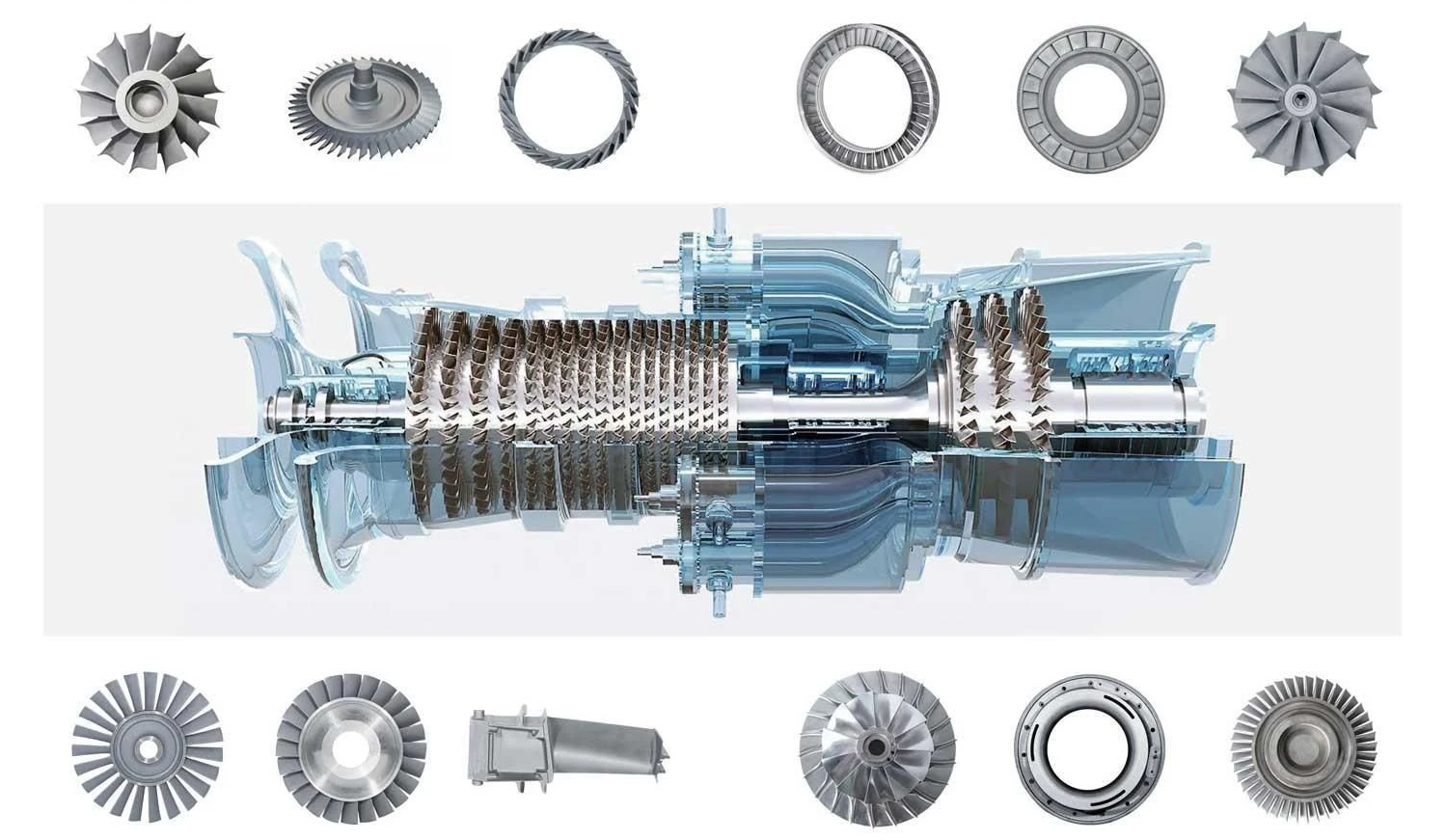
1. Understanding Aerospace Composite Materials
Definition and Composition
Aerospace composites are engineered materials made by combining two or more constituent materials with significantly different physical or chemical properties. The result is a composite material that delivers superior performance characteristics not found in the individual components.
One of the most widely used aerospace composites is Carbon Fiber Reinforced Polymer (CFRP). CFRPs are composed of:
-
Carbon fibers: Provide exceptional tensile strength and stiffness.
-
Polymer matrix (typically epoxy resin): Binds the fibers together, transfers load, and protects against environmental damage.
These materials are meticulously engineered to perform under extreme conditions, making them ideal for applications in aircraft structures, engine components, and space systems.
Advantages Over Traditional Materials
Aerospace composites, especially CFRPs, offer several key advantages compared to traditional metals like aluminum or steel:
-
High Strength-to-Weight Ratio
Composites deliver comparable or even superior strength to metal, but at a fraction of the weight. This leads to better fuel efficiency and increased range or payload for aircraft and spacecraft. -
Corrosion Resistance
Unlike metals, composites do not rust or corrode when exposed to harsh environmental conditions, making them highly durable in aerospace environments. -
Enhanced Design Flexibility
The ability to mold composites into complex shapes allows engineers to optimize aerodynamics and structural performance in ways that are difficult with metal parts. -
Improved Durability and Fatigue Resistance
Composite materials can withstand repetitive stress cycles and environmental wear, ensuring a longer operational life with less maintenance.
At YICHOU, we manufacture aerospace-grade composite materials designed to exceed these performance benchmarks, supporting clients who demand reliability, efficiency, and innovation in every component.

2. Applications in the Aerospace Industry
Aerospace composite materials have become integral to the design and construction of aircraft, spacecraft, and defense systems. Their unique properties, such as lightweight strength, corrosion resistance, and design flexibility, allow for groundbreaking innovations in each area. Below are key applications across different sectors:
Commercial Aviation
In commercial aviation, composites are revolutionizing aircraft design, particularly in critical components such as fuselages, wings, and tail structures. The use of Carbon Fiber Reinforced Polymers (CFRP) and Glass Fiber Reinforced Polymers (GFRP) allows for significant weight reduction while maintaining or even enhancing the strength and structural integrity of the aircraft. This results in:
-
Fuel efficiency improvements: Lighter aircraft require less fuel, leading to cost savings for airlines and a smaller environmental footprint.
-
Increased payload capacity: With reduced weight, airlines can carry more passengers and cargo, improving operational efficiency.
-
Enhanced passenger comfort: Composites reduce noise and vibration in the cabin, providing a smoother and more comfortable flight experience.
Leading commercial aircraft, such as the Boeing 787 Dreamliner and the Airbus A350, rely heavily on composite materials, with the fuselage and wings made almost entirely from advanced composites.
Defense Sector
In the defense sector, aerospace composites are essential for the development of military aircraft, unmanned aerial vehicles (UAVs), and stealth systems. The primary advantages composites offer in defense applications include:
-
Enhanced performance: The lightweight nature of composites enables military aircraft to achieve higher speeds, greater maneuverability, and improved fuel efficiency.
-
Stealth capabilities: Composites can be designed to absorb radar signals or prevent detection, enhancing the stealth characteristics of military aircraft.
-
Durability in extreme conditions: Military-grade composites withstand the extreme pressures, high speeds, and corrosive environments encountered in defense missions.
Many modern fighter jets, such as the F-35 Lightning II, use advanced composite materials in their construction to achieve superior performance and stealth.
Space Exploration
In space exploration, composite materials are integral to the design of spacecraft components that must endure extreme conditions, including high-speed atmospheric reentry, extreme temperatures, and radiation. Composites are used in:
-
Rocket components: Composite materials provide the strength and lightweight properties needed for rocket casings, fuel tanks, and launch vehicle structures.
-
Satellite components: The precision molding of composites allows for the creation of lightweight, yet incredibly durable parts for satellite structures and solar panels.
-
Spacecraft heat shields: Composites are used in heat shields and thermal protection systems to protect spacecraft during reentry.
For example, NASA’s Mars rovers and space shuttles use composite materials in various structural components, ensuring durability and weight reduction during their missions.
At YICHOU, we specialize in providing aerospace composites tailored for each of these high-performance applications. Whether it’s for enhancing fuel efficiency in commercial aviation, advancing military capabilities, or supporting space exploration, our materials are engineered to meet the most demanding aerospace standards.
2. Applications in the Aerospace Industry
Aerospace composite materials have transformed the global aerospace industry by providing unmatched performance, weight savings, and structural benefits. Whether in commercial, defense, or space sectors, composites are now essential for meeting today’s engineering and sustainability demands.
Commercial Aviation
Modern commercial aircraft increasingly rely on composite materials to reduce operational costs and improve performance. Key applications include:
-
Fuselages and Wings: Carbon Fiber Reinforced Polymers (CFRP) are widely used to manufacture aircraft fuselages and wings, offering high strength at significantly reduced weight.
-
Fuel Efficiency: Lighter airframes lead to lower fuel consumption, reducing both emissions and operating costs.
-
Passenger Comfort and Maintenance: Composite materials absorb vibration and require less maintenance than traditional metals, improving cabin experience and airline efficiency.
Aircraft models like the Boeing 787 Dreamliner and Airbus A350 use over 50% composites in their primary structures—proof of the material’s growing dominance in aviation.
Defense Sector
In military aviation, performance, stealth, and survivability are critical. Composites are a strategic material of choice for:
-
Military Aircraft and UAVs: Used in wings, fuselages, and load-bearing components to enhance speed, agility, and payload capacity.
-
Stealth Technology: Radar-absorbent composites minimize detection by enemy radar systems.
-
Durability: Resistant to corrosion and fatigue, composites extend the lifecycle of defense systems in harsh operational environments.
Fighter jets like the F-22 Raptor and F-35 Lightning II depend on advanced composite structures for next-level aerodynamics and stealth.
Space Exploration
In space applications, where every gram counts, composites play a vital role in ensuring mission success:
-
Rocket and Launch Vehicle Components: Lightweight carbon composites are used in fairings, fuel tanks, and structural parts to reduce launch mass.
-
Satellite Structures: Composites provide excellent dimensional stability and resistance to space radiation.
-
Thermal Shields and Reentry Modules: Specialized high-temperature composites protect spacecraft during atmospheric reentry.
Organizations like NASA and SpaceX rely on aerospace composites to meet extreme demands in weight reduction, strength, and performance beyond Earth’s atmosphere.
At YICHOU, we supply high-performance composite materials specifically tailored to these sectors. Our aerospace-grade solutions help manufacturers achieve greater fuel economy, stealth, and mission reliability—no matter how demanding the application.
3. Addressing Client Concerns
When considering aerospace composite materials, clients often seek assurance on safety, long-term value, and adaptability to specific engineering needs. At YICHOU, we understand these priorities and deliver composite solutions that meet the highest global standards.
Safety and Reliability
Safety is paramount in the aerospace industry. Our composite materials are engineered for:
-
Structural Integrity: Aerospace composites such as Carbon Fiber Reinforced Polymers (CFRP) are rigorously tested for strength, fatigue resistance, and durability, ensuring reliable performance under extreme stress and environmental conditions.
-
Fire Resistance: Advanced resin systems and fire-retardant additives ensure that YICHOU's composite materials meet stringent FAA flammability and smoke toxicity standards, offering protection and peace of mind.
-
Consistent Quality: We adhere to strict quality control processes and certifications to guarantee each batch of material meets aerospace-grade specifications.
Cost-Effectiveness
While initial costs of composite materials may be higher than traditional metals, the long-term value is undeniable:
-
Reduced Fuel Consumption: Lightweight composite structures help aircraft operators save significantly on fuel—one of the largest operating costs in aviation.
-
Lower Maintenance Costs: Composites are resistant to corrosion and fatigue, minimizing the need for frequent repairs and reducing downtime.
-
Lifecycle Efficiency: The extended service life of composite components contributes to higher return on investment (ROI) over the lifespan of the aircraft.
Clients across commercial and defense sectors choose composites for their ability to drive down operational costs while maintaining top-tier performance.
Customization and Design Support
At YICHOU, we go beyond material supply—we offer full-spectrum support to help clients achieve their aerospace goals:
-
Tailored Material Solutions: We provide custom composite formulations, including fiber type, resin systems, and lay-up configurations based on application-specific requirements.
-
Engineering Collaboration: Our experienced technical team collaborates closely with client R&D and procurement teams to optimize design, performance, and manufacturability.
-
Rapid Prototyping & Testing: From design validation to small-batch prototyping, we offer fast turnaround and real-world testing to accelerate your time-to-market.
Whether you're developing a lightweight UAV, an advanced satellite structure, or retrofitting a commercial fleet—YICHOU is your trusted partner in aerospace composite innovation.
4. YICHOU’s Commitment to Quality and Innovation
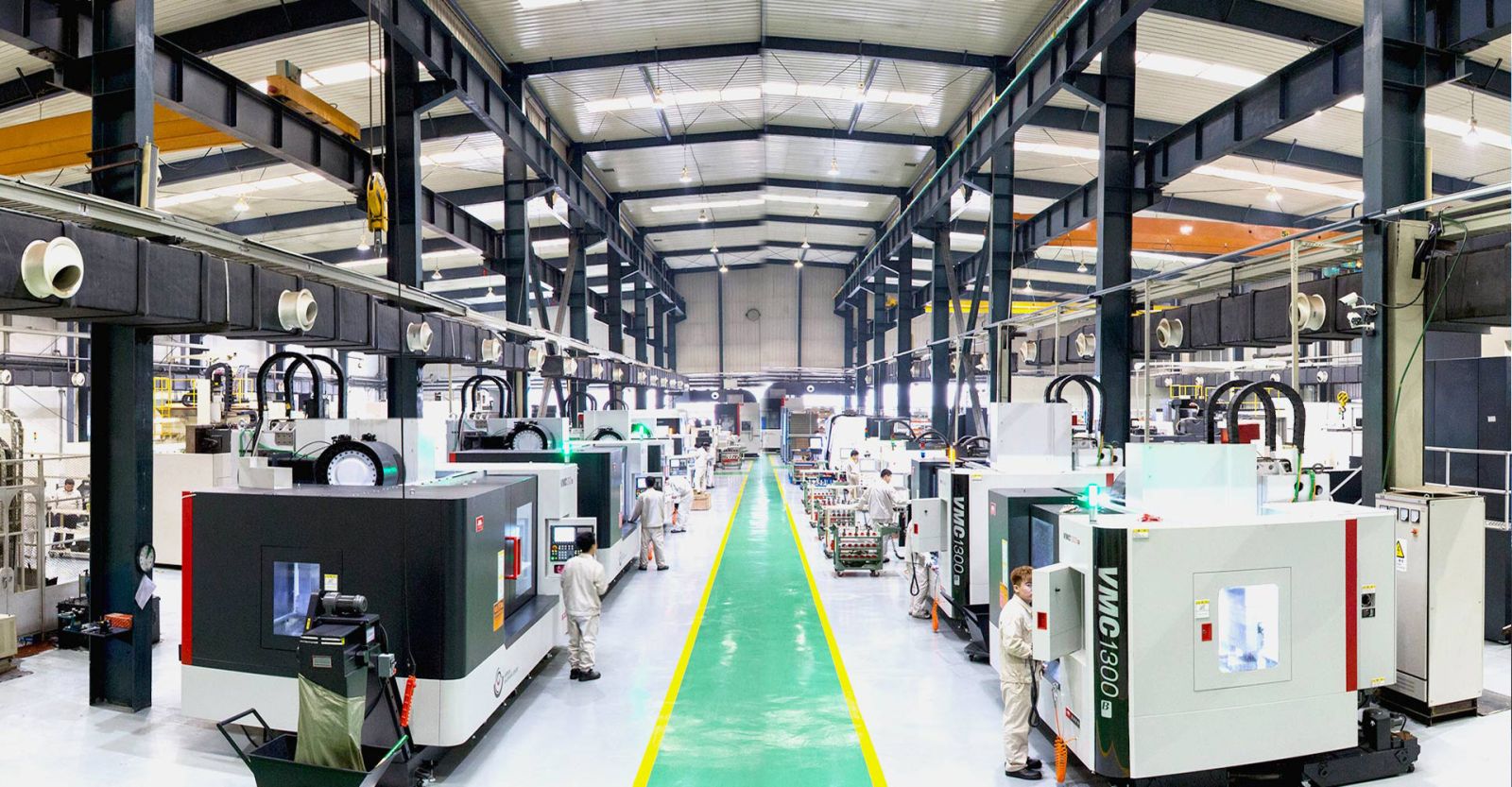
At YICHOU, we are more than just a composite materials supplier—we are a strategic partner for aerospace innovation. Our commitment to precision manufacturing, continuous R&D, and global compliance ensures we consistently deliver cutting-edge, aerospace-grade solutions.
Advanced Manufacturing Processes
YICHOU employs state-of-the-art production technology to meet the complex demands of the aerospace industry:
-
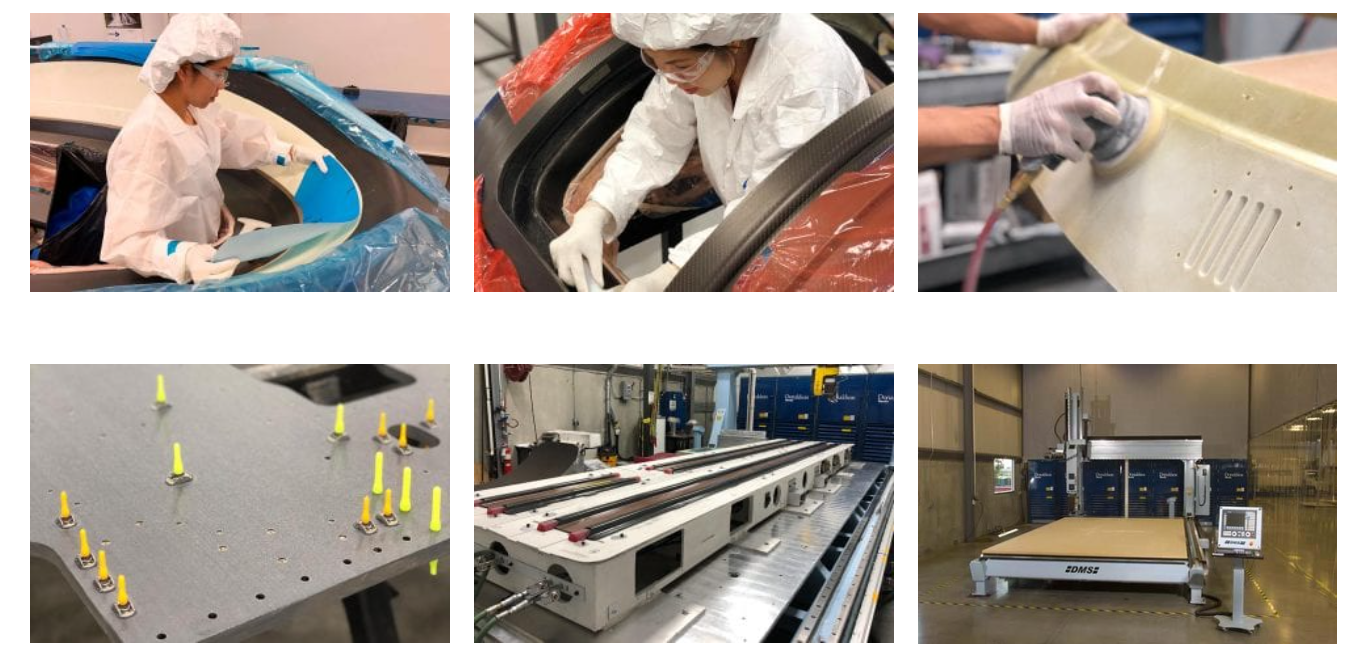
Autoclave Curing and Resin Transfer Molding (RTM): We utilize industry-proven techniques to ensure uniformity, strength, and minimal void content in every composite component.
-
Precision Fiber Placement and Lay-Up Automation: Robotic lay-up systems allow for high-speed, repeatable production of consistent and structurally sound parts, reducing human error and maximizing efficiency.
-
Cleanroom Facilities: Our cleanroom manufacturing environments ensure contaminant-free processing—crucial for aerospace applications requiring absolute material integrity.
Each part we produce reflects world-class craftsmanship, built to withstand extreme performance conditions from takeoff to orbit.
Research and Development
Innovation drives our success. At YICHOU, we invest heavily in materials science and engineering innovation to stay ahead of evolving aerospace demands:
-
New Resin Systems and Hybrid Composites: Our R&D team explores next-generation formulations for enhanced flame resistance, higher temperature tolerances, and greater structural versatility.
-
Lightweight Optimization: We work closely with aerospace engineers to minimize weight without compromising safety, improving overall aircraft performance.
-
Collaborative Projects: We frequently collaborate with clients and research institutes to co-develop bespoke composite solutions for pioneering aerospace programs.
This future-focused approach ensures our clients gain early access to emerging technologies and performance enhancements.
Certifications and Compliance
YICHOU’s aerospace composites are manufactured under strict quality assurance protocols and meet all major international standards:
-
AS9100 / ISO 9001 Certified: Our facilities are certified for aerospace manufacturing quality, ensuring traceability, consistency, and compliance.
-
REACH & RoHS Compliance: We adhere to global environmental and safety regulations.
-
Material Test Reports (MTRs) and Certificates of Conformance (CoCs) are available with every shipment, ensuring full transparency and documentation.
With YICHOU, clients can trust that every product is built with precision, validated through testing, and certified for global aerospace markets.
5. Partnering with YICHOU
Choosing the right aerospace composite supplier can define the success of your engineering project. At YICHOU, we deliver more than materials—we provide reliable partnerships, tailored expertise, and a commitment to your long-term success.
Comprehensive Support
From your first inquiry to final delivery, YICHOU ensures a seamless and responsive client experience:
-
Material Selection Guidance: Our engineers help you choose the optimal fiber-resin combination for your application—whether for structural components, heat shielding, or lightweight panels.
-
Technical Assistance: We offer full technical documentation, prototyping support, and testing services to validate material performance before full-scale production.
-
After-Sales Service: Dedicated account managers provide follow-up support, documentation, and reorders to ensure smooth supply chain continuity.
Proven Track Record
YICHOU’s materials are trusted by leading players across aerospace sectors:
-
Successfully supplied CFRP and high-performance prepregs for commercial airframe projects, military UAVs, and space-grade component manufacturers.
-
Positive client feedback highlights our product reliability, fast turnaround times, and collaborative approach.
-
References and case studies available upon request—demonstrating real-world success across global markets.
Global Reach
With logistics capabilities spanning multiple continents, YICHOU ensures timely and efficient delivery of composite materials:
-
Worldwide Shipping: We export to North America, Europe, the Middle East, and Asia, with experience navigating customs and aerospace compliance requirements.
-
Flexible Supply Models: Whether it’s a one-time project or a long-term supply contract, we offer scalable solutions to fit your production schedule.
Our global logistics team works closely with you to minimize lead times and maximize operational efficiency.
Conclusion
Aerospace composite materials are the future of aviation and space technology—offering unmatched strength, weight reduction, and design freedom. Backed by advanced manufacturing, a strong commitment to R&D, and proven global delivery capabilities, YICHOU is your trusted partner in high-performance composite solutions.
Ready to Take Off with YICHOU?
Contact us today to discuss your project requirements or request a custom quote. Whether you need tailored carbon fiber prepregs, resin systems, or ready-to-mold kits—we’re here to support your innovation journey.
Get Quote
- Visit our website: https://www.nbyichou.com/
- Email us: [email protected]
- Call us/whatsapp: +86 13355741031
- Chat with us: Live chat support available on our website