Introduction
Turbine blades play a critical role in energy generation and aerospace engines, directly impacting efficiency, performance, and durability. As a key component in turbines, they are responsible for converting energy from steam, gas, or wind into mechanical power, making them indispensable in power plants, jet engines, and renewable energy systems.
At YICHOU, we specialize in manufacturing high-performance turbine blades that meet the most demanding standards. Using advanced materials, precision engineering, and innovative processes, we deliver solutions that optimize performance, ensure longevity, and maximize efficiency for a variety of industries.
This blog will address the most common questions about turbine blades—what they are, their types, functions, and maintenance—while showcasing why YICHOU is the trusted partner for your turbine blade needs.
1. What Are Turbine Blades?
Turbine blades are critical components in power generation and propulsion systems, converting energy from steam, gas, or wind into mechanical power. They are designed to withstand extreme operating conditions while maintaining optimal efficiency.
Why Do Turbines Have Blades?
Turbines rely on blades to capture and convert the kinetic or thermal energy of air, gas, or steam into rotational motion. This motion drives generators, engines, or other machinery to produce energy or thrust.
The Role of Turbine Blades in Energy Conversion
- In Power Generation: Turbine blades harness the energy of steam or wind to spin a rotor, generating electricity in power plants or wind farms.
- In Aerospace: In jet engines, turbine blades extract energy from high-pressure gas to propel the engine and aircraft forward.
Key Design Factors
- Aerodynamics: Turbine blades are precisely engineered to maximize airflow efficiency and energy capture.
- Material Strength: Turbine blades must endure high pressures and extreme forces without deforming or breaking.
- Thermal Resistance: For gas and steam turbines, blades operate in high-temperature environments, requiring heat-resistant materials like superalloys or ceramics.
FAQs Addressed:
-
Why do turbines only have 3 blades?
Wind turbines typically use three blades to balance efficiency, cost, and structural stability. Three blades reduce noise, provide smooth rotation, and maximize energy capture without unnecessary weight. -
What is the lifespan of a wind turbine blade?
Wind turbine blades usually last 20–25 years, depending on materials, environmental conditions, and maintenance practices. -
Are turbine blades grown?
Advanced manufacturing techniques, such as casting or additive manufacturing, are used to "grow" turbine blades with precise structures and properties. -
Are turbine blades made of metal?
- For Gas/Steam Turbines: Blades are commonly made from nickel-based superalloys or titanium due to their strength and heat resistance.
- For Wind Turbines: Blades are typically made from lightweight composite materials like fiberglass or carbon fiber to ensure durability and performance.
-
What is the difference between a turbine blade and a compressor blade?
- Turbine Blade: Converts energy from gas, steam, or air into mechanical power.
- Compressor Blade: Compresses incoming air or gas to increase pressure before it enters the combustion chamber.
By understanding the role and design of turbine blades, you can appreciate their importance in powering industries and driving innovation. At YICHOU, we excel in producing high-performance turbine blades tailored to meet diverse operational needs, ensuring efficiency and durability in every application.
2. What Are the Three Types of Turbine Blades?
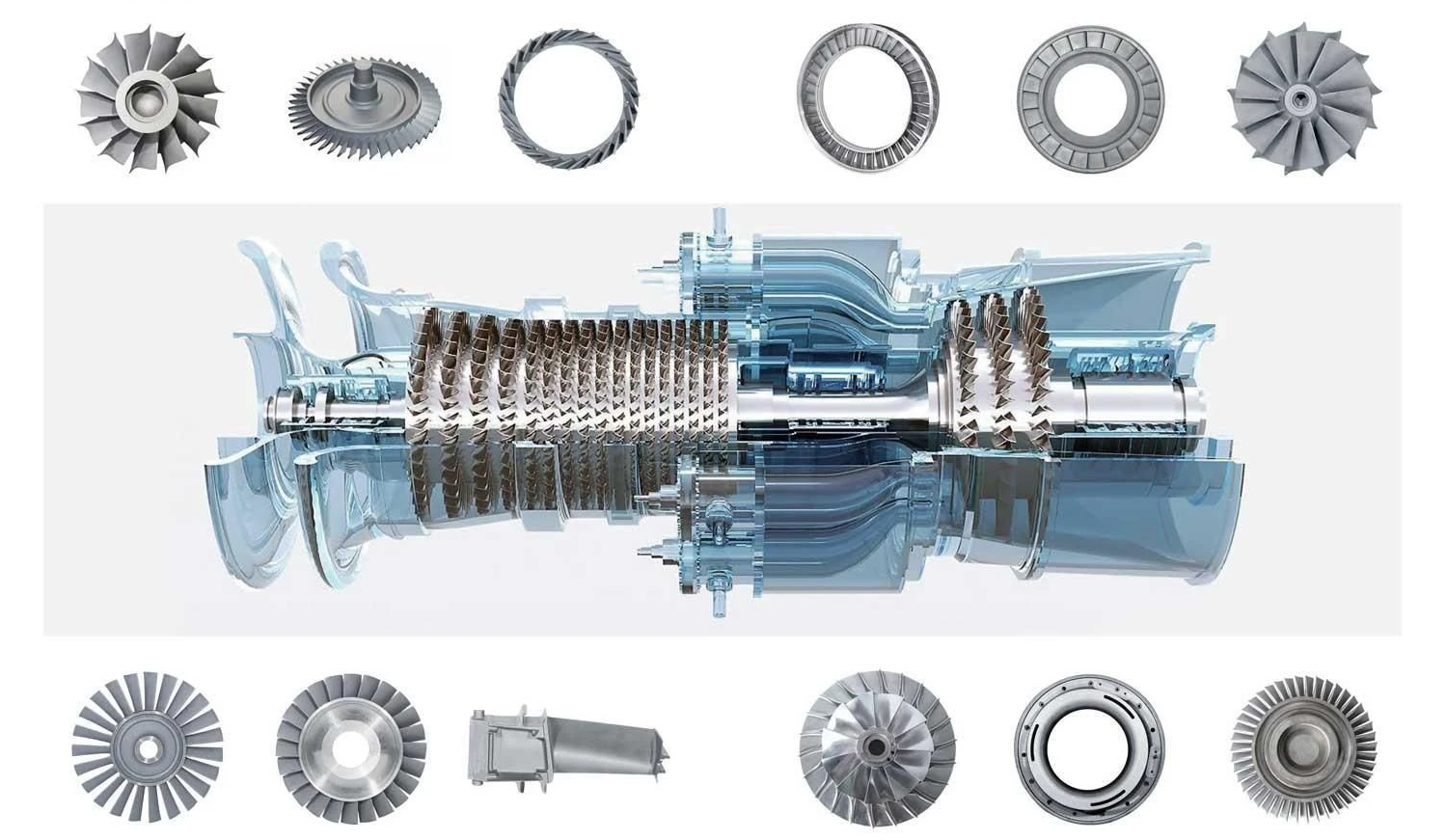
Turbine blades come in three primary types, each designed to suit specific operational needs and energy conversion processes. These include Impulse Blades, Reaction Blades, and Hybrid Blades. Here's an in-depth look at their features, working principles, and applications.
1. Impulse Blades
Impulse blades rely on high-velocity steam or gas jets that strike the blade's surface, transferring kinetic energy to the turbine.
- How It Works: The gas or steam flow is directed through nozzles to create high-speed jets, which impact the blades and cause them to rotate.
- Design Features: The blade profile is simple, with minimal curvature, as the energy transfer depends primarily on the velocity of the gas/steam.
- Applications:
- Common in steam turbines used in power plants.
- Ideal for low-pressure stages in gas turbines.
2. Reaction Blades
Reaction blades utilize the pressure difference across the blade's surfaces to generate power.
- How It Works: Steam or gas passes over the blade, creating lift-like forces that cause rotation. The blade itself acts as both a nozzle and a reaction surface.
- Design Features: Curved and aerodynamic, these blades maximize pressure utilization.
- Applications:
- Predominantly used in aerospace jet engines.
- Found in the high-pressure stages of gas turbines.
3. Hybrid Blades
Hybrid blades combine the principles of both impulse and reaction designs to achieve high efficiency across varying conditions.
- How It Works: The leading edge operates like an impulse blade, while the trailing edge functions like a reaction blade.
- Design Features: Complex shapes that balance velocity and pressure energy utilization.
- Applications:
- Used in advanced jet engines and high-efficiency power turbines.
Comparison of Applications
| Blade Type | Power Plants | Wind Turbines | Jet Engines |
|---|---|---|---|
| Impulse Blades | Steam turbines in thermal power plants | Rarely used | Low-pressure turbine stages |
| Reaction Blades | High-pressure steam and gas turbines | Rarely used | High-pressure turbine stages |
| Hybrid Blades | Advanced gas turbines | Rarely used | Advanced jet engines |
FAQs Addressed
-
What is the best blade shape for a turbine?
The ideal shape depends on the application. For jet engines, curved, aerodynamic blades maximize efficiency. For power plants, blade shapes are optimized to handle either velocity (impulse) or pressure differences (reaction). -
What are the names of the turbine blades?
Turbine blades are classified as impulse blades, reaction blades, or hybrid blades based on their design and operational principles. -
How are turbine blades shaped?
Blades are designed with precise aerodynamics, often curved or twisted, to maximize energy capture while withstanding extreme conditions. -
What are jet engine turbine blades made of?
Jet engine turbine blades are typically made from nickel-based superalloys, titanium, or advanced ceramic matrix composites. These materials provide excellent heat resistance, strength, and durability.
At YICHOU, we specialize in manufacturing all three types of turbine blades with precision engineering and premium materials. Whether for power plants, wind turbines, or aerospace engines, our turbine blades deliver unmatched performance and reliability.

3. Are Turbine Blades Sharp?
Turbine blades are not just components of machinery; they are marvels of engineering designed with exceptional precision. While they may appear sharp, their edges are specifically engineered for optimal performance rather than sharpness alone. Let’s explore the role of blade sharpness, its impact on efficiency, and the durability challenges faced by these critical components.
The Role of Sharp Edges in Turbine Blades
-
Improved Efficiency in Energy Transfer
- Sharp or precisely contoured edges enhance energy transfer by reducing airflow resistance.
- They help direct air, gas, or steam more effectively, increasing the turbine's efficiency in converting energy into mechanical power.
-
Reduced Drag and Enhanced Airflow
- A sharp leading edge minimizes turbulence and drag, allowing smoother and faster airflow.
- This design is particularly important in high-speed environments like jet engines and gas turbines.
Durability Challenges
-
Blade Erosion
- In high-velocity environments, turbine blades face continuous exposure to dust, water, and particles.
- Over time, this can cause erosion, dulling the edges and reducing performance.
- Erosion-resistant coatings and advanced materials are often used to mitigate these effects.
-
Extreme Operating Conditions
- How Hot Do Turbine Blades Get?
- In gas turbines or jet engines, blade temperatures can exceed 1,000°C (1,800°F).
- Blades are made from heat-resistant materials such as nickel-based superalloys or ceramic composites to withstand these extreme conditions.
- How Hot Do Turbine Blades Get?
-
Maintenance and Replacement
- Turbine blades require regular inspections to ensure their edges remain in optimal condition.
- How Often Are Turbine Blades Replaced?
- The replacement schedule depends on factors like material quality, operating conditions, and wear levels.
FAQs Addressed
-
How Fast Do Turbine Blades Spin?
- The rotational speed varies:
- Wind turbines: 10–20 RPM (rotations per minute).
- Jet engines: Blades in the compressor stage can exceed 10,000 RPM.
- The rotational speed varies:
-
Why Do Turbine Blades Wear Out?
- Erosion, thermal fatigue, and mechanical stress contribute to blade degradation over time.
-
What Type of Blades Are the Sharpest?
- Blades in jet engines are typically sharper than those in wind turbines due to the need for precision in airflow management.
-
How Hot Do Turbine Blades Get?
- As mentioned, temperatures can surpass 1,000°C in gas turbines. Advanced cooling systems and heat-resistant materials are critical in managing these extreme conditions.
-
What Metal Are Turbine Blades Made Of?
- Turbine blades are often made of:
- Nickel-based superalloys: For extreme heat resistance.
- Titanium: For lightweight and high-strength applications.
- Ceramic matrix composites: For cutting-edge, high-temperature environments.
- Turbine blades are often made of:
4. Do They Bury Wind Turbine Blades?
As the demand for renewable energy continues to grow, the question of what happens to wind turbine blades at the end of their lifecycle becomes increasingly important. This section explores the challenges of disposing of these massive components, innovations in recycling, and the environmental implications of their disposal.
The Lifecycle of Wind Turbine Blades
-
Lifespan of Wind Turbine Blades
- Wind turbine blades typically last 20–25 years, depending on operating conditions and maintenance.
- Over time, exposure to weather, UV radiation, and mechanical stress reduces their performance, requiring replacement.
-
Challenges of Recycling Wind Turbine Blades
- Blades are made from composite materials like fiberglass and carbon fiber, which are lightweight and durable but difficult to recycle.
- The complexity of separating these materials makes traditional recycling methods inefficient and costly.
What Happens to Wind Turbine Blades After They Die?
-
Current Disposal Methods
- Landfills:
- Due to their size and material composition, many retired blades end up in landfills.
- What Percentage of Wind Turbines End Up in Landfills?
- Estimates suggest that a significant portion, up to 90%, of decommissioned blades are currently landfilled.
- Incineration:
- Some blades are burned, but this raises concerns about releasing harmful emissions.
- Landfills:
-
Innovations in Blade Recycling
- Mechanical Recycling: Grinding blades into smaller particles for use in construction materials.
- Chemical Recycling: Breaking down composites into their base materials for reuse.
- Biodegradable or Reusable Blade Technologies:
- New research focuses on creating blades from thermoplastic resins, which are easier to recycle.
Environmental Concerns and Solutions
-
Landfill Alternatives
- Using decommissioned blades in:
- Structural projects: Reinforcing bridges or creating playgrounds.
- Energy storage: As reinforcement in pumped hydro storage facilities.
- Using decommissioned blades in:
-
New Blade Technologies
- Development of biodegradable blades using natural fibers or eco-friendly resins.
- Investment in modular blade designs for easier disassembly and recycling.
FAQs Addressed
-
What Happens to Wind Turbine Blades After They Die?
- Without proper recycling, many blades are disposed of in landfills or incinerated, though alternatives are emerging.
-
How Many Years Do Wind Turbine Blades Last?
- Typically, blades last 20–25 years with proper maintenance.
-
Has a Blade Ever Fallen Off a Wind Turbine?
- While rare, blade failures can occur due to extreme weather or mechanical defects. Advanced design and testing have minimized this risk significantly.
-
What Percentage of Wind Turbines End Up in Landfills?
- A large majority of retired blades, up to 90%, currently end up in landfills, though this trend is gradually changing with improved recycling methods.
5. Why Choose YICHOU for Turbine Blade Manufacturing?
When it comes to turbine blade manufacturing, YICHOU stands out as a trusted partner for the power generation and aerospace industries. Here’s why you should choose YICHOU for your turbine blade needs.
Unmatched Expertise in Turbine Blade Manufacturing
-
Custom Solutions for Diverse Industries
- Power Generation: High-performance blades for gas turbines, steam turbines, and wind turbines.
- Aerospace: Precision-engineered blades for jet engines and other propulsion systems.
- Tailored designs to meet specific operational and environmental requirements.
-
Advanced Materials
- Use of premium materials for optimal performance:
- Titanium Alloys: Lightweight and strong, ideal for aerospace applications.
- Nickel-Based Superalloys: Exceptional thermal resistance for high-temperature environments.
- Advanced Composites: Lightweight yet durable materials for wind turbine blades.
- Material selection ensures:
- Durability: Long-lasting performance even in extreme conditions.
- Efficiency: Maximum energy conversion with minimal wear.
- Use of premium materials for optimal performance:
Cutting-Edge Manufacturing Techniques
-
Precision Engineering
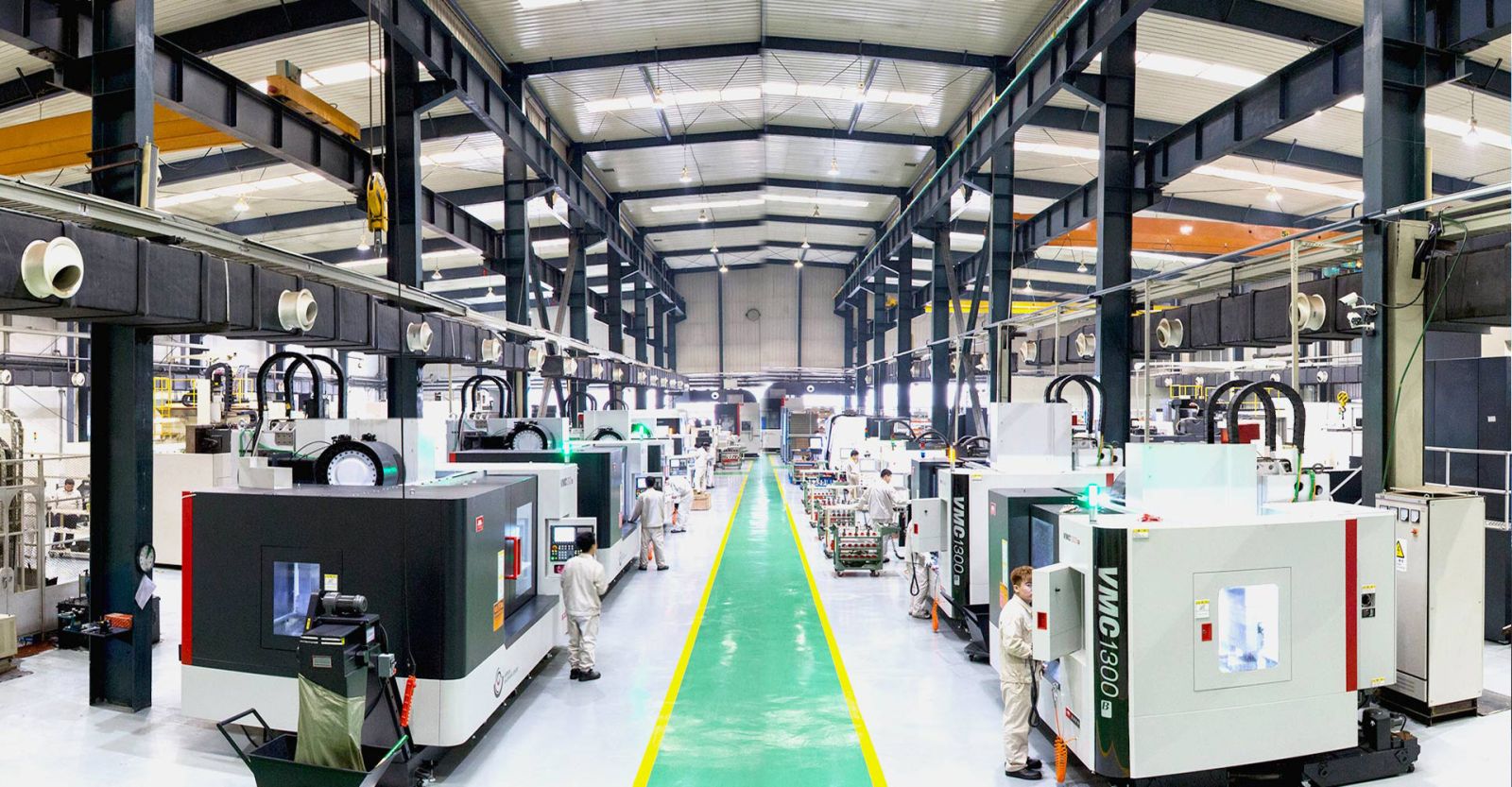
- Advanced CNC machining and additive manufacturing processes ensure accuracy and consistency.
- Thermal Resistance: Our blades are designed to withstand extreme temperatures, ensuring reliable performance.
- Aerodynamic Optimization: Blades engineered for maximum energy efficiency.
-
Compliance with Global Quality Standards
- Certifications to meet the strictest industry requirements.
- Rigorous testing to ensure every blade meets durability and performance benchmarks.
Cost-Effective and Sustainable Solutions
-
Competitive Pricing
- Efficient manufacturing processes allow us to offer high-quality products at affordable rates.
- Long-lasting blades reduce lifecycle costs for customers.
-
Eco-Friendly Practices
- Commitment to sustainability through the use of recyclable materials and waste reduction in production.
What Sets YICHOU Apart?
-
Reliability
- Proven track record of delivering turbine blades to global clients in energy and aerospace sectors.
- On-time delivery with a focus on meeting client specifications.
-
Innovation
- Continuous investment in research and development to create blades with superior performance.
- Pioneering new materials and designs to push the boundaries of efficiency.
-
Customer-Centric Approach
- Dedicated support team to assist clients at every stage, from design to delivery.
- Flexible manufacturing capabilities to handle both large-scale and small-batch orders.
Conclusion
YICHOU is your trusted partner for high-performance turbine blade manufacturing. With expertise in advanced materials, precision engineering, and innovative designs, we deliver blades that set new industry standards for durability, efficiency, and reliability.
Whether you're in power generation, aerospace, or another demanding industry, YICHOU provides customized solutions that meet your specific requirements. Our commitment to global quality standards, cost-effective production, and sustainable practices ensures exceptional value for every client.
Find out how YICHOU can power your success with premium turbine blades.
Get Quote
- Visit our website: https://www.nbyichou.com/
- Email us: [email protected]
- Call us/whatsapp: +86 13355741031
- Chat with us: Live chat support available on our website