Are you curious about CNC machining wood and how it can transform your woodworking projects? Look no further! We present to you the ultimate guide, covering everything you need to know about this innovative technology. CNC machining wood brings precision, efficiency, and endless design possibilities to your woodworking endeavors. Whether you're a hobbyist, a professional carpenter, or a furniture manufacturer, understanding the ins and outs of CNC machining wood is crucial for unleashing your creative potential. In this comprehensive guide, we will dive deep into the key concepts and techniques of CNC machining wood. From understanding the basics of CNC machines and their components to exploring the advantages and limitations of using wood as a material, we'll provide you with the knowledge needed to make informed decisions. Get ready to uncover tips and tricks for selecting the right wood and tools, optimizing your designs for CNC machining, and achieving impeccable results. Plus, we'll address common challenges and troubleshooting solutions to keep you on track. Let's embark on a journey into the world of CNC machining wood and elevate your woodworking projects to new heights.
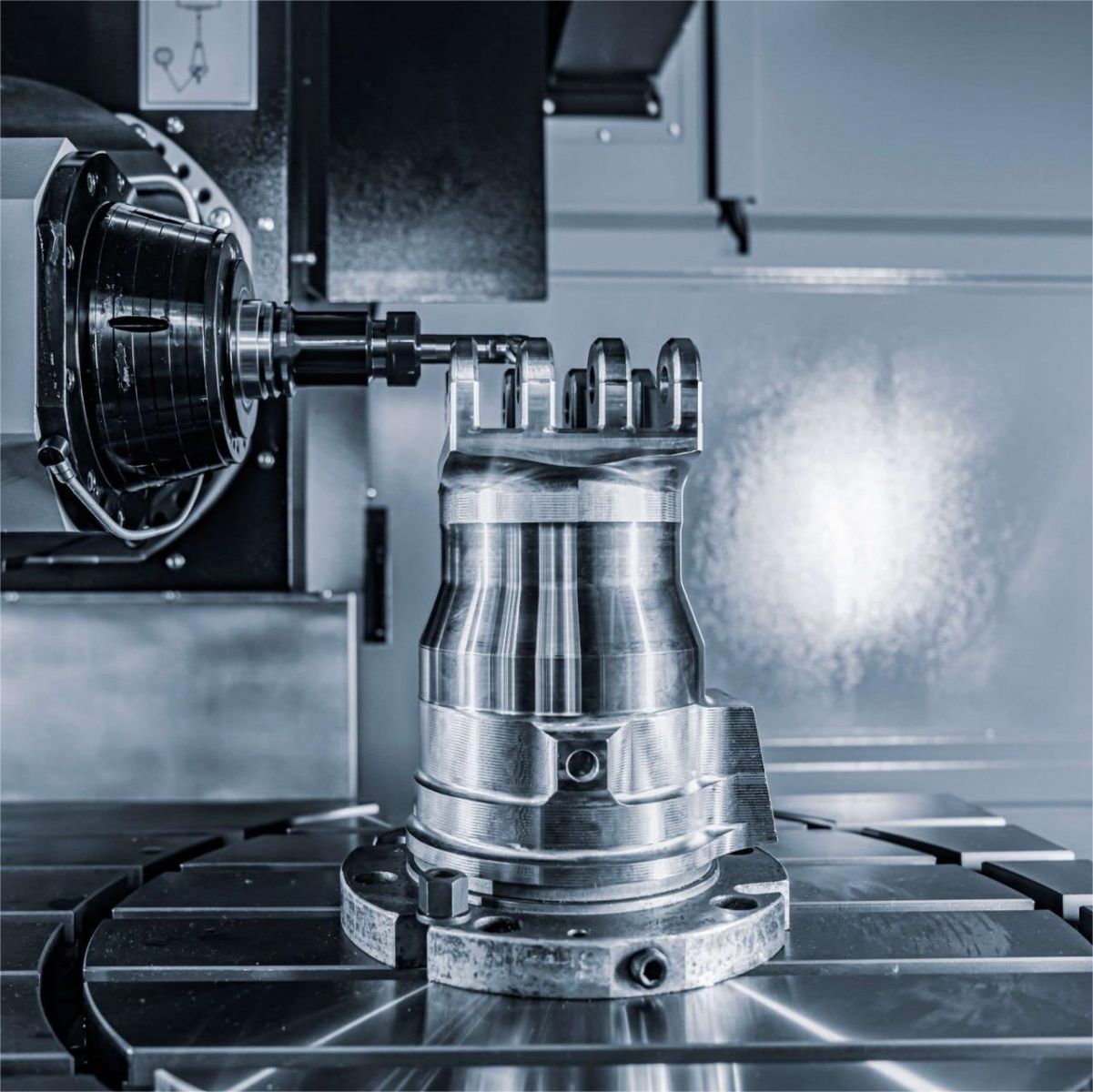
Title: Advantages of CNC Machining Wood
CNC machining wood offers a plethora of advantages that make it a preferred choice for woodworking enthusiasts and professionals alike. One of the most prominent benefits is precision. CNC (Computer Numerical Control) machines are capable of executing intricate designs with unparalleled accuracy, ensuring that your woodwork projects are consistently flawless. This precision eliminates the possibility of human error, resulting in higher quality and more refined wood products.
Moreover, CNC machining allows for remarkable efficiency and productivity. The automation of tasks reduces manual labor, cutting down on production time and costs. This means that you can produce complex wood pieces at a faster pace, meeting deadlines and boosting overall efficiency in your woodworking projects.
Additionally, CNC machining enables the replication of designs with remarkable consistency. If you need to create multiple identical wooden components, CNC machines can easily duplicate the same design, ensuring uniformity throughout your project. This level of consistency is challenging to achieve with traditional woodworking methods.
Furthermore, CNC machines can work with a wide variety of wood types, from hardwoods like oak and maple to softwoods such as pine and cedar. This versatility in material compatibility allows you to explore various wood options and achieve diverse aesthetics in your projects.
Incorporating CNC machining into your woodworking toolkit can also enhance your creativity. These machines are capable of producing intricate and complex designs that would be extremely time-consuming or even impossible to achieve by hand. Whether you're creating intricate carvings or 3D sculptures, CNC machining expands the realm of possibilities for your woodwork designs.
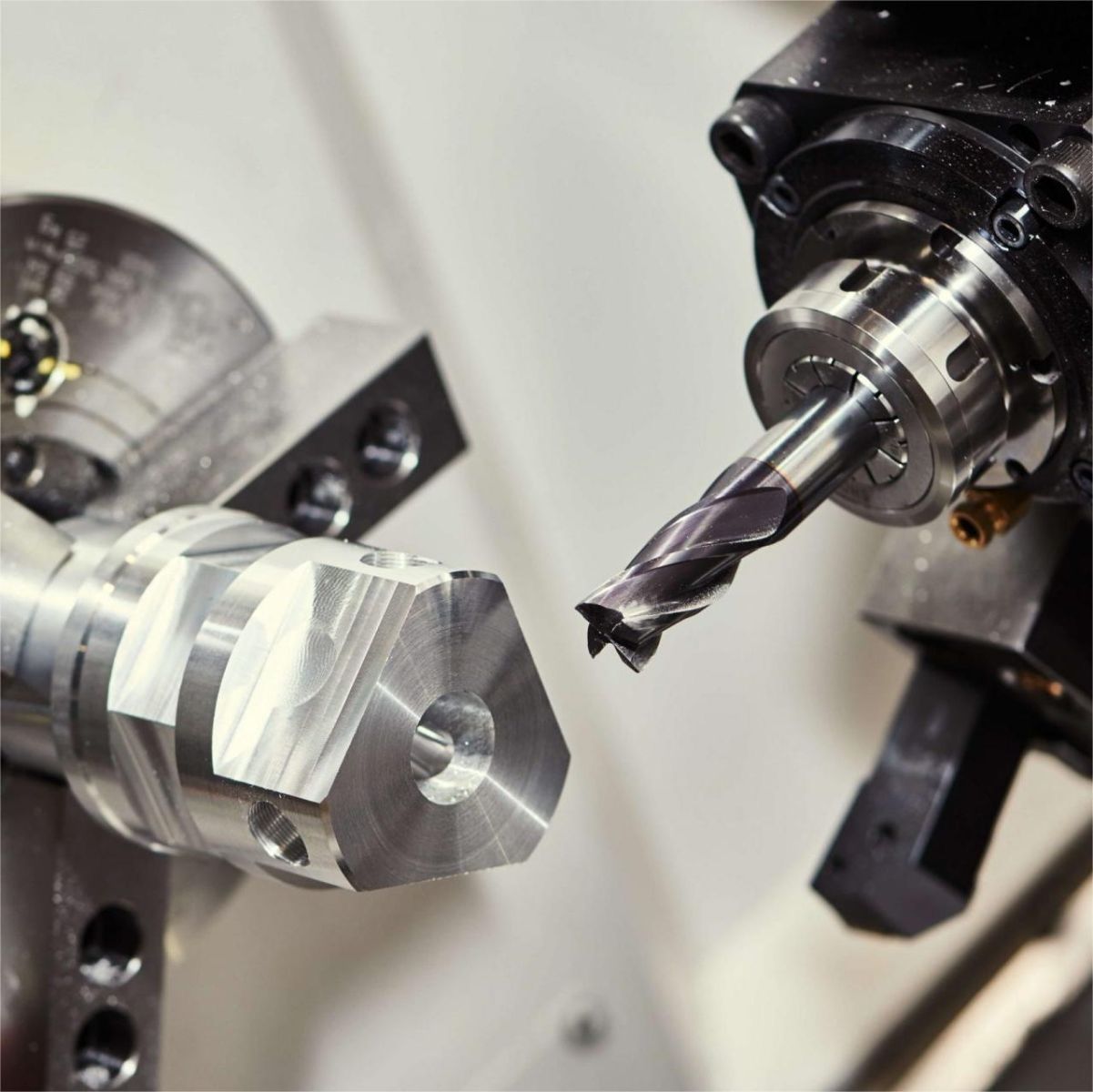
Title: Types of Wood Suitable for CNC Machining
When it comes to CNC machining wood, the choice of wood material plays a crucial role in the success of your project. Different wood types offer unique characteristics and appearances, making it essential to select the most suitable wood for your specific application.
-
Hardwoods: Hardwood species like oak, maple, cherry, and walnut are excellent choices for CNC machining. They are dense, durable, and can withstand the precision cutting of CNC machines. These woods also showcase beautiful grain patterns, enhancing the aesthetic appeal of your finished products.
-
Softwoods: Softwoods such as pine, cedar, and fir are more affordable options and are also suitable for CNC machining. While they may be less dense than hardwoods, they are easier to work with and can produce stunning results when used appropriately.
-
MDF (Medium-Density Fiberboard): MDF is a versatile engineered wood product that CNC machines can easily shape and carve. It's an excellent choice for creating intricate designs, signs, or decorative elements due to its smooth surface and uniform density.
-
Plywood: Plywood is another versatile material often used in CNC woodworking. It consists of layers of wood veneer, making it stable and less prone to warping. It can be a cost-effective option for various projects.
-
Exotic Woods: For unique and high-end projects, consider exotic woods like mahogany, teak, or zebrawood. These woods offer distinct grain patterns and rich colors that can make your CNC-machined pieces stand out.
When selecting wood for CNC machining, consider factors such as your project's requirements, budget, and desired aesthetics. Experimenting with different wood types can lead to stunning and innovative woodworking creations.
Title: CNC Machining Wood Techniques and Processes
CNC machining wood involves a series of techniques and processes that transform raw wood materials into precise and intricate designs. Here's an overview of the key steps involved in CNC machining wood:
-
Design and Programming: The process begins with creating a digital design of the desired wood product using computer-aided design (CAD) software. This design is then converted into machine-readable code using computer-aided manufacturing (CAM) software. The CNC machine uses this code to guide its movements.
-
Material Preparation: Before machining begins, the wood material is securely attached to the CNC machine's worktable. Proper material fixation is crucial to prevent any movement or vibration during the cutting process.
-
Tool Selection: CNC machines use various cutting tools, such as end mills, router bits, and drills, to shape and carve the wood. The choice of tool depends on the specific requirements of the project, including the type of cut, depth, and intricacy of the design.
-
Cutting and Carving: The CNC machine follows the programmed instructions to cut and carve the wood precisely. It can create intricate patterns, engravings, and even 3D sculptures with high precision.
-
Finishing Passes: After the initial cuts, finishing passes may be performed to refine the surface and achieve a smoother finish. This step ensures that the wood product meets the desired quality standards.
-
Sanding and Detailing: Post-machining, sanding and detailing work may be necessary to eliminate any rough edges or imperfections. This step enhances the overall aesthetics of the wood product.
-
Assembly (if required): If your project involves multiple wooden components, CNC machining can also create precise joinery and fittings, facilitating the assembly process.
-
Finishing and Surface Treatment: Finally, the CNC-machined wood product can be finished with paint, stain, varnish, or other surface treatments to enhance its appearance and protect it from environmental factors.
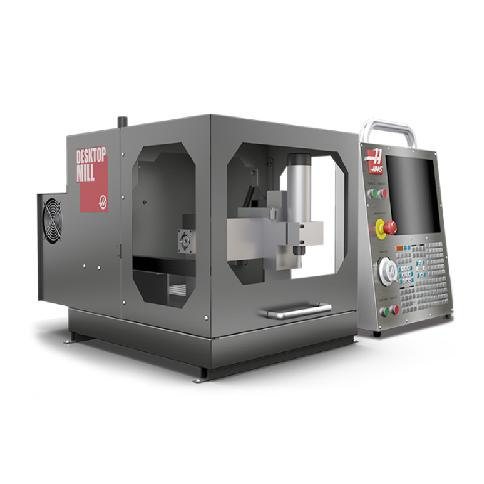
Title: Choosing the Right CNC Machine for Wood
Selecting the right CNC machine for woodworking is a critical decision that directly impacts the quality and efficiency of your projects. Here are some key considerations to help you make an informed choice:
-
Machine Size: Determine the size of the CNC machine you need based on the scale of your projects. Smaller machines are suitable for hobbyists and small-scale woodworking, while larger machines are essential for commercial or industrial applications.
-
Accuracy and Precision: Look for CNC machines that offer high accuracy and precision. These qualities are crucial for achieving intricate and flawless woodwork designs.
-
Spindle Power: The spindle is the part of the CNC machine that holds the cutting tools. Choose a machine with an appropriate spindle power for your woodworking needs. Higher spindle power is required for cutting dense hardwoods or performing heavy-duty tasks.
-
Worktable Type: CNC machines come with various types of worktables, such as vacuum tables, T-slot tables, and sacrificial boards. Select a worktable that suits your material fixation requirements and project types.
-
Software Compatibility: Ensure that the CNC machine is compatible with the CAD/CAM software you plan to use. Seamless integration between the software and machine is essential for efficient workflow.
-
Ease of Use: Consider the user-friendliness of the CNC machine's control interface. Intuitive controls can significantly reduce the learning curve for operating the machine.
-
Support and Maintenance: Research the manufacturer's reputation for customer support and the availability of spare parts. Regular maintenance is essential to keep your CNC machine in optimal condition.
-
Budget: Set a budget for your CNC machine purchase and explore options that fit within your financial constraints. While quality is essential, there are machines available at various price points to suit different needs.
-
Reviews and Recommendations: Seek feedback and recommendations from fellow woodworkers or professionals who have experience with CNC machines. Their insights can be invaluable in making your decision.
By carefully evaluating these factors, you can select a CNC machine that aligns with your woodworking goals and enhances your productivity and creativity.
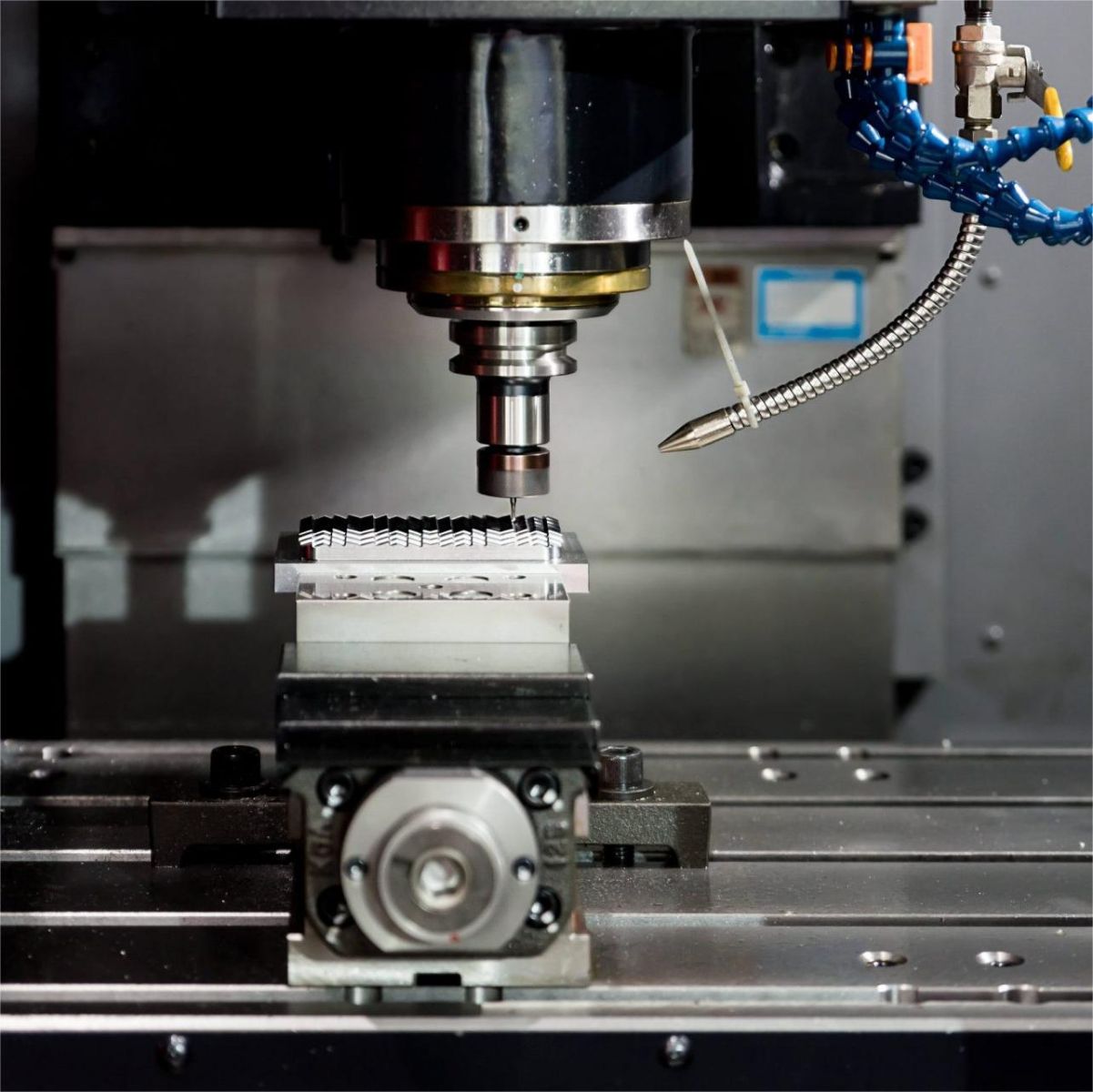
Title: Safety Precautions for CNC Machining Wood
While CNC machining offers numerous benefits, it's crucial to prioritize safety to prevent accidents and injuries. Here are essential safety precautions to follow when working with CNC machines for wood:
-
Wear Appropriate Personal Protective Equipment (PPE): Always wear safety gear, including safety glasses, ear protection, dust masks, and appropriate clothing. PPE helps protect against flying wood chips, dust, and noise.
-
Machine Familiarization: Thoroughly understand the CNC machine's operation and controls before use. Read the manufacturer's manual and seek training if necessary.
-
Secure Workpiece: Ensure that the wood material is securely clamped or fixed to the machine's worktable to prevent movement during machining.
-
Tool Inspection: Regularly inspect cutting tools for signs of wear or damage. Replace dull or damaged tools promptly to maintain safe and efficient machining.
-
Dust Management: Implement a dust collection system to control wood dust and prevent respiratory issues. Regularly clean the machine and work area to minimize dust buildup.
-
Emergency Stop: Familiarize yourself with the machine's emergency stop button and use it in case of any unexpected issues or emergencies.
-
Supervision: Never leave the CNC machine unattended while it's in operation. Stay nearby to monitor its performance and respond to any issues promptly.
-
Fire Safety: Keep fire extinguishers readily available in the workspace and know how to use them. Wood dust can be combustible, and it's essential to be prepared.
-
Material Compatibility: Ensure that the chosen wood material is suitable for CNC machining and does not contain any hidden metal pieces or foreign objects that could damage the cutting tools.
-
First Aid Kit: Have a well-equipped first aid kit on hand in case of minor injuries. Familiarize yourself with basic first aid procedures.
-
Proper Ventilation: If working in an enclosed space, ensure proper ventilation to disperse wood dust and fumes from any finishing products.
-
Regular Maintenance: Maintain your CNC machine according to the manufacturer's recommendations to keep it in safe working condition.
Safety should always be the top priority when CNC machining wood. By following these precautions, you can create a secure working environment and reduce the risk of accidents.
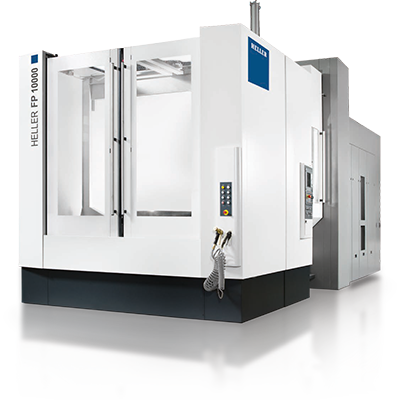
Title: Common Mistakes to Avoid in CNC Machining Wood
While CNC machining wood offers numerous advantages, there are common mistakes that woodworkers, especially beginners, should be aware of to ensure successful projects. Avoiding these pitfalls can save time, materials, and frustration:
-
Inadequate Material Fixation: Failing to secure the wood material properly can lead to movement during machining, resulting in inaccurate cuts or even damage to the CNC machine.
-
Incorrect Tool Selection: Using the wrong cutting tool for the job can result in poor quality cuts, splintering, or excessive wear on the tool. Always choose the appropriate tool for your specific project.
-
Insufficient Tool Maintenance: Neglecting to sharpen or replace dull tools can lead to subpar results and may cause damage to the wood or the machine itself.
-
Overlooking Toolpath Optimization: Inefficient toolpaths can prolong machining time and waste materials. Optimize your toolpaths to minimize cutting time and reduce wear and tear on the machine.
-
Lack of Dust Collection: Wood dust can pose health risks and affect machine performance. Invest in a dust collection system to maintain a clean and safe workspace.
-
Inadequate Software Skills: Inaccurate or poorly designed CAD/CAM files can result in flawed machining. Invest time in mastering the software to create precise designs.
-
Ignoring Speed and Feed Rates: Incorrect cutting speeds and feed rates can lead to overheating, tool breakage, or suboptimal finishes. Follow recommended settings for your materials and tools.
-
Skipping Test Runs: Before machining a final piece, perform test runs on scrap wood to fine-tune settings and ensure the desired outcome.
-
Not Monitoring the Process: Failing to stay near the machine during operation can result in missed issues or emergencies. Be attentive and ready to intervene if needed.
-
Inadequate Dust Control: Wood dust can accumulate in and around the CNC machine, potentially causing damage or interference with moving parts. Regularly clean and maintain the machine and workspace.
-
Neglecting Safety Precautions: Disregarding safety protocols can lead to accidents and injuries. Prioritize safety at all times.
-
Poor Workpiece Alignment: Misaligned workpieces can result in skewed cuts and ruined projects. Take time to align the material accurately before machining.
By avoiding these common mistakes, you can improve the quality and efficiency of your CNC machining wood projects and achieve consistent, impressive results.
.jpg)
Title: Finishing Options for CNC Machined Wood Products
After CNC machining, the wood product often requires finishing to enhance its appearance, protect it from wear and tear, and add a final touch of elegance. Here are various finishing options to consider:
-
Sanding: Sanding is an essential step to smooth out rough edges and surfaces. Start with coarse-grit sandpaper and progress to finer grits for a polished finish.
-
Staining: Wood staining adds color and highlights the natural grain patterns. Choose from a wide range of wood stains to achieve the desired look, from subtle to bold.
-
Sealing: Applying a wood sealer or clear finish helps protect the wood from moisture, UV rays, and scratches. Common options include polyurethane, lacquer, and varnish.
-
Painting: For a completely different look, consider painting your CNC-machined wood product. Acrylic paints, spray paints, and wood-friendly paints are all suitable options.
-
Oil Finishes: Natural oil finishes like linseed oil, tung oil, and Danish oil penetrate the wood, bringing out its natural beauty while providing protection.
-
Waxing: Waxing the wood surface can create a smooth and lustrous finish. It's often used for furniture and decorative pieces.
-
Burnishing: Burnishing involves rubbing the wood surface with a hard, smooth object to create a polished appearance. It can be used to achieve a vintage or distressed look.
-
Distressing: This technique intentionally ages the wood by adding dents, scratches, or other marks to give it a weathered or rustic appearance.
-
Inlays and Veneers: Adding inlays or veneers made from contrasting woods or materials can create visually appealing accents on your wood product.
-
Epoxy Resin: Epoxy resin can be used to create glossy, durable finishes, encapsulate objects, or add depth and dimension to the wood surface.
The choice of finishing technique depends on your project's style, intended use, and personal preferences. Experimenting with different finishes can help you achieve unique and stunning results.
Title: Examples of CNC Machined Wood Projects
CNC machining wood opens up a world of creative possibilities. Here are some inspiring examples of CNC-machined wood projects:
-
Custom Furniture: CNC machines can create intricate joinery and unique designs for custom furniture pieces, such as tables, chairs, and cabinets.
-
Decorative Panels: Intricately carved wooden panels can be used for wall decor, room dividers, or architectural detailing.
-
Signage: CNC machining is ideal for producing detailed and professional signage for businesses, events, or home decor.
-
Wooden Toys: Create intricate and safe wooden toys with
.jpg)
1. What are the Key Advantages of Using CNC Machining for Woodworking?
Keywords: CNC machining wood advantages, woodworking precision, automated woodworking, efficient woodwork, CNC woodworking benefits.
Answer: CNC machining wood offers several key advantages, including precision, efficiency, and the ability to create intricate designs. It eliminates human errors, reduces labor costs, and ensures consistent, high-quality woodworking projects.
2. Which Types of Wood are Best Suited for CNC Machining?
Keywords: CNC machining wood types, suitable wood species, hardwoods for CNC, softwoods for CNC, best wood for CNC.
Answer: Hardwoods like oak, maple, and cherry, as well as softwoods like pine and cedar, are commonly used for CNC machining. The choice depends on the project's requirements, aesthetics, and budget.
3. What Safety Precautions Should I Follow When Using CNC Machines for Woodworking?
Keywords: CNC woodworking safety, wood machining precautions, safety gear, wood dust control, CNC machine safety.
Answer: To ensure safety while using CNC machines for woodworking, wear appropriate personal protective equipment, secure workpieces, maintain dust control, and be familiar with emergency stop procedures, among other precautions.
4. What Common Mistakes Should I Avoid When CNC Machining Wood?
Keywords: CNC machining wood mistakes, woodworking errors, CNC machine pitfalls, wood material fixation, tool selection.
Answer: Avoid common mistakes such as inadequate material fixation, choosing the wrong cutting tools, neglecting tool maintenance, and overlooking safety precautions to achieve successful CNC machining wood projects.
5. How Can I Enhance the Aesthetics of CNC-Machined Wood Products?
Keywords: CNC-machined wood finishing, wood finishing options, wood staining, surface treatment, wood product aesthetics.
Answer: To enhance the aesthetics of CNC-machined wood products, consider various finishing options like staining, painting, sealing, or adding inlays and veneers. The choice depends on the desired look and purpose of the project.