1. Introduction
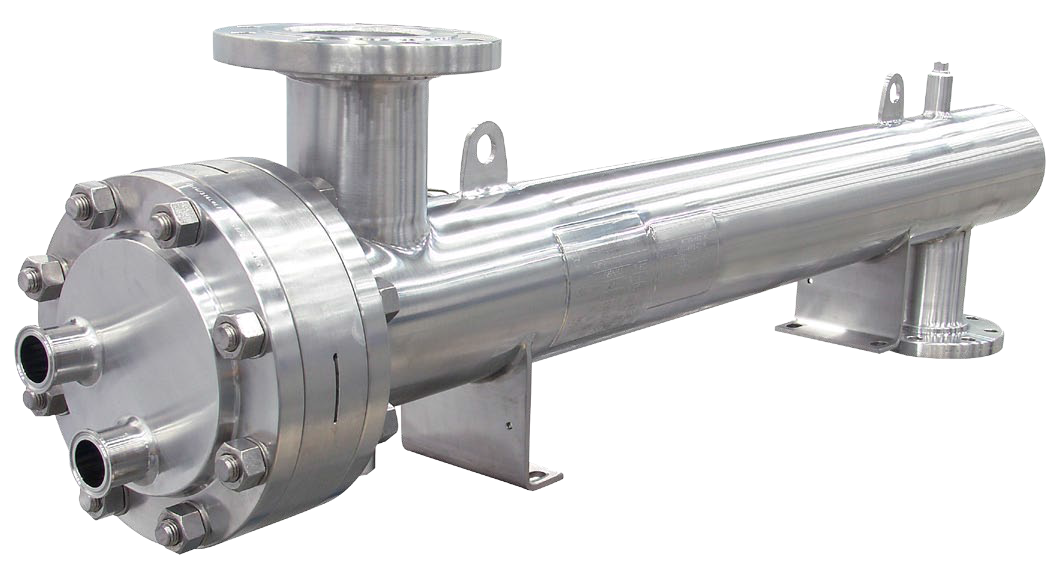
Tube sheets are one of the most critical components in a shell and tube heat exchanger. They serve as the backbone of the structure, ensuring mechanical stability and efficient thermal performance. Whether used in petrochemical plants, power generation systems, or HVAC equipment, the quality and design of the tube sheet directly affect the overall reliability and lifespan of the heat exchanger.
For procurement engineers and project managers, selecting the right tube sheet involves more than just choosing a material. It requires careful evaluation of pressure and temperature conditions, corrosion resistance, tube pitch configuration, manufacturing precision, and the type of connection between the tubes and the sheet. Making the wrong choice could result in system failure, higher maintenance costs, or shortened service life.
At YICHOU, we understand these challenges and are committed to delivering high-performance tube sheets that meet global standards and client-specific requirements.
2. What Is a Tube Sheet?
A heat exchanger tube plate is a thick, circular plate used to hold and support the tubes in a shell and tube heat exchanger. It serves as the structural interface between the shell side and the tube side, keeping the two fluid streams completely separated while allowing for maximum heat transfer efficiency.
The tube sheet contains a precise array of holes, each drilled to match the diameter and spacing of the heat exchanger tubes. These tubes are either welded or expanded into the tube sheet, depending on the design and application. The tube sheet must withstand internal pressure, temperature changes, and corrosive environments, which makes material selection and machining accuracy extremely important.
Tube sheets are used in both fixed and floating head heat exchanger designs. They not only provide a secure mechanical connection but also ensure that fluids do not leak from one side to the other, protecting the system and maintaining thermal efficiency.
.jpg)
3. Types of Tube Sheets
Fixed Tube Sheet
A fixed tube sheet is permanently welded to the shell of the heat exchanger. It is the most commonly used design due to its simplicity and cost-effectiveness.
Key advantages include:
-
Lower manufacturing cost
-
Easy installation
-
Compact structure
However, because both ends of the tubes are fixed, this design is less flexible under high thermal expansion. It is best suited for applications where temperature differences between the shell side and tube side are minimal. Fixed tube sheets are commonly used in HVAC systems, chemical processing units, and water treatment plants.
Floating Tube Sheet
In a floating tube sheet design, one end of the tube bundle is free to move within the shell. This allows for thermal expansion and simplifies maintenance.
Key benefits include:
-
Absorbs thermal stress
-
Easier cleaning and tube bundle removal
-
Ideal for high-temperature differentials
Floating tube sheet heat exchangers are especially useful in applications involving steam or hot oil, where thermal expansion is a concern.
U-Tube Sheet
A U-tube heat exchanger uses a single tube sheet and bent tubes that form a U-shape, allowing both ends to connect at one side.
Advantages:
-
Efficient thermal expansion handling
-
Reduced tube sheet cost
-
Easier maintenance on one end
The U-tube configuration is often selected for compact designs where full cleaning of the tube interior is not required.
Double Tube Sheet
In double tube sheet designs, two sheets are separated by a gap, creating a barrier to detect and prevent fluid leakage between the shell and tube sides.
Importance:
-
Essential in highly sensitive or toxic fluid processes
-
Prevents cross-contamination
-
Allows leak detection between two fluids
Double tube sheets are commonly used in pharmaceutical, food-grade, and nuclear applications, where product purity and safety are critical.
4. Material Selection for Tube Sheets
Choosing the right material for a tube sheet is essential for system performance, longevity, and safety. The decision depends on a range of factors, including:
-
Corrosion resistance in aggressive environments
-
Operating pressure and temperature levels
-
Compatibility with tube and shell materials
-
Weldability and fabrication requirements
Common Materials Used
-
Carbon Steel: Cost-effective for standard applications with low corrosion risk
-
Stainless Steel (304, 316): Excellent corrosion resistance, suitable for many industrial and food-grade uses
-
Titanium: Highly corrosion-resistant, especially in seawater or acidic environments
-
Copper and Copper Alloys: Good thermal conductivity, commonly used in HVAC and marine systems
Clad Materials for Cost-Effective Protection
For aggressive environments where full solid alloy sheets are too costly, clad tube sheets offer a smart alternative. These are made with a base of carbon steel and a thin layer of corrosion-resistant metal like stainless steel or titanium bonded to the surface. This method offers excellent corrosion protection while controlling material costs.
5. Tube-to-Tube Sheet Connection Methods
The way tubes are attached to the tube sheet significantly affects the heat exchanger’s mechanical integrity, sealing performance, and long-term reliability. Here are the most common methods used:
Welding
Welding provides a strong, leak-proof bond between the tube and the tube sheet, making it ideal for high-pressure or critical-service applications.
Popular welding techniques include:
-
TIG (Tungsten Inert Gas) Welding: Offers precision and clean welds, suitable for stainless steel and exotic alloys.
-
Arc Welding: Efficient for thicker materials and high-volume production.
Advantages:
-
High mechanical strength
-
Excellent leak prevention
-
Durable under thermal cycling
However, welding requires strict quality control and is more time-consuming than other methods.
Tube Expansion
Expansion involves mechanically expanding the tube inside the tube sheet hole to form a tight, pressure-resistant fit. This is typically done using hydraulic or mechanical tools.
Best suited for:
-
Low to medium-pressure applications
-
Non-weldable materials
-
Cases where disassembly is needed
Limitations:
-
Less secure in high-pressure or high-vibration environments
-
Can lead to loosening over time without additional sealing
Combination Methods
In many cases, a combination of expansion and welding is used to ensure both a mechanical bond and a leak-tight seal.
Best practices include:
-
Expansion before welding: Common for stainless steel to avoid cracking
-
Welding before expansion: Used when precise control over joint dimensions is needed
Choosing the right connection method depends on your system’s operating conditions, tube material, and pressure requirements. YICHOU offers customized joint solutions to ensure long-lasting, reliable performance in any application.
6. Design Considerations
Proper design of the tube sheet is critical to the efficiency, safety, and durability of the heat exchanger. Several technical factors need to be evaluated during the engineering phase:
Tube Pitch and Drilling Pattern
Tube pitch refers to the center-to-center distance between adjacent tubes. The pattern—whether triangular, square, or rotated square—impacts how many tubes fit in the exchanger and how easily they can be cleaned.
-
Triangular pitch: Maximizes tube density for compact units
-
Square pitch: Easier for mechanical cleaning
-
Rotated square (staggered): Balances heat transfer and cleanability
Fluid Dynamics and Heat Transfer
The arrangement of the tube holes affects fluid flow turbulence, which in turn impacts heat transfer rates and pressure drops. Poor design can lead to uneven flow, fouling, and reduced efficiency.
YICHOU engineers take into account:
-
Shell-side and tube-side flow characteristics
-
Heat transfer coefficients
-
Potential for dead zones and vibration
Standards and Tolerances
Tube sheet drilling must adhere to strict tolerances and industry standards (like ASME, TEMA, or PED) to ensure alignment, pressure integrity, and safety.
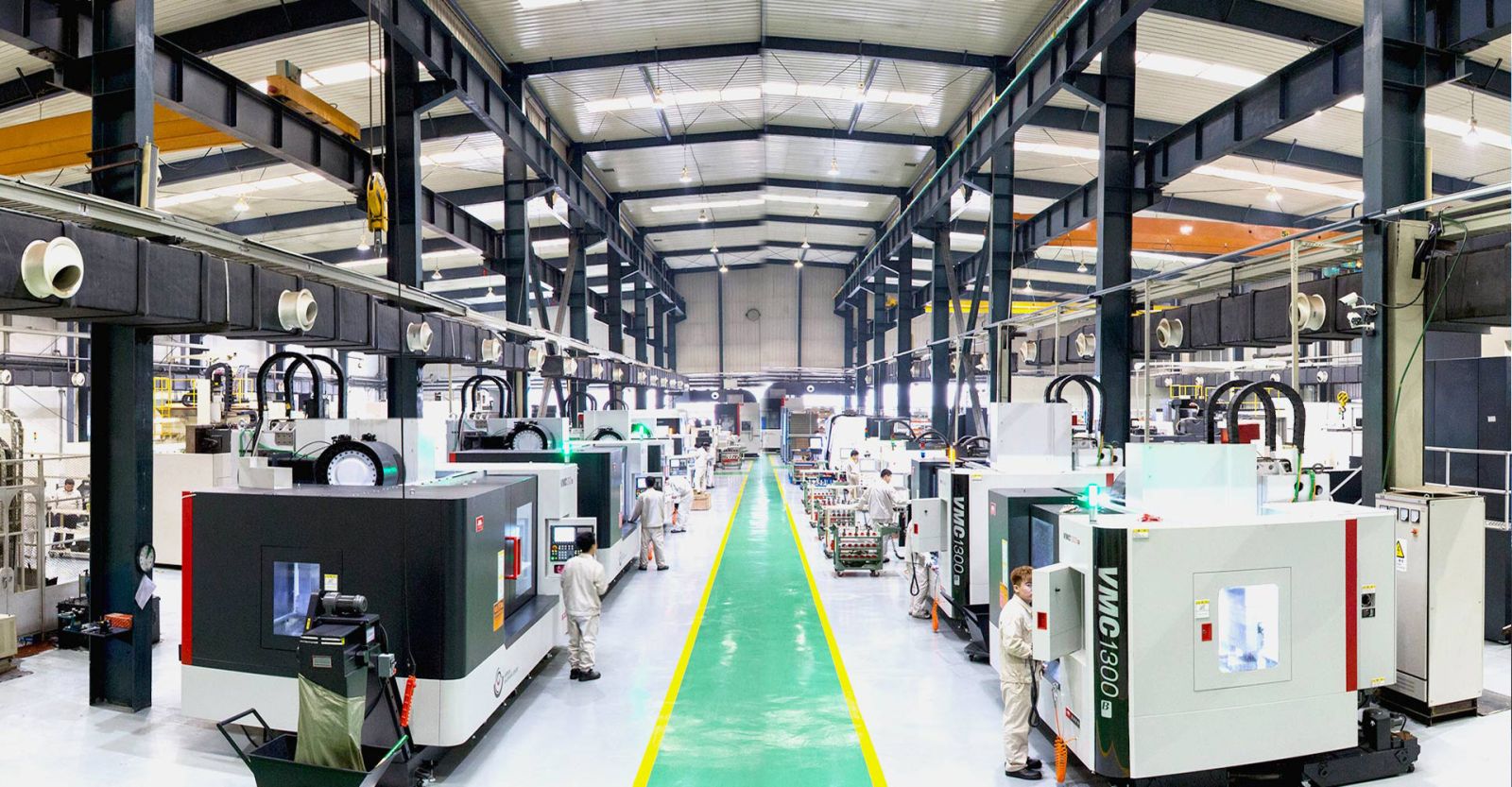
YICHOU applies precision CNC machining and 100% dimensional inspection to guarantee every tube sheet meets customer specifications and complies with international norms.
.jpg)
7. Maintenance and Inspection
Proper maintenance and inspection of tube sheets are essential for ensuring operational safety and extending the life of your heat exchanger system. At YICHOU, we emphasize early detection and preventive care to reduce downtime and avoid costly failures.
Common Issues in Tube Sheets
-
Fouling: The buildup of deposits such as scale, sludge, or biological growth reduces heat transfer efficiency and flow.
-
Corrosion: Tube sheets are vulnerable to galvanic corrosion, pitting, or crevice corrosion depending on the operating fluid and material.
-
Leaks: Improper tube-to-tube sheet joints or material fatigue can result in fluid leakage between shell and tube sides, compromising system performance.
Inspection Methods
Routine inspections help identify issues before they become critical. Common inspection techniques include:
-
Visual Checks: Regularly scheduled shutdowns allow for visual inspection of surfaces, welds, and joints for wear or damage.
-
Ultrasonic Testing (UT): Non-destructive method to detect internal flaws, thickness loss, or crack propagation.
-
Eddy Current Testing (ECT): Ideal for identifying small cracks, corrosion, or pitting without disassembling the unit. Frequently used on non-ferrous tube sheets like copper or titanium.
Best Practices for Longevity
-
Select corrosion-resistant or clad materials based on your application environment.
-
Implement regular cleaning schedules to minimize fouling.
-
Apply protective coatings or use sacrificial anodes where applicable.
-
Monitor operating conditions to avoid thermal shock or overpressure.
Partnering with a reliable manufacturer like YICHOU means getting high-quality tube sheets designed for durability and easy maintenance—saving you time and cost over the product’s lifecycle.
8. Why Choose YICHOU for Your Tube Sheet Needs
When it comes to sourcing high-performance tube sheets, YICHOU offers unmatched expertise, manufacturing capability, and customer-first service that make us your ideal partner.
Precision Manufacturing & Quality Control
Our advanced production lines ensure:
-
CNC-machined accuracy for drilling and surface finishing
-
Strict quality checks at every stage, from raw material to final inspection
-
Full traceability and compliance with ASME, TEMA, and PED standards
Customization & Material Expertise
Every application is unique. That’s why YICHOU offers:
-
A wide range of material options: stainless steel, carbon steel, titanium, copper alloys, duplex steel, and clad plates
-
Tailored tube sheet thickness, pitch, and design
-
Flexible options for welding, expansion, or combination joining methods
Whether you’re working with high pressure, aggressive media, or thermal cycling—our engineers help you choose the right material and structure.
Reliable Delivery and Support
We understand how critical delivery timelines are for your project. That’s why we commit to:
-
On-time shipping with global logistics support
-
Quick-response technical service
-
Ongoing after-sales support to ensure smooth integration with your heat exchanger system
At YICHOU, we don’t just deliver parts—we deliver peace of mind.
9. Conclusion
Selecting the right heat exchanger tube sheet is crucial for the long-term performance, safety, and efficiency of your equipment. Whether you’re designing for high pressure, corrosive fluids, or frequent thermal cycling, your choice of tube sheet material, connection method, and design configuration directly impacts reliability and maintenance costs.
To make the right decision, consider:
-
The type of tube sheet (fixed, floating, U-tube, double)
-
Material compatibility with your process fluid and temperature
-
The most effective tube-to-tube sheet joining method
-
Compliance with industry standards like ASME or TEMA
Because every heat exchanger application is different, it's essential to work with an experienced supplier who understands your specific technical requirements.
10. Call to Action: Work with YICHOU
At YICHOU, we help global customers across industries—from power plants to chemical refineries—source precision-engineered tube sheets built for performance and durability.
Whether you’re designing a new system or replacing a worn-out part, our engineering team is here to help you:
-
Choose the best material for your process conditions
-
Customize drilling patterns, thickness, and design features
-
Ensure compliance with relevant global standards
Need a quote or technical advice?
Contact us today to request a drawing review, receive a fast quotation, or learn more about our tube sheet production capabilities.
Get Quote
- Visit our website: https://www.nbyichou.com/
- Email us: [email protected]
- Call us/whatsapp: +86 13355741031
- Chat with us: Live chat support available on our website