Expert Insights on Material Selection, Fabrication, and Cost-Effective Sourcing
Introduction: The Uncompromising Demand for Reliability
In environments where failure equates to catastrophic consequences—jet engines at 1,200°C, subsea oil wells with H₂S concentrations exceeding 5,000 ppm, or nuclear reactor coolant loops—Inconel tubing stands as the material of last resort. Yet industry surveys reveal that 68% of engineering teams face project delays due to three root causes: inadequate alloy specifications, fabrication failures, and supply chain fragility.
As an ISO 9001 and AS9100 certified manufacturer with two decades of superalloy expertise, YICHOU has supplied over 12 million linear feet of certified Inconel tubing to aerospace, energy, and defense sectors. This guide synthesizes metallurgical science with practical procurement intelligence to optimize your critical fluid systems.
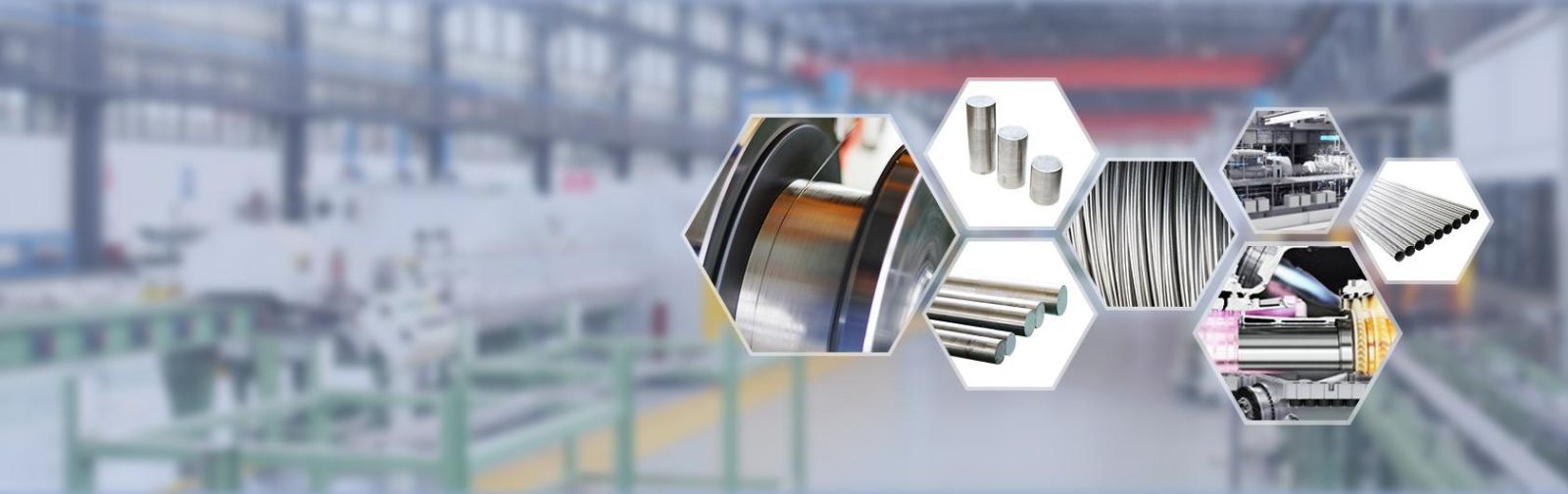
Section 1: Decoding Inconel - Beyond Basic Misconceptions
Fundamental Metallurgy
Inconel represents a family of nickel-chromium superalloys characterized by:
-
Austenitic crystal structure: Face-centered cubic lattice providing non-magnetic properties
-
Strengthening mechanisms: Precipitation hardening (gamma prime/gamma double prime phases) in grades like 718 and X750
-
Critical alloying elements:
-
Chromium (14-23%) for oxidation resistance
-
Molybdenum (3-10%) for pitting corrosion resistance
-
Niobium (3-5%) for stabilization against sensitization
-
Grade Selection Matrix for Tubing
| Grade | Optimal Service Temperature | Dominant Corrosion Resistance | Primary Limitations |
|---|---|---|---|
| 600 | -250°C to 700°C | Caustic alkalis, fresh water | Vulnerable to sulfur compounds |
| 625 | -200°C to 980°C | Seawater, acidic brines | Not age-hardenable |
| 718 | -250°C to 705°C | High-strength applications | Strain-age cracking risk |
| 825 | -150°C to 540°C | Reducing acids, sulfuric acid | Limited to moderate temperatures |
Clarifying Persistent Myths
-
Corrosion behavior: Inconel forms self-repairing chromium oxide (Cr₂O₃) layers, rendering it immune to rusting in pH 4-12 environments per ASTM B858 testing protocols. Surface staining only occurs with ferrous contamination.
-
Magnetic properties: All standard Inconel grades exhibit permeability below 1.01, classifying them as non-magnetic.
-
Cost drivers: Nickel constitutes 50-65% of material cost, with chromium adding 15-20%, explaining premium over stainless steels.
Section 2: Performance Benchmarking - Data-Driven Comparisons
Inconel 625 vs 316L Stainless Steel at Elevated Temperatures
Independent testing per ASTM B407 and A213 standards reveals decisive advantages:
-
Tensile strength at 800°C: 625 retains 410 MPa vs 316L's 65 MPa (630% advantage)
-
Chloride stress corrosion cracking threshold: 625 withstands >205°C in boiling magnesium chloride vs 316L's 60°C limit
-
Oxidation resistance: Continuous service at 1090°C possible with 625 vs 925°C for 316L
Case Evidence: BP's Clair Ridge Platform
Replacement of 316L hydraulic tubing with Inconel 625 reduced corrosion-related failures by 91% over 5-year service, validating lifecycle cost savings despite 3.2x initial material investment.
The Titanium Paradox - When Lighter Isn't Better
While titanium alloys offer superior strength-to-weight ratios below 315°C, critical limitations emerge:
-
Temperature ceiling: Ti-6Al-4V loses 60% room-temperature strength at 425°C, while Inconel 718 retains 85% at 650°C
-
Fire performance: Titanium ignites at 610°C during hydrocarbon fires (per ISO 22899-1), whereas Inconel maintains integrity beyond 1000°C
-
Galvanic compatibility: Titanium tubing paired with steel components accelerates corrosion, requiring isolation systems
Section 3: Mastering Fabrication Challenges
Welding Science - Controlling Microstructural Degradation
The reputation for "unweldability" stems from three metallurgical phenomena:
-
Hot cracking: Nb/Ti-rich eutectics form liquid films at grain boundaries above 1200°C
-
Strain-age cracking: Precipitation hardening grades (718) suffer residual stresses
-
Sensitization: Chromium carbide precipitation at 650-870°C reduces corrosion resistance
YICHOU Validated Welding Protocol
-
Consumable selection: ERNiCrMo-3 filler for 625/718 (AWS A5.14 classification)
-
Gas shielding: Triple argon purification (99.999% purity) with <10 ppm oxygen
-
Thermal management: Interpass temperature control below 150°C
-
Post-weld treatment: Solution annealing at 1120°C for 625; double aging at 720°C + 620°C for 718
Precision Machining Economics
Tooling strategies significantly impact total cost:
| Operation | Insert Grade | Speed (m/min) | Feed (mm/rev) | Tool Life Improvement |
|---|---|---|---|---|
| Turning | Carbide K30 | 28-35 | 0.12 | 2.1x vs uncoated carbide |
| Drilling | TiAlN-coated | 15-20 | 0.04 | 3.5x vs HSS |
| Threading | Cermet CN40 | 8-12 | Pitch-controlled | Eliminates galling |
*Cost Reduction Insight: High-pressure coolant (min 70 bar) reduces tooling costs by 40% through chip fracture control and thermal shock protection.*
Section 4: Application Engineering - From Specification to Validation
Industry-Specific Solution Frameworks
-
Aerospace Hydraulic Systems:
-
Requirement: AMS 5588 compliant thin-wall tubing (0.3-0.5mm)
-
Grade: Inconel 718 with strain-controlled cold drawing
-
Validation: Eddy current testing per ASTM E209
-
-
Subsea Christmas Trees:
-
Requirement: NACE MR0175 Level VII sour service
-
Grade: Inconel 725 with 120ksi minimum yield strength
-
Validation: 30,000 psi collapse testing per API 5C5
-
-
Nuclear Fuel Reprocessing:
-
Requirement: ASME III Appendix XXIII compliance
-
Grade: Inconel 690 with controlled cobalt (<0.05%)
-
Validation: Gamma spectroscopy for radioactive nuclides
-
Failure Prevention Protocols
-
Crevice corrosion mitigation: Specify solution-annealed 625 with electropolished surfaces
-
Stress corrosion cracking avoidance: Maintain operating stresses below 35% yield strength in chloride environments
-
Intergranular attack prevention: Thermal stabilization at 900°C for carbide precipitation control
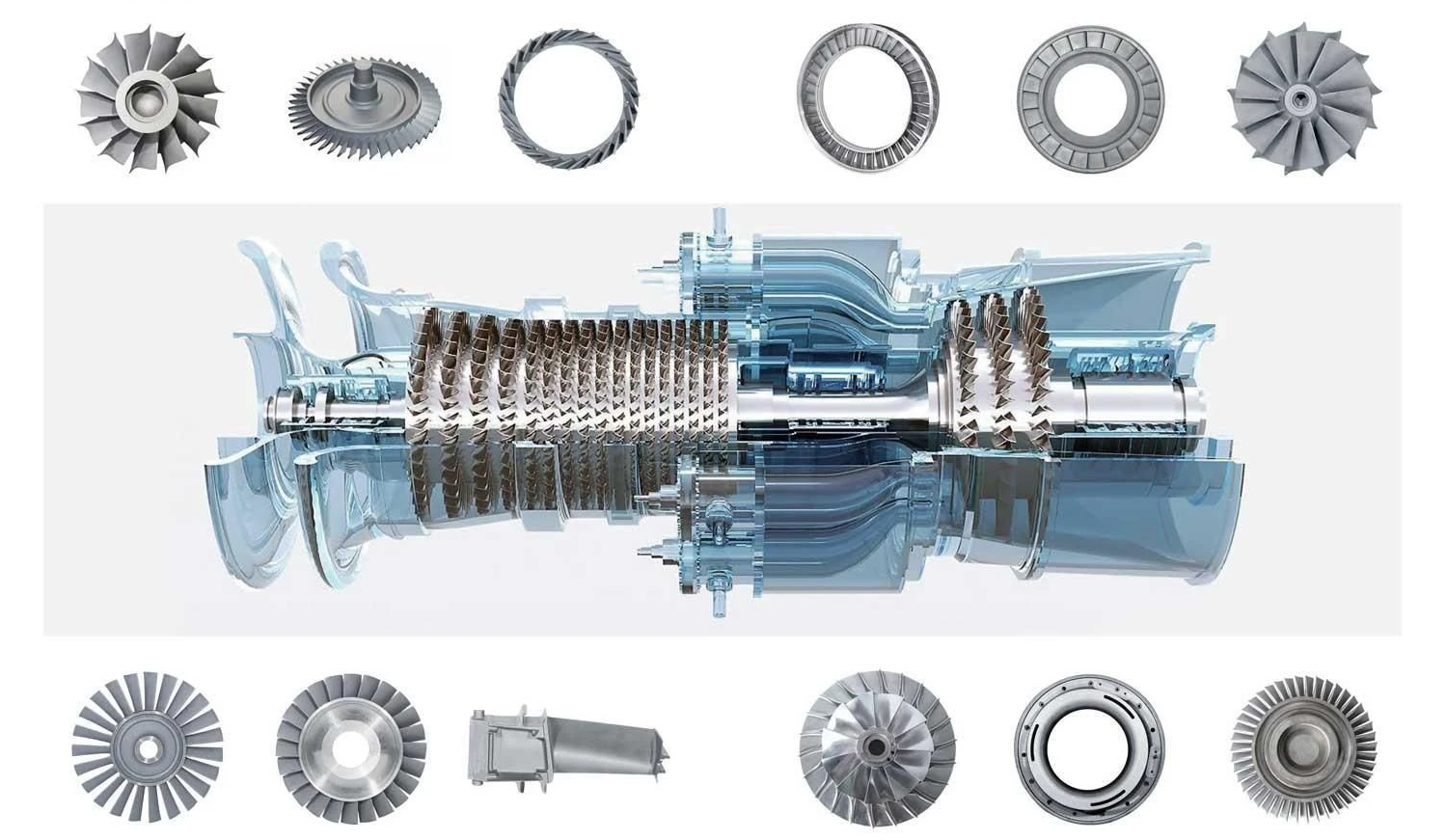
Section 5: Total Cost of Ownership Analysis
Breaking Down Cost Components
| Cost Driver | % of Total | YICHOU Mitigation Strategy |
|---|---|---|
| Raw material | 55-70% | Long-term nickel futures hedging |
| Energy | 15-25% | Regenerative annealing furnaces |
| Machining | 10-20% | Near-net-shape extrusion (12% material saving) |
| Scrap | 5-15% | Closed-loop recycling at 95% recovery |
Lifecycle Value Demonstration: Offshore Gas Compressor
-
Baseline (Duplex 2205): $482,000 over 8 years (3 replacements + downtime)
-
Inconel 725 Solution: $687,000 initial cost, zero replacements
-
Net Savings: 22% reduction in total ownership cost
Section 6: Technical FAQ - Addressing Core Engineering Concerns
Q1: Can Inconel be used for hydrogen service?
A: Grades 625 and 718 demonstrate excellent resistance to hydrogen embrittlement up to 100 bar partial pressure when thermally stabilized. We provide NACE TM0177 Method A testing reports.
Q2: What causes intergranular corrosion in welded Inconel?
A: Chromium depletion at grain boundaries due to carbide precipitation. Solution: Post-weld solution annealing at 1120°C followed by rapid quenching.
Q3: How does cold work affect corrosion resistance?
A: Strain hardening increases susceptibility to stress corrosion cracking. Our tubing undergoes intermediate annealing to maintain hardness below 22 HRC.
Q4: What is the maximum operating temperature for Inconel 718?
A: 705°C continuous service; 760°C for short-term excursions. Beyond this, grade 740H is recommended.
Q5: Does radiation affect Inconel in nuclear applications?
A: Neutron flux causes swelling in standard grades. We supply neutron-modified 718 with titanium/boron adjustments for dimensional stability.
Why Global Enterprises Partner with YICHOU
Technical Capability Spectrum
-
Product Range:
-
Seamless tubes: 3mm to 500mm OD, 0.5mm to 50mm wall
-
Welded tubes: 6mm to 1,200mm OD, 1mm to 25mm wall
-
-
Testing Regimen:
-
Non-destructive: Ultrasonic, radiography, eddy current
-
Destructive: Stress rupture, impact, corrosion coupon testing
-
-
Certification Portfolio:
-
Aerospace: AMS 5588/5596, NADCAP Welding
-
Energy: ASME III NCA 3800, NACE MR0175
-
International: PED 2014/68/EU, AD2000-Merkblatt
-
Engineer-Led Procurement Advantages
-
Material Selection Advisory: Cross-functional team with 15+ years average experience
-
Failure Analysis Laboratory: SEM/EDS with corrosion simulation chambers
-
Supply Chain Resilience: 30,000-ton annual capacity with 6-month strategic nickel reserves
-
Total Cost Management:
-
Scrap rebate program based on LME pricing
-
DFM optimization reducing machining costs by 18-35%
-
Fixed-price contracts with raw material fluctuation clauses
-
Conclusion: Elevating Critical System Reliability
Inconel tubing represents the convergence of advanced metallurgy and precision manufacturing—where material science directly impacts operational safety and economic outcomes. In an era of supply chain volatility, YICHOU delivers three pillars of value:
-
Technical Certainty: Grade validation, certified fabrication protocols, and application engineering
-
Supply Security: Vertical integration from melting to finished components
-
Cost Transparency: Lifecycle optimization beyond initial purchase price
Initiate Your Technical Review
YICHOU: Integrating Material Science with Precision Manufacturing for Mission-Critical Applications
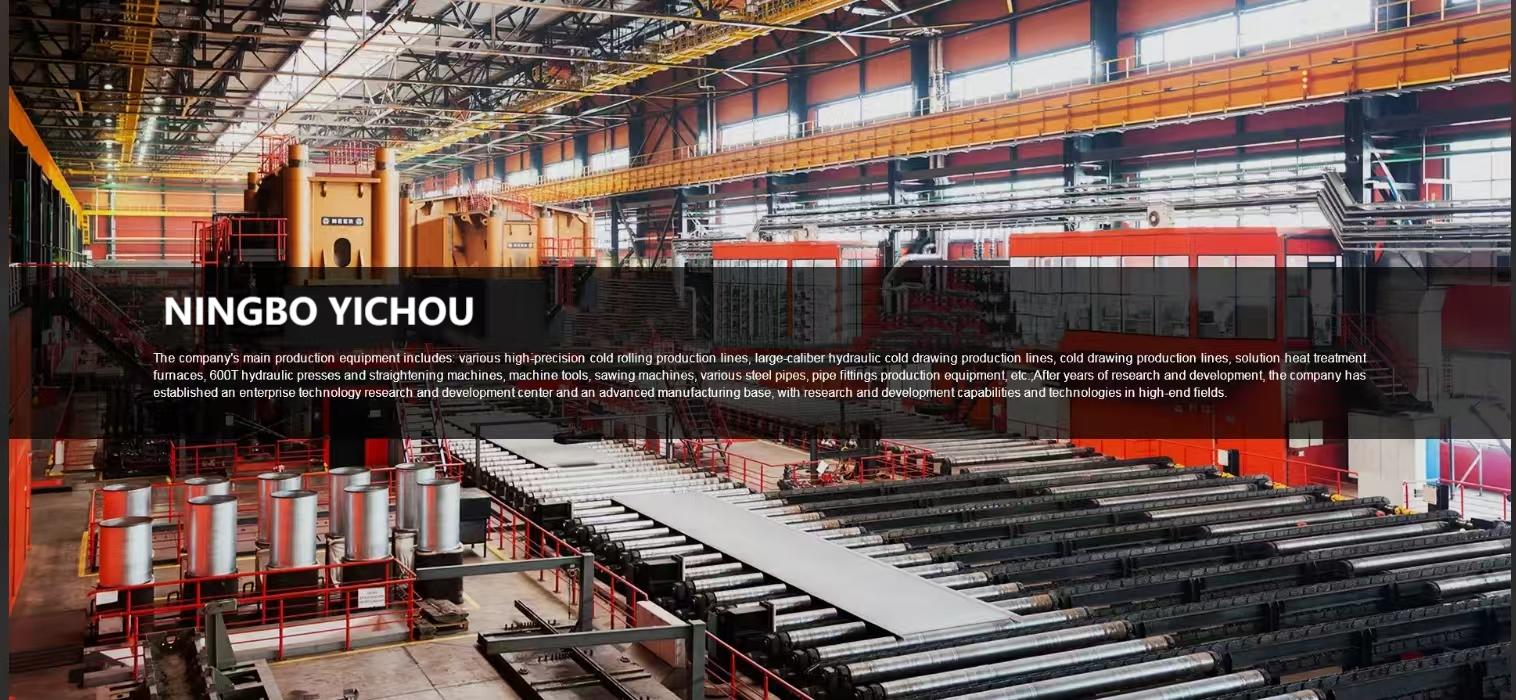
Get in Touch with Yichou
Let Yichou help you achieve excellence in your next project. Whether you need raw materials, custom alloy solutions, or precision-manufactured components, our team is ready to assist.
- Email us: [email protected]
- Call us/whatsapp: +86 13355741031
- Chat with us: Live chat support available on our website