The Definitive Resource for Engineers and Buyers
In the intricate ecosystem of industrial materials, 6061 T6 aluminum alloy stands as a paradigm of engineered excellence. Its designation is more than a code; it represents a meticulously balanced solution to a universal engineering challenge: achieving optimal strength, manufacturability, and corrosion resistance without prohibitive cost. For OEMs, design engineers, and procurement teams navigating critical material selection and sourcing decisions, a profound understanding of this alloy's capabilities and its optimal processing is not merely academic—it is fundamental to product integrity, performance, and commercial viability.
This authoritative guide, crafted from the frontline perspective of a specialized aluminum machining manufacturer, transcends generic data sheets. We delve into the metallurgical rationale behind 6061 T6's dominance, analyze its performance across demanding applications, and provide proprietary insights into high-yield precision machining. Our objective is to equip you with the knowledge to specify, design for, and source machined components that leverage the full, validated potential of this exceptional material, ensuring your projects excel in both form and function.
1. Deconstructing 6061 T6: Metallurgy and Meaning
The alphanumeric designation is a precise language, defining both composition and thermal history.
-
The Alloy Core (6061): As part of the 6000 series (Al-Mg-Si system), its composition is a masterclass in equilibrium:
-
Magnesium (0.8-1.2%) and Silicon (0.4-0.8%): The cornerstone. They form intermetallic Mg₂Si precipitates during heat treatment, the primary mechanism for precipitation hardening.
-
Copper (0.15-0.40%): Enhances strength and marginally improves machinability but can slightly reduce corrosion resistance compared to non-copper alloys.
-
Chromium (0.04-0.35%): Controls grain structure and improves stress-corrosion cracking resistance.
This specific balance yields an alloy that responds predictably and powerfully to thermal treatment.
-
-
The Temper Imperative (T6): This suffix is critical, denoting a three-stage thermomechanical process:
-
Solution Heat Treatment (~530°C / 990°F): The alloy is homogenized, dissolving soluble alloying elements into a uniform solid solution.
-
Quenching (Rapid Water Cool): This "freezes" the supersaturated solution, creating a metastable state. The material at this stage is in a softer, more ductile T4 condition.
-
Artificial Aging (~175°C / 350°F for 8-18 hours): The controlled precipitation of fine, nano-scale Mg₂Si particles throughout the aluminum matrix. This creates internal strain fields that dramatically impede dislocation movement, resulting in the characteristic high strength and hardness of the T6 temper.
-
The synergy of this specific chemistry with the T6 protocol produces a material profile that is exceptionally well-suited for a vast spectrum of industrial applications, a topic we will now explore in rigorous detail.
2. Comprehensive Property Analysis: The Data Behind the Dominance
The reputation of 6061 T6 is built upon a quantifiable and reliable property portfolio. Below, we contextualize key metrics for informed engineering decisions.
Mechanical Properties (Typical Minimum Values per AMS & ASTM Standards)
| Property | English Units | Metric Units | Engineering Significance |
|---|---|---|---|
| Ultimate Tensile Strength | 45,000 psi | 310 MPa | Defines maximum load-bearing capacity before fracture. |
| Tensile Yield Strength | 40,000 psi | 276 MPa | Critical for design; stress at which permanent deformation begins. |
| Elongation at Break | 8-12% | 8-12% | Indicates retained ductility and toughness post-heat-treatment. |
| Shear Strength | 30,000 psi | 207 MPa | Vital for designing pinned, bolted, or riveted connections. |
| Fatigue Strength (Rotary Beam, 5x10⁸ cycles) | ~14,000 psi | ~97 MPa | Good endurance for components subject to cyclic loading. |
| Brinell Hardness | 95 HB | 95 HB | Provides resistance to wear and surface indentation. |
| Modulus of Elasticity | 10.0 x 10⁶ psi | 68.9 GPa | Stiffness; compares favorably to steel on a weight-adjusted basis. |
Physical, Chemical, and Fabrication Properties
-
Density: 0.098 lb/in³ (2.70 g/cm³). The foundation of its outstanding strength-to-weight ratio, a primary driver for weight-sensitive applications.
-
Corrosion Resistance: Excellent. The naturally forming, self-healing aluminum oxide layer provides robust protection in atmospheric, marine (with proper design), and many chemical environments. It is superior to many higher-strength aerospace alloys (e.g., 7075) in this regard.
-
Weldability: Good. Readily welded using TIG (GTAW) and MIG (GMAW) processes with 4043 or 5356 filler wire. Critical Note: The localized heating of welding creates a Heat-Affected Zone (HAZ) where the T6 temper is lost, reducing strength to near-T4 levels (~21,000 psi yield). Designs must account for this, or components require post-weld heat treatment (PWHT) to restore full T6 properties.
-
Machinability: Rated Good (80% on a scale where 1112 steel is 100%). It produces manageable chips and achieves fine surface finishes but requires correct parameters to avoid built-up edge and galling.
-
Thermal Conductivity: 167 W/m·K. Makes it a preferred choice for thermal management components like heat sinks and cold plates.
-
Anodizing Response: Superb. 6061 produces a clear, uniform, and dense anodic oxide layer, ideal for both decorative coloring (Type II) and hard, wear-resistant coatings (Type III).
3. Strategic Applications Across Global Industries
The utility of 6061 T6 is evidenced by its cross-industry penetration. Its selection is a strategic decision based on total lifecycle performance.
-
Aerospace & Defense: Secondary structures (bulkheads, brackets, wing ribs), unmanned aerial vehicle (UAV) frames, instrumentation housings, and ground support equipment. Its weldability, strength, and fatigue resistance are key assets.
-
Automotive & High-Performance Mobility: Electric vehicle battery enclosures, suspension components, space frames, custom wheels, and motorcycle swingarms. The imperative for lightweighting without sacrificing safety or durability makes it indispensable.
-
Robotics & Automation: Robotic end-effectors, actuator housings, and vision system mounts. Its high stiffness-to-weight ratio enables faster acceleration/deceleration and greater precision.
-
Semiconductor & High-Tech: Vacuum chamber components, wafer handling arms, and optical mounting plates. Its stability, non-magnetic properties, and ability to achieve ultra-high vacuum (UHV)-compatible surfaces are critical.
-
Marine & Offshore: Hull structures, masts, deck hardware, and piping systems. Its resistance to saltwater corrosion, especially when anodized or painted, ensures long service life.
-
Architectural & Construction: Structural framing, curtain walls, bridges, and pedestrian walkways. It combines structural integrity with a modern aesthetic and minimal maintenance.
-
Consumer Durables & Medical: High-end bicycle frames, camera bodies, surgical instrument trays, and diagnostic device enclosures. It supports complex geometries, excellent finishes, and repeated sterilization cycles.
4. Precision Machining Protocol: Expertise from the Machine Shop Floor
Transitioning from raw stock to a high-tolerance component demands a disciplined, science-based approach. Here, we share validated best practices honed through production.
Advanced Tooling Strategy
-
Tool Material: Micro-grain carbide is the industry standard. For high-volume production or abrasive conditions (e.g., composites on aluminum), diamond-coated end mills offer unparalleled wear resistance.
-
Geometry Optimization: Utilize tools with high helix angles (40°-45°) and sharp, polished flutes featuring positive radial and axial rake angles. This geometry promotes efficient shearing, reduces cutting forces and heat generation, and ensures positive chip evacuation—critical for preventing chip recutting and surface galling.
Optimized Cutting Parameters for CNC Machining
-
Surface Speed (Vc): 800-1200 SFM (245-365 m/min). Modern CNC machines with high-pressure coolant can operate at the upper end, significantly reducing cycle times.
-
Chip Load (fz): 0.004-0.012 IPT (0.10-0.30 mm/tooth). Maintaining an adequate chip load is essential to cut under the work-hardened surface layer and carry heat away in the chip.
-
Depth of Cut: Roughing: Axial (ap) up to 1.5xD, Radial (ae) 30-50% of D. Finishing: Light axial cuts (0.005-0.020") with minimal radial engagement for optimal surface finish.
-
Coolant Application: Non-negotiable. Use high-pressure flood coolant (≥1000 psi / 69 bar) directed at the cutting interface. This manages thermal loads, prevents material adhesion (BUE), and forcefully evacuates chips from deep pockets and cavities.
Mitigating Common Machining Challenges
-
Built-Up Edge (BUE): Aluminum adheres to the tool tip, degrading finish and accuracy. Remedy: Increase surface speed, ensure sufficient chip load, and verify coolant concentration and pressure.
-
Stringy Chip Formation: Creates bird-nesting and safety hazards. Remedy: Use tools with chip-breaking geometries (e.g., serrated or variable-index designs) and optimize feeds/speeds to produce a "6" or "9" shaped chip.
-
Part Distortion from Residual Stress: Stock material may harbor internal stresses released during machining. Remedy: Source stress-relieved plate or bar stock. Employ a balanced, multi-stage roughing strategy to remove material symmetrically before final finishing.
-
Achieving Optical-Grade Surfaces: Requires a systematic approach: a sharp, dedicated finishing tool, low radial engagement (<5%), high speed, low feed, and potentially a final vibration-dampened spring pass.
Post-Machining & Value-Added Finishing
-
Deburring: Effective methods include automated thermal energy deburring (for complex internal features), cryogenic deflashing, or controlled mechanical tumbling.
-
Surface Enhancement: Vibratory finishing with specialized media can produce consistent edge radiusing and refined surface textures (e.g., mil-spec finishes).
-
Anodizing (Type II & III): 6061 T6 is the benchmark. For critical color matching, specify a controlled alloy variant (e.g., 6061-T6511). Masking and racking for anodizing must be considered during part design.
-
Plating & Conversion Coatings: Applicable for specific electrical, wear, or paint adhesion requirements (e.g., electroless nickel, chromate conversion).
5. The Competitive Advantage of Specialized Manufacturing Partnership
Sourcing 6061 T6 components involves more than executing a print. It requires a partner who integrates material science with advanced manufacturing execution.
-
Technical Collaboration & DFM Analysis: A true partner engages early, offering actionable Design for Manufacturability (DFM) feedback. This can involve suggesting slight alterations to wall thickness, internal corner radii, or tolerance specifications that dramatically reduce machining complexity, cost, and lead time without compromising design intent.
-
Supply Chain Integrity & Certification: Professional manufacturers provide full material traceability via Certified Mill Test Reports (CMTRs), ensuring the 6061 T6 stock meets specified chemical and mechanical properties. They manage the entire chain from certified raw material to finished part.
-
Integrated Advanced Manufacturing Capabilities: Look for partners offering:
-
Multi-Axis Machining (5-Axis): For complex contours and single-setup processing.
-
High-Speed Machining (HSM): For superior surface finishes and reduced cycle times on large parts.
-
In-Line Process Validation: Real-time probing and in-process gauging to ensure critical features are within tolerance during machining, not just after.
-
-
Comprehensive Quality Management: This extends beyond final inspection. It encompasses process controls, first-article inspection (FAI) per AS9102, statistical process control (SPC) for high-volume runs, and full documentation packages for regulated industries.
6. Critical Comparative Analysis & Technical FAQs
Q1: 6061-T6 vs. 7075-T73: Which for my high-stress application?
-
For Ultimate Strength (No Welding): 7075-T73 (Tensile: ~78 ksi) is superior. However, it has significantly lower corrosion resistance and fracture toughness, is far more challenging to machine, and is generally considered non-weldable for structural purposes.
-
For the Optimal Balance: 6061-T6 is the definitive choice when weldability, corrosion resistance, machinability, and overall cost are factored alongside excellent strength.
Q2: How do we address the weakness in the weld HAZ?
-
Design: Increase section size in the HAZ or locate welds in low-stress areas.
-
Process: Use Friction Stir Welding (FSW), which produces a narrower HAZ with less property degradation than fusion welding.
-
Post-Processing: Specify Post-Weld Heat Treatment (PWHT) to restore T6 properties to the entire assembly. This requires careful fixturing to prevent distortion.
Q3: For critical dynamic loads, what about fatigue performance?
-
6061-T6 offers good fatigue resistance. Performance is highly surface-dependent. Machined surfaces are superior to as-extruded or as-cast surfaces. Processes like shot peening can induce compressive surface stresses, dramatically improving fatigue life by orders of magnitude for demanding applications.
Q4: What are the thermal operating limits?
-
Prolonged exposure above 150°C (300°F) will cause over-aging, softening the T6 temper. For sustained high-temperature service, consider alloys like 2219 or 2618. 6061-T6 performs excellently at cryogenic temperatures.
Q5: How do we ensure part stability for tight-tolerance geometries?
-
This is a core manufacturing challenge. Solutions include: sourcing stress-relieved temper (-T6511), programming a balanced material removal strategy, and implementing a thermal stabilization cycle between roughing and finishing operations to relieve machining-induced stresses.
Conclusion: Engineering Success with a Trusted Authority
6061 T6 aluminum is more than a commodity material; it is a platform for innovation. Its unparalleled combination of properties has solidified its role as the backbone of countless industries. However, transforming this potential into reliable, high-performance components demands a synthesis of deep technical knowledge and precision manufacturing discipline.
we embody this synthesis. As a specialist in advanced aluminum machining, we bring a level of expertise that ensures every project—from prototype to production run—is executed with optimal material understanding, cutting-edge technology, and uncompromising quality assurance. We partner with you not just to make parts, but to engineer solutions that are lighter, stronger, and more efficient.
Are you ready to specify with confidence and source with certainty?
Connect with our engineering team for a detailed DFM analysis and a strategic quote on your next 6061 T6 aluminum project. Let us demonstrate how a dedicated manufacturing partnership can elevate your product's performance and value.
Contact us today for a competitive quote and technical support!
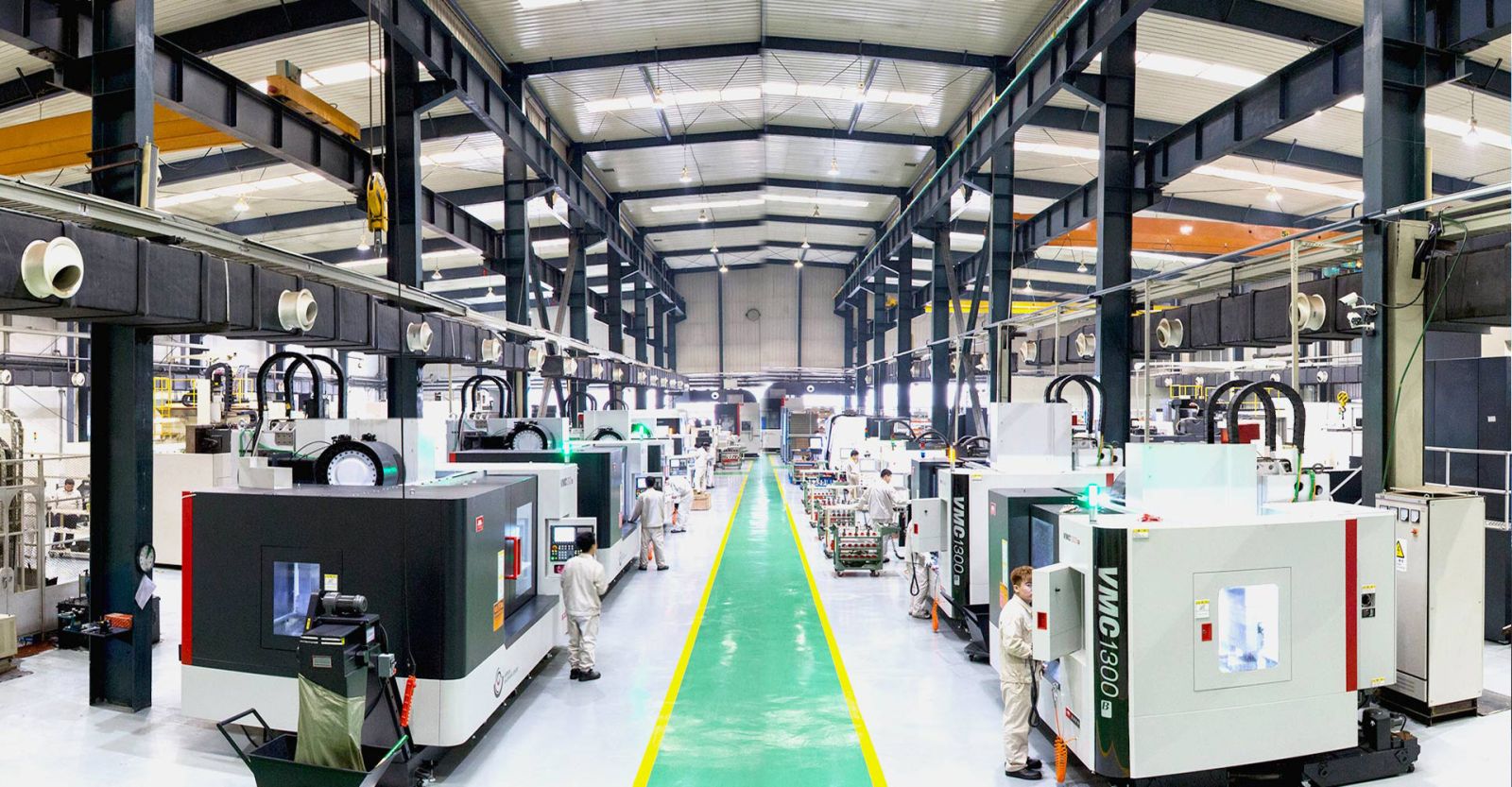
Let Yichou help you achieve excellence in your next project. Whether you need raw materials, custom alloy solutions, or precision-manufactured components, our team is ready to assist.
- Email us: [email protected]
- Call us/whatsapp: +86 13355741031
- Chat with us: Live chat support available on our website