Meta Description: Confused about mould tooling costs, types, or the difference between mould vs mold? Get expert procurement insights, compare options, and learn how to source high-quality, cost-effective moulds. Request your YICHOU quote today.
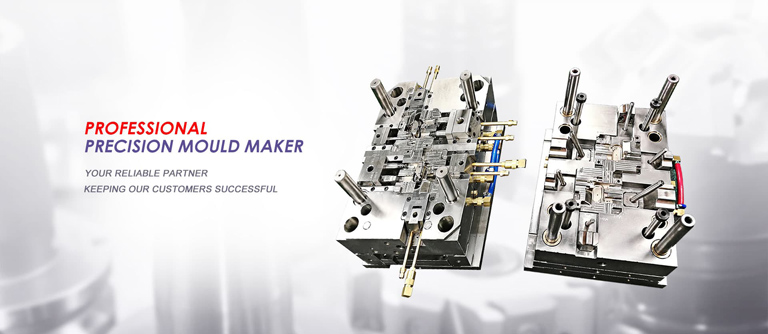
Introduction (H1): Choosing the Right Mould Tooling: Your Procurement Success Starts Here
Hook: "Choosing the right mould tooling isn't just a manufacturing step – it's a critical business decision that directly impacts your product quality, time-to-market, and bottom line. Yet, for procurement professionals and sourcing managers, navigating the complexities of mould tooling can be daunting. Conflicting terminology (mould vs mold?), unpredictable cost structures, and understanding the myriad of tooling types create significant hurdles in making confident, cost-effective sourcing decisions."
State Purpose: "This comprehensive guide cuts through the confusion. We answer your most pressing mould tooling questions – demystifying costs (what drives them?), clarifying terminology (moulding vs molding?), explaining core processes, and outlining key selection criteria. Our goal? To empower you, the buyer, with the knowledge needed to evaluate suppliers effectively, understand quotations accurately, and ultimately select the optimal mould tooling solution that delivers quality, reliability, and value for your specific project."
Establish Credibility: "At YICHOU, we leverage over 20 years of dedicated expertise in precision mould tooling design and manufacturing. We partner with leading companies across diverse sectors like automotive components, medical devices, and consumer electronics to deliver robust, high-performance moulds that meet stringent quality standards and demanding production schedules. This guide draws on our deep industry knowledge to provide you with actionable insights for your procurement journey."
Section 1: Mould Tooling Fundamentals (Addressing Core "What" Questions)
H2: What is Mould Tooling? The Engine of Mass Production
Mould tooling (often interchangeably called "mold tooling" in the US) is the foundational, precision-engineered hardware that transforms raw materials into finished products. At its core, a mould tool consists of meticulously crafted cavities and cores. These critical components act like a highly sophisticated, reusable negative of your final part. When molten material – most commonly plastics, but also metals (in die casting) and rubber/elastomers – is introduced under pressure, it fills these cavities. Upon cooling and solidification, the material takes the exact, intricate shape defined by the tool, resulting in a precise, repeatable part. Think of it as the essential, high-precision "cookie cutter" for industrial manufacturing, enabling the creation of everything from tiny medical components to large automotive parts with incredible accuracy and speed.
H3: What is the Purpose of Tooling? Why Invest in Precision Moulds?
Mould tooling isn't an expense; it's a strategic investment enabling manufacturing excellence. Its primary purposes are critical for buyers focused on efficiency, quality, and cost control:
-
Mass Production & Scalability: Tooling unlocks the ability to produce thousands or millions of identical parts rapidly and consistently, making high-volume manufacturing feasible and cost-effective. The per-part cost plummets after the initial tooling investment.
-
Achieving Complex Geometry: Moulds can create intricate shapes, fine details, undercuts, threads, and complex internal features that would be impossible or prohibitively expensive with other manufacturing methods like machining. This enables innovative product design.
-
Unmatched Repeatability & Consistency: Once proven, a high-quality mould tool ensures every single part produced meets the exact same dimensional and aesthetic specifications. This is paramount for quality control, assembly, and brand reputation.
-
Material Efficiency & Reduced Waste: Moulding processes like injection moulding use only the precise amount of material needed to fill the cavity, minimizing scrap compared to subtractive processes. This lowers material costs and supports sustainability goals.
-
Superior Surface Finish Control: The mould cavity's surface finish is directly replicated onto the part. Tooling allows for a vast range of finishes – from high-gloss polish and textured grains (e.g., leather, matte) to custom logos – eliminating or reducing secondary finishing operations.
H3: What is an Example of Tooling? Key Types Buyers Encounter
Mould tooling comes in various forms, each suited to specific materials, processes, and volumes. As a buyer, you'll commonly source these types:
-
Injection Moulds : The most common type. Used for shaping thermoplastics and thermosets. Molten plastic is injected under high pressure into a closed, cooled mould cavity. (Examples: Phone cases, automotive dashboards, medical syringes, appliance housings).
-
Die Casting Dies : Used for high-pressure casting of molten non-ferrous metals (like aluminum, zinc, magnesium). Molten metal is injected at very high pressure into a hardened steel die cavity. (Examples: Automotive transmission cases, power tool housings, laptop chassis).
-
Blow Moulds : Primarily used to create hollow plastic parts. A parison (tube of molten plastic) is inflated within the mould cavity against the walls using air pressure. (Examples: Bottles, containers, fuel tanks, ducting).
-
Compression Moulds : Used for thermosets, rubbers, and composites. Material is placed in an open, heated mould cavity. The mould closes, applying heat and pressure, causing the material to flow and cure. (Examples: Rubber seals & gaskets, silicone bakeware, composite electrical insulators).
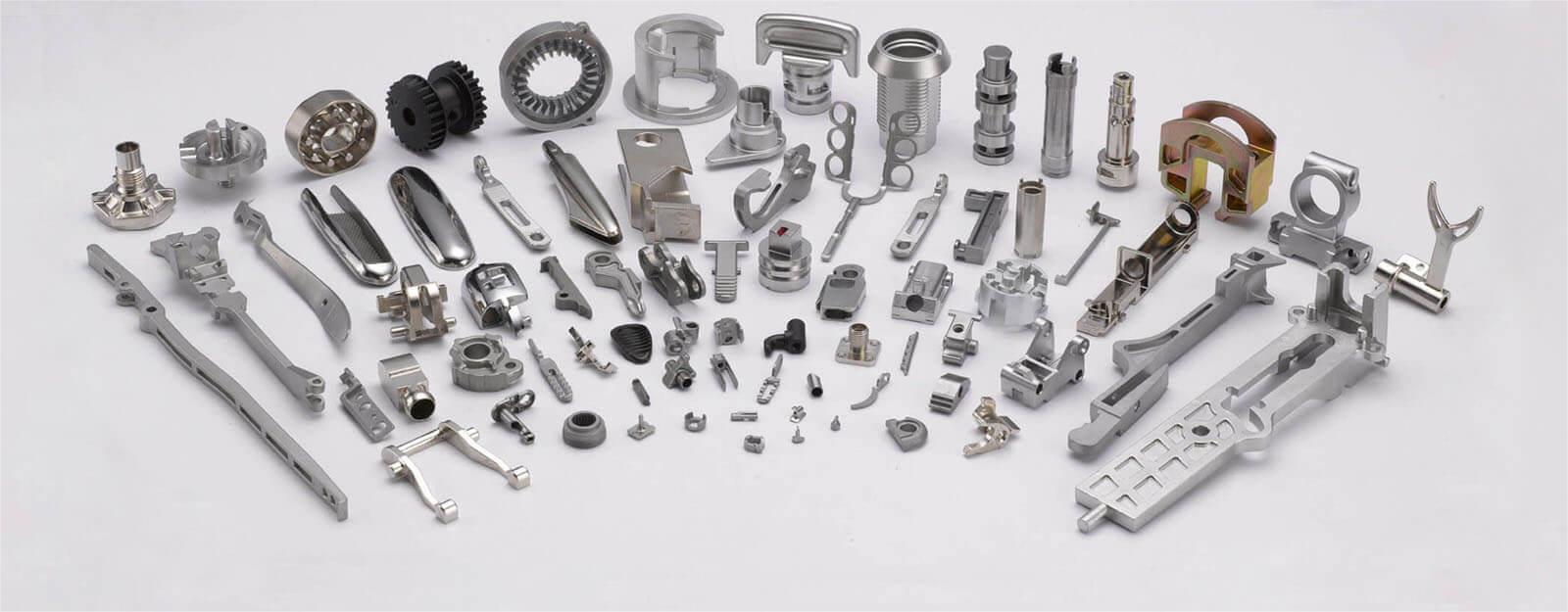
Section 2: Understanding Mould Tooling Costs (Critical for Procurement)
H2: How Much Does Tooling Mold Cost? Decoding Your Investment
This is the #1 question for procurement professionals, and rightly so. Mould tooling represents a significant upfront investment. While providing exact figures is impossible without your specific part design, understanding the key cost drivers empowers you to budget effectively and evaluate quotes accurately. At YICHOU, we believe in transparent costing – here’s what truly impacts your tooling price.
H3: Key Cost Drivers: What Shapes Your Tooling Investment?
-
Part Complexity & Size:
-
Surface Area: Larger parts require more material and machining time.
-
Undercuts & Complex Features: Require complex mechanisms (slides, lifters) adding design/machining time.
-
Thin Walls/Fine Details: Demand higher precision machining and can increase trial time.
-
Overall Geometry Complexity: Directly correlates with engineering and manufacturing hours.
-
-
Cavitation (Number of Cavities):
-
Single-cavity tools are cheapest but lowest output.
-
Multi-cavity tools (producing multiple parts per cycle) cost more initially but drastically reduce per-part cost in high-volume production. Requires extreme precision.
-
-
Tool Material (Steel Type & Hardness - HRC):
-
Aluminum: Lowest cost. Ideal for prototypes or very low volumes (<1,000 parts). Shorter lifespan, limited finish options.
-
P20 Steel: Mid-range cost. Good for moderate production volumes (50k-100k+ parts). Balanced machinability and durability.
-
H13 (Hardened Tool Steel): Higher cost. Essential for high-volume production (500k+ parts), abrasive materials, or die casting. Superior wear/heat resistance.
-
Stainless Steel (e.g., 420SS): Highest cost. Used for corrosive materials (PVC, medical) or ultra-high finishes. Longest lifespan.
-
Higher Hardness (HRC): Increases tool life but adds machining time/cost (requires EDM).
-
-
Surface Finish Requirements (SPI Standards):
-
A simple machined finish (SPI C-1) is standard.
-
High-polish finishes (SPI A-1, A-2) or specialized textures (VDI 3400 - include image link/reference) require extensive hand polishing or EDM texturing, increasing cost significantly.
-
-
Tolerance Requirements:
-
Standard tolerances are economical.
-
Tight tolerances (e.g., ±0.02mm) demand advanced machining (like jig grinding), precise temperature control, and rigorous inspection, driving up costs.
-
-
Lead Time:
-
Standard lead times offer best value.
-
Expedited/rushed tooling requires overtime and resource prioritization, adding premiums (often 20-50%+).
-
-
Additional Tooling Features:
-
Hot Runner Systems: Eliminate sprue waste and cycle time but add complexity/cost (10-30%+ of base tool cost).
-
Slides, Lifters, Core Pulls: Needed for complex geometries, increasing design, machining, and assembly time.
-
Special Cooling Channels (Conformal Cooling): Optimizes cycle time but adds design/manufacturing complexity.
-
EDM Texturing/Engraving: Adds specialized processing steps.
-
H3: Rough Cost Ranges: Setting Realistic Expectations
While every project is unique, these ranges provide a general guideline for budgeting initial inquiries:
| Tool Type & Complexity | Typical Cost Range (USD) | Best Suited For |
|---|---|---|
| Simple Aluminium Prototype Tool | $2,000 - $15,000 | Design validation, < 1,000 parts |
| Mid-Range Steel Production Tool | $15,000 - $80,000 | Moderate volumes (10k-500k parts) |
| Complex Multi-Cavity Steel Tool | $80,000 - $200,000+ | High-volume production (>500k parts) |
| Complex Tool w/ Hot Runners | $100,000 - $500,000+ | Ultra-high volume, tight tolerances |
Crucial Note for Buyers: These ranges are illustrative starting points. An accurate quote requires a detailed part design review.
→ YICHOU offers a free, no-obligation Design for Manufacturability (DFM) analysis and precise quotation. [Link to Quote Request]
Our engineers identify cost-saving opportunities upfront, ensuring you get optimal value without surprises.
H3: Why is Tooling Called "Molding"?
The term "molding" (US) or "moulding" (UK) originates directly from the core function of the tool: shaping material within a hollow form or "mould." The process itself – injecting, casting, or forming material into this cavity to create a solid object – became known as "molding." Thus, the tool enabling this process is called "mold tooling" or "mould tooling," linking it intrinsically to the action it performs.
Key Takeaways for Procurement:
-
Costs vary exponentially based on design choices.
-
Material selection balances upfront cost with part volume/lifespan.
-
Complexity features (slides, finishes) are major cost adders.
-
DFM is non-negotiable for cost control – leverage YICHOU's free service.
-
View tooling as a per-part cost amortized over production volume.
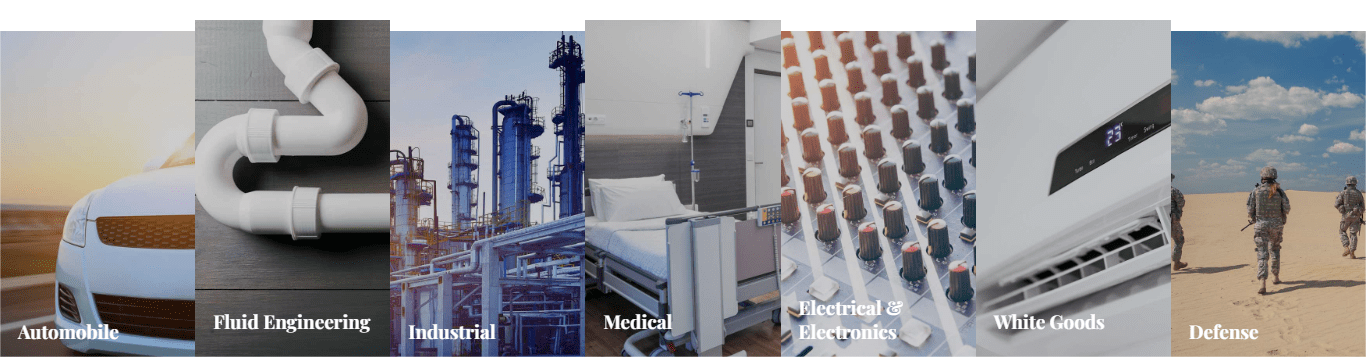
Section 3: Mould Tooling Types & Applications (Helping Buyers Choose)
H2: What Are the Different Types of Tooling? Matching Process to Product Needs
Selecting the right moulding process is critical for cost, quality, and efficiency. Here’s what procurement teams need to know:
H3: Common Mould Tooling Types & How They Work
*(Answers: "What are the 5 types of moulding?" + "How does mould work?")*
-
Injection Moulds
-
Process: Plastic pellets → melted → injected under high pressure → cooled → ejected.
-
Applications: High-volume, complex parts (electronics housings, medical devices, automotive trim).
-
Advantages: Fast cycles, tight tolerances, minimal waste.
-
-
Blow Moulds
-
Process: Hollow tube (parison) of molten plastic → inflated with air → conforms to cavity walls.
-
Applications: Hollow containers (bottles, fuel tanks, ducting).
-
Advantages: Seamless hollow shapes, low tooling cost for simple designs.
-
-
Compression Moulds
-
Process: Material (rubber/composites) placed in open heated cavity → pressed under heat/pressure → cures.
-
Applications: Thermosets, rubber seals, silicone products.
-
Advantages: Low residual stress, ideal for brittle materials.
-
-
Transfer Moulds
-
Process: Material preheated in chamber → forced through runners into closed cavity → cures.
-
Applications: Rubber/silicone parts with inserts (e.g., encapsulated electronics).
-
Advantages: Tighter tolerances than compression moulding.
-
-
Die Casting Dies
-
Process: Molten metal (zinc/aluminum/magnesium) → injected at extreme pressure → rapidly cooled.
-
Applications: High-strength metal parts (gearboxes, engine components).
-
Advantages: Thin walls, fine details, excellent surface finish.
-
H3: Metal Casting Moulds: Beyond Plastic & Rubber
(Answers: "What four types of molds are used in casting?")
For metal parts, key mould types include:
-
Sand Moulds: Low-cost, disposable molds for prototypes/large parts.
-
Investment Moulds: Wax patterns coated in ceramic slurry → melted out → molten metal poured.
-
Permanent Moulds: Reusable metal molds (similar to die casting but gravity-fed).
-
Die Casting Dies: High-pressure injection (as above).
H2: Clarifying Terminology: Mould Tool vs. Moulding
(Answers: "What is a moulding tool?" / "What is a mould tool?")
-
Mould Tool (or Mold Tool): The physical asset (steel/aluminum blocks with cavities/cores) used to shape materials.
-
Moulding (or Molding): The process of using the tool or the finished part itself.
Example: "YICHOU designs the mould tool used for injection moulding of automotive knobs."
H2: CNC vs. Moulding: Choosing the Right Process
(Answers: "What is the difference between CNC and molding?")
H3: Key Differences at a Glance
| Factor | CNC Machining | Moulding |
|---|---|---|
| Process Type | Subtractive (material removed) | Formative (material shaped in cavity) |
| Material Use | High waste (scrap from block) | Low waste (near-net shape) |
| Prototype Speed | Fast (hours/days) | Slow (weeks/months for tooling) |
| Production Speed | Slow (per-part) | Extremely Fast (seconds/minutes) |
| Prototype Cost | Low (no tooling) | High (tooling investment) |
| High-Volume Cost | Very High (per-part) | Very Low (amortized tooling cost) |
| Best For | Prototypes, <100 parts, ultra-complex geometry | >1,000 parts, complex geometries, thin walls |
Critical Insight:
"Mould tooling is manufactured using CNC machining (and EDM, grinding). Once built, the mould enables high-speed, low-cost production via moulding."
Why This Matters for Procurement:
-
Volume Thresholds: Moulding becomes cost-effective at ~1,000+ parts.
-
Design Lock: Ensure part design is final before investing in tooling.
-
Hybrid Approach: Use CNC for prototypes → Moulding for production.
YICHOU Pro Tip: Our engineers help clients transition from CNC prototypes to production tooling seamlessly. Ask about our bridge tooling solutions.
Section 4: Mould Design, Materials & Manufacturing (Building Technical Trust)
H2: What Material is Used for Mould Tooling? Selecting the Right Steel for Performance & Longevity
Choosing tool material isn’t just about cost—it’s about maximizing production life and part quality. Here’s what buyers need to evaluate:
H3: Common Tool Steels & Applications
(Factors: Volume | Moulded Material | Finish | Cooling | Cost)
| Material | Key Properties | Typical Applications | Production Volume |
|---|---|---|---|
| Aluminum (7075-T6) | Low cost, fast machining, easy repair | Prototypes, <1,000 parts, low-abrasion plastics | Very Low |
| P20 Steel (1.2311) | Good machinability, moderate hardness | Production tools for PP, PE, ABS (e.g., consumer goods) | 50k - 500k+ parts |
| H13 Steel (1.2344) | High heat/wear resistance, tough | Die casting (Zn/Al), engineering resins (PEEK, Nylon), high-volume | 500k - 1M+ parts |
| S7 Steel (1.2357) | Superior impact/shock resistance | Tools with complex slides/lifters, compression moulding | Moderate-High |
| 420SS / 17-4PH | Corrosion resistance, high polish | Medical devices, food contact, PVC/chlorinated materials | 500k+ parts |
Procurement Insight:
*Investing in H13/420SS for high-volume production reduces downtime and per-part cost. For prototypes, aluminum offers rapid ROI.*
→ Consult YICHOU’s engineers for material optimization based on your production forecast.
H2: The Mould Making Process: Precision from Design to First Shot
Understanding YICHOU’s workflow ensures quality and timeline predictability:
-
Design & DFM (CAD/CAE):
-
Part analysis for manufacturability
-
MoldFlow simulation (filling/cooling/warp)
-
Critical Step: YICHOU’s free DFM identifies cost-saving design tweaks pre-production.
-
-
Material Selection & Block Prep:
-
Steel certified to DIN/ISO standards
-
Rough machining to near-net shape
-
-
Precision Machining:
-
CNC Milling: Creates core/cavity geometry
-
EDM (Electrical Discharge Machining): Forms intricate details/undercuts
-
Jig Grinding: Achieves micron-level tolerances
-
-
Surface Finishing:
-
Polishing (SPI A1-A3 standards)
-
Texturing (VDI 3400, MT11000 patterns)
-
-
Tool Assembly & Fitting:
-
Integration of ejector pins, sliders, cooling lines
-
Conformal cooling channels for cycle optimization
-
-
Tryout & Sampling:
-
Test runs on injection/Die casting machines
-
T1 sample validation against CAD specs
-
-
Final Approval & Delivery:
-
Full documentation (inspection reports, material certs)
-
YICHOU Advantage: 30% faster lead times via parallel processing cells.
-
H3: Patterns in Mould Making: The Foundational Templates
(Answers: "What are the different types of patterns?")
Patterns are master models used to create mould cavities:
-
Master Patterns: CNC-machined prototypes for mould verification.
-
Sand Casting Patterns: Wood/metal replicas to form sand mould cavities.
-
Investment Patterns: Wax models dipped in ceramic slurry (lost-wax process).
-
Silicone Moulds: For low-volume urethane/rubber prototyping.
H3: Replicating Patterns: Capturing the Master Form
(Answers: "Which tool is used to take a pattern from the mold?")
To duplicate patterns:
-
Silicone Rubber: Ideal for complex geometries (shrinkage ~0.1%).
-
Epoxy Resin: Rigid copies for dimensional checks.
-
Plaster: Low-cost option for large, simple shapes.
Example: Silicone rubber captures fine texture from a master knob pattern for bathroom fixture production.
Technical Trust Builders:
-
Material Traceability: YICHOU provides mill certs for all tool steels.
-
Precision Metrics: Standard tolerance ±0.02mm | Tight tolerance ±0.005mm.
-
Quality Assurance: In-process CMM inspection at critical stages.
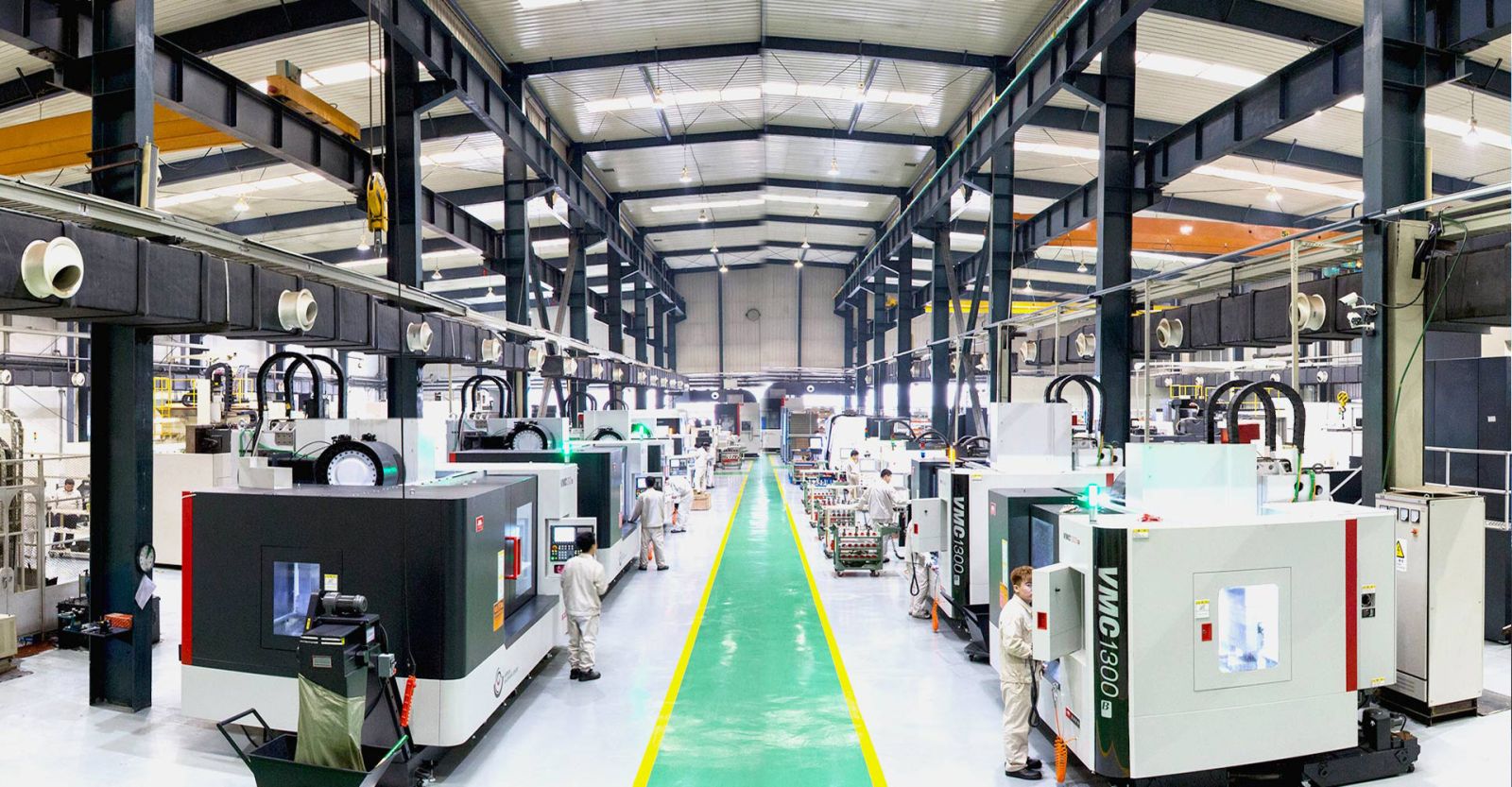
Section 5: Finishing & Related Terms (Completing the FAQ)
H2: Moulding, Trim, and Shaping Explained: Clearing Industry Jargon
Procurement teams often encounter overlapping terms. Here’s precise clarification:
H3: Mould vs. Moulding: Terms Demystified
(Answers: "What is the difference between mould and moulding?")
-
Mould (or Mold): The physical tool (steel/aluminum blocks with cavities) used to shape materials.
-
Moulding (or Molding):
-
The manufacturing process (e.g., injection moulding).
-
The finished part itself (e.g., "a plastic moulding").
-
Architectural Context: Decorative strips (e.g., crown moulding).
-
H3: Moulding vs. Trim: Production vs. Post-Processing
(Answers: "What's the difference between moulding and trim? / trim and mould?")
| Term | Manufacturing Context | Architectural Context |
|---|---|---|
| Moulding | The process or the finished part | Decorative strips (walls/ceilings) |
| Trim | Removing excess material (flash) from a part | Finish work (baseboards, window casings) |
Example: After injection moulding, operators trim flash from a toy car. In homes, crown moulding requires precise trim installation.
H3: What is the Most Popular Moulding?
-
Manufacturing: Injection moulding dominates (70%+ of plastic parts). Examples: Medical syringes, car bumpers, phone cases.
-
Architectural: Crown moulding and baseboard are most common in interior design.
H3: The Basics of Moulding: Core Principles
(Answers: "What is the basics of moulding?")
A 3-step foundational process:
-
Material Preparation: Plastic/rubber/metal is heated to liquid/semi-liquid state.
-
Forming: Material is forced or poured into a mould cavity under pressure/gravity.
-
Solidification: Material cools (or cures) into the mould’s shape, then ejected.
H3: Shaping vs. Moulding: Processes Decoded
(Answers: "Difference between shaping and moulding? / moulder vs. shaper?")
-
Moulding (Manufacturing): Forms material inside a cavity (injection/compression).
-
Shaping (Woodworking): Cuts profiles along stock edges using rotating blades.
-
Moulder (Machine): Woodworking equipment for creating contoured edges.
-
Shaper (Machine): Woodworking tool for cutting grooves/patterns.
Key Takeaway: "Moulding" = cavity-based forming; "Shaping" = edge profiling (wood).
H3: How to Mold Plastic into Shapes?
(Answers: "How to mold plastic into shapes?")
A simplified 5-step workflow:
-
Select Process: Injection (complex parts), blow (hollow), or compression (thermosets).
-
Design Mould: Create CAD models with YICHOU’s free DFM analysis.
-
Choose Plastic: ABS (durable), PP (flexible), PC (transparent), etc.
-
Melt & Form: Heat plastic → inject/blow/compress into mould cavity.
-
Cool & Eject: Solidify part → remove from tool → trim excess.
H3: Casting vs. Moulding: Critical Differences
(Answers: "What is the difference between casting and moulding?")
| Factor | Casting | Moulding |
|---|---|---|
| Material State | Liquid (poured) | Liquid/semi-solid (forced) |
| Pressure | Low/gravity-fed | High pressure (injection/compression) |
| Common Uses | Metal parts (engine blocks), resin | Plastics, rubber, die-cast metals |
| Overlap | Die casting uses moulding techniques | Casting resins use moulds |
Why This Matters for Buyers:
-
Prevents miscommunication with suppliers.
-
Ensures accurate RFQ specifications.
-
Clarifies post-processing needs (e.g., trimming).
Section 6: Why Partner with YICHOU for Your Mould Tooling? (Conversion Focus)
H2: Sourcing High-Quality Mould Tooling: The YICHOU Advantage
In a market saturated with suppliers, YICHOU delivers unmatched precision, reliability, and value. Here’s why global manufacturers trust us:
H3: Expertise You Can Trust
-
Decades of Specialization: 20+ years perfecting mould tooling for automotive, medical, and consumer electronics sectors.
-
Cutting-Edge Capabilities:
-
In-house precision CNC, EDM, and CMM inspection
-
Moldflow® simulation for defect-free tool design
-
Free DFM analysis to optimize part design before tooling begins.
-
-
Engineer-Led Collaboration: Your project benefits from direct access to our technical team.
H3: Commitment to Quality & Precision
-
Certified Excellence: ISO 9001-compliant processes from design to delivery.
-
Premium Materials: Only certified tool steels (H13, 420SS, etc.) for extended tool life.
-
Proven Performance: 98% on-time delivery of moulds achieving <0.03mm tolerance.
H3: Optimized for Your Bottom Line
-
Transparent Pricing: No hidden fees – detailed quotes include material, labor, and finishing costs.
-
Phased Solutions:
-
Prototype Tools: Aluminum moulds in 15 days
-
Bridge Tooling: Steel molds for mid-volume runs
-
High-Volume Production: Multi-cavity systems with hot runners
-
-
Efficiency Focus: 30% faster lead times via parallel workflow management.
H3: Ready to Get Started?
*"Stop searching for ‘mould tooling suppliers.’ Partner with YICHOU for solutions that reduce your per-part cost by 40% while ensuring zero quality compromises."*
H2: Request Your Free Mould Tooling Quote & DFM Analysis Today!
Get a precise cost estimate + expert design feedback in 24 hours:
-
Upload your part design (STEP/IGES) for instant DFM review
-
Consult our engineers to optimize tooling performance
-
Lock in accelerated lead times with dedicated project management
Why YICHOU Wins Procurement Contracts:
-
Risk Reduction: DFM catches design flaws pre-production
-
Cost Control: Amortized tooling slashes per-part costs
-
Speed-to-Market: 15-day prototype tooling available
-
Long-Term ROI: Tools lasting 1M+ cycles with maintenance support
Get Quote
- Visit our website: https://www.nbyichou.com/
- Email us: [email protected]
- Call us/whatsapp: +86 13355741031
- Chat with us: Live chat support available on our website