Introduction
Overview of the Aerospace Industry
The aerospace industry is a cornerstone of modern transportation and global defense, driving innovation and connectivity across continents. It encompasses the design, development, and production of aircraft, spacecraft, and related systems and components, playing a vital role in both commercial aviation and military operations. This sector not only supports global trade and tourism but also enhances national security and space exploration, making it a key driver of technological advancement and economic growth worldwide.
Importance of Quality Components
In the aerospace industry, the margin for error is nonexistent. Aircraft and spacecraft operate under extreme conditions, where safety and performance are paramount. High-quality components are the foundation of reliability and efficiency in these operations. From structural fasteners holding together fuselages to precision-engineered brake systems ensuring smooth landings, every part must meet rigorous industry standards. Ensuring the quality of aerospace components not only enhances operational safety but also extends the lifecycle of aircraft, reduces maintenance costs, and bolsters trust in aerospace manufacturers and operators.
Aerospace Parts Distributors: Role and Function
Aerospace parts distributors play a crucial role in the supply chain by serving as intermediaries between manufacturers, maintenance providers, and the end users of aircraft parts. Their function is to ensure that high-quality, certified components are delivered in a timely manner to support manufacturing, repair, and maintenance activities within the aerospace industry. These distributors maintain extensive inventories to meet the complex demands of the industry, ensuring that parts are readily available for both routine maintenance and unforeseen repairs.
Distributors are also responsible for managing the flow of components from manufacturers to various stakeholders, including Original Equipment Manufacturers (OEMs), Maintenance, Repair, and Overhaul (MRO) providers, and airlines. Their role often involves sourcing, stocking, and selling parts such as consumables, rotables (components that are repaired and reused), and airframe spares for a variety of aircraft types. By maintaining close relationships with both manufacturers and customers, distributors ensure the seamless delivery of products across different tiers of the aerospace sector.
Notable Aerospace Parts Distributors
One notable player in the aerospace parts distribution market is YICHOU, a company that has established itself as a key distributor in the industry. YICHOU holds over a million line items of inventory, encompassing a wide range of components required for various types of aircraft. Their stock includes:
- Consumables: Items that are used in day-to-day operations and must be replaced after each use, such as lubricants, fasteners, seals, and gaskets.
- Rotables: Parts that are repaired and reused in the aircraft, such as landing gears, avionics, and pumps.
- Airframe Spares: Structural components of the aircraft that are subject to wear and tear and require replacement during maintenance.
The company’s vast inventory ensures that parts are available for timely delivery, significantly reducing downtime and helping to maintain smooth operations in the aerospace sector. YICHOU's role as a distributor is critical in supporting the global aerospace supply chain by providing high-quality components and ensuring they meet regulatory standards.
These distributors often provide value-added services like parts certification, logistical support, and supply chain management, further enhancing their role as essential partners in the aerospace industry.
Aircraft Fasteners: Definition and Importance
Aircraft fasteners are mechanical components used to join or secure different parts of an aircraft’s structure, ensuring that all components remain tightly fitted during flight and in various operating conditions. These fasteners include screws, bolts, rivets, nuts, washers, and other types of hardware that are critical for holding together the airframe, wings, engine mounts, and other key systems of the aircraft.
The importance of aircraft fasteners lies in their ability to maintain the structural integrity and safety of the aircraft. Given the high stresses and varying temperatures encountered during flight, these fasteners must meet stringent standards for strength, durability, and reliability. A failure in any fastener could lead to catastrophic consequences, so each fastener must be designed and manufactured to withstand the extreme environments and loads experienced in aerospace applications.
- Strength and Durability: Fasteners are subject to heavy vibrations, pressure, and thermal changes, and must be strong enough to handle the demands of flight.
- Precision: High tolerance is required for fasteners to ensure they fit perfectly and secure critical components without risk of loosening or failure.
- Corrosion Resistance: Aircraft are exposed to harsh weather conditions, including high humidity, saltwater (for those operating in coastal regions), and extreme temperature shifts. Fasteners need to resist corrosion to maintain their structural effectiveness.
Leading Manufacturers of Aircraft Fasteners
A leading manufacturer in the aerospace fastener industry is YICHOU Aircraft Products, a company renowned for producing premium quality, high-strength, close-tolerance, and high-temperature aerospace fasteners. YICHOU’s fasteners are designed to meet or exceed the exacting requirements of the aerospace industry, ensuring they can handle extreme stresses, vibrations, and temperature fluctuations.
Some key features of YICHOU’s fasteners include:
- High-Strength Materials: YICHOU uses advanced alloys, including titanium, stainless steel, and high-temperature resistant metals, to produce fasteners that can withstand the intense forces and heat found in aircraft environments.
- Close Tolerance: Their fasteners are engineered with tight tolerances, ensuring they fit perfectly and securely into their designated locations. This precision is critical for maintaining the overall integrity and safety of the aircraft.
- Thermal Resistance: YICHOU’s aerospace fasteners are capable of withstanding extreme temperatures, which is particularly important for components exposed to high heat, such as engine mounts or exhaust systems.
- Corrosion Resistance: The fasteners are resistant to corrosion, which is crucial for maintaining long-term reliability, especially in marine or coastal environments where aircraft are exposed to saltwater.
The quality of YICHOU’s fasteners ensures that manufacturers, MRO providers, and aircraft operators can trust their components to provide safe, durable, and reliable performance in demanding aerospace applications. These fasteners play a key role in keeping aircraft safe, reliable, and efficient, whether they are commercial airliners, military jets, or smaller general aviation aircraft.
4. Aerospace Brakes
-
YICHOU is a leading aerospace components manufacturer, specializing in providing high-quality parts and components for the global aviation industry. The company's product range covers various sectors, including aerospace brake systems, fasteners, and other critical aerospace components. As a supplier with FAA and PMA certifications, YICHOU is committed to delivering high-performance, reliable products that ensure the safety and optimal performance of aircraft in extreme conditions.
Key Features and Advantages of YICHOU:
-
FAA and PMA Certifications: YICHOU's products meet FAA and PMA certification requirements, ensuring that all components adhere to strict safety and quality standards.
-
High-Quality Aerospace Brake Systems: YICHOU offers a variety of aerospace brake systems, including hydraulic, pneumatic, and electric braking systems, to meet the needs of different types of aircraft.
-
Through these strengths, YICHOU has established itself as a key player in the global aerospace industry, providing reliable aerospace components and supporting the safe operation and maintenance of aircraft worldwide.
-
Global Distribution Network: YICHOU has established extensive partnerships with a network of distributors worldwide, ensuring timely delivery of products to airlines, maintenance providers, and component suppliers around the globe.
-
High Strength and High-Temperature Materials: The company uses high-strength, heat-resistant materials to ensure the reliability of its aerospace brake systems under high temperatures, pressure, and intense vibrations.
-
Custom Solutions: YICHOU also provides custom designs and solutions based on client requirements, ensuring that the performance needs of aircraft are perfectly met.
Aerospace Components Manufacturers: Industry Leaders
The aerospace and defense industry is driven by several prominent manufacturers that supply a diverse range of components and systems essential for aircraft and defense operations. These manufacturers play a critical role in ensuring the safety, reliability, and performance of various aerospace platforms, from commercial airliners to military jets. They provide systems and components that are integral to every aspect of an aircraft’s function, including flight control, propulsion, and passenger comfort.
Key Industry Leaders
Some of the leading aerospace components manufacturers include:
-
Boeing
As one of the largest aerospace manufacturers globally, Boeing is a dominant player in both the commercial and defense sectors. They design and produce a wide variety of systems, including airframes, propulsion systems, avionics, and electronic systems. -
Lockheed Martin
Lockheed Martin is a key supplier of advanced aerospace components, specializing in military and defense systems. The company provides components for aircraft, helicopters, and spacecraft, offering cutting-edge technology in areas like avionics, propulsion, and structural materials. -
Raytheon Technologies
A major player in the aerospace and defense industry, Raytheon Technologies manufactures a broad array of avionics, navigation systems, radar systems, and propulsion technologies for military and civilian applications. -
Airbus
Airbus is a leading manufacturer of commercial aircraft, producing a range of components including flight control systems, avionics, propulsion systems, and passenger cabin interiors for its wide range of commercial airliners. -
General Electric Aviation
GE Aviation is one of the foremost suppliers of jet engines and related components, producing advanced engines for commercial, military, and business aircraft, as well as the systems that power them, including power controls and monitoring systems. -
Safran
Safran manufactures a wide range of aerospace components, including propulsion systems, landing gears, avionics, and interior systems. Their products are found in both civilian and military aircraft around the world.
Product Range: Components Produced by Aerospace Manufacturers
Aerospace components manufacturers produce a vast range of components and systems that are essential for the operation and safety of aircraft. These include:
-
Avionics
Avionics refer to the electronic systems used in aircraft, including communication, navigation, and flight control systems. Key products in this category include:- Radar systems
- Flight management systems
- Autopilot systems
- Cockpit displays and instrumentation
- Navigation and GPS systems
Manufacturers like Raytheon Technologies and Honeywell are prominent in producing advanced avionics systems for both commercial and military aircraft.
-
Aircraft Interiors
Aircraft interiors include all the components that provide comfort and functionality to passengers and crew. These components are designed to meet strict safety regulations while enhancing the passenger experience. Examples include:- Seating systems
- Cabin lighting and climate control
- Cargo systems
- Cabin partitions
- Lavatories and galley equipment
Zodiac Aerospace, now part of Safran, is a key supplier of aircraft interiors, providing advanced seating systems and cabin designs for commercial airliners.
-
Mechanical Systems
Mechanical systems in aerospace cover the physical components that enable various functions in an aircraft, from propulsion to flight control. These include:- Landing gear systems
- Actuators and control systems
- Doors and hatches
- Wing flaps and slats
- Hydraulic and pneumatic systems
Boeing and Airbus are notable manufacturers producing these essential mechanical systems for their aircraft.
-
Power Controls and Propulsion Systems
The power control systems in an aircraft regulate the distribution of power throughout the aircraft, while propulsion systems are responsible for generating thrust. Key components include:- Jet engines and turbines
- Engine control systems
- Auxiliary power units (APUs)
- Fuel systems
- Thrust reversers and actuators
General Electric Aviation and Rolls-Royce are leaders in the production of advanced jet engines and associated components that power both commercial and military aircraft.
-
Airframe and Structural Components
These are the foundational parts that give the aircraft its shape and structural integrity. Examples include:- Fuselage sections
- Wings
- Empennage (tail assembly)
- Control surfaces (e.g., ailerons, rudders)
- Bulkheads and frames
Lockheed Martin and Boeing are key manufacturers in producing these large structural components, particularly for military and commercial aircraft.
-
Safety and Emergency Systems
Safety systems in aircraft are crucial for protecting passengers and crew in the event of an emergency. Components include:- Emergency oxygen systems
- Fire detection and suppression systems
- Escape slides and emergency exits
- Crash-resistant flight data recorders (black boxes)
Honeywell and Safran are major suppliers of safety systems and components designed to keep aircraft and passengers safe in emergencies.
Conclusion
Prominent aerospace component manufacturers such as Boeing, Lockheed Martin, Raytheon Technologies, Airbus, GE Aviation, and Safran lead the way in providing a wide range of high-quality systems and components for both civil and military aircraft. Their product offerings cover critical areas such as avionics, interiors, mechanical systems, and propulsion, all of which contribute to the overall performance, safety, and efficiency of modern aircraft. These manufacturers are instrumental in advancing aviation technology, supporting everything from commercial aviation to cutting-edge defense systems.
6. Aerospace Parts Manufacturing
-
Aerospace Parts Manufacturing: Advanced Techniques and Quality Assurance
Aerospace parts manufacturing is a highly specialized field that demands precision, reliability, and performance. The manufacturing of aerospace components involves advanced techniques and stringent quality assurance protocols to meet the rigorous standards of the aviation and defense industries.
Manufacturing Processes: Advanced Techniques in Aerospace Parts Production
-
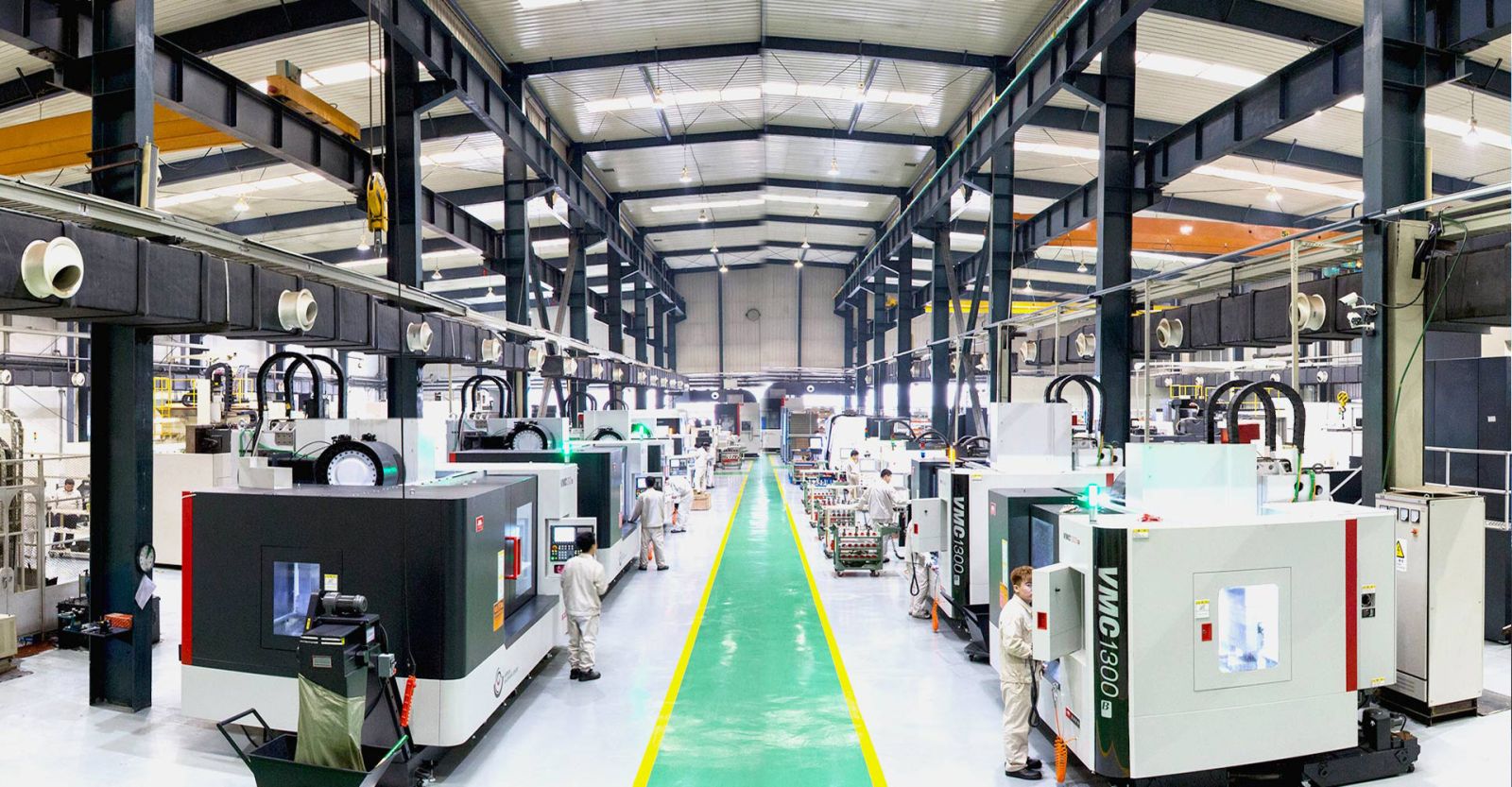
Precision Machining
Precision machining is one of the most common methods used in the aerospace industry due to the need for high tolerances and fine details in the parts produced. The process involves removing material from a workpiece to create complex geometries and smooth finishes. The types of precision machining used in aerospace include:-
CNC Milling: Computer Numerical Control (CNC) machines are used to cut and shape parts from materials such as titanium, aluminum, and steel. CNC milling provides high precision and repeatability, ensuring the accuracy required for aerospace components.
-
Turning: In CNC turning, a rotating workpiece is shaped using cutting tools to create cylindrical parts. This technique is commonly used for manufacturing shafts, valves, and other rotational components.
-
Electrical Discharge Machining (EDM): EDM is used to manufacture parts with intricate details and small holes, especially in hard metals. It is often employed to produce complex, small-scale features in high-strength aerospace alloys.
-
Grinding: Grinding is used to achieve the final finish on parts after other machining processes, ensuring the desired surface smoothness and dimensional accuracy.
-
-
Additive Manufacturing (3D Printing)
Additive manufacturing, also known as 3D printing, is an emerging technology in aerospace parts production. This process involves building up parts layer by layer from a digital design file. It offers significant advantages for producing complex geometries, lightweight structures, and parts that would be difficult or impossible to manufacture using traditional methods. Key forms of additive manufacturing used in aerospace include:-
Selective Laser Melting (SLM): SLM uses a laser to melt metal powders and fuse them together to form solid parts. It is used for creating high-performance metal components such as turbine blades and fuel nozzles.
-
Electron Beam Melting (EBM): Similar to SLM, EBM uses an electron beam to melt metal powder, enabling the production of dense, high-strength parts suitable for aerospace applications.
-
Fused Deposition Modeling (FDM): FDM uses thermoplastic filaments to build parts layer by layer. It is primarily used for prototyping and manufacturing non-critical components or parts that require lightweight characteristics.
-
Direct Energy Deposition (DED): DED is a process where material is deposited in a controlled manner using a focused energy source (laser, electron beam, or plasma arc) and is typically used to repair or add material to existing parts.
Advantages of Additive Manufacturing:
- Reduced material waste
- Design flexibility with complex geometries
- Rapid prototyping and shorter lead times
- Lightweight components that enhance fuel efficiency
-
-
Casting and Forging
Casting and forging are traditional manufacturing processes still widely used in aerospace, especially for parts that require large volumes or high strength.-
Casting: In casting, molten metal is poured into a mold to form the desired shape. Aerospace manufacturers use investment casting (lost wax method) to produce complex, high-precision parts like turbine blades and engine components. It allows for near-net-shape production, reducing the need for further machining.
-
Forging: Forging involves shaping metal by applying compressive force, typically using hammers or presses. Aerospace components, such as engine parts, landing gears, and structural components, are often forged to achieve superior mechanical properties like increased strength and toughness.
-
-
Sheet Metal Forming
Sheet metal forming is used to create thin-walled, high-strength components like aircraft fuselage panels, wing skins, and bulkheads. The process includes:- Stretching and deep drawing: These methods stretch and form flat sheets of metal into desired shapes, such as aircraft panels and fairings.
- Roll forming: In this process, metal sheets are passed through rollers to gradually form parts with continuous shapes like beams and panels.
These techniques are often combined with CNC punching and laser cutting to produce parts with precise features and holes.
-
Material Certification
Aerospace manufacturers must use materials that meet strict standards for strength, durability, and performance. Materials such as titanium, high-strength steel, and aluminum alloys must be certified to comply with aerospace specifications (e.g., AMS, ASTM). Material properties such as tensile strength, fatigue resistance, and thermal stability are rigorously tested to ensure the material will perform under the demanding conditions of aerospace applications. -
Non-Destructive Testing (NDT)
NDT is crucial in aerospace to detect defects or weaknesses in parts without damaging them. Common NDT methods used include:- Ultrasonic Testing (UT): Uses sound waves to detect internal cracks or voids.
- X-ray or Radiographic Testing: Detects cracks or imperfections inside parts.
- Magnetic Particle Testing (MPT): Used to detect surface or near-surface defects in ferromagnetic materials.
- Dye Penetrant Testing (DPT): Detects surface-breaking defects by applying dye to the surface and inspecting it under ultraviolet light.
These techniques ensure the integrity and safety of parts before they are installed in aircraft.
-
Dimensional Inspection and Metrology
Aerospace parts are produced to extremely tight tolerances, often within microns, to ensure proper fit and function. Precision coordinate measuring machines (CMM), laser scanners, and optical profilometers are used to measure dimensions, verify geometries, and ensure parts meet the design specifications. -
Certification Standards
Aerospace manufacturers must adhere to specific quality management and manufacturing standards, including:- AS9100: The global quality management standard for the aerospace industry, which ensures the effective implementation of quality control systems.
- ISO 9001: A widely adopted standard for quality management systems applicable across industries, including aerospace.
- NADCAP (National Aerospace and Defense Contractors Accreditation Program): A certification program that sets standards for special processes like heat treating, welding, and coating used in aerospace manufacturing.
These certifications are crucial for maintaining compliance with both FAA (Federal Aviation Administration) and EASA (European Union Aviation Safety Agency) regulations, ensuring that aerospace parts meet safety, performance, and environmental requirements.
-
Final Testing and Validation
After manufacturing, parts undergo extensive final testing to verify that they meet all operational requirements. For example, engine components may undergo rotational tests to simulate operational conditions, while avionics systems may undergo functional testing to ensure they perform as expected. -
Conclusion
The manufacturing of aerospace parts involves advanced and precise techniques, including precision machining, additive manufacturing, casting, forging, and sheet metal forming, each chosen based on the specific requirements of the part. The quality assurance process is equally stringent, involving material certification, non-destructive testing, dimensional inspection, and adherence to globally recognized standards like AS9100 and NADCAP. These combined efforts ensure that aerospace parts are manufactured to the highest standards of safety, reliability, and performance, playing a critical role in the success of the aviation and defense industries.
Quality Assurance: Stringent Measures and Certifications
Given the critical nature of aerospace components, stringent quality control measures are required at every stage of manufacturing to ensure safety, performance, and regulatory compliance. Key aspects of quality assurance in aerospace parts manufacturing include:
7. Recent Industry Developments
Market Trends
The aerospace industry has witnessed remarkable growth driven by rising demand for aircraft and parts, alongside supply chain challenges. One of the key market trends is the strong demand for aerospace services and spare parts, particularly as the aviation sector recovers post-pandemic and aircraft shortages persist globally. For instance, GE Aerospace has forecasted double-digit profit growth for 2025, spurred by increased demand for its maintenance, repair, and overhaul (MRO) services, as well as spare parts. This demand is fueled by an expanding fleet of aging aircraft that require replacement components, alongside delays in aircraft deliveries from manufacturers. As airlines and military operators continue to rely on existing fleets, the need for replacement parts, such as aircraft fasteners, aerospace brakes, and aerospace components, becomes even more critical.
Additionally, supply chain disruptions have further highlighted the importance of maintaining reliable distributors of aerospace parts. Aerospace parts distributors play a crucial role in bridging the gap between manufacturers and end-users, ensuring timely delivery and access to high-quality components, thus supporting the continued growth and operation of the aviation industry.
Mergers and Acquisitions
The aerospace industry has seen several significant mergers and acquisitions in recent years, reflecting the evolving landscape as major players seek to bolster their manufacturing capabilities and streamline operations. One notable example is Boeing's agreement to purchase Spirit AeroSystems for $4.7 billion, which was finalized in a bid to reintegrate key manufacturing processes that were previously outsourced. Spirit AeroSystems is one of the largest suppliers of aerospace components, including fuselage, wing, and nacelle systems. By acquiring Spirit, Boeing aims to enhance safety and quality control by bringing critical production processes back under its control, ensuring better oversight and integration of key components in aircraft manufacturing.
This acquisition also enables Boeing to increase its ability to deliver parts more efficiently, mitigating potential disruptions in the supply chain and meeting growing demand for new aircraft. The move highlights a broader trend where manufacturers are seeking to verticalize their operations to achieve greater control over production and ensure reliability in the supply of critical aerospace parts.
8. Conclusion
Future Outlook
The aerospace industry is set for continued growth and innovation, with advancements in aerospace parts manufacturing playing a pivotal role. From additive manufacturing technologies that allow for lighter, more complex parts, to precision machining processes that ensure tight tolerances and reliability, the sector is evolving rapidly. These technologies are making it possible to produce more advanced, efficient, and durable aerospace components, including aircraft fasteners, aerospace brakes, and airframe parts, which are critical to the performance and safety of modern aircraft.
As the demand for new aircraft grows, so too does the need for reliable aerospace parts distributors and manufacturers. These key players are essential in ensuring that airlines, maintenance providers, and defense contractors have access to the parts they need to keep aircraft operational and safe. The ongoing advancements in manufacturing processes, alongside strategic mergers and acquisitions like those between Boeing and Spirit AeroSystems, are also indicative of the aerospace industry's focus on improving safety and quality control in the production and distribution of parts.
Looking ahead, the aerospace industry will continue to be driven by the growth of aircraft fleets, demand for spare parts, and increasing complexity in parts manufacturing. The close collaboration between aerospace manufacturers, distributors, and operators will be critical in supporting the sector’s continued success, ensuring that aircraft can be built and maintained to the highest standards of safety and performance.
In summary, as the aerospace industry continues to evolve, the integration of cutting-edge manufacturing technologies and robust distribution networks will play an essential role in maintaining the growth, reliability, and safety of the sector.
- Visit our website: https://www.nbyichou.com/
- Email us: [email protected]
- Call us/whatsapp: +86 13355741031
- Chat with us: Live chat support available on our website