For engineers, product designers, and procurement specialists navigating the world of high-performance alloy steels, few names carry as much weight as SAE 52100. Synonymous with unparalleled wear resistance and dependable strength, this material is the backbone of countless critical components. But beyond the textbook specifications lies the real-world challenge: sourcing reliably, machining it precisely, and transforming this superior steel into a flawless finished part.
This definitive guide delves deep into SAE 52100. We’ll move beyond generic data sheets to explore its practical essence—from its atomic makeup to its behavior on the shop floor. More importantly, as your dedicated manufacturing partner, we’ll bridge the gap between material science and real-world application, showing you not just what 52100 is, but how it can be expertly harnessed to elevate your next project.
1. Introduction: The Pillar of Precision and Durability
SAE 52100 (commonly known as 100Cr6, EN 31, or SUJ2) is a high-carbon, high-chromium alloy steel. Its reputation is built on a foundation of exceptional hardness, outstanding fatigue resistance, and superior wear characteristics after proper heat treatment. It’s not just a material; it’s a solution for applications where failure is not an option.
While commonly associated with rolling element bearings (ball and roller bearings), its utility spans far wider:
-
Precision Tools: Gages, molds, and machined parts requiring dimensional stability.
-
Cutting Edges: High-performance knives, blades, and surgical instruments prized for edge retention.
-
Automotive & Aerospace: Critical components like camshafts, fuel systems, and aircraft engine parts.
-
Industrial Machinery: Shafts, spindles, and other parts subjected to high stress and friction.
For a manufacturing buyer, the choice of 52100 is often a choice for longevity, reliability, and reduced total cost of ownership through extended part life. However, its advantages are fully realized only when paired with meticulous manufacturing and heat-treating processes. This is where partnership with an experienced processor becomes critical.
2. Decoding the Blueprint: Chemical Composition of SAE 52100
The legendary properties of 52100 are written in its elemental composition. Understanding this is key to predicting its performance.
Typical Composition (Weight %):
-
Carbon (C): 0.98-1.10% – The primary hardening agent. This high carbon content is responsible for the formation of hard chromium carbides and the ability to achieve high hardness.
-
Chromium (Cr): 1.30-1.60% – Enhances hardenability (depth of hardening), promotes the formation of wear-resistant carbides, and provides a moderate improvement in corrosion resistance compared to plain carbon steels.
-
Manganese (Mn): 0.25-0.45% – Increases hardenability and contributes to strength.
-
Silicon (Si): 0.15-0.35% – A deoxidizer during steelmaking, it also increases strength and hardness.
Trace Elements: Controlled levels of phosphorus and sulfur are maintained to ensure good ductility and machinability.
Why This Matters for Manufacturing: This specific balance means 52100 responds predictably to heat treatment. The chromium ensures uniform hardness in thicker sections, a vital factor when machining complex or large components that must perform consistently throughout their volume.
3. Material Properties: The Engineered Advantage
SAE 52100 is typically supplied in the spheroidized annealed condition (soft for machining) with a hardness of ~200 Brinell. Its true potential is unlocked through hardening and tempering.
Post-Heat Treatment Properties (Approximate):
-
Hardness: Can be hardened to 58-66 HRC, making it exceptionally resistant to indentation and abrasion.
-
Tensile Strength: Up to 2,200 MPa (320,000 psi) in its hardest state.
-
Yield Strength: Approximately 1,700 MPa (247,000 psi).
-
Fatigue Strength: Excellent, which is why it’s the gold standard for bearings undergoing repeated stress cycles.
-
Wear Resistance: Outstanding, due to the hard carbides dispersed in a tough martensitic matrix.
-
Corrosion Resistance: Moderate. It is not a stainless steel. It will rust if exposed to moisture without protection. This is a crucial design and maintenance consideration.
-
Toughness: Good at its optimal hardness range (typically 58-62 HRC for tools), but can become brittle if over-hardened. Proper tempering is essential to balance hardness and toughness.
4. SAE 52100 Equivalent Materials: A Global Language
Navigating global supply chains and international standards requires knowing the aliases of 52100. This is especially important when evaluating quotes or technical drawings from different regions.
| Standard | Equivalent Designation | Region | Key Notes |
|---|---|---|---|
| SAE/AISI | 52100 | USA | The baseline standard. |
| ISO | 100Cr6 | International | The most common global identifier. |
| DIN (Germany) | 1.3505 / 100Cr6 | Europe | Widely used in engineering specs. |
| EN (Europe) | EN 31 (BS 970) | UK/EU | Functionally equivalent, slight historical variations. |
| JIS (Japan) | SUJ2 | Japan | Very close equivalent, high purity. |
| GB (China) | GCr15 | China | The closest common Chinese grade. |
Manufacturer’s Insight: While these grades are functionally interchangeable for most applications, subtle differences in melting practice, purity (inclusion control), and precise annealing can affect machinability and final performance. A trusted manufacturer will source from reputable mills and understand these nuances to ensure consistent results, whether you call it 52100, 100Cr6, or SUJ2.
5. Applications in Action: Where Theory Meets the Shop Floor
As a precision machining partner, we see 52100 transformed daily. Here’s how its properties translate into real-world parts:
-
Bearing Races & Balls: The classic application. Its high hardness and fatigue strength allow bearings to handle immense loads for millions of cycles.
-
Knife Blades & Cutting Tools: For chefs, woodworkers, and surgeons, 52100 offers superb edge sharpness and retention. It forgives well, meaning a skilled sharpener can restore a razor edge.
-
Precision Shafts & Spindles: In high-speed machining spindles or pump shafts, its wear resistance ensures long-term precision and minimal runout.
-
Linear Motion Components: Guide rods, ballscrews, and wear plates benefit from its low-friction, high-durability surface.
-
Specialty Automotive Parts: From high-performance valve train components to custom motorcycle bearings, it’s used where OEMs demand extra reliability.
6. The Machinability & Heat Treatment Conundrum
This is the core of the manufacturing challenge and where partner selection is paramount.
Machining (Annealed State):
-
Rating: Fair to good. It is tougher to machine than low-carbon steels like 1018 or even 4140 pre-hard.
-
Challenges: The spheroidized carbide structure is abrasive, leading to accelerated tool wear. Stringy chips can form.
-
Our Approach: We employ rigid machine setups, premium carbide or CBN tooling with optimized geometries, and higher-pressure coolant to control chips and heat. We pre-plan operations to account for post-heat-treatment distortion.
Heat Treatment: The Transformation
This is non-negotiable for 52100. The process typically involves:
-
Austenitizing: Heating to ~850°C (1560°F) to dissolve carbides.
-
Quenching: Rapid cooling in oil to form a hard, brittle martensitic structure.
-
Tempering: Reheating to a lower temperature (150-400°C / 300-750°F) to relieve stresses, improve toughness, and achieve the target final hardness.
Critical Partnership Role: Distortion and size change are inherent to quenching. Our expertise lies in:
-
Process Simulation: Using software to predict and compensate for movement.
-
Fixture Quenching: Designing custom fixtures to constrain parts during quench.
-
Cryogenic Treatment: Optionally applying deep freeze cycles to transform retained austenite, enhancing dimensional stability and wear resistance further.
Final Machining/Grinding:
Hardened 52100 (>60 HRC) can only be finished by grinding. We utilize precision CNC grinding, honing, and superfinishing to achieve the final micron-level tolerances and superior surface finishes required for bearings or sealing surfaces.
7. Advantages & Disadvantages: A Balanced View
| Advantages ✅ | Disadvantages ⚠️ |
|---|---|
| Exceptional wear resistance & hardness | Requires heat treatment to be useful (added step/cost) |
| Excellent fatigue strength & load capacity | Moderate corrosion resistance – needs protection/care |
| Good dimensional stability when processed correctly | Can be challenging to machine compared to common steels |
| Superior edge retention for tools | Potential for brittleness if improperly heat treated |
| Globally available & well-understood | Higher material cost than standard carbon steels |
8. SAE 52100 vs. The Competition
-
vs. 4140/4340 (Chromoly): 4140 is tougher and more shock-resistant at lower hardness (HRC 28-32 as-supplied). 52100 achieves much higher hardness/wear resistance but requires full hardening. 4140 is often chosen for structural parts; 52100 for wear surfaces.
-
vs. 440C Stainless: 440C offers similar hardness and better corrosion resistance but generally has lower toughness and is more difficult to grind to a fine edge. It’s a trade-off: corrosion resistance (440C) vs. ultimate toughness and edge stability (52100).
-
vs. M2 Tool Steel: M2 (a high-speed steel) retains hardness at high temperatures (red hardness), making it better for cutting tools that generate heat. 52100 is superior for cold-work applications like bearings or knives where extreme heat isn’t a factor.
9. Why Partner with Us for Your SAE 52100 Components?
Choosing a supplier is about more than just a machine shop. It’s about selecting a material and process authority. Here is our value proposition:
-
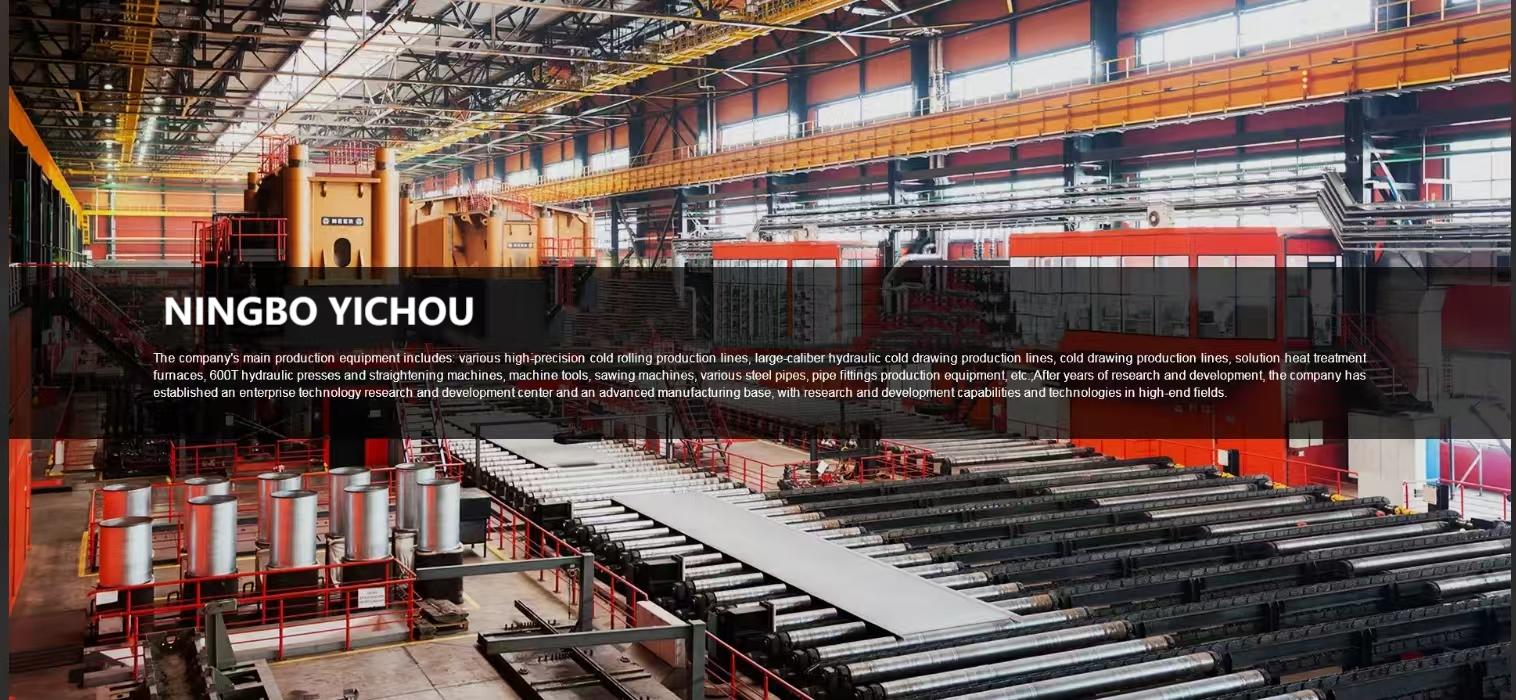
Vertical Integration: We control the process from raw material sourcing (partnering with certified mills) to final inspection and surface treatment (like black oxide or plating for corrosion protection).
-
Heat Treatment In-House/Managed: We either perform heat treatment in our controlled facility or manage it through long-standing, certified partner shops with whom we have perfected processes for minimal distortion.
-
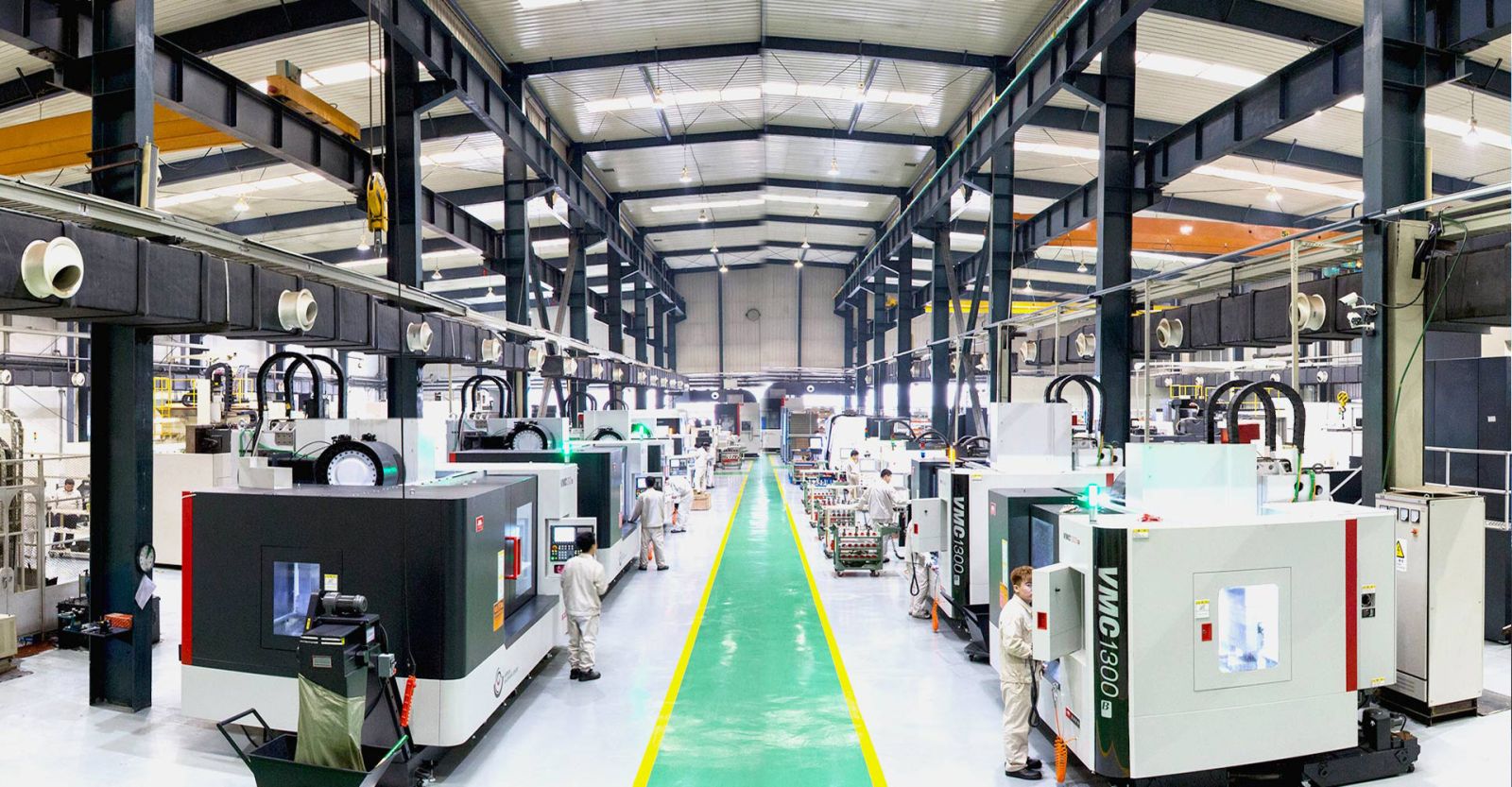
Pre- & Post-Hard Machining Expertise: We expertly machine the annealed material and possess state-of-the-art CNC grinding capabilities for post-hardened finishing.
-
Distortion Mitigation Focus: Through fixturing, process control, and sometimes, strategic oversizing before heat treat, we deliver parts that meet stringent flatness, roundness, and size specifications.
-
Application Engineering Support: We don’t just make prints. We consult on material selection, design for manufacturability (DFM), and the optimal heat treatment specification for your specific application.
10. FAQ: Your Top Questions on SAE 52100 Answered
Q: What is SAE 52100 material equivalent to?
A: Its direct international equivalents are 100Cr6 (ISO), EN 31, SUJ2 (Japan), and GCr15 (China). They are considered functionally identical for most bearing and tooling applications.
Q: Is 52100 a good steel for knives?
A: Excellent. It is highly regarded by custom knifemakers for its ability to take a very sharp edge, excellent edge retention, and good toughness. It is a favorite for chef’s knives and hunting knives.
Q: Does 52100 rust easily?
A: It is not stainless. It will develop surface rust if exposed to moisture, humidity, or fingerprints. Proper oiling, coating (e.g., black oxide, nickel plating), or routine maintenance is required for rust prevention.
Q: Is 52100 hard to sharpen?
A: For a skilled user, it is considered moderate to sharpen. It is harder than many common steels but responds well to sharpening stones. Its abrasion resistance means it takes a bit more time than softer steels.
Q: What are the disadvantages of using 52100 steel?
A: The main drawbacks are its lack of corrosion resistance and the fact that it requires professional heat treatment to achieve its useful properties. It can also be more challenging to machine than standard alloys.
Q: How tough is 52100 steel?
A: Its toughness is good when properly tempered to a hardness in the 58-62 HRC range. At this hardness, it can withstand significant impact for a tool steel. Over-hardened (>64 HRC), it becomes brittle.
Q: Is 52100 steel good for swords?
A: Generally, no. While very hard, swords require a different balance of properties—primarily high flexibility and shock resistance (toughness) to avoid snapping. Steels like 5160 or 9260 are typically preferred for their superior toughness and resilience.
11. Conclusion: From Raw Alloy to Reliable Performance
SAE 52100 remains a cornerstone of precision engineering for a reason. Its combination of wear resistance, hardenability, and strength is unmatched for countless applications. However, its true value is not purchased in a bar stock; it is engineered into existence through precise machining, controlled heat treatment, and expert finishing.
As your manufacturing partner, our mission is to demystify this process. We provide the technical foundation, the controlled processes, and the quality assurance to transform SAE 52100 from a specification on a drawing into a high-performance component you can depend on.
Ready to harness the potential of SAE 52100 for your next project? Contact our engineering team today for a consultation. Let’s discuss your application, analyze your drawings, and provide a comprehensive manufacturing plan that ensures your parts perform as intended—from the first prototype to full production run.
Keywords: SAE 52100 material, 52100 steel properties, 100Cr6, EN 31 equivalent, precision machining 52100, hardened bearing steel, 52100 heat treatment, wear-resistant components, alloy steel machining, knife steel 52100, buy SAE 52100 parts, custom CNC grinding, distortion control heat treat.
Contact us today for a competitive quote and technical support!
Let Yichou help you achieve excellence in your next project. Whether you need raw materials, custom alloy solutions, or precision-manufactured components, our team is ready to assist.
- Email us: [email protected]
- Call us/whatsapp: +86 13355741031
- Chat with us: Live chat support available on our website