In the world of metal fabrication, precision is everything. Every bend, every cut, and every weld must be executed with meticulous accuracy to achieve the desired outcome. But behind the scenes, there is a true master at work – the sheet metal fabricator. With their skilled hands and keen eye for detail, these craftsmen transform flat sheets of metal into extraordinary creations. In this article, we delve into the artistry and secrets of a master sheet metal fabricator. From their choice of tools and techniques to their expert knowledge of materials and designs, we uncover what sets them apart from the rest. Whether it's creating custom architectural elements or crafting intricate components for complex machinery, these artisans bring precision to a whole new level. Join us as we unveil the hidden world of a master sheet metal fabricator, exploring the challenges, the triumphs, and the innovative solutions they employ. Discover the incredible artistry and precision behind every project, and gain a newfound appreciation for the craftsmanship that shapes our world. Prepare to be amazed by the secrets that make a master sheet metal fabricator truly exceptional.
.jpg)
Title: The Role of a Master Sheet Metal Fabricator
When it comes to the world of manufacturing and construction, the role of a master sheet metal fabricator is both crucial and multifaceted. These skilled professionals play a pivotal role in transforming raw sheets of metal into intricate and precisely crafted components that are integral to various industries. A master sheet metal fabricator is not merely a technician but an artisan who combines technical expertise with creative problem-solving skills. In this article, we'll delve into the key responsibilities and significance of a master sheet metal fabricator in the modern world of manufacturing.
Master sheet metal fabricators are at the forefront of transforming raw metal sheets into a wide range of products, from automotive components to HVAC systems and architectural elements. They are often tasked with interpreting engineering drawings, blueprints, and specifications, which serve as their guiding light throughout the fabrication process. This interpretation requires a deep understanding of geometry, tolerances, and the properties of different metals. These professionals meticulously cut, shape, bend, and assemble metal pieces, using a variety of tools and techniques, to create products that meet exact specifications.
In addition to their technical prowess, master sheet metal fabricators are problem solvers. They are frequently presented with complex challenges that require innovative solutions. For instance, they may need to develop unique forming methods or welding techniques to ensure the structural integrity and durability of the final product. This creative problem-solving aspect of their role elevates master fabricators to the status of artisans in the world of metalworking.
The role of a master sheet metal fabricator extends beyond the confines of a workshop or factory floor. These professionals often collaborate with engineers, architects, and designers to refine designs, optimize manufacturing processes, and bring innovative ideas to life. Their input can significantly impact the efficiency and cost-effectiveness of a project, making them valuable team members in the planning and development stages of any metal fabrication endeavor.
Furthermore, master sheet metal fabricators are responsible for ensuring the quality and precision of their work. They must meticulously measure and inspect each component they produce, adhering to stringent quality control standards. Achieving precision is a hallmark of their craftsmanship, as even the slightest deviation from specifications can lead to costly errors and project delays.
In essence, the role of a master sheet metal fabricator is akin to that of a conductor in an orchestra, orchestrating a symphony of machinery, materials, and craftsmanship to create harmonious and functional pieces of art. They are the unsung heroes behind the scenes, ensuring that the structures we depend on daily, from vehicles to buildings, are not only safe and reliable but also aesthetically pleasing.
.jpg)
Title: Skills and Qualities of a Master Sheet Metal Fabricator
Becoming a master sheet metal fabricator is no easy feat. It requires a unique blend of skills, qualities, and experiences that are honed through years of dedicated work. In this section, we'll explore the essential attributes that set apart these artisans and the skills they possess to excel in their craft.
-
Technical Expertise: At the core of a master sheet metal fabricator's skill set is a profound understanding of metallurgy and metalworking techniques. They must know how different metals behave under various conditions, such as heat and pressure, and how to manipulate them to achieve the desired outcomes. Mastery of cutting, bending, welding, and finishing processes is essential.
-
Blueprint Reading: Interpreting engineering drawings and blueprints is a fundamental skill for sheet metal fabricators. They must be able to visualize complex three-dimensional structures from two-dimensional plans and translate those plans into precise actions. Attention to detail in reading and understanding these documents is paramount.
-
Mathematical Aptitude: Geometry, trigonometry, and algebra are not just theoretical concepts for master fabricators; they are daily tools of the trade. Accurate measurements and calculations are crucial to ensure that fabricated components fit perfectly and meet tolerances.
-
Problem-Solving: Sheet metal fabrication often presents unexpected challenges that require creative problem-solving. Master fabricators must devise innovative solutions to issues like material warping, complex bends, or joining dissimilar metals. This ability to think on their feet sets them apart.
-
Manual Dexterity: Working with metal requires a high level of manual dexterity. From using precision tools to executing intricate cuts and welds, master fabricators must have steady hands and a keen eye.
-
Safety Consciousness: Safety is non-negotiable in metal fabrication. Fabricators must be well-versed in safety protocols, ensuring not only the quality of the final product but also the well-being of themselves and their colleagues.
-
Communication Skills: Collaboration is essential in the field of metal fabrication. Effective communication with engineers, designers, and fellow fabricators is crucial to understanding project requirements and translating them into tangible results.
-
Attention to Detail: Precision is the hallmark of a master sheet metal fabricator. They must pay meticulous attention to every detail, from measurements to finishes, to produce components that meet exact specifications.
-
Adaptability: The field of sheet metal fabrication is ever-evolving, with new technologies and materials emerging regularly. Master fabricators must be adaptable and open to continuous learning to stay at the forefront of their craft.
-
Quality Control: Master fabricators are responsible for ensuring the quality of their work. This includes rigorous inspection and testing of components to meet industry standards and project requirements.
The skills and qualities of a master sheet metal fabricator are not only the product of formal education and training but also the result of years of hands-on experience. These artisans are the embodiment of craftsmanship, blending technical expertise with creativity to bring metal to life in ways that serve industries and society as a whole.
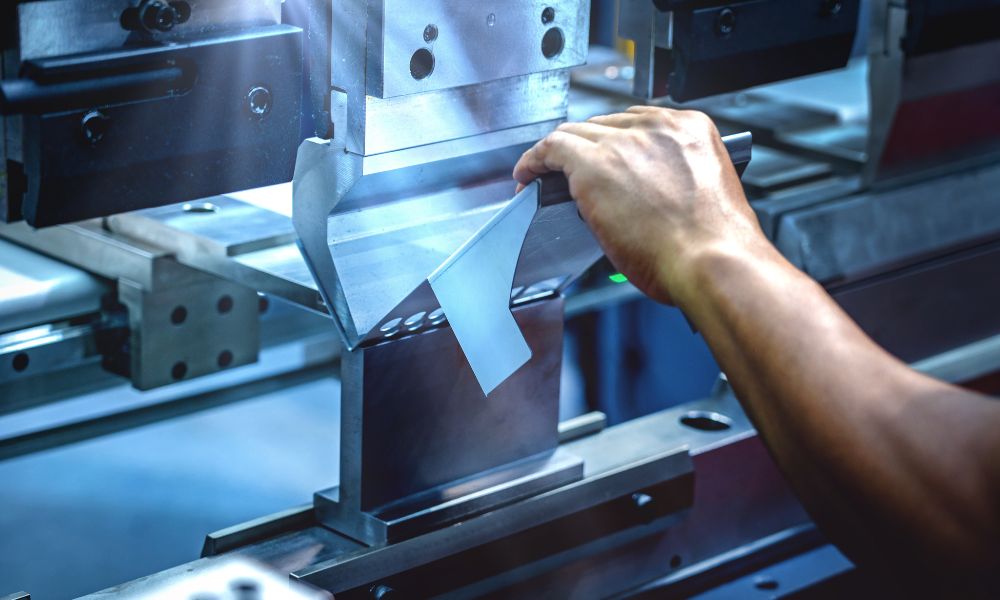
Title: Tools and Equipment Used in Sheet Metal Fabrication
Sheet metal fabrication is a complex and precise craft that relies heavily on the use of specialized tools and equipment. The selection and mastery of these tools are critical to achieving the high level of precision and quality demanded by various industries. In this section, we'll explore the wide array of tools and equipment commonly used by master sheet metal fabricators.
-
Shears and Snips: Cutting metal sheets accurately is a foundational step in fabrication. Handheld shears and snips come in various shapes and sizes, each designed for specific cutting tasks. Electric or pneumatic shears are also employed for faster and more precise cutting.
-
Press Brakes: Press brakes are essential for bending and shaping metal sheets. They allow fabricators to create precise angles and curves. Modern CNC (Computer Numerical Control) press brakes offer unmatched precision and repeatability.
-
Roll Forming Machines: These machines are used to gradually bend metal sheets into cylindrical or conical shapes. They are indispensable for producing products like tubes, pipes, and curved components.
-
Plasma Cutters: Plasma cutters use a high-velocity jet of ionized gas to cut through metal. They are particularly useful for cutting intricate shapes and thick metal plates.
-
Laser Cutting Machines: Laser cutting is a highly precise method that uses a focused laser beam to cut through metal. It is favored for its ability to create intricate designs with minimal material wastage.
-
Welding Equipment: Welding is the process of joining metal pieces together. Master fabricators use various welding techniques, including MIG (Metal Inert Gas), TIG (Tungsten Inert Gas), and spot welding, depending on the specific requirements of the project.
-
Grinders and Sanders: Smoothing and finishing metal surfaces are critical for aesthetics and safety. Grinders and sanders help remove imperfections and create a polished finish.
-
Hand Tools: Master fabricators rely on an array of hand tools, including hammers, mallets, pliers, and vise grips, for tasks such as shaping, bending, and assembling metal components.
-
Measurement Instruments: Precision is paramount in sheet metal fabrication. Tools like calipers, micrometers, and squares are used to measure and verify dimensions with meticulous accuracy.
-
Safety Gear: Personal protective equipment, including welding helmets, gloves, safety glasses, and hearing protection, is essential to ensure the safety of fabricators while working with potentially hazardous equipment.
-
CNC Machinery: Computer-controlled machinery, such as CNC laser cutting machines and CNC turret punches, allows for highly automated and precise fabrication processes. These machines are capable of producing complex shapes with minimal human intervention.
-
Presses and Stamping Machines: Hydraulic and mechanical presses, as well as stamping machines, are used to form, shape, and cut metal sheets in mass production settings.
-
Ductwork Tools: For HVAC (Heating, Ventilation, and Air Conditioning) applications, specialized ductwork tools like Pittsburgh seamers and flange machines are used to create airtight ducts.
-
Material Handling Equipment: Overhead cranes, forklifts, and hoists are employed to safely move and position heavy metal sheets and fabricated components within the workshop.
-
Surface Treatment Equipment: Electroplating and powder coating equipment are used to provide protective and decorative finishes to metal components.
The choice of tools and equipment depends on the specific requirements of the project and the materials being used. Master sheet metal fabricators must have an in-depth knowledge of these tools, their capabilities, and their limitations to deliver high-quality results consistently. Additionally, they often invest in state-of-the-art equipment to stay competitive in the ever-evolving field of metal fabrication.
.jpeg)
Title: The Process of Sheet Metal Fabrication
Sheet metal fabrication is a complex and multi-step process that transforms raw metal sheets into finished products used in a wide range of industries. This process demands precision, creativity, and expertise from master fabricators. In this section, we will delve into the intricate steps involved in sheet metal fabrication.
1. Design and Planning: The journey begins with the design phase. Engineers and designers work closely to create detailed blueprints and specifications for the desired metal components. This stage involves careful consideration of material selection, tolerances, and functional requirements.
2. Material Selection: Choosing the right type and thickness of metal is crucial. Different metals, such as steel, aluminum, and copper, offer varying properties, including strength, weight, and corrosion resistance. Master fabricators must select materials that align with the project's requirements.
3. Cutting: Once the material is selected, the fabrication process kicks off with cutting. Metal sheets are precisely cut to the required dimensions using tools like shears, plasma cutters, or laser cutting machines. Accuracy in this step is paramount to ensure the components fit perfectly.
4. Bending and Shaping: After cutting, the metal sheets may need to be bent or shaped to match the design. This is where press brakes and roll forming machines come into play. Fabricators use these tools to create precise angles, curves, and forms.
5. Joining: Joining metal components is a critical step. Welding, the most common method, involves fusing two pieces of metal together using heat. Skilled welders use techniques like MIG, TIG, or spot welding to create strong and durable connections.
6. Assembly: Fabricated parts are assembled according to the design specifications. This may involve joining multiple components together, attaching fasteners, or integrating other materials like rubber or plastic.
7. Surface Treatment: Depending on the application and aesthetic requirements, fabricated components may undergo surface treatment. This can include processes like painting, powder coating, anodizing, or electroplating to provide corrosion resistance and an appealing finish.
8. Quality Control: Throughout the entire process, quality control is paramount. Master fabricators meticulously inspect components for dimensional accuracy, structural integrity, and cosmetic flaws. Any deviations from specifications are addressed and corrected.
9. Testing: In some cases, fabricated components may undergo functional testing to ensure they meet performance criteria. This can include pressure testing for ductwork or stress testing for structural components.
10. Packaging and Shipping: Once the fabricated components pass quality control and testing, they are carefully packaged to prevent damage during transport. Logistics and shipping play a crucial role in ensuring that products reach their intended destinations on time.
11. Installation: In many cases, master fabricators are also involved in the installation of the fabricated components. This requires coordination with construction or assembly teams to ensure a seamless integration of the fabricated parts into the final product.
The process of sheet metal fabrication is a symphony of precision and craftsmanship. Each step builds upon the previous one, with master fabricators applying their skills and expertise to transform raw materials into functional and aesthetically pleasing components. It is a testament to the marriage of art and science in the world of manufacturing.
Title: Common Challenges and Solutions in Sheet Metal Fabrication
While sheet metal fabrication is a highly skilled and precise craft, it is not without its challenges. Master fabricators often encounter a variety of obstacles during the fabrication process. In this section, we'll explore some common challenges and the innovative solutions that skilled fabricators employ to overcome them.
1. Material Warping: When metal sheets are exposed to heat during cutting or welding, they can warp or deform. This distortion can lead to components that do not meet the required specifications. To combat this, master fabricators use techniques like preheating, clamping, and fixture design to minimize warping and maintain dimensional accuracy.
2. Tolerances and Precision: Achieving tight tolerances and precision in sheet metal fabrication is paramount, especially in industries like aerospace and electronics. To address this challenge, fabricators rely on advanced measurement tools and techniques, as well as CNC machinery, to ensure that components are produced with exceptional accuracy.
3. Material Selection: Selecting the right material for a project can be challenging due to factors like cost, strength, and corrosion resistance. Master fabricators must have a deep understanding of material properties to make informed choices. They also explore alternatives, such as composite materials or specialized alloys, to meet specific project requirements.
4. Design Complexity: Complex designs with intricate curves and angles can be challenging to fabricate. Master fabricators work closely with designers and engineers to simplify designs when necessary, without compromising functionality or aesthetics. They also employ advanced modeling and simulation tools to anticipate and address potential fabrication issues.
5. Welding Imperfections: Welding is a critical part of the fabrication process, but it can introduce imperfections like porosity, cracking, or incomplete fusion. Skilled fabricators use proper welding techniques, high-quality filler materials, and thorough inspections to ensure the integrity of welded joints.
6. Material Thickness: Fabricating thin-gauge or thick-gauge materials presents distinct challenges. Thin sheets are more susceptible to distortion during welding, while thick sheets require specialized equipment and expertise to handle. Master fabricators adjust their techniques and equipment to suit the material thickness.
7. Cost Efficiency: Balancing quality with cost efficiency is a constant challenge in sheet metal fabrication. Fabricators seek ways to optimize processes, reduce material waste, and improve workflow to deliver high-quality components within budget constraints.
8. Environmental Considerations: Modern fabrication practices prioritize environmental sustainability. Fabricators explore eco-friendly materials, implement recycling programs, and adopt energy-efficient equipment to reduce their carbon footprint.
9. Safety: Ensuring the safety of workers is a top priority in sheet metal fabrication. Fabricators invest in comprehensive safety training, provide protective equipment, and maintain a culture of safety awareness to mitigate potential hazards.
10. Market Trends: Staying up-to-date with evolving market trends and technological advancements is crucial for fabricators to remain competitive. Continuous learning and adaptation to new methods and materials are essential to meet changing customer demands.
Master sheet metal fabricators are problem solvers by nature. They thrive on overcoming challenges and finding innovative solutions. Their ability to address these common obstacles while maintaining the highest standards of quality is what sets them apart in the world of metal fabrication.
.jpg)
Title: Tips for Achieving Precision in Sheet Metal Fabrication
Precision is the hallmark of sheet metal fabrication. Whether creating components for aerospace, automotive, or architectural applications, achieving exacting measurements and tolerances is crucial. In this section, we'll explore valuable tips that can help master fabricators maintain a high level of precision in their work.
1. Begin with Accurate Measurements: Precision starts with accurate measurements. Invest in high-quality measurement tools such as digital calipers and micrometers. Calibrate your tools regularly to ensure their accuracy.
2. Plan and Document: Comprehensive planning and documentation are essential. Create detailed drawings and blueprints that specify tolerances, material specifications, and critical dimensions. Document every step of the fabrication process to track changes and ensure consistency.
3. Maintain Clean Workspaces: A cluttered or dirty workspace can lead to errors. Keep your work area clean and organized to minimize the risk of foreign objects interfering with your work or contaminating materials.
4. Choose the Right Material: Selecting the appropriate material for the job is key. Consider factors like strength, corrosion resistance, and cost. Ensure that the chosen material meets the project's specifications.
5. Calibrate and Maintain Equipment: Regularly calibrate and maintain your fabrication equipment to ensure it operates at peak precision. Replace worn or damaged tooling promptly.
6. Practice Welding Techniques: Welding is a critical aspect of fabrication. Continuously hone your welding skills, and use the appropriate welding techniques for the specific material and joint type. Avoid over-welding, which can lead to distortion.
7. Use Fixtures and Jigs: Fixtures and jigs can help maintain precise angles and alignments during fabrication. Invest in or create custom fixtures to streamline your work and improve accuracy.
8. Test Fit Components: Before final assembly, test fit components to ensure they align correctly and meet dimensional requirements. This step helps identify and address any issues before the final assembly.
9. Implement Quality Control: Develop a robust quality control process that includes inspections at multiple stages of fabrication. Train your team to identify and rectify deviations from specifications promptly.
10. Embrace Technology: Utilize technology to your advantage. Computer-aided design (CAD) and computer-aided manufacturing (CAM) software can assist in creating precise designs and optimizing fabrication processes.
11. Communicate Effectively: Clear communication with team members, engineers, and designers is vital. Ensure that everyone understands the project's precision requirements and expectations.
12. Invest in Training: Continuously invest in training and development for yourself and your team. Staying up-to-date with the latest fabrication techniques and technologies is essential to maintaining precision.
13. Seek Feedback: Encourage feedback from your team and customers. Learning from past projects and experiences can lead to process improvements and enhanced precision.
14. Inspect and Record: Conduct thorough inspections of finished components, and record the results. This documentation provides a valuable reference for future projects and helps identify areas for improvement.
15. Strive for Perfection: Aim for perfection in every aspect of your work. While absolute perfection may be unattainable, the pursuit of excellence is what distinguishes master fabricators.
Achieving and maintaining precision in sheet metal fabrication is both a science and an art. It requires a combination of technical expertise, attention to detail, and a commitment to continuous improvement. By following these tips, master fabricators can consistently deliver high-quality, precise components that meet or exceed customer expectations.
.jpg)
Title: Case Studies: Examples of Successful Sheet Metal Fabrication Projects
To truly appreciate the artistry and skill of master sheet metal fabricators, it's essential to explore real-world examples of successful projects that showcase their expertise. In this section, we'll delve into a few case studies that highlight remarkable achievements in sheet metal fabrication.
Case Study 1: Aerospace Component Precision
Challenge: Fabricate complex structural components for an aerospace company with stringent precision requirements.
Solution: The fabrication team employed advanced CNC machining and laser cutting techniques to create intricate components from aerospace-grade aluminum. They meticulously adhered to tolerances within microns to ensure that the components met the demanding specifications of the aerospace industry.
Result: The components passed rigorous quality control tests, demonstrating flawless precision and structural integrity. They were integrated into the aircraft's airframe, contributing to improved fuel efficiency and reduced weight.
Case Study 2: Architectural Metalwork Masterpiece
Challenge: Craft a one-of-a-kind architectural feature for a high-end commercial building, combining aesthetics and structural functionality.
Solution: The fabrication team collaborated closely with architects and designers to bring a complex metal sculpture to life. Using a combination of stainless steel and bronze, they employed advanced welding techniques to create intricate curves and forms. The sculpture was designed to serve as both an artistic focal point and a load-bearing structural element.
Result: The finished sculpture exceeded expectations, earning accolades for its artistic beauty and engineering prowess. It now stands as a testament to the fusion of art and craftsmanship in architecture.
Case Study 3: Energy-Efficient HVAC Ductwork
Challenge: Fabricate energy-efficient HVAC ductwork for a large commercial facility with complex airflow requirements.
Solution: The fabricators used specialized ductwork tools and computer-aided design (CAD) to create precisely engineered duct systems. They optimized the design for minimal air leakage and maximum energy efficiency. The use of robotic welding ensured consistent and airtight seams.
Result: The fabricated ductwork significantly improved the energy efficiency of the building's HVAC system. It contributed to reduced energy consumption and operational costs while maintaining a comfortable indoor environment.
Case Study 4: Custom Automotive Body Panels
Challenge: Produce custom body panels for a classic car restoration project, replicating the original design with precision.
Solution: The fabricators employed traditional metalworking techniques, including hand-forming and hammering, to replicate the vintage body panels. They meticulously studied historical blueprints and designs to ensure authenticity. The finishing process included paintwork that matched the original color.
Result: The restored classic car received acclaim at automotive shows for its authenticity and attention to detail. The custom body panels seamlessly integrated with the vehicle's original structure, capturing the essence of a bygone era.
Case Study 5: Industrial Machinery Components
Challenge: Fabricate critical components for heavy industrial machinery with high load-bearing requirements.
Solution: The fabrication team utilized advanced computer-controlled machining centers to craft components from high-strength steel. Rigorous testing and stress analysis were performed to ensure the components met or exceeded load-bearing specifications.
Result: The fabricated components were instrumental in enhancing the performance and reliability of the industrial machinery. They demonstrated exceptional durability under heavy loads, contributing to increased productivity and reduced downtime.
These case studies illustrate the versatility and expertise of master sheet metal fabricators. Whether in aerospace, architecture, automotive restoration, HVAC, or industrial machinery, these artisans consistently deliver precision and quality that meet the unique demands of each project.
Title: Training and Education for Aspiring Sheet Metal Fabricators
Becoming a master sheet metal fabricator is a journey that requires a combination of formal education, hands-on training, and continuous learning. In this section, we'll explore the educational pathways and training opportunities available to aspiring fabricators who aim to excel in this specialized field.
1. High School Education: The journey typically begins with a high school diploma or equivalent. Courses in mathematics, physics, and metalworking can provide a solid foundation for future fabricators. Participation in vocational programs or extracurricular activities related to metalworking can be highly beneficial.
2. Vocational or Trade School: Many aspiring fabricators choose to enroll in vocational or trade schools that offer specialized programs in sheet metal fabrication. These programs provide hands-on training and coursework in areas such as blueprint reading, welding, and machine operation.
3. Apprenticeships: Apprenticeships are invaluable for gaining practical experience. Aspiring fabricators can apprentice with experienced professionals or companies that specialize in sheet metal fabrication. During apprenticeships, individuals learn essential skills and techniques while earning a wage.
4. Associate's Degree Programs: Some individuals opt to pursue an associate's degree in welding technology, metal fabrication, or a related field. These programs typically include a mix of classroom instruction and hands-on training.
5. Certification: Obtaining relevant certifications, such as those from the American Welding Society (AWS) or the Sheet Metal and Air Conditioning Contractors' National Association (SMACNA), can enhance job prospects and demonstrate proficiency in the field.
6. On-the-Job Training: After completing formal education or apprenticeships, aspiring fabricators often continue to learn through on-the-job training. Experienced mentors can provide guidance and help refine skills.
7. Advanced Training: For those looking to specialize further or advance their careers, advanced training programs in areas like CNC machining, CAD/CAM design, or specific welding techniques are available.
8. Continuous Learning: The field of sheet metal fabrication is constantly evolving with new materials, technologies, and techniques. Aspiring fabricators should embrace a culture of continuous learning, attending workshops, seminars, and staying updated with industry trends.
9. Safety Training: Safety is paramount in sheet metal fabrication. Aspiring fabricators must undergo comprehensive safety training to understand and mitigate potential hazards.
10. Soft Skills Development: In addition to technical skills, fabricators should develop soft skills such as communication, problem-solving, and teamwork. Effective collaboration with colleagues and clients is essential in this field.
11. Industry Networking: Building a professional network within the sheet metal fabrication industry can open doors to opportunities and provide valuable insights into the field.
12. Professional Organizations: Joining professional organizations like the Fabricators & Manufacturers Association, International (FMA) or the Precision Metalforming Association (PMA) can provide access to resources, industry updates, and networking opportunities.
Ultimately, the path to becoming a master sheet metal fabricator involves a combination of formal education, hands-on experience, and a commitment to lifelong learning. Successful fabricators not only possess technical expertise but also embrace the challenges and innovations that define this dynamic and rewarding field.

Title: Conclusion: The Importance of Precision in Sheet Metal Fabrication
In the intricate world of sheet metal fabrication, precision is not just a desirable attribute; it is the very essence of the craft. Master sheet metal fabricators are the guardians of this precision, blending technical expertise with artistic finesse to create components that underpin countless industries. In this concluding section, we emphasize the critical role that precision plays in sheet metal fabrication and its broader significance.
1. Safety and Reliability: Precision in fabrication ensures the structural integrity and safety of the components produced. Whether it's a critical aircraft part or an architectural element, deviations from precise specifications can compromise safety and reliability.
2. Cost Efficiency: Precision minimizes material waste and reduces the need for rework, leading to cost savings. Fabricators who consistently deliver precise components help their clients stay competitive in the market.
3. Innovation and Design Freedom: Precision in fabrication opens the door to innovative design possibilities. When fabricators can confidently work within tight tolerances, designers are free to explore complex and creative designs that push the boundaries of what's possible.
4. Environmental Impact: Precision fabrication contributes to environmental sustainability. By reducing material waste and energy consumption, it lessens the ecological footprint of manufacturing processes.
5. Competitive Advantage: Companies that prioritize precision in their products gain a competitive edge. Customers value quality and reliability, making precision-fabricated components highly sought after in various industries.
6. Artistry and Craftsmanship: Sheet metal fabrication is not just a technical endeavor; it's a form of craftsmanship. Master fabricators infuse their work with artistry, creating components that are not only functional but also aesthetically pleasing.
7. Economic Growth: The precision sheet metal fabrication industry plays a vital role in economic growth by supporting diverse sectors such as aerospace, automotive, construction, and manufacturing.
8. Job Opportunities: Aspiring fabricators who develop precision skills contribute to the growth of the industry and create job opportunities for themselves and others.
In conclusion, precision is the beating heart of sheet metal fabrication. It is the bedrock upon which industries rely to produce safe, reliable, and innovative products. Master fabricators, with their unwavering commitment to precision, continue to shape the world we live in, one meticulously crafted component at a time. Their dedication to the art and science of sheet metal fabrication ensures that the future will be built with the same level of excellence and precision that has defined this field for generations.
.jpg)
FAQ 1: What is the Role of a Master Sheet Metal Fabricator at YICHOU?
Keywords: Master Sheet Metal Fabricator, YICHOU, Role, Responsibilities
At YICHOU, a master sheet metal fabricator holds a crucial role in our manufacturing process. These skilled professionals are responsible for transforming raw metal sheets into precision-crafted components used in various industries. Their role encompasses interpreting engineering drawings, selecting materials, and using a variety of tools and techniques to ensure that the fabricated components meet exact specifications. They are not just technicians but artisans who combine technical expertise with creative problem-solving skills to bring our clients' visions to life.
FAQ 2: What Skills and Qualities Do Master Sheet Metal Fabricators Possess at YICHOU?
Keywords: Skills, Qualities, Master Sheet Metal Fabricators, YICHOU
Master sheet metal fabricators at YICHOU possess a unique blend of skills and qualities that set them apart in the field. These professionals have a deep understanding of metallurgy, are adept at reading complex blueprints, and excel in mathematical calculations, ensuring precision in every aspect of their work. They are creative problem solvers, safety-conscious, and have exceptional attention to detail. Additionally, effective communication and adaptability are key skills that allow them to collaborate seamlessly with our clients and colleagues.
FAQ 3: What Tools and Equipment Does YICHOU Use in Sheet Metal Fabrication?
Keywords: Tools, Equipment, Sheet Metal Fabrication, YICHOU
At YICHOU, we utilize a wide range of specialized tools and equipment in our sheet metal fabrication processes. These include shears, press brakes, laser cutting machines, welding equipment, grinders, and measurement instruments for precision. Our state-of-the-art CNC machinery ensures automated and accurate fabrication. Safety gear and material handling equipment are also essential to maintain a secure working environment and efficient workflow. Our commitment to using the latest technology and equipment enables us to deliver high-quality results.
FAQ 4: How Does YICHOU Ensure Precision in Sheet Metal Fabrication?
Keywords: Precision, Sheet Metal Fabrication, YICHOU, Quality Control
At YICHOU, precision is the cornerstone of our sheet metal fabrication process. We achieve this by maintaining strict quality control standards at every stage of production. Our master fabricators meticulously measure and inspect components to ensure they adhere to the specified dimensions and tolerances. Additionally, we invest in ongoing training for our team to stay up-to-date with the latest techniques and technologies, allowing us to consistently deliver precise and high-quality products.
FAQ 5: Can YICHOU Provide Examples of Successful Sheet Metal Fabrication Projects?
Keywords: Successful Projects, Sheet Metal Fabrication, YICHOU, Case Studies
Absolutely! YICHOU has a rich portfolio of successful sheet metal fabrication projects. These projects span various industries, including aerospace, automotive, architecture, HVAC, and industrial machinery. Our master fabricators have crafted precision components that have contributed to improved safety, efficiency, and aesthetics in these sectors. For detailed examples and case studies of our successful projects, please feel free to reach out to our team. We'd be delighted to share our success stories with you.
GET QUOTE
- Visit our website: https://www.nbyichou.com/
- Email us: [email protected]
- Call us/whatsapp: +86 13355741031
- Chat with us: Live chat support available on our website