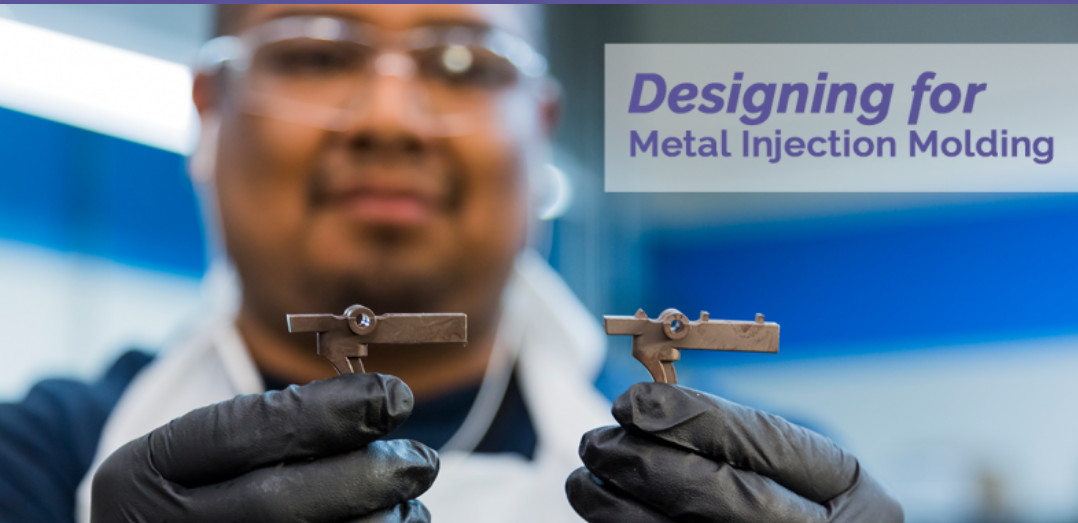
Introduction: Unveiling the Power of Metal Injection Molding (MIM)
In the ever-evolving landscape of advanced manufacturing, Metal Injection Molding (MIM) has emerged as a transformative technology, seamlessly bridging the gap between plastic injection molding's design flexibility and powdered metallurgy's material performance. For engineers, procurement specialists, and product developers across industries—from medical and automotive to aerospace and consumer electronics—understanding MIM is no longer optional; it's a strategic advantage.
This comprehensive guide delves deep into the world of Metal Injection Molding Manufacturing. We will demystify the process, explore its unparalleled benefits, examine its economic and environmental impact, and provide a clear framework for selecting the right MIM manufacturer for your project. Whether you're asking, "What is MIM?" or "What is the future of injection molding?" this resource is designed to be your definitive reference.
Part 1: What is Metal Injection Molding (MIM)? Defining the Technology
MIM stands for Metal Injection Molding. It is a sophisticated, multi-step manufacturing process used to produce small, complex, high-performance metal parts in high volumes with exceptional precision and repeatability.
Often confused with its plastic counterpart, MIM is distinct. While plastic injection molding melts polymer granules, MIM uses a feedstock comprising fine metal powders (typically less than 20 microns) and a thermoplastic binder system. This "metal-polymer" mixture is injected into a mold, much like plastic, to form a "green" part. Subsequent processes remove the binder and solidify the metal into a fully dense component.
What Does MIM Stand For in Business and Technology?
In a business context, MIM represents a value-driven manufacturing solution that optimizes cost, quality, and speed for complex metal components. Technologically, it signifies the convergence of design freedom, material science, and process engineering, enabling geometries previously impossible or prohibitively expensive with machining, casting, or stamping.
Part 2: The MIM Manufacturing Process: A Step-by-Step Breakdown
The MIM process is a carefully controlled sequence of four primary stages:
1. Feedstock Formulation
The process begins with the creation of a homogenous feedstock. Extremely fine spherical metal powders (e.g., stainless steel 316L, 17-4PH, titanium, tungsten alloys) are meticulously blended with a custom, multi-component binder system (waxes, polymers, lubricants). This critical step ensures uniform flow and consistent density in the final part.
2. Injection Molding
The pelletized feedstock is heated and injected under pressure into precision-engineered mold cavities. This stage leverages the high-volume, net-shape capability of injection metal molding, allowing for intricate features, thin walls, undercuts, and excellent surface finish straight out of the mold. This is where design complexity is captured cost-effectively.
3. Debinding
The molded "green" part contains 35-50% volume binder, which must be removed. This is typically a two-step process:
-
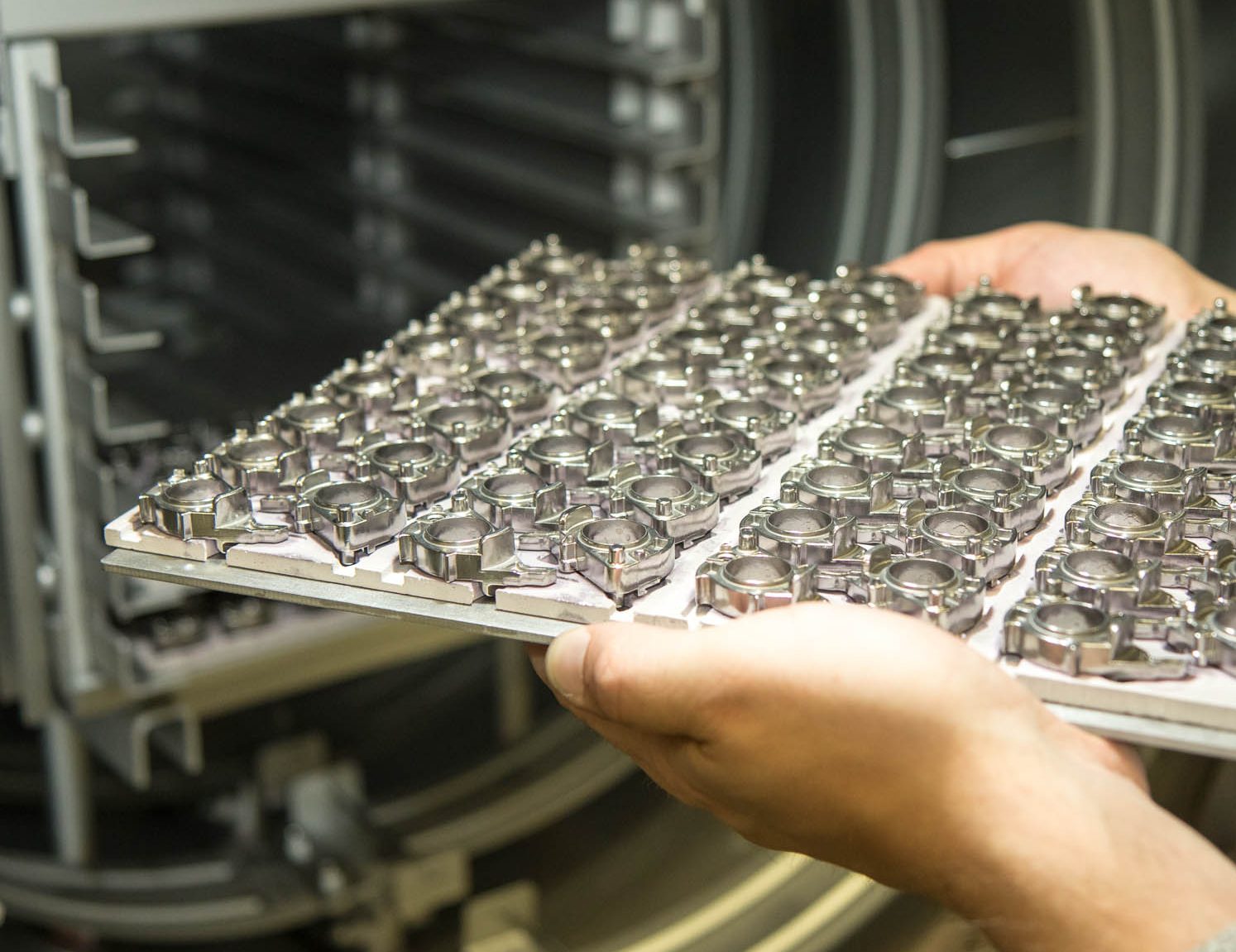
Catalytic Debinding (or Solvent Debinding): A primary portion of the binder is removed, leaving a porous "brown" part that maintains its shape.
-
Thermal Debinding: The remaining binder is thermally decomposed in a controlled furnace atmosphere.
4. Sintering
The final and most critical step. The brown part is heated in a high-temperature, controlled-atmosphere sintering furnace to a temperature just below the metal's melting point. The particles diffuse and fuse together, causing the part to densify significantly—often reaching 96-99+% of theoretical density. The part shrinks isotropically (uniformly in all directions) by a predictable 15-20%, achieving its final mechanical properties, including strength, hardness, and corrosion resistance comparable to wrought materials.
Part 3: Why Choose MIM? Advantages Over Traditional Manufacturing
When should you consider a MIM manufacturer? Here are the compelling advantages:
-
Design for Complexity: MIM triumphs where other methods fail. It effortlessly produces complex geometries—external threads, transverse holes, gears, latches, and intricate thin-walled structures—in a single molding step, eliminating secondary operations.
-
Material Versatility: A wide range of "MIM-able" alloys exists: stainless steels, low-alloy steels, tool steels, superalloys (Inconel), titanium, tungsten, and even specialty materials like magnetic alloys (permalloy) or biocompatible grades for medical implants.
-
High-Volume Efficiency & Cost Savings: Once the initial tool is built, part cost is remarkably low. MIM is ideal for annual volumes from 10,000 to millions of pieces. It dramatically reduces material waste (<5% vs. 50-80% in machining) and minimizes or eliminates costly assembly by consolidating multiple parts into one.
-
Excellent Mechanical Properties & Precision: Sintered MIM parts offer near-fully dense metallurgy with good tensile strength, ductility, and surface finish. Tight tolerances (±0.3% to ±0.5% of dimension) are standard, with critical features often held to ±0.05 mm.
-
Consistency and Repeatability: The automated, batch-process nature of MIM ensures exceptional part-to-part consistency, which is crucial for quality-critical applications in medical and automotive sectors.
.jpg)
Part 4: Key Industries and Applications Served by MIM Manufacturers
MIM components are ubiquitous in high-tech industries. Leading MIM manufacturers serve:
-
Medical & Dental: Surgical instruments (scalpel handles, biopsy forceps), orthopedic brackets, dental brackets, implantable device components. MIM's biocompatibility, cleanliness, and complexity are key.
-
Automotive: Fuel injection components, sensor housings, turbocharger vanes, lock parts, and transmission components. MIM meets demanding performance and volume needs.
-
Aerospace & Defense: Guidance system parts, weapon safety components, engine vanes, and structural brackets. High-strength, heat-resistant alloys are common here.
-
Consumer Electronics: Hinge assemblies for laptops and mobile devices, smartwatch cases, connector parts. MIM enables the miniaturization and robustness required.
-
Industrial & Commercial: Firearm components, power tool parts, fluid handling valves, and sewing machine components.
Part 5: The MIM Economy: Market Size, Cost, and Sustainability
How Big is the Injection Molding Market?
The global Metal Injection Molding market is a significant and growing segment within the broader injection molding market. While the plastic injection molding market in the US is valued in the hundreds of billions, the MIM market, though smaller, is projected to grow at a robust CAGR of over 8% through this decade, driven by miniaturization and material performance demands across industries.
What is the Cost of a MIM Machine?
This is a frequent and complex question. Unlike a standard plastic injection molding machine, a MIM operation requires a full system. Costs vary widely:
-
Injection Molding Machine: A machine suitable for MIM feedstock (often with smaller clamp forces like 50-200 tons) can range from $80,000 to $300,000+.
-
Debinding & Sintering Furnaces: This is the major capital investment. A continuous sintering furnace with atmosphere control can easily cost $500,000 to over $2 million.
-
Ancillary Equipment: Mixers, granulators, debinding lines, and quality control (CMMs, X-ray) add significantly to the total.
Therefore, partnering with an established MIM manufacturer often provides far better economies of scale and expertise than attempting in-house production.
MIM and Sustainability: A Responsible Choice
Addressing the question, "Is it true that only 5% of plastic gets recycled?" highlights a key MIM advantage. The MIM process is inherently material-efficient. Over 95% of the feedstock (the metal powder) ends up in the final part. Sprues and runners are 100% recycled back into the process. Unlike machining, there is no "chip waste." Furthermore, MIM parts are fully recyclable as their base metal at end-of-life, contributing to a circular economy.
Part 6: How to Select the Right Metal Injection Molding Manufacturer
Choosing a partner is critical. Here’s what to evaluate:
-
Technical Expertise & Engineering Support: The best MIM manufacturers offer deep Design for MIM (DFM) support early in your development cycle to optimize part geometry, tolerances, and feedstock selection for cost and performance.
-
Vertical Integration & Process Control: Look for control over the entire chain: feedstock formulation (or partnerships with premier feedstock suppliers), molding, debinding, sintering, and secondary operations (CNC, heat treat, plating). This ensures quality and traceability.
-
Quality Certifications & Industry Focus: Essential certifications include ISO 9001 and ISO 13485 for medical work. ITAR registration is critical for defense. Experience in your specific industry is a major plus.
-
Capacity & Scalability: Assess their press sizes, furnace throughput, and automation level to ensure they can meet your volume requirements from prototype to full production.
-
Global Footprint vs. Local Presence: While the largest injection molding companies in the world may have global scale, regional MIM manufacturers can offer more responsive communication and shorter supply chains. Which country is best for injection molding? The US, Germany, Japan, and China are major hubs, each with strengths in technology, cost, or volume.
Part 7: The Future of Injection Molding and MIM
The future of injection molding, and MIM specifically, is bright and intelligent. Key trends include:
-
Industry 4.0 Integration: Smart sensors on molds and furnaces, AI-driven process optimization, and real-time data analytics will push yields higher and tolerances tighter.
-
New Materials Development: The portfolio of MIM alloys will continue to expand, including higher-performance superalloys, metal matrix composites (MMCs), and custom-tailored materials.
-
Sustainability-Driven Innovation: Further reduction in process energy consumption and the development of binders from renewable sources will enhance MIM's green credentials.
-
Hybrid Manufacturing & Additive Convergence: MIM will be increasingly used in tandem with 3D printing for rapid tooling or to create unique, consolidated assemblies impossible by any single method.
-
Micro-MIM: A growing niche for manufacturing ultra-precise, sub-milligram components for medical and micro-electronics applications.
Part 8: Conclusion: Why Partner with an Expert MIM Manufacturer?
Metal Injection Molding is no longer a niche technology but a mainstream manufacturing powerhouse for precision metal parts. It solves critical challenges in cost, complexity, and performance that traditional methods cannot.
The journey from a design concept to a high-volume, reliable MIM component requires more than just machinery; it demands profound metallurgical knowledge, precise process engineering, and a commitment to quality. This is the core value provided by a dedicated MIM manufacturer.
As you evaluate your next project involving small, complex metal parts, consider the MIM advantage. Look beyond just the price of a 400 ton or 1000 ton injection molding machine (which is more relevant to large-scale plastic molding), and instead, focus on the total value equation: part consolidation, material savings, reduced assembly, and superior performance.
Ready to explore how Metal Injection Molding can revolutionize your component supply chain? Contact our team of expert engineers today. As a leading Metal Injection Molding Manufacturer, we provide comprehensive support from design consultation and prototyping to full-scale, certified production. Let's discuss your application and build a better, more efficient solution together.
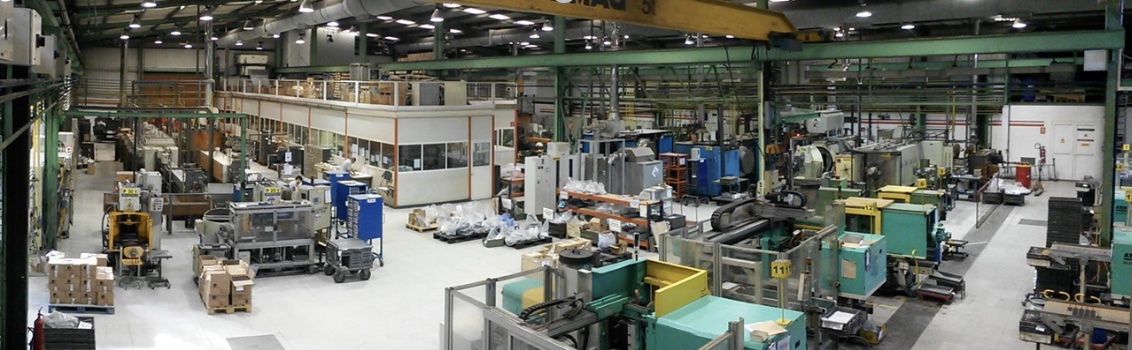
Contact YICHOU for Custom MIM Solutions
For high-quality Metal Injection Molding solutions tailored to your industry, contact YICHOU today. Whether you need prototypes or high-volume production, our MIM technology will deliver exceptional results.
GET QUOTE
- Visit our website: https://www.nbyichou.com/
- Email us: [email protected]
- Call us/whatsapp: +86 13355741031
- Chat with us: Live chat support available on our website