Injection moulding has long been a cornerstone of manufacturing, enabling the production of complex, high-quality parts at a relatively low cost. However, recent technological advancements in this field have taken the possibilities to a whole new level. With the use of innovative materials, such as biodegradable and recyclable polymers, injection moulding has become more environmentally friendly than ever before. The development of precision tools and computer-aided design (CAD) systems has allowed for the creation of intricate and intricate designs, resulting in highly accurate and functional parts. Additionally, the integration of robotics and automation has increased efficiency and precision in the injection moulding process, reducing production time and costs. This combination of advancements has opened up limitless possibilities for industries ranging from consumer products to automotive and medical. In this article, we will delve into the revolutionary advancements in injection moulding and explore how they are shaping the future of manufacturing. Whether you are a manufacturer looking to stay ahead of the competition or a consumer interested in the latest innovations, this article will provide valuable insights into the exciting world of injection moulding.
.jpg)
Title: The History of Injection Moulding
The history of injection moulding is a fascinating journey that has revolutionized the manufacturing industry. It all began in the late 19th century when John Wesley Hyatt and his brother Isaiah patented the first injection moulding machine in 1872. Initially, it was used to produce billiard balls as a substitute for ivory, addressing the growing demand for a more sustainable material.
Over the decades, injection moulding evolved, with innovations like the screw-type injection moulding machine by John and Isaiah's Hyatt's son, Hiram Hyatt, in 1930. This advancement allowed for greater precision and efficiency in the process, opening doors to more complex shapes and applications.
The post-World War II era saw injection moulding gain widespread popularity as plastic materials became more readily available. During this period, materials like polyethylene and polypropylene started replacing traditional materials like metal and glass, further expanding the potential of injection moulding.
As the technology continued to progress, it found applications in various industries, from automotive and electronics to healthcare and consumer goods. The ability to mass-produce intricate parts with minimal waste made injection moulding an indispensable manufacturing method.
In recent years, injection moulding has become increasingly sophisticated, incorporating digital technologies for process control and quality assurance. It has come a long way since its humble beginnings and remains an essential component of modern manufacturing.
Title: Advancements in Injection Moulding Technology
Advancements in injection moulding technology have played a pivotal role in shaping the manufacturing landscape. One of the significant breakthroughs is the integration of computer-aided design (CAD) and computer-aided manufacturing (CAM) systems. This development enables engineers and designers to create intricate mould designs with remarkable precision. CAD/CAM systems allow for real-time adjustments and simulations, reducing errors and optimizing the production process.
Another notable advancement is the development of multi-material injection moulding. This technique allows manufacturers to combine different materials within a single moulded part. It opens up a world of possibilities, from enhancing product functionality to reducing production costs. For example, a part could have a rigid core and a flexible outer layer, providing both strength and elasticity.
Furthermore, micro-injection moulding has gained prominence, enabling the production of minuscule parts with exceptional precision. This technology has found applications in the medical and electronics industries, where tiny components are crucial.
In terms of sustainability, bioplastics and recycled materials are making their mark in injection moulding. These eco-friendly alternatives reduce the environmental impact of manufacturing processes and contribute to the global shift towards sustainability.
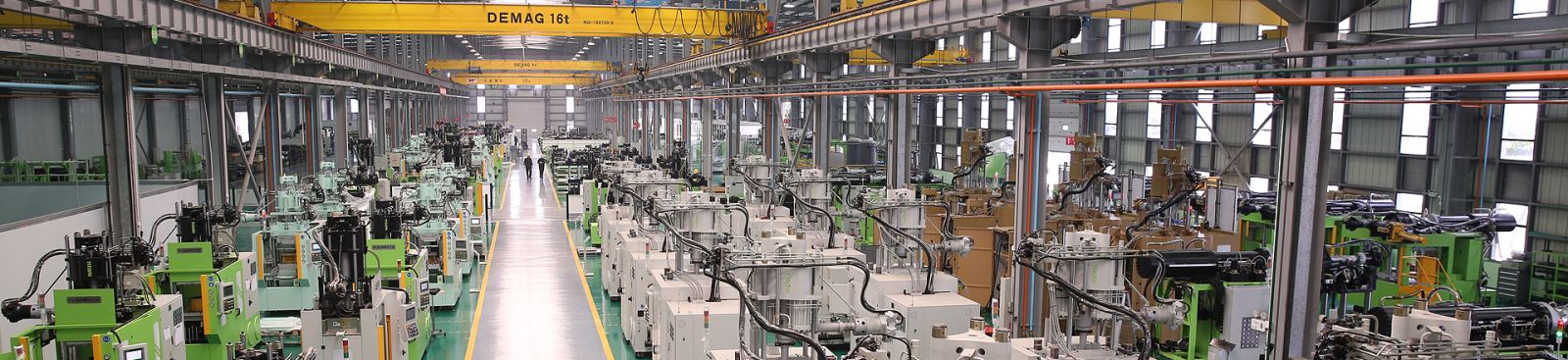
The advent of Industry 4.0 has brought about the Internet of Things (IoT) and the integration of smart sensors and data analytics into injection moulding machines. This connectivity allows for real-time monitoring and predictive maintenance, minimizing downtime and optimizing production efficiency.
 Title: Benefits of Advanced Injection Moulding Techniques
The benefits of advanced injection moulding techniques are substantial, making it a preferred choice for manufacturers across diverse industries. One of the primary advantages is cost-effectiveness. Injection moulding enables high-volume production with minimal waste, reducing material and labor costs. Moreover, the ability to produce complex shapes in a single step minimizes the need for additional machining or assembly, further cutting down expenses.
Precision is another critical benefit. Advanced techniques allow for tight tolerances and consistency, ensuring that each moulded part meets stringent quality standards. This reliability is especially crucial in industries like aerospace and healthcare, where precision can be a matter of life and death.
Speed is a key advantage as well. Injection moulding is a rapid process, producing parts in seconds or minutes. This quick turnaround time is invaluable for meeting market demands and reducing time-to-market for new products.
Advanced injection moulding techniques also offer design flexibility. Engineers and designers can experiment with various materials and mould designs to achieve the desired properties and aesthetics. This versatility is essential for creating innovative products that stand out in the market.
Furthermore, the durability of injection moulded parts is noteworthy. They can withstand harsh environmental conditions, making them ideal for applications in automotive, outdoor equipment, and more.
Lastly, sustainability is a growing concern, and advanced injection moulding techniques support eco-friendly practices. The ability to use recycled materials and produce minimal waste aligns with the global push for greener manufacturing processes.
Title: Innovative Materials in Injection Moulding
Innovation in materials is at the heart of advancing injection moulding technology. Traditional plastics like polypropylene and polyethylene continue to dominate, but a wave of innovative materials is reshaping the landscape.
One notable category is engineering thermoplastics, which offer superior mechanical and thermal properties. Polycarbonate, for instance, is renowned for its impact resistance and optical clarity, making it suitable for applications in eyewear, automotive components, and electronics.
Bioplastics are gaining traction as environmentally friendly alternatives. Derived from renewable sources, these materials reduce the carbon footprint of injection moulding. Polylactic acid (PLA), made from corn starch or sugarcane, is a prominent example. It finds applications in packaging, disposable tableware, and 3D printing.
Furthermore, liquid silicone rubber (LSR) is revolutionizing the healthcare and consumer goods industries. LSR is biocompatible, making it ideal for medical devices and baby products. Its durability and flexibility also contribute to its popularity in consumer electronics and automotive applications.
Advanced composites, such as carbon fiber-reinforced plastics, are pushing the boundaries of lightweight, high-strength materials. These composites are ideal for aerospace, automotive, and sports equipment where weight reduction is crucial without sacrificing structural integrity.
Nanomaterials, like nanoclay and carbon nanotubes, are enhancing the properties of conventional plastics. They improve strength, flame resistance, and thermal stability, expanding the potential of injection moulding in critical industries like aerospace and electronics.
The continuous exploration of innovative materials ensures that injection moulding remains adaptable and capable of meeting evolving market demands and sustainability goals.
.jpg)
Title: Automation and Robotics in Injection Moulding
Automation and robotics have ushered in a new era of efficiency and precision in injection moulding. These technologies are transforming the manufacturing process, from start to finish.
Starting with material handling, robots are now responsible for the loading of raw materials, reducing the risk of contamination and human error. Automated systems precisely measure and mix materials, ensuring consistency in every batch.
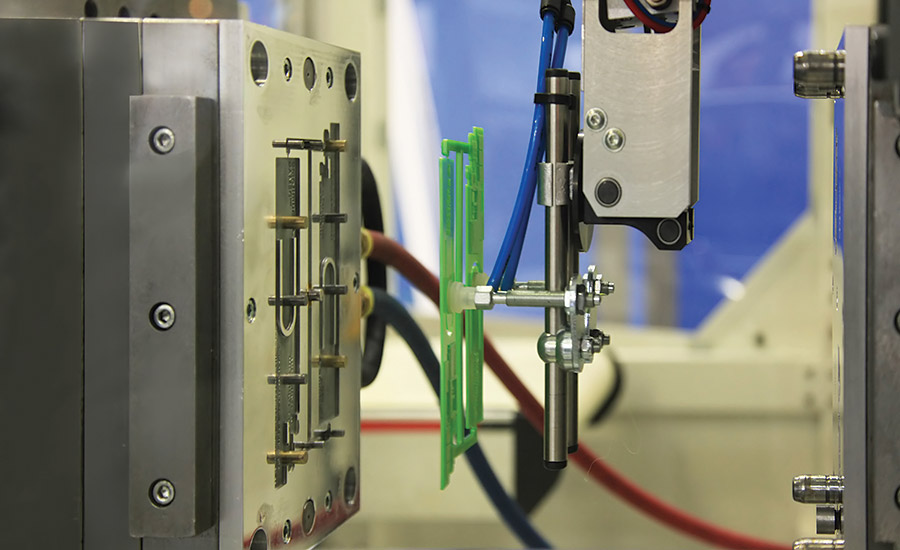
Once the injection moulding machine is set up, robots take center stage. They can perform tasks such as placing inserts into the mould, removing finished parts, and even performing quality checks using vision systems. This level of automation minimizes the need for manual labor, increases production speed, and reduces the risk of injuries associated with repetitive tasks.
Furthermore, robots enable lights-out manufacturing, where production can continue 24/7 without human intervention. This not only boosts efficiency but also accelerates time-to-market for products.
Quality control is another area where automation shines. Robots equipped with sensors and cameras can inspect each part for defects with incredible accuracy. Any subpar parts are immediately identified and removed from the production line, ensuring only top-quality products reach the market.
Moreover, the integration of data analytics and artificial intelligence (AI) allows for predictive maintenance. Machines can self-monitor their condition and schedule maintenance when needed, reducing downtime and ensuring continuous production.
Overall, automation and robotics are key drivers in advancing injection moulding technology, making it faster, more precise, and cost-effective.
.jpg)
Title: The Future of Injection Moulding
The future of injection moulding is poised for remarkable transformations as technology continues to evolve. One of the most promising developments is the integration of 3D printing and injection moulding. This hybrid approach combines the design freedom of 3D printing with the production speed and efficiency of injection moulding. Manufacturers can rapidly prototype and iterate designs before transitioning to mass production, reducing development time and costs.
Nanotechnology is also expected to play a significant role. Nanoscale materials and additives are enhancing the properties of moulded parts, making them stronger, lighter, and more resistant to heat and chemicals. This is particularly crucial in industries like aerospace and automotive, where performance requirements are stringent.
The adoption of sustainable practices will continue to shape the future of injection moulding. From biodegradable materials to closed-loop recycling systems, manufacturers are embracing eco-friendly approaches to reduce waste and minimize their environmental footprint.
Additionally, the Internet of Things (IoT) will further enhance the connectivity and intelligence of injection moulding machines. Predictive maintenance, real-time monitoring, and data-driven process optimization will become standard practices, ensuring higher efficiency and quality control.
Advancements in materials science will continue to expand the possibilities. Smart materials that can change shape or properties in response to external stimuli will open up new avenues for innovative product designs and applications.
Furthermore, as 5G technology becomes more widespread, remote operation and monitoring of injection moulding machines will become even more seamless, enabling global collaboration and real-time problem-solving.
In essence, the future of injection moulding holds great promise, with a focus on sustainability, efficiency, and innovation.
Title: Applications of Advanced Injection Moulding
The applications of advanced injection moulding techniques are vast and diverse, spanning numerous industries. In the automotive sector, injection moulding is integral to producing intricate interior components, lightweight structural parts, and even electric vehicle battery components. The ability to mold parts with precision and consistency contributes to improved vehicle safety and fuel efficiency.
In the healthcare field, advanced injection moulding is a cornerstone of medical device manufacturing. From syringes and IV connectors to complex surgical instruments and implantable devices, injection moulding ensures the highest standards of hygiene, reliability, and biocompatibility.
Consumer electronics benefit from injection moulding's ability to produce sleek, customized casings and components with high precision. The demand for smaller and lighter devices is met with innovative materials like liquid silicone rubber (LSR) and advanced composites.
Packaging is another area where injection moulding shines. The production of bottles, caps, and closures with a wide range of shapes and sizes is achieved efficiently, while bioplastics and recycled materials contribute to sustainability efforts.
The aerospace industry relies on injection moulding for lightweight, high-strength components that meet stringent safety standards. Complex geometries can be achieved with advanced materials and precision moulding techniques.
Beyond these industries, injection moulding finds applications in sports equipment, toys, construction, and even the food industry, where it is used to create custom molds for chocolates and confections.
The versatility and adaptability of injection moulding make it a crucial technology in the modern world, enabling innovation and high-quality manufacturing across a broad spectrum of products.
Title: Challenges and Limitations of Advanced Injection Moulding
While advanced injection moulding offers numerous benefits, it is not without its challenges and limitations. One of the primary challenges is the initial cost of tooling and equipment. Designing and fabricating intricate moulds can be expensive, making it essential to plan for high-volume production to justify these costs.
Complex parts with intricate geometries can pose challenges during the moulding process. Achieving uniform filling of the mould, preventing warpage, and minimizing defects like sink marks require advanced tooling and process optimization.
Material selection is critical, and not all materials are suitable for injection moulding. High-temperature or abrasive materials can wear down moulds quickly, necessitating frequent replacements and increasing production costs.
Environmental concerns are another limitation. Despite efforts to use eco-friendly materials and reduce waste, injection moulding still generates plastic waste that contributes to environmental issues. Proper disposal and recycling are essential but may not always be straightforward.
In terms of quality control, ensuring consistent part quality across high-volume production can be challenging. Variations in material properties, machine settings, or external factors like temperature can lead to defects and rejects.
Moreover, injection moulding may not be suitable for small-batch or custom production due to the high tooling costs and setup times involved. Alternative manufacturing methods like 3D printing or CNC machining may be more cost-effective for such scenarios.
Lastly, the complexity of automation and robotics integration can be a limitation for smaller manufacturers who may lack the resources or expertise to implement these technologies effectively.
In conclusion, while advanced injection moulding offers numerous advantages, it is essential to consider these challenges and limitations when implementing the technology in various industries.
Title: Conclusion: Embracing the Limitless Possibilities of Advanced Injection Moulding
In conclusion, the history, advancements, benefits, materials, automation, and future of injection moulding paint a picture of a technology that has continually evolved to meet the demands of modern manufacturing. From its humble beginnings producing billiard balls to its current status as a cornerstone of industries like automotive, healthcare, and consumer electronics, injection moulding has come a long way.
The benefits of advanced injection moulding techniques, including cost-effectiveness, precision, speed, and design flexibility, have made it indispensable in today's fast-paced manufacturing landscape. It is a technology that enables the creation of complex, lightweight, and sustainable products that meet the needs of consumers while reducing environmental impact.
Innovative materials are expanding the possibilities of injection moulding, offering greater strength, durability, and sustainability. The integration of automation, robotics, and IoT technologies is driving efficiency and quality control to unprecedented levels.
As we look to the future, the integration of 3D printing, nanotechnology, and sustainable practices promises to usher in a new era of injection moulding. The adaptability and versatility of this technology will continue to find applications in diverse industries, from automotive and healthcare to aerospace and consumer goods.
However, we must also acknowledge the challenges and limitations, from high tooling costs to environmental concerns and the complexity of automation. Addressing these challenges will be crucial for the continued growth and success of advanced injection moulding.
In embracing the limitless possibilities of advanced injection moulding, manufacturers must prioritize sustainability, innovation, and quality to ensure that this technology remains at the forefront of modern manufacturing for years to come. It is a journey that promises to reshape industries, drive innovation, and contribute to a more sustainable future.
FAQ 1: What Is YICHOU's History in Injection Moulding?
Keywords: YICHOU, history, injection moulding
Answer: YICHOU has a rich history in injection moulding, dating back to its inception. Our journey began with pioneering innovations in injection moulding techniques. Over the years, we have continually evolved, adapting to the changing needs of the manufacturing industry. Our commitment to excellence and customer satisfaction has driven our growth and reputation in the field of injection moulding.
FAQ 2: How Does YICHOU Embrace Advanced Injection Moulding Technology?
Keywords: YICHOU, advanced injection moulding technology
Answer: At YICHOU, we fully embrace advanced injection moulding technology. We invest in state-of-the-art equipment and employ cutting-edge techniques, including CAD/CAM systems and multi-material injection moulding, to ensure precision, efficiency, and cost-effectiveness in our manufacturing processes. Our dedication to staying at the forefront of technology allows us to offer high-quality solutions to our clients.
FAQ 3: What Benefits Do YICHOU's Injection Moulding Techniques Offer?
Keywords: YICHOU, benefits, injection moulding techniques
Answer: YICHOU's injection moulding techniques offer a plethora of benefits. These include cost-effectiveness through high-volume production and precision in manufacturing. Our processes are known for their speed and design flexibility, enabling us to create innovative products that stand out in the market. Moreover, our commitment to sustainability ensures that our solutions are eco-friendly, meeting global standards.
FAQ 4: What Innovative Materials Does YICHOU Utilize in Injection Moulding?
Keywords: YICHOU, innovative materials, injection moulding
Answer: YICHOU is at the forefront of innovation when it comes to materials in injection moulding. We explore a wide range of materials, including engineering thermoplastics, bioplastics, liquid silicone rubber (LSR), and advanced composites. These materials enhance the strength, durability, and sustainability of our moulded parts, allowing us to cater to various industries with precision and excellence.
FAQ 5: How Does YICHOU Integrate Automation and Robotics in Injection Moulding?
Keywords: YICHOU, automation, robotics, injection moulding
Answer: YICHOU's commitment to automation and robotics in injection moulding is unwavering. We have integrated advanced robotics for tasks such as material handling, part placement, and quality control. This automation not only boosts efficiency but also ensures consistency and safety in our manufacturing processes. YICHOU is dedicated to staying on the cutting edge of technology to provide top-notch solutions to our clients.
GET QUOTE
- Visit our website: https://www.nbyichou.com/
- Email us: [email protected]
- Call us/whatsapp: +86 13355741031
- Chat with us: Live chat support available on our website