Are you a manufacturer or designer looking to dive into the world of plastics for injection molding? Look no further! This ultimate guide is here to provide you with a comprehensive overview of everything you need to know. From the different types of plastics and their properties to the latest advancements and considerations for manufacturing and design, we've got you covered. As an experienced leader in the plastics industry, we understand the importance of staying up-to-date with the latest trends and technologies. That's why this guide is filled with valuable insights and practical tips that will help you make informed decisions and achieve optimal results. Whether you're a beginner or an expert, this guide is designed to be your go-to resource for all things related to plastics for injection molding. It's time to unlock the full potential of this versatile and widely-used manufacturing process. Let's start by exploring the fundamental aspects of plastics and how they can be effectively utilized in injection molding.
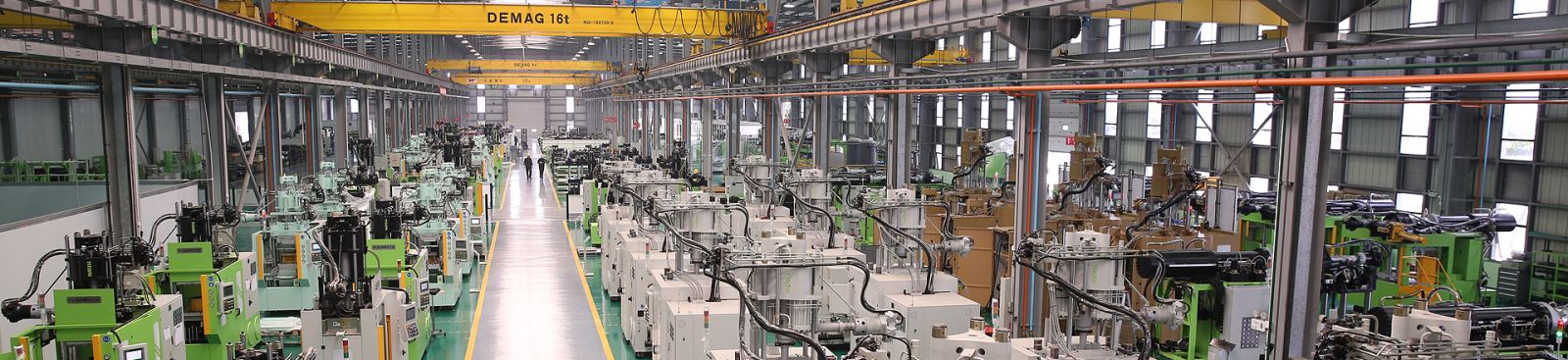
Types of Plastics in Injection Molding
The heart of injection molding lies in the diverse range of plastics available, each with unique properties catering to specific applications. Thermoplastics, including but not limited to polyethylene (PE), polypropylene (PP), and polystyrene (PS), dominate the landscape due to their exceptional ability to be melted and solidified repeatedly without undergoing significant degradation. The adaptability of thermoplastics makes them suitable for a wide spectrum of products, from consumer goods to automotive components.
Conversely, thermosetting plastics such as epoxy resins offer impressive heat resistance and dimensional stability, making them invaluable for applications demanding robustness in challenging environments, such as aerospace and electrical insulators.
Key Properties and Characteristics
Selecting the appropriate plastic for injection molding hinges on a deep understanding of their essential properties. Mechanical attributes like tensile strength, elasticity, and impact resistance dictate the material's performance in various scenarios. Furthermore, considerations like heat resistance, chemical compatibility, and electrical insulation properties contribute to the material's suitability for specific applications.
For instance, acrylonitrile butadiene styrene (ABS) boasts exceptional impact resistance and durability, making it an ideal choice for consumer electronics and toys. In contrast, polyether ether ketone (PEEK) shines in high-temperature applications due to its remarkable heat resistance, ensuring longevity even in extreme conditions.
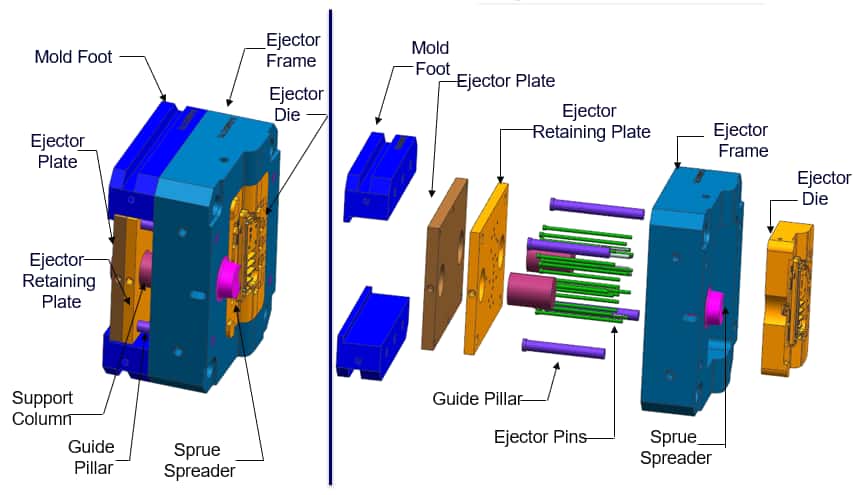 Factors to Consider in Material Selection
Choosing the right plastic for injection molding is a strategic decision influenced by various factors. Mechanical requirements, environmental conditions, regulatory compliance, and cost considerations play a pivotal role in material selection. The balance of these aspects ensures that the chosen material seamlessly aligns with the intended purpose of the final product.
For instance, medical devices demand biocompatible plastics that are both safe for patients and able to withstand sterilization processes. In the automotive industry, lightweight yet durable plastics are favored for components that contribute to fuel efficiency without compromising safety.
Common Challenges and Troubleshooting
While injection molding is a transformative process, it's not without its challenges. Defects like warping, sink marks, and voids can mar the final product. Addressing these challenges requires meticulous analysis of process parameters, mold design, and material characteristics.
Warping, often caused by uneven cooling, can be mitigated by optimizing cooling channels in the mold and ensuring uniform wall thickness. Sink marks, depressions that occur due to non-uniform cooling rates, can be minimized by adjusting injection speed and pressure. Voids, which result from air trapped during the filling process, can be reduced through proper venting and mold design adjustments.
.jpg) Design Guidelines for Successful Injection Molding
Design Guidelines for Successful Injection Molding
The journey to successful injection molding commences at the design stage. Collaborative efforts between designers and engineers are essential to create designs that are not only aesthetically pleasing but also manufacturable. Key design guidelines include incorporating draft angles to facilitate ejection, maintaining consistent wall thickness to ensure uniform cooling, and employing suitable gating systems to control material flow.
Furthermore, considering the specific properties of the chosen plastic is paramount. For instance, transparent plastics like polycarbonate (PC) require meticulous attention to avoid optical distortions, while glass-fiber-reinforced plastics demand careful mold design to prevent fiber orientation issues.
Advantages and Limitations
The amalgamation of plastics and injection molding brings forth a plethora of advantages. Speed, efficiency, intricate detailing, and cost-effectiveness are among the prominent pros. Injection molding enables the creation of complex geometries that would be otherwise challenging to achieve through traditional manufacturing methods. Moreover, it provides a high degree of repeatability and consistency, ensuring uniformity across production batches.
However, it's important to acknowledge the limitations. Some plastics can degrade during processing, potentially affecting their mechanical properties. Additionally, the size of the component and the complexity of the mold can impact the overall cycle time and cost.
Trends and Innovations
The evolution of plastics in injection molding is a testament to human ingenuity. The growing emphasis on sustainability has paved the way for the rise of bioplastics, derived from renewable sources. These materials offer the dual advantage of reduced environmental impact and versatility in application.
Moreover, the convergence of 3D printing technology and injection molding is poised to redefine product design. Hybrid techniques allow for the creation of intricate molds with unprecedented detailing, enabling innovative designs that were once deemed unattainable.
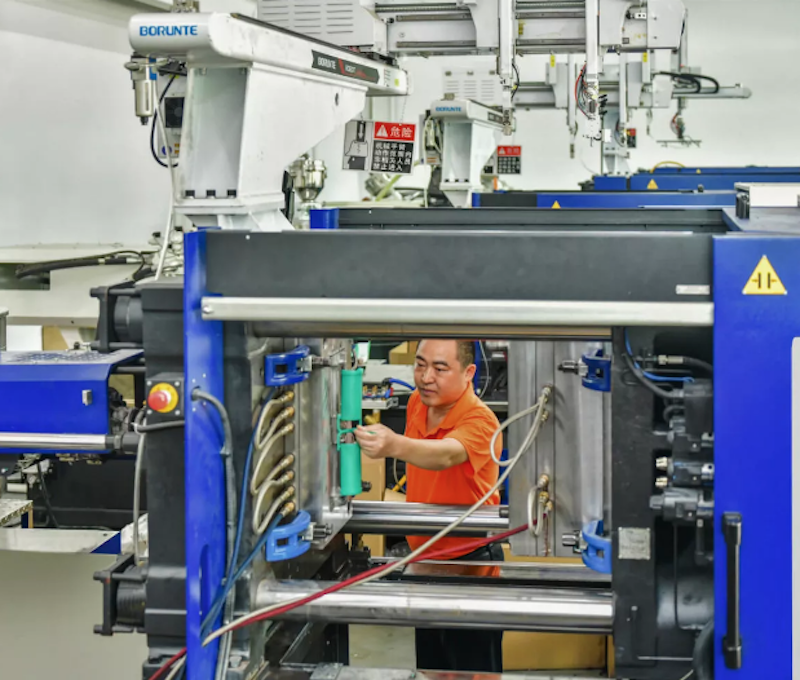 Yichou's Vision
As Yichou, our commitment to innovation propels us forward. We recognize that the fusion of artistic vision and technological precision in injection molding holds the key to crafting components that shape entire industries. By harnessing cutting-edge materials and techniques, we ensure that each product emerging from our facility bears the hallmark of precision, quality, and durability.
Injection molding is a widely used plastic molding technique that can accommodate a diverse range of materials to produce various products. The choice of material depends on the specific requirements of the project, including factors such as strength, flexibility, temperature resistance, and more. Here are some common types of materials processed by plastics for injection molding:
-
Polyethylene (PE): PE is known for its low cost, ease of processing, and versatility. It comes in various forms, including high-density polyethylene (HDPE) and low-density polyethylene (LDPE). HDPE is commonly used for rigid containers, while LDPE is used for flexible packaging and liners.
-
Polypropylene (PP): PP is a versatile thermoplastic with good chemical resistance and impact strength. It's used in a wide range of products, including automotive parts, containers, and consumer goods.
-
Polystyrene (PS): PS is available in two main forms: general-purpose polystyrene (GPPS) and high-impact polystyrene (HIPS). GPPS is used for products requiring clarity, while HIPS provides better impact resistance and is used for items like electronic housings and toys.
-
Acrylonitrile Butadiene Styrene (ABS): ABS is a popular material known for its toughness, impact resistance, and versatility. It's commonly used in automotive parts, consumer electronics, and household appliances.
-
Polyvinyl Chloride (PVC): PVC is a versatile material used in a range of products, from pipes and cables to window profiles and medical devices. It's known for its durability and chemical resistance.
-
Polycarbonate (PC): PC offers excellent impact resistance and optical clarity. It's used for products requiring transparency and toughness, such as eyewear lenses, safety equipment, and electronic components.
-
Nylon (Polyamide): Nylon is known for its strength, durability, and wear resistance. It's used in various applications, including automotive components, industrial parts, and consumer goods.
-
Polyethylene Terephthalate (PET): PET is commonly used for packaging materials, especially beverage bottles. It offers good clarity, barrier properties, and is recyclable.
-
Polyoxymethylene (POM): POM, also known as acetal, is a strong and rigid material with low friction properties. It's used in applications requiring high stiffness and dimensional stability, such as gears and mechanical components.
-
Thermoplastic Elastomers (TPE): TPEs combine the properties of rubber and plastic, making them suitable for applications requiring flexibility and durability, such as in medical devices and consumer products.
-
Polyurethane (PU): PU can range from soft and flexible to rigid and durable. It's used in a variety of products, including foams, footwear, and automotive components.
-
Bioplastics: With increasing environmental awareness, bioplastics like polylactic acid (PLA) and polyhydroxyalkanoates (PHA) are gaining traction. These materials are derived from renewable sources and are biodegradable.
Yichou's expertise in injection molding allows us to work with a wide range of materials, ensuring that your project's requirements are met while delivering high-quality and precise components.
Conclusion: Crafting the Future
The symbiotic relationship between plastics and injection molding continues to reshape industries across the globe. From automotive to electronics, consumer goods to medical equipment, the journey of plastics through the injection molding process has left an indelible mark on modern manufacturing. As we stand on the cusp of new technological horizons, Yichou remains steadfast in its pursuit of excellence, carving a path towards a future where innovation knows no bounds.
In the realm of manufacturing, Yichou signifies more than a name; it represents a symbol of pioneering spirit. Here, plastics and injection molding converge to shape possibilities, transcending limits and revolutionizing the way we perceive components. Join us on this exhilarating journey of creativity, precision, and advancement as we redefine the art of injection molding with plastics. Together, we're poised to sculpt the future
.jpg)
FAQs About Injection Molding with Plastics by Yichou
1. What types of plastics are commonly used in injection molding?
- Keywords: plastics, injection molding, types, commonly used
- Learn about the versatile range of plastics employed in injection molding, including thermoplastics and thermosetting plastics, and their applications.
2. How do I select the right plastic for injection molding projects?
- Keywords: select, right plastic, injection molding projects
- Discover the key factors to consider when choosing the ideal plastic for your injection molding needs, encompassing mechanical properties, environmental conditions, and cost-efficiency.
3. What are the common challenges in plastics injection molding?
- Keywords: common challenges, plastics injection molding
- Explore the potential obstacles in the injection molding process, such as warping, sink marks, and voids, and gain insights into effective troubleshooting strategies.
4. Can you provide design guidelines for successful injection molding with plastics?
- Keywords: design guidelines, successful injection molding, plastics
- Get valuable tips on designing components for successful injection molding, including draft angles, wall thickness consistency, and considerations specific to various plastic materials.
5. What are the latest trends and innovations in plastics injection molding?
- Keywords: latest trends, innovations, plastics injection molding
- Stay informed about the cutting-edge advancements shaping the future of injection molding, including the rise of bioplastics and the integration of 3D printing technology.
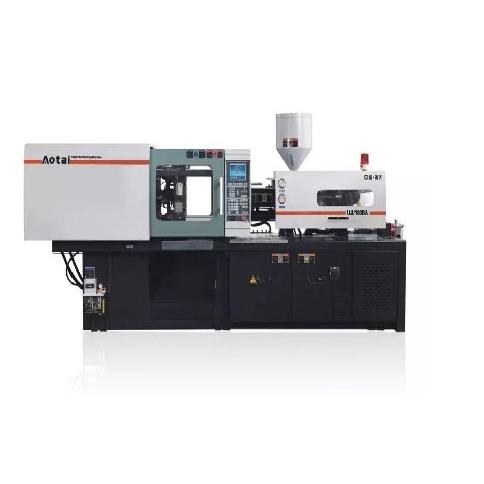
Get Quote
- Visit our website: https://www.nbyichou.com/
- Email us: [email protected]
- Call us/whatsapp: +86 13355741031
- Chat with us: Live chat support available on our website