Plastic has become an integral yet complex part of our daily lives. But have you ever wondered how these diverse materials respond to changes in temperature? Understanding the melting points of plastics is essential for determining their application suitability, durability, and how they respond to heat. In this comprehensive guide, we delve into the intricate world of plastic structures and their temperature thresholds. From polyethylene to polystyrene, we explore the unique chemical compositions and molecular arrangements that influence a plastic's behavior under varying heat conditions. Discover how different types of plastics, such as thermoplastics and thermosetting plastics, exhibit diverse melting and softening points. Gain insight into the factors that affect a plastic's ability to withstand high temperatures, including molecular weight, crystallinity, and additives. Whether you're a manufacturer seeking to optimize production processes or a consumer striving for a deeper understanding of the plastics around you, this guide will equip you with the knowledge to make informed decisions. Uncover the secrets behind the melting points of plastics and unlock the potential for innovation in this ever-evolving world of materials.
.jpg)
Factors Influencing the Melting Point of Plastics
The melting point of plastics is a critical property that affects their performance and usability in various applications. Understanding the factors that influence this characteristic can provide valuable insights for manufacturers, engineers, and designers. One of the primary factors influencing the melting point of plastics is the type of polymer used. Polymers are large molecules composed of repeating units, and the arrangement of these units plays a pivotal role in determining the melting point. For instance, high-density polyethylene (HDPE) has a higher melting point compared to low-density polyethylene (LDPE) due to differences in their molecular structures. The crystallinity of the polymer also impacts the melting point; highly crystalline polymers tend to have higher melting points than amorphous ones. Moreover, additives and fillers, such as reinforcing agents or plasticizers, can alter the melting point of plastics. These factors interact in complex ways, making it essential to consider each one when selecting a plastic for a specific application.
Common Types of Plastics and Their Melting Points
To delve deeper into the world of plastics and their melting points, let's explore some common types of plastics and their respective temperature ranges at which they transition from a solid to a molten state. Polyethylene, one of the most widely used plastics, exhibits varying melting points depending on its density. LDPE, with a density of around 0.91 g/cm³, has a melting point between 105 and 115°C (221-239°F), making it suitable for applications like plastic bags. In contrast, HDPE, with a density of approximately 0.95 g/cm³, has a higher melting point ranging from 120 to 130°C (248-266°F), making it suitable for more robust applications such as water pipes and containers.
Polypropylene (PP) is another commonly used plastic with a melting point typically falling between 130 and 171°C (266-340°F). This versatility allows it to be used in various applications, from automotive parts to food containers. Polystyrene (PS), known for its excellent thermal insulation properties, melts at temperatures ranging from 100 to 120°C (212-248°F). These are just a few examples of common plastics, and each type's unique melting point influences its suitability for different industries and purposes.
Understanding Polymer Structures and Their Effect on Melting Points
Polymer structures are a fundamental aspect of a plastic's melting point. These structures can be broadly categorized into three main types: linear, branched, and cross-linked. Linear polymers have a straightforward structure with polymer chains arranged in a straight line. These tend to have lower melting points due to the ease with which their chains can slide past each other. LDPE is an example of a linear polymer, as its relatively low melting point suggests.
Branched polymers feature side chains or branches extending from the main polymer chain. This branching impedes the movement of polymer chains, increasing the melting point. An example of a branched polymer is low-density polyethylene (LDPE), which exhibits a higher melting point than its linear counterpart, LDPE.
Cross-linked polymers, also known as thermosetting plastics, have a three-dimensional network structure. These plastics do not have a distinct melting point because they decompose and char when heated extensively. This property makes them ideal for applications where high-temperature resistance is required, such as in electrical insulation and automotive components.
How to Measure the Melting Point of Plastics
Precisely determining the melting point of plastics is essential for quality control and ensuring that materials are used within their designed temperature ranges. The most common method for measuring the melting point of plastics is differential scanning calorimetry (DSC). DSC involves heating a small sample of the plastic at a controlled rate while simultaneously measuring the heat flow into or out of the sample. When the polymer transitions from a solid to a molten state, there is an associated energy change that is recorded as a sharp peak on the DSC curve. This peak corresponds to the melting point of the plastic.
Another method is thermogravimetric analysis (TGA), which involves monitoring the weight loss of a plastic sample as it is heated. The melting point can be inferred from the temperature at which the rate of weight loss increases significantly due to the onset of melting.
For some plastics, especially those with high melting points or that decompose upon melting, hot-stage microscopy is used. This technique involves observing the sample under a microscope while it is heated. The point at which the material starts to soften and flow is considered its melting point.
These techniques provide valuable insights into a plastic's behavior under heat and enable manufacturers to optimize processing conditions and select suitable materials for specific applications.
 Applications and Implications of Plastic Melting Points
The melting points of plastics have far-reaching implications across various industries. Understanding these implications is crucial for selecting the right materials and ensuring the reliability and safety of products. In the automotive industry, for example, components made from plastics with high melting points, such as polyamides (nylons), are used in engine compartments where temperatures can exceed 100°C (212°F). These plastics must maintain their structural integrity and mechanical properties even under extreme heat conditions.
In the packaging industry, knowledge of plastic melting points is essential to determine whether a plastic is suitable for use in hot-fill applications. Plastics like polyethylene terephthalate (PET) are preferred for hot-fill bottles because they have a high glass transition temperature (Tg) and do not deform when filled with hot liquids.
Moreover, the electronics industry relies on plastics with excellent thermal stability at high temperatures. Enclosures and connectors made from plastics like polyphenylene sulfide (PPS) are essential for protecting sensitive electronic components from both mechanical stress and heat.
In the food industry, the melting points of plastics are considered when designing microwave-safe containers. Plastics like polypropylene (PP) are often used due to their ability to withstand microwave heating without melting or deforming.
Plastic Materials with High Melting Points
Plastics with high melting points find applications in industries where extreme temperatures are encountered. One notable plastic in this category is polyimide (PI), which boasts an impressive melting point of approximately 500°C (932°F). This exceptional thermal stability makes polyimide an ideal choice for aerospace applications, such as insulating wires and cables in spacecraft and aircraft, where exposure to extreme heat is a concern.
Polyether ether ketone (PEEK) is another high-performance plastic with a melting point ranging from 343 to 387°C (649-729°F). PEEK's ability to maintain its mechanical properties at high temperatures and resist chemical degradation makes it valuable in demanding applications such as medical implants, automotive components, and oil and gas exploration equipment.
In the realm of engineering plastics, polyphenylene sulfide (PPS) is highly regarded for its high melting point, which falls between 280 and 315°C (536-599°F). PPS's resistance to chemicals and its exceptional dimensional stability at elevated temperatures make it a top choice for applications like pump components, automotive parts, and electrical connectors.
Plastic Materials with Low Melting Points
Conversely, plastics with low melting points are favored for applications where ease of processing and flexibility are paramount. One such plastic is polyethylene (PE), which encompasses various grades with different melting points. LDPE, with its lower melting point, is commonly used for film production and packaging materials, as it can be easily processed using methods like extrusion and blow molding.
Polyvinyl chloride (PVC) is another plastic with a relatively low melting point, typically ranging from 100 to 200°C (212-392°F), depending on the formulation. PVC's versatility in processing and its resistance to chemicals and UV radiation make it suitable for applications such as pipes, cable insulation, and vinyl flooring.
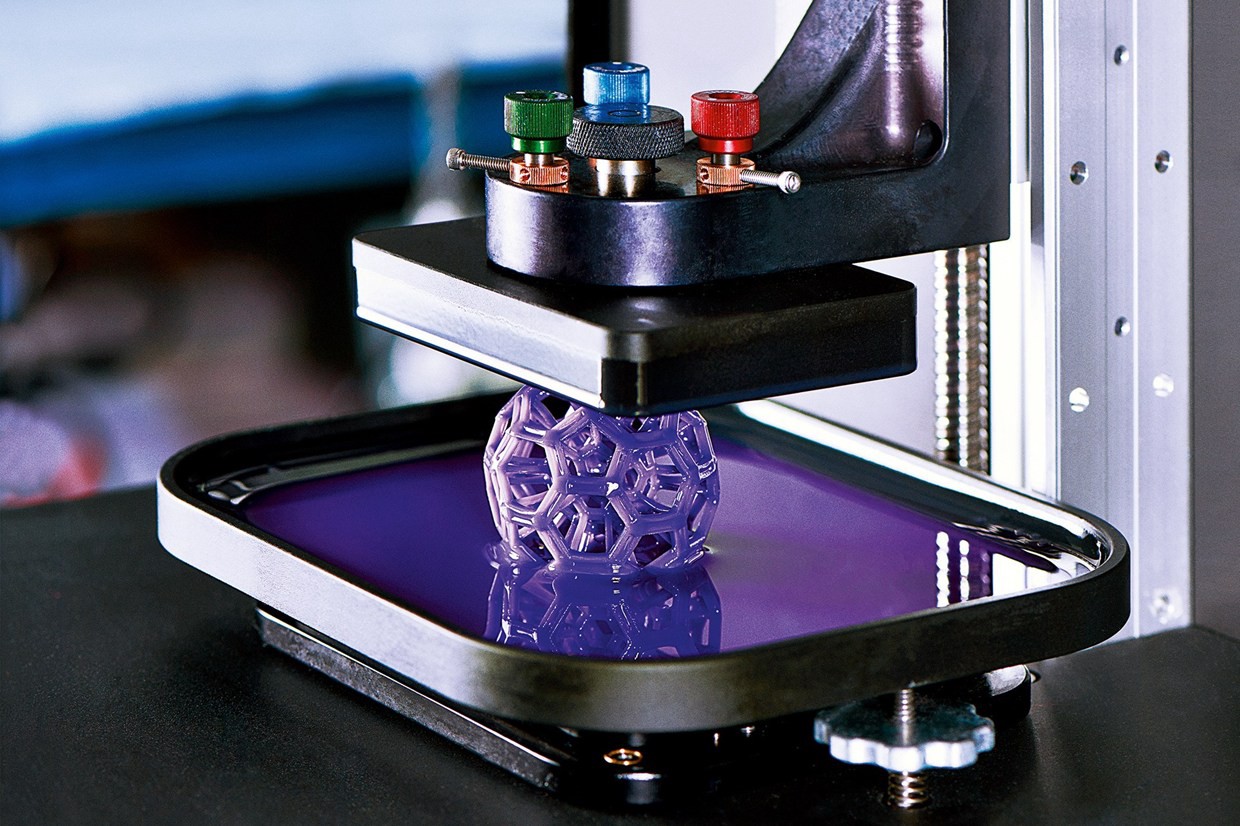
Polylactic acid (PLA), a biodegradable plastic derived from renewable resources, has a relatively low melting point of around 150-160°C (302-320°F). PLA's eco-friendly profile and ease of 3D printing have led to its use in various applications, including disposable cutlery, packaging, and medical implants.
Factors Affecting the Stability of Plastic at High Temperatures
While some plastics excel in high-temperature environments, others may degrade, lose their mechanical properties, or release toxic fumes when exposed to elevated temperatures. Several factors influence the stability of plastics at high temperatures:
-
Chemical Composition: The chemical structure of a plastic plays a significant role in its thermal stability. Plastics with strong covalent bonds are generally more heat-resistant. Conversely, plastics with weaker bonds may decompose or degrade at lower temperatures.
-
Additives and Fillers: The presence of additives, such as flame retardants or stabilizers, can enhance a plastic's thermal stability. These additives work by suppressing ignition and preventing the spread of flames.
-
Processing Conditions: The way a plastic is processed, including factors like extrusion temperature and molding conditions, can impact its thermal stability. Excessive heat during processing can lead to molecular degradation and a reduction in melting point.
-
Environmental Factors: Exposure to environmental conditions, such as UV radiation and moisture, can accelerate the degradation of plastics at high temperatures. Proper storage and protection from these elements are essential for maintaining a plastic's performance.
-
Physical Form: The physical form of a plastic, whether it is an amorphous or crystalline structure, can affect its heat resistance. Crystalline plastics tend to have higher melting points and better thermal stability.
Understanding these factors is crucial for selecting the right plastic materials for applications where exposure to high temperatures is a concern. Additionally, conducting thorough testing and analysis can help determine a plastic's suitability for specific temperature ranges.
Conclusion
In conclusion, the melting point of plastics is a critical property that influences their performance and applications across various industries. Factors such as polymer structure, additives, and processing conditions all contribute to a plastic's melting point and thermal stability. Understanding the relationship between these factors and the melting points of different plastics enables engineers, designers, and manufacturers to make informed decisions when selecting materials for specific applications.
Whether it's choosing plastics with high melting points for aerospace components, low melting point plastics for packaging, or understanding the thermal stability of plastics in high-temperature environments, this knowledge is invaluable for optimizing product design, ensuring safety, and achieving efficiency in numerous industries. As technology advances and new plastic formulations emerge, the study of plastic melting points continues to evolve, offering exciting opportunities for innovation and sustainability in the world of materials science and engineering.
FAQ 1: What Role Does the Melting Point of Plastic Play in Manufacturing Processes?
Keywords: Melting point of plastic, manufacturing, process, material selection
Answer: The melting point of plastic is a crucial consideration in manufacturing processes. It determines when a plastic material transitions from a solid to a molten state, impacting how it can be molded, extruded, or processed. Selecting the right plastic with an appropriate melting point is essential for achieving desired product characteristics and manufacturing efficiency. At YICHOU, we understand the significance of this factor in material selection, ensuring that our manufacturing processes are optimized for top-quality products.
FAQ 2: Can You Provide Examples of Applications Where Plastic Melting Points are Critical?
Keywords: Plastic melting points, critical applications, product performance
Answer: Certainly, plastic melting points are vital in various applications. For instance, in the automotive industry, plastics with high melting points are used for under-the-hood components to withstand engine heat. In the packaging sector, understanding melting points is essential for hot-fill containers. The electronics industry relies on plastics with high-temperature stability for components. At YICHOU, we cater to these critical applications by offering a range of plastics with precise melting points to meet diverse manufacturing needs.
FAQ 3: How Do YICHOU's Manufacturing Processes Ensure the Stability of Plastics at High Temperatures?
Keywords: Manufacturing processes, plastic stability, high temperatures, YICHOU
Answer: At YICHOU, our manufacturing processes are designed to address the stability of plastics at high temperatures. We carefully control processing conditions to prevent excessive heat exposure, which can compromise material integrity. Additionally, our selection of additives and fillers enhances thermal stability. We are committed to delivering plastics that perform reliably in demanding high-temperature environments, whether in aerospace, automotive, or other industries.
FAQ 4: What Sets YICHOU Apart in Providing Plastics with Specific Melting Points?
Keywords: YICHOU, plastics, specific melting points, differentiation
Answer: What distinguishes YICHOU in the realm of plastics is our expertise in tailoring materials to meet specific melting point requirements. Our team of experts combines in-depth knowledge of polymer science with advanced manufacturing technologies to precisely control melting points. We offer a diverse range of plastics, each formulated to excel in different applications, ensuring that our clients receive materials that perfectly align with their manufacturing goals.
FAQ 5: How Can YICHOU Assist in Choosing the Right Plastic for My Manufacturing Needs?
Keywords: YICHOU, plastic selection, manufacturing needs, assistance
Answer: Choosing the right plastic for your manufacturing needs can be complex. At YICHOU, we understand the intricacies of plastic materials and their melting points. Our dedicated team is here to provide personalized assistance and guidance, helping you select the ideal plastic for your specific application. We take into account factors like melting point, chemical resistance, and mechanical properties to ensure your manufacturing process is optimized and your end products meet the highest standards. Contact us today to discuss your requirements and explore the possibilities of partnering with YICHOU.
GET QUOTE
- Visit our website: https://www.nbyichou.com/
- Email us: [email protected]
- Call us/whatsapp: +86 13355741031
- Chat with us: Live chat support available on our website