Looking to maximize the efficiency and performance of your pumping system? Look no further than impeller pumps. These powerful machines are the secret weapons of industries worldwide, delivering unparalleled reliability and effectiveness. In this comprehensive guide, we will unlock the true potential of impeller pumps and show you how to unleash their power to optimize your operations. From their unique design to their ability to handle a wide range of fluids, impeller pumps offer countless advantages. Whether you're in the chemical, oil and gas, or water treatment industry, understanding the ins and outs of impeller pumps is essential to stay ahead of the competition. In this guide, we will delve into the different types of impeller pumps and their respective applications. We'll explore the factors that affect their efficiency and performance, such as impeller design, materials, and operating conditions. Additionally, we'll provide expert tips on maintenance and troubleshooting to ensure your pumps continue running at their best. Get ready to dive deep into the world of impeller pumps and discover how they can revolutionize your pumping system. Let's unleash their power together.
Title: How do Impeller Pumps Work?
Impeller pumps, often hailed as the workhorses of fluid transfer and circulation, are mechanical devices designed to move liquids through a system. Understanding how these pumps work is essential for anyone considering their application in various industries.
Impeller pumps operate on a simple yet highly effective principle: they use a rotating impeller, a set of curved blades or vanes, to impart kinetic energy to the liquid. This rotational motion creates a low-pressure area at the center of the impeller, which draws fluid from the inlet into the pump. As the fluid is drawn into the impeller, the spinning action forces it outward towards the pump's discharge outlet.
Key to the effectiveness of impeller pumps is the centrifugal force generated by the impeller's rotation. This force propels the liquid away from the impeller's center and into the discharge chamber, where it exits the pump at a higher velocity and pressure than when it entered. This mechanism is particularly advantageous for moving fluids that contain solids or abrasives, as the absence of tight clearances in impeller pumps reduces the risk of clogging.
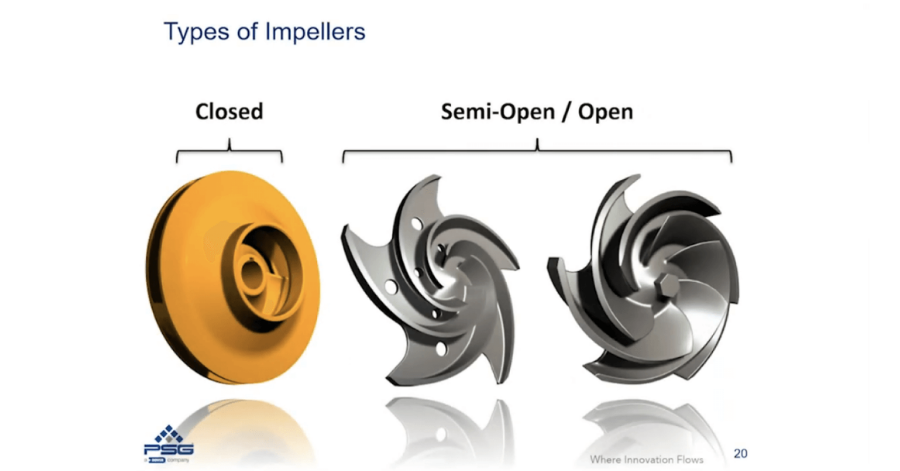
Innovations in impeller pump design have led to a variety of impeller shapes and configurations, each tailored to specific applications. These include closed impellers, open impellers, semi-open impellers, and vortex impellers, each with its unique characteristics and performance benefits. The choice of impeller type depends on factors such as the viscosity of the fluid being pumped, the required flow rate, and the pump's intended use.
Impeller pumps can handle a wide range of liquids, from water and chemicals to wastewater and slurries. Their versatility makes them indispensable in industries like agriculture, manufacturing, chemical processing, and wastewater treatment. Moreover, their ability to efficiently handle varying flow rates and pressures makes them suitable for both low-flow, high-head applications and high-flow, low-head applications.
In summary, impeller pumps are dynamic machines that leverage centrifugal force to transfer liquids effectively. By understanding their basic operating principles and the various types of impellers available, individuals and industries can harness the full potential of these pumps for their specific fluid handling needs.
.jpg)
Title: Types of Impeller Pumps
Impeller pumps come in a diverse array of types, each tailored to meet the specific demands of various applications. Choosing the right type of impeller pump is crucial for optimizing performance and efficiency. Let's explore some of the most common types of impeller pumps and their unique characteristics.
-
Closed Impeller Pumps: Closed impeller pumps are characterized by their solid, shrouded impellers. These impellers have no open spaces between the vanes, which makes them highly efficient for transferring fluids at higher pressures and flow rates. Closed impeller pumps are commonly used in applications where precise control over flow and pressure is essential, such as HVAC systems and industrial processes.
-
Open Impeller Pumps: Open impeller pumps feature vanes that are not enclosed, allowing the fluid to flow through the impeller blades. This design is ideal for handling liquids with a higher viscosity or those containing solids, as it reduces the risk of clogging. Open impeller pumps are often employed in wastewater treatment, food processing, and mining industries.
-
Semi-Open Impeller Pumps: Semi-open impeller pumps combine aspects of both closed and open impellers. They have one side of the impeller shrouded while the other side is open. This design strikes a balance between efficiency and clog resistance, making semi-open impeller pumps versatile for applications in construction, agriculture, and chemical processing.
-
Vortex Impeller Pumps: Vortex impeller pumps are specifically designed for handling fluids with high solid content or fibrous materials. These pumps create a swirling vortex within the pump chamber, preventing clogs and reducing wear and tear. Vortex impeller pumps find applications in industries such as municipal wastewater treatment and the pulp and paper industry.
-
Multi-Stage Impeller Pumps: Multi-stage impeller pumps feature multiple impellers stacked in series, allowing for the gradual increase in pressure and flow rate with each stage. These pumps are well-suited for high-pressure applications such as boosting water supply in tall buildings and industrial processes requiring precise pressure control.
-
Cutter Impeller Pumps: Cutter impeller pumps are designed for tackling the most challenging fluids, including sewage and sludge. Equipped with cutting blades, these pumps can effectively macerate solid particles, preventing blockages and ensuring smooth fluid transfer. They are commonly used in wastewater treatment plants and industries dealing with abrasive materials.
The choice of impeller pump type depends on factors like the nature of the fluid, required flow rates, and system pressure requirements. It's essential to carefully consider these factors to select the most suitable impeller pump for your application. By doing so, you can ensure efficient and trouble-free fluid transfer while maximizing the longevity of your equipment.
.jpg)
Title: Advantages of Using Impeller Pumps
Impeller pumps offer a range of advantages that make them a preferred choice in various industries. Understanding these benefits can help you appreciate the value of these pumps in enhancing efficiency and performance in fluid handling applications.
-
Efficiency: Impeller pumps are known for their high efficiency in transferring fluids. The centrifugal action of the impeller generates a smooth flow, reducing energy losses and minimizing turbulence. This efficiency translates to cost savings in terms of lower energy consumption, making impeller pumps an environmentally friendly choice.
-
Versatility: Impeller pumps are versatile and can handle a wide range of fluids, from water to corrosive chemicals and viscous materials. Their ability to adapt to various applications makes them indispensable in industries where different liquids need to be moved efficiently.
-
Low Maintenance: Compared to some other types of pumps, impeller pumps are relatively low-maintenance. Their design minimizes the risk of clogs and damage from solids, reducing the need for frequent maintenance and repairs. This feature is particularly beneficial in industries where downtime can be costly.
-
Smooth Operation: Impeller pumps operate with minimal noise and vibration, providing a quieter and more stable working environment. This is advantageous in applications where noise levels need to be kept low, such as residential HVAC systems and hospitals.
-
Variable Flow Rates: Impeller pumps can be designed to provide variable flow rates by adjusting the speed of the impeller. This flexibility is valuable in processes that require precise control over fluid flow, such as chemical manufacturing and water treatment.
-
Cost-Effective: The initial cost of impeller pumps is competitive, and their efficiency contributes to long-term cost savings. Lower energy consumption and reduced maintenance expenses make them a cost-effective choice for fluid handling systems.
-
Durability: Impeller pumps are built to withstand the rigors of industrial applications. Materials such as stainless steel and robust construction ensure their longevity, even when dealing with corrosive or abrasive fluids.
-
Environmental Benefits: The energy-efficient operation of impeller pumps not only saves costs but also reduces carbon emissions. Employing these pumps in your fluid handling systems can contribute to a greener and more sustainable operation.
In conclusion, impeller pumps offer a compelling set of advantages, making them a preferred choice for a wide range of applications. Their efficiency, versatility, low maintenance requirements, and other benefits contribute to enhanced performance and cost-effectiveness in fluid handling systems. Whether you are in manufacturing, agriculture, or water treatment, impeller pumps can play a pivotal role in optimizing your operations.
.jpg)
Title: Factors to Consider When Selecting an Impeller Pump
Selecting the right impeller pump for your specific application is a critical decision that can significantly impact efficiency, performance, and long-term operational costs. To make an informed choice, several key factors must be carefully considered:
-
Fluid Properties: Understanding the characteristics of the fluid you intend to pump is paramount. Factors such as viscosity, temperature, abrasiveness, and chemical composition can influence the choice of impeller type, material, and pump design. For example, corrosive chemicals may require a pump with corrosion-resistant materials, while viscous fluids may benefit from an open impeller design.
-
Flow Rate and Pressure Requirements: Determine the required flow rate (in gallons per minute or liters per second) and the desired discharge pressure (in psi or bar). Impeller pumps come in various sizes and configurations to accommodate a wide range of flow and pressure requirements. It's crucial to select a pump that can meet your specific demands.
-
System Head: System head refers to the total dynamic head (TDH) the pump must overcome, including friction losses in the piping system. Calculating the TDH accurately is essential to choose a pump that can provide the necessary pressure to move fluid through the system efficiently.
-
Material Compatibility: Ensure that the materials used in the pump construction are compatible with the fluid being pumped. Incompatibility can lead to corrosion, degradation, and premature pump failure. Material options often include stainless steel, cast iron, and various plastics.
-
Temperature Considerations: Extreme temperatures can affect the performance and longevity of impeller pumps. If your application involves hot or cold fluids, select a pump that can handle the temperature range without compromising efficiency or durability.
-
NPSH Requirement: Net Positive Suction Head (NPSH) is the pressure required at the pump's inlet to prevent cavitation, a phenomenon that can damage the impeller and reduce pump efficiency. Ensure that the available NPSH in your system exceeds the pump's NPSH requirement.
-
Duty Cycle and Operation Frequency: Consider how frequently the pump will run and its duty cycle (continuous or intermittent). Some impeller pumps are better suited for continuous operation, while others excel in intermittent duty cycles.
-
Maintenance Accessibility: Ease of maintenance is a crucial factor, especially in industries where downtime is costly. Select a pump design that allows for straightforward access to critical components for inspection and servicing.
-
Budget Constraints: While it's important to invest in a pump that meets your operational requirements, budget constraints also play a role in the selection process. Balancing performance with cost-effectiveness is essential.
-
Future Expansion: Consider future growth and changes in your system. Will you need to expand your capacity or adapt to different fluids in the future? Selecting a pump with flexibility and scalability in mind can save you time and resources down the road.
By carefully evaluating these factors and consulting with experts in pump technology, you can make an informed decision when selecting an impeller pump. Choosing the right pump for your specific needs will optimize performance, reduce downtime, and contribute to the overall efficiency of your fluid handling system.
Title: Maintenance and Troubleshooting Tips for Impeller Pumps
To ensure the continued efficiency and reliability of impeller pumps, regular maintenance and the ability to troubleshoot common issues are essential. Here are some key maintenance and troubleshooting tips to keep your impeller pump operating at its best:
Maintenance Tips:
-
Routine Inspections: Regularly inspect the pump for signs of wear, leaks, or unusual noises. Early detection of issues can prevent costly breakdowns.
-
Lubrication: If your pump uses bearings, ensure they are adequately lubricated according to the manufacturer's recommendations. Lubrication helps reduce friction and extends the life of moving parts.
-
Seal Inspection: Check the pump seals for any damage or wear. Damaged seals can lead to leaks and decreased pump efficiency.
-
Clean the Impeller: Periodically clean the impeller and pump chamber to remove debris and sediment that can affect performance. Be cautious not to damage the impeller during cleaning.
-
Check Alignment: Ensure the pump motor and impeller are properly aligned. Misalignment can cause excessive vibration and premature wear.
-
Monitor Motor Conditions: Keep an eye on the motor's condition, including temperature and vibration levels. Elevated temperatures or excessive vibration can indicate issues with the motor or impeller.
Troubleshooting Tips:
-
Cavitation: If you notice a noisy, rattling sound from the pump, it may be experiencing cavitation. Check for air leaks in the suction line, and ensure the NPSH requirements are met.
-
Low Flow or Pressure: If the pump is not delivering the desired flow or pressure, inspect the impeller for damage or wear. Also, check for clogs in the inlet or discharge lines.
-
Leaking Pump: Leaks can be caused by damaged seals or gaskets. Carefully inspect these components and replace them as needed.
-
Excessive Vibration: Excessive vibration can result from misalignment, a damaged impeller, or worn bearings. Address the root cause to prevent further damage.
-
Overheating Motor: An overheating motor may indicate inadequate cooling or an issue with the motor itself. Ensure the motor has proper ventilation, and if the problem persists, consult a technician.
-
Loss of Prime: If the pump loses prime (fails to maintain suction), check for air leaks in the suction line, a damaged check valve, or improper NPSH.
-
Frequent Starts and Stops: Frequent cycling of the pump may be caused by pressure switch issues, incorrect control settings, or a damaged impeller. Investigate the cause to prevent unnecessary wear on the pump.
-
Pump Won't Start: If the pump fails to start, check the power supply, motor connections, and control switches. Also, inspect the impeller for blockages.
Regularly referring to the pump's manual and conducting preventive maintenance can prevent many common issues. Additionally, having a maintenance schedule in place and training personnel on troubleshooting procedures can help extend the life of your impeller pump and minimize downtime.
Title: Case Studies: Successful Applications of Impeller Pumps
To illustrate the real-world impact and versatility of impeller pumps, let's explore some compelling case studies that highlight their successful applications across various industries:
Case Study 1: Agricultural Irrigation
Agriculture demands reliable and efficient water distribution systems. In a case study from a large-scale agricultural operation, the implementation of impeller pumps resulted in significant improvements. These pumps efficiently transported water from a reservoir to irrigation systems across vast fields. Their ability to handle varying flow rates ensured consistent water supply to crops, leading to increased yields and reduced water waste. The rugged design of impeller pumps also minimized downtime, crucial for maximizing crop growth during critical seasons.
Case Study 2: Industrial Chemical Processing
In a chemical processing plant, the need for precision and reliability is paramount. A chemical manufacturer adopted impeller pumps for transferring various corrosive chemicals within their facility. The choice of impeller materials compatible with the chemicals ensured safety and longevity. The pumps' ability to provide a consistent flow rate and pressure contributed to precise chemical mixing, resulting in higher product quality and reduced waste. Additionally, impeller pumps' low maintenance requirements reduced production downtime and maintenance costs.
Case Study 3: Municipal Wastewater Treatment
Wastewater treatment plants face the challenge of handling a diverse range of fluids laden with solids. In a case study involving a municipal wastewater treatment facility, impeller pumps with vortex impellers were employed. These specialized pumps efficiently handled sewage and sludge, preventing clogs and minimizing wear. The result was improved treatment capacity, reduced maintenance, and cost savings for the municipality. The environmental benefits of impeller pumps also aligned with the plant's commitment to sustainable wastewater management.
Case Study 4: Building HVAC Systems
Efficient heating, ventilation, and air conditioning (HVAC) systems are essential for maintaining indoor comfort and energy efficiency. In a commercial building retrofit project, impeller pumps were integrated into the HVAC system. Their ability to adjust flow rates and maintain consistent pressure ensured precise temperature control and minimized energy consumption. The reduced noise and vibration of impeller pumps improved the building's working environment, enhancing occupant comfort and productivity.
These case studies demonstrate the versatility and effectiveness of impeller pumps across diverse industries. Whether in agriculture, chemical processing, wastewater treatment, or building services, impeller pumps have proven their ability to enhance efficiency, reduce costs, and contribute to sustainable practices. Their adaptability and reliability make them a valuable asset in a wide range of applications.
Title: Upgrading Your Existing Pump System with Impeller Pumps
If you're seeking to enhance the efficiency and performance of your current pump system, upgrading to impeller pumps can be a strategic decision. Upgrades not only improve fluid handling but also offer cost-effective benefits in the long run. Here's how to go about upgrading your existing pump system with impeller pumps:
1. System Assessment:
Begin by conducting a comprehensive assessment of your current pump system. Evaluate factors such as flow rates, pressure requirements, energy consumption, and maintenance costs. Identify areas where impeller pumps could offer improvements.
2. Identify Compatibility:
Determine the compatibility of your existing system with impeller pumps. Check whether the system can accommodate the required pump size, motor power, and electrical connections. It may be necessary to make modifications or adjustments to ensure a seamless integration.
3. Select Appropriate Impeller Pumps:
Choose impeller pumps that best suit your application and system requirements. Consider factors such as the type of impeller, material compatibility, and expected duty cycle. Consult with pump experts or manufacturers to ensure you select the right models.
4. Retrofitting or Replacement:
Decide whether retrofitting your existing pumps with impeller units or replacing the entire pump is more cost-effective. In some cases, retrofitting may be a viable option, while in others, replacing older, less efficient pumps may provide better long-term results.
5. Installation and Integration:
Carefully install the impeller pumps, ensuring proper alignment, electrical connections, and system integration. Follow manufacturer guidelines and consider enlisting professional assistance if necessary to ensure a successful installation.
6. Monitoring and Performance Evaluation:
Implement a system for monitoring the performance of your upgraded pump system. Track factors such as energy consumption, flow rates, and maintenance intervals. Compare the performance data to your pre-upgrade benchmarks to assess the effectiveness of the upgrade.
7. Regular Maintenance:
Continue to perform routine maintenance on your impeller pumps to maximize their longevity and efficiency. Follow maintenance schedules and promptly address any issues that arise to prevent costly breakdowns.
8. Training and Documentation:
Train your maintenance personnel on the operation and maintenance of impeller pumps. Create documentation that outlines procedures, troubleshooting steps, and spare parts requirements to ensure proper care and rapid response to issues.
9. Cost-Benefit Analysis:
Periodically assess the cost savings and benefits achieved through the upgrade. Calculate the return on investment (ROI) by comparing energy savings, reduced maintenance costs, and improved performance against the initial investment.
10. Scalability and Future Expansion:
Consider the scalability of your upgraded system to accommodate future growth or changes in your fluid handling needs. Impeller pumps offer flexibility, and planning for expansion from the outset can save time and resources in the long term.
Upgrading your existing pump system with impeller pumps is a strategic move that can yield significant improvements in efficiency, performance, and cost savings. By carefully planning, selecting the right impeller pumps, and maintaining the system diligently, you can harness the full potential of this technology for your fluid handling needs.
Title: Impeller Pump Technologies and Innovations
The world of impeller pumps is continually evolving, with ongoing technological advancements and innovations that push the boundaries of efficiency and performance. Here are some of the latest trends and innovations in impeller pump technology:
1. Computational Fluid Dynamics (CFD):
CFD simulation tools have become invaluable for optimizing impeller design. Engineers can use CFD to analyze fluid flow patterns and make precise adjustments to impeller geometry, resulting in pumps that operate with greater efficiency and reduced energy consumption.
2. Variable Frequency Drives (VFDs):
The integration of VFDs with impeller pumps allows for precise control of motor speed and, consequently, flow rates. This technology enables pumps to adapt to varying demand, reducing energy wastage and extending equipment life.
3. Smart Pump Systems:
IoT-enabled sensors and data analytics are being incorporated into impeller pumps to provide real-time monitoring and predictive maintenance capabilities. Smart pumps can detect anomalies, optimize performance, and even initiate maintenance requests autonomously, reducing downtime and improving reliability.
4. Material Advancements:
Advances in materials science have led to the development of impeller materials with enhanced corrosion resistance and durability. This is particularly important for pumps handling aggressive or abrasive fluids, where material longevity is crucial.
5. 3D Printing and Additive Manufacturing:
3D printing technology is being used to create complex impeller designs that were previously difficult to manufacture. This allows for more customized impeller shapes and improved hydraulic performance.
6. Energy Efficiency Improvements:
In response to global energy efficiency initiatives, impeller pump manufacturers are continuously working to reduce energy consumption. Innovations such as optimized impeller profiles, improved hydraulic designs, and better motor efficiency contribute to greener and more sustainable pump systems.
7. Sealless Pumps:
Sealless impeller pumps, which eliminate the need for traditional mechanical seals, are gaining popularity in applications where leak prevention is critical. These pumps offer enhanced safety and reduced maintenance requirements.
8. Miniaturization and Micro-Pumps:
In fields like medical devices and microfluidics, miniaturized impeller pumps are being developed to precisely control the flow of small volumes of fluid. These pumps enable advancements in medical diagnostics and drug delivery systems.
9. Energy Recovery Systems:
Impeller pumps are being integrated into energy recovery systems that capture and reuse energy from fluid flow. This technology is particularly relevant in water treatment plants, where it can significantly reduce energy costs.
10. Sustainable Pumping Solutions:
The push for sustainability has led to the development of impeller pumps that use renewable energy sources, such as solar or wind power, to reduce reliance on fossil fuels and decrease environmental impact.
As impeller pump technologies continue to advance, their applications are expanding into new and diverse industries. These innovations not only improve the efficiency and reliability of fluid handling systems but also contribute to sustainability efforts and cost reduction strategies.
Title: Conclusion: Harnessing the Power of Impeller Pumps for Enhanced Efficiency and Performance
In the world of fluid handling and circulation, impeller pumps have emerged as indispensable tools that offer a plethora of advantages. Their simple yet effective design, coupled with ongoing technological innovations, makes them a versatile solution for a wide range of industries and applications.
Impeller pumps work by utilizing centrifugal force to move fluids efficiently. Their various types, including closed, open, semi-open, vortex, and more, cater to specific fluid handling needs, ensuring that there's a suitable impeller pump for almost any situation.
The advantages of impeller pumps are numerous and compelling. They offer high efficiency, versatility, and low maintenance requirements, making them cost-effective choices for fluid handling systems. Their ability to handle varying flow rates and pressures, coupled with durability and low noise levels, further enhances their appeal.
Selecting the right impeller pump involves considering factors such as fluid properties, flow rates, material compatibility, and long-term maintenance needs. Careful assessment and planning ensure that impeller pumps integrate seamlessly into existing systems, delivering optimal performance and efficiency.
Real-world case studies showcase the successful applications of impeller pumps across industries. From agriculture and chemical processing to wastewater treatment and HVAC systems, these pumps have consistently demonstrated their ability to improve operations, reduce costs, and contribute to sustainability efforts.
When upgrading existing pump systems with impeller pumps, meticulous planning, proper installation, and ongoing maintenance are essential for realizing the full potential of this technology. The benefits of energy savings, increased reliability, and improved performance make these upgrades a wise investment.
Impeller pump technologies continue to evolve, with innovations such as computational fluid dynamics, smart pump systems, and sealless designs pushing the boundaries of efficiency and reliability. These advancements not only improve current applications but also open doors to new possibilities, from microfluidics to renewable energy systems.
In conclusion, impeller pumps are the workhorses of fluid handling, offering a winning combination of efficiency, versatility, and durability. Whether you're optimizing an existing system or embarking on a new project, harnessing the power of impeller pumps can lead to enhanced efficiency and performance, cost savings, and a more sustainable future for fluid handling industries worldwide. Embrace this technology, and you'll find yourself on the cutting edge of fluid handling innovation.
.jpg)
FAQ 1: How Do Impeller Pumps Work?
Keywords: Impeller pump operation, Centrifugal force, Fluid transfer mechanism
Answer: Impeller pumps function by utilizing centrifugal force generated by a rotating impeller to transfer fluids efficiently. The impeller's curved blades draw fluid into the pump and propel it outward, increasing both velocity and pressure. This mechanism is ideal for handling various liquids, including those with solids or abrasives, making impeller pumps a versatile choice for industries like manufacturing and wastewater treatment.
FAQ 2: What Are the Advantages of Using Impeller Pumps?
Keywords: Impeller pump benefits, Efficiency, Versatility, Low maintenance
Answer: Impeller pumps offer numerous advantages. They are highly efficient, reducing energy consumption and costs. Their versatility allows them to handle a wide range of fluids, from water to corrosive chemicals, making them suitable for diverse applications. Low maintenance requirements, noise levels, and vibration add to their appeal, especially in settings like HVAC systems and chemical processing plants.
FAQ 3: How Should I Choose the Right Impeller Pump for My Application?
Keywords: Impeller pump selection, Fluid properties, Flow rates, Material compatibility
Answer: Selecting the right impeller pump involves considering several factors. Begin by understanding your fluid's properties, such as viscosity and chemical composition. Determine the required flow rates, pressure, and temperature conditions. Ensure the pump materials are compatible with the fluid being handled. Proper selection based on these criteria ensures optimal performance and longevity.
FAQ 4: What Maintenance Tips Can Help Prolong the Life of Impeller Pumps?
Keywords: Impeller pump maintenance, Routine inspections, Lubrication, Seal inspection
Answer: Regular maintenance is essential to extend the life of impeller pumps. Conduct routine inspections to identify wear, leaks, or unusual noises. Lubricate bearings as recommended to reduce friction. Inspect and replace damaged seals promptly to prevent leaks. Cleaning the impeller and pump chamber, checking alignment, and monitoring motor conditions are all crucial steps in maintenance.
FAQ 5: Can I Upgrade My Existing Pump System with Impeller Pumps?
Keywords: Upgrading with impeller pumps, Compatibility, Installation, Monitoring
Answer: Yes, upgrading your current pump system with impeller pumps is possible. Start by assessing system compatibility, making necessary modifications for integration. Carefully install the impeller pumps, ensuring alignment and proper connections. Establish a monitoring system to track performance and energy consumption. Impeller pump upgrades can enhance efficiency, reduce costs, and prolong equipment life.