Introduction: High Pressure Die Casting (HPDC) is a predominant method for aluminum and non-ferrous castings, contributing significantly to manufacturing in Germany. Despite its popularity, limitations arise concerning complex component designs and the need for costly slide systems to create undercuts. The integration of intricate internal geometries driven by evolving industries, such as e-mobility, necessitates innovative solutions. The lost salt core technology emerges as a promising alternative to slide systems due to its capability to replicate internal geometries and its water solubility.
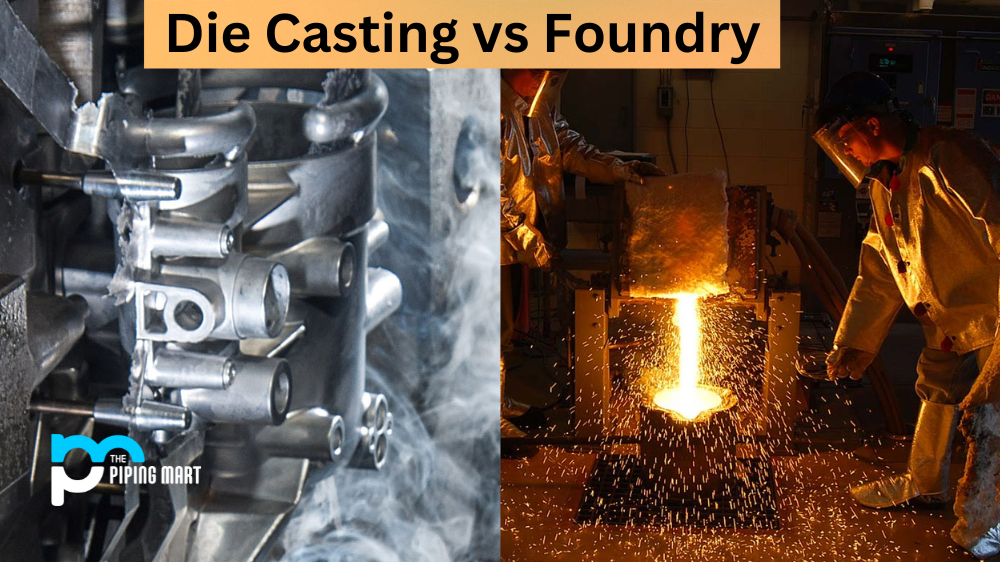
Lost Salt Core Technology: Lost salt core technology involves inserting cores into the mold tool before casting. These cores replicate internal geometries and are dissolved upon completion of the casting process. Unlike other core technologies, the water solubility of salt cores facilitates their removal. Diverse salt core compositions and materials have been tested for high pressure die casting, showing promise for creating complex geometries and enabling functional integration in lightweight components.
Challenges and Opportunities: The viability of salt cores is crucial for their reliable application. This hinges on both core design simulation and process design simulation for the die casting itself. The die casting process's core loading primarily depends on melt flow velocity. The high pressures and flow speeds encountered in die casting present mechanical challenges for salt cores. Simultaneously, semi-solid aluminum alloy casting, known as rheocasting, offers an alternative approach. Rheocasting leverages lower melt temperatures, inducing solid fraction through shear forces. This process improves microstructure and reduces gas content, promising enhanced component quality.
Study Objectives: The overarching goal of this study is to explore the integration of rheocasting technology with lost salt cores to enhance component quality. The study encompasses several steps:
-
Salt Core Development: Develop a salt core and evaluate its material properties through bending tests, establishing fundamental data for subsequent simulations.
-
Simulation Analysis: Employ Flow-3D fluid-structure-interaction (FSI) simulations to analyze the effects on conventional die casting and rheocasting processes, incorporating salt cores.
-
Validation through Real Castings: Translate simulation findings into practical applications. Conduct real casting experiments with parameters aligned with simulation outcomes. Evaluate core durability and overall component quality.
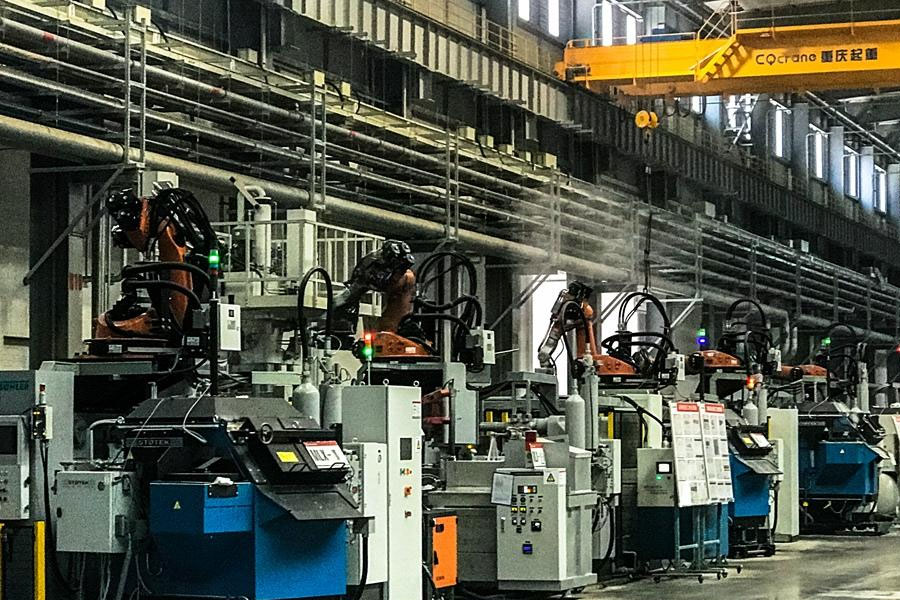 Die Casting Processes: At YICHOU, we offer a range of advanced die casting processes that ensure the production of intricately designed parts with utmost precision. Our techniques include:
-
High Pressure Die Casting (HPDC): Ideal for aluminum, zinc, and magnesium, HPDC delivers high-density parts with complex geometries. Widely used in automotive, aerospace, and electronics industries.
-
Rheocasting: Our innovative semi-solid metal casting method results in reduced porosity, improved microstructures, and enhanced component quality.
Functional Uses: Our die casting processes cater to a broad array of functional uses:
- Automotive: Engine components, transmission parts, chassis components, and more.
- Electronics: Housings, connectors, heat sinks, and intricate parts for electronic devices.
- Aerospace: Lightweight structural components, brackets, and fittings.
- Medical Devices: Precise and intricate parts for medical equipment and devices.
- Consumer Goods: High-quality components for appliances, tools, and consumer electronics.
Materials Processed: YICHOU's expertise extends to processing various materials:
- Aluminum: Lightweight, corrosion-resistant, and conducive to intricate designs.
- Zinc: Excellent for thin-walled parts, corrosion resistance, and a smooth surface finish.
- Magnesium: Offers a high strength-to-weight ratio, making it ideal for lightweight components.
Advantages: Choosing YICHOU for your die casting needs brings a multitude of benefits:
- Precision: Our advanced processes ensure tight tolerances and consistent part quality.
- Cost Efficiency: Die casting minimizes material waste and post-processing, translating to cost savings.
- Complex Geometries: Intricate designs and undercuts are achievable, expanding design possibilities.
- Short Lead Times: Our streamlined processes enable quicker production cycles.
- Enhanced Surface Finish: Die cast parts exhibit superior surface quality and aesthetics.
Application Scope: YICHOU's die casting solutions span industries and applications worldwide:
Conclusion: The synergy between rheocasting technology and lost salt cores holds the potential to revolutionize high pressure die casting processes. Addressing the limitations of traditional methods while improving component quality through innovative techniques is at the forefront of this research endeavor. As e-mobility and intricate component designs continue to drive industry demands, exploring these advanced casting methodologies paves the way for more efficient, cost-effective, and sustainable manufacturing processes in Germany and beyond.
.jpg)
FAQs (Frequently Asked Questions):
-
Q: What materials are suitable for die casting? A: We specialize in aluminum, zinc, and magnesium die casting.
-
Q: What industries do you serve? A: We cater to automotive, aerospace, electronics, medical, and consumer goods industries.
-
Q: How does die casting compare to other manufacturing methods? A: Die casting offers precision, cost efficiency, and design versatility unmatched by many other methods.
-
Q: Can you accommodate custom designs? A: Absolutely! We excel in producing parts with intricate and custom designs.
-
Q: What sets YICHOU apart from competitors? A: Our advanced technology, expertise, and commitment to quality make us a global leader in die casting solutions.
GET QUOTE
- Visit our website: https://www.nbyichou.com/
- Email us: [email protected]
- Call us/whatsapp: +86 13355741031
- Chat with us: Live chat support available on our website