Introduction: In the face of rising energy and raw material costs, optimizing the production expenses of castings has become crucial. This study explores the feasibility of producing high pressure die castings with an increased number of cavities while maintaining casting integrity. The research involves using the High Pressure Die Casting process along with a Vacuum System to enhance the quality and cost-efficiency of the castings.
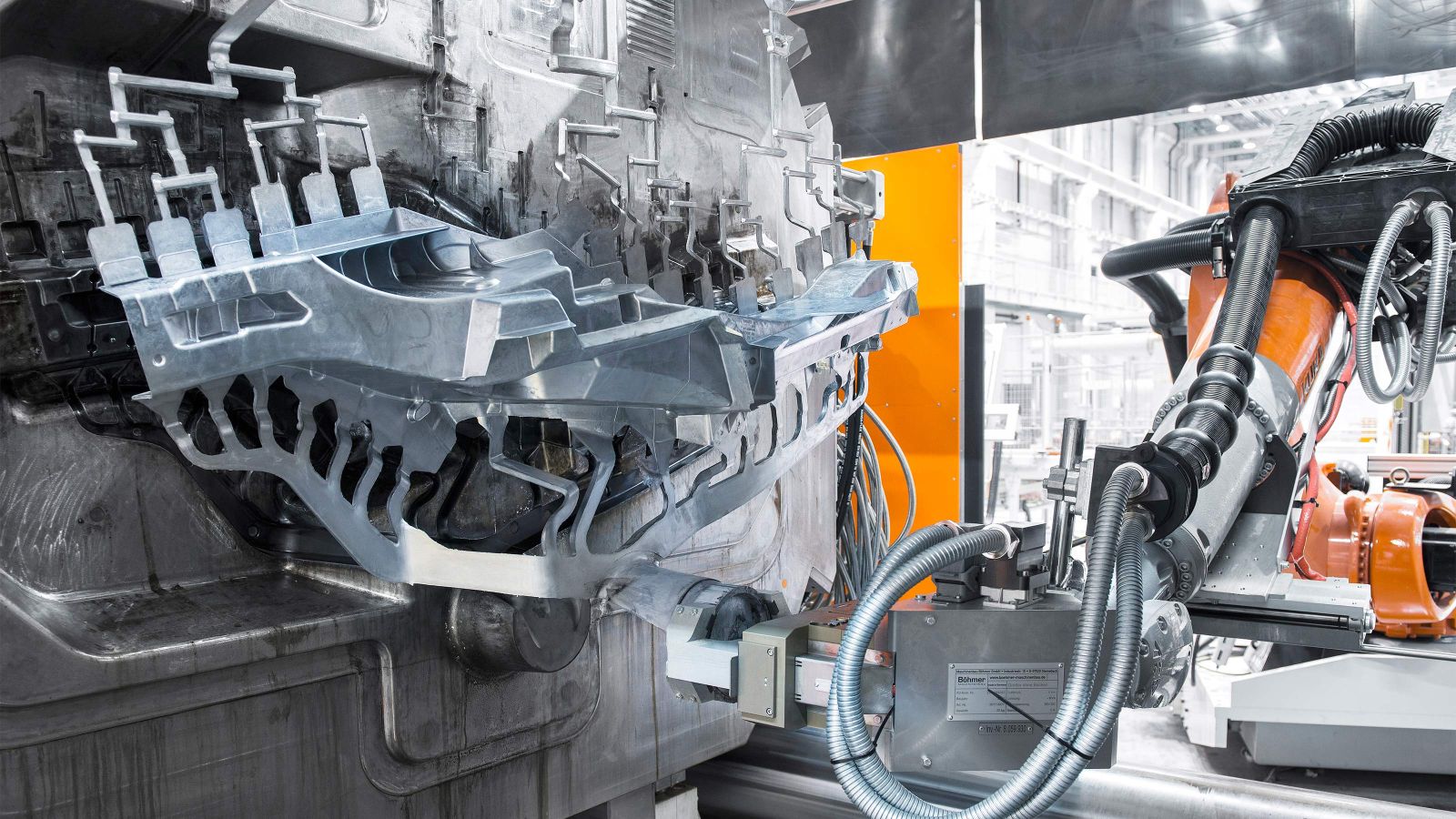
Enhancing Efficiency with Multi-Cavity Die: The High Pressure Die Casting process boasts remarkable productivity levels, contingent upon alloy type, casting size, and machine type. For aluminum alloys on cold chamber machines, production rates range from 15 to 250 cycles per hour, while zinc alloys on hot chamber machines can achieve up to 1000 cycles per hour. The introduction of multi-cavity dies has emerged as a strategy to increase production throughput and alleviate costs.
Challenges in Cost Estimation: Accurately estimating the production costs of pressure die castings proves to be intricate due to factors such as casting and die complexity. The cost calculation encompasses various elements, including utilities (energy, gas, water), materials, die, machine depreciation, equipment setup, testing, finishing, storage, packaging, labor hours, and overhead expenses. While these costs are typically fixed, the multiplicity of the pressure die cavity stands out as a variable parameter that can directly reduce the cost per casting.
Impact of Multi-Cavity Dies on Costs: Increasing the number of pressure die cavities can significantly enhance production efficiency. By simultaneously producing multiple castings per cycle, the cost per unit decreases, helping foundries reduce the overall cost of production. This approach aligns with the principle of economies of scale, as more units are manufactured in the same amount of time.
Vacuum Assistance for Quality Improvement: To maintain casting integrity and reduce gas porosity, the integration of a Vacuum System into the process proves invaluable. The study reveals that the use of vacuum assistance can lead to a substantial reduction in gas porosity, from 4% at atmospheric pressure to 1% at a vacuum of 300 mbar. This enhancement ensures that castings meet stringent quality requirements.
Optimization of Pressure Die Design: The research endeavors to optimize pressure die design by fine-tuning casting parameters. Comprehensive testing, including CT scans and microstructure analysis, aids in refining the die design. Through careful parameter selection, it becomes feasible to increase the number of cavities while maintaining casting quality and tightness.
Cost Reduction Strategies: Implementing multi-cavity dies and vacuum assistance presents an opportunity for foundries to economize the casting process. By reducing gas porosity and producing multiple units per cycle, production costs decrease. This strategy not only optimizes the casting process but also aligns with sustainability goals, as it minimizes energy consumption and material waste.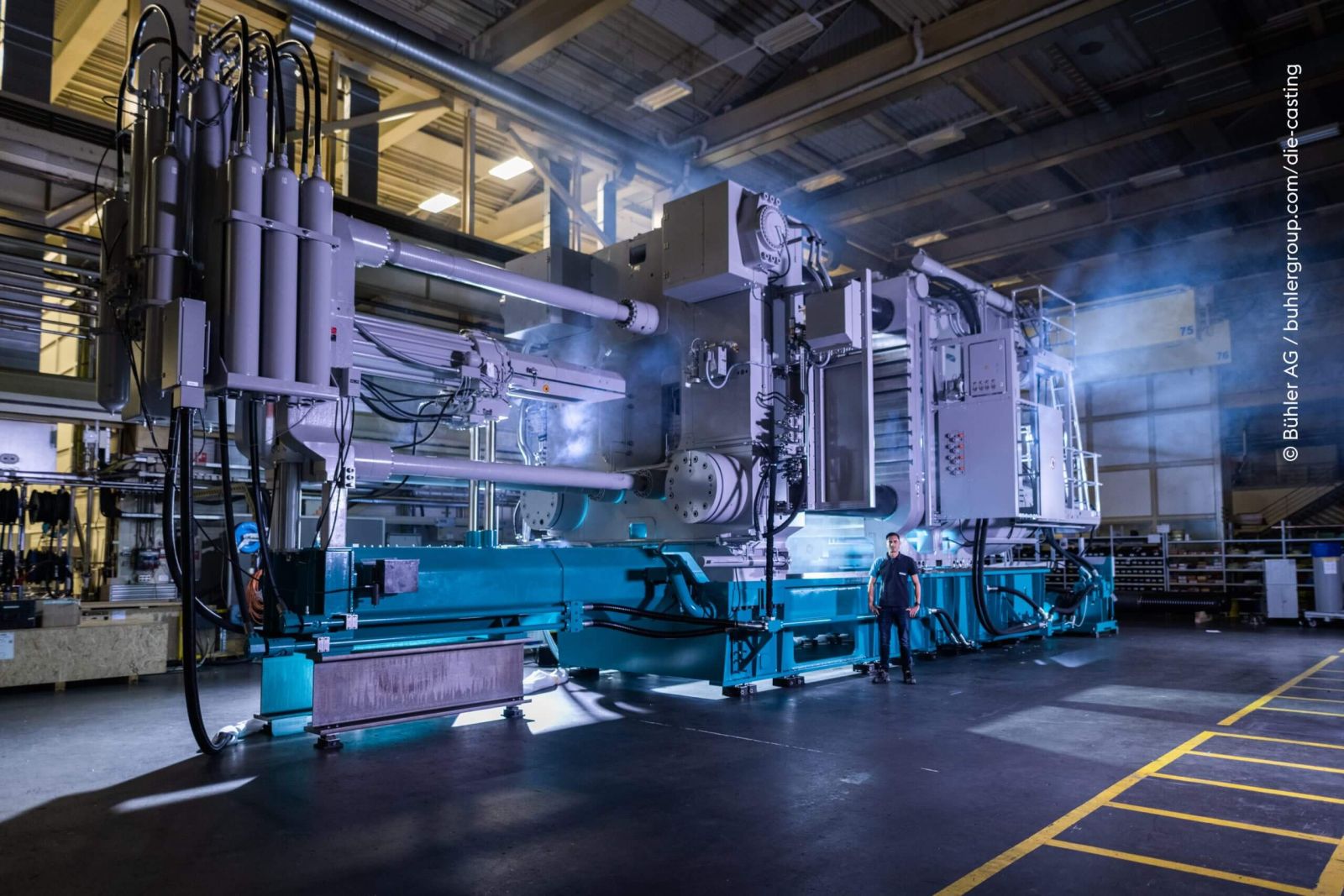
FAQs Related to Die Casting:
1. What is High Pressure Die Casting? High Pressure Die Casting is a manufacturing process that involves injecting molten metal into a die cavity at high pressures. This technique is widely used for producing intricate and high-quality metal components with tight tolerances.
2. How does Vacuum Assistance Improve Casting Quality? The Vacuum System is introduced to the casting process to reduce gas porosity in the final product. By applying vacuum pressure, trapped gases are evacuated from the molten metal, resulting in castings with fewer defects and higher structural integrity.
3. What are Multi-Cavity Dies? Multi-cavity dies refer to molds with multiple identical or mirrored cavities arranged within a single die. This design allows for the simultaneous production of multiple castings in a single cycle, thereby increasing production efficiency and lowering costs.
4. How does Die Complexity Affect Cost Estimation? The complexity of the die, including its design intricacy, size, and features, can impact the overall cost of production. More complex dies might require additional setup, maintenance, and testing, contributing to higher production expenses.
5. What are the Key Benefits of High Pressure Die Casting? High Pressure Die Casting offers rapid production rates, excellent surface finish, and tight tolerances. It's particularly suitable for manufacturing intricate and lightweight metal parts used in various industries, including automotive, aerospace, and electronics.
Conclusion: The integration of multi-cavity dies and vacuum assistance in the High Pressure Die Casting process presents a promising avenue for foundries to optimize costs while improving casting quality. The combined benefits of increased production throughput, reduced gas porosity, and enhanced casting design offer a holistic approach to achieving cost-efficient and high-quality castings. By implementing these strategies, foundries can navigate the challenges posed by rising energy and material costs, thereby ensuring their competitiveness in the market.
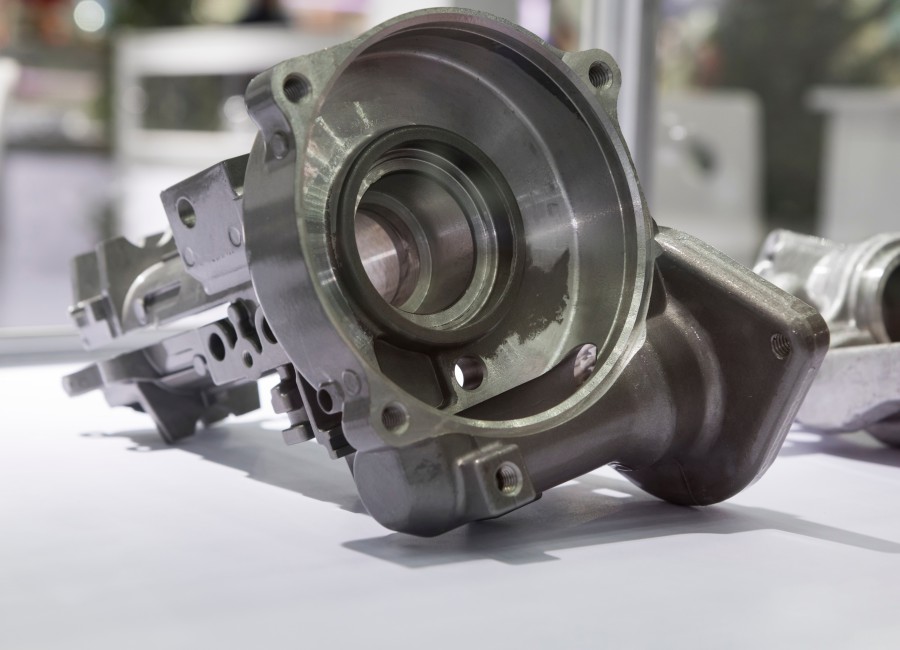
GET QUOTE
- Visit our website: https://www.nbyichou.com/
- Email us: [email protected]
- Call us/whatsapp: +86 13355741031
- Chat with us: Live chat support available on our website