Meta Description: Your ultimate guide to aluminum casting manufacturers. Explore leading global producers, compare die casting vs. sand casting, analyze profitable market trends, and learn how to select the right partner for your project's success.
Introduction: The Unseen Backbone of Modern Industry
Look around you. From the car you drive and the smartphone you use to the aerospace innovations that connect our world, a critical, often unseen manufacturing process plays a pivotal role: aluminum casting. Aluminum castings are the intricate, high-strength, and lightweight components that form the skeleton of countless products across virtually every industry.
The journey from raw alumina to a precision-engineered component is complex. For engineers, product designers, and procurement specialists, choosing the right aluminum casting manufacturer is a decision that impacts cost, performance, time-to-market, and ultimately, the success of a product. This definitive guide delves deep into the world of aluminum casting, answering your most pressing questions about global leaders, manufacturing processes, material science, and market trends to empower you to make the most informed decision possible.
What is an Aluminum Casting Manufacturer?
Before we explore the "who" and "how," let's define the "what." A casting producer is a specialized manufacturing company that creates metal parts by pouring molten metal into a mold cavity of a desired shape and allowing it to solidify. The resulting solid part is known as a casting.
An aluminum casting manufacturer specializes specifically in alloys of aluminum, leveraging its exceptional properties:
-
High Strength-to-Weight Ratio: Lighter than steel but remarkably strong, especially when alloyed.
-
Excellent Corrosion Resistance: Naturally forms a protective oxide layer.
-
High Thermal and Electrical Conductivity: Ideal for heat sinks and electrical components.
-
Excellent Machinability and Dimensional Stability: Easy to work with after casting.
-
Cost-Effectiveness: Especially when using recycled material.
These manufacturers offer a range of processes, from high-pressure aluminum die casting for high-volume parts to specialized methods like sand and investment casting for prototypes and complex geometries.
The Global Aluminum Casting Landscape: Leaders and Markets
The aluminum casting industry is a globalized and highly competitive field. Understanding the key players and geographic hubs is crucial for strategic sourcing.
Who is the largest producer of castings in the world?
While it's difficult to crown a single "largest" producer due to different specializations (automotive, industrial, etc.), several giants dominate the landscape. Companies like Nemak (Mexico), primarily serving the automotive industry, and Ryobi Limited (Japan) are consistently ranked among the world's largest and most successful aluminum casting producers. Other major players include Gibbs Die Casting Group (U.S.), Martinrea Honsel (Germany), and Rheinmetall Automotive (Germany).
What country produces the most cast iron? (And Aluminum?)
This question often correlates with overall metal casting dominance. China is the undisputed world leader in total castings production, accounting for over half of the world's output for both cast iron and aluminum castings. This is driven by its massive domestic manufacturing base and export economy. Following China, other major producers include India, the United States, Germany, and Japan. The largest manufacturer of aluminum (as a raw material) in the US is Alcoa, followed by Century Aluminum.
How big is the aluminum casting market?
The global aluminum casting market is substantial and growing. Valued at over $70 billion in 2023, it is projected to grow at a compound annual growth rate (CAGR) of 5-7% over the next decade. This growth is fueled by rising demand from the automotive (especially electric vehicles), aerospace, and construction sectors.
A Deep Dive into Aluminum Casting Processes
How are most aluminum castings made? The answer isn't singular. The chosen method depends on volume, complexity, required tolerances, and cost. Here are the three primary methods offered by leading manufacturers.
1. High-Pressure Die Casting (HPDC)
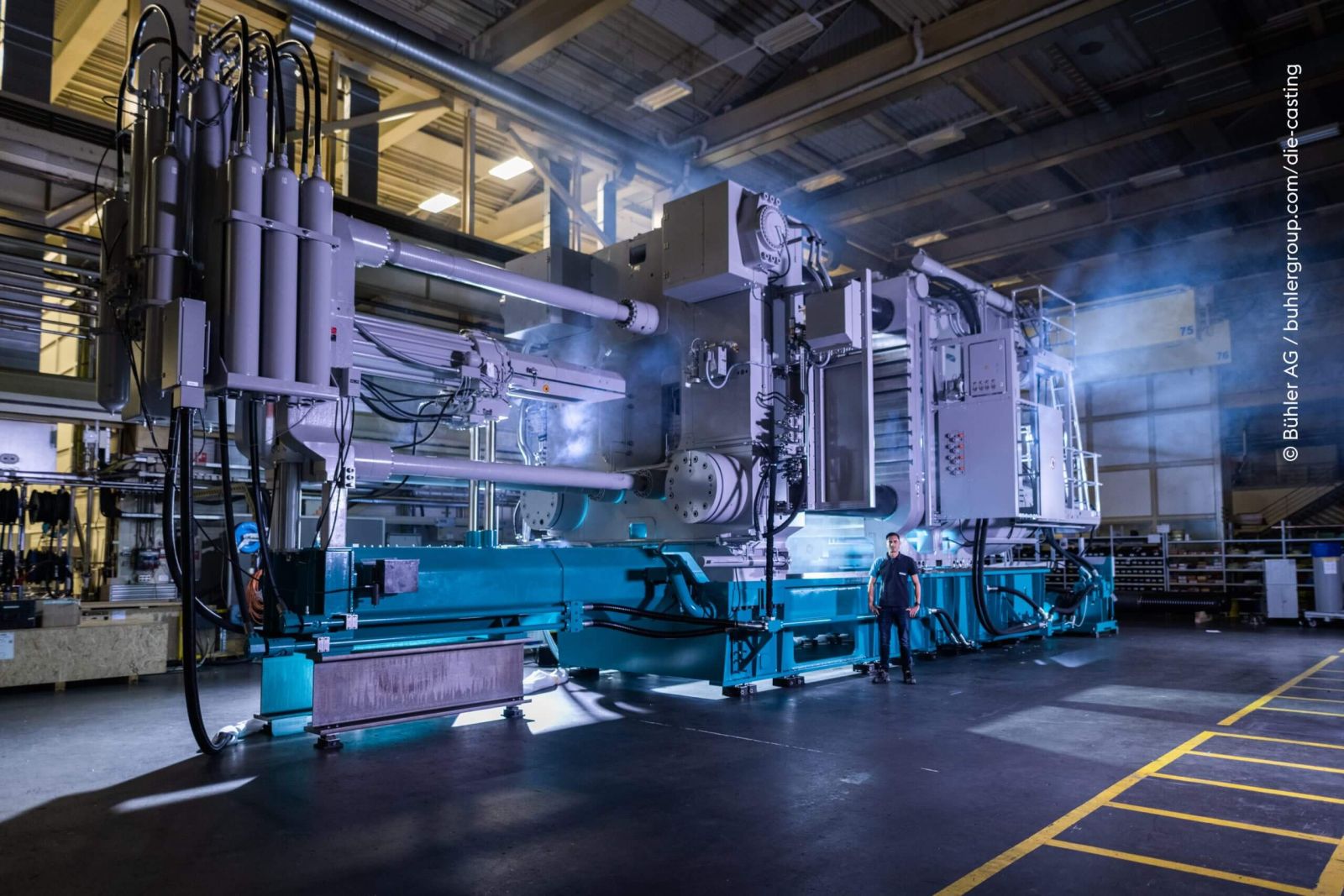
High pressure aluminum die casting is the workhorse of the industry for high-volume production. It involves forcing molten aluminum under intense pressure (hundreds to thousands of psi) into a hardened steel mold, called a die.
-
Process: The two halves of the die are clamped together. Molten aluminum is injected into the die cavity at high speed and pressure. It rapidly cools and solidifies, the die opens, and the casting is ejected.
-
Advantages:
-
High Production Rates: Thousands of castings can be produced per day.
-
Excellent Dimensional Accuracy and Surface Finish: Minimal post-machining required.
-
Thin Walls: Capable of producing complex parts with very thin walls.
-
-
Applications: Automotive components (transmission cases, engine blocks), electronic housings, power tools, consumer appliances.
2. Sand Casting
Sand casting is one of the oldest and most versatile processes.
-
Process: A mold is formed from a sand mixture around a pattern of the desired part. The pattern is removed, leaving a cavity. Molten aluminum is poured into this sand cavity gravity-fed.
-
Advantages:
-
Ideal for Large Parts: Can produce massive castings (engine blocks, pump housings).
-
Low-Cost Tooling: Sand molds are cheaper than metal dies.
-
High Flexibility: Suitable for low-volume runs and prototype aluminum castings.
-
-
Applications: Large engine components, marine hardware, architectural pieces.
3. Investment Casting (Lost-Wax Casting)
Investment casting is renowned for its ability to produce parts with exceptional detail and complexity.
-
Process: A wax pattern of the part is created and coated in a ceramic slurry to form a shell. The wax is melted out ("lost"), leaving a hollow ceramic mold. Molten aluminum is then poured into this mold.
-
Advantages:
-
Superior Surface Finish and Complexity: Can capture intricate details impossible with other methods.
-
Excellent Dimensional Accuracy: Minimal finishing required.
-
Wide Alloy Selection: Including those difficult to cast other ways.
-
-
Applications: Aerospace components (turbine blades), medical instruments, military hardware, complex mechanical parts.
What is the difference between cast aluminum and die cast aluminum?
This is a common point of confusion. "Cast aluminum" is the broad umbrella term for any part made by pouring molten aluminum into a mold. Die casting is a specific type of casting using a reusable metal die and high pressure. Therefore, all die cast parts are cast aluminum, but not all cast aluminum parts are die cast (they could be sand cast or investment cast).
Material Science: Choosing the Right Aluminum Alloy
Not all aluminum is created equal. Alloying elements like silicon, copper, magnesium, and zinc are added to enhance specific properties like strength, fluidity, or corrosion resistance.
What is the most common cast aluminum?
For high-pressure die casting, the most common alloys are A380 and A383 (ADC12). They offer an excellent combination of castability, strength, and cost-effectiveness.
-
A360: Offers superior corrosion resistance and pressure tightness.
-
A380/A383: Excellent fluidity, strength, and machinability. The industry standard.
For sand casting and investment casting, A356 is arguably the best aluminum for casting where heat treatment is required. It responds excellently to T6 heat treatment, significantly enhancing its strength and durability, making it one of the strongest cast aluminum alloys for general applications.
What is the best aluminum alloy for investment casting?
A356 is again a top contender due to its superb casting characteristics and responsiveness to heat treatment. Other alloys like 355 and 357 are also frequently used for high-integrity aerospace and military applications where strength and reliability are paramount.
What is the raw material for aluminium casting?
The primary raw material is either primary aluminum (produced from alumina) or, more commonly and sustainably, secondary aluminum from recycled scrap. The use of recycled content is a major advantage, reducing the environmental footprint and cost of cast components.
Cast vs. Forged vs. Extruded: A Critical Comparison
A key part of the design process is selecting the right manufacturing method.
Is cast or forged aluminum better?
"Better" is entirely application-dependent.
-
Forged Aluminum: Involves shaping solid aluminum using compressive forces. It produces parts with superior strength and toughness due to the unbroken grain flow that follows the part's shape. It is ideal for high-stress, safety-critical components like aircraft landing gear or automotive suspension parts.
-
Cast Aluminum: Allows for far more complex shapes, internal passages, and thin walls that are impossible to forge. It is generally more cost-effective for medium to high-volume complex parts.
Verdict: Need ultimate strength and toughness for a relatively simple shape? Forge. Need a complex, net-shape part at volume? Cast.
What's the difference between extruded aluminum and cast aluminum?
Extrusion involves forcing heated aluminum billet through a die to create long, continuous shapes with a fixed cross-sectional profile (like window frames or heat sinks). It is not a casting process. You cannot extrude a engine block, and you would not cast a 20-foot long aluminum rail. The processes serve completely different purposes.
Market Trends, Economics, and Future Outlook
Is there a high demand for aluminum? Is aluminium profitable?
Absolutely yes. The demand for aluminum castings is robust and growing. The drive for lightweighting across automotive and aerospace to improve fuel efficiency and reduce emissions is the single biggest driver. The rapid growth of Electric Vehicles (EVs), which use significantly more aluminum castings (e.g., for battery housings and motor components) than internal combustion engines, is creating a massive new market. This makes a well-run aluminum casting company a profitable venture.
Is the aluminum can industry growing?
Yes. The demand for sustainable packaging is skyrocketing. Aluminum cans are infinitely recyclable, and consumer preference for them over plastic is strong. This growth fuels demand for specialized aluminum alloys and casting/forming technologies.
What is the price trend for aluminum?
Aluminum prices are volatile and tied to global energy costs (as smelting is energy-intensive), supply chain dynamics, and geopolitical factors. While prices fluctuate, the long-term price trend for aluminum is expected to remain stable to upward due to consistent high demand.
Is cast aluminum more expensive than aluminum?
This question confuses raw material with a finished product. Cast aluminum refers to a finished, shaped component. Aluminum is the raw commodity. The cost of a cast aluminum part includes the raw metal, tooling (mold/die cost), energy, labor, and machining. Therefore, a cast part is significantly more expensive per kilogram than the raw aluminum commodity, but it is the value-added form that is used in products.
How to Choose an Aluminum Casting Manufacturer for Your Project
Selecting the right partner is critical. Here’s what to consider beyond just price:
-
Process Expertise: Does your project require high pressure aluminum die casting, sand casting, or investment casting? Choose a manufacturer specializing in that process.
-
Prototyping Capability: Who makes prototype aluminum castings? Many manufacturers offer prototyping services using 3D-printed sand molds or CNC-machined samples to de-risk production before investing in expensive hard tooling.
-
Vertical Integration: Does the manufacturer offer secondary services like machining, finishing, painting, and assembly? This simplifies your supply chain and ensures quality control.
-
Industry Experience: Have they produced parts for your industry (automotive, medical, aerospace)? Familiarity with industry-specific standards (IATF 16949, AS9100) is a huge advantage.
-
Quality Systems: Ensure they have robust quality control processes, from spectrographic alloy analysis to coordinate measuring machine (CMM) inspection.
-
Location and Logistics: While aluminium die casting manufacturers in China may offer lower piece prices, consider total landed cost, lead times, communication ease, and intellectual property protection. Local manufacturers (e.g., in the US or UK) can offer greater agility and collaboration.
Conclusion: Partnering for Precision and Performance
Aluminum casting is a dynamic, essential, and technologically advanced field that continues to evolve. From the world's largest casting producers supplying global automakers to specialized aluminium casting manufacturers creating bespoke prototypes, the industry is at the heart of modern manufacturing.
Understanding the nuances of processes, materials, and the global market landscape empowers you to make smarter decisions. Whether you're determining if cast aluminum is a good product for your application (it likely is) or selecting the best aluminum for fabrication post-casting, the knowledge you've gained here is your first step toward a successful project.
The journey doesn't end here. The most successful products are built on strong collaborations between designers and manufacturers. If you're evaluating aluminum die casting manufacturers for your next project, look for a partner that offers not just technical capability, but also engineering support and a commitment to quality that matches your own.
GET QUOTE
- Visit our website: https://www.nbyichou.com/
- Email us: [email protected]
- Call us/whatsapp: +86 13355741031
- Chat with us: Live chat support available on our website