Introduction
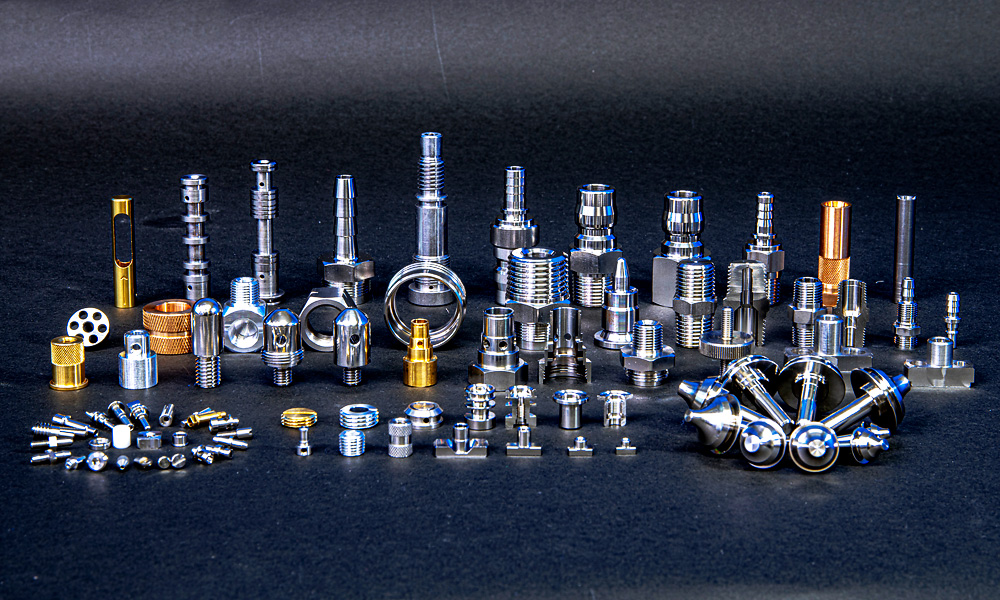
In the world of fluid conveyance, structural frameworks, and mechanical systems, the integrity of the entire system hinges on one critical element: the connection. Whether you're a seasoned engineer, a dedicated DIY enthusiast, or a procurement manager sourcing parts for a large-scale project, knowing how to properly join materials is paramount. Aluminum, with its exceptional blend of strength, light weight, and corrosion resistance, has become a material of choice across industries from aerospace and automotive to construction and home brewing.
However, working with aluminum presents unique challenges, especially when it comes to creating strong, reliable, and leak-proof joints. The questions we've gathered from potential customers like you—"How to join without welding?", "What types of fittings are there?", "Can solder stick to aluminum?"—highlight a common need for clear, authoritative information.
This ultimate guide is designed to be your comprehensive resource. We will delve deep into the world of aluminum pipe fittings, exploring all joining methods, detailing fitting types, and providing practical solutions to your most pressing questions. By the end, you'll be equipped with the knowledge to choose the right connection method for your specific application.
Why Choose Aluminum Pipes?
Before we dive into fittings, it's worth understanding why aluminum is such a popular choice. Its properties offer distinct advantages over other common materials like steel, copper, or PVC:
-
Lightweight: Aluminum is about one-third the weight of steel, making it easier to transport, handle, and install. This reduces structural support needs and overall system weight, crucial in automotive and aerospace applications.
-
Corrosion Resistance: Aluminum naturally forms a protective oxide layer when exposed to air, giving it excellent resistance to rust and corrosion. This makes it ideal for outdoor applications, marine environments, and systems involving moisture.
-
Strength-to-Weight Ratio: Certain aluminum alloys (e.g., 6061-T6) offer remarkable strength while maintaining their light weight, rivaling the performance of some steels.
-
Conductivity: It is an excellent conductor of heat and electricity, making it suitable for heat exchangers, radiator tubes, and electrical bus bars.
-
Machinability and Workability: Aluminum is relatively soft and easy to cut, drill, and form compared to steel.
-
Recyclability: Aluminum is 100% recyclable without any loss of its inherent properties, making it an environmentally friendly choice.
How to Join Aluminum Pipes: An Overview
Joining aluminum pipes can be broadly categorized into two methods: permanent and non-permanent (demountable).
-
Permanent Joints are intended to be lasting and are often difficult to disassemble without destroying the component. This includes welding, brazing, soldering, and adhesive bonding. These are typically used where high strength and pressure integrity are critical.
-
Non-Permanent Joints are designed to be assembled and disassembled multiple times for maintenance, repair, or system reconfiguration. This includes all mechanical fittings like compression, push-to-connect, and flanged joints.
The best method for your project depends on several factors:
-
Application: Is it for structural support, fluid transfer, or gas lines?
-
Pressure and Temperature: What are the operational requirements of the system?
-
Skill Level and Tools: Do you have access to a welder, or do you need a simple hand-tool solution?
-
Budget: What are the cost constraints for both parts and labor?
-
Need for Disassembly: Will the connection ever need to be taken apart?
Types of Aluminum Pipe Fittings
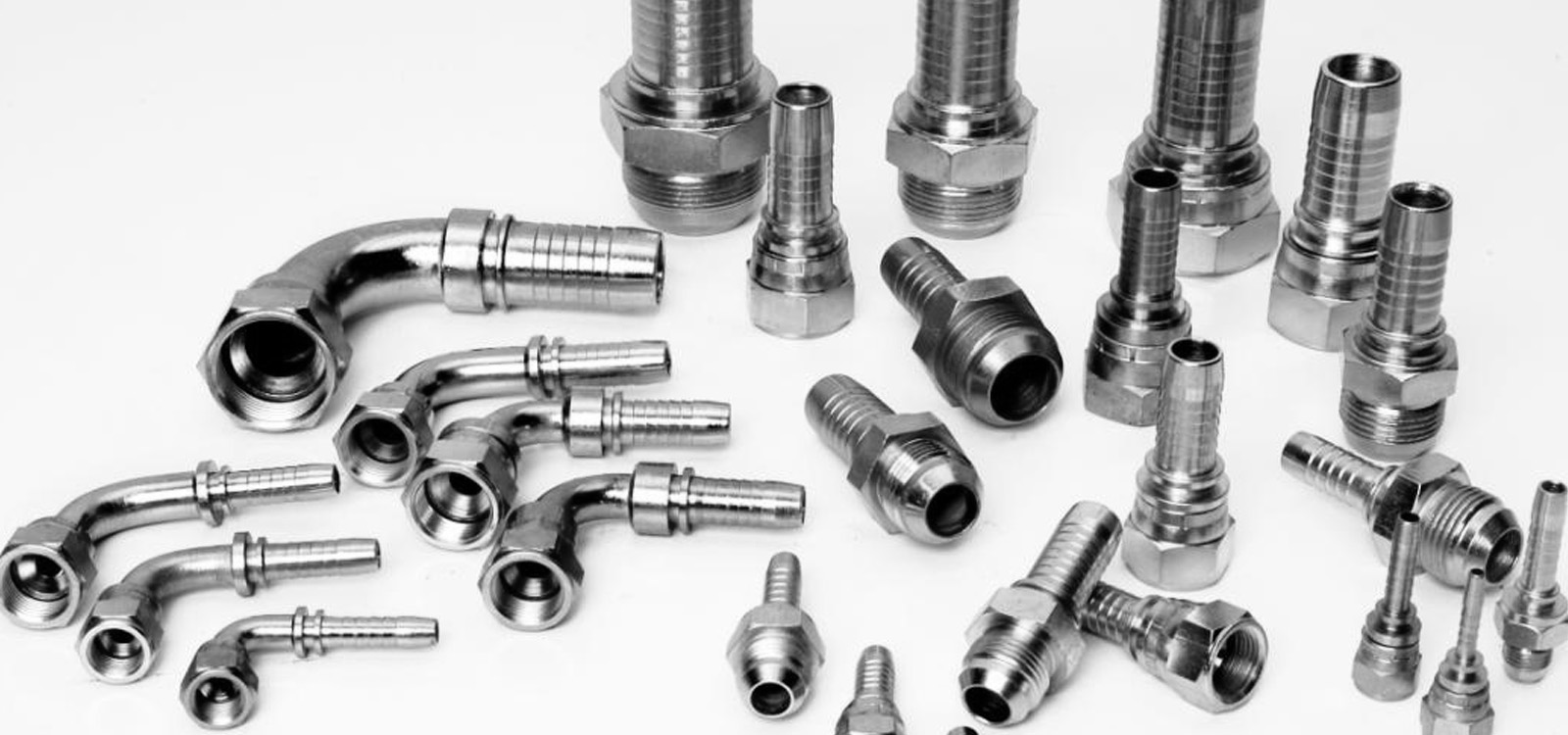
Understanding the different types of fittings is the first step to choosing the right one. Here’s a breakdown of the most common categories used with aluminum piping.
1. Mechanical Fittings
These are the go-to solutions for creating strong, leak-tight connections without specialized heat tools.
-
Compression Fittings: These are incredibly popular for their ease of use and reliability. A compression fitting typically consists of a body, a compression nut, and a ferrule (or olive). As the nut is tightened, it compresses the ferrule onto the pipe, creating a secure seal. They are excellent for medium-pressure applications and can be used with soft aluminum tubing.
-
Push-to-Connect Fittings: A modern and user-friendly option. These fittings allow you to simply push a prepared pipe end into the fitting until it clicks, creating an instant seal. An internal O-ring provides the seal, and a stainless-steel grip ring holds the pipe in place. To release, you push the collet down and pull the tube out. They are perfect for quick installations and systems requiring frequent changes.
-
Flanged Fittings: Used for connecting larger diameter pipes or where a connection needs to be broken regularly. Two flanges are aligned and bolted together with a gasket in between to create a seal. They provide very high strength and are common in industrial piping systems.
2. Threaded Fittings
These fittings use screw threads to connect components.
-
Types: Common thread standards include NPT (National Pipe Taper) and BSPP (British Standard Pipe Parallel).
-
Advantages: They are widely available and allow for easy disassembly.
-
Limitations: Achieving a leak-tight seal often requires the use of thread sealant tape or paste. Over-tightening can easily damage aluminum threads. They are not generally recommended for high-vibration environments as they can loosen over time.
3. Welded Fittings
For permanent, high-strength, high-pressure applications, welding is the gold standard.
-
Butt Weld Fittings: The pipe and fitting are beveled and welded around the circumference, creating a smooth interior surface and a very strong joint. This is the preferred method for critical industrial systems.
-
Socket Weld Fittings: The pipe is inserted into a recessed "socket" within the fitting and welded around the collar. While easier to align than butt welds, they create a slight internal ridge.
4. Specialty Fittings
This category includes adapters for specific purposes.
-
Slip-On/Clamp Fittings: Often used with extruded aluminum framing (e.g., 80/20), these use set screws or clamps to secure pipes or bars to connecting nodes.
-
Material Adapters: Essential for connecting aluminum to other metals (like copper or steel) while preventing galvanic corrosion. They often incorporate a dielectric union—a plastic or rubber sleeve that breaks the electrical connection between the two dissimilar metals.
How to Join Aluminum Without Welding
Welding aluminum requires skill and expensive equipment. Fortunately, there are numerous effective alternatives.
1. Mechanical Joining
This is often the best all-around solution for most non-industrial applications.
-
Using Compression Fittings:
-
Cut the pipe cleanly and squarely using a tube cutter.
-
Deburr the inside and outside edges of the pipe to remove any sharp fragments.
-
Slide the compression nut onto the pipe, followed by the ferrule.
-
Insert the pipe fully into the fitting body.
-
Hand-tighten the nut, then use a wrench to give it another one to two turns. Do not over-tighten, as this can deform the ferrule and tube, weakening the joint.
-
-
Using Flanges:
-
The pipe end is typically welded or welded/rolled to a stub end, which then bolts to the flange plate.
-
Align the bolt holes of the two flanges.
-
Insert the bolts and hand-tighten the nuts.
-
Follow a cross-pattern tightening sequence (like tightening a car tire lug nut) to ensure the gasket is compressed evenly for a perfect seal.
-
2. Adhesive Bonding
High-performance epoxies and specialized metal adhesives (like JB Weld) can create surprisingly strong bonds between aluminum parts.
-
Process: Surfaces must be meticulously cleaned and abraded (roughened with sandpaper) to ensure proper mechanical adhesion. The adhesive is applied, the parts are clamped together, and then left to cure fully as per the manufacturer's instructions.
-
Best For: Non-structural applications, sealing small leaks, or bonding parts that are also mechanically fastened.
3. Riveting and Bolting
A classic mechanical fastening method.
-
When to Use: Ideal for joining aluminum sheets or structural members where a seam is being created rather than joining two pipe ends. Pop rivets (blind rivets) are especially useful when you only have access to one side of the workpieces.
-
Considerations: Always use aluminum or stainless steel fasteners to avoid galvanic corrosion.
4. Brazing and Soldering Aluminum
This is a common point of confusion. Yes, you can join aluminum with heat without technically "welding."
-
The Challenge: Aluminum’s oxide layer has a much higher melting point than the base metal itself. This must be broken down for the filler metal to flow.
-
The Solution: Specialized fluxes and filler metals are required. The flux chemically disrupts the oxide layer when heated.
-
Process:
-
Thoroughly clean the joint area with a wire brush or sandpaper.
-
Apply the flux.
-
Heat the joint evenly with a torch until the flux becomes clear and active.
-
Touch the brazing or soldering rod (e.g., Aluxcor® or Durafix® rods) to the joint. It should melt and flow into the seam via capillary action.
-
-
Result: This creates a strong, permanent metallic bond that is stronger than adhesive but typically not as strong as a full weld. It's excellent for repairs and fabrications where welding isn't an option.
How to Connect Aluminum to Other Metals
A critical question we hear is, "How to connect aluminum and copper pipes?" This must be done carefully to avoid galvanic corrosion (also known as bimetallic corrosion). When two dissimilar metals are electrically connected in the presence of an electrolyte (like water), one metal (the less "noble" one, which is aluminum) will corrode faster than it would alone.
-
The Solution: Dielectric Unions. This is the most important tool in your kit. A dielectric union is a fitting that mechanically joins the two pipes but electrically insulates them from each other. It usually has a plastic sleeve or a rubber gasket that breaks the electrical circuit, preventing the electrochemical reaction that causes corrosion.
-
Alternative: Using a brass fitting between the aluminum and copper can also help, as brass is electrochemically closer to both metals, but a dedicated dielectric union is always the best practice.
Common Challenges and Solutions
-
How to fix broken aluminum pipe: For a cracked pipe, clean the area thoroughly and use an aluminum epoxy putty as a temporary seal. For a permanent repair, the best method is to cut out the damaged section and insert a new piece using two compression couplings or a slip-coupled repair (if brazing/welding).
-
How to join pipes without fittings: This is very difficult to do reliably. The best "fitting-less" methods would be welding or brazing, which technically fuse the metals together. For a mechanical connection, a fitting of some kind is almost always required.
-
How to bend aluminum pipe without cracking: Use a pipe/tube bender designed for the specific diameter. For softer tempers (like 6063), you can often bend it by hand with a spring bender. For harder alloys or tighter bends, a mandrel bender is essential—it supports the inner wall of the tube during bending to prevent kinking and collapsing. Always anneal (heat-treat to soften) the aluminum first if you need to make a complex bend on a hard alloy.
FAQs About Aluminum Pipe Fittings
Q: Can you solder aluminum?
A: Yes, but not with standard lead-tin solder. You must use a specialized aluminum solder and a highly active flux designed to break through the aluminum oxide layer. The process requires careful temperature control.
Q: Can you stick weld aluminum?
A: It is possible but very challenging and not recommended for beginners or critical joints. Stick welding (SMAW) for aluminum requires specific DCEN electrodes and is prone to porosity and inclusions. TIG (GTAW) or MIG (GMAW) welding with a spool gun are the vastly superior methods for welding aluminum.
Q: What is the strongest way to join aluminum pipe?
A: A full-penetration butt weld performed correctly is the strongest possible joint, often as strong as or stronger than the parent material. For mechanical joints, high-pressure compression fittings and flanged connections offer the greatest strength.
Q: How long does aluminum pipe last?
A: In most environments, aluminum piping can last for 50 years or more due to its excellent corrosion resistance. Its lifespan can be shortened in highly acidic or alkaline environments or if connected to dissimilar metals without proper isolation.
Q: Is aluminum or PVC stronger?
A: This depends on the context. Aluminum has a much higher tensile strength and can handle higher temperatures and pressures. PVC is more flexible and resistant to certain chemicals. For structural applications or those involving heat, aluminum is stronger. For cold water drainage and certain chemical lines, PVC may be sufficient and more cost-effective.
Q: What are the most common fittings?
A: The most common types are Elbows (for changing direction), Tees (for branching off), Couplings (for connecting two pipes), Reducers (for connecting pipes of different diameters), and Caps (for closing off an end).
Why Choose Our Aluminum Pipe Fittings?
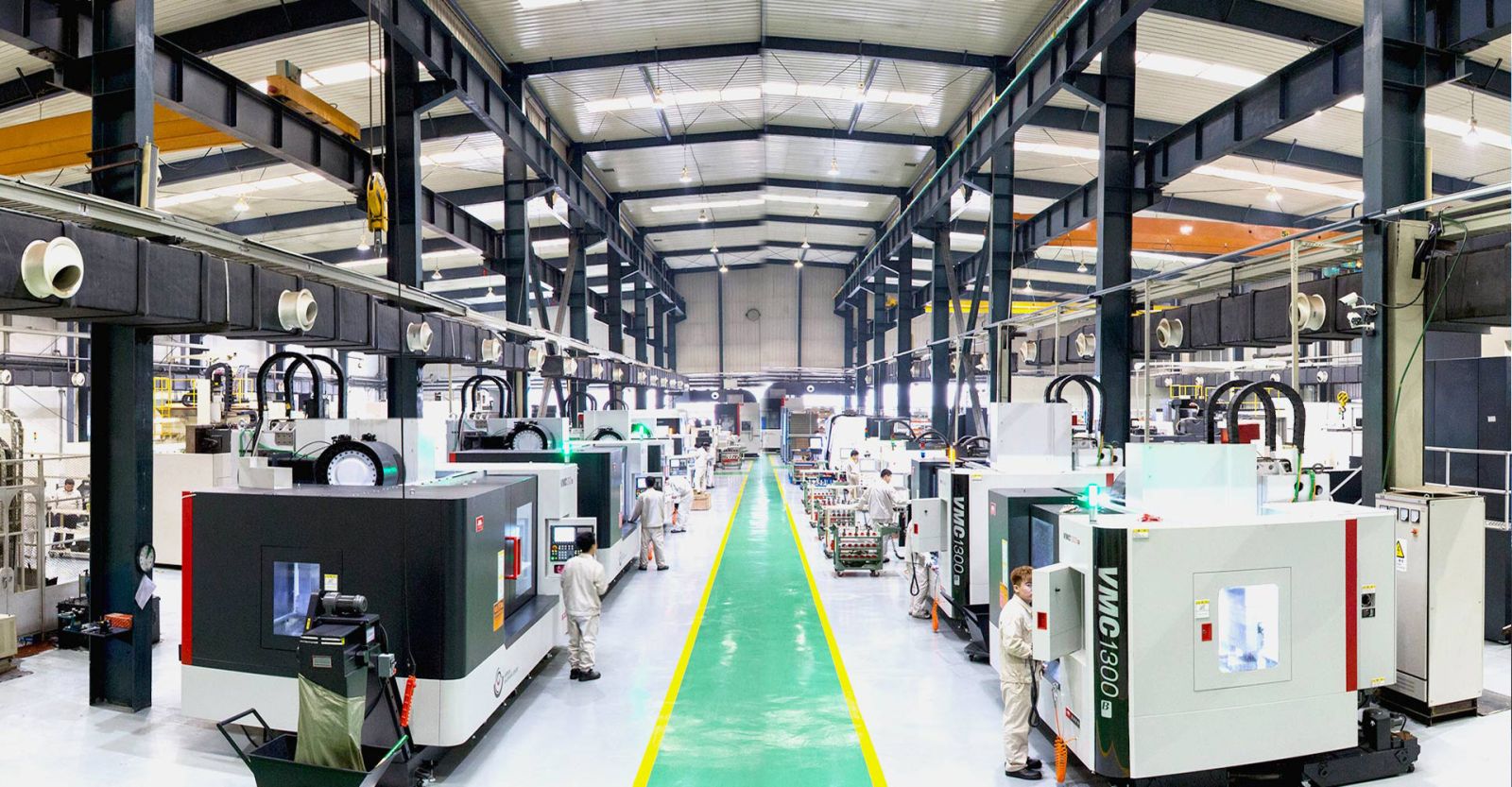
As a manufacturer, we don't just sell parts; we provide solutions. Our aluminum pipe fittings are engineered with precision and manufactured to the highest quality standards to ensure reliability and performance you can trust.
-
Premium Materials: We use high-grade aluminum alloys that offer superior strength and corrosion resistance.
-
Precision Machining: Our fittings are machined to exact tolerances, ensuring perfect alignment and leak-tight seals every time.
-
Complete Range: From standard compression fittings to specialized dielectric unions and flanges, we offer one of the most comprehensive catalogs in the industry.
-
Expert Support: Our technical team can help you select the perfect fitting for your specific application, pressure rating, and material compatibility needs.
-
Certified Quality: Our products meet relevant industry standards, giving you peace of mind for both personal and professional projects.
Conclusion
Navigating the world of aluminum pipe fittings doesn't have to be daunting. Whether your priority is the permanent strength of a weld, the convenience of a push-to-connect fitting, or the versatility of a compression joint, there is a perfect solution for your project. By understanding the properties of aluminum, the types of fittings available, and the principles behind proper joining techniques, you can build systems that are strong, durable, and leak-free.
Get in Touch with Yichou
- Email us: [email protected]
- Call us/whatsapp: +86 13355741031
- Chat with us: Live chat support available on our website