Introduction
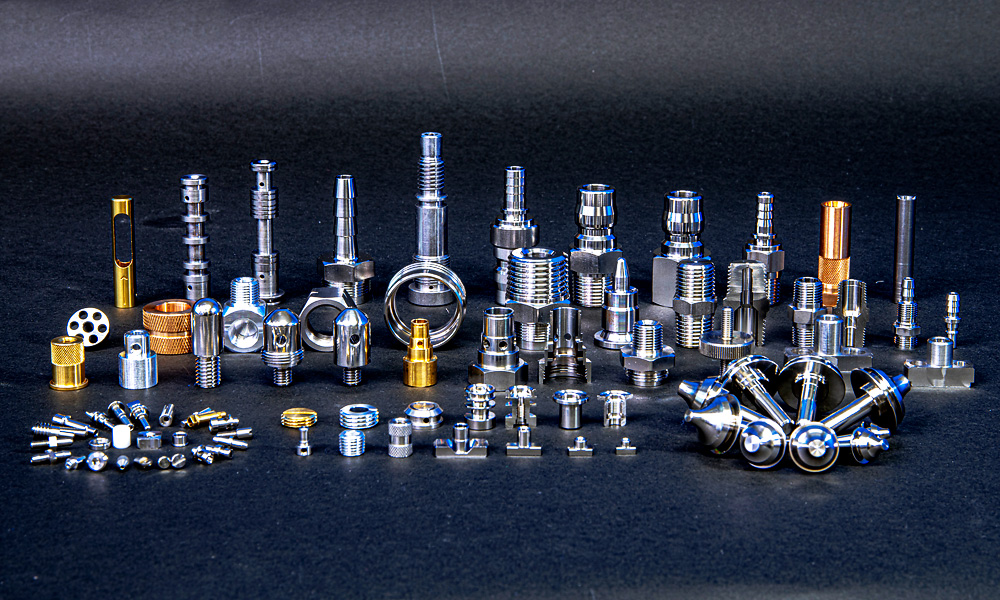
In the intricate world of industrial plumbing, chemical processing, and high-performance construction, the unsung heroes are often the components that hold everything together: pipe fittings. While pipes carry the fluids, it's the fittings—the elbows, tees, couplings, and reducers—that direct, control, and connect the flow, making them critical to any system's integrity.
Among the myriad materials available, stainless steel stands out as a premier choice. Renowned for its exceptional strength, impressive durability, and superior corrosion resistance, stainless steel pipe fittings are the go-to solution for applications where failure is not an option. However, selecting the right fitting involves navigating a complex landscape of types, grades, and installation methods.
Whether you're an engineer specifying a new system, a plumber on a complex job, or a procurement manager ensuring quality, you likely have questions. This ultimate guide is designed to be your definitive resource, answering all your frequently asked questions and helping you make informed decisions about stainless steel pipe fittings.
Chapter 1: Understanding the Types of Stainless Steel Pipe Fittings
Before diving into materials, it's crucial to understand the components themselves. The type of fitting you choose is dictated by its function within the system.
1.1. The Most Common Types of Fittings
-
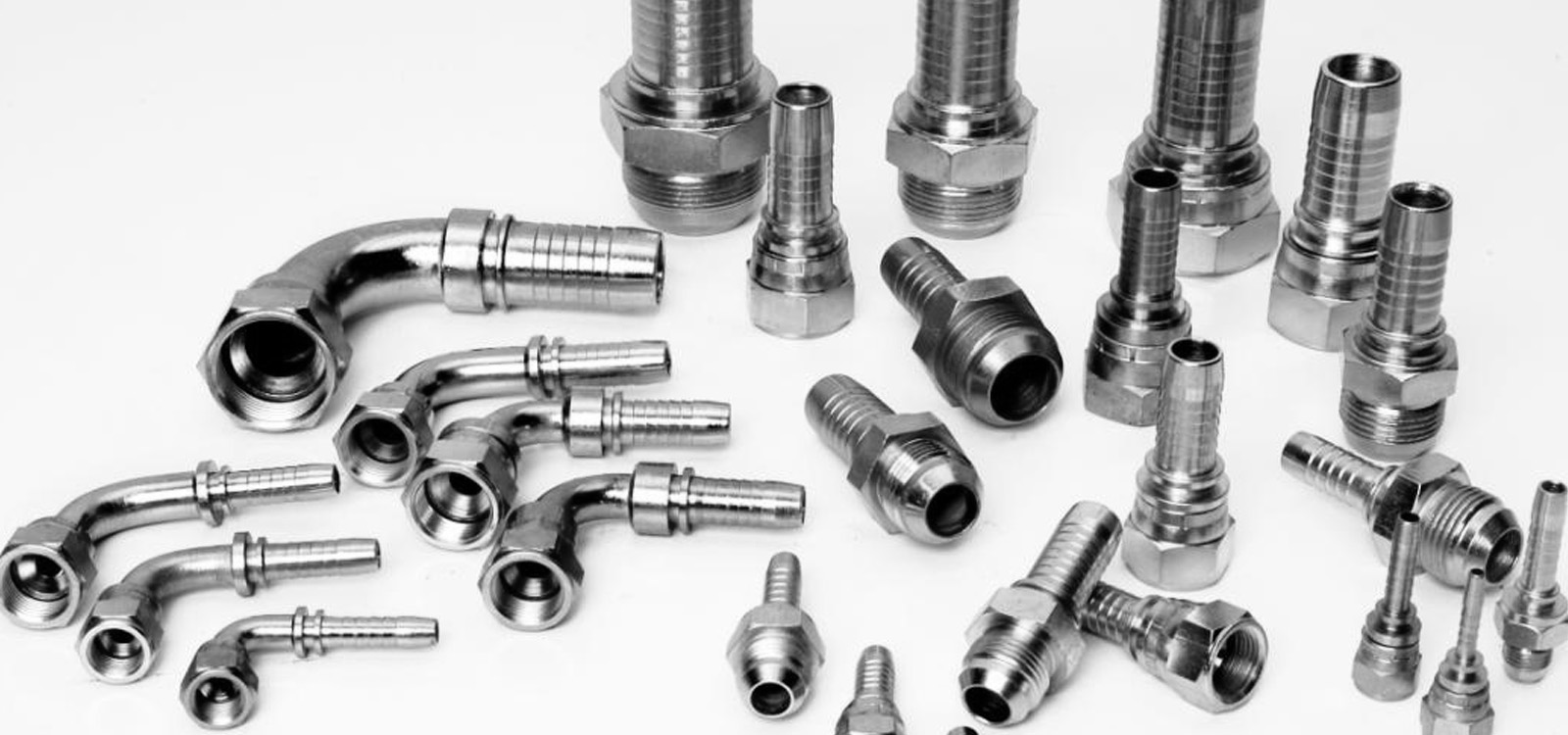
Elbows: Used to change the direction of flow. The most common angles are 90 degrees and 45 degrees. They can be "short radius" (for tighter turns) or "long radius" (for a more gradual bend and reduced pressure drop).
-
Tees: Shaped like a "T," they allow a pipeline to be split into two directions or to combine flow from two sources into one. A "reducing tee" has one or more outlets of a different size than the main run.
-
Reducers: Used to connect pipes of different diameters. Concentric reducers are symmetrical and are used in vertical pipelines. Eccentric reducers have one edge straight, preventing air accumulation in horizontal pipes.
-
Couplings & Unions: Both are used to connect two pipes. A coupling is a permanent connection, while a union is designed to be easily disconnected for maintenance or repair without twisting the pipes.
-
Caps and Plugs: These are used to seal the end of a pipe. A cap fits over the outside of a pipe, while a plug is inserted into the end of a pipe (typically used for NPT threaded ends).
-
Crosses: Less common than tees, these have four outlets and are used where four pipelines need to meet at a single point. They experience higher stress and require proper support.
-
Bushings: Used to reduce the size of a threaded fitting. They are threaded on both the inside and outside and are smaller than couplings and unions.
1.2. Connection Types: How Fittings Join Pipes
The way a fitting connects to a pipe is as important as the fitting itself.
-
Threaded (NPT/BSP): These fittings have tapered threads (NPT in the US, BSP in many other countries) that create a seal when the threads are tightened and often used with a thread sealant. They are popular for smaller diameters and where disassembly might be needed.
-
Socket Weld: The pipe is inserted into a "socket" in the fitting and then welded around the rim. This provides strong, leak-proof connections suitable for high-pressure applications but is not ideal for systems requiring frequent disassembly.
-
Butt Weld: The pipe and fitting have beveled ends and are welded together, creating a smooth, continuous bore with minimal pressure drop and exceptional strength. This is the preferred method for high-integrity, permanent applications in critical industries.
-
Flanged: Flanges are not fittings themselves but are used with fittings. They bolt together with a gasket between them, allowing for easy access, inspection, and modification. Ideal for large pipe diameters and connecting to equipment like valves and pumps.
1.3. Seamless vs. Welded Fittings: Which is Better?
This is a common and crucial question. The answer depends on the application.
-
Seamless Fittings: These are manufactured from a solid piece of stainless steel that is heated and formed into shape without any welding. The primary advantage is homogeneous structure—no weak points, making them stronger and more reliable for high-pressure, high-temperature, and critical service applications (e.g., steam lines, hazardous chemicals). They are typically more expensive.
-
Welded Fittings: These are formed from a plate or sheet of stainless steel that is rolled and welded along the seam. Modern manufacturing techniques produce high-quality welded fittings with excellent integrity. They are more cost-effective and perfectly suitable for a vast range of medium and low-pressure applications, such as water lines, food processing, and architectural applications.
Verdict: For maximum reliability under extreme conditions, seamless is better. For most general applications where cost is a factor and pressures are within standard ranges, high-quality welded fittings are an excellent and reliable choice.
Chapter 2: Demystifying Stainless Steel Grades: 304 vs. 316 and More
The "stainless" property comes from a thin, invisible layer of chromium oxide that forms on the steel's surface. Different grades add other elements to enhance specific properties.
2.1. The Basics: 304, 316, and the "18/8" Mystery
The numbers 304 and 316 refer to ASTM standards and define the chemical composition. The key difference lies in the addition of Molybdenum.
-
304 Stainless Steel: The most common and versatile grade. It contains approximately 18% Chromium and 8% Nickel. This is the origin of the old commercial term "18/8" stainless steel. Terms like "18/0" (no Nickel, less corrosion-resistant) or "18/10" (slightly more Nickel, often used in cutlery) are generally variations within the 300 series but are marketing terms rather than precise specifications. For all practical purposes, 18/8 and 304 can be considered equivalent.
-
316 Stainless Steel: Contains 16-18% Chromium, 10-14% Nickel, and a crucial addition: 2-3% Molybdenum. This single element dramatically enhances resistance to corrosion, particularly from chlorides and acids.
2.2. 304 vs. 316 Stainless Steel: The Ultimate Comparison
| Feature | 304 Stainless Steel | 316 Stainless Steel | Winner for... |
|---|---|---|---|
| Composition | 18% Cr, 8% Ni | 16% Cr, 10% Ni, 2-3% Mo | 316 (for chemistry) |
| Corrosion Resistance | Excellent against most organic chemicals and food products. Can succumb to chlorides (salt). | Superior resistance to pitting and crevice corrosion from chlorides, acids, and industrial solvents. | 316 (Harsh Environments) |
| Strength & Durability | High strength, good durability. | Slightly higher strength and stability at elevated temperatures. | 316 (Marginally) |
| Cost | Lower cost, more readily available. | More expensive due to molybdenum content. | 304 (Budget) |
| Applications | Indoor plumbing, food processing equipment, architectural trim, fresh water tanks. | Marine applications, coastal architecture, chemical processing plants, pharmaceutical equipment. | Depends on Application |
2.3. Will It Rust? Addressing the Corrosion Question
A common misconception is that "stainless" means "stain-proof." Both 304 and 316 can corrode under specific conditions.
-
304 is susceptible to pitting corrosion in environments with high chloride concentrations (e.g., seawater, de-icing salts). This manifests as small, penetrating holes.
-
316, with its molybdenum, has a much higher resistance to this type of attack, making it the "marine-grade" stainless. However, in severely contaminated or poorly oxygenated environments, even 316 can experience corrosion.
The key is to match the grade to the specific environment the fitting will serve in.
2.4. The Magnet Test: A Useful but Flawed Tool
Many people ask, "Does a magnet stick to 316 stainless steel?" The answer is nuanced. Both 304 and 316 are austenitic grades, which are generally non-magnetic in their annealed state. However, cold working—the process of bending, cutting, or machining the fitting—can induce a slight magnetic response. Therefore, a magnet sticking weakly does not automatically mean the fitting is not 304 or 316. The magnet test is more reliable for distinguishing austenitic grades from magnetic ferritic or martensitic stainless steels (like 430). For positive identification, a material test report from the manufacturer is the only sure method.
Chapter 3: Installation, Compatibility, and Best Practices
Even the best fitting can fail if installed incorrectly or used with incompatible materials.
3.1. The Push-Fit Fitting Debate on Stainless Steel
Push-fit fittings (like SharkBite) have revolutionized DIY plumbing, but are they suitable for stainless steel?
-
Can you use them? Yes, most major push-fit fitting brands are certified for use with Schedule 5 and 10 stainless steel pipes that meet specific outer diameter tolerances. You must always check the manufacturer's specifications.
-
Are they reliable? When installed correctly on deburred, round pipe, they are very reliable for accessible, in-wall residential plumbing applications. They are code-compliant in many regions for these uses.
-
When to avoid them: They are not typically recommended for high-vibration environments (e.g., near pumps), high-temperature applications exceeding their rating, or in inaccessible sealed walls where the integrity of the O-ring over decades is a concern. For industrial applications, welded or threaded connections remain the standard.
3.2. Mixing Metals: The Galvanic Corrosion Risk
This is one of the most critical considerations for system longevity.
-
The Science: When two dissimilar metals are connected in the presence of an electrolyte (like water), they form a battery. This causes one metal (the less "noble" anode) to corrode sacrificially to protect the other (the more "noble" cathode).
-
Brass/Copper with Stainless Steel: You can use brass fittings on stainless steel pipe, but you must use a dielectric union or dielectric insulating kit. This is a fitting with a plastic sleeve or other non-conductive material that breaks the electrical pathway between the two metals, preventing galvanic corrosion. This directly answers the need for a union between copper and stainless steel.
-
Stainless to Galvanized: This combination is particularly problematic and should be avoided without expert guidance and proper isolation, as the galvanized zinc coating will corrode rapidly.
3.3. Compression Fittings and Alternatives
-
Compression Fittings: Yes, you can use compression fittings on stainless steel pipe. They work by compressing a ferrule onto the pipe to create a seal. They are reliable for small diameters and low-to-medium pressure applications. Do not use them in high-vibration settings, as the shaking can loosen the compression nut.
-
Connecting Without Threads: For permanent, high-strength connections, butt welding or socket welding is the best method. For field connections without welding or threading, flanged adapters or high-quality mechanical couplings are the preferred industrial solutions.
Chapter 4: Stainless Steel in Plumbing and Industrial Systems
4.1. Why Isn't Stainless Steel Used for More Domestic Plumbing?
While ubiquitous in industrial and commercial settings, stainless steel faces competition from PEX and copper in homes due to:
-
Cost: Historically, it has been more expensive than copper and significantly more than PEX.
-
Installation Complexity: It requires specific tools for cutting and threading, making it less DIY-friendly.
-
Traditional Use: Copper and, more recently, PEX have established supply chains and familiar installation practices.
However, this is changing. The excellent longevity and corrosion resistance of stainless steel, especially Type 316 for under-slab plumbing in corrosive soils, is making it a premium choice for modern homes, particularly in coastal regions.
4.2. Advantages and Disadvantages at a Glance
| Pros | Cons |
|---|---|
| Exceptional Corrosion Resistance | Higher Initial Material Cost |
| High Strength and Durability | Can Be Difficult to Machine/Thread |
| Long Service Life (50+ years) | Potential for Galvanic Corrosion |
| Hygienic and Easy to Clean | Heavier Weight |
| Excellent Performance at High Temperatures |
4.3. Life Expectancy and Material Comparison
-
Life Expectancy: A properly specified and installed stainless steel piping system, protected from galvanic corrosion, can easily last over 50 years, often outlasting the structure it's in.
-
Brass vs. Stainless: For potable water, both are excellent. Brass is easier to machine but can dezincify in certain water conditions. Stainless is generally stronger and more corrosion-resistant overall.
-
Copper vs. Stainless: Copper is a proven standard but is susceptible to pitting from acidic water and can be corroded by certain soils. Stainless steel offers superior resistance to a wider range of chemical attacks.
Conclusion
Choosing the right stainless steel pipe fitting is a multifaceted decision that balances type, grade, connection method, and application environment. There is no single "best" option, only the best option for your specific project.
For general purpose, cost-effective applications, 304 stainless steel threaded or welded fittings are a fantastic choice. For environments where corrosion is the primary enemy—be it saltwater, chemicals, or harsh industrial processes—316 stainless steel fittings are worth every penny of their additional cost, providing unparalleled reliability and safety.
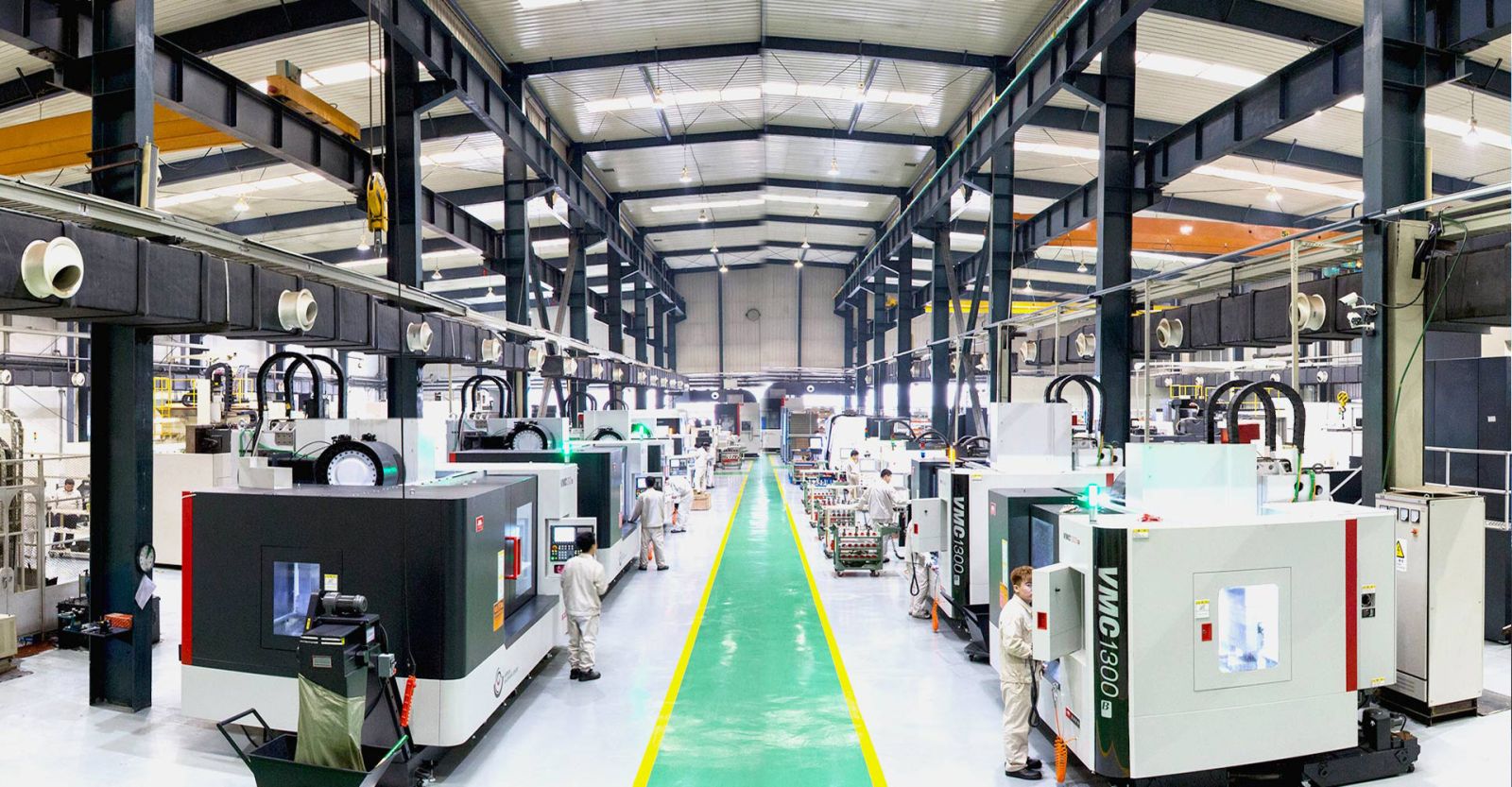
As a manufacturer, we understand these nuances deeply. We don't just supply fittings; we provide solutions built on expertise.
Get in Touch with Yichou
- Email us: [email protected]
- Call us/whatsapp: +86 13355741031
- Chat with us: Live chat support available on our website