Introduction
Aluminum casting molds play a crucial role in the manufacturing process, providing the foundation for producing high-quality aluminum components across various industries. From automotive parts and aerospace components to consumer products and industrial machinery, aluminum casting is widely used due to its versatility, lightweight nature, and excellent strength-to-weight ratio. The efficiency of the casting process relies heavily on the design and material of the mold, making it one of the most important decisions in any production process.
There are several aluminum casting methods, each with its own set of advantages and limitations. The most commonly used methods include die casting, sand casting, and investment casting. Die casting is ideal for high-volume production with precision, while sand casting is preferred for larger parts and low-to-medium production runs. Investment casting, known for its ability to produce complex shapes, is used in industries that demand high accuracy and fine details.
With a variety of casting methods and mold materials available, the key question arises: How do you select the right aluminum casting mold for your specific needs? The answer depends on several factors, including the type of part you are manufacturing, production volume, budget, and the required precision. In this article, we will explore the factors to consider when choosing the right aluminum casting mold and help you navigate the decision-making process.
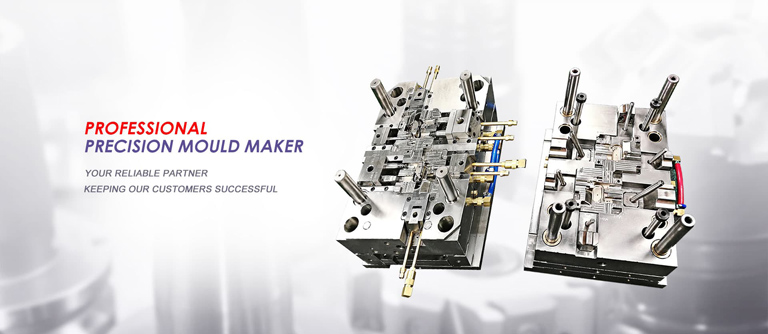
1. What is Aluminum Casting and Why Does It Matter?
Aluminum casting is a process used to create aluminum components by pouring molten aluminum into a mold to form a specific shape. Once the aluminum cools and solidifies, it takes on the shape of the mold, resulting in a finished product that can be further processed or used as is. This method allows manufacturers to create complex shapes and intricate designs with high precision and minimal waste, making it one of the most cost-effective and versatile production techniques.
Aluminum casting is widely used across various industries, including:
-
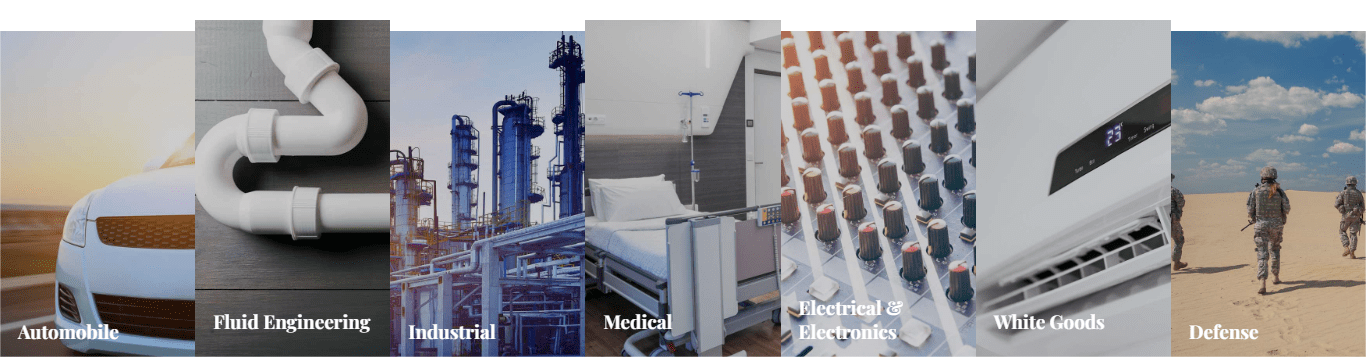
Automotive Industry: Aluminum castings are used to manufacture engine blocks, transmission parts, and other critical components in vehicles. The lightweight and strength properties of aluminum make it ideal for automotive parts, helping improve fuel efficiency without compromising safety.
-
Aerospace Industry: In aerospace applications, aluminum casting is used for producing structural components, such as engine housings, wing brackets, and landing gear parts. The material’s strength-to-weight ratio is critical for enhancing the performance of aircraft.
-
Consumer Products: Many consumer products, including cookware, household appliances, and electronics, are made using aluminum casting. The process allows for the creation of durable, lightweight, and aesthetically appealing products.
Aluminum casting offers numerous advantages, such as excellent corrosion resistance, high strength, and ease of machining. These properties make aluminum castings suitable for high-demand environments where performance and durability are critical.
Different Methods of Aluminum Casting
There are several casting methods available for aluminum, each with its own advantages and best-use scenarios. The most common methods include die casting, sand casting, and investment casting.
-
Die Casting:
Die casting is a high-pressure casting method in which molten aluminum is forced into a metal mold (also known as a die) under pressure. This process is ideal for producing high-volume parts with fine details and excellent dimensional accuracy. It is commonly used in automotive and aerospace manufacturing, where precision is crucial. Die casting molds are made of durable steel and can be reused for thousands of cycles, making this method cost-effective for large-scale production. -
Sand Casting:
Sand casting involves creating a mold using sand mixed with a binder to hold the shape. The sand mold is then filled with molten aluminum to form the part. This method is suitable for producing larger and more intricate parts that might not be feasible with die casting. Sand casting is often used in industries like heavy machinery, where the size of the components and the flexibility of the mold design are more important than the high precision provided by die casting. -
Investment Casting:
Investment casting, also known as lost wax casting, involves creating a mold by coating a wax pattern with a layer of ceramic material. After the ceramic hardens, the wax is melted away, leaving a hollow mold. Molten aluminum is then poured into this mold to create the desired part. This method is used when high precision and intricate details are required, such as in aerospace and medical applications. Investment casting allows for fine tolerances and complex geometries, making it suitable for components that cannot be easily manufactured using other methods.
The Role of the Mold in Each Casting Method
The mold is a critical component in every aluminum casting process. It defines the shape and size of the final product, and the material of the mold affects the casting’s quality, precision, and durability.
-
In die casting, the mold is typically made of hardened steel or other metal alloys that can withstand the high pressure and temperature involved in the process. These molds are reusable, making them ideal for mass production.
-
In sand casting, the mold is made from a mixture of sand and binder, which is more flexible and inexpensive but requires careful handling to prevent mold defects. This method is best for low-to-medium volume production and large parts.
-
In investment casting, the mold is made from ceramic, allowing for extremely precise and detailed parts. This method is ideal for small-volume production of complex, high-precision parts, often used in industries like aerospace and medical device manufacturing.
Choosing the right mold material and casting method is essential for achieving the desired quality and cost-effectiveness in aluminum casting. Each method offers unique benefits depending on the part requirements, production volume, and precision needed.
2. What Are the Best Mold Materials for Casting Aluminum?
When it comes to selecting the right mold material for aluminum casting, several options are available, each offering distinct advantages depending on the casting method, part complexity, and production volume. The most common materials used for creating aluminum casting molds include steel, sand, plaster, and silicone. Let’s explore the pros and cons of each material to help you understand which is best suited for your aluminum casting needs.
1. Steel (Die Casting Molds)
Advantages:
- Durability: Steel molds are highly durable and can withstand the high pressures and temperatures involved in die casting. This makes them ideal for large-scale production runs.
- Precision: Steel molds provide excellent precision and consistency, ensuring that each casting is identical.
- Reusability: Steel molds can be used for thousands of cycles without significant wear, making them cost-effective for mass production.
- Ideal for High-Volume Production: Steel molds are the best choice for manufacturing large quantities of aluminum parts with intricate details and high dimensional accuracy.
Disadvantages:
- High Initial Cost: The cost of making steel molds is relatively high due to the need for specialized tooling and machining.
- Long Lead Time: The manufacturing process for steel molds can take longer compared to other mold materials due to the precision required.
Best For: High-volume, precision aluminum casting for automotive, aerospace, and consumer goods.
Keywords: "best mold material for casting aluminum," "aluminum die casting mold," "steel mold advantages."
2. Sand (Sand Casting Molds)
Advantages:
- Cost-Effective: Sand casting molds are much less expensive to produce than steel molds, making them ideal for low-to-medium volume production and custom, one-off parts.
- Flexibility: Sand molds can be easily adjusted and modified, allowing for complex and oversized components to be cast.
- Large Parts: Sand casting is ideal for producing large parts that may be too big for other casting methods.
- Quick Turnaround: The sand casting process allows for faster mold creation compared to steel or plaster molds.
Disadvantages:
- Lower Precision: Sand molds typically provide less precision and surface finish compared to steel or plaster molds. This means additional finishing processes may be required.
- Shorter Mold Lifespan: Sand molds are generally single-use and may require re-manufacturing for each new casting.
Best For: Low-to-medium volume production, large parts, or when budget is a primary concern.
Keywords: "casting molds material comparison," "sand casting aluminum molds," "low-volume casting molds."
3. Plaster (Investment Casting Molds)
Advantages:
- High Precision: Plaster molds offer excellent detail and are capable of producing very fine and complex geometries, making them ideal for investment casting processes.
- Smooth Finish: The surface finish of plaster molds is smooth, resulting in high-quality castings that often require little to no post-processing.
- Complex Shapes: Plaster molds can be used to cast highly intricate and delicate parts that would be difficult or impossible to achieve with other materials.
Disadvantages:
- Limited Durability: Plaster molds are usually single-use and are not as durable as steel molds, making them less suitable for high-volume production.
- Labor-Intensive: The process of making plaster molds can be more labor-intensive and time-consuming compared to sand or steel molds.
Best For: High-precision, low-volume production of complex parts, often used in industries such as aerospace and medical devices.
Keywords: "plaster molds for aluminum casting," "investment casting molds," "high-precision casting molds."
4. Silicone (For Prototype and Small Batch Castings)
Advantages:
- Quick Prototyping: Silicone molds are ideal for quick prototyping and small batch production. They can be created rapidly and cost-effectively.
- Flexibility: Silicone molds are flexible, allowing for easy removal of cast parts without damaging the mold or the component.
- Cost-Effective for Small Runs: Silicone molds are relatively inexpensive to produce, making them a great option for small-scale production or when experimenting with designs.
Disadvantages:
- Not Suitable for High Temperatures: Silicone molds are not durable enough to withstand the high temperatures required for casting aluminum. They are more suitable for casting resins or low-melting-point metals.
- Limited Precision: Silicone molds are not ideal for producing high-precision aluminum parts, as the mold material can deform or distort during the casting process.
Best For: Prototyping, small-scale runs, or non-aluminum casting applications.
Keywords: "silicone molds for casting," "aluminum prototype molds," "casting molds for small batches.
Conclusion: Which Mold Material is Best for Your Aluminum Casting Needs?
Choosing the best mold material for aluminum casting depends largely on your specific requirements—whether you prioritize cost, precision, volume, or speed. Here’s a quick comparison:
- Steel: Best for high-volume, high-precision aluminum casting, especially in industries like automotive and aerospace.
- Sand: Ideal for low-to-medium volume, large parts, or when flexibility is important.
- Plaster: Excellent for producing intricate, high-precision parts, though more suited to low-volume production.
- Silicone: Best for prototypes and small runs, though not suitable for aluminum casting.
By understanding the strengths and limitations of each mold material, you can select the best option for your casting project. At YICHOU, we offer high-quality aluminum casting molds tailored to meet your specific manufacturing needs. Whether you need custom solutions or precision molds, we have the expertise to help you achieve outstanding results.
Keywords: "aluminum casting mold materials," "casting molds material comparison," "best mold material for casting aluminum."
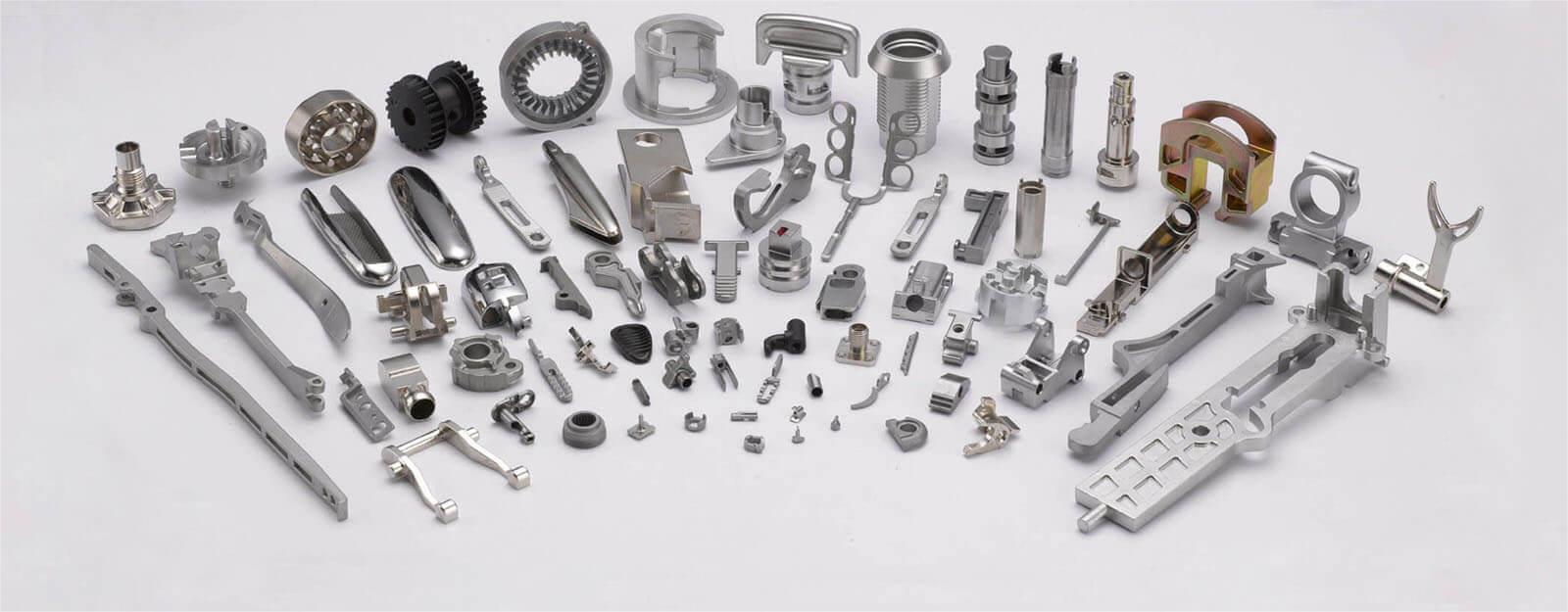
3. What is the Best Way to Cast Aluminum?
Aluminum casting offers versatility in manufacturing components with various complexities, sizes, and production volumes. The method chosen for casting aluminum depends on factors such as part design, material requirements, production volume, and cost considerations. Let’s explore the most common aluminum casting methods, including die casting, sand casting, and investment casting, and how to select the best method for your production needs.
1. Die Casting
Overview:
Die casting involves forcing molten aluminum into a steel mold (also known as a die) under high pressure. This method is highly effective for producing parts with complex shapes, high precision, and smooth surfaces. The steel molds used in die casting can be reused many times, making this method ideal for high-volume production runs.
Advantages:
- Precision and Consistency: Die casting provides excellent dimensional accuracy and consistency, making it ideal for parts that require high tolerances and intricate details.
- High Production Speed: The high-pressure injection of molten aluminum allows for rapid production of large quantities of parts.
- Strong, Lightweight Components: Die casting is often used to produce strong, lightweight components, which is especially beneficial in industries such as automotive and aerospace.
Disadvantages:
- High Initial Cost: The tooling and mold costs for die casting can be expensive due to the need for durable steel molds and precise manufacturing.
- Limited to Smaller Parts: Die casting is best suited for smaller parts as larger parts require larger molds and more complicated processes.
Cost and Efficiency:
- Die casting is cost-efficient for high-volume production, but the initial investment in tooling can be high. The process offers great efficiency, particularly when producing large quantities of identical parts.
Best For: High-volume production of small-to-medium parts with high precision, such as automotive engine components, housings, and aerospace parts.
Keywords: "die casting vs sand casting," "how to cast aluminum efficiently," "die casting benefits."
2. Sand Casting
Overview:
Sand casting is one of the oldest and most versatile methods of aluminum casting. In this process, a mold is created using sand mixed with a binder to form the shape of the desired part. The molten aluminum is poured into the mold, allowed to cool, and then removed. This method can accommodate larger and more complex parts compared to die casting.
Advantages:
- Cost-Effective for Low to Medium Production: Sand casting is more affordable than die casting, especially for small production runs or when creating prototypes.
- Flexibility in Size and Shape: Sand molds can be made to accommodate very large parts, making this method ideal for industries such as heavy machinery and industrial equipment.
- No High Pressure Required: Unlike die casting, sand casting does not require high-pressure injection, making it easier to create molds for larger parts and more intricate designs.
Disadvantages:
- Lower Precision: Sand casting typically produces parts with lower dimensional accuracy and surface finish compared to die casting. Additional machining or finishing processes may be required to meet strict tolerances.
- Labor-Intensive: The process of creating sand molds is more labor-intensive compared to die casting, as it involves manual work and careful attention to mold quality.
Cost and Efficiency:
- Sand casting is relatively inexpensive, particularly for low-volume or prototype production. However, it is less efficient in terms of part precision and finish, which may require additional post-casting work.
Best For: Low-to-medium volume production of larger parts or custom components, commonly used in industries like construction, marine, and automotive.
Keywords: "sand casting aluminum," "how to cast aluminum efficiently," "advantages of sand casting."
3. Investment Casting (Lost Wax Casting)
Overview:
Investment casting, also known as lost wax casting, involves creating a wax pattern of the part and coating it with a ceramic shell. Once the shell hardens, the wax is melted away, leaving a hollow mold that can be filled with molten aluminum. This method is highly precise and can be used to create complex shapes with fine details.
Advantages:
- High Precision and Detail: Investment casting is ideal for parts with intricate features, fine details, and complex geometries. The method allows for the production of parts with exceptional surface finishes.
- Versatility: It can be used for small and medium-sized parts with high precision, making it suitable for industries such as aerospace, medical devices, and electronics.
- No Need for Additional Machining: Parts produced through investment casting often require little to no post-casting machining, saving time and costs.
Disadvantages:
- High Cost and Long Lead Time: The setup costs and lead time for investment casting can be significant, as the molds need to be carefully crafted, and the process is more time-consuming compared to sand casting or die casting.
- Limited to Smaller Parts: Due to the complexity of the mold-making process, investment casting is generally used for smaller parts.
Cost and Efficiency:
- While investment casting offers excellent precision, the process is more expensive and slower than other casting methods. It is typically used for low-volume, high-precision parts rather than mass production.
Best For: High-precision parts with complex geometries, such as turbine blades, medical implants, and aerospace components.
Keywords: "investment casting aluminum," "how to cast aluminum efficiently," "precision aluminum casting."
4. Gravity Casting
Overview:
Gravity casting uses the force of gravity to pour molten aluminum into a mold. Unlike die casting, no external pressure is applied, and the molten metal simply flows into the mold under its own weight. This method is suitable for producing aluminum parts of various sizes and shapes, often used in industries such as automotive and industrial manufacturing.
Advantages:
- Lower Cost: Gravity casting is more affordable than die casting, especially when high precision is not a critical requirement.
- Simplicity: The process is simpler and requires less specialized equipment, which can reduce production costs.
Disadvantages:
- Lower Precision: Gravity casting typically produces parts with lower dimensional accuracy and surface finish compared to die casting or investment casting.
- Limited to Certain Shapes: This method is best suited for parts with simpler geometries, as the lack of pressure can result in less detailed designs.
Best For: Medium-volume production of less complex parts where cost is a significant consideration.
Keywords: "gravity casting aluminum," "casting aluminum with gravity," "gravity casting benefits."
Conclusion: Choosing the Best Way to Cast Aluminum
The best way to cast aluminum depends on your specific production needs. If you require high precision, fast production speeds, and are dealing with smaller parts, die casting is likely the most efficient choice. For large parts or lower production volumes, sand casting offers flexibility and cost-effectiveness. Investment casting is ideal for small, complex parts where fine detail and high precision are essential, while gravity casting strikes a balance between cost and versatility for simpler components.
Each method has its advantages and trade-offs, so it’s important to consider the specific needs of your project, including part complexity, production volume, and budget. At YICHOU, we specialize in providing high-quality aluminum casting solutions tailored to meet the requirements of various industries. Whether you need precision die casting or cost-effective sand casting, we have the expertise to help bring your designs to life.
4. Can Aluminum Be Cast into Silicone Molds?
Silicone molds are popular for casting a wide range of materials, including resins, wax, and some metals with low melting points. However, when it comes to casting aluminum, there are specific challenges to consider. While the idea of using silicone molds for aluminum casting may seem appealing due to the ease of use and flexibility of silicone, the high temperature of molten aluminum presents significant obstacles. In this section, we will explore whether aluminum can be cast into silicone molds and the challenges involved.
Why Silicone Molds Are Not Ideal for Aluminum Casting
Silicone molds are made from a rubber-like material known for its flexibility, durability, and ease of use. While silicone molds are widely used in industries like jewelry making, resin casting, and prototyping, they are not suitable for casting high-temperature metals like aluminum. Here’s why:
-
High Melting Point of Aluminum:
Aluminum melts at around 660°C (1220°F), which is significantly higher than the temperature that silicone can withstand. Most silicone rubber has a heat tolerance ranging from 200°C to 300°C (392°F to 572°F), far below the melting point of aluminum. When molten aluminum comes into contact with silicone, the mold will melt or burn, making it impossible to create a solid casting. -
Structural Integrity of Silicone:
Even if you attempt to cast aluminum at lower temperatures, silicone lacks the strength and rigidity required to handle the pressure and heat from molten aluminum. The material would deform, resulting in a poor-quality casting or total mold failure. Unlike metals, which can retain their shape under heat, silicone softens and loses its structural integrity at elevated temperatures. -
Deformation and Distortion:
Silicone molds are not designed to withstand the stresses involved in casting molten aluminum. The weight and temperature of the molten metal can cause the silicone mold to deform, resulting in warped or incomplete castings.
What Alternatives Are Available for Aluminum Casting?
While silicone molds are not suitable for casting aluminum, there are several other methods and materials that can handle the high temperatures and pressures of molten aluminum:
-
Steel Molds (Die Casting):
Steel molds are the most commonly used molds for aluminum die casting due to their durability and ability to withstand the high pressures and temperatures involved in the process. Steel molds provide precise, repeatable results and are ideal for large-volume production. -
Sand Molds (Sand Casting):
Sand casting is another popular method for aluminum casting, especially for larger or custom parts. Sand molds can withstand the heat of molten aluminum and can be created relatively quickly and at a lower cost than steel molds. However, they may not provide the same level of precision as die casting. -
Investment Molds (Lost Wax Casting):
For highly detailed, complex parts, investment casting (or lost wax casting) is a suitable alternative. It involves creating a mold from a ceramic material that can withstand the high temperature of molten aluminum. This method offers excellent precision and surface finish.
Are There Any Cases Where Silicone Molds Can Be Used for Aluminum Casting?
While silicone molds are generally unsuitable for casting aluminum directly, they can be used for casting low-temperature metals or prototypes where the material is not exposed to high temperatures. For instance:
-
Casting Alloys with Lower Melting Points: Some alloys, such as tin or pewter, have much lower melting points (approximately 250°C to 350°C), which fall within the range that silicone can handle. In these cases, silicone molds might be suitable for casting metals that do not exceed the temperature tolerance of the mold.
-
Prototyping and Pattern Making: Silicone molds can be used in the initial stages of prototype design, where the mold serves as a pattern for a more durable mold, such as those made from sand or metal. After casting a low-temperature material in silicone, the resulting prototype can be used to create a more permanent mold for aluminum casting.
Conclusion: Can You Cast Aluminum in Silicone Molds?
In short, no, you cannot cast aluminum directly into silicone molds because silicone is not capable of withstanding the high temperatures of molten aluminum. The silicone will melt or deform, preventing the production of a solid aluminum part. However, silicone molds are ideal for casting lower-temperature materials or for creating prototypes and patterns that can later be used to make more heat-resistant molds.
If you are looking to cast aluminum parts, it’s crucial to use materials designed to withstand high temperatures, such as steel, sand, or investment casting molds. These materials will ensure that your aluminum casting process is efficient, safe, and produces high-quality results.
At YICHOU, we specialize in manufacturing durable and precise aluminum casting molds that are designed to meet your production needs. Whether you're working with aluminum die casting, sand casting, or other methods, we can help you choose the right mold material to ensure the best outcome for your project.
5. What is the Best Coating for Aluminum Casting Molds?
The coating applied to aluminum casting molds plays a significant role in improving the quality, durability, and efficiency of the casting process. Coatings can protect the mold surface from wear and tear, enhance the casting’s surface finish, and reduce the likelihood of defects such as cracks or warping. The right mold coating can also extend the lifespan of the mold, reducing downtime and maintenance costs in long-term production runs. In this section, we’ll explore the different coatings commonly used for aluminum casting molds, their advantages, and how to choose the best one for your specific needs.
1. Ceramic Coatings (Investment Casting)
Overview:
Ceramic coatings are most commonly used in investment casting, a process where a mold is created around a wax pattern, then coated with a ceramic material. This coating is designed to withstand the high temperatures of molten aluminum and provides a smooth surface finish for precision castings.
Advantages:
- High Temperature Resistance: Ceramic coatings are ideal for withstanding the extremely high temperatures of molten aluminum, ensuring the mold does not degrade or crack under pressure.
- Smooth Surface Finish: The fine ceramic material offers a smooth finish to the cast aluminum, reducing the need for post-processing or additional finishing work.
- Precision Casting: Ceramic coatings allow for the production of detailed and complex parts, making them ideal for industries that require high precision, such as aerospace and medical device manufacturing.
Best For: Investment casting where high precision and smooth surface finishes are crucial, especially for low-volume or custom parts.
Keywords: "best coating for aluminum casting molds," "ceramic coatings for investment casting," "aluminum casting mold surface."
2. Graphite Coatings
Overview:
Graphite coatings are often applied to aluminum casting molds to improve their performance by enhancing mold release, reducing friction, and providing some heat resistance.
Advantages:
- Excellent Mold Release: Graphite coatings facilitate the easy removal of castings from the mold, which is particularly useful in high-volume die casting processes where parts need to be ejected quickly.
- Improved Surface Finish: Graphite coatings can improve the surface finish of cast aluminum, resulting in smoother parts and fewer defects.
- Thermal Stability: Graphite is a highly heat-resistant material, capable of withstanding the extreme temperatures of molten aluminum, thereby improving mold life.
Disadvantages:
- Wear Over Time: Graphite coatings can wear down after several uses, especially in high-production environments. This requires periodic reapplication to maintain effectiveness.
Best For: Die casting molds where high mold release performance and improved surface finish are required.
Keywords: "graphite coating for aluminum casting," "mold coating options," "mold release for aluminum casting."
3. Zinc Coatings
Overview:
Zinc-based coatings are used to protect molds during aluminum casting, providing corrosion resistance and increasing mold durability. Zinc coatings can be applied to steel molds to enhance their resistance to the harsh conditions of molten aluminum.
Advantages:
- Corrosion Resistance: Zinc coatings protect the mold from corrosion caused by exposure to molten aluminum and other elements during casting.
- Improved Mold Durability: Zinc coatings extend the lifespan of steel molds by reducing the wear and tear that typically occurs over time, especially under high-pressure casting conditions.
- Enhanced Mold Performance: Zinc helps improve the thermal stability of molds and can reduce the chances of mold distortion, particularly when the aluminum is poured at high temperatures.
Disadvantages:
- Limited Surface Finish: Zinc coatings may not provide the same level of smooth surface finish as ceramic or graphite coatings, which may require additional finishing work to achieve the desired surface quality.
Best For: Steel molds used in high-pressure die casting processes where corrosion resistance and durability are critical.
Keywords: "zinc coatings for aluminum casting molds," "mold coating options," "aluminum mold corrosion resistance."
4. Alumina Coatings
Overview:
Alumina coatings, made from aluminum oxide, are applied to molds to improve their thermal conductivity and resistance to wear. These coatings are particularly effective for molds that are subject to high temperatures and rapid cooling cycles.
Advantages:
- High Thermal Conductivity: Alumina coatings enhance the mold's ability to conduct heat, promoting more consistent cooling and reducing the likelihood of defects such as warping or cracking.
- Wear Resistance: The hardness of alumina provides excellent protection against mold wear and abrasion, which extends the lifespan of the mold, especially in high-volume production environments.
- Excellent Surface Finish: Alumina coatings can help achieve smoother surfaces on cast aluminum parts, reducing the need for further machining or polishing.
Disadvantages:
- Cost: Alumina coatings can be more expensive than other options, such as graphite or zinc coatings, making them more suitable for high-precision or high-value parts.
Best For: High-precision molds in die casting or investment casting that require superior wear resistance and thermal stability.
Keywords: "alumina coatings for aluminum casting," "mold surface coatings," "wear-resistant coatings for aluminum molds."
5. Silica Coatings (Sand Casting)
Overview:
Silica-based coatings are often used in sand casting to improve mold surface quality and ensure better mold stability during the casting process. Silica coatings help to provide a smooth surface and reduce defects like sand inclusion in cast aluminum parts.
Advantages:
- Smooth Surface Finish: Silica coatings help reduce roughness and defects on the surface of aluminum castings, resulting in a cleaner, more polished finish.
- Increased Mold Stability: The coating helps improve the strength and stability of the sand mold during the casting process, especially under high temperatures.
- Cost-Effective: Silica coatings are generally less expensive than more specialized coatings, making them an economical option for sand casting molds.
Disadvantages:
- Limited Durability: Silica coatings may not provide as long-lasting protection as ceramic or zinc coatings and may need to be reapplied after multiple casting cycles.
Best For: Sand casting molds, particularly in low-to-medium volume production, where cost-effectiveness and surface finish are important.
Keywords: "silica coatings for sand casting," "mold coating options," "aluminum sand casting mold coatings."
Conclusion: Choosing the Best Coating for Aluminum Casting Molds
Selecting the right coating for your aluminum casting mold depends on the type of casting method, the production volume, and the specific properties you require, such as heat resistance, mold release, or surface finish. Here’s a quick guide:
- Ceramic Coatings: Best for investment casting, providing high precision and smooth surface finishes.
- Graphite Coatings: Ideal for die casting, improving mold release and surface quality.
- Zinc Coatings: Best for steel molds in high-pressure die casting, offering corrosion resistance and durability.
- Alumina Coatings: Perfect for high-precision molds, offering wear resistance and thermal stability.
- Silica Coatings: Suitable for sand casting molds, providing a smooth surface finish at a lower cost.
At YICHOU, we offer custom coating solutions tailored to your specific aluminum casting requirements. Whether you're looking for high-precision coatings for investment casting or durable coatings for sand casting, we can help you choose the best coating to improve the performance and lifespan of your molds.
6. How Much Does Aluminum Casting Cost?
The cost of aluminum casting can vary significantly depending on several factors, including the type of mold, the complexity of the part, the quantity of parts being produced, and the longevity of the mold. Understanding the factors that affect these costs is crucial for determining the most cost-effective approach to your aluminum casting needs. In this section, we’ll break down the primary factors affecting the cost of aluminum casting molds, compare aluminum casting to other methods, and provide a general idea of pricing for different scenarios.
Factors Affecting the Cost of Aluminum Casting Molds
1. Material Used for the Mold
The material used for the mold is one of the most significant factors affecting the overall cost of aluminum casting. Different mold materials have varying levels of durability, ease of use, and cost.
-
Steel Molds (Die Casting): Steel molds are the most durable and can withstand high pressures and temperatures, making them ideal for high-volume production. However, they have a high initial cost due to the need for specialized tooling and machining. Steel molds are best suited for mass production runs, and the cost per mold decreases as the volume increases.
-
Sand Molds: Sand molds are less expensive than steel molds and are often used for lower-volume or custom parts. While sand molds are cost-effective, they offer lower precision compared to die casting molds and are often single-use, leading to higher costs over time for repeated casting.
-
Ceramic and Investment Molds: Ceramic molds used in investment casting are typically more expensive to produce due to the time and materials involved in making them. These molds offer excellent precision and are used for complex parts, but the cost is higher for low-to-medium volume production.
Keywords: "how much does aluminum casting cost," "aluminum casting cost breakdown," "mold material cost comparison."
2. Complexity of the Part
The complexity of the part being cast has a direct impact on the mold's cost. More intricate designs with fine details, thin walls, or complex geometries require more advanced molds and, in some cases, special tooling. Complex molds often require higher precision and more time to manufacture, which increases the overall cost.
-
Simple Parts: For parts with basic shapes and simple features, the cost of aluminum casting will be relatively low. Sand molds or even basic steel molds can be used for simpler designs, reducing costs.
-
Complex Parts: For parts that require more detailed and complex designs (such as aerospace components or high-performance automotive parts), investment casting or precision die casting may be necessary. These processes often require custom tooling and longer production times, which contribute to higher costs.
Keywords: "aluminum casting price per mold," "complexity and casting cost," "cost of complex aluminum casting."
3. Quantity of Parts
The number of parts being produced is a crucial factor in determining the cost of aluminum casting. Generally, the more parts you produce, the lower the cost per unit, as the initial mold cost is spread over a larger quantity.
-
High-Volume Production: In high-volume production runs, the cost per part decreases significantly. The cost of the mold is amortized across many units, making mass production of parts such as engine blocks, housings, or automotive components much more cost-effective.
-
Low-Volume Production: For low-volume or one-off parts, the cost of the mold remains relatively high per unit, as the mold’s initial cost is not spread across many parts. This is especially true for methods like investment casting, where the mold is made from ceramic or other time-intensive materials.
Keywords: "aluminum casting price per mold," "cost of aluminum casting for small runs," "high-volume aluminum casting costs."
4. Mold Longevity and Reusability
The longevity and reusability of the mold can significantly impact the overall cost of the casting process. Molds with higher durability and the ability to withstand many cycles of casting tend to be more expensive upfront but offer long-term cost savings.
-
Steel Molds (Die Casting): Steel molds are designed to last for thousands of cycles, making them ideal for high-volume production. While the initial cost is high, the cost per unit decreases as the number of parts produced increases.
-
Sand Molds: Sand molds are generally single-use, so they require a new mold for every casting. This increases the cost for each part, particularly in low-volume production. However, they are more cost-effective for low-to-medium volume runs where high precision is not required.
-
Investment Molds: Investment molds are often used for low-volume runs of highly complex parts. These molds are typically single-use, which can increase the cost per part compared to more durable molds like steel or sand. However, for highly detailed parts, this method can be cost-effective.
Keywords: "mold longevity in aluminum casting," "aluminum casting mold lifespan," "reusable aluminum casting molds."
Comparison: Aluminum Casting vs. Other Casting Methods
When comparing aluminum casting to other casting methods (such as steel casting, sand casting, or investment casting), several key cost factors must be considered.
-
Aluminum vs. Steel Casting: Aluminum casting is generally less expensive than steel casting, as aluminum has a lower melting point and is easier to cast. Steel casting requires more energy and specialized equipment due to the higher temperatures needed to melt steel, making it more expensive overall.
-
Aluminum Casting vs. Sand Casting: Sand casting is usually more cost-effective than aluminum casting when it comes to smaller, less complex parts. However, sand casting produces less precision and requires more post-processing work, which can drive up costs over time. Aluminum casting, especially die casting, offers better precision, which can reduce the need for secondary operations.
-
Aluminum Casting vs. Investment Casting: Investment casting (lost-wax casting) is more expensive than aluminum casting because it is typically used for highly detailed, complex parts that require precise molds. The investment casting process also takes longer to complete, increasing labor and material costs.
Keywords: "aluminum casting cost vs steel casting," "aluminum casting vs sand casting," "cost comparison between casting methods."
Estimated Cost Breakdown for Aluminum Casting
To give a general idea of aluminum casting costs, here's an approximate breakdown:
-
Die Casting: The initial cost for a die-casting mold can range from $5,000 to $50,000, depending on the complexity and size of the mold. The cost per part can range from $0.10 to $5 per unit, with costs decreasing as production volume increases.
-
Sand Casting: The initial cost of a sand casting mold is relatively low, around $200 to $2,000 for smaller parts. The cost per part can range from $5 to $50 for small production runs, depending on the size and complexity of the part.
-
Investment Casting: Investment casting typically has higher initial mold costs, ranging from $1,000 to $10,000. The cost per part ranges from $10 to $100, depending on part size and complexity.
Conclusion: How Much Does Aluminum Casting Cost?
The cost of aluminum casting depends on several factors, including the mold material, complexity of the part, quantity of parts, and mold longevity. Die casting offers cost-effective high-volume production, while sand casting is suitable for lower-volume runs. Investment casting is ideal for complex parts but comes with higher costs.
To determine the most cost-effective casting method for your project, it’s essential to consider your production needs and budget. At YICHOU, we specialize in providing customized aluminum casting solutions tailored to your specific requirements, whether you're looking for precision die casting or cost-effective sand casting.
Keywords: "how much does aluminum casting cost," "aluminum casting cost breakdown," "aluminum casting price per mold."
7. Is Aluminum Casting Expensive?
When evaluating the cost of aluminum casting, it’s important to compare it to other casting methods and materials, as well as consider factors like the complexity of the part, production volume, and mold longevity. Aluminum casting can be a cost-effective solution for many applications, but like any manufacturing process, the costs can vary significantly depending on the approach taken. In this section, we will explore whether aluminum casting is considered expensive, how it compares to other metals and casting methods, and provide tips on how to manage costs, particularly for bulk production.
Is Aluminum Casting Expensive Compared to Other Metals?
Aluminum casting is generally less expensive than casting other metals like steel, titanium, or copper. This is primarily due to aluminum's lower melting point (660°C or 1220°F), which reduces the energy costs required for melting and casting. In comparison, metals like steel (with a melting point around 1370°C or 2500°F) and titanium (around 1668°C or 3034°F) require significantly more energy to melt and cast, making the overall process more expensive.
Here’s how aluminum casting compares to other metals:
-
Aluminum vs. Steel: While aluminum casting is typically less expensive than steel casting, aluminum parts often require more complex designs or additional finishing work to match steel's strength in certain applications. Steel casting also tends to be more durable and has a higher tolerance for extreme conditions, but aluminum is still a more cost-effective choice for parts where weight savings and lower production costs are a priority.
-
Aluminum vs. Titanium: Titanium casting is much more expensive than aluminum due to titanium’s high melting point, difficult processing requirements, and the need for specialized equipment. Titanium also requires highly controlled conditions, making it far more expensive to cast than aluminum, which is relatively easier and cheaper to work with.
-
Aluminum vs. Copper: Copper casting shares similar characteristics to titanium casting in terms of cost. Copper’s relatively high melting point and specialized processing needs mean that casting copper is generally more expensive than casting aluminum. Copper alloys also tend to be more expensive than aluminum alloys due to material costs.
Keywords: "is aluminum casting expensive," "cost of aluminum casting molds," "aluminum casting price comparison."
Is Aluminum Casting Expensive Compared to Other Casting Methods?
When comparing aluminum casting to other casting methods, the costs can vary depending on the casting technique used. Here's a breakdown of how aluminum casting compares to other methods:
-
Die Casting: Die casting is one of the most precise and efficient casting methods for aluminum, making it ideal for high-volume production. While the initial cost for die casting molds can be high (ranging from $5,000 to $50,000), the cost per part significantly decreases with larger production volumes. For high-volume runs, die casting offers a cost-effective solution, especially in industries like automotive and consumer electronics. The high initial cost is offset by the low per-unit cost when production quantities are large.
-
Sand Casting: Sand casting is a more cost-effective method for low-to-medium volume production. It involves creating molds from sand, which are inexpensive to make. However, the precision and surface finish may not match that of die casting, leading to more post-processing costs. Sand casting is often used for larger parts where high precision is less critical, such as engine blocks or industrial components.
-
Investment Casting: Investment casting (lost-wax casting) is used for parts requiring high precision and intricate details. While the cost per part is higher than aluminum casting (due to the time and materials required for making the molds), it is ideal for small batches of complex parts. The initial mold costs can also be high, but for small-volume, high-precision parts, investment casting can still be more cost-effective than machining from solid metal.
Keywords: "cost of aluminum casting molds," "cost comparison aluminum casting methods," "die casting vs sand casting."
Tips on How to Manage Aluminum Casting Costs, Especially for Bulk Production
While aluminum casting is already relatively cost-effective compared to other metals and casting methods, there are several strategies to further reduce costs, particularly when producing large quantities of parts. Here are some tips to help manage costs effectively:
1. Optimize Mold Design for Efficiency
- Simplify Part Geometry: Reducing the complexity of the part design can significantly lower mold costs and improve casting efficiency. Simplified geometries require less precise tooling and are easier to cast.
- Minimize the Need for Post-Processing: Designing parts with good surface finishes and minimizing defects like porosity can reduce the need for additional machining or finishing work, which can be costly.
2. Use High-Quality Molds for Long-Term Durability
- Investing in high-quality molds that are designed to last for many cycles can help lower the per-part cost in bulk production. For die casting, steel molds provide excellent durability, which helps amortize the high initial mold cost over a long production run. Choosing molds with longer lifespans reduces the need for frequent mold replacement, thus lowering costs over time.
3. Scale Up Production
- Higher production volumes always result in lower costs per unit. Once the mold is made, the per-part cost will continue to decrease as the number of units produced increases. This is especially true for die casting, where the mold’s high initial cost is offset by the high output rate.
4. Select the Right Casting Method
- For high-volume production, die casting is the most cost-effective method, as the cost per part decreases with volume. For low-to-medium volume production, sand casting may offer more flexibility at a lower cost.
- If the parts are complex and require fine detail, investment casting may be the right choice, but it comes with higher upfront mold costs.
5. Choose the Right Aluminum Alloy
- The choice of aluminum alloy also impacts casting costs. Some alloys are more expensive than others, so selecting an appropriate alloy for your application can help manage material costs. Be sure to work with a casting provider who can recommend the best alloy based on the required performance and budget.
6. Consider the Total Cost of Ownership
- Don’t just look at the initial mold costs—consider the total cost of ownership, which includes the cost of mold maintenance, production efficiency, part quality, and scrap rates. A high-quality, durable mold might cost more upfront but can reduce overall costs in the long term by improving efficiency and reducing scrap.
Keywords: "how to reduce aluminum casting cost," "bulk aluminum casting cost management," "cost-effective aluminum casting tips."
Conclusion: Is Aluminum Casting Expensive?
Aluminum casting is generally not expensive compared to casting other metals like steel, titanium, or copper. When compared to other casting methods, aluminum casting offers a cost-effective solution for many industries, especially in high-volume production. However, the cost can vary depending on factors such as mold material, part complexity, and production volume.
By optimizing your mold design, scaling up production, and selecting the right casting method, you can further reduce the cost of aluminum casting, especially in bulk production. At YICHOU, we specialize in providing tailored aluminum casting solutions that are both cost-effective and high quality. Whether you need die casting, sand casting, or investment casting, we can help you manage costs while meeting your production needs.
8. What Are the Disadvantages of Aluminum Casting?
While aluminum casting offers many benefits, including its light weight, strength, and versatility, there are some potential drawbacks that need to be considered. These challenges can affect the cost, quality, and overall efficiency of the casting process. Let’s explore the main disadvantages of aluminum casting and discuss ways to mitigate these issues.
1. Material Waste
One of the key drawbacks of aluminum casting is material waste. While the casting process is generally efficient, there can be significant material loss, especially in methods like sand casting or investment casting where molds are typically single-use. Additionally, aluminum scrap may be generated during the removal of casting defects or trimming excess material.
Mitigation:
- Use of High-Quality Molds: Investing in durable, high-quality molds can help reduce scrap by minimizing defects during the casting process. Precision die casting and investment casting typically produce less waste compared to other methods.
- Recycling: Aluminum is highly recyclable, and using scrap aluminum to create new molds or parts can reduce material costs and environmental impact.
2. Casting Defects
Casting defects, such as porosity, inclusions, cracks, and misruns, are common challenges in aluminum casting. These defects can affect the structural integrity and surface finish of the parts, leading to increased costs for rework, repairs, or scrapping.
Mitigation:
- Improved Mold Design: A high-quality mold design that facilitates proper metal flow and cooling can reduce the likelihood of defects. Die casting molds with optimized gating systems help direct the molten aluminum more efficiently, reducing the chances of defects like air pockets or misruns.
- Control of Casting Process: Maintaining precise control over temperature, metal alloy composition, and cooling rates can reduce the risk of defects. This is particularly important in processes like investment casting where temperature control is critical.
- Advanced Techniques: Employing techniques like vacuum casting or pressure casting can help prevent porosity and improve casting quality by reducing air entrapment.
3. Limitations in Design Complexity
While aluminum casting is versatile, it still has limitations in terms of design complexity. Some shapes with intricate details, undercuts, or thin walls may be difficult or expensive to cast. Additionally, certain methods like sand casting or gravity casting may not provide the high precision required for very fine features.
Mitigation:
- Investment Casting: For parts with intricate designs and fine details, investment casting is a more suitable method. It allows for complex geometries with excellent precision and minimal finishing required.
- Optimized Design: By designing parts with casting in mind—avoiding sharp corners and undercuts—you can optimize the casting process and minimize complexity-related issues.
Keywords: "disadvantages of aluminum casting," "challenges of casting aluminum," "how to overcome aluminum casting issues."
9. What is the Best Aluminum to Cast?
The type of aluminum alloy used for casting can significantly affect the performance, durability, and cost of the final product. There are several aluminum alloys commonly used in casting, each with specific properties suited for different applications. Here’s a breakdown of the most popular aluminum alloys and their characteristics:
1. Aluminum 356 (Al-7Si-0.3Mg)
- Properties: High strength, excellent casting properties, good corrosion resistance, and high fluidity.
- Applications: This alloy is commonly used in automotive, aerospace, and industrial applications where both strength and precision are required.
- Advantages: Great for parts with complex shapes and thin sections due to its excellent castability.
2. Aluminum 6061 (Al-1.0Mg-0.6Si)
- Properties: Known for its excellent strength-to-weight ratio, good corrosion resistance, and good mechanical properties.
- Applications: Widely used in the aerospace and marine industries for parts such as aircraft components, boat hulls, and frames.
- Advantages: Versatile and easy to machine, making it suitable for a wide variety of applications, especially where strength and durability are important.
3. Aluminum 319 (Al-5.0Si-0.7Cu)
- Properties: High strength, good castability, and excellent wear resistance. It is commonly used for engine components and high-performance parts.
- Applications: Frequently used for engine blocks, pistons, and automotive applications due to its wear resistance and strength.
- Advantages: Ideal for high-strength applications where components need to withstand high wear and stress.
4. Aluminum 7075 (Al-3.0Zn-1.6Mg)
- Properties: High strength and excellent corrosion resistance, particularly in harsh environments.
- Applications: Commonly used in aerospace and military applications, including aircraft structures and tactical gear.
- Advantages: Offers superior strength, although it is more difficult to cast compared to other alloys due to its higher strength.
5. Aluminum 6063 (Al-0.5Mg-0.3Si)
- Properties: Excellent corrosion resistance, good strength, and high formability.
- Applications: Often used in the construction industry for architectural and structural components, such as window frames and doors.
- Advantages: Easier to extrude and form, making it ideal for complex shapes and profiles.
Keywords: "best aluminum for casting," "aluminum alloy for casting," "aluminum casting materials."
10. Why Choose YICHOU for Aluminum Casting Molds?
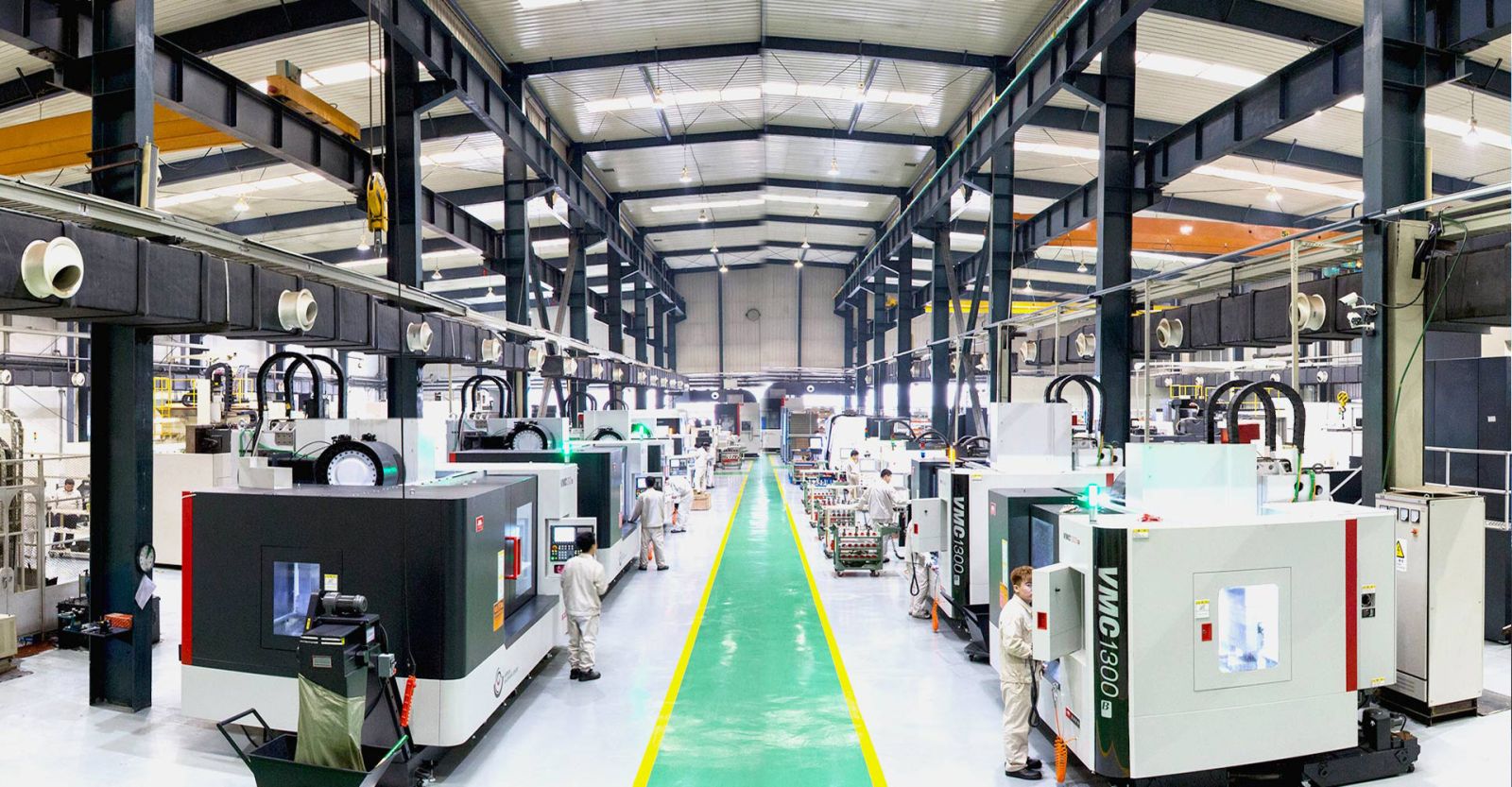
At YICHOU, we specialize in designing and manufacturing high-quality aluminum casting molds that meet the demands of industries like automotive, aerospace, medical, and industrial manufacturing. With years of experience, we are committed to providing custom solutions that combine precision, durability, and cost-effectiveness.
Our Expertise Includes:
- Custom Molds: We work closely with you to design molds tailored to your specific casting needs, ensuring the highest quality and optimal performance.
- Precision Engineering: Our state-of-the-art equipment and experienced engineers ensure that every mold we create meets the highest standards of precision and reliability.
- Durable and Reliable: We focus on creating molds with long-lasting durability, reducing the need for frequent replacements and improving overall production efficiency.
If you are looking for reliable aluminum casting molds, YICHOU is the supplier you can trust. We pride ourselves on delivering products that meet your exact specifications while providing competitive pricing and timely delivery.
Contact Us Today:
To receive a quote or discuss your casting needs, contact YICHOU today. We are ready to help you find the right solutions for your aluminum casting projects.
Keywords: "aluminum casting molds supplier," "YICHOU aluminum casting molds," "custom aluminum molds YICHOU."
Conclusion
In this blog post, we’ve explored the key aspects of aluminum casting, including its disadvantages, the best aluminum alloys for casting, and why YICHOU should be your partner for aluminum casting molds. While aluminum casting offers many benefits, such as its versatility and cost-effectiveness, there are also challenges, such as material waste, casting defects, and limitations in design complexity. Choosing the right mold and casting method can significantly mitigate these issues.
At YICHOU, we offer custom aluminum casting molds tailored to your specific needs, ensuring precision, durability, and efficiency in every project. Contact us today for a personalized quote or to discuss your casting needs in more detail.
Get Quote
- Visit our website: https://www.nbyichou.com/
- Email us: [email protected]
- Call us/whatsapp: +86 13355741031
- Chat with us: Live chat support available on our website