1. Introduction
Plastic injection molding is a manufacturing process that involves injecting molten plastic material into a mold cavity, where it cools and solidifies into the desired shape. This method is widely used for producing a vast array of plastic parts, from small components to large assemblies, due to its efficiency and ability to produce high-precision parts consistently.
Selecting the right supplier for plastic injection molding is crucial for ensuring product quality, cost-effectiveness, and timely delivery. A competent supplier brings expertise, advanced technology, and stringent quality control measures to the table, all of which are essential for meeting specific project requirements and achieving successful outcomes.
YICHOU stands out in the manufacturing industry with its extensive experience and commitment to excellence in plastic injection molding. Our state-of-the-art facilities and skilled team enable us to deliver high-quality, customized solutions tailored to our clients' unique needs. By prioritizing quality control and customer satisfaction, YICHOU has established itself as a trusted partner for businesses seeking reliable and efficient plastic injection molding services.
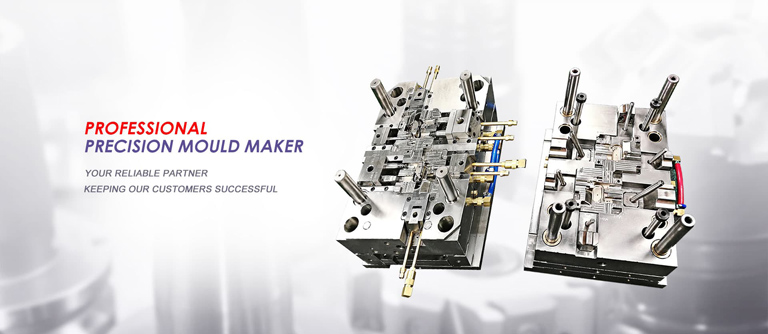
2. What Is Plastic Injection Molding?
Plastic injection molding is a manufacturing process where molten plastic is injected into a mold cavity, allowing it to cool and solidify into a specific shape. This method is widely used for producing a variety of plastic parts, from simple components to complex structures.
Process Explanation:
-
Clamping: The mold consists of two halves, which are securely closed by a clamping unit.
-
Injection: Molten plastic is injected into the mold cavity under high pressure, filling the entire space.
-
Cooling: The plastic cools and solidifies within the mold, taking the desired shape.
-
Ejection: Once solidified, the mold opens, and the finished part is ejected.
Key Advantages:
-
High Efficiency and Fast Production: The process is highly efficient, with cycle times ranging from 20 to 60 seconds, allowing for rapid production of large quantities.
-
Precision and Consistency: Injection molding produces parts with high precision and repeatability, ensuring consistent quality across large volumes.
-
Design Flexibility: It allows for complex and intricate designs, accommodating various shapes and details.
-
Enhanced Strength: The process supports the use of fillers in the molds, which can enhance the strength and durability of the final product.
Difference Between Plastic Molding and Injection Molding:
"Plastic molding" is a broad term encompassing various molding processes used to shape plastic materials into desired forms. Injection molding is a specific type of plastic molding that involves injecting molten plastic into a mold cavity under high pressure to create solid parts. Other plastic molding methods include blow molding, which is used to create hollow objects like bottles, and extrusion molding, used for continuous shapes like pipes.
Understanding these distinctions is crucial for selecting the appropriate manufacturing process based on the specific requirements of the product.
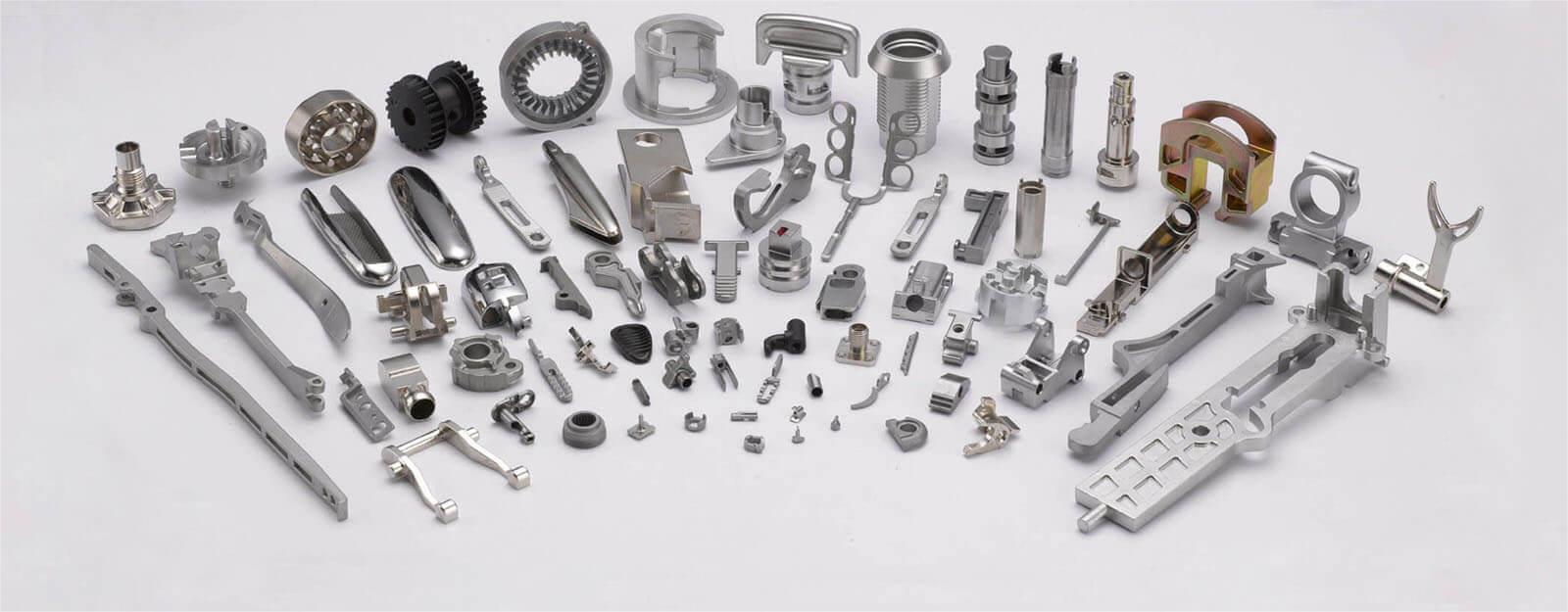
3. Why Are Plastic Injection Molds Expensive?
-
Plastic injection molds are a significant investment due to several key factors that influence their cost:
1. Material Selection
The choice of materials for constructing the mold greatly impacts its durability and cost.
-
Steel Molds: High-grade tool steels are commonly used for their strength and longevity, suitable for high-volume production. However, they are more expensive and require precise machining.
-
Aluminum Molds: While less costly and easier to machine, aluminum molds are less durable, making them ideal for low to medium production volumes.
-
Selecting the appropriate material balances upfront costs with the mold's expected lifespan and production requirements.
2. Mold Complexity
The intricacy of the mold design directly affects manufacturing costs.
-
Design Intricacy: Complex parts with detailed features, undercuts, or intricate geometries necessitate sophisticated mold designs, increasing both design and production expenses.
-
Number of Cavities: Molds with multiple cavities can produce several parts per cycle, enhancing efficiency but also raising the complexity and cost of the mold.
-
Higher complexity requires advanced engineering and precision machining, contributing to increased costs.
3. Manufacturing Process and Tooling Requirements
The processes involved in creating the mold are both time-consuming and resource-intensive.
-
Precision Machining: Crafting molds involves high-precision CNC machining and, in some cases, electrical discharge machining (EDM) to achieve the necessary accuracy, adding to labor and equipment costs.
-
Labor and Time: The design, machining, assembly, and testing of molds require skilled labor and significant time, further elevating costs.
-
These meticulous processes ensure the mold meets exact specifications but contribute to the overall expense.
Value vs. Cost
While the initial investment in plastic injection molds is substantial, it's essential to consider the long-term value:
-
Durability: High-quality molds can produce hundreds of thousands to millions of parts over their lifespan, offering cost efficiency in large-scale production.
-
Precision and Quality: Investing in superior molds ensures consistent part quality, reducing defects and minimizing costly production issues.
-
Therefore, the upfront cost is offset by the mold's performance, longevity, and the quality of parts produced, making it a worthwhile investment for mass production needs.
Understanding these factors helps in making informed decisions when investing in plastic injection molds, aligning budget considerations with production goals.
4. How Much Does It Cost to Make a Plastic Injection Mold?
-
The cost of creating a plastic injection mold varies significantly, typically ranging from $1,000 to over $100,000. This wide range is influenced by several key factors:
1. Design Complexity
-
Intricate Designs: Molds with complex geometries, undercuts, or detailed features require advanced engineering and precision machining, increasing costs.
-
Number of Cavities: Multi-cavity molds can produce multiple parts per cycle, enhancing efficiency but also raising the mold's complexity and price.
-
2. Size and Material
-
Mold Size: Larger molds necessitate more material and longer machining times, leading to higher expenses.
-
Material Choice: The selection between steel and aluminum affects durability and cost. Steel molds are more durable and suitable for high-volume production but are more expensive, while aluminum molds are less costly and ideal for low to medium volumes.
-
3. Production Volume
-
High Volume: For large-scale production, investing in high-quality, durable molds is cost-effective over time, despite higher initial costs.
-
Low Volume: For smaller production runs, less expensive molds may suffice, aligning better with budget constraints.
-
Cost Comparison with Other Molding Methods
-
Injection Molding: High initial tooling costs are offset by low per-unit costs in mass production, making it economical for large quantities.
-
Compression Molding: Generally involves simpler and cheaper molds but may not achieve the same level of precision or efficiency as injection molding.
-
3D Printing: Low upfront costs and suitable for prototyping or low-volume production, but higher per-unit costs and longer production times for large quantities.
-
Understanding these factors is crucial for making informed decisions when investing in plastic injection molds, ensuring alignment with production needs and budget considerations.
5. Life Expectancy of Plastic Injection Molds
-
The lifespan of a plastic injection mold is influenced by various factors, including the materials used in its construction, the complexity of its design, and the conditions under which it operates.
Typical Lifespan Based on Materials and Usage
-
Material Selection: Molds constructed from high-quality tool steels, such as P-20 or H-13, are known for their durability and can endure a large number of cycles before requiring replacement. In contrast, molds made from aluminum or lower-grade materials may have shorter lifespans due to reduced wear resistance.
-
Usage Intensity: High-volume production runs subject molds to continuous stress, potentially reducing their operational life. Conversely, molds used in low-volume or intermittent production may experience less wear and have extended lifespans.
-
Maintenance Tips to Extend Mold Life
-
Regular Cleaning: Consistently remove residues and contaminants from the mold surfaces to prevent defects in molded parts and reduce wear.
-
Proper Lubrication: Apply suitable lubricants to moving components, such as ejector pins and slides, to minimize friction and prevent premature wear.
-
Scheduled Inspections: Conduct routine inspections to identify signs of wear, corrosion, or damage, allowing for timely repairs and maintenance.
-
Controlled Operating Conditions: Maintain optimal temperature and pressure settings during the injection molding process to reduce thermal and mechanical stress on the mold.
-
Implement a Maintenance Schedule: Develop a comprehensive maintenance program tailored to each mold, including regular cleaning, lubrication, and detailed record-keeping of maintenance activities.
-
Advantages of High-Quality Molds
-
Reduced Downtime: High-quality molds are less prone to failures and require less frequent maintenance, leading to increased production uptime.
-
Consistent Product Quality: Superior molds maintain precise dimensions and surface finishes over time, ensuring uniformity in the produced parts.
-
Cost Efficiency: Investing in high-quality molds can lead to long-term savings by minimizing repair costs, reducing scrap rates, and enhancing overall production efficiency.
-
By focusing on proper material selection, adhering to regular maintenance practices, and investing in high-quality molds, manufacturers can significantly extend the operational life of their injection molds, resulting in improved productivity and cost savings.
6. What to Consider When Purchasing Plastic Injection Molds
-
When purchasing plastic injection molds, it's essential to consider several factors to ensure the molds meet your production requirements and deliver high-quality results. Here are key considerations:
1. Material Selection
-
Compatibility: Choose mold materials that are compatible with the type of plastic resin you'll be using. This ensures optimal performance and longevity of the mold.
-
Durability: Select materials that can withstand the mechanical stresses and environmental conditions of your production process.
-
2. Required Production Volume
-
High Volume: For large-scale production, invest in molds made from durable materials like hardened steel, which can endure numerous cycles without significant wear.
-
Low to Medium Volume: For smaller production runs, aluminum molds may be more cost-effective, though they may have a shorter lifespan compared to steel molds.
-
3. Durability and Precision
-
High-Quality Molds: Investing in high-quality molds ensures consistent part quality, reduces defects, and minimizes downtime due to maintenance or repairs.
-
Precision Engineering: Ensure the mold design accommodates the complexity and tolerances required for your parts to maintain product integrity.
-
4. Importance of Working with a Reliable Supplier
Partnering with a reputable supplier like YICHOU offers several advantages:
-
Expertise and Experience: YICHOU's extensive experience in plastic injection molding ensures that your molds are designed and manufactured to the highest standards.
-
Quality Assurance: YICHOU implements stringent quality control measures to ensure each mold meets your specifications and delivers consistent performance.
-
Customized Solutions: YICHOU provides tailored solutions to meet your unique production needs, ensuring optimal results for your projects.
-
By carefully considering these factors and collaborating with a trusted supplier like YICHOU, you can make informed decisions that enhance your manufacturing efficiency and product quality.
7. Is Plastic Injection Molding Profitable for Businesses?
-
Plastic injection molding is a highly profitable manufacturing process, offering significant advantages across various industries.
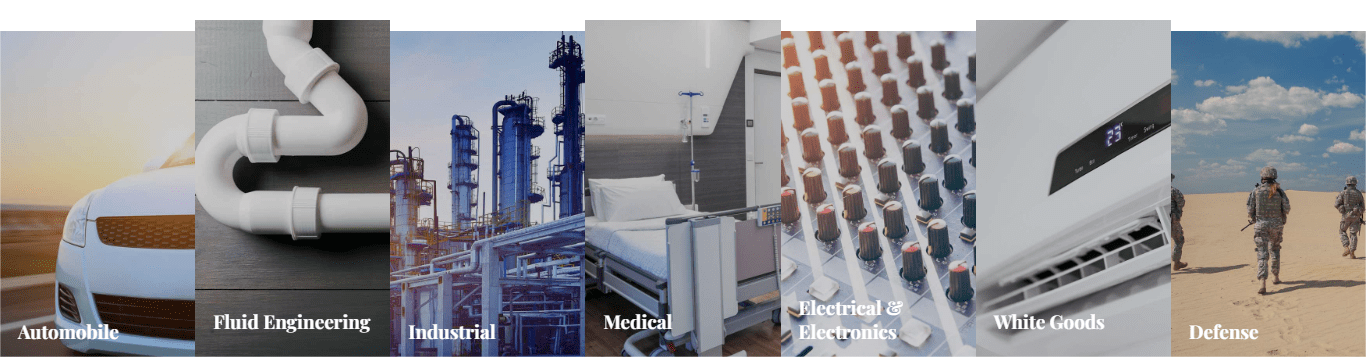
Key Industries Benefiting from Plastic Injection Molding
Several sectors leverage plastic injection molding for its efficiency and versatility:
-
Automotive: Production of components like dashboards, bumpers, and interior fittings.
-
Consumer Goods: Manufacturing of household items, toys, and electronic housings.
-
Medical Devices: Creation of syringes, surgical instruments, and diagnostic components.
-
Packaging: Development of containers, lids, and other packaging solutions.
-
Return on Investment (ROI) Analysis
Investing in plastic injection molding can yield substantial returns:
-
Initial Investment: Costs include mold creation, machinery, and setup.
-
Per-Unit Cost: Decreases significantly with higher production volumes, enhancing profitability.
-
Break-Even Point: Achieved when cumulative revenue surpasses initial investment, leading to profit generation.
-
For instance, producing a large quantity of parts can spread the initial mold cost over thousands of units, reducing the cost per part and increasing profit margins.
Long-Term Benefits of Custom Plastic Molds
Custom plastic molds offer enduring advantages:
-
Durability: High-quality molds can produce millions of parts over their lifespan, ensuring consistent product quality.
-
Efficiency: Tailored molds optimize production processes, reducing cycle times and operational costs.
-
Flexibility: Customization allows for the creation of complex designs, meeting specific market demands and enabling product differentiation.
-
In summary, plastic injection molding presents a profitable opportunity for businesses, with significant ROI and long-term benefits, especially when utilizing custom molds tailored to specific production needs.
8. Frequently Asked Questions
-
Plastic injection molding is a widely used manufacturing process, but it often raises several common questions among potential users. Let's address some of these frequently asked questions:
1. Why is Plastic Injection Molding Expensive?
The cost of plastic injection molding is influenced by several factors:
-
Tooling Costs: Creating the mold requires precision engineering and high-quality materials, leading to significant upfront expenses.
-
Material Selection: The choice of plastic resin and any additives can impact costs, especially if specialized materials are required.
-
Production Volume: While the initial setup is costly, higher production volumes can reduce the per-unit cost, making it more economical over time.
-
2. How Long Does It Take to Produce a Mold?
The time required to produce an injection mold varies based on complexity and design:
-
Simple Molds: May take approximately 4 to 6 weeks to design and manufacture.
-
Complex Molds: Can require 8 to 12 weeks or more, depending on intricate features and the level of precision needed.
-
3. Is Injection Molding Cheaper Than 3D Printing?
The cost-effectiveness of injection molding compared to 3D printing depends on production volume:
-
Low Volume Production: For small quantities, 3D printing is often more economical due to lower setup costs.
-
High Volume Production: Injection molding becomes more cost-effective as the quantity increases, with a lower per-unit cost despite higher initial tooling expenses.
-
4. Tips for Selecting the Best Supplier
Choosing the right supplier is crucial for successful injection molding projects:
-
Experience and Expertise: Look for suppliers with a proven track record in producing molds similar to your requirements.
-
Quality Assurance: Ensure they have robust quality control processes to maintain consistency and precision.
-
Communication: Effective and transparent communication is essential for addressing concerns and ensuring project alignment.
-
Capacity and Capability: Verify that the supplier has the necessary equipment and resources to handle your production volume and complexity.
-
By considering these factors, you can make informed decisions about utilizing plastic injection molding for your manufacturing needs.
9. Why Choose YICHOU for Plastic Injection Molds?
Selecting the right partner for plastic injection molding is crucial to the success of your projects. Here's why YICHOU stands out:
YICHOU's Manufacturing Capabilities
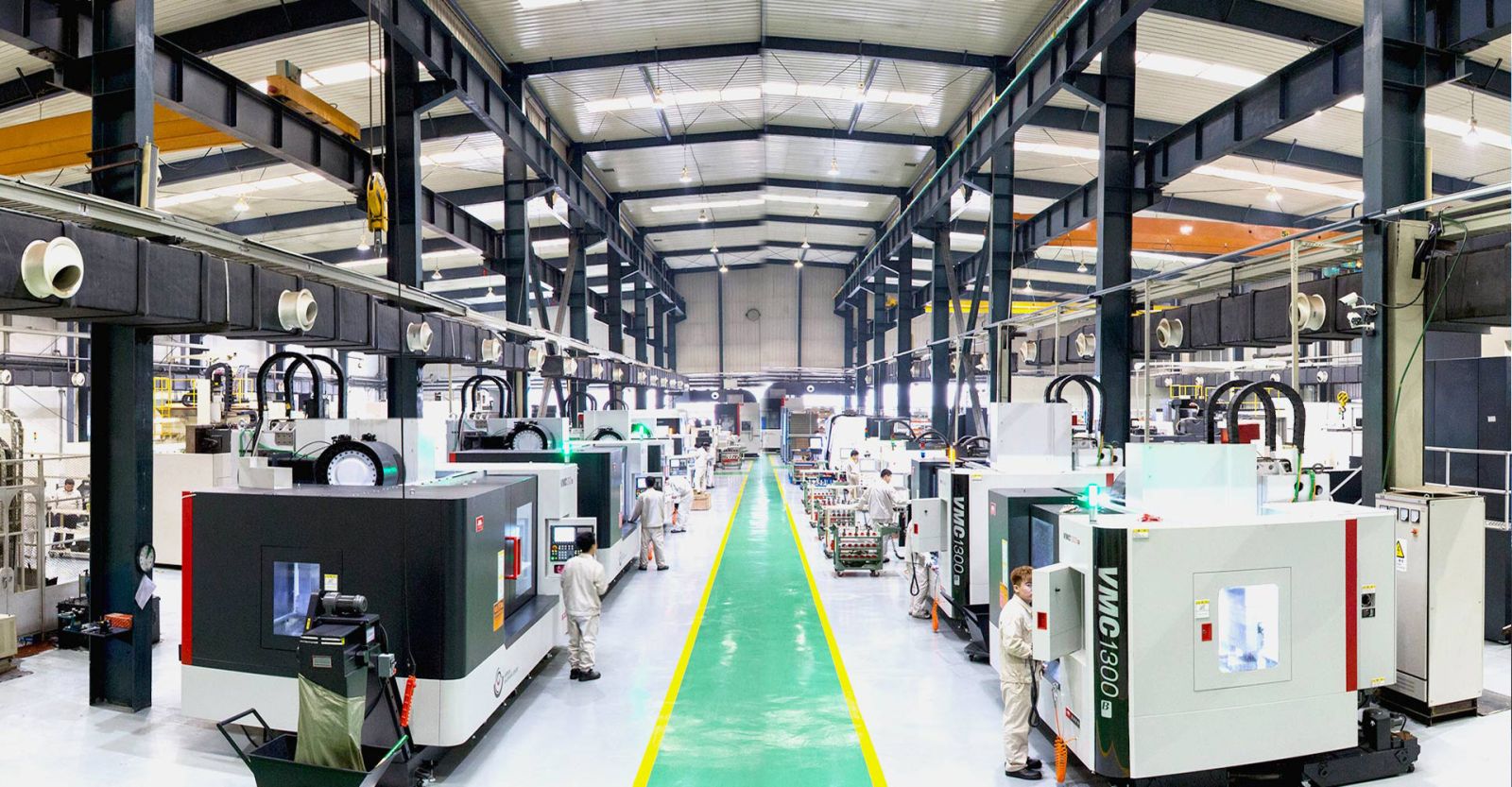
With over 20 years of experience, YICHOU specializes in mechanical design, precision plastics, and material processing. Our state-of-the-art facilities are equipped to handle complex injection molding projects across various industries, including automotive, medical, marine, aerospace, semiconductor, and industrial sectors.
Commitment to Quality, Competitive Pricing, and Customer Satisfaction
-
Quality Assurance: We adhere to stringent quality control measures, ensuring that every product meets the highest standards of precision and durability.
-
Competitive Pricing: Our efficient manufacturing processes enable us to offer cost-effective solutions without compromising on quality.
-
Customer Satisfaction: At YICHOU, we prioritize our clients' needs, providing personalized service and support throughout the project lifecycle.
Examples of Past Projects and Client Testimonials
Our portfolio includes successful collaborations with clients across diverse industries. While specific project details are confidential, our clients have consistently expressed satisfaction with our products and services.
For instance, Kevin Andrew, CEO of a partnering company, stated: "I know they are going to be honest with me. I am not going to get a subpar product; I know it is going to be good. That is the number one advantage of working with YICHOU because I just do not want to be sold. I want to trust that what I am getting is going to be good."
10. Conclusion
Investing in high-quality plastic injection molds is essential for achieving precision, efficiency, and longevity in your manufacturing processes. Partnering with an experienced and reliable supplier like YICHOU ensures that your specific needs are met with excellence.
Call to Action
Contact YICHOU today for a free consultation and custom quote! Our team is ready to assist you in bringing your projects to fruition with the highest standards of quality and service.
Get Quote
- Visit our website: https://www.nbyichou.com/
- Email us: [email protected]
- Call us/whatsapp: +86 13355741031
- Chat with us: Live chat support available on our website