In the world of precision manufacturing, CNC milling has emerged as a game-changer. This cutting-edge technology, driven by computer numerical control (CNC), is revolutionizing the way products are made with utmost precision. From automotive to aerospace industries, CNC milling has become an indispensable tool for creating complex parts with incredible accuracy. By automating the manufacturing process, CNC milling eliminates the need for manual intervention, reducing human error and increasing efficiency. The ability to create intricate designs and geometries has opened up endless possibilities for engineers and designers, pushing the boundaries of innovation. With CNC milling, manufacturers are able to achieve unparalleled levels of accuracy, consistency, and repeatability, ensuring that every part meets the strictest quality standards. This not only leads to enhanced product performance but also significantly reduces production time and costs. As the demand for high-quality products continues to rise, CNC milling has become an indispensable technology, driving advancements in precision manufacturing. In this article, we will dive deeper into the secrets of CNC milling, exploring how it is transforming industries and shaping the future of manufacturing. Keywords: CNC milling, precision manufacturing, cutting-edge technology, revolutionizing, automated, accuracy, efficiency, innovation.
Title: What is CNC Milling?
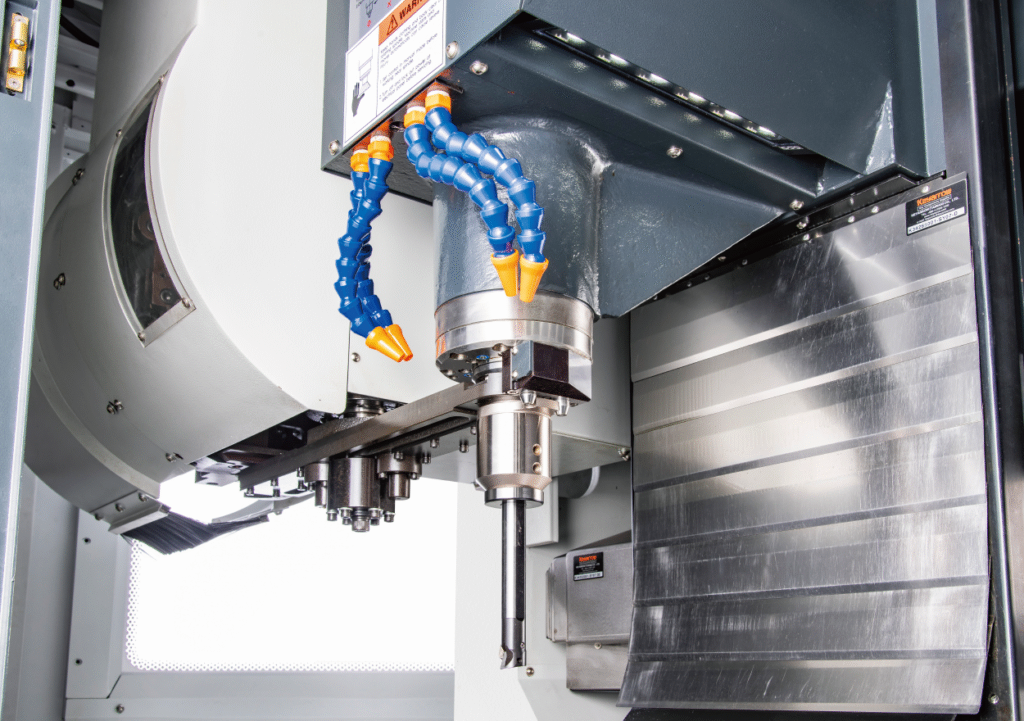
CNC milling, short for Computer Numerical Control milling, is a cutting-edge manufacturing process that has revolutionized precision manufacturing in numerous industries. At its core, CNC milling involves the use of computer-controlled machines to precisely remove material from a workpiece to create intricate and highly accurate parts and components. This technology has proven to be a game-changer in the world of manufacturing, offering a host of advantages that are reshaping how we approach precision engineering and production.
One of the key features of CNC milling is its exceptional precision. Unlike traditional manual machining methods, CNC milling relies on computer programs and digital designs to guide the cutting tools with pinpoint accuracy. This results in components that meet strict tolerances and exact specifications, making it a preferred choice in industries where precision is non-negotiable, such as aerospace, medical devices, and automotive manufacturing. The ability to consistently produce parts with minimal deviations is a significant advantage of CNC milling, ensuring the highest quality end products.
Moreover, CNC milling machines are incredibly versatile. They can work with a wide range of materials, from metals like aluminum and steel to various plastics and composites. This versatility makes CNC milling suitable for a diverse array of applications, from crafting intricate prototypes to mass-producing complex parts. Whether you're in the business of crafting custom components or producing standardized parts at scale, CNC milling has the flexibility to accommodate your needs.
In recent years, CNC milling has seen a surge in popularity due to its cost-effectiveness and efficiency. The ability to automate the machining process reduces labor costs and minimizes the risk of human error, resulting in higher productivity and reduced waste. This cost-efficiency makes CNC milling an attractive option for businesses looking to optimize their production processes and remain competitive in today's fast-paced manufacturing landscape.
In the next section, we will delve deeper into the historical development of CNC milling, tracing its origins and the pivotal moments that have shaped it into the cutting-edge technology it is today.
Title: Advantages of CNC Milling in Precision Manufacturing
CNC milling has undoubtedly become a cornerstone of precision manufacturing, owing to a plethora of advantages that it brings to the table. Let's explore some of these advantages in more detail, shedding light on why CNC milling is the preferred choice for industries that demand perfection in every component.
First and foremost, CNC milling machines are highly efficient. They can operate continuously, 24/7 if needed, without experiencing fatigue or compromising the quality of work. This round-the-clock operation capability translates into shorter lead times, ensuring that your products are manufactured and delivered faster, giving you a competitive edge in the market.
Furthermore, CNC milling allows for intricate and complex designs that would be nearly impossible to achieve with traditional machining methods. This opens up new possibilities for product innovation and engineering solutions. Whether it's the creation of intricately detailed medical implants or the production of aerospace components with precise geometries, CNC milling machines enable engineers and designers to push the boundaries of what's achievable.
Another significant advantage is the repeatability of CNC milling. Once a program is created for a specific part, the machine can reproduce it with absolute consistency. This consistency is invaluable in industries where quality control and product uniformity are paramount, as it reduces the likelihood of defects and deviations, ultimately saving time and resources.
Additionally, CNC milling reduces material wastage significantly. The computer-controlled precision means that cuts are optimized to minimize waste, making the process environmentally friendly and cost-effective. Less material waste not only benefits your bottom line but also contributes to a greener, more sustainable manufacturing process.
The adaptability of CNC milling machines is also worth noting. They can be reprogrammed swiftly to accommodate design changes or produce different parts, ensuring that your manufacturing process remains agile and responsive to evolving market demands.
In the following sections, we'll delve into the fascinating history and evolution of CNC milling, highlighting the milestones that have shaped its development over the years.
Title: The History and Evolution of CNC Milling
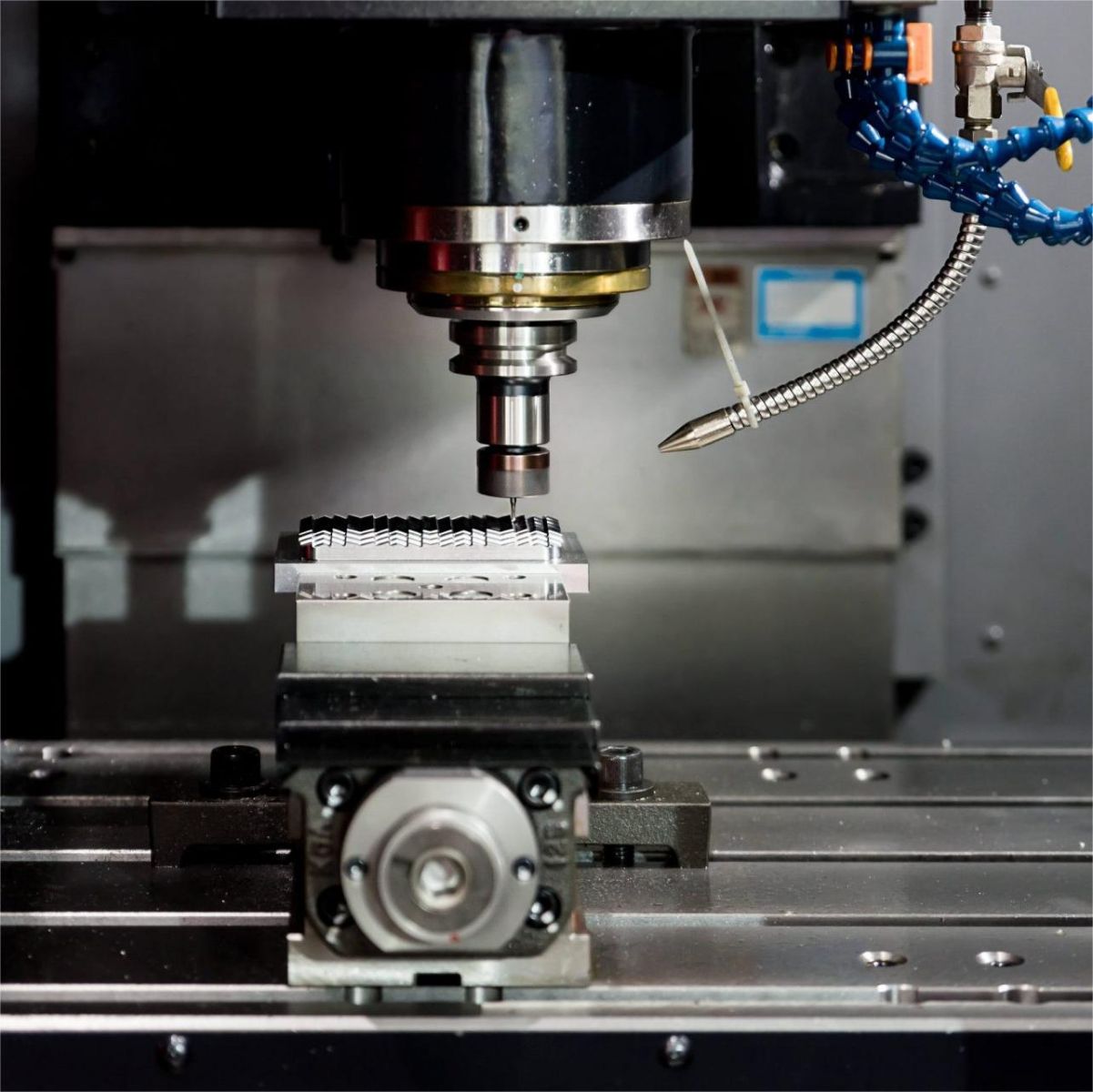
The history of CNC milling is a captivating journey that reflects the relentless pursuit of precision and automation in manufacturing. It all began in the mid-20th century when engineers and inventors embarked on a quest to streamline the machining process and reduce the reliance on manual labor.
The roots of CNC technology can be traced back to the 1940s and 1950s when the first numerical control (NC) machines emerged. These early machines used punched paper tapes to control the movement of cutting tools, offering a degree of automation compared to traditional manual milling.
However, it was in the 1960s that the true revolution occurred with the advent of computer technology. The introduction of computers into manufacturing paved the way for Computer Numerical Control (CNC) milling machines. These machines could read complex instructions from computer programs, enabling a level of precision and repeatability that was previously unimaginable.
One of the groundbreaking moments in the evolution of CNC milling was the development of the first CNC milling machine by John T. Parsons and Frank L. Stulen in the late 1940s. This machine laid the foundation for modern CNC technology and set the stage for its widespread adoption in industries worldwide.
In the 1970s and 1980s, CNC milling machines became more accessible and affordable, leading to their widespread use in various industries, including aerospace, automotive, and electronics. As computer technology continued to advance, CNC machines became more powerful and capable of handling increasingly complex tasks.
The 21st century has witnessed further advancements in CNC milling technology. High-speed machining, multi-axis milling, and the integration of advanced software systems have all contributed to pushing the boundaries of what CNC milling can achieve. Today, CNC milling is an integral part of precision manufacturing, driving innovation and efficiency across a multitude of sectors.
In the subsequent sections, we'll explore the key components and functionality of a CNC milling machine, as well as the various types of CNC milling operations that have emerged to meet diverse manufacturing needs.
Title: Key Components and Functionality of a CNC Milling Machine
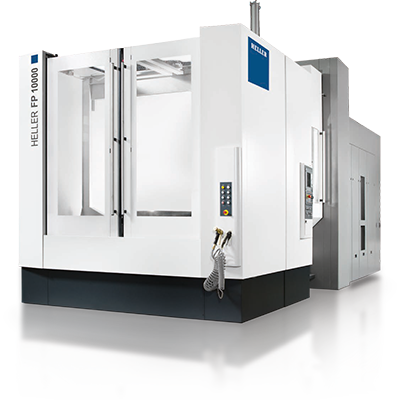
Understanding the inner workings of a CNC milling machine is essential to appreciate its capabilities fully. These machines consist of several key components and systems that work in harmony to deliver precise and efficient machining results. Let's take a closer look at the fundamental elements of a CNC milling machine and how they function.
-
Control Unit: At the heart of every CNC milling machine is its control unit, often referred to as the CNC controller. This unit interprets the programmed instructions and converts them into precise movements and actions. Modern CNC controllers are equipped with advanced software and hardware, allowing for complex machining tasks and real-time monitoring.
-
Axes: CNC milling machines typically have multiple axes of movement, with the most common being three-axis (X, Y, and Z). Each axis is responsible for controlling the movement of the cutting tool along a specific direction. Some advanced machines may have additional axes, such as a fourth or fifth axis, which enable more complex machining operations.
-
Spindle: The spindle is a critical component that holds and rotates the cutting tool. It determines the speed and precision of the machining process. High-speed spindles are capable of achieving rapid material removal rates, while precision spindles are used for tasks requiring extreme accuracy.
-
Tool Changer: Many CNC milling machines are equipped with automatic tool changers. These systems allow the machine to switch between different cutting tools without manual intervention. Tool changers enhance efficiency by reducing downtime and enabling the production of complex parts that require multiple tool types.
-
Workholding Device: To secure the workpiece in place during machining, CNC milling machines use various workholding devices. These can include vises, clamps, fixtures, and vacuum tables. The choice of workholding device depends on the shape and size of the workpiece.
-
Coolant System: To prevent overheating and maintain the quality of the machining process, CNC milling machines often incorporate coolant systems. Coolant helps dissipate heat generated during cutting, prolonging tool life and ensuring dimensional accuracy.
-
Control Software: The CNC milling process begins with the creation of a computer-aided design (CAD) model, which is then translated into a computer-aided manufacturing (CAM) program. This program contains the instructions for toolpaths, speeds, and feeds. Modern CNC milling machines are compatible with advanced CAM software, enabling engineers to design and simulate machining operations with precision.
The functionality of a CNC milling machine relies on the seamless interaction of these components. The CNC controller interprets the CAM program, and the machine's motors and actuators execute the instructions with exceptional accuracy. This level of automation and precision is what makes CNC milling a cornerstone of modern manufacturing.
In the subsequent sections, we will explore the different types of CNC milling operations, the common materials used in CNC milling, and the factors to consider when choosing the right CNC milling machine for your specific needs.
Title: Different Types of CNC Milling Operations
CNC milling offers a wide range of operations, each tailored to meet specific manufacturing requirements. These operations encompass a spectrum of techniques, from basic 2D cutting to highly complex multi-axis machining. Understanding the different types of CNC milling operations is essential for selecting the most suitable method for your project. Let's delve into the various CNC milling techniques and their applications.
-
2D Milling: 2D milling, also known as contour milling or profiling, involves machining a workpiece to create flat surfaces and intricate outlines. This is one of the most common CNC milling operations and is used extensively in industries like electronics and signage manufacturing.
-
3D Milling: 3D milling introduces depth into the machining process, allowing for the creation of complex three-dimensional shapes and contours. This is crucial in industries such as mold-making, aerospace, and medical device manufacturing, where intricate geometries are prevalent.
-
Face Milling: Face milling is used to create flat surfaces on the top of a workpiece. It involves removing material from the face of the workpiece using specialized milling cutters. This operation is commonly used in the production of engine blocks and other large components.
-
Pocket Milling: Pocket milling is employed to create recesses or cavities within a workpiece. It is particularly useful in the production of molds, dies, and complex mechanical parts.
-
Thread Milling: Thread milling is the process of cutting threads into a workpiece. It is commonly used in the manufacturing of screws, bolts, and threaded components across various industries.
-
High-Speed Machining (HSM): High-speed machining is characterized by aggressive cutting speeds and feeds. This technique is utilized to achieve rapid material removal rates while maintaining precision. HSM is especially valuable in aerospace and automotive industries.
-
Five-Axis Machining: Five-axis machining allows for the simultaneous movement of the workpiece along five axes of motion. This capability enables the machining of complex shapes from multiple angles, making it essential in industries such as aerospace, where intricate and contoured parts are prevalent.
-
Multi-Axis Machining: Multi-axis machining refers to any CNC milling operation that involves more than the traditional three axes (X, Y, and Z). This includes four-axis and five-axis machining, which offer greater flexibility and precision for complex parts.
-
Engraving and Prototyping: CNC milling machines can be equipped with specialized engraving tools for etching designs, logos, or labels onto surfaces. This operation is often used in the production of personalized items and prototypes.
Each of these CNC milling operations has its unique advantages and applications, and selecting the appropriate method depends on factors such as the workpiece's complexity, material, and desired outcome. The ability to choose from this diverse array of techniques is one of the reasons CNC milling is so versatile and indispensable in precision manufacturing.
In the following sections, we will explore the common materials used in CNC milling, the factors to consider when choosing a CNC milling machine, and best practices for optimizing the CNC milling process.
Title: Common Materials Used in CNC Milling
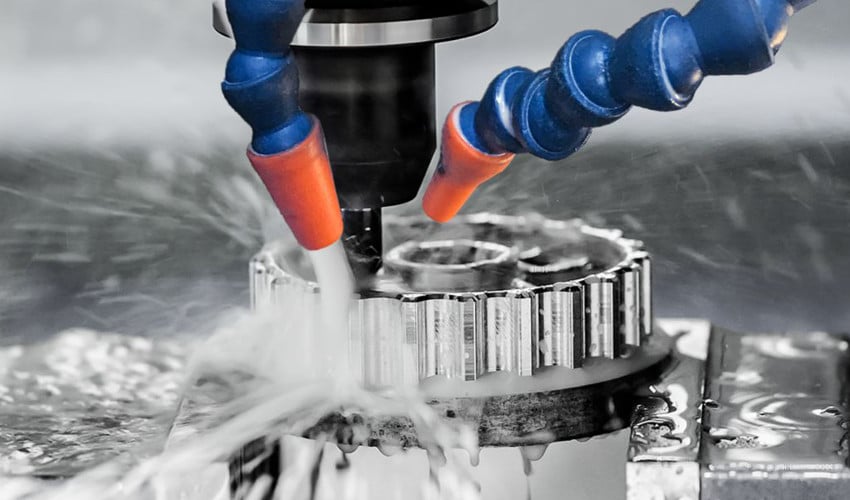
CNC milling is a versatile machining process that can be applied to a wide range of materials, each with its unique properties and challenges. The choice of material depends on the specific requirements of the project, including factors like strength, durability, heat resistance, and conductivity. Let's explore some of the most common materials used in CNC milling and their applications.
-
Metals: Metals are among the most widely machined materials in CNC milling. Aluminum, known for its lightweight properties and corrosion resistance, is frequently used in aerospace and automotive industries. Stainless steel offers excellent strength and corrosion resistance, making it suitable for medical devices and industrial machinery. Titanium, on the other hand, is valued for its high strength-to-weight ratio and is commonly used in aerospace applications.
-
Plastics: Plastics are chosen for CNC milling when lightweight, electrical insulation, and corrosion resistance are important. Materials like acrylic, polycarbonate, and nylon are commonly used in industries such as electronics, signage, and consumer goods.
-
Composites: Composite materials, such as carbon fiber and fiberglass, offer exceptional strength-to-weight ratios and are widely used in industries that demand lightweight, high-strength components. Aerospace and sports equipment manufacturing are prime examples of sectors that heavily rely on composites.
-
Wood: CNC milling is employed in woodworking for crafting intricate designs and precise cuts. It is often used in furniture production, cabinetry, and architectural detailing.
-
Ceramics: Ceramics are known for their high-temperature resistance and electrical insulating properties. They find applications in the production of electronic components and advanced ceramics.
-
Foams: Foam materials like polyurethane and expanded polystyrene are milled to create packaging, insulation, and foam molds for casting.
-
Exotic Materials: In specialized industries like defense and aerospace, exotic materials such as Inconel and superalloys are used for their extreme temperature resistance and mechanical properties. CNC milling ensures precise machining of these challenging materials.
The choice of material is a critical decision in CNC milling, as it impacts machining parameters, tool selection, and the overall success of the project. Machinists and engineers must carefully consider the material's properties, cost, and environmental impact when making this decision.
In the subsequent sections, we will discuss the factors to consider when choosing a CNC milling machine and delve into best practices for achieving optimal results in precision manufacturing.
Title: Factors to Consider When Choosing a CNC Milling Machine
Selecting the right CNC milling machine is a pivotal decision that can significantly impact the success of your manufacturing operation. Various factors must be taken into account to ensure that the chosen machine aligns with your production requirements and business goals. Let's explore the key considerations when choosing a CNC milling machine.
-
Machine Type: CNC milling machines come in various types, including vertical machining centers (VMCs), horizontal machining centers (HMCs), and five-axis machining centers. The choice depends on the specific machining tasks and workpiece sizes you need to accommodate.
-
Work Envelope: Consider the size of the workpieces you intend to machine. Ensure that the CNC milling machine's work envelope (the space within which it can operate) can accommodate your largest workpiece comfortably.
-
Accuracy and Precision: Assess the machine's accuracy and precision specifications, such as positioning accuracy and repeatability. These factors are crucial, especially in industries where tight tolerances are essential.
-
Spindle Speed and Power: The spindle's speed and power determine the machining capabilities of the machine. High-speed spindles are suitable for fast material removal, while high-power spindles are essential for heavy-duty machining.
-
Tool Changer: If your projects involve a variety of cutting tools, an automatic tool changer is beneficial. It reduces downtime by swiftly switching between tools during machining.
-
Control System: The CNC controller plays a vital role in the machine's performance. Consider the ease of use, compatibility with CAD/CAM software, and availability of advanced features such as toolpath optimization.
-
Material Compatibility: Ensure that the machine can handle the materials you plan to work with, including metals, plastics, composites, and exotic materials.
-
Maintenance and Support: Investigate the machine manufacturer's reputation for reliability, and inquire about maintenance requirements and the availability of technical support.
-
Cost: While initial cost is a consideration, it's essential to evaluate the machine's total cost of ownership, factoring in operational costs, maintenance, and potential downtime.
-
Future Expansion: Consider your long-term needs. Will the machine accommodate future growth and evolving project requirements?
-
Environmental Impact: Evaluate the machine's energy efficiency and environmental impact, as sustainability practices are increasingly important in modern manufacturing.
-
Safety Features: Ensure that the machine is equipped with safety features and compliance with industry regulations to protect operators and prevent accidents.
Taking a comprehensive approach to evaluating these factors will help you make an informed decision when choosing a CNC milling machine. Keep in mind that the right machine can significantly enhance your production capabilities and competitiveness.
In the following section, we'll explore best practices for optimizing CNC milling processes to maximize efficiency and quality.
Title: Best Practices for CNC Milling
To achieve the best results in CNC milling and fully harness the capabilities of your equipment, it's crucial to follow a set of best practices. These practices encompass various aspects of the machining process, from planning and tool selection to machine maintenance and quality control. Let's delve into some key best practices for CNC milling.
-
Thorough Planning: Begin by meticulously planning your machining project. This includes defining clear objectives, selecting the appropriate material and tooling, and creating a comprehensive CNC program that optimizes toolpaths and speeds.
-
Tool Selection: Choose cutting tools that are suitable for the material and machining operation. High-quality tooling and proper tool geometry are critical for achieving precise results.
-
Feeds and Speeds: Optimize feeds and speeds based on the material and tool specifications. Proper speeds and feeds ensure efficient material removal and extend tool life.
-
Workholding: Secure the workpiece firmly to prevent movement during machining. Utilize appropriate workholding devices, such as vises or fixtures, and ensure that the workpiece is properly aligned.
-
Toolpath Optimization: Implement efficient toolpaths that minimize tool changes and reduce unnecessary movements. This not only saves time but also extends tool life.
-
Coolant Management: Use coolant or lubricant as needed to dissipate heat and improve chip evacuation. Proper coolant management enhances both machining efficiency and tool longevity.
-
Quality Control: Continuously monitor and inspect machined parts to ensure they meet the required tolerances and specifications. Implement quality control processes to identify and address deviations promptly.
-
Maintenance Routine: Establish a regular maintenance routine for your CNC milling machine. This includes cleaning, lubrication, and periodic inspections to detect and address potential issues early.
-
Operator Training: Invest in training for machine operators to ensure they have the skills and knowledge to operate the CNC milling machine effectively and safely.
-
Safety Protocols: Implement comprehensive safety protocols to protect operators and maintain a safe working environment. This includes proper machine guarding and adherence to safety guidelines.
-
Documentation: Maintain detailed records of machining parameters, tool changes, and quality control checks. Documentation facilitates traceability and troubleshooting when issues arise.
-
Continuous Improvement: Encourage a culture of continuous improvement within your machining team. Regularly review processes and seek ways to optimize efficiency and reduce waste.
By adhering to these best practices, you can enhance the efficiency and precision of your CNC milling operations. Whether you're working on a one-off prototype or producing components at scale, these guidelines will help you achieve consistent, high-quality results.
In the next section, we'll explore how CNC milling is revolutionizing precision manufacturing and shaping the future of the industry.
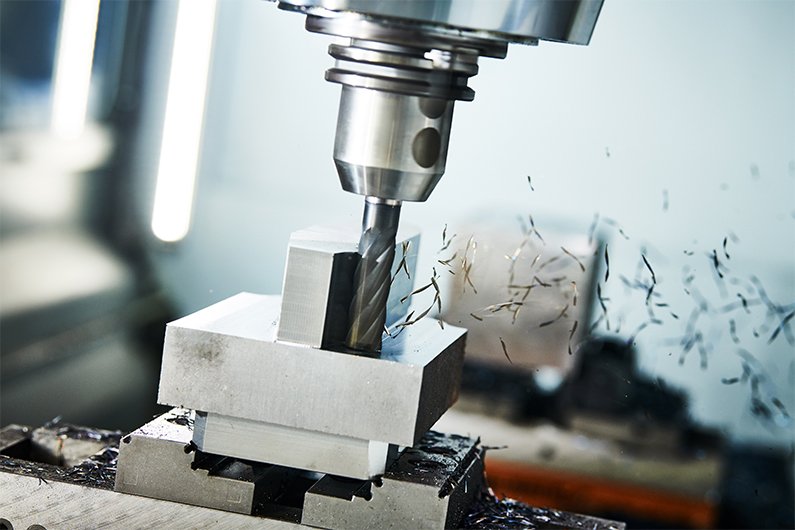
Title: How CNC Milling is Revolutionizing Precision Manufacturing
CNC milling has ushered in a new era of precision manufacturing, transforming industries and enabling innovative advancements across the board. Its impact on the manufacturing landscape cannot be overstated, and its role continues to evolve as technology advances. Let's delve into how CNC milling is revolutionizing precision manufacturing.
-
Higher Precision and Consistency: CNC milling machines offer unparalleled precision and consistency in machining operations. This level of accuracy is critical in industries where deviations can lead to catastrophic consequences, such as aerospace and medical device manufacturing.
-
Complex Geometry: CNC milling enables the production of complex, intricate geometries that were once challenging or impossible to achieve using traditional methods. This capability has opened doors for innovative product designs and engineering solutions.
-
Efficiency and Productivity: Automation is a hallmark of CNC milling. These machines can operate continuously, significantly increasing productivity and reducing lead times. This efficiency is a driving force in modern manufacturing.
-
Material Versatility: CNC milling machines can work with a wide range of materials, from metals to plastics, ceramics, and composites. This versatility makes them suitable for diverse applications and industries.
-
Customization and Prototyping: CNC milling allows for rapid prototyping and customization. Manufacturers can quickly iterate and refine designs, bringing products to market faster and with greater precision.
-
Reduction in Waste: The precise control of CNC milling reduces material wastage. This not only saves costs but also aligns with sustainable manufacturing practices by minimizing environmental impact.
-
Economic Advantages: CNC milling offers economic advantages through reduced labor costs, higher throughput, and improved resource utilization. It enhances a company's competitiveness in the global market.
-
Innovation and Research: CNC milling plays a pivotal role in research and development across various sectors. It empowers scientists and engineers to explore new materials and technologies.
-
Industry 4.0 Integration: The integration of CNC milling with Industry 4.0 principles, including the Internet of Things (IoT) and data analytics, allows for real-time monitoring and optimization of manufacturing processes.
-
Small-Batch Production: CNC milling's flexibility makes it ideal for small-batch and custom production runs. It eliminates the need for costly tooling changes associated with traditional manufacturing methods.
-
Skilled Workforce Development: As CNC milling technology advances, there is a growing demand for skilled operators and programmers. This presents opportunities for workforce development and training.
-
Global Supply Chains: CNC milling has played a significant role in global supply chains, allowing for efficient production and distribution of components and products worldwide.
As CNC milling technology continues to evolve, its influence on precision manufacturing will only expand. Innovations such as hybrid machines that combine additive and subtractive manufacturing and the use of artificial intelligence (AI) for optimization are on the horizon. The future of CNC milling promises even greater levels of precision, efficiency, and innovation in manufacturing.
In the concluding section, we'll reflect on the future of CNC milling in the manufacturing industry and its enduring significance.
Title: Conclusion: The Future of CNC Milling in the Manufacturing Industry
The journey through the world of CNC milling reveals a technology that has not only shaped the present but also holds the key to the future of precision manufacturing. From its humble beginnings in the mid-20th century to its current status as a cornerstone of modern industry, CNC milling has continually evolved and adapted to meet the demands of a changing world.
Looking ahead, the future of CNC milling in the manufacturing industry is promising. The relentless pursuit of precision and efficiency will drive ongoing innovations and advancements in this field. Here are some key trends and developments to watch for:
-
Advanced Materials: As new materials with unique properties emerge, CNC milling will play a crucial role in machining them for various applications, from aerospace to renewable energy.
-
Smart Manufacturing: The integration of CNC milling with smart manufacturing principles will enable real-time monitoring, predictive maintenance, and data-driven decision-making, optimizing production processes.
-
Hybrid Manufacturing: The convergence of additive and subtractive manufacturing technologies will lead to hybrid machines capable of 3D printing and CNC milling in a single setup, revolutionizing how complex parts are produced.
-
Artificial Intelligence (AI): AI algorithms will enhance toolpath optimization, quality control, and predictive maintenance, making CNC milling even more efficient and precise.
-
Sustainability: CNC milling will continue to contribute to sustainable manufacturing by minimizing material waste, energy consumption, and environmental impact.
-
Education and Training: The demand for skilled CNC milling operators and programmers will drive investments in education and training programs to prepare the workforce for the future.
-
Customization and Personalization: CNC milling will enable mass customization, allowing manufacturers to meet individual customer needs while maintaining production efficiency.
-
Global Collaboration: CNC milling will facilitate global collaboration in manufacturing, with the ability to design and produce parts remotely, bridging geographical gaps.
In conclusion, CNC milling stands as a testament to human ingenuity and our unceasing quest for precision and efficiency. Its impact on precision manufacturing is immeasurable, and its future is bright as it continues to evolve and shape industries across the globe. As we look to the horizon, we can be certain that CNC milling will remain at the forefront of innovation, driving the manufacturing industry toward new frontiers of excellence and possibility.
.jpg)
FAQ 1: What are the Advantages of CNC Milling at YICHOU Factory?
At YICHOU Factory, we specialize in CNC milling, a cutting-edge manufacturing process known for its precision and efficiency. Our CNC milling services offer numerous advantages:
-
Unrivaled Precision: Our CNC milling machines provide unmatched precision, ensuring that your components meet the strictest tolerances and specifications.
-
High Efficiency: With 24/7 operation capabilities, our CNC milling services guarantee shorter lead times, allowing you to get your products to market faster.
-
Complex Geometries: YICHOU Factory's CNC milling can craft intricate, three-dimensional shapes and designs, enabling innovative product solutions.
-
Cost-Effectiveness: Automation in our CNC milling processes reduces labor costs, ultimately resulting in cost savings for your projects.
-
Material Versatility: Whether you require metal, plastic, or composite components, our CNC milling can handle a wide range of materials to suit your needs.
-
Environmental Responsibility: We prioritize sustainability by minimizing material waste, aligning with green manufacturing practices.
FAQ 2: How Does YICHOU Factory Ensure Precision in CNC Milling?
At YICHOU Factory, precision is our hallmark in CNC milling. We achieve this through:
-
Advanced Equipment: Our state-of-the-art CNC milling machines are equipped with high-precision spindles, ensuring accuracy in every cut.
-
Skilled Operators: Our experienced machinists and engineers are experts in CNC milling, guaranteeing meticulous attention to detail.
-
Quality Control: We implement rigorous quality control processes, inspecting and measuring machined parts to ensure they meet your specifications.
-
Tool Selection: We choose the right cutting tools and optimize feeds and speeds for precise material removal.
-
Constant Monitoring: YICHOU Factory continuously monitors machining operations to identify and correct deviations promptly.
FAQ 3: Can YICHOU Factory Handle Large Workpieces in CNC Milling?
Absolutely! At YICHOU Factory, our CNC milling machines boast generous work envelopes, enabling us to handle large workpieces with ease. Whether you need extensive aerospace components, automotive parts, or industrial machinery, our CNC milling capabilities are up to the task. Our spacious work envelopes ensure that we can accommodate your largest projects without compromising on precision.
FAQ 4: What Materials Can YICHOU Factory CNC Mill for My Project?
YICHOU Factory has the expertise and equipment to CNC mill a wide variety of materials, including:
-
Metals: We can CNC mill metals such as aluminum, steel, stainless steel, and titanium for various applications.
-
Plastics: Our CNC milling services extend to plastics like acrylic, polycarbonate, and nylon, suitable for industries like electronics and consumer goods.
-
Composites: YICHOU Factory excels in machining composite materials like carbon fiber and fiberglass, ideal for lightweight, high-strength components.
-
Wood and Ceramics: Whether you need precise woodworking or ceramic machining, our CNC milling capabilities have you covered.
-
Exotic Materials: We specialize in handling challenging materials like Inconel and superalloys for demanding industries such as aerospace and defense.
FAQ 5: What Sets YICHOU Factory Apart in CNC Milling Services?
YICHOU Factory stands out in CNC milling services for several reasons:
-
Experience: With a history of excellence in precision manufacturing, we bring a wealth of expertise to every project.
-
Cutting-Edge Technology: Our CNC milling machines are equipped with the latest advancements, ensuring top-tier performance.
-
Customization: We offer tailored solutions, accommodating both small-batch production and large-scale manufacturing.
-
Environmental Consciousness: YICHOU Factory is committed to sustainable practices, minimizing waste and environmental impact.
-
Global Reach: Our CNC milling services facilitate global collaboration, allowing us to serve clients worldwide.
Choose YICHOU Factory for your CNC milling needs, and experience the future of precision manufacturing today.