Are you struggling to find the perfect machining manufacturer for your business needs? Look no further. In this comprehensive guide, we will unravel the secrets to choosing the best machining manufacturer. Whether you're in the automotive industry, aerospace, or any other sector that requires precision engineering, selecting the right manufacturer is vital for success. With so many options available, it can be overwhelming to make the right decision. That's why we're here to help. Our expert advice, based on years of industry experience, will steer you in the right direction. From understanding your requirements to assessing a manufacturer's capabilities, we’ll cover every aspect you need to know in order to make an informed decision. Discover the key factors you should consider when choosing a machining manufacturer - from their expertise and technology to their track record of quality and delivery. We'll guide you through the selection process, ensuring you find a manufacturer that not only meets your expectations but exceeds them. Don't let the complexity of selecting a machining manufacturer hold you back. Read on to unravel the secrets and unlock the key to choosing the best manufacturer for your business.
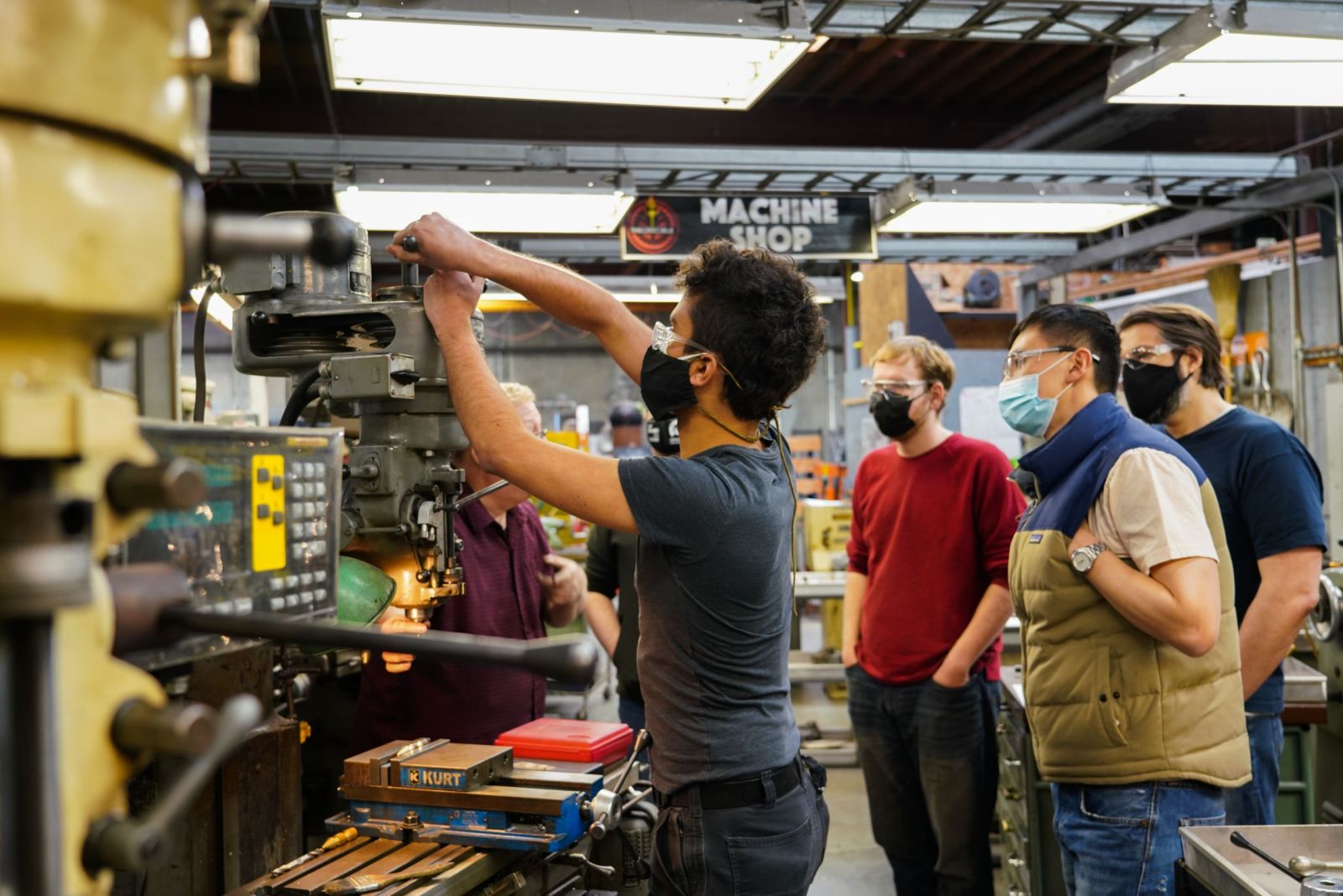
Title: The Importance of Choosing the Right Machining Manufacturer
In today's competitive manufacturing landscape, selecting the right machining manufacturer is paramount to the success of your business. Your choice can significantly impact product quality, production efficiency, and ultimately, your bottom line. Here, we'll explore the crucial factors that underline the importance of this decision and how it can shape your business's future.
When you're in the market for a machining manufacturer, it's important to remember that not all manufacturers are created equal. The quality of their work, their adherence to deadlines, and their overall approach to manufacturing can vary significantly. Therefore, making an informed choice can make all the difference.
One of the primary reasons for choosing the right machining manufacturer is product quality. The precision and accuracy of machining processes directly influence the quality of the components or products being produced. A manufacturer with advanced machinery and skilled operators will consistently deliver components that meet or exceed your specifications. High-quality products not only boost your brand's reputation but also minimize costly defects and rejections.
Moreover, selecting the right manufacturer can significantly impact production efficiency. A manufacturer with streamlined processes and a focus on continuous improvement can help reduce lead times and production costs. This efficiency can be a game-changer, allowing you to meet customer demands more quickly and stay ahead of the competition.
Cost-effectiveness is another critical factor. The right machining manufacturer will offer competitive pricing while maintaining quality standards. They'll help you optimize costs without compromising on the end product's quality, which is essential for maintaining a healthy profit margin.
Additionally, your manufacturer's ability to adapt to your specific needs and requirements is crucial. The right manufacturer will be flexible and capable of handling both low and high-volume production runs. This adaptability ensures that your production needs are met, whether you're launching a new product or scaling up production for increased demand.
In summary, the importance of choosing the right machining manufacturer cannot be overstated. It affects product quality, production efficiency, cost-effectiveness, and your ability to adapt to market changes. Your choice of manufacturer is a strategic decision that has far-reaching consequences for your business. Therefore, it's essential to carefully consider all the factors involved to make an informed choice.
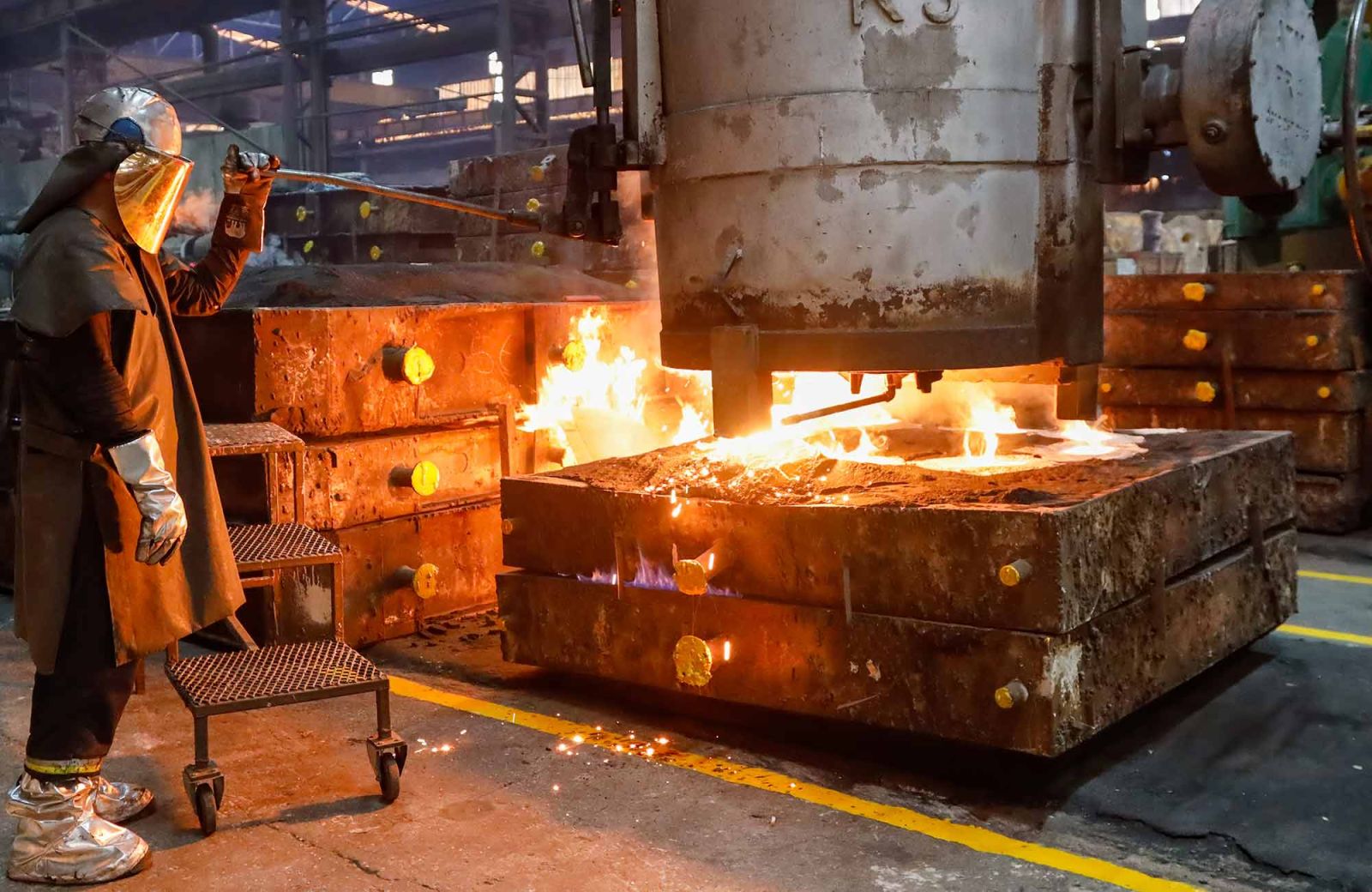
Title: Factors to Consider When Choosing a Machining Manufacturer
Choosing a machining manufacturer is a multifaceted decision that involves assessing various factors to ensure you make the best choice for your business. To help you navigate this complex process, let's delve into the key factors that you should consider when selecting a machining manufacturer.
-
Expertise and Specialization: Start by evaluating the manufacturer's expertise and specialization. Different manufacturers excel in various industries or machining processes. Look for a manufacturer with experience in your specific field or product type. Their knowledge of industry standards and best practices can be invaluable.
-
Capacity and Scalability: Consider the manufacturer's capacity to handle your production requirements. Are they equipped to meet your current needs, and can they scale up as your demand grows? Choosing a manufacturer with scalability ensures a long-term partnership that can adapt to your evolving needs.
-
Technology and Equipment: Assess the technology and equipment used by the manufacturer. Cutting-edge machinery and software can significantly impact the precision and efficiency of machining processes. Inquire about their investments in technology and their commitment to staying updated with industry advancements.
-
Quality Control: A crucial factor is the manufacturer's quality control measures. Ask about their quality assurance processes, inspection procedures, and certifications. A manufacturer with robust quality control practices can help you maintain consistent product quality.
-
Lead Times: Understand the manufacturer's lead times and delivery capabilities. Meeting deadlines is vital in today's fast-paced business environment. Reliable manufacturers with efficient production and logistics can help you fulfill customer orders promptly.
-
Cost Competitiveness: While cost should not be the sole determining factor, it's essential to find a manufacturer that offers competitive pricing without compromising quality. Request detailed quotes and compare them against your budget constraints.
-
Communication and Collaboration: Effective communication is key to a successful partnership. Evaluate the manufacturer's willingness to collaborate, address your concerns, and provide regular updates on project progress. A manufacturer who values open communication can streamline the manufacturing process.
-
Location and Logistics: Consider the geographical location of the manufacturer. Proximity can affect shipping costs and lead times. Additionally, assess their logistical capabilities, including warehousing and distribution, if needed.
-
Reputation and References: Research the manufacturer's reputation in the industry. Seek customer testimonials and case studies to gain insights into their track record. A well-established manufacturer with a history of satisfied clients is a promising choice.
-
Environmental and Ethical Practices: In today's environmentally conscious world, evaluate the manufacturer's commitment to sustainability and ethical practices. A manufacturer that aligns with your values can enhance your brand's reputation.
By carefully weighing these factors, you can make an informed decision when choosing a machining manufacturer. Remember that each factor is interconnected, and a comprehensive evaluation will lead to a partnership that benefits your business in the long run.
Title: Understanding the Different Types of Machining Processes
Machining processes are the backbone of modern manufacturing, responsible for transforming raw materials into finished products with precision and accuracy. Understanding the various types of machining processes is crucial when selecting the right manufacturing partner. Let's explore the most common machining processes and their applications:
-
Turning: Turning is a fundamental machining process that involves rotating a workpiece while a cutting tool removes material to create cylindrical shapes. It is widely used for producing components like shafts, bolts, and bushings.
-
Milling: Milling is a versatile process where a rotating cutter removes material from a stationary workpiece. It can create complex shapes and contours and is commonly used in industries ranging from aerospace to automotive.
-
Drilling: Drilling is the process of creating holes in a workpiece using a rotating cutting tool. It is essential for various applications, such as creating holes for fasteners and machining precise bores.
-
Grinding: Grinding is a precision machining process used for achieving fine surface finishes and tight tolerances. It's employed in applications where smooth surfaces and precise dimensions are critical, such as in the production of bearings and tools.
-
Electrical Discharge Machining (EDM): EDM involves removing material by generating electrical discharges between an electrode and the workpiece. It's ideal for machining complex, hard, or heat-resistant materials.
-
Wire EDM: This variation of EDM uses a thin, electrically charged wire to cut intricate shapes. It's often used for making dies and molds for various industries.
-
Waterjet Cutting: Waterjet cutting uses a high-pressure jet of water mixed with abrasive materials to cut through materials like metal, stone, and composites. It's a versatile process known for its accuracy and ability to cut various materials.
-
Laser Cutting: Laser cutting uses a focused laser beam to melt, burn, or vaporize material, leaving behind a precise cut. It's commonly used for cutting sheet metal and other materials in industries like signage and automotive.
-
Plasma Cutting: Plasma cutting employs a high-temperature, ionized gas (plasma) to cut through electrically conductive materials like steel and aluminum. It's favored for its speed and cost-effectiveness in metal fabrication.
-
Chemical Machining: Chemical machining involves selectively removing material using chemical processes. It's often used for creating intricate patterns on metals and alloys.
Each machining process has its advantages and limitations, making it suitable for specific applications. When choosing a machining manufacturer, consider the processes they specialize in and whether they align with your project requirements. A manufacturer with expertise in the right machining processes can deliver superior results and optimize production efficiency.
Title: Evaluating the Capabilities and Expertise of a Machining Manufacturer
Selecting the right machining manufacturer hinges on their capabilities and expertise. To make an informed decision, it's essential to evaluate these aspects thoroughly. Here, we'll delve into the key areas to assess when determining a manufacturer's capabilities and expertise:
-
Technical Proficiency: Begin by examining the manufacturer's technical prowess. Do they possess the knowledge and skills required for your specific machining needs? Manufacturers with experienced engineers and operators are better equipped to handle complex projects.
-
Industry Experience: Consider the manufacturer's experience within your industry. Have they worked on similar projects before? An understanding of industry-specific requirements and standards can streamline the manufacturing process and minimize errors.
-
Advanced Machinery: State-of-the-art machinery is crucial for precision machining. Inquire about the manufacturer's equipment inventory. Up-to-date machinery not only enhances accuracy but also improves efficiency and reduces lead times.
-
Material Expertise: Different materials require varying machining approaches. A manufacturer with expertise in working with your chosen materials can ensure that your components are produced to the highest quality standards.
-
Engineering Support: Evaluate whether the manufacturer offers engineering support during the design and prototyping phases. Collaborative manufacturers can provide valuable input to optimize component designs for manufacturability and cost-effectiveness.
-
Process Optimization: Manufacturers skilled in process optimization can identify opportunities to enhance efficiency, reduce waste, and improve quality. Their commitment to continuous improvement can lead to cost savings and better overall outcomes.
-
Project Management: Efficient project management is essential for meeting deadlines and maintaining quality. Assess the manufacturer's project management capabilities, including their ability to communicate, plan, and execute projects seamlessly.
-
Customization Capabilities: Depending on your project's uniqueness, customization may be necessary. Evaluate whether the manufacturer can tailor their processes to meet your specific requirements.
-
Prototyping Services: Prototyping is a critical phase in product development. Manufacturers that offer prototyping services can help you test and refine your designs before moving to full-scale production.
-
Problem-Solving Skills: Challenges can arise during manufacturing. Manufacturers with strong problem-solving skills can address issues promptly and find innovative solutions to keep projects on track.
-
Certifications: Look for certifications relevant to your industry and project. Certifications like ISO 9001 and AS9100 demonstrate a commitment to quality management systems and can be indicators of a manufacturer's expertise.
-
Client References: Request client references or case studies to gain insights into the manufacturer's track record. Satisfied clients are a testament to a manufacturer's capabilities and reliability.
By thoroughly evaluating a machining manufacturer's capabilities and expertise in these areas, you can make an informed decision that aligns with your project's requirements. A manufacturer with a strong focus on technical proficiency, industry experience, and continuous improvement is well-positioned to be a valuable partner in your manufacturing journey.
.jpg)
Title: Checking the Quality Assurance and Certifications of a Machining Manufacturer
Quality assurance is a cornerstone of successful manufacturing, and it's imperative to ensure that your chosen machining manufacturer upholds the highest standards. In this section, we will explore the importance of quality assurance and certifications in the machining industry.
-
Quality Assurance Processes: Begin by examining the manufacturer's quality assurance processes. Robust quality control measures ensure that components meet precise specifications and conform to industry standards. Inquire about their inspection protocols and documentation practices.
-
ISO Certification: ISO 9001 is one of the most widely recognized quality management standards globally. A machining manufacturer with ISO 9001 certification demonstrates a commitment to quality, process consistency, and customer satisfaction. It's a strong indicator of their dedication to delivering high-quality products.
-
Aerospace and Defense Certifications: If your project is related to aerospace or defense, certifications such as AS9100 are essential. AS9100 certification signifies compliance with strict quality and safety standards specific to these industries.
-
Medical Device Certifications: For medical device manufacturers, certifications like ISO 13485 are crucial. These certifications ensure adherence to stringent quality and regulatory requirements to produce safe and reliable medical components.
-
Automotive Standards: If your project involves automotive components, look for manufacturers with certifications like ISO/TS 16949. These certifications focus on quality and consistency in automotive supply chain processes.
-
ITAR Compliance: If your project involves defense-related components, International Traffic in Arms Regulations (ITAR) compliance is vital. ITAR regulates the export and import of defense-related articles, services, and technical data.
-
Material Certification: Inquire about the manufacturer's ability to provide material certifications. Certificates of compliance ensure that the materials used meet specified standards and are traceable to their source.
-
Statistical Process Control (SPC): SPC is a quality control method that monitors and controls production processes to ensure consistency and reliability. Manufacturers proficient in SPC can deliver products with minimal defects.
-
Non-Destructive Testing (NDT): If your project requires it, check if the manufacturer offers NDT services. NDT methods like ultrasonic testing and magnetic particle inspection are crucial for detecting hidden defects.
-
Documented Procedures: Manufacturers with well-documented procedures for quality control, testing, and inspection provide transparency and assurance that your components will meet stringent quality standards.
-
Customer Audits: Some manufacturers allow customers to conduct on-site audits to verify their quality control processes and capabilities. Consider this option for added confidence in your choice.
-
Continuous Improvement: Manufacturers committed to continuous improvement are more likely to stay updated with the latest quality standards and technologies, ensuring that your components remain competitive in the market.
By thoroughly checking the quality assurance practices and certifications of a machining manufacturer, you can mitigate quality-related risks and ensure that your components meet or exceed your expectations. Certifications and a commitment to quality assurance demonstrate a manufacturer's dedication to delivering reliable and high-quality products.
Title: Assessing the Equipment and Technology Used by a Machining Manufacturer
The equipment and technology employed by a machining manufacturer play a pivotal role in determining the quality, precision, and efficiency of the components they produce. In this section, we'll explore the significance of assessing a manufacturer's equipment and technology.
-
Advanced Machinery: Cutting-edge machinery is the backbone of modern machining. Inquire about the manufacturer's equipment inventory. State-of-the-art CNC machines, multi-axis machining centers, and precision tools are indicative of a commitment to precision and efficiency.
-
Computer-Aided Design (CAD): CAD software is essential for designing and modeling components with precision. Manufacturers with expertise in CAD can work closely with your engineering team to optimize designs for manufacturing.
-
Computer-Aided Manufacturing (CAM): CAM software converts CAD designs into machine code, ensuring seamless communication between design and production. Manufacturers proficient in CAM can reduce programming time and minimize errors.
-
CNC Machining: Computer Numerical Control (CNC) machines offer unparalleled precision and repeatability. Evaluate the manufacturer's CNC capabilities, including the number of axes and the range of materials they can work with.
-
Automation and Robotics: Automation can significantly enhance production efficiency. Manufacturers that incorporate automation and robotics into their processes can reduce labor costs and increase throughput while maintaining consistent quality.
-
Tooling and Workholding: High-quality tooling and workholding solutions are essential for machining accuracy. Manufacturers with a well-maintained inventory of cutting tools and fixtures can ensure the highest level of precision.
-
Measurement and Inspection Equipment: Precise measurement and inspection equipment, such as coordinate measuring machines (CMMs) and optical comparators, are crucial for quality control. Manufacturers with advanced inspection capabilities can maintain tight tolerances.
-
CAD/CAM Integration: A seamless integration between CAD and CAM systems streamlines the transition from design to production. It reduces the risk of errors and enables quicker response to design changes.
-
Materials Expertise: A deep understanding of various materials, including metals, plastics, and composites, is essential for selecting the right tools and machining parameters. Manufacturers experienced with a wide range of materials can cater to diverse project needs.
-
Prototyping Capabilities: Manufacturers with rapid prototyping capabilities can accelerate the product development process. Prototyping allows you to test and refine designs before committing to full-scale production.
-
Toolpath Optimization: Manufacturers proficient in toolpath optimization can maximize efficiency and minimize material waste. Optimized toolpaths can also extend tool life, reducing production costs.
-
Energy Efficiency: Sustainable manufacturing practices are increasingly important. Manufacturers that invest in energy-efficient machinery and processes not only reduce their environmental footprint but also offer cost savings.
-
Data Analytics: Manufacturers leveraging data analytics can identify trends, monitor machine performance, and proactively address issues. This data-driven approach enhances overall process efficiency.
Assessing a machining manufacturer's equipment and technology capabilities is essential to ensure that they can meet your project's requirements. Manufacturers that invest in the latest technology and maintain their equipment to the highest standards are more likely to deliver consistent, high-quality results while optimizing production efficiency.
Title: Considering the Location and Logistics of a Machining Manufacturer
The location and logistics of your chosen machining manufacturer can significantly impact your production process, costs, and overall business operations. Let's delve into why considering these factors is essential when making a selection.
-
Proximity to Your Business: The physical location of the manufacturer can affect transportation costs, lead times, and your ability to oversee production. Choosing a manufacturer located close to your business can reduce shipping expenses and enable quicker response times.
-
Transportation Infrastructure: Evaluate the transportation infrastructure surrounding the manufacturer's location. Access to major highways, ports, and airports can streamline the movement of materials and finished products, both domestically and internationally.
-
Shipping Costs: Shipping costs can add up, especially for large or heavy components. Manufacturers located near shipping hubs or with established logistics networks may offer cost-effective shipping solutions.
-
Lead Times: Manufacturers in close proximity can often provide shorter lead times, allowing you to respond more quickly to customer demands or unforeseen changes in your production schedule.
-
Time Zone Compatibility: Time zone differences between your location and the manufacturer's can affect communication and project coordination. Consider how time zone variations may impact your ability to collaborate effectively.
-
Customs and International Shipping: If your project involves international shipping, assess the manufacturer's experience with customs procedures and international logistics. Manufacturers with this expertise can help expedite the shipping process and minimize delays.
-
Supplier Networks: Manufacturers situated in industrial hubs may have access to a robust supplier network. This can be advantageous in sourcing materials and components, potentially reducing costs and lead times.
-
Security and Risk Factors: Evaluate the security and risk factors associated with the manufacturer's location. Consider factors like political stability, natural disaster risks, and local regulations that may impact production.
-
Communication Infrastructure: Reliable communication is essential for project coordination. Ensure that the manufacturer has access to high-speed internet and communication tools to facilitate seamless interactions.
-
Local Labor Pool: The availability of skilled labor in the manufacturer's region is critical. A ready pool of experienced machinists and technicians can ensure efficient production and minimize workforce-related disruptions.
-
Language and Cultural Considerations: If your project involves international collaboration, consider language and cultural factors. Effective communication and cultural understanding can prevent misunderstandings and improve collaboration.
-
Storage and Warehousing: Assess whether the manufacturer offers storage and warehousing services. This can be beneficial if you need to store components or materials before or after production.
-
Logistics Expertise: Manufacturers with in-house logistics expertise can manage shipping, inventory management, and distribution more efficiently, reducing the burden on your team.
When choosing a machining manufacturer, it's crucial to weigh the location and logistics factors that align with your business's needs and goals. A well-considered decision can lead to cost savings, streamlined operations, and a more responsive supply chain.
Title: Reviewing Customer Testimonials and Case Studies
Customer testimonials and case studies are valuable resources for gaining insights into a machining manufacturer's performance, reliability, and track record. Let's explore why reviewing these materials is essential when making your decision.
-
Authentic Feedback: Customer testimonials provide authentic feedback from individuals or businesses that have worked with the manufacturer. Reading about other clients' experiences can help you gauge the manufacturer's professionalism and reliability.
-
Performance Verification: Case studies offer in-depth analyses of specific projects the manufacturer has completed. They provide a detailed account of the manufacturer's capabilities, problem-solving skills, and project outcomes.
-
Industry Relevance: Look for testimonials and case studies from clients within your industry or with similar project requirements. These are more likely to offer relevant insights into how the manufacturer can meet your specific needs.
-
Quality Assurance: Testimonials and case studies may mention the manufacturer's commitment to quality, adherence to schedules, and overall project satisfaction. These factors are critical when evaluating potential partners.
-
Problem-Solving Abilities: Case studies often highlight challenges encountered during the project and how the manufacturer resolved them. This demonstrates the manufacturer's problem-solving abilities and adaptability.
-
Innovation and Technology: Assess whether the manufacturer's testimonials or case studies mention their use of innovative technology and solutions. This can be an indicator of their commitment to staying competitive.
-
Consistency: Consistency in delivering successful projects is a positive sign. Multiple positive testimonials and case studies across different clients and industries indicate a manufacturer's ability to consistently meet expectations.
-
References: Request references from the manufacturer and contact previous clients if possible. Speaking directly with those who have worked with the manufacturer can provide deeper insights.
-
Project Complexity: Pay attention to the complexity of the projects mentioned in case studies. If your project has similar complexities, it's reassuring to see that the manufacturer has successfully handled comparable challenges.
-
Timeliness: Timely project completion is often emphasized in testimonials and case studies. Reliable manufacturers that meet deadlines consistently can contribute to your project's success.
-
Communication: Testimonials may touch on the manufacturer's communication skills and responsiveness. Effective communication is essential for a smooth collaboration.
-
Problem Prevention: Some case studies may highlight the manufacturer's ability to anticipate and prevent issues, resulting in smoother project execution.
By thoroughly reviewing customer testimonials and case studies, you can gain a comprehensive understanding of a machining manufacturer's strengths, capabilities, and track record. These real-world accounts provide valuable insights to inform your decision and ensure a successful partnership.
.jpg)
Title: Conclusion and Final Thoughts
Choosing the right machining manufacturer is a critical decision that can significantly impact your business's success. Throughout this comprehensive guide, we've explored the various factors that should be considered when making this important choice.
In summary, the importance of selecting the right machining manufacturer cannot be overstated. Your choice directly affects product quality, production efficiency, cost-effectiveness, and your ability to meet customer demands. To recap the key points:
-
Product Quality: A reputable manufacturer ensures consistent and high-quality components, enhancing your brand's reputation.
-
Production Efficiency: The right manufacturer can optimize production processes, reduce lead times, and lower production costs.
-
Cost-Effectiveness: Competitive pricing without compromising quality is crucial for your bottom line.
-
Flexibility: Look for manufacturers capable of adapting to your evolving needs, whether it's low or high-volume production.
-
Technical Proficiency: Evaluate their technical expertise, industry experience, and commitment to continuous improvement.
-
Quality Assurance: Robust quality control measures and certifications are indicators of a manufacturer's dedication to quality.
-
Advanced Technology: Modern equipment and technology contribute to precision and efficiency in machining processes.
-
Location and Logistics: Consider factors like proximity, transportation infrastructure, and communication when selecting a manufacturer.
-
Customer Feedback: Customer testimonials and case studies offer insights into a manufacturer's performance and reliability.
By carefully considering these factors and conducting due diligence, you can make an informed decision when choosing a machining manufacturer. Remember that the right manufacturer is not just a supplier but a strategic partner in your manufacturing journey. Your choice can pave the way for success and growth in your industry.
FAQ 1: Q1: What Are the Key Considerations When Choosing a Machining Manufacturer?
Keywords: machining manufacturer, considerations, choosing, key factors
A1: When selecting a machining manufacturer, there are several key considerations to keep in mind. These include evaluating the manufacturer's expertise, assessing their equipment and technology, reviewing their quality assurance practices, considering location and logistics, and checking customer testimonials and case studies. Each of these factors plays a crucial role in ensuring a successful partnership with a machining manufacturer.
FAQ 2: Q2: How Do I Assess a Machining Manufacturer's Expertise?
Keywords: machining manufacturer, expertise assessment, technical proficiency, industry experience
A2: To assess a machining manufacturer's expertise, you should start by evaluating their technical proficiency. Look for manufacturers with skilled engineers and operators who have experience in your industry. Industry-specific knowledge and a track record of successfully completed projects are strong indicators of expertise.
FAQ 3: Q3: What Certifications Should I Look for in a Machining Manufacturer?
Keywords: machining manufacturer certifications, quality assurance, ISO certification
A3: When considering a machining manufacturer, it's essential to look for certifications that demonstrate their commitment to quality assurance. ISO 9001 certification is a widely recognized standard for quality management systems. Depending on your industry, you may also want to inquire about industry-specific certifications like AS9100 for aerospace or ISO 13485 for medical devices.
FAQ 4: Q4: How Can I Determine if a Machining Manufacturer Utilizes Advanced Technology and Equipment?
Keywords: machining manufacturer technology, advanced machinery, CNC machining, equipment assessment
A4: To determine if a machining manufacturer utilizes advanced technology and equipment, you can start by asking about their machinery inventory. State-of-the-art CNC machines, multi-axis machining centers, and precision tools are indicative of a commitment to advanced technology. Additionally, inquire about their CAD/CAM capabilities, as these software tools are essential for precision machining.
FAQ 5: Q5: Why Is Location Important When Choosing a Machining Manufacturer?
Keywords: machining manufacturer location, proximity, transportation infrastructure
A5: Location is crucial when choosing a machining manufacturer for several reasons. Proximity can impact transportation costs and lead times, making it more cost-effective and efficient to work with a manufacturer located nearby. Access to transportation infrastructure, such as highways and ports, can also affect the ease of material movement and distribution.