1. Introduction to Mold Tooling
What is Mold Tooling?
Mold tooling refers to the precise tools and equipment used in the manufacturing process to create molds that shape raw materials into finished products. It plays a crucial role in a variety of industries such as automotive, aerospace, medical devices, electronics, and more. The primary function of mold tooling is to produce highly accurate molds that can be used repeatedly in the production of parts, ensuring consistent quality and efficiency.
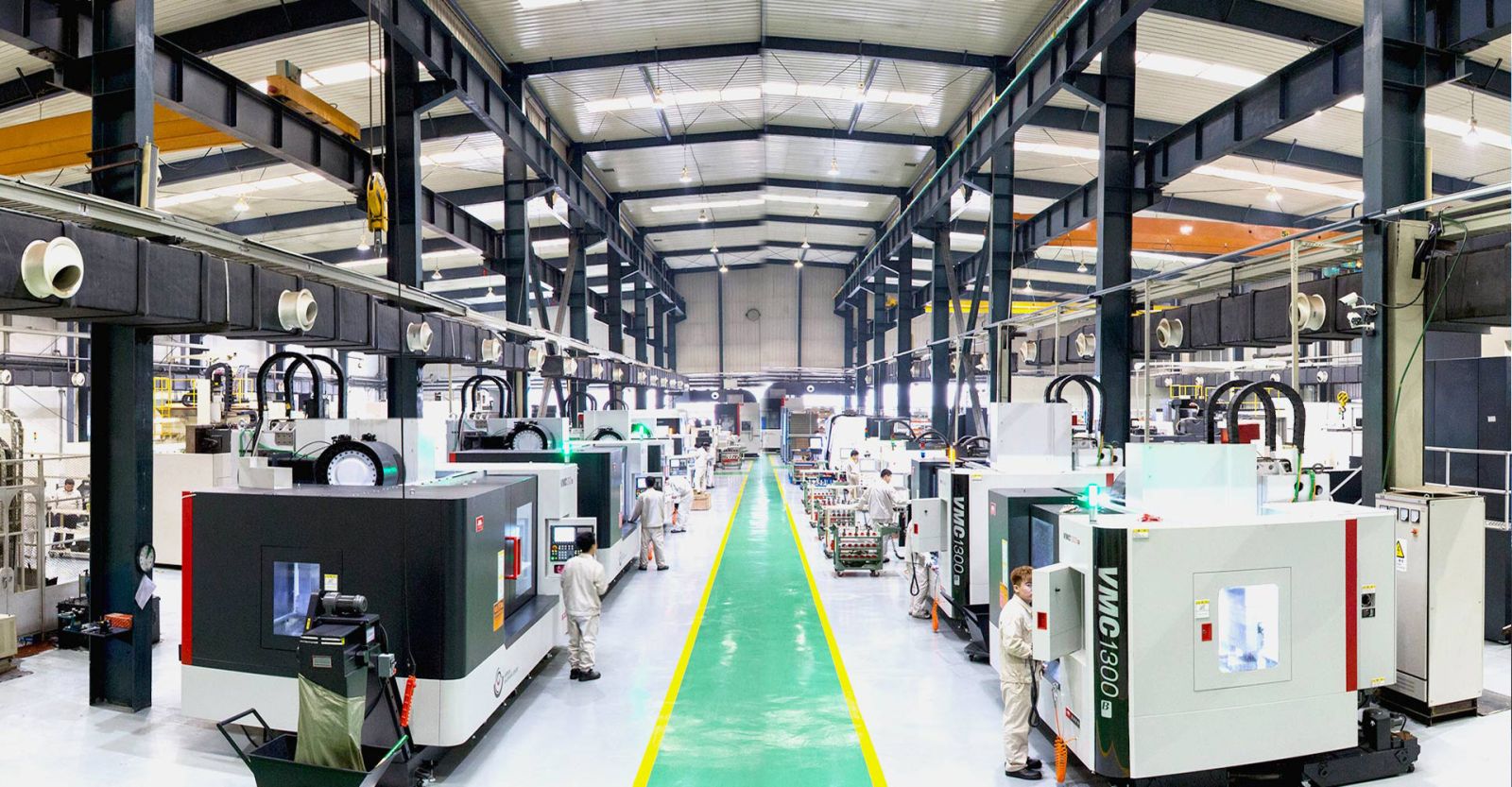
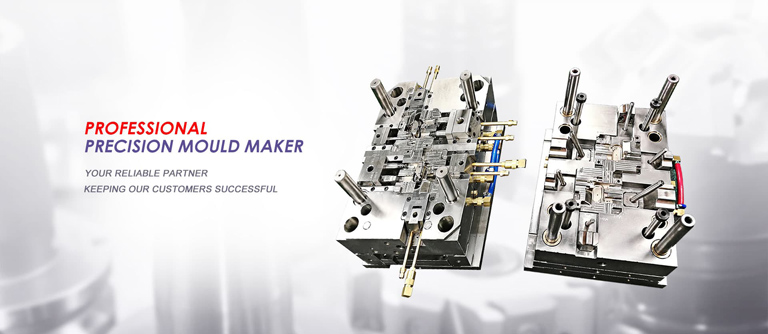
Mold tooling includes the design and manufacturing of both the mold itself and the equipment used to create the mold, including CNC machines, injection molds, die casting tools, and more. By using the right tooling, manufacturers can achieve tight tolerances, intricate details, and reliable part performance.
In industries where precision and high-quality parts are essential, understanding the significance of mold tooling is crucial for both cost-effectiveness and efficiency. Whether it’s for mass production or small batches, mold tooling ensures that every part meets the required standards, reducing waste and optimizing production time.
2. Importance of Mold Tooling in Manufacturing
How Mold Tooling Affects Production
Mold tooling plays a pivotal role in the efficiency and quality of the manufacturing process. The precision with which molds are designed and produced directly impacts the performance, functionality, and consistency of the final product. With high-quality mold tooling, manufacturers can create parts that meet tight specifications and have a longer service life, ensuring that production runs smoothly and cost-effectively.
By utilizing precision mold tooling, manufacturers reduce the likelihood of defects, material wastage, and costly rework, which ultimately results in more reliable and cost-effective production. Mold tooling also ensures that parts are produced consistently, making it an essential part of mass production and industries where uniformity is key.
Why Choosing the Right Tooling is Crucial for Cost-Effective Manufacturing
Choosing the right tooling not only improves part quality but also significantly reduces manufacturing costs. The right tooling leads to fewer defects, faster production times, and less waste, ultimately saving on raw materials and labor costs. The correct mold tooling can also increase the lifespan of molds, further reducing the overall cost of production.
Additionally, the efficiency of mold tooling allows manufacturers to keep up with market demand and maintain competitive pricing. By investing in high-quality tooling, companies can ensure better ROI in the long run.
3. Mold Tooling vs. Molding: Key Differences
Is Tooling the Same as Molding?
While the terms "tooling" and "molding" are often used interchangeably, they refer to two distinct processes in the manufacturing world. Understanding the difference is crucial for anyone involved in the production of molded parts.
-
Mold Tooling refers to the creation of the tools, molds, and dies used in the manufacturing process. It is the process of designing and producing the molds that will later be used for molding raw materials. Mold tooling is a key part of the preparation phase in manufacturing, focusing on creating the equipment needed to shape materials into the desired forms.
-
Molding refers to the actual process of shaping raw materials using the molds created by tooling. This is the phase where materials like plastic, metal, or rubber are placed into molds and then subjected to heat or pressure to form the final part.
In essence, mold tooling is the "preparation" phase, while molding is the "execution" phase. Without proper mold tooling, the molding process cannot take place efficiently or effectively.
4. Types of Mold Tooling and Their Applications
What Are the Different Types of Mold Tooling?
Mold tooling involves a variety of techniques and tools, each designed for specific applications based on the requirements of the project. The choice of tooling method depends on factors such as material, complexity of the part, production volume, and desired precision. Here are some of the most common types of mold tooling:
-
CNC Machining Tooling
- Description: CNC machining is a highly accurate method used for creating molds from a variety of materials, including metals and plastics. This method is ideal for producing complex shapes and tight tolerances with minimal human intervention.
- Applications: Automotive components, aerospace parts, medical devices.
-
Injection Mold Tooling
- Description: Injection molding is one of the most widely used techniques for mass-producing plastic parts. This method involves injecting molten material into a mold cavity under high pressure to form precise and detailed shapes.
- Applications: Consumer goods, medical parts, electronics enclosures.
-
Die Casting Tooling
- Description: Die casting involves forcing molten metal into a mold under high pressure to create parts with high precision and smooth surface finishes. This method is perfect for producing durable, high-strength metal parts.
- Applications: Automotive engine components, aerospace parts, electronics.
-
Compression Molding
- Description: This method involves placing a material (typically rubber or plastic) into an open mold, then applying heat and pressure to form the shape.
- Applications: Rubber gaskets, automotive seals, aerospace components.
-
Blow Molding Tooling
- Description: Blow molding is used to create hollow plastic parts by inflating molten plastic inside a mold.
- Applications: Bottles, containers, tanks.
-
Rotational Molding Tooling
- Description: In rotational molding, a heated mold is filled with a powdered material and rotated to distribute the material evenly within the mold.
- Applications: Large plastic parts, storage tanks, kayaks.

5. Materials Used for Mold Tooling
What Materials Are Used for Mold Tooling?
The materials chosen for mold tooling are critical to the overall success of the manufacturing process. Selecting the right material ensures durability, precision, and efficiency throughout the production run. Here are some of the most common materials used in mold tooling:
-
Steel
- Description: Steel is one of the most popular materials for mold tooling due to its strength, durability, and ability to withstand high temperatures. It is ideal for both injection and die casting molds.
- Applications: Automotive parts, aerospace components, and consumer goods.
-
Aluminum
- Description: Aluminum is lightweight, cost-effective, and has good thermal conductivity. It is commonly used for low to medium-volume production runs due to its fast cooling rate.
- Applications: Electronics, medical devices, and low-volume automotive parts.
-
Copper
- Description: Copper is often used in mold tooling for its excellent heat transfer properties, which can improve the cooling time and efficiency in injection molding processes.
- Applications: Complex automotive parts, precision engineering components.
-
Titanium
- Description: Titanium is used for its high strength-to-weight ratio and resistance to corrosion, making it ideal for tooling in industries like aerospace and medical devices.
- Applications: Aerospace, medical implants, high-performance automotive parts.
-
Plastics
- Description: In some cases, certain plastics are used for tooling applications, especially in prototyping or low-volume production runs. These materials are easy to machine and cost-effective.
- Applications: Prototype components, testing parts.
Why Choosing the Right Material is Important for Optimal Tooling?
The material selected for mold tooling affects everything from production speed to part quality and the longevity of the mold itself. Choosing the right material can help reduce production costs, minimize downtime, and improve the quality of the final product. For example, using the right grade of steel or aluminum can improve the cycle time of injection molding, while choosing titanium for aerospace tooling ensures the highest precision and durability for mission-critical parts.
6. The Mold Tooling Process
How Does Mold Tooling Work?
The mold tooling process involves several key steps that ensure the creation of precise, high-quality molds for production. Below is a detailed breakdown of the process from design to production:
-
Design Phase
- The first step in the mold tooling process is designing the mold. This involves collaborating with engineers to understand the part requirements, such as size, shape, and material. Advanced CAD (Computer-Aided Design) software is typically used to create a 3D model of the part and the mold itself.
- Key Considerations: Tolerances, draft angles, cooling channels, and venting are taken into account to optimize the mold’s functionality and longevity.
-
Material Selection
- Once the design is finalized, the right material for the mold is selected. Steel, aluminum, copper, or other materials are chosen based on factors such as the complexity of the part, volume of production, and heat resistance.
- Key Considerations: Choosing the right material is critical to achieving long mold life, precision, and cost-effectiveness.
-
Tooling Fabrication
- Tooling fabrication is the manufacturing phase, where the mold is physically created. This can involve methods like CNC machining, EDM (Electrical Discharge Machining), or other techniques to shape the mold. The tooling process must be precise to ensure the mold produces parts that meet design specifications.
- Key Considerations: High precision and detailed machining are necessary to achieve the exact design and ensure the mold performs consistently.
-
Assembly and Testing
- After the mold is fabricated, it is assembled and tested to ensure that all components function correctly. This involves checking for alignment, tight seals, and ensuring that any moving parts work smoothly.
- Key Considerations: Proper alignment is crucial for ensuring that the mold can produce parts accurately during the molding process.
-
Production
- Once the mold is tested and fine-tuned, it is ready for production. The mold is placed into a molding machine where raw materials (plastic, metal, etc.) are injected or pressed into the mold cavity to form the part.
- Key Considerations: The quality of the molded parts is monitored during production to ensure consistency and to identify any issues with the tooling early on.
-
Post-Production Adjustments
- After the initial run, adjustments may be necessary to refine the mold and optimize it for long-term production. This may include modifications to improve cooling efficiency, reduce cycle times, or address any issues that arose during testing.
- Key Considerations: Regular maintenance and adjustments help extend the life of the mold and improve production efficiency.
7. Challenges in Mold Tooling
What Are Common Challenges in Mold Tooling?
While mold tooling is a critical aspect of manufacturing, it is not without its challenges. Below are some common issues faced during the mold tooling process and how they are addressed:
-
Precision and Tolerance
- Challenge: Achieving tight tolerances is one of the most challenging aspects of mold tooling. Even small deviations in design or machining can result in defects in the molded parts, which can lead to costly rework.
- Solution: Advanced CNC machining, EDM, and other precision manufacturing techniques are used to ensure the highest accuracy. Regular inspections and quality checks during production can help catch issues early.
-
Material Limitations
- Challenge: The material chosen for tooling must meet the demands of the production process, including heat resistance, durability, and ease of machining. Sometimes, the material chosen for the mold may not be suitable for high-volume production, leading to premature wear and tear.
- Solution: Careful material selection, considering the specific needs of the part and the production volume, ensures the tooling lasts longer and performs optimally. Using advanced alloys or coating techniques can also extend mold life.
-
Cost Control
- Challenge: Mold tooling can be expensive, especially for complex parts that require custom molds or high-end materials. Managing costs while maintaining quality and precision is a common concern.
- Solution: Efficient design, material selection, and manufacturing processes help minimize unnecessary costs. Technologies like additive manufacturing for prototypes or low-volume production runs can also reduce upfront tooling costs.
-
Tool Wear and Maintenance
- Challenge: Over time, molds can experience wear, especially in high-volume production. This wear can lead to defects in parts and require frequent maintenance or even replacement of the mold.
- Solution: Regular maintenance and the use of durable materials with extended lifespans can reduce the frequency of mold replacements. Monitoring tooling performance during production helps identify when maintenance is needed.
-
Complex Part Geometry
- Challenge: Producing molds for parts with complex geometries, undercuts, or intricate details can be difficult. Ensuring that the mold is designed to accommodate these features while maintaining its functionality is a challenge.
- Solution: Advanced CAD software and 3D modeling help engineers design molds that can handle complex part geometries, and sophisticated manufacturing techniques like multi-axis machining ensure the mold can be fabricated with the required details.
8. Advantages of High-Quality Mold Tooling
Why is High-Quality Mold Tooling Essential?
Investing in high-quality mold tooling offers several long-term benefits that can significantly impact production efficiency, product quality, and overall costs. Whether you are manufacturing large volumes of parts or working on high-precision components, the quality of the mold tooling you use plays a critical role in determining your success. Here are some key advantages of using high-quality mold tooling:
-
Cost Reduction in the Long Run
- Benefit: High-quality molds last longer, reducing the frequency of mold replacements and repairs. This results in significant cost savings over time. By using durable materials and precise manufacturing processes, the mold’s lifespan is extended, decreasing the need for costly maintenance or new mold purchases.
- Example: A well-maintained mold can last for millions of cycles, minimizing downtime and maximizing production output.
-
Enhanced Durability
- Benefit: Precision mold tooling made from superior materials like hardened steel or titanium ensures that the mold can withstand the rigors of mass production. This leads to a mold that retains its shape and tolerances throughout its lifespan, reducing the chance of part defects caused by mold wear.
- Example: High-quality die-casting molds can withstand high-pressure injection processes and extreme temperatures, leading to fewer part defects and ensuring that each molded part meets the desired specifications.
-
Increased Production Efficiency
- Benefit: A high-quality mold allows for faster cycle times, meaning more parts can be produced in less time. This leads to higher throughput and reduced costs per part. Additionally, precision tooling minimizes waste, further optimizing production efficiency.
- Example: Using high-quality injection molds with advanced cooling systems reduces the overall cycle time, allowing for faster production of plastic parts without compromising quality.
-
Consistent Part Quality
- Benefit: High-precision tooling ensures that every part produced is consistent in shape, size, and performance. This is crucial in industries like automotive, aerospace, and medical devices, where part reliability is critical.
- Example: With high-quality molds, manufacturers can consistently produce parts that meet tight tolerances, ensuring uniformity across all units produced.
-
Better Performance and Innovation
- Benefit: Precision tooling allows for the manufacturing of complex geometries and intricate designs that standard tooling might struggle to achieve. This enables manufacturers to produce more advanced, innovative products.
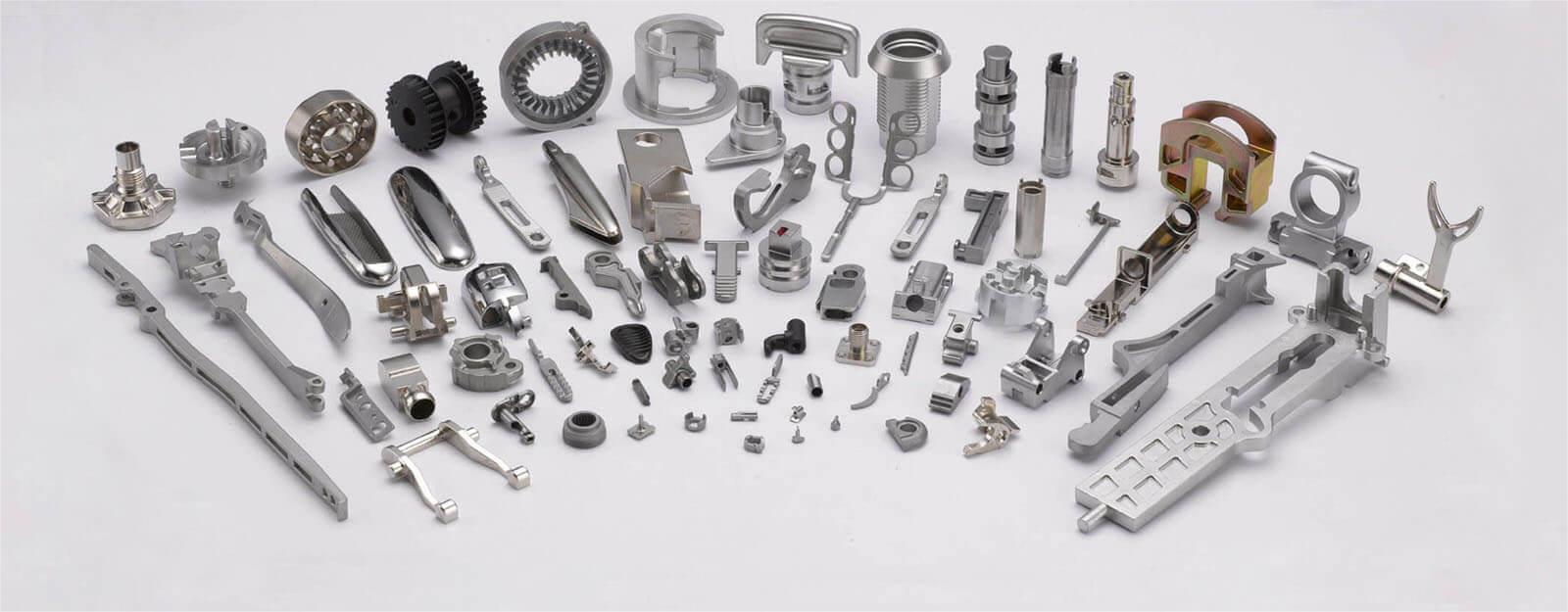
- Example: Aerospace and medical device manufacturers rely on advanced mold tooling to produce components with complex shapes and high-performance requirements, such as lightweight, high-strength parts for aircraft or implants.
9. Choosing the Right Mold Tooling Manufacturer
How to Choose the Best Mold Tooling Company?
Selecting the right mold tooling manufacturer is a critical decision that can significantly impact the success of your production process. Here are key factors to consider when choosing the best mold tooling company:
-
Experience and Expertise
- Factor: An experienced mold tooling manufacturer will have a proven track record of producing high-quality, precision molds for various industries. It’s essential to choose a company with expertise in the specific type of tooling you require, whether it’s injection molding, die casting, or CNC machining.
- Why It Matters: Experienced manufacturers understand the nuances of the tooling process and can anticipate potential challenges, ensuring smoother production with fewer issues.
-
Advanced Technology and Capabilities
- Factor: The best mold tooling manufacturers use the latest technologies and equipment, such as 3D CAD design, CNC machining, EDM, and high-precision mold-making machines. Advanced technologies lead to more accurate designs and faster production times.
- Why It Matters: Using cutting-edge technology ensures that the molds are precise, durable, and optimized for efficient production.
-
Customer Service and Communication
- Factor: Excellent customer service is vital when choosing a mold tooling manufacturer. The company should be responsive, provide regular updates on your project, and address any concerns promptly. Clear communication throughout the design and production process ensures that the mold meets your requirements.
- Why It Matters: A manufacturer that values customer satisfaction will work closely with you to ensure that your tooling meets specifications and is delivered on time.
-
Global Reach and Supply Chain Management
- Factor: A manufacturer with global capabilities can support international production needs and navigate complex supply chain logistics. Whether you are based in Asia, Europe, or the Americas, finding a company with global reach ensures reliable sourcing, production, and delivery.
- Why It Matters: A global reach helps ensure that tooling is delivered in a timely manner, even when dealing with international shipping and production requirements.
-
Quality Assurance and Testing
- Factor: A reputable mold tooling manufacturer will have a robust quality control process in place, including thorough testing of the molds before production starts. They should also provide detailed inspections during and after production to guarantee the molds meet the required standards.
- Why It Matters: Quality assurance ensures that the molds are free from defects and will perform as expected in the production process, reducing downtime and costly errors.
-
Cost vs. Value
- Factor: While cost is an important consideration, it’s essential to weigh it against the value provided. A low-priced manufacturer might not offer the same quality, service, or precision as a higher-priced manufacturer, which could ultimately cost more in the long run due to rework, defects, or delays.
- Why It Matters: Choosing the right manufacturer means balancing quality with cost-effectiveness, ensuring that you get the best return on your investment.
10. Yichou’s Mold Tooling Solutions
Why Choose Yichou for Your Mold Tooling Needs?
At Yichou, we specialize in providing high-quality, precision mold tooling solutions designed to meet the most demanding industry standards. Here’s why our clients choose us for their mold tooling requirements:
-
Unmatched Expertise
With years of experience in the mold tooling industry, our team of engineers and designers ensures that every mold we produce is tailored to your specific needs. Whether you're working on high-volume production or intricate, low-volume runs, we have the expertise to deliver precision tooling solutions that meet your highest standards. -
Advanced Technology
At Yichou, we use state-of-the-art technology to create molds with exceptional accuracy. Our facility is equipped with the latest CNC machines, EDM equipment, and CAD software to design and fabricate high-precision molds for a wide range of industries, including automotive, aerospace, electronics, and medical devices. -
Customized Solutions
We understand that every project is unique, which is why we offer fully customized mold tooling solutions. Our team works closely with you to understand your requirements and design molds that maximize performance, reduce costs, and improve production efficiency. -
High-Quality Materials
We use only the highest quality materials for our molds, including steel, aluminum, copper, and titanium, ensuring that each mold is durable and long-lasting. By using the right materials for the job, we can help you produce parts with tight tolerances and excellent surface finishes. -
Timely Delivery and Competitive Pricing
At Yichou, we understand the importance of deadlines. We are committed to delivering your molds on time without compromising quality. Additionally, we offer competitive pricing to help you get the best value for your investment, whether you're ordering a single prototype or a full-scale production run. -
Global Reach and Customer Support
We provide multilingual support and have the capability to serve clients globally. Our dedicated customer service team is always available to assist you with any questions, concerns, or project requirements, ensuring a smooth process from start to finish.
11. Frequently Asked Questions (FAQs)
Mold Tooling FAQ
Here are answers to some of the most common questions we receive about the mold tooling process:
How long does mold tooling take?
The time required for mold tooling can vary depending on the complexity of the mold, the material used, and the manufacturing process. On average, it can take anywhere from a few weeks to several months to complete a mold. For simple molds, production may be faster, while more intricate or large molds may require additional time for design, fabrication, and testing.
What is the cost of mold tooling?
The cost of mold tooling depends on several factors, including the size, complexity, material, and production volume. Custom molds for high-precision parts or low-volume production runs may cost more due to the detailed design and high-quality materials used. At Yichou, we offer competitive pricing based on your specific project requirements. We work with you to ensure that your mold tooling is cost-effective without sacrificing quality.
What is the lifespan of mold tooling?
The lifespan of mold tooling can vary depending on factors such as the material used, the complexity of the mold, and the type of production. High-quality steel and titanium molds can last for millions of cycles in mass production. Regular maintenance and care can significantly extend the lifespan of the tooling, ensuring consistent performance and reducing downtime.
12. Contact Us for Your Mold Tooling Needs
Get a Mold Tooling Quote Today
At Yichou, we are committed to providing you with high-quality mold tooling solutions that meet your exact specifications. If you have a project in mind or need assistance with mold design and production, our team is here to help.
Contact us today for a fast, detailed quote and consultation. Let us help you bring your production process to the next level with our expert mold tooling services.
Get Quote
- Email us: [email protected]
- Call us/whatsapp: +86 13355741031
- Chat with us: Live chat support available on our website