Introduction: Why Nitinol Tubes Are Revolutionizing Modern Industries
In the world of advanced materials, nitinol tubes have emerged as a game-changer, finding applications across industries that demand innovation, precision, and reliability. Made from a unique nickel-titanium alloy, nitinol tubes are renowned for their superelasticity, shape memory effect, and exceptional biocompatibility, making them a preferred choice in fields such as medical devices, aerospace engineering, and robotics.
At YICHOU, we specialize in the production of high-quality nitinol tubes tailored to meet diverse industry needs. With cutting-edge manufacturing techniques and a commitment to excellence, YICHOU has established itself as a trusted nitinol tube manufacturer. Our expertise lies in providing custom nitinol tubes that align with specific client requirements, ensuring superior performance in critical applications.
Whether you're seeking nickel-titanium tubing for surgical instruments, aerospace components, or robotic actuators, YICHOU delivers solutions that combine precision engineering with competitive pricing.
Explore the possibilities of revolutionizing your projects with YICHOU’s nitinol tubes—where innovation meets reliability.

1. What Is Nitinol Tubing?
Definition and Basic Properties
Nitinol tubing refers to hollow tubes made from nickel-titanium alloy, a material celebrated for its shape memory effect and superelasticity. These unique properties allow nitinol tubing to recover its original shape after deformation and to withstand significant stress without permanent deformation. Additionally, nitinol tubing is lightweight, durable, and highly resistant to fatigue and corrosion, making it a superior choice compared to traditional metal tubes.
How Nitinol Tubing Differs from Other Metal Tubes
Unlike stainless steel or aluminum tubes, nitinol tubing possesses the ability to return to its pre-set shape upon heating (shape memory effect) or revert to its original form after mechanical stress (superelasticity). This makes it ideal for applications requiring flexibility, biocompatibility, and long-term reliability.
Applications in Medical, Aerospace, and Robotics
- Medical: Nitinol tubing is widely used in minimally invasive surgical tools, catheters, and stents due to its biocompatibility and ability to adapt to the body’s movements.
- Aerospace: Its lightweight structure and high fatigue resistance make it an excellent choice for components exposed to extreme conditions.
- Robotics: Nitinol tubing is used in actuators and joints for its flexibility and ability to withstand repetitive motion.
Subtopics
What Happens When Nitinol Is Heated?
When nitinol tubing is exposed to a specific temperature, it activates its shape memory effect, recovering its original form. This unique behavior is due to its ability to transition between two crystalline phases: martensite (low temperature) and austenite (high temperature).
How Long Does Nitinol Last?
Nitinol tubing is highly durable and can endure prolonged use in demanding environments. Its exceptional resistance to material fatigue ensures it maintains its performance even after repeated cycles of deformation and recovery.
Is Nitinol Rust-Resistant?
Yes, nitinol tubing offers excellent resistance to corrosion, even in challenging environments such as the human body or industrial applications. Compared to stainless steel, it demonstrates superior performance in resisting rust and oxidation, enhancing its longevity in critical applications.
2. Why Is Nitinol So Expensive?
High Production Costs Due to Complex Processes
The manufacturing process of nitinol is intricate and requires precise control of the nickel-titanium ratio, which significantly affects the material's performance. Additional steps, such as heat treatment and surface finishing, further contribute to production expenses. Maintaining consistent quality for critical applications also requires advanced equipment and expertise.
Use of Premium Raw Materials
Nitinol is composed of high-purity nickel and titanium, both of which are costly and require careful handling during production. These raw materials ensure that the resulting tubing meets the highest standards of strength, flexibility, and biocompatibility, but they also add to the overall cost.
Specialized Applications Requiring Precision
Nitinol tubing is used in demanding fields such as medical devices, aerospace components, and robotics, where absolute precision and reliability are essential. Meeting stringent regulatory and industry standards often involves additional testing, certification, and quality assurance, further driving up costs.
How YICHOU Offers Affordable Nitinol Solutions
At YICHOU, we leverage advanced manufacturing techniques and cost-efficient production strategies to deliver high-quality nitinol tubing at competitive prices. By optimizing our processes and sourcing materials responsibly, we help clients access premium nitinol products without exceeding their budget. Additionally, our customization options ensure that clients receive tubing tailored to their specific requirements, maximizing value.
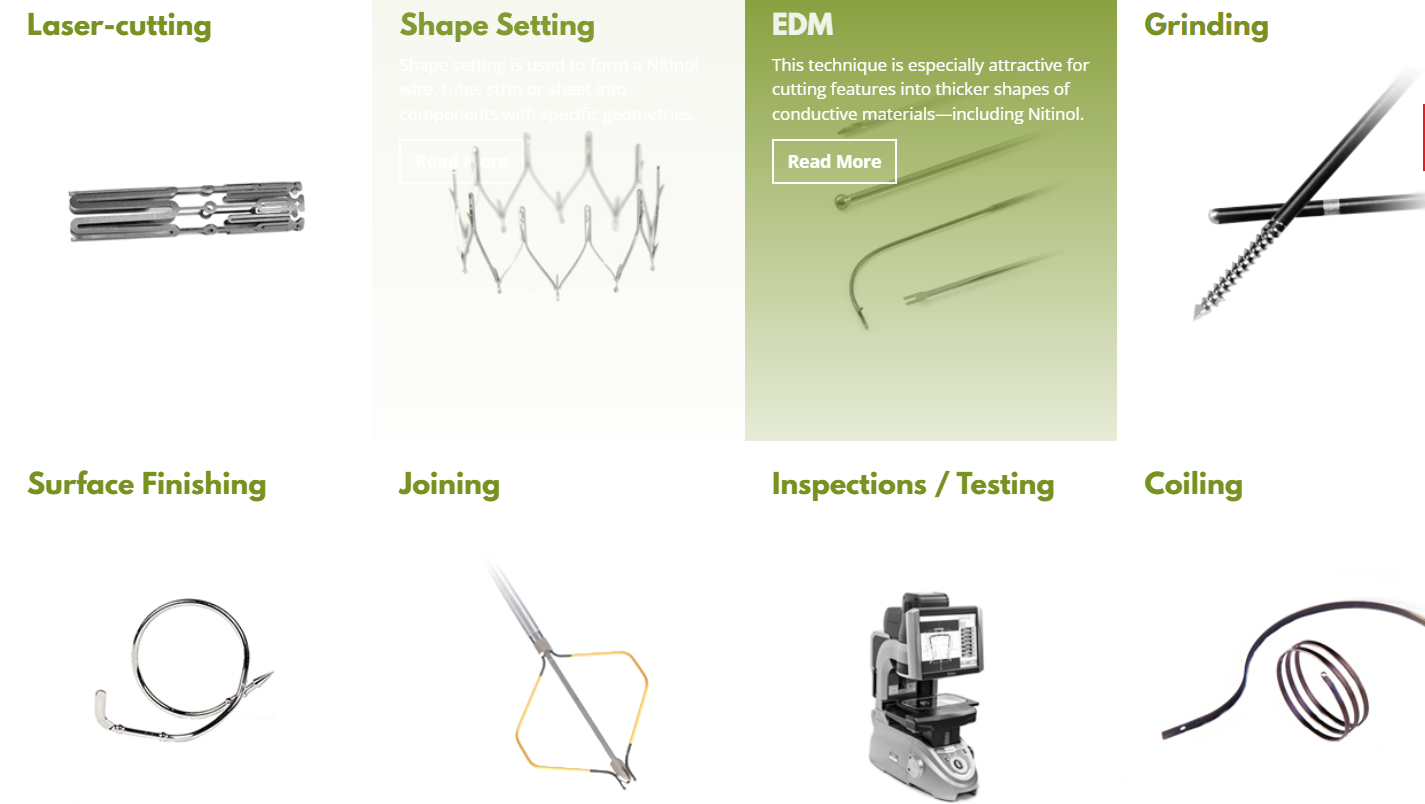
3. Properties of Nitinol Tubes
Unique Characteristics of Nitinol Tubes
Nitinol (nickel-titanium alloy) exhibits a combination of properties that set it apart from other materials:
-
Biocompatibility
Nitinol is highly biocompatible, making it ideal for use in medical devices such as stents, catheters, and guidewires. Its ability to function within the human body without causing adverse reactions is unparalleled compared to traditional materials like stainless steel. -
Superelasticity
Nitinol tubing can undergo significant deformation and return to its original shape without permanent damage. This property, known as superelasticity, allows it to maintain structural integrity under extreme conditions, making it invaluable for aerospace, robotics, and orthopedic applications. -
Fatigue Resistance
Unlike many metals that degrade under repeated stress, nitinol exhibits exceptional resistance to fatigue, enabling it to withstand millions of cycles without failure. This durability is critical for applications requiring long-term reliability, such as in surgical tools or actuation systems.
Comparison with Stainless Steel and Titanium Tubing
- Strength and Flexibility: Nitinol combines the strength of stainless steel with unmatched flexibility, whereas stainless steel may crack or deform under similar stresses.
- Corrosion Resistance: While stainless steel is corrosion-resistant, nitinol offers superior performance, especially in biological and saline environments.
- Shape Memory Effect: Titanium lacks the shape memory effect that nitinol provides, a property crucial for applications where precise deformation and recovery are required.
Why Nitinol Is Ideal for Demanding Applications
Nitinol's unique properties make it the material of choice for industries with rigorous performance demands. Whether it’s the precision of surgical instruments, the resilience of aerospace components, or the versatility of robotic actuators, nitinol tubing delivers reliable results where other materials fall short.
4. What Are the Common Problems with Nitinol and YICHOU’s Solutions?
Challenges of Working with Nitinol Tubes
Despite its remarkable properties, nitinol comes with unique challenges:
-
High Cost of Production
- Nitinol’s complex alloying process and precise heat treatments make it more expensive than other materials like stainless steel or titanium.
- The need for advanced equipment and skilled expertise adds to the manufacturing costs.
-
Manufacturing Difficulty
- Machining and forming nitinol is challenging due to its hardness and shape memory properties, which can cause excessive tool wear and difficulty achieving precise dimensions.
- Maintaining the balance between superelasticity and biocompatibility requires stringent quality control during processing.
-
Material Fatigue Under Extreme Conditions
- While nitinol exhibits exceptional fatigue resistance, prolonged exposure to extreme stress, temperatures, or corrosive environments can still cause microstructural changes, reducing its lifespan in critical applications.
YICHOU’s Solutions to Nitinol Challenges
-
Cost Efficiency through Optimized Production
- YICHOU leverages advanced production techniques, such as automated alloying processes and customized heat treatment protocols, to streamline manufacturing and reduce costs without compromising quality.
- By sourcing high-quality raw materials in bulk, YICHOU minimizes supply chain expenses, offering clients affordable nitinol tubing solutions.
-
Advanced Machining and Forming Capabilities
- YICHOU employs precision laser cutting, CNC machining, and specialized tooling designed to handle nitinol’s unique properties.
- Our state-of-the-art equipment ensures accurate dimensions, smooth surfaces, and consistency, even for the most complex designs.
-
Customized Solutions to Combat Material Fatigue
- YICHOU develops custom alloy formulations and offers tailored nitinol tubing solutions to meet specific application needs, ensuring optimal performance under harsh conditions.
- Rigorous testing, including fatigue analysis and environmental simulations, guarantees durability and reliability in the field.
Why Choose YICHOU for Nitinol Tubes?
With years of expertise and cutting-edge technology, YICHOU has become a trusted partner for clients across medical, aerospace, and industrial sectors. Our commitment to solving nitinol’s challenges allows us to deliver high-performance, durable nitinol tubes at competitive prices.
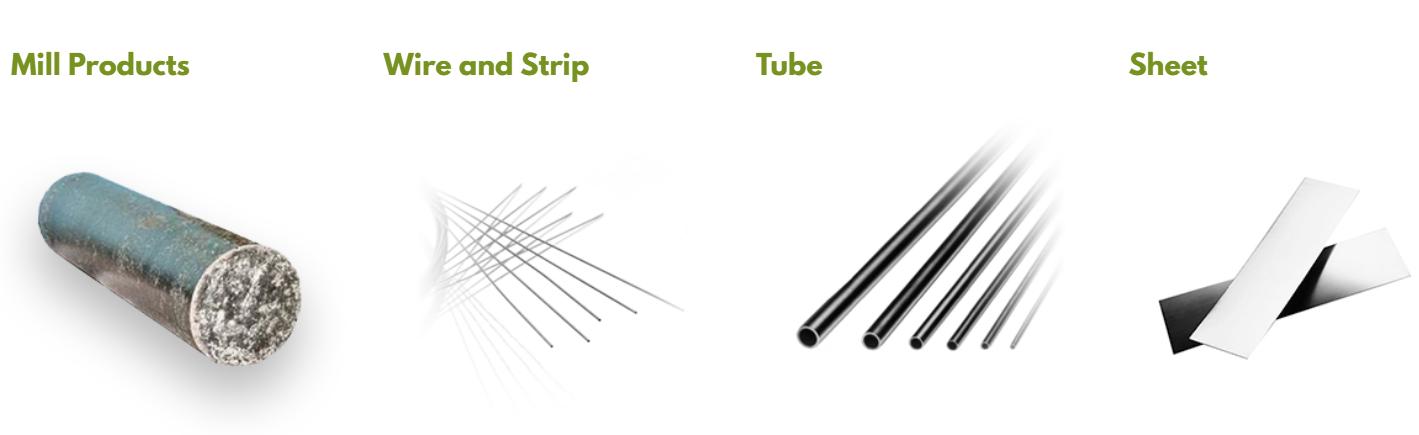
5. Applications of Nitinol Tubes Across Industries
Nitinol Tubes: A Versatile Material for Cutting-Edge Industries
Nitinol tubes have become a cornerstone for innovation in various industries due to their unique properties, such as shape memory, superelasticity, and biocompatibility. Here’s a closer look at their applications across key sectors:
Key Industries and Applications
-
Medical Devices
- Applications:
- Stents: Self-expanding stents for minimally invasive surgeries.
- Catheters: Flexible yet durable tubing for vascular and urological procedures.
- Orthopedic Implants: Bone fixation devices leveraging nitinol’s shape memory and biocompatibility.
- Why Nitinol?
- Its biocompatibility makes it safe for long-term implantation.
- Shape memory allows devices to adapt to body temperatures and anatomical structures.
- YICHOU’s Expertise:
- YICHOU supplies custom medical-grade nitinol tubes tailored to meet the stringent standards of the healthcare industry, ensuring precision and reliability.
- Applications:
-
Aerospace
- Applications:
- Lightweight structural components that reduce aircraft weight.
- Adaptive components such as temperature-sensitive actuators in engines and wings.
- Why Nitinol?
- Combines high strength-to-weight ratio with resistance to fatigue, making it ideal for demanding aerospace environments.
- YICHOU’s Expertise:
- YICHOU collaborates with aerospace companies to provide precision-engineered nitinol tubes that withstand extreme conditions, ensuring safety and performance.
- Applications:
-
Robotics
- Applications:
- Actuators for movement and control in robotics.
- Flexible robotic components for applications requiring precision and adaptability.
- Why Nitinol?
- Its superelasticity and shape memory properties enable smooth, flexible movements.
- YICHOU’s Expertise:
- YICHOU delivers customized nitinol solutions for robotics, helping manufacturers achieve compact and efficient designs.
- Applications:
Examples of YICHOU’s Successful Nitinol Tube Projects
- Medical Devices: Developed ultra-thin nitinol tubes for self-expanding stents, ensuring smooth deployment and biocompatibility.
- Aerospace Components: Supplied nitinol actuators for adaptive wing designs, reducing aircraft weight and improving efficiency.
- Robotics Innovations: Partnered with robotics firms to produce nitinol actuators for surgical robots, enhancing precision and flexibility.
Why Choose YICHOU for Your Nitinol Applications?
- Customization: YICHOU tailors nitinol tubes to meet specific industry requirements.
- Precision Manufacturing: Advanced machining ensures high-quality products that meet global standards.
- Proven Expertise: Our successful collaborations across industries highlight our ability to deliver value and reliability.
6. Is Nitinol a Good Conductor of Electricity?
Understanding Nitinol’s Electrical Properties
Nitinol (nickel-titanium alloy) is primarily known for its shape memory and superelasticity, but its electrical conductivity is another important characteristic that varies based on its composition and application.
Electrical Conductivity of Nitinol
- Moderate Conductivity:
- Nitinol’s electrical conductivity is lower compared to highly conductive metals like copper or silver.
- Its resistivity typically falls between that of stainless steel and titanium, making it suitable for specific electrical applications.
- Factors Influencing Conductivity:
- Nickel content enhances conductivity but also affects corrosion resistance.
- Heat treatments and alloy composition directly influence the material’s electrical properties.
Applications Requiring Electrical Conductivity
While nitinol’s conductivity is not its primary feature, it is utilized in applications where both mechanical properties and moderate electrical conductivity are essential:
-
Medical Devices:
- Electrothermal actuation: Heat generated by electrical current activates nitinol’s shape memory effect in devices like stents and surgical instruments.
- Electrode materials for minimally invasive surgeries.
-
Aerospace and Automotive:
- Used in sensors and actuators where electrical current triggers movement or changes shape.
- Ideal for environments demanding lightweight, flexible components.
-
Electronics and Robotics:
- Thin nitinol wires serve as heating elements or actuators in compact electronic systems.
- Flexible circuits and components requiring combined mechanical and electrical performance.
Comparison with Other Materials
- Copper:
- Superior electrical conductivity but lacks shape memory and superelasticity.
- Used where high current flow is needed without mechanical adaptability.
- Stainless Steel:
- Comparable electrical resistance but lacks nitinol’s unique thermal and mechanical properties.
- Titanium:
- Nitinol has better electrical properties while retaining the biocompatibility and strength of titanium.
Why YICHOU’s Nitinol Tubes Are Ideal for Electrical Applications
- Custom Alloying: YICHOU optimizes the composition to balance conductivity, strength, and corrosion resistance for client-specific applications.
- Precision Manufacturing: Our advanced production techniques ensure consistency in electrical and mechanical properties.
- Expert Support: We assist in selecting the right nitinol grade for applications requiring both electrical and mechanical performance.
Conclusion
While nitinol is not the best conductor compared to traditional materials like copper, its combination of moderate conductivity and unique mechanical properties makes it invaluable for niche applications. YICHOU specializes in delivering nitinol tubes tailored to meet both electrical and structural requirements.

7. Frequently Asked Questions About Nitinol Tubes
What Is the Difference Between Nitinol and Stainless Steel?
- Composition:
- Nitinol: An alloy of nickel (55%) and titanium (45%) with shape memory and superelastic properties.
- Stainless Steel: An iron-based alloy known for its strength, corrosion resistance, and ease of manufacturing.
- Key Properties:
- Nitinol: Unique for its ability to return to its original shape when heated and exceptional flexibility.
- Stainless Steel: Strong and rigid, but lacks shape memory or significant flexibility.
- Applications:
- Nitinol: Medical devices, robotics, aerospace components requiring flexibility and adaptability.
- Stainless Steel: Structural and general-purpose applications.
How Much Weight Can Nitinol Hold?
- High Strength-to-Weight Ratio:
- Nitinol can support significant loads relative to its size, depending on its diameter and manufacturing process.
- Applications:
- Medical: Devices like stents that withstand blood flow pressure.
- Aerospace: Lightweight components that can endure high stress without deformation.
- Customization:
- YICHOU provides nitinol tubes tailored to specific weight-bearing requirements for various industries.
Does Nitinol Wear Out Over Time?
- Durability:
- Nitinol is highly resistant to fatigue and wear, even under repetitive stress or extreme conditions.
- Fatigue life depends on the application and stress levels but generally outperforms other materials like stainless steel.
- Factors Influencing Longevity:
- Environmental exposure, such as corrosion, can slightly affect performance but is minimal due to nitinol’s inherent resistance.
- YICHOU ensures optimal heat treatment and surface finishing to maximize durability.
Is Nitinol Stronger Than Titanium?
- Strength Comparison:
- Nitinol offers comparable tensile strength to titanium but is superior in flexibility and adaptability due to its shape memory and superelasticity.
- Material Choice:
- Titanium: Preferred for rigid, structural applications requiring extreme strength.
- Nitinol: Ideal for flexible, adaptive applications where movement and recovery are key.
- YICHOU Expertise:
- We offer nitinol and titanium tubes, helping clients select the best material based on application needs.
Why Choose YICHOU for Nitinol Tubes?
YICHOU is dedicated to addressing common nitinol FAQs by offering tailored solutions:
- Expertise in manufacturing both nitinol and other alloy tubes.
- Custom designs to meet unique client specifications.
- High-quality production ensuring strength, flexibility, and durability.
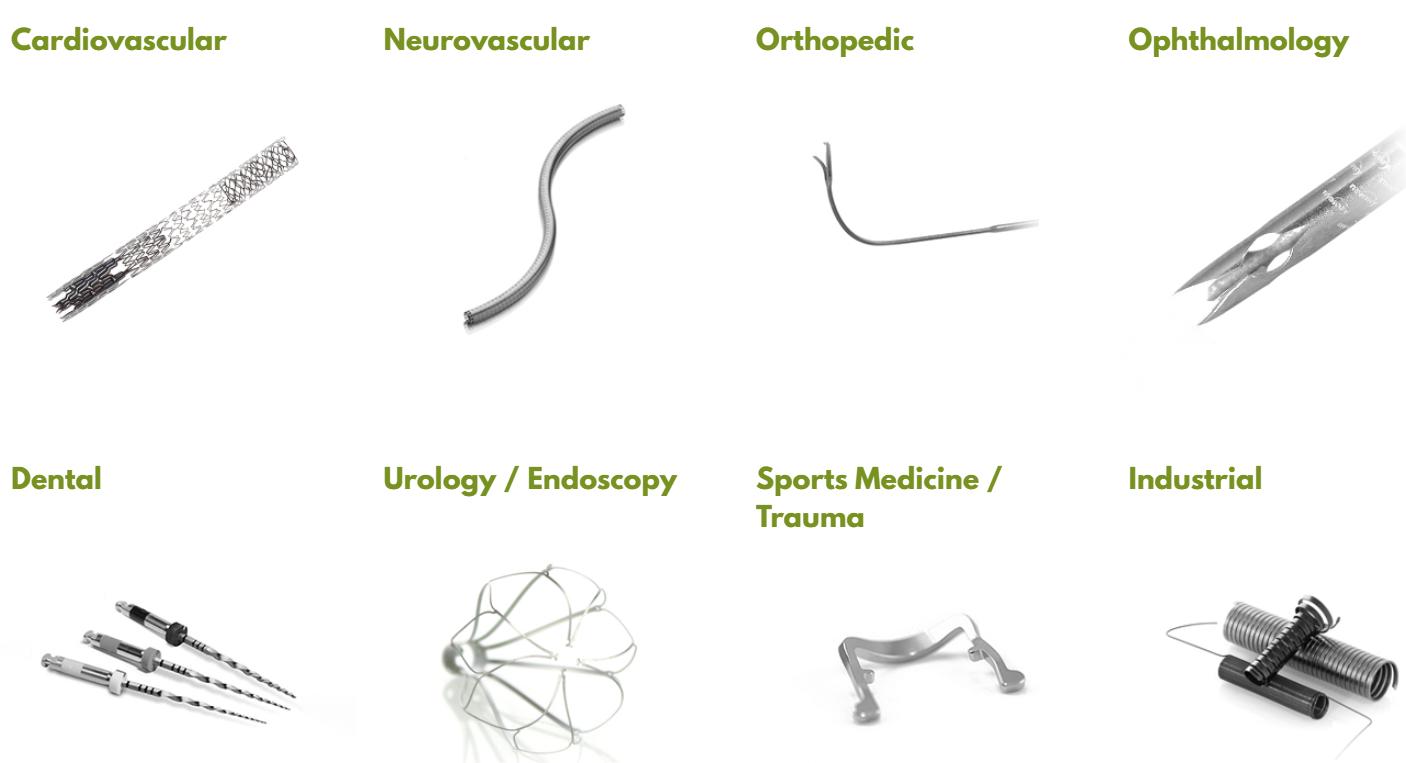
Conclusion: Innovating with Nitinol Tubes by YICHOU
Nitinol tubes are revolutionizing industries such as medical, aerospace, and automotive with their unique combination of shape memory and superelastic properties. With YICHOU's expertise, customization options, and commitment to quality, we help you harness the full potential of this remarkable material for your projects.
GET QUOTE
- Visit our website: https://www.nbyichou.com/
- Email us: [email protected]
- Call us/whatsapp: +86 13355741031
- Chat with us: Live chat support available on our website