Introduction
YICHOU is a leading manufacturer specializing in die-casting molds and parts, offering innovative solutions tailored to meet the diverse needs of our clients. Selecting the appropriate die-casting molds and components is crucial for optimizing production efficiency and ensuring the quality of the final products.
What is Die Casting?
Die casting is a manufacturing process where molten metal is injected into a mold under high pressure, resulting in precise and complex metal parts. This method is particularly favored for mass-producing components with high dimensional accuracy and excellent surface finishes. Industries such as automotive, aerospace, and electronics extensively utilize die casting due to its efficiency and ability to produce intricate designs.
The die-casting process involves several key steps:
-
Mold Creation: Designing and fabricating a mold that defines the shape of the desired part.
-
Metal Injection: Forcing molten metal into the mold cavity under high pressure.
-
Cooling and Solidification: Allowing the metal to cool and solidify, taking the shape of the mold.
-
Ejection: Removing the solidified part from the mold.
This process enables the production of parts with complex geometries and tight tolerances, making it a preferred choice for high-volume manufacturing.
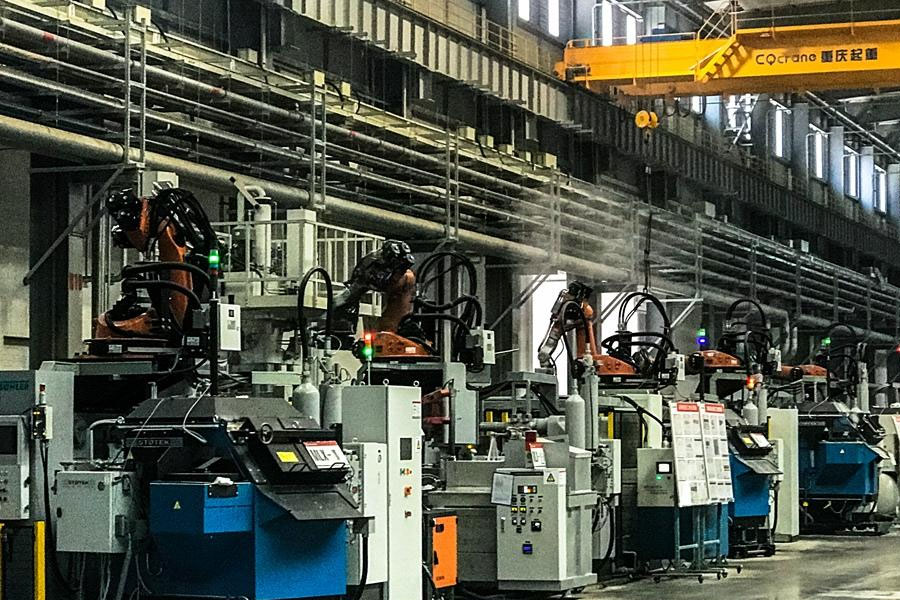
What is a Die Casting Mold?
A die-casting mold is a tool used in the die-casting process to shape molten metal into a specific part or component. It plays a vital role in defining the final product's shape, dimensions, and surface finish. The mold is typically made from durable materials such as steel or aluminum to withstand high temperatures and pressure.
Die-casting molds are crucial in achieving the precision and efficiency required in high-volume manufacturing. These molds can be used repeatedly to produce identical parts, ensuring consistent quality in production runs.
Types of Die Casting Molds
-
Permanent Molds:
Permanent molds are used in processes where the mold is not destroyed after each casting. These molds are typically made from high-strength materials, such as steel or cast iron, and can endure multiple cycles of molten metal injection without degrading. Permanent molds are ideal for producing large quantities of metal parts with high dimensional accuracy. They are reusable and cost-effective in the long run, especially for high-volume production. -
Expendable Molds:
Expendable molds are designed to be used only once. These molds are typically made from materials like sand or ceramic, which are broken apart after the casting process to remove the part. While these molds are generally cheaper and simpler to produce, they are less suitable for mass production compared to permanent molds. Expendable molds are often used for complex parts or low-volume production runs.
Differences Between Die Casting and Injection Molding Molds
-
Material: Die-casting molds are typically made from durable, heat-resistant metals like steel or aluminum, while injection molding molds can be made from a wider range of materials, including steel, aluminum, and even less durable materials like plastic for low-volume runs.
-
Pressure and Temperature: Die casting involves injecting molten metal into a mold under high pressure and temperature, which demands high-strength molds capable of withstanding extreme conditions. Injection molding, on the other hand, uses plastics or other polymers, which are injected into molds at lower pressures and temperatures.
-
Mold Design: Die-casting molds usually have more complex designs and are typically more expensive to manufacture due to their need to withstand high pressure and temperature. Injection molding molds are more adaptable in terms of material choice and mold complexity.
Advantages and Disadvantages of Different Molds
Permanent Molds
Advantages:
- High durability and resistance to wear and tear.
- Suitable for high-volume production with consistent quality.
- Reduced material waste due to the reusable mold.
Disadvantages:
- Higher initial cost for mold creation.
- Limited to metals with lower melting points, such as aluminum and zinc alloys.
Expendable Molds
Advantages:
- Lower initial cost compared to permanent molds.
- Ideal for low-volume production or highly complex shapes.
- Can be made from various materials to suit different casting needs.
Disadvantages:
- Limited number of uses before the mold needs to be replaced.
- Higher overall cost for large-scale production due to the one-time use of molds.
- Less suitable for mass production or parts that require high dimensional accuracy.
The Die Casting Process
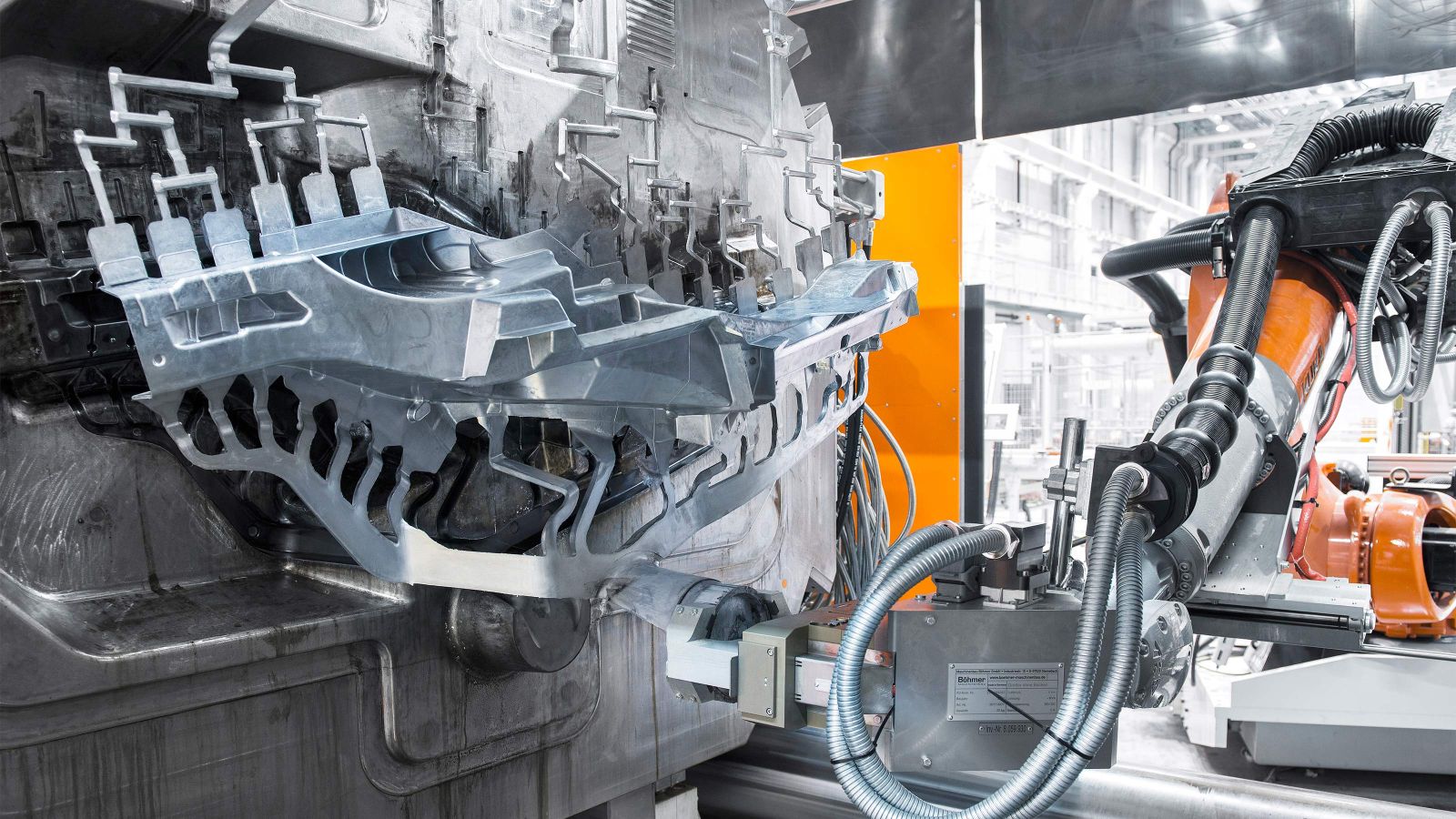
The die-casting process is a highly efficient and precise method for manufacturing metal parts. Here’s a step-by-step explanation of the process:
-
Mold Preparation:
Before the casting process begins, the mold is prepared. This typically involves lubricating the mold cavity to ensure easy release of the casted part. The mold is also checked for any defects or wear from previous uses. -
Injection of Molten Metal:
The die-casting machine heats the metal (such as aluminum, zinc, or magnesium) until it becomes molten. The molten metal is then injected into the mold cavity at extremely high pressure (up to 4500 psi). This pressure forces the molten metal to fill every detail of the mold, ensuring that the resulting part has precise dimensions and surface details. -
Cooling and Solidification:
Once the mold is filled, the molten metal begins to cool and solidify. This cooling process typically takes only a few seconds to a few minutes, depending on the material used and the size of the part. Cooling is crucial to achieving the desired strength and integrity in the part. -
Mold Opening and Ejection:
Once the metal has cooled and solidified, the die is opened, and the part is ejected. The mold may have ejector pins or other mechanisms that push the part out gently to avoid damaging it. If necessary, the mold may be treated again for the next casting cycle. -
Trimming and Finishing:
After the part is ejected, any excess material, such as flash or sprue, is trimmed off, and the part undergoes finishing processes to ensure the required surface quality. Depending on the part's purpose, further machining, polishing, or coating may be applied.
Common Materials Used for Die Casting Molds
The material used for the die-casting mold depends on the type of casting being performed, as well as the properties needed for the finished part. Common materials include:
-
Aluminum:
Aluminum is one of the most popular die-casting metals due to its excellent strength-to-weight ratio, resistance to corrosion, and ease of machining. It is often used in automotive, aerospace, and electronics manufacturing. -
Zinc:
Zinc is commonly used for smaller parts that require high precision and good surface finish. It is also known for its excellent casting properties and low melting point, making it easier to work with compared to other metals. -
Magnesium:
Magnesium is used for parts that require a lightweight yet strong material. It has good thermal conductivity and is often used in aerospace and automotive applications where weight reduction is critical. -
Copper Alloys:
Copper-based alloys are often used for casting parts that require high strength and resistance to high temperatures. -
Lead Alloys:
Lead is sometimes used in specialized casting applications but is generally less common due to environmental and health concerns.
How Long Do Die Cast Molds Last?
The lifespan of a die-casting mold depends on several factors, including the material used for the mold, the type of metal being cast, the complexity of the part being produced, and the frequency of use. On average, die-casting molds can last anywhere from 100,000 to 1,000,000 cycles.
Factors Affecting Mold Lifespan:
-
Material of the Mold:
Molds made from high-quality, heat-resistant materials such as tool steel typically have a longer lifespan compared to those made from less durable materials. The choice of material can affect the mold’s ability to withstand the high pressures and temperatures involved in the die-casting process. -
Mold Maintenance:
Regular maintenance, including cleaning, lubrication, and inspection, can significantly extend the life of a mold. Proper maintenance ensures the mold remains in optimal working condition and helps prevent unnecessary wear and tear. -
Type of Metal Cast:
The type of metal being used in the die-casting process affects the mold’s wear rate. Metals with lower melting points, like aluminum and zinc, tend to be less harsh on molds than metals with higher melting points, such as copper or steel. -
Mold Complexity and Design:
Molds that are designed with intricate features or thin walls tend to wear out faster due to the stress exerted on them during the casting process. Simpler molds or those designed for higher-volume production typically last longer.
When to Replace or Repair Molds
Molds should be inspected regularly for signs of wear, such as cracks, erosion, or a decrease in the quality of the parts being produced. Here are some indicators that it might be time to replace or repair a die-casting mold:
-
Decreased Part Quality:
If parts produced from the mold show defects such as poor surface finish, dimensional inaccuracies, or cracking, it may indicate mold damage or excessive wear. -
Visible Cracks or Surface Damage:
Physical signs of wear, such as cracks, pitting, or other surface damage on the mold cavity, suggest that the mold is no longer functioning as intended and may need repairs or replacement. -
Increased Cycle Times:
If the mold takes longer to fill or cool than it did when it was new, it may indicate wear or a need for maintenance. -
Erosion or Flashing:
Excessive flashing (extra material on the part) can be a sign of mold erosion. If the mold can no longer create tight seals, it may be time for a repair or replacement.
By regularly assessing the condition of the molds and addressing wear early, you can ensure consistent quality in your die-casting process and prevent costly downtime.
-
Why Choose Permanent Molds?
Permanent molds offer several significant advantages over other casting methods, such as sand casting or expendable molds. These advantages make them a popular choice for high-volume production and ensure long-term reliability and quality.
Advantages of Permanent Molds Over Sand Molds or Other Casting Methods
-
Durability and Longevity:
Permanent molds are made from high-strength materials like steel or aluminum, which are capable of withstanding the extreme temperatures and pressures encountered during the die-casting process. Unlike sand molds, which are used once and then discarded, permanent molds can be used repeatedly for thousands of cycles without significant wear or degradation. This makes them a cost-effective solution for long-term manufacturing. -
Better Surface Finish and Dimensional Accuracy:
Permanent molds provide superior surface finish and dimensional accuracy compared to sand molds. The high-quality mold material and tight mold cavity ensure that parts are produced with better detail, fewer defects, and less need for post-casting finishing or rework. -
Faster Cooling Times:
Permanent molds, due to their better thermal conductivity, tend to cool faster than sand molds. This leads to shorter cycle times, which improves overall production efficiency and reduces the time required to produce each part. -
Lower Scrap Rate:
Since permanent molds create parts with higher precision and fewer defects, the scrap rate is significantly lower compared to sand casting or other expendable methods. This reduces material waste and increases overall yield from each casting cycle. -
High-Volume Production:
Permanent molds are ideal for high-volume production runs, as they can withstand the demands of frequent and continuous use. In contrast, sand molds and expendable molds wear out more quickly, requiring frequent replacements or repairs, which increases production downtime.
In conclusion, the higher upfront costs of permanent molds should be viewed as an investment that pays off through long-term durability, reduced scrap, and cost savings on production runs. When considering the long-term cost benefits, permanent molds often provide the most efficient and economical solution for high-volume die-casting operations.
Initial Cost vs. Long-Term Benefits
While die-casting molds may seem costly at the outset, especially permanent molds, the long-term benefits often outweigh the initial expense:
Higher Upfront Costs for Permanent Molds:
Permanent molds involve a higher initial investment due to the material quality and the precision required to create the molds. However, this cost is spread over a longer period because permanent molds can be reused for thousands of cycles without significant wear. This makes them highly cost-effective for mass production.
Reduced Production Costs Over Time:
Permanent molds offer faster cycle times, better accuracy, and higher efficiency, all of which contribute to lower production costs in the long run. The cost savings from reduced scrap rates, fewer mold replacements, and faster production times can quickly offset the initial mold investment.
Cost Savings in Maintenance:
While permanent molds may require some maintenance, they generally incur fewer costs for upkeep compared to expendable molds, which need to be replaced after each use or after a limited number of cycles. This makes permanent molds a more sustainable and cost-effective solution for long-term production.
What Affects the Cost of Die-Casting Molds?
Material Choice:
The material used to create the mold directly impacts its cost. For example, high-grade steel molds are more expensive than aluminum molds due to the material’s strength and resistance to wear. The choice of material also affects the mold’s lifespan and its ability to withstand high temperatures and pressures.
Mold Complexity:
Molds with intricate features, such as thin walls, complex geometries, or fine details, require more precise machining and additional design work. This increases the cost of mold fabrication. Simple, basic molds are less expensive to produce but may not be suitable for complex parts or those requiring high precision.
Size and Weight of the Mold:
Larger molds require more material and are more difficult to manufacture, leading to higher production costs. Additionally, the weight of the mold affects the handling and transportation costs, especially if the mold is large and requires specialized equipment to manage.
Type of Metal Used:
The metal used in the die-casting process also impacts the mold cost. Some metals, such as magnesium, may require molds with special coatings or more durable materials to handle their higher temperatures, adding to the overall mold cost.
Quantity of Parts:
The number of parts to be produced affects the mold cost. For low-volume production runs, the cost of the mold may be spread across fewer units, making each part more expensive. For high-volume production, the cost of the mold is distributed over a larger number of parts, reducing the per-unit cost.
Cost Considerations for Die Casting Molds
Several factors influence the cost of die-casting molds, ranging from material choices to the complexity of the mold design. Understanding these factors can help businesses make informed decisions about their mold investment and ensure they get the best value for their needs.
Cost-effectiveness and Durability for High-Volume Production
Although the initial cost of permanent molds is higher compared to sand molds or expendable molds, their durability and reusability make them the more cost-effective choice in high-volume production. Here's why:
Long-term Savings:
The high upfront cost of permanent molds is offset by their ability to last for a significantly larger number of cycles. For high-volume production, this translates into fewer mold replacements and less downtime, leading to cost savings in the long run.
Efficiency and Reduced Labor Costs:
Permanent molds typically result in faster cycle times due to their improved cooling properties and consistency in performance. This reduces the time spent on each casting, ultimately lowering labor costs and improving overall efficiency in the manufacturing process.
Reduced Maintenance and Replacement Costs:
Since permanent molds are durable and reusable, maintenance and replacement costs are minimal compared to expendable molds. With fewer molds needed over time, businesses can better manage their operational costs and avoid unexpected expenses related to mold failures.
Common Applications of Die-Cast Parts
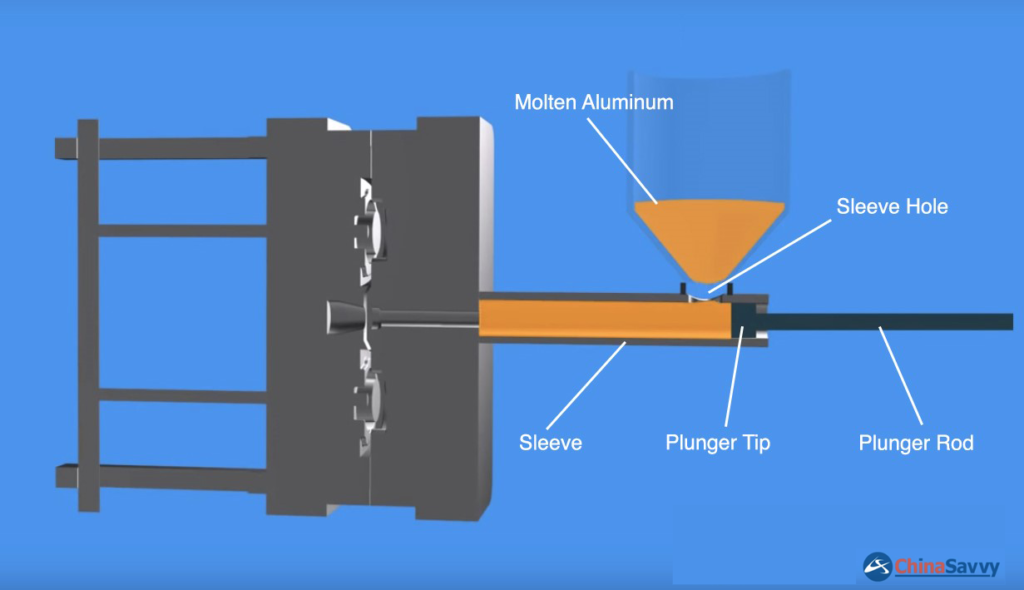
Die-casting is used extensively across various industries due to its ability to produce high-precision, durable parts at scale. Some of the most common industries that benefit from die-cast parts include:
-
Automotive Industry
The automotive sector relies on die-cast parts for various components, including engine parts, transmission housings, door handles, and structural elements. Die casting allows for the creation of lightweight yet strong parts that contribute to improved fuel efficiency and performance. -
Aerospace Industry
Die casting is used in the aerospace industry for creating components like brackets, housings, and engine parts. The precision and strength of die-cast parts are crucial in aerospace applications where performance and reliability are paramount. Additionally, die casting allows for complex designs that reduce weight without sacrificing strength. -
Electronics Industry
Die-cast components are used in the production of parts for electronics, including housings for mobile phones, laptops, and other consumer electronics. The excellent surface finish and dimensional accuracy provided by die casting make it ideal for producing casings and enclosures that protect sensitive electronic components. -
Consumer Goods
Die-casting is also widely used in the production of consumer products such as kitchen appliances, power tools, and sporting goods. Die-cast parts offer durability and precision, making them ideal for products that require frequent use or long-term reliability. -
Industrial Equipment
In industries like robotics, machinery, and energy production, die-cast parts are used for producing components such as gears, housings, and structural parts. Die casting helps achieve the strength and durability needed for industrial applications while keeping production costs in check. -
Medical Devices
Die-cast components are used in medical devices and equipment, particularly for parts that require high precision and strict quality standards. Items like housings for diagnostic devices, pumps, and surgical tools are often manufactured using die casting.
FAQs
-
What is the difference between die casting and normal casting?
Die casting involves injecting molten metal into a mold under high pressure, which allows for the creation of highly detailed, precise parts. Normal casting (such as sand casting) involves pouring molten metal into a mold and allowing it to cool and solidify at a slower rate. Die casting provides better dimensional accuracy, surface finish, and faster cycle times compared to normal casting methods. -
Does die casting use a permanent mold?
Yes, die casting uses permanent molds, which are designed to be reused multiple times. These molds are typically made from strong materials like steel or aluminum and can withstand the high pressures and temperatures involved in the casting process. Permanent molds offer long-term durability and are ideal for high-volume production. -
What is the difference between die casting and injection molding?
Die casting and injection molding both involve injecting material into a mold, but the key difference lies in the materials used and the pressures involved. Die casting uses molten metal, while injection molding uses plastics. Die casting involves higher pressures and temperatures, making it suitable for producing metal parts with high strength and precision, whereas injection molding is typically used for plastic parts. -
Is die casting expensive?
Die casting can be more expensive than other casting methods, such as sand casting, due to the cost of creating durable permanent molds. However, for high-volume production, the initial cost is offset by faster cycle times, reduced scrap rates, and higher-quality parts, making it cost-effective in the long run. -
What are the advantages of die casting?
Die casting offers several advantages, including high precision, excellent surface finish, fast production times, and the ability to create complex shapes. It also provides stronger, lightweight parts, making it suitable for industries like automotive and aerospace where performance and weight are critical.
Why YICHOU for Your Die Casting Needs?
YICHOU is a trusted and experienced die-casting mold manufacturer with a proven track record in delivering high-quality, precision parts across various industries, including automotive, aerospace, electronics, and more. Our advanced die-casting technology and expertise ensure that we can meet even the most demanding specifications with superior accuracy and efficiency.
What Sets YICHOU Apart:
-
Expertise:
With years of experience in the die-casting industry, YICHOU understands the complexities involved in producing high-precision, durable parts. We have a deep knowledge of materials, processes, and technologies to ensure the best possible outcomes for our clients. -
High-Quality Standards:
At YICHOU, we adhere to strict quality control procedures at every stage of the production process. From mold design to part manufacturing, our commitment to quality ensures that every die-cast part meets the highest standards for durability, precision, and performance. -
Customized Solutions:
We offer tailored solutions to meet the unique requirements of our clients, whether they need complex components for aerospace or lightweight, high-strength parts for automotive applications. -
Cost-Effective:
We focus on providing cost-effective solutions that deliver value over the long term. Our permanent molds are designed for durability and high-volume production, ensuring that our clients can benefit from reduced scrap, faster cycle times, and overall cost savings. -
Innovative Technology:
YICHOU uses state-of-the-art die-casting technology to produce parts with unparalleled accuracy and speed. Our advanced facilities and equipment enable us to handle large-scale production runs and meet tight deadlines.
Call to Action
Looking for high-quality die-casting molds and parts for your next project? Get in touch with YICHOU today for a personalized quote, more information, or to discuss your specific die-casting needs. Our team is ready to help you achieve your production goals with precision and efficiency. Contact us now to learn more!
GET QUOTE
- Visit our website: https://www.nbyichou.com/
- Email us: [email protected]
- Call us/whatsapp: +86 13355741031
- Chat with us: Live chat support available on our website