Introduction to Molding Dies
Molding dies are essential tools used in various manufacturing processes to shape materials into specific forms. They play a crucial role in creating high-precision components for industries such as automotive, aerospace, medical, and consumer goods. Molding dies are designed to withstand extreme pressure and temperatures, ensuring the production of reliable, high-quality parts.
In manufacturing, a molding die is typically used in processes like injection molding and die casting. These dies are made from durable materials, often steel or aluminum, and are designed to shape molten or softened materials (like plastic or metal) into a final product. The materials are injected or poured into the die, which then cools and solidifies, forming the part.
Difference Between Molding Dies and Other Types of Tools (Dies and Molds)
While the terms "mold" and "die" are often used interchangeably, they have distinct meanings in the manufacturing world:
-
Mold: A mold is a hollow container used to shape liquid or pliable materials into a specific shape. It is often used in processes like injection molding and casting. Molds can be made of metal, silicone, or other materials depending on the process.
-
Die: A die, on the other hand, is a tool that shapes material through force or pressure. Dies are commonly used in stamping, forging, and cutting. They are essential in processes like die casting, where molten metal is forced into a die to form specific shapes.
The primary difference is in the method of shaping the material: molds typically involve pouring or injecting material into a cavity, while dies usually apply pressure to form the material into shape. Both molds and dies are critical to mass production, but their specific applications depend on the material and process being used.
In essence, molding dies are a type of die designed specifically for shaping materials that are poured or injected into them, making them fundamental for efficient and high-quality manufacturing across various industries.
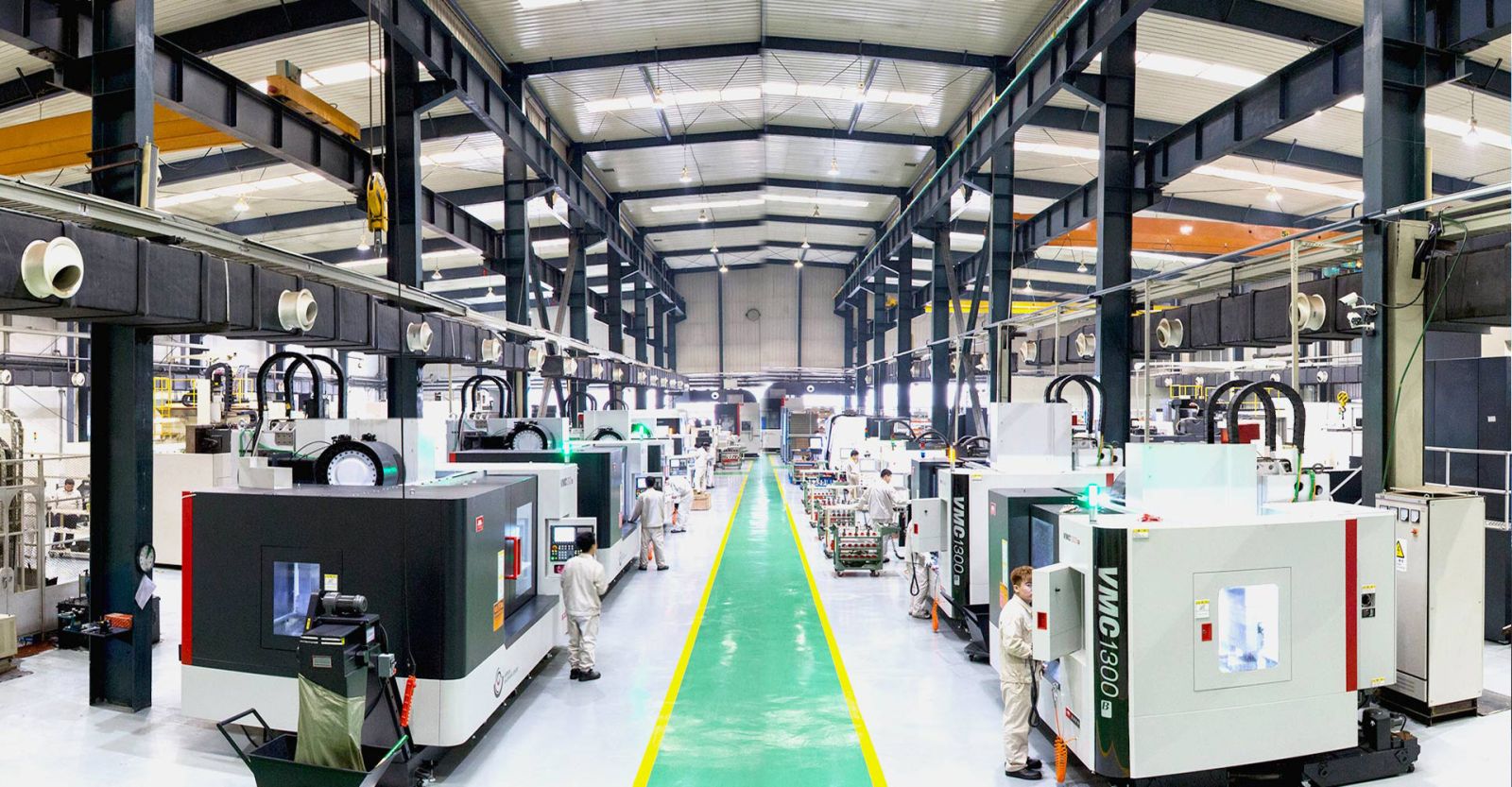
Types of Molding Dies
Molding dies come in various types, each suited for different manufacturing processes and materials. The most common types are injection molding dies and die casting molds, though there are other specialized die types as well. Here’s a breakdown of the most popular types of molding dies and their applications:
1. Injection Molding Dies
Injection molding is one of the most widely used processes for producing plastic parts. In this process, plastic material is heated until molten and then injected into a mold under high pressure. The mold is designed with cavities that match the desired part shape. Once the material cools and solidifies, the part is ejected from the mold.
Applications:
- Automotive Industry: Manufacturing components like dashboard panels, housing for electronics, and interior parts.
- Consumer Goods: Creating plastic products such as bottles, containers, and toys.
- Medical Devices: Producing medical components like syringe parts, disposable instruments, and housing for medical equipment.
Advantages:
- High precision and repeatability.
- Suitable for high-volume production.
- Can produce complex geometries.
2. Die Casting Molds
Die casting is a metal casting process where molten metal is injected into a mold under high pressure. The molds used in die casting are typically made from hardened steel to withstand the high temperatures of molten metals such as aluminum, zinc, or magnesium.
Applications:
- Automotive Industry: Creating engine parts, transmission housings, and other lightweight yet durable metal components.
- Aerospace: Manufacturing critical parts like turbine blades and aircraft components.
- Electronics: Producing casings and housings for electrical devices such as motors, electrical panels, and lighting.
Advantages:
- High dimensional accuracy and surface finish.
- Good for parts requiring strength and durability.
- Cost-effective for high-volume production.
3. Compression Molding Dies
Compression molding involves placing a preheated material (usually rubber or plastic) into an open mold cavity. The material is then compressed under heat and pressure, which forces it to take the shape of the mold. This process is commonly used for thermosetting plastics and rubber.
Applications:
- Automotive: Manufacturing gaskets, seals, and rubber parts.
- Electronics: Producing rubber seals and insulating components.
- Medical: Creating rubber seals and components for medical equipment.
Advantages:
- Ideal for materials that require curing during the molding process.
- Can produce large, thick parts.
- Suitable for high-performance materials such as rubber and thermosets.
4. Blow Molding Dies
Blow molding is used to create hollow plastic parts by inflating a heated plastic tube (called a parison) inside a mold. This process is commonly used for producing items like bottles, containers, and other hollow plastic parts.
Applications:
- Packaging: Creating plastic bottles for beverages, pharmaceuticals, and cosmetics.
- Consumer Goods: Producing large hollow items like tanks and containers.
- Automotive: Manufacturing lightweight plastic components.
Advantages:
- High production speed.
- Ideal for producing hollow parts.
- Low material waste.
5. Rotational Molding Dies
Rotational molding involves placing a material (typically plastic) into a mold, which is then heated and rotated along two axes. The process evenly distributes the material, creating hollow parts that are typically large and durable.
Applications:
- Tanks and Containers: Manufacturing large plastic tanks, bins, and storage containers.
- Automotive: Producing parts like bumpers, fenders, and fuel tanks.
- Playground Equipment: Creating durable and lightweight structures.
Advantages:
- Can produce large, hollow parts with uniform wall thickness.
- Low tooling costs compared to other molding techniques.
- Suitable for low-to-medium volume production.
6. Transfer Molding Dies
Transfer molding is similar to compression molding but differs in that the material is first preheated in a chamber and then transferred into the mold under pressure. This process is often used for thermoset plastics and rubber materials.
Applications:
- Electrical Industry: Manufacturing electrical components like connectors and insulators.
- Automotive: Producing gaskets, seals, and bushings.
- Aerospace: Making specialized composite parts.
Advantages:
- Good for intricate designs.
- Suitable for high-volume production.
- Ideal for thermoset materials.
Summary of Applications
- Injection Molding Dies: Best for plastic parts in automotive, medical, consumer goods, and electronics industries.
- Die Casting Molds: Ideal for metal parts in automotive, aerospace, and electronics industries.
- Compression Molding Dies: Used for rubber and thermosetting plastics, often in automotive, medical, and consumer goods.
- Blow Molding Dies: Common for hollow plastic products such as bottles, containers, and tanks.
- Rotational Molding Dies: Perfect for large, hollow plastic parts and tanks, often in automotive and recreational equipment.
- Transfer Molding Dies: Suited for complex parts made of thermoset plastics or rubber in industries like electrical, automotive, and aerospace.
Each type of molding die is designed to handle specific materials and production requirements. Understanding the differences and applications of each die can help businesses select the most suitable solution for their needs, ensuring high-quality, cost-effective manufacturing processes.
Differences Between Die and Mold
In the manufacturing world, the terms "die" and "mold" are often used interchangeably, but they refer to different tools with distinct purposes. Understanding the differences between a die and a mold is essential for choosing the right tool for your manufacturing process. Here’s a breakdown of the key distinctions:
1. Die
A die is a tool used to shape or cut material through a specific mechanical process, such as applying pressure or force. Dies are typically used for metalworking and plastic forming processes that involve shaping or cutting material into precise forms. The material is often pressed, punched, or cut using a die.
Common Uses of Dies:
- Stamping: Cutting or shaping metal sheets.
- Forging: Shaping metal using compression and pressure.
- Extrusion: Creating continuous shapes of metal or plastic.
- Die Casting: Injecting molten metal into a die under pressure to create parts.
Key Characteristics:
- Pressure-based forming: Dies use mechanical force to shape or cut materials.
- Tooling for precision: Dies are highly precise and create complex shapes with sharp edges.
- Materials used: Dies are typically made of hardened steel, tungsten carbide, or other durable materials capable of withstanding high pressures and temperatures.
2. Mold
A mold is a hollow container used to shape a material by pouring it into the mold cavity. Molds are generally used for processes that involve casting, where a liquid or semi-liquid material is poured into the mold and then allowed to solidify into the desired shape. Molds can be used for a variety of materials, including metals, plastics, and ceramics.
Common Uses of Molds:
- Injection Molding: Injecting molten plastic or metal into a mold cavity to form parts.
- Casting: Pouring molten metal, plastic, or other materials into a mold to solidify and form objects.
- Blow Molding: Forming hollow plastic parts by inflating a heated plastic tube inside a mold.
- Compression Molding: Placing a preheated material into a mold cavity and applying pressure to form a shape.
Key Characteristics:
- Material pouring: Molds shape materials that are either poured or injected into them.
- Hollow cavity design: Molds typically have cavities into which material is introduced.
- Variety of materials: Molds can be made from a range of materials, including steel, aluminum, silicone, or plastic, depending on the application and material being molded.
Key Differences Between Die and Mold:
| Feature | Die | Mold |
|---|---|---|
| Purpose | Used for cutting, shaping, or forming material via mechanical force (e.g., punching, stamping). | Used to shape material by pouring or injecting it into a cavity. |
| Process | Often involves compression or shearing (e.g., stamping, forging). | Involves casting or injecting material (e.g., injection molding, die casting). |
| Material | Typically used for metals, plastics, and some composites. | Used for a wide range of materials, including plastics, metals, and ceramics. |
| Design | Dies often have sharp edges or forms for cutting or stamping material. | Molds have hollow cavities designed to shape materials. |
| Common Applications | Die casting, stamping, punching, forging, and extrusion. | Injection molding, blow molding, casting, and compression molding. |
| Production Speed | Typically fast and efficient for high-volume production of parts with specific shapes. | Suitable for large parts or complex geometries, with slower production times compared to dies. |
| Tooling Material | Made from hardened steel, tungsten carbide, or other durable materials to withstand high pressure. | Made from steel, aluminum, silicone, or other materials depending on the casting method. |
Clarifying Terminology for Clients
To avoid confusion, it's important to clarify the terminology when discussing dies and molds with clients:
-
Die: Think of a die as a tool that forces or cuts a material into a specific shape. It's mainly used in processes like die casting, stamping, or forging, where the material is pressed, shaped, or cut.
-
Mold: A mold, on the other hand, is a hollow container or form used to contain material as it cools or hardens. It's often used in processes like injection molding, blow molding, or casting, where the material is poured or injected into the mold to take shape.
Understanding these distinctions will help you select the right tool for your production needs, ensuring higher efficiency, better quality, and reduced costs in your manufacturing processes.
Understanding the Die Casting Process
Die casting is a high-pressure metal casting process used to produce parts with intricate details and smooth surfaces. In this process, molten metal is injected into a mold (called a die) at extremely high pressure, typically 10,000 to 20,000 psi, to form precision parts. The molten metal is cooled rapidly inside the mold, solidifying into the shape of the cavity. Once cooled, the part is ejected, and the die is ready for the next cycle.
Common materials used in die casting include aluminum, zinc, magnesium, and copper alloys, due to their ability to withstand high pressures and temperatures while maintaining excellent fluidity during the casting process.
The Die Casting Process in Detail:
-
Preparation: The die (mold) is made of high-strength steel, and it is designed to accommodate the shape of the desired part. Lubricants are applied to the die to prevent sticking and ease the removal of the finished part.
-
Injection of Molten Metal: The die is clamped shut, and molten metal is injected into the mold cavity through a nozzle. The pressure forces the metal into every corner of the mold, filling it completely and ensuring high accuracy.
-
Cooling: Once the mold is filled, the molten metal is allowed to cool and solidify. The cooling time is critical to ensure the part's structural integrity and dimensional accuracy.
-
Ejection: After the part has cooled, the die opens, and ejector pins push the finished part out of the die. The part is now ready for any secondary operations, such as trimming, painting, or assembly.
-
Die Maintenance: Dies are carefully maintained, as repeated use can cause wear. Regular inspection and maintenance are crucial to ensure consistent quality and precision.
Advantages of Die Casting:
-
Durability:
Die casting is well-suited for producing parts that require high strength and durability, making it ideal for automotive, aerospace, and industrial applications. The high-pressure molding process ensures that parts are dense and uniform, with minimal porosity, resulting in stronger, more durable components. -
Precision and Complex Geometries:
Die casting can produce parts with high dimensional accuracy and tight tolerances, often within ±0.1mm. This level of precision allows for complex shapes and thin-walled structures, reducing the need for post-casting machining and making it an excellent choice for parts that require intricate details. -
Speed:
The die casting process is fast, especially for large production runs. Once the die is prepared, the cycle time for each part is relatively short—typically between 15 to 60 seconds. This makes die casting an efficient process for high-volume manufacturing, significantly reducing the overall production time. -
Surface Finish:
Die casting produces smooth, shiny surfaces that require little to no post-processing. This is especially important in industries such as consumer electronics, automotive, and lighting, where the appearance of the part is a key factor. -
Cost-Effectiveness for High Volumes:
Although the initial cost of creating the die can be high, die casting becomes cost-effective for large production volumes. The ability to produce large quantities of parts quickly and with high precision minimizes labor and material costs. -
Material Efficiency:
The die casting process is highly efficient in material usage. Excess material from each casting cycle (called flash) can be recycled and reused, reducing waste and making die casting a more environmentally friendly option compared to other manufacturing processes.
Is Die Casting Cheaper Than Injection Molding?
Die Casting vs. Injection Molding:
-
Cost Consideration:
The cost of both die casting and injection molding depends on several factors such as material, part complexity, production volume, and tooling requirements. Generally, die casting may have a higher initial cost due to the expense of creating the mold (die) and the materials used (such as steel or aluminum). However, this upfront investment is amortized over high-volume production, making die casting more cost-effective for large runs.Injection molding, on the other hand, is typically more cost-effective for low-to-medium volume production of plastic parts because the cost of molds and tooling is lower. However, for high-volume production, die casting can become cheaper in the long term, especially when producing metal parts that require high precision and strength.
-
Material Choice:
Injection molding uses primarily plastic materials, which tend to be less expensive than metals like aluminum or zinc used in die casting. Therefore, if the part can be made of plastic and doesn’t require the strength of a metal, injection molding may be the more economical choice. -
Production Volume:
Die casting becomes more economical as the production volume increases due to the speed of the process and the durability of the molds. Injection molding is also fast, but its cost advantages are generally realized at lower volumes. -
Quality and Precision:
Die casting produces stronger and more durable parts, making it a better option for parts that need high structural integrity, such as in the automotive and aerospace industries. Injection molding is well-suited for producing intricate plastic parts with tight tolerances but is less effective for producing high-strength metal components.
Summary:
- Die casting tends to be cheaper for high-volume production of metal parts due to its speed and durability, despite the higher initial tooling costs.
- Injection molding is more cost-effective for low-to-medium volume production of plastic parts, especially when complex designs are required.
Choosing between die casting and injection molding depends on your specific needs, including the material, part complexity, production volume, and budget.
How to Choose the Right Molding Die for Your Project
Selecting the right molding die for your project is a critical step that can significantly impact the efficiency, cost, and quality of your production process. Whether you’re producing metal or plastic parts, choosing the right die is essential to meet your project’s specific needs. Below are key factors to consider when selecting a molding die:
1. Material Selection
The material you plan to use in your project plays a major role in determining the type of die you need. Different materials require different molding processes, and the die material must be chosen based on the properties of the material being molded.
-
For Plastics: If you’re working with thermoplastics (e.g., ABS, polypropylene, polyethylene), injection molding dies are the most common choice. These dies are designed to handle the injection of molten plastic into a mold cavity.
-
For Metals: If you're molding metals like aluminum, zinc, or magnesium, die casting dies are used. These dies are made from durable, heat-resistant steel and are designed to withstand the high pressure of molten metals.
-
For Rubber or Thermoset Materials: If you’re working with rubber or thermosets (e.g., rubber seals, gaskets), compression molding dies or transfer molding dies would be suitable.
Make sure the die material is compatible with the material you are molding to ensure smooth production and quality output.
2. Design Complexity and Precision
The complexity of your part design is another crucial factor in choosing the right molding die. Complex shapes, intricate details, and tight tolerances require more sophisticated dies, which can influence the cost and production time.
-
Simple Designs: For basic, simple designs, die casting or injection molding dies can work well. These dies are ideal for parts with straightforward geometries and basic features.
-
Complex Designs: For more intricate designs with fine details, consider multi-cavity injection molds or die casting dies with advanced features like inserts, cores, and slides. These dies allow for greater flexibility in part design and can handle complex geometries.
Additionally, think about the level of precision required. If your parts demand tight tolerances (e.g., ±0.1mm), choose a die that is designed for high-precision molding, such as high-precision die casting dies or injection molding dies with fine-tuned cavities.
3. Production Volume
The volume of parts you need to produce is a major consideration when selecting a molding die. The production volume affects not only the die material but also the type of molding process and die configuration.
-
High Production Volume: If you need to produce parts in large quantities, die casting dies and injection molding dies are well-suited for high-volume production. Both processes are fast, and the dies can withstand thousands of cycles with minimal wear. While the initial investment in die tooling can be high, the per-part cost decreases significantly as the production volume increases, making it more cost-effective for large runs.
-
Low to Medium Production Volume: If you need fewer parts or have a more limited production run, compression molding or blow molding dies may be a better fit. These processes are typically used for producing smaller quantities or for prototyping. They have lower tooling costs, making them ideal for medium-volume production.
4. Material Strength and Durability
The strength and durability of the molded parts will influence the type of die you should choose. If you need parts that require high strength, such as those used in automotive or aerospace applications, you’ll need a die that is capable of handling high-pressure processes and producing strong, durable parts.
-
For Strong Parts: Die casting dies are ideal for producing durable metal parts that can withstand high pressure and temperatures. This is important for parts that need to maintain their integrity under stress or harsh conditions, such as engine components or structural parts.
-
For Lightweight Parts: If you need lightweight yet strong plastic parts, injection molding dies are suitable. Advanced injection molding technologies allow for the production of strong yet lightweight parts using engineered plastics.
5. Cycle Time and Speed
Cycle time is the amount of time it takes to produce one part. Faster cycle times can increase the overall productivity of your manufacturing process, especially for large production volumes. The choice of die affects cycle time, and different processes have varying speeds:
-
Fast Cycle Times: Injection molding and die casting are known for their quick cycle times, making them ideal for high-volume production. Injection molding, for instance, can produce parts in 15-60 seconds per cycle, while die casting can be even faster.
-
Slower Cycle Times: Compression molding and transfer molding tend to have longer cycle times due to the curing or cooling process of the material, so these might be less suitable for extremely high-volume production.
Choose a die based on how quickly you need to produce your parts while maintaining quality.
6. Tooling and Maintenance Costs
Tooling refers to the design and manufacturing of the die, and it can have a significant impact on your project costs. Tooling costs vary depending on the complexity of the design and the material used for the die.
-
For High Initial Investment: Die casting and injection molding dies require significant upfront investment, especially for complex designs or high-volume production. However, these dies are durable and designed for long-term use, making them cost-effective in the long run for high-volume production.
-
For Lower Initial Investment: If you have a limited budget or only need to produce a small batch of parts, compression molding and blow molding dies typically have lower initial tooling costs. However, they may not be suitable for high-precision or high-strength applications.
7. Material Waste and Sustainability
Sustainability is becoming increasingly important in manufacturing. Different molding processes produce varying amounts of material waste, and the choice of die can influence this.
-
For Minimal Waste: Die casting is a highly material-efficient process, as excess material (such as flash) can be recycled and reused, reducing overall waste. Similarly, injection molding also has relatively low material waste, as excess plastic can be reclaimed and reused.
-
For Higher Waste: Processes like compression molding and blow molding can sometimes produce more waste, especially if there is excess material that is not reused.
Conclusion:
When choosing the right molding die for your project, consider the following factors:
- Material: What material are you using? Metal, plastic, rubber?
- Design Complexity: Does the part require intricate details and tight tolerances?
- Production Volume: Are you producing high volumes or small batches?
- Durability and Strength: Do the parts need to be strong or lightweight?
- Cycle Time: How quickly do you need to produce parts?
- Tooling and Maintenance Costs: What is your budget for die creation and long-term maintenance?
- Waste and Sustainability: How much material waste are you willing to accept?
By carefully considering these factors, you can select the best molding die for your project, ensuring a cost-effective, high-quality, and efficient manufacturing process.
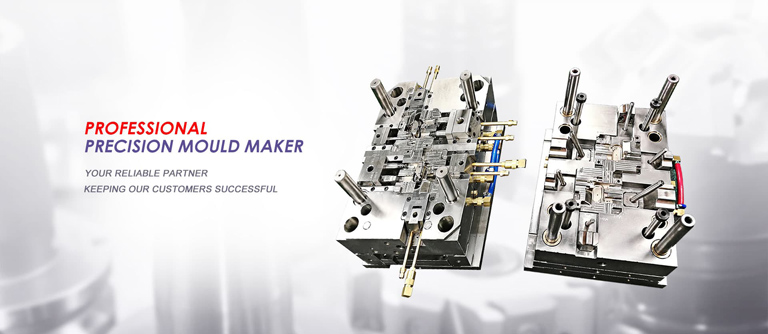
The Cost of Molding Dies
The cost of molding dies is influenced by several key factors, including the material used, the complexity of the design, and the manufacturing process. Understanding these factors can help you estimate the cost of your project and make an informed decision when selecting the right molding die for your production needs.
Factors Influencing the Cost of Molding Dies
-
Material The choice of material for both the mold and the molded part significantly impacts the cost. Harder, more durable materials used for the die (e.g., tool steel, aluminum, or high-grade alloys) tend to be more expensive due to their superior resistance to wear and ability to withstand high pressures and temperatures. Similarly, the material you’re molding—whether plastic, metal, or rubber—also plays a role in determining the overall cost.
- Metal Dies: Molds used for die casting (e.g., aluminum, zinc, or magnesium) require harder materials to withstand high pressure. These are typically more expensive due to the toughness required for the tooling.
- Plastic Dies: Molds for injection molding may require less expensive materials such as aluminum or lower-grade steel, depending on the complexity of the design and the volume of parts to be produced.
-
Design Complexity The more complex the design, the higher the cost. Dies with intricate features, multi-cavity molds, or parts that require slides, cores, or inserts will be more expensive due to the need for more precise machining and the additional tooling required. For example, designs that incorporate undercuts, internal features, or fine details necessitate the use of specialized tooling.
- Simple Designs: For straightforward parts, the cost is relatively lower, as the tooling required is simpler and easier to manufacture.
- Complex Designs: For parts with intricate geometries or high precision, the mold design process will be more detailed, requiring specialized equipment, which increases the overall cost.
-
Manufacturing Process The process used to create the die also affects the cost. Some dies are produced through traditional machining, while others might require advanced processes such as EDM (Electrical Discharge Machining) or CNC milling for high-precision molds.
- Traditional Machining: Involves basic milling and turning techniques. Suitable for simpler designs with lower tolerances.
- Advanced Machining: For intricate parts requiring high precision, EDM and CNC are commonly used. These methods are more expensive but offer better accuracy and fine detail.
-
Production Volume The volume of parts you plan to produce will affect the cost of the die. High-volume production generally lowers the per-part cost over time, making the initial investment in die tooling more economical. However, for low-to-medium volume runs, the tooling costs can be a larger proportion of the total cost.
- High Volume: Once the tooling is complete, producing large quantities of parts results in a lower per-part cost, especially for die casting and injection molding.
- Low Volume: For smaller runs, molds with simpler designs or alternative methods (like compression molding) might be more cost-effective.
Cost Comparison: Die Casting vs. Injection Molding
-
Die Casting
- Initial Tooling Cost: High due to the need for durable steel molds and the complexity of die manufacturing.
- Material Costs: Generally higher for metal parts, especially when using expensive alloys like aluminum, zinc, or magnesium.
- Production Volume: Die casting is most cost-effective for high-volume production because the tooling can withstand many cycles.
- Part Cost: Lower per-part cost at high volumes, especially for durable, high-precision metal parts.
- Lead Time: Longer lead times for tooling, as high-pressure dies require more intricate machining and finishing.
-
Injection Molding
- Initial Tooling Cost: Lower compared to die casting, especially if using aluminum molds for low-to-medium volume production.
- Material Costs: Less expensive than metal die casting, as plastics are generally cheaper and easier to handle.
- Production Volume: Injection molding is ideal for both low- and high-volume production, especially for plastic parts.
- Part Cost: Lower per-part cost at medium to high volumes for plastic components.
- Lead Time: Shorter lead times for tooling, especially for simpler designs.
Molding Die Manufacturing Process at YICHOU
At YICHOU, we pride ourselves on delivering high-quality, precise molding dies for a wide range of industries, from automotive to aerospace and medical. Our manufacturing process is designed to ensure both efficiency and precision, enabling us to produce dies that meet the most demanding specifications.
Our Molding Die Manufacturing Process
-
Design and Engineering: The first step in creating a molding die is understanding the unique requirements of the part. Our expert engineers work closely with clients to design molds that meet their specific needs, ensuring that the design accommodates factors such as material, complexity, and production volume.
-
Material Selection: We use the highest quality materials for both the die and the molded part, ensuring durability and longevity. We specialize in both steel dies for high-pressure processes like die casting and aluminum dies for more lightweight and medium-volume production.
-
Advanced Machining: At YICHOU, we employ CNC milling, EDM, and wire cutting technologies to achieve the highest level of precision in our die manufacturing. These techniques allow us to create intricate designs with tight tolerances, ensuring the final product meets the highest standards.
-
Assembly and Testing: Once the die components are machined, they are carefully assembled and tested to ensure they function as intended. We perform comprehensive inspections and quality control checks to verify that the die can withstand the demands of production without compromising on accuracy.
-
Maintenance and Support: We offer ongoing maintenance and support to ensure the longevity and optimal performance of our dies. Regular maintenance and inspections minimize downtime and maximize the productivity of your molding operations.
Our Commitment to Quality and Precision
At YICHOU, we are committed to providing high-quality molding dies that meet the strictest industry standards. Our rigorous quality control processes ensure that each die we produce is durable, precise, and reliable. Whether you need dies for die casting, injection molding, or compression molding, our team guarantees exceptional craftsmanship and attention to detail.
Conclusion and Call to Action
Selecting the right molding die is a crucial step in ensuring the success of your manufacturing process. By considering factors such as material, design complexity, production volume, and cost, you can make an informed decision that will lead to high-quality, cost-effective production.
At YICHOU, we are experts in molding die manufacturing, providing top-notch tooling solutions for various industries. Our team is ready to help you choose the right molding die for your needs, ensuring that you achieve optimal results in both quality and efficiency.
Contact us today to learn more about our molding die manufacturing capabilities or to request a custom quote for your next project. Let YICHOU be your trusted partner in precision molding die solutions!

Get Quote
- Email us: [email protected]
- Call us/whatsapp: +86 13355741031
- Chat with us: Live chat support available on our website