Meta Description:
- "Discover YICHOU's custom carbon fiber parts and molding services. Learn about the molding process, advantages of carbon fiber, and why YICHOU is the best choice for your custom carbon fiber needs."
Introduction:
At YICHOU, we specialize in the precision manufacturing of custom carbon fiber parts and carbon fiber molding services. With years of expertise in working with high-performance materials, we offer tailored solutions that meet the specific needs of industries ranging from aerospace and automotive to medical and industrial applications.
Carbon fiber is a cutting-edge material known for its exceptional strength-to-weight ratio, making it ideal for applications where both durability and lightweight performance are crucial. Unlike traditional materials like metal, carbon fiber offers superior resistance to corrosion, high temperatures, and fatigue, making it perfect for use in challenging environments. Its versatility allows for custom parts to be molded into various shapes and sizes, providing companies with solutions that improve product efficiency and performance.
In industries such as aerospace, carbon fiber’s lightweight nature helps reduce fuel consumption and enhance flight performance. In the automotive sector, it’s used for high-performance components like body panels and engine parts, where strength and reduced weight are critical. Additionally, in the medical field, custom carbon fiber components contribute to the development of advanced devices and implants, improving both patient outcomes and manufacturing processes.
At YICHOU, we harness the full potential of carbon fiber, providing our clients with customized parts that deliver on strength, durability, and innovation across multiple sectors. Whether you need carbon fiber molding for high-performance vehicles, medical devices, or complex aerospace components, YICHOU is your trusted partner in carbon fiber solutions.
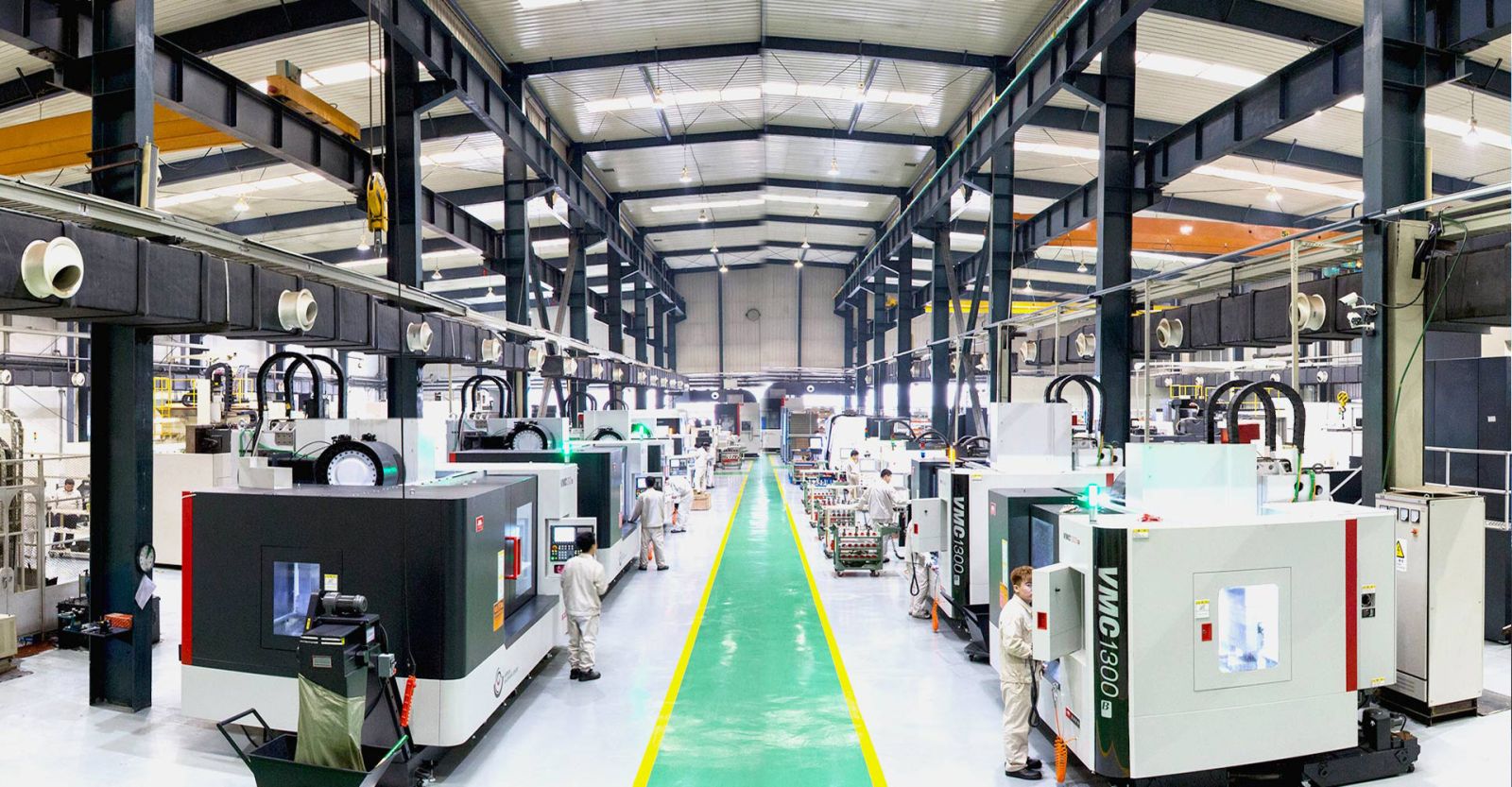
.jpg)
What is Carbon Fiber Molding?
Carbon fiber molding is the process of shaping carbon fiber into custom parts using specialized molding techniques. Carbon fiber itself is a composite material made from thin strands of carbon atoms, woven into a fabric or mat. When combined with a resin, carbon fiber forms a strong yet lightweight material that is used across a wide range of industries, from aerospace to automotive and medical devices. The molding process involves integrating the carbon fiber with resin and using heat and pressure to create parts that are both durable and precise in shape.
Key Methods of Carbon Fiber Molding
There are several molding techniques commonly used in carbon fiber manufacturing, each suitable for different applications. Below are the key methods:
-
Resin Transfer Molding (RTM):
- RTM involves placing dry carbon fiber fabrics or mats into a closed mold, after which resin is injected under pressure into the mold to saturate the fibers. This method is often used for producing parts with complex shapes and high strength-to-weight ratios. RTM is highly efficient and suitable for mass production of custom carbon fiber parts.
-
Compression Molding:
- In compression molding, carbon fiber sheets or preforms are placed into an open mold. The mold is then closed, and heat and pressure are applied to cure the resin and harden the composite material. This method is commonly used for creating high-volume, cost-effective carbon fiber parts like automotive body panels, brackets, and industrial components.
-
Autoclave Molding:
- This method involves placing the carbon fiber material and resin in a mold and then curing them in an autoclave (a pressure vessel) under both heat and high pressure. Autoclave molding is often used in aerospace and high-performance applications where superior quality and strength are required. The controlled environment ensures uniform curing and minimized defects.
-
Vacuum Bag Molding:
- Vacuum bag molding uses a vacuum to remove air and compact the carbon fiber layers and resin inside the mold. This process is typically used for larger parts or components that need to be lightweight but still maintain high strength and stiffness. It is often used for parts such as airplane wings, automotive panels, and marine structures.
-
Pultrusion:
- Pultrusion involves pulling carbon fiber reinforcement through a resin bath and then through a heated die to shape the part. This technique is typically used for continuous profiles such as rods, tubes, and beams, and is often seen in industries where long, uniform carbon fiber components are required.
Each of these molding techniques offers unique advantages, allowing YICHOU to deliver tailored carbon fiber solutions that meet the specific performance, strength, and weight requirements of our customers' projects. Depending on the complexity of the part and the application, we carefully select the most appropriate molding method to ensure high-quality, custom carbon fiber parts that exceed expectations.
Why Choose Custom Carbon Fiber Parts?
Custom carbon fiber parts offer numerous advantages over traditional materials like metal, making them a popular choice across various industries. At YICHOU, we specialize in manufacturing high-performance custom carbon fiber components tailored to meet the specific needs of our clients. Below, we discuss the key reasons why custom carbon fiber parts are often the preferred choice:
1. Lightweight:
One of the primary reasons carbon fiber is chosen over traditional materials like metal is its exceptional lightweight nature. Carbon fiber parts are significantly lighter than metals such as steel and aluminum, often by up to 60-70%. This reduction in weight is crucial for applications where performance and fuel efficiency are important, such as in the aerospace and automotive industries. Lightweight components contribute to improved fuel economy, higher speed, and reduced emissions.
- Aerospace: Lighter parts lead to reduced fuel consumption and improved flight performance, making aircraft more efficient.
- Automotive: In racing and high-performance cars, lighter parts enhance speed, agility, and handling while also improving fuel efficiency.
2. Strength-to-Weight Ratio:
Carbon fiber is known for its outstanding strength-to-weight ratio. Despite being lightweight, it is incredibly strong and can withstand heavy loads without compromising on performance. Carbon fiber components can handle high stresses, making them ideal for demanding applications where durability is key.
- Medical Devices: Carbon fiber is used in medical equipment like prosthetics and implants, offering strength and reliability while remaining lightweight for patient comfort.
- Industrial Applications: Custom carbon fiber parts can be used in high-stress environments such as machinery components, ensuring longevity and reduced wear over time.
3. Durability and Longevity:
Unlike metals that are prone to corrosion and wear over time, carbon fiber is highly resistant to environmental factors such as moisture, chemicals, and UV radiation. This durability makes it an ideal choice for long-lasting parts, reducing the need for frequent replacements or maintenance.
- Marine Industry: Carbon fiber parts resist corrosion from seawater, making them perfect for boat hulls, propellers, and other marine components.
- Aerospace: The longevity of carbon fiber ensures that aircraft parts remain intact under extreme conditions, enhancing the overall lifespan of the vehicle.
4. Design Flexibility:
Carbon fiber’s versatility allows for complex, customized shapes that would be challenging or impossible to achieve with metals. Through advanced molding techniques, custom carbon fiber parts can be designed to meet specific aesthetic and functional requirements, offering greater precision and tailored performance.
- Automotive: Custom carbon fiber body panels can be created to fit the unique design of a vehicle while maintaining high performance.
- Aerospace: Carbon fiber can be molded into aerodynamic shapes, improving flight dynamics and fuel efficiency.
5. Improved Performance:
Because carbon fiber is both lightweight and strong, it improves the overall performance of any application. In industries where speed, precision, and agility are critical, custom carbon fiber parts offer significant advantages.
- Sports Equipment: In cycling, tennis, and golf, carbon fiber’s combination of strength and lightness enhances the performance of equipment like frames and clubs.
- Racing: In motorsports, every reduction in weight and every increase in strength contributes directly to better speed, acceleration, and handling.
6. Customization for Specific Needs:
The ability to manufacture custom carbon fiber parts allows for precise solutions that meet the unique requirements of each industry or application. Whether it’s for high-stress environments or complex designs, custom carbon fiber parts provide the flexibility to meet specific dimensions, load-bearing capacities, and aesthetic needs.
- Medical Devices: Custom carbon fiber is used to create lightweight, durable prosthetics and implants tailored to an individual’s requirements.
- Defense and Aerospace: Custom parts can be designed for lightweight, high-strength applications in military aircraft, drones, and other defense technologies.
Conclusion
Custom carbon fiber parts are an excellent choice over traditional materials due to their lightweight properties, superior strength, durability, and design flexibility. At YICHOU, we help our clients optimize their products by providing high-quality, customized carbon fiber solutions that improve performance and reduce costs in industries ranging from aerospace and automotive to medical devices and industrial machinery. Whether you're looking for lightweight parts, improved strength, or long-lasting solutions, carbon fiber can fulfill your needs with unmatched efficiency and precision.

Common Questions About Carbon Fiber Molding and Custom Carbon Fiber Parts
Here, we address some of the most frequently asked questions about carbon fiber molding and custom carbon fiber parts to help you make informed decisions when sourcing carbon fiber solutions for your projects.
1. Can Carbon Fiber Be Molded?
Yes, carbon fiber can be molded into custom parts using various molding techniques, such as resin transfer molding (RTM), compression molding, autoclave molding, and vacuum bag molding. These processes allow carbon fiber to be shaped into virtually any form, making it ideal for producing complex parts with high strength-to-weight ratios. Molding carbon fiber enables manufacturers to create durable and lightweight components for various applications across industries like aerospace, automotive, and medical devices.
2. What Can Carbon Fiber Be Used For?
Carbon fiber is a versatile material used in a wide range of applications due to its exceptional strength, lightweight nature, and durability. Some common uses include:
- Aerospace: Aircraft parts such as wings, fuselage components, and interior elements.
- Automotive: Lightweight body panels, chassis components, and high-performance racing parts.
- Medical Devices: Prosthetics, surgical instruments, and medical imaging equipment.
- Sports Equipment: Bicycle frames, golf clubs, tennis rackets, and other high-performance sports gear.
- Industrial Applications: Machine parts, protective covers, and tools in high-stress environments.
3. How Do You Mold Carbon Fiber?
The process of molding carbon fiber typically involves the following steps:
- Preparation: Carbon fiber sheets, fabrics, or preforms are laid out in a mold. The resin that will bind the fibers is also prepared.
- Resin Application: Depending on the molding technique (e.g., RTM or compression molding), resin is injected, or the fibers are saturated with resin.
- Molding: Heat and pressure are applied (either in an autoclave or through other methods like vacuum bags) to cure the resin and set the carbon fiber into its final shape.
- Cooling and Finishing: Once the mold has cooled and cured, the part is removed and undergoes finishing steps, such as trimming, sanding, or painting, if necessary.
4. What Is the Cost of Custom Carbon Fiber Parts?
The cost of custom carbon fiber parts can vary significantly depending on factors such as:
- Complexity of the design: Intricate, complex shapes may require more time and specialized equipment, increasing costs.
- Size of the part: Larger parts often require more materials and longer processing times.
- Volume: Mass production generally reduces per-unit costs, while smaller quantities may be more expensive.
- Material quality: Higher-quality carbon fiber materials, such as those used in aerospace or high-performance applications, can be more expensive.
It's best to consult with a manufacturer like YICHOU to get a quote based on your specific needs and requirements.
5. Can You Make Custom Carbon Fiber Parts for Automotive Applications?
Yes, custom carbon fiber parts are widely used in the automotive industry. Whether you're looking for lightweight body panels, chassis components, or performance-enhancing parts, carbon fiber offers an excellent solution due to its high strength-to-weight ratio. Custom parts for racing cars, sports cars, and high-performance vehicles are especially popular, as they improve speed, handling, and fuel efficiency.
6. How Strong Is Carbon Fiber Compared to Steel?
Carbon fiber has an exceptionally high strength-to-weight ratio, which means it is incredibly strong while being much lighter than steel. While carbon fiber is not as strong as steel in terms of overall tensile strength, it excels in specific strength (strength per unit of weight). This makes carbon fiber ideal for applications where reducing weight without sacrificing strength is crucial, such as in aerospace and automotive industries.
- Tensile Strength: Carbon fiber can match or exceed steel in tensile strength, depending on the specific type of carbon fiber used.
- Weight: Carbon fiber is up to 70% lighter than steel, making it a preferred material in performance-driven industries.
7. Can You Cut and Trim Carbon Fiber?
Yes, carbon fiber can be cut and trimmed using specialized tools. However, it's important to use the correct methods to avoid damaging the material:
- Cutting: Use diamond-coated blades, jigsaws, or specialized carbon fiber saws.
- Trimming: Fine-tuned trimming can be done with rotary tools, dremels, or hand tools.
- Safety: When cutting carbon fiber, it’s essential to wear protective gear, such as masks and gloves, to avoid inhaling carbon fiber dust, which can be harmful.
8. What Are the Challenges in Carbon Fiber Molding?
While carbon fiber offers many advantages, there are several challenges that manufacturers may face during the molding process:
- High Costs: The materials, equipment, and processes involved in carbon fiber molding can be expensive, especially for low-volume production.
- Complexity of Molding: Achieving precise molds with minimal defects can be difficult, particularly with intricate designs or when using multiple layers of carbon fiber.
- Curing Time: The time it takes for the resin to fully cure and harden can be a limitation, especially when using autoclave molding.
- Tooling Costs: The molds used for carbon fiber molding can be costly to create, especially for custom or highly detailed parts.
- Quality Control: Ensuring consistency and uniformity in each part, particularly when working with large quantities, can require strict quality control processes.
Despite these challenges, advancements in molding techniques and materials are continually improving the efficiency and cost-effectiveness of carbon fiber production, making it a viable option for a wide range of industries.
Benefits of Working with YICHOU for Custom Carbon Fiber Parts
When it comes to custom carbon fiber parts, choosing the right manufacturer is crucial to ensure high-quality products that meet your specific needs. At YICHOU, we offer a comprehensive suite of services and expertise that sets us apart as a leader in carbon fiber molding and custom carbon fiber manufacturing. Here’s why partnering with YICHOU for your carbon fiber projects is a smart choice:
1. Extensive Experience and Expertise
With years of experience in the carbon fiber industry, YICHOU has built a reputation for delivering precision-engineered parts that meet the stringent requirements of various industries. We have worked with a diverse range of sectors, including:
- Aerospace: Manufacturing lightweight, high-strength components for aircraft and spacecraft, ensuring maximum performance and durability.
- Automotive: Supplying custom parts for high-performance racing cars, sports vehicles, and electric vehicles, where every ounce of weight saved improves speed and fuel efficiency.
- Medical Devices: Producing lightweight yet strong components for medical equipment such as prosthetics, surgical instruments, and imaging devices, where precision and reliability are critical.
Our team has a deep understanding of the unique requirements of these industries, allowing us to provide tailored solutions that exceed client expectations.
2. Advanced Technology and Manufacturing Processes
At YICHOU, we use cutting-edge technology and advanced manufacturing processes to deliver the highest quality custom carbon fiber parts. Our state-of-the-art molding techniques, such as Resin Transfer Molding (RTM), autoclave molding, and vacuum bag molding, allow us to create parts with intricate designs, superior strength, and lightweight properties.
We utilize precision machinery and automated systems to ensure consistent quality, reduce human error, and enhance production efficiency. Whether you need low-volume prototypes or high-volume production, our technologies can meet the demands of any project size.
3. Rigorous Quality Assurance
Quality is at the forefront of everything we do at YICHOU. We implement a rigorous quality assurance process that includes:
- Material Inspection: Every batch of carbon fiber material is thoroughly tested for consistency, ensuring that only the highest-quality fibers are used in production.
- Process Control: We closely monitor each stage of the manufacturing process to maintain tight tolerances and ensure parts meet your exact specifications.
- Testing and Validation: Our carbon fiber parts undergo extensive testing to verify their strength, durability, and performance under various conditions, including tensile strength tests, impact resistance, and thermal stability tests.
Our commitment to quality ensures that you receive carbon fiber parts that perform reliably and consistently, even in the most demanding applications.
4. Industry-Specific Certifications
YICHOU holds various industry certifications that highlight our commitment to quality and safety. These certifications demonstrate our adherence to global standards and best practices in carbon fiber manufacturing. Some of our key certifications include:
- ISO 9001: Ensuring the highest standards of quality management in our processes and products.
- AS9100: Certification for aerospace quality management, guaranteeing that we meet the strictest requirements for manufacturing parts used in the aerospace sector.
- ISO 13485: Ensuring our products meet the regulatory requirements for medical device manufacturing, offering quality and reliability for medical applications.
These certifications highlight our dedication to excellence and reinforce our reputation as a trusted partner for critical industries that require custom carbon fiber parts.
5. Tailored Solutions for Diverse Applications
At YICHOU, we understand that every project is unique, and we offer customized solutions to meet the specific needs of your application. Whether you're looking for lightweight aerospace components, durable automotive parts, or high-precision medical devices, our team works closely with you to design and produce parts that meet your performance, aesthetic, and functional requirements.
- Design Collaboration: We work alongside your design team to ensure that the final product meets your exact specifications, including shape, size, strength, and appearance.
- Prototyping and Testing: We offer rapid prototyping services to help you test and refine your designs before full-scale production, ensuring that the final part is optimized for performance.
6. Fast Lead Times and Cost Efficiency
We understand the importance of timely delivery and cost efficiency in today’s competitive market. YICHOU utilizes lean manufacturing principles and advanced scheduling systems to ensure that your custom carbon fiber parts are delivered on time and within budget. Our experienced team works efficiently to minimize production time without compromising on quality, allowing you to get your products to market faster.
Why Choose YICHOU?
Choosing YICHOU for your custom carbon fiber parts means partnering with an experienced, technologically advanced manufacturer that is committed to delivering high-quality solutions. Our expertise across a variety of industries, coupled with our cutting-edge technology and rigorous quality control processes, ensures that you will receive custom parts that perform flawlessly in even the most demanding environments.
We pride ourselves on our ability to meet our clients' unique needs, providing custom carbon fiber solutions that offer strength, durability, and lightweight performance, no matter the application.
Let YICHOU be your trusted partner for custom carbon fiber molding—contact us today to discuss how we can help bring your vision to life!
Key Industries That Benefit from Custom Carbon Fiber Parts
1. Aerospace: Carbon fiber plays a critical role in the aerospace industry due to its lightweight properties, strength, and resistance to fatigue. These qualities are crucial for improving fuel efficiency and overall performance of aircraft. Custom carbon fiber parts are commonly used in:
- Airframe components: Fuselage, wing components, and tail structures to reduce weight and enhance structural integrity.
- Interior parts: Seating frames, cabin panels, and overhead compartments to lower aircraft weight without sacrificing strength.
- Engine components: High-performance parts such as turbine blades and fan cases that must withstand high temperatures and stresses while keeping the weight minimal.
YICHOU’s aerospace expertise ensures that we deliver custom carbon fiber parts that meet stringent industry standards and offer superior performance.
2. Automotive: In the automotive industry, custom carbon fiber parts are used to enhance performance, aesthetics, and safety. Carbon fiber provides automotive manufacturers with the opportunity to reduce weight, which improves fuel efficiency and handling. Common applications include:
- Body panels and frames: Lightweight panels for sports cars and electric vehicles, reducing overall vehicle weight for better fuel economy.
- Chassis components: Carbon fiber is used for components like bumpers, fenders, and structural reinforcements to improve strength while reducing weight.
- Interior components: Custom carbon fiber dashboards, steering wheels, and trim pieces for premium or racing vehicles.
YICHOU offers custom solutions for manufacturers looking to create high-performance and aesthetically appealing automotive components.
3. Medical Devices: In the medical field, custom carbon fiber parts are valued for their strength, light weight, and biocompatibility. These qualities are essential for creating medical devices that need to be durable, lightweight, and precise. Examples of carbon fiber applications in medical devices include:
- Prosthetics: Custom-made carbon fiber prosthetic limbs that offer strength, lightweight comfort, and natural flexibility for users.
- Surgical instruments: Lightweight, high-strength surgical tools designed for precision and durability.
- Medical imaging devices: Carbon fiber is used in equipment such as MRI machines and X-ray tables to create stable, durable frames that do not interfere with imaging.
YICHOU’s ability to produce high-precision, lightweight, and durable custom carbon fiber parts makes us a trusted partner for the medical industry.
4. Marine: The marine industry benefits greatly from carbon fiber’s resistance to corrosion, high strength, and light weight. Custom carbon fiber parts are essential for improving the performance and longevity of vessels and marine equipment. Applications include:
- Boat hulls: Lightweight yet strong hulls that offer improved fuel efficiency and durability in harsh marine environments.
- Propellers and rudders: Carbon fiber parts that reduce drag, enhancing speed and fuel efficiency.
- Deck and structural components: Custom carbon fiber parts for boat decks and supports, providing strength and corrosion resistance while reducing weight.
YICHOU provides advanced carbon fiber solutions that help improve the performance and durability of marine components.
5. Industrial Machinery: Custom carbon fiber parts are also widely used in industrial machinery for applications where strength, precision, and light weight are essential. Carbon fiber can enhance machine performance, reduce wear, and extend service life. Examples include:
- Machine frames: Lightweight, strong frames that enhance the stability and durability of industrial machines.
- Tooling and fixtures: Custom carbon fiber parts for manufacturing tools, jigs, and fixtures, providing improved durability and weight reduction.
- Conveyor belts and pulleys: Carbon fiber parts used to improve performance in manufacturing processes, offering higher resistance to stress and wear.
At YICHOU, we understand the unique demands of industrial applications and offer custom carbon fiber parts to improve efficiency and performance.
How YICHOU Can Support Your Carbon Fiber Needs
At YICHOU, we offer a wide range of services to meet the diverse needs of our clients across industries. Here's how we can support your custom carbon fiber projects:
1. Custom Design and Manufacturing Services
We work closely with clients to design and produce tailored carbon fiber solutions that meet their specific needs. Our experienced engineers will help create designs that maximize the benefits of carbon fiber for your application, ensuring that parts meet both functional and aesthetic requirements.
2. Consultation and Prototyping Capabilities
YICHOU offers comprehensive consultation services to guide you through every step of your project, from initial concept to final production. We also provide rapid prototyping services, allowing you to test and refine your design before committing to full-scale manufacturing. This helps ensure the final product meets your exact specifications.
3. Efficient Production and Delivery Timelines
We understand the importance of timely delivery in today’s competitive market. Our lean manufacturing processes and advanced scheduling systems ensure that your custom carbon fiber parts are produced quickly without sacrificing quality. We work efficiently to meet your deadlines, whether you're looking for high-volume production or low-volume custom parts.
Conclusion
YICHOU is your trusted partner for custom carbon fiber parts that deliver exceptional strength, durability, and performance across a variety of industries. From aerospace and automotive to medical devices, marine, and industrial machinery, our expertise and advanced manufacturing processes ensure that your projects are in capable hands.
We encourage you to reach out to us for more information, a personalized quote, or to discuss your specific carbon fiber needs. Whether you need consultation, design services, or high-quality custom parts, YICHOU is here to support your business with tailored carbon fiber solutions.
Contact YICHOU today to schedule a consultation or start a project inquiry. Let us help you unlock the potential of carbon fiber for your next innovative product!
Get Quote
- Visit our website: https://www.nbyichou.com/
- Email us: [email protected]
- Call us/whatsapp: +86 13355741031
- Chat with us: Live chat support available on our website