Meta Description: "Explore the die manufacturing process, the materials used, and the role of die makers in creating precision tools for industries like automotive and aerospace. Get custom die solutions from YICHOU.
1. Introduction: What is Die Manufacturing?
Die manufacturing plays a critical role in modern manufacturing processes, particularly in industries such as automotive, aerospace, and consumer goods. Dies are custom-designed tools used in a variety of processes to shape and form materials. They are typically made from high-strength materials like steel or tungsten carbide, designed to withstand significant pressure and force during production.
In manufacturing, a die refers to a specialized tool used to cut, shape, or form material—such as metal, plastic, or rubber—into a specific shape or size. Dies are often employed in die casting, die stamping, die cutting, and forging processes. These tools are essential for producing consistent, high-quality parts and components in mass production runs.
Significance in Key Industries:
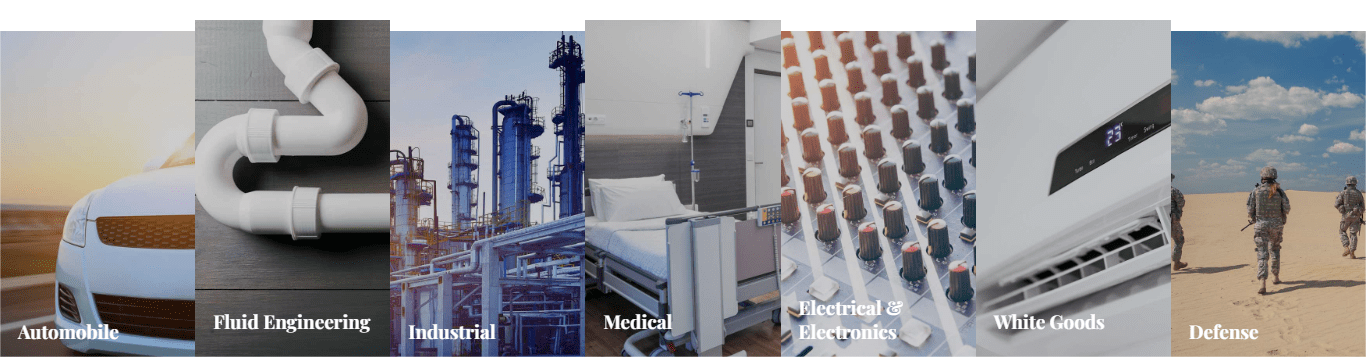
- Automotive Industry: Dies are crucial for creating various parts of vehicles, from body panels to intricate engine components. High precision and durability in die manufacturing ensure the reliability and safety of automobile parts.
- Aerospace Industry: In aerospace, dies are used to produce critical components such as turbine blades, airframe parts, and structural elements. The materials and processes used in die manufacturing directly impact the safety and performance of aircraft.
- Consumer Goods: From household appliances to electronics, die manufacturing helps shape components like casings, buttons, and internal parts, contributing to both the aesthetics and functionality of everyday products.
Understanding die manufacturing is essential for businesses seeking to optimize their production processes, reduce costs, and maintain high product quality in large-scale manufacturing runs.
2. Types of Dies and Their Uses
Die manufacturing encompasses a range of different types of dies, each designed for specific manufacturing processes. These dies are used in various industries to create parts and components, ensuring efficiency, precision, and consistency in mass production. Here, we’ll cover the most common types of dies, their uses, and how they differ.
1. Stamping Dies
Stamping dies are used in the stamping process, which involves applying pressure to a sheet of metal to shape it into a specific form. This process is commonly used to create parts for the automotive, aerospace, and consumer electronics industries. The stamping die may be used to cut, punch, or emboss metal into a required shape or design.
Uses:
- Automotive body parts, such as doors, hoods, and fenders.
- Metal enclosures for electronic devices.
- Coin minting and decorative designs.
2. Casting Dies (Die Casting)
Die casting involves forcing molten metal into a mold under high pressure. The mold, or "die," is designed to produce complex parts with intricate shapes and tight tolerances. Die casting is used for producing parts that require high precision and smooth surfaces, and it is particularly beneficial for mass production.
Uses:
- Engine components (e.g., pistons and cylinder heads) in the automotive industry.
- Aircraft components, such as brackets and gears.
- Consumer electronics housing (e.g., aluminum casings).
3. Forging Dies
Forging involves shaping metal by applying compressive force, typically using hammers or presses. The dies used in the forging process are designed to withstand the high pressure exerted on the metal. Forging dies are often used to create strong, durable parts that can endure extreme temperatures and pressures.
Uses:
- Aircraft engine components such as turbine blades and shafts.
- Heavy-duty automotive parts, such as crankshafts and gears.
- Industrial equipment and machinery parts.
4. Die Cutting Dies
Die cutting is a process used to cut, shape, or shear material (often sheet material like paper, rubber, or thin metals) into a specific shape using a die. This is commonly used for creating packaging, gaskets, and labels.
What is die cutting in manufacturing?
Die cutting in manufacturing refers to the process where a die is used to cut material into predefined shapes. The die is typically made of sharp, hardened steel and is pressed onto the material to create the desired cut. This process is widely used in industries such as packaging, textiles, and automotive for parts like gaskets, seals, and various consumer products.
Uses:
- Packaging materials, including boxes and product packaging.
- Rubber seals and gaskets for automotive or industrial applications.
- Textiles for clothing and accessories.
5. Tooling Dies
Tooling refers to the equipment used to produce various parts, and in this context, tooling dies are the custom tools created to produce specific parts in the manufacturing process. These dies can be used for any type of forming, stamping, cutting, or shaping process, and they are often integral to larger tooling systems.
Uses:
- Manufacturing of precision components for automotive and aerospace applications.
- Parts for industrial machinery and equipment.
- Mass production of consumer goods.
How These Dies Differ:
- Stamping Dies: Primarily used for cutting, punching, or forming flat materials.
- Casting Dies: Used for producing complex, high-volume metal parts through the die casting process.
- Forging Dies: Built to withstand extreme forces for creating strong, durable parts.
- Die Cutting Dies: Used to cut flat materials into shapes for products like packaging, gaskets, and seals.
- Tooling Dies: Serve as custom tools to shape materials in various manufacturing processes.
Each type of die is essential in producing high-quality, precise components tailored for specific applications. Whether it’s shaping metal for automotive parts or cutting material for packaging, selecting the right type of die ensures product consistency and efficiency in mass production.
3. The Die Manufacturing Process
The die manufacturing process is a complex, multi-step procedure that involves precise planning, material selection, machining, and finishing to create a tool capable of producing high-quality parts. Each step of the process is crucial for ensuring that the final die is durable, accurate, and reliable, capable of performing under demanding production environments.
What is the Die Process?
The die process refers to the series of steps used to design, manufacture, and finalize a die that will be used in production for shaping, cutting, or forming materials. This process requires skilled craftsmanship, advanced technology, and strict quality control to ensure the die functions as intended. Below are the essential steps involved in die manufacturing:
Step 1: Initial Design (CAD Design)
The first step in the die manufacturing process is designing the die using Computer-Aided Design (CAD) software. CAD allows engineers to create detailed 3D models of the die, ensuring that the die is designed to meet specific production requirements. The design phase takes into account factors such as the material to be processed, the desired shape of the final part, and the tolerances that must be maintained.
Key Aspects:
- Geometry Design: The die's features are carefully modeled to ensure they will create parts with the desired shape and dimensions.
- Material Flow Simulation: In processes like die casting, simulations help predict how molten material will flow through the die, ensuring uniform filling and preventing defects.
- Cooling and Ejection Systems: For casting and forging, the cooling system is designed to ensure that the die material cools at the right rate, while the ejection system helps remove the formed part from the die.
Step 2: Material Selection
Selecting the right material for the die is a critical decision that affects its performance and durability. The material must be strong enough to withstand the pressures of the manufacturing process, as well as resistant to wear and heat. Common materials for die manufacturing include:
- Tool Steel: A popular choice for dies because of its hardness and resistance to abrasion and deformation.
- Tungsten Carbide: Often used for dies that will be exposed to extreme temperatures or stress.
- Alloy Steel: Chosen for its strength and durability in high-pressure applications like stamping or forging.
The material chosen depends on the manufacturing process, the type of material being shaped, and the specific requirements for strength, heat resistance, and longevity.
Step 3: Die Manufacturing (Machining Process)
Once the design and material selection are finalized, the die moves to the machining phase. This phase includes various processes such as milling, grinding, and electrical discharge machining (EDM) to shape the die to its final form. The die undergoes precision machining to ensure that it meets all specifications outlined in the design.
Key Processes Involved:
- CNC Milling: Used to cut and shape the die into its basic form with high precision.
- Grinding: Used to smooth the die surface and refine intricate details, ensuring that the finished die can produce accurate parts.
- EDM (Electrical Discharge Machining): A technique used to remove material from the die with electrical sparks, ideal for creating intricate shapes and fine details in the die.
Step 4: Heat Treatment
After the die has been machined, it often undergoes heat treatment to improve its hardness and wear resistance. Heat treatment involves heating the die to a specific temperature and then cooling it at a controlled rate. This process enhances the die’s ability to withstand high-pressure forces, extreme temperatures, and wear over time.
Common heat treatment methods include:
- Quenching and Tempering: Increases hardness and toughness, making the die suitable for high-pressure processes.
- Annealing: Softens the die material to make it easier to work with during subsequent processes.
Step 5: Surface Finishing
Surface finishing is an essential step to ensure that the die can produce high-quality parts. It involves smoothing the die surface to minimize defects like burrs or rough edges, which could impact the quality of the parts being produced.
Common Surface Finishing Techniques:
- Polishing: Achieves a smooth, shiny surface to reduce friction and prevent material sticking.
- Coating: Some dies are coated with materials such as chrome or titanium nitride to increase their wear resistance and lifespan.
- Plating: A layer of metal is applied to the surface of the die to provide additional hardness and corrosion resistance.
Step 6: Testing and Calibration
After the die has been manufactured, it undergoes extensive testing and calibration. This step ensures that the die will perform according to specifications in the production environment. Testing includes checking for dimensional accuracy, performance under load, and the ability to form parts with the desired properties.
If any issues are found during testing, adjustments are made to the die design or machining processes, ensuring that the final product will meet the required standards.
Step 7: Die Assembly
Once the die components are fully manufactured and tested, they are assembled. The final assembly includes attaching the components that will allow the die to function within the production machine, such as the ejection system, cooling channels, and any additional features specific to the process being used.
Conclusion:
The die manufacturing process is a highly specialized and intricate procedure that involves various steps—from design and material selection to machining and finishing. Each step ensures the final die meets stringent quality standards and performs well under the demanding conditions of industrial production.
4. Die Materials: Choosing the Right Material for Your Die
Choosing the right material for die making is one of the most critical decisions in the manufacturing process. The material selected must be able to withstand the extreme pressures, temperatures, and wear associated with the production environment. The right choice ensures that the die performs well, produces high-quality parts, and has a long lifespan, minimizing the need for costly replacements or repairs.
What Material is Used for Die Making?
There are several materials commonly used for making dies, each chosen based on the specific needs of the manufacturing process and the material being worked with. The most widely used materials for die making include tool steel, tungsten carbide, and alloy steel. Each material offers unique benefits and is selected based on factors such as strength, durability, wear resistance, and cost.
1. Tool Steel
Tool steel is one of the most commonly used materials for making dies due to its excellent combination of strength, toughness, and wear resistance. It is particularly effective for die applications that involve high-pressure stamping, forging, and cutting.
Types of Tool Steel:
- High-Speed Steel (HSS): Known for its ability to retain hardness and sharpness at high temperatures, making it ideal for cutting and stamping dies.
- Cold Work Tool Steel: Used in applications where the die will be exposed to relatively low temperatures, offering excellent toughness and wear resistance.
- Hot Work Tool Steel: Suitable for applications where the die will experience high temperatures, such as in die casting or hot forging.
Advantages of Tool Steel:
- High Strength: Can withstand high mechanical stress without deforming.
- Wear Resistance: Resists abrasion, extending the die’s lifespan.
- Good Toughness: Withstands impact forces without cracking or breaking.
- Variety: Tool steels are available in various grades, allowing for a selection based on specific requirements.
2. Tungsten Carbide
Tungsten carbide is a very hard and durable material used for dies that require extreme wear resistance and the ability to withstand high temperatures. Tungsten carbide is often used in die casting, forging, and cutting applications where hardness and resistance to heat are essential.
Advantages of Tungsten Carbide:
- Exceptional Hardness: Tungsten carbide is one of the hardest materials available, providing excellent wear resistance.
- Heat Resistance: It performs well at high temperatures, making it ideal for die casting and other high-heat applications.
- Corrosion Resistance: Tungsten carbide is resistant to many chemicals, ensuring longevity in demanding environments.
Challenges:
- Brittleness: While extremely hard, tungsten carbide can be brittle, making it more prone to chipping or cracking under impact forces.
- Cost: Tungsten carbide is typically more expensive than tool steel, which can increase the overall cost of die manufacturing.
3. Alloy Steel
Alloy steels are a mix of steel and other elements (such as chromium, nickel, or molybdenum) that are added to enhance the properties of the steel. Alloy steels are widely used for dies in industries such as automotive and aerospace, as they offer a good balance between strength, wear resistance, and cost-effectiveness.
Advantages of Alloy Steel:
- Versatility: Alloy steels can be customized for specific applications by varying the elements used in the alloy mix.
- High Strength: Offers good mechanical strength, making it suitable for high-pressure applications.
- Cost-Effective: Alloy steels are often more affordable than high-end materials like tungsten carbide, making them ideal for applications where budget is a concern.
Common Alloy Steels for Die Making:
- Chrome Steel: Known for its wear resistance and hardness, making it suitable for stamping dies.
- Nickel-Chromium Steel: Offers excellent toughness and strength, ideal for hot work dies.
- Manganese Steel: Used for dies that need to resist high impact and wear.
What is the Best Material for Die Making?
The "best" material for die making depends on the specific application and the requirements of the manufacturing process. Factors like the type of material being processed, the temperature at which the die will operate, and the expected wear and tear all play a role in material selection.
- For high-temperature applications like die casting or hot forging, tungsten carbide or hot work tool steel may be the best choice due to their heat resistance.
- For high-pressure stamping and cutting applications, tool steel is often preferred due to its strength and durability.
- For cost-effective solutions, alloy steels offer a good balance of performance and affordability.
Ultimately, the best material for die making is one that balances hardness, wear resistance, and cost-effectiveness to meet the demands of the specific manufacturing process.
Key Material Properties to Consider in Die Manufacturing:
- Hardness: The material should have high hardness to resist deformation, especially during high-pressure processes like stamping and forging.
- Wear Resistance: Dies must withstand constant friction and abrasion, so wear resistance is critical for prolonging the life of the die and maintaining the quality of parts.
- Heat Resistance: In high-temperature processes like die casting, the material must retain its strength and performance at elevated temperatures.
- Toughness: The material should be tough enough to handle impact forces without cracking or breaking.
- Cost-Effectiveness: While some materials like tungsten carbide offer exceptional properties, they may be cost-prohibitive for certain applications. Alloy steels can provide a good balance between performance and price.
Selecting the right material for your die ensures optimal performance, durability, and cost-effectiveness in the manufacturing process. It’s essential to evaluate the specific demands of your application and consult with experts to choose the best material that aligns with your production goals.
5. Die Makers and the Die Manufacturing Industry
In the die manufacturing industry, die makers play a crucial role in the design, creation, and maintenance of dies used for shaping, cutting, and forming materials in various manufacturing processes. Their expertise is essential in ensuring that the dies meet the required standards of precision, durability, and functionality for mass production.
What Does Die Maker Mean?
A die maker is a skilled professional who designs, builds, and maintains the tools, or dies, that are used to shape or form materials in manufacturing processes like stamping, casting, and forging. Die makers are highly trained in a range of techniques, including machining, tooling, and precision fabrication, and they work with various materials like tool steel, tungsten carbide, and alloy steel.
Die makers must also understand the intricate requirements of different manufacturing processes to ensure that the dies they create are fit for purpose. They often work in close collaboration with engineers and designers to fine-tune the die design, select materials, and adjust the die during the testing and calibration phases.
How Are Dies Manufactured?
The process of manufacturing a die typically involves multiple stages that combine design, material selection, machining, and testing. Here’s an overview of how dies are manufactured:
1. Design and Engineering
The first step in die manufacturing is designing the die. This is typically done using Computer-Aided Design (CAD) software, which allows die makers to create highly detailed 3D models of the die. This design phase includes determining the required shape, size, and functionality of the die based on the parts it will produce. Die makers and engineers also determine factors like material choice and the type of manufacturing process (e.g., stamping, forging, die casting).
2. Material Selection
Once the design is complete, the next step is selecting the appropriate material for the die. As we discussed earlier, materials such as tool steel, tungsten carbide, and alloy steel are common choices, depending on the die's intended use. The die maker ensures that the material is suitable for the specific application, taking into account factors such as wear resistance, hardness, heat tolerance, and cost.
3. Machining the Die
Machining is the process where the raw material is shaped and refined into the die. Die makers use various advanced machinery and tools during this stage, such as:
-
CNC Milling Machines: These machines are used to precisely cut the die material into the desired shape. CNC (Computer Numerical Control) milling allows for high precision and is often used for producing intricate features on the die.
-
Grinding Machines: Grinding is used to smooth and finish the die surfaces, ensuring that the final product has the necessary finish and tolerance.
-
EDM (Electrical Discharge Machining): This process uses electrical sparks to remove material from the die, which is especially useful for creating small, detailed features that cannot be easily achieved with traditional machining.
-
Drilling and Boring: These machines are used for creating holes or cavities in the die for features like cooling channels or ejection systems.
4. Heat Treatment
After machining, the die undergoes heat treatment to enhance its hardness and wear resistance. The die may be heated to high temperatures and then cooled rapidly (quenching) or heated and allowed to cool slowly (tempering), depending on the material and desired properties. Heat treatment ensures that the die is capable of withstanding the mechanical forces and high temperatures it will encounter during use.
5. Surface Finishing
To improve the surface finish and durability of the die, various surface finishing techniques are applied. These can include polishing, coating, and plating to reduce friction, prevent corrosion, and improve the die's longevity. A well-finished die is crucial for producing parts with smooth surfaces and for preventing material buildup, which can lead to defects in the finished product.
6. Testing and Calibration
Once the die is manufactured, it undergoes testing to ensure that it performs as expected. This phase involves testing the die’s ability to form parts accurately and consistently. If any issues arise, adjustments are made to the die to improve its functionality. This may involve making small adjustments to the shape, tolerances, or material properties. Calibration ensures that the die meets the required specifications and will perform optimally during production.
7. Die Assembly
After all individual components are manufactured, the die is assembled. This can include attaching cooling systems, ejection mechanisms, or other features required for the specific manufacturing process. The die is then ready for installation into a production machine.
Manufacturing Facilities, Tools, and Machinery Involved
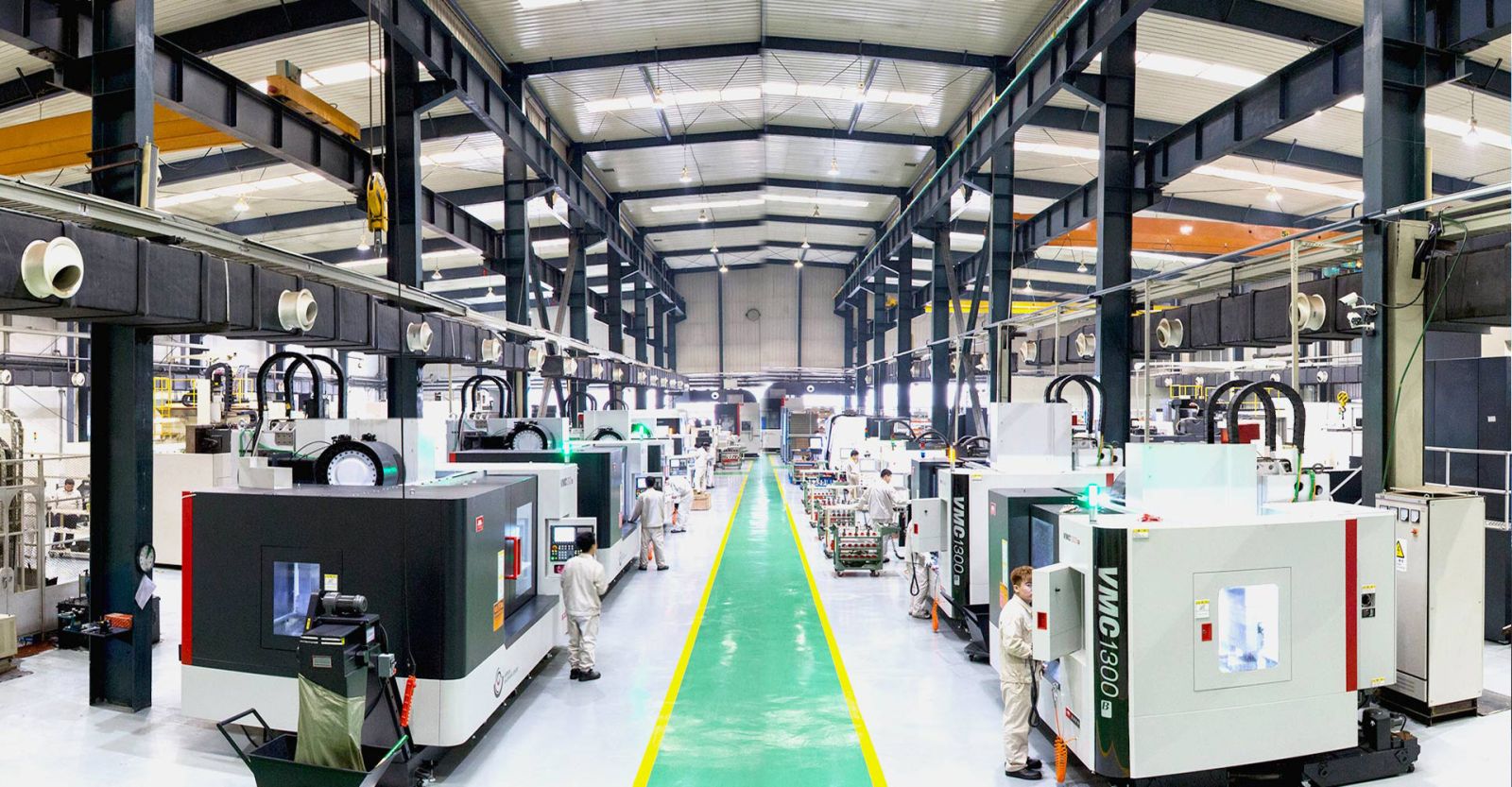
Die making requires a variety of specialized tools and machinery to ensure the production of high-quality dies. Typical manufacturing facilities for die making include:
- CNC Machining Centers: Essential for creating precision features on the die.
- EDM Machines: Used for removing material with high precision.
- Grinding Machines: Used to achieve a smooth surface finish.
- Heat Treatment Furnaces: Crucial for hardening and strengthening the die material.
- Measuring Tools and Inspection Stations: To ensure that the die meets the required specifications and tolerances.
In addition to these tools, die makers often work in collaboration with engineers and designers to ensure that the dies are optimized for production and aligned with customer requirements.
Conclusion
The role of a die maker is integral to the die manufacturing industry, as they are responsible for ensuring that dies are built to high precision, durability, and functionality standards. Their expertise is essential in transforming raw materials into tools that enable mass production of parts across various industries, including automotive, aerospace, and consumer goods.
6. The Importance of Die Design and Customization
Die design is one of the most critical aspects of the die manufacturing process. A well-designed die ensures that the parts produced meet the exact specifications, are of high quality, and can be produced efficiently. The design phase affects all aspects of die performance, from material selection to manufacturing processes, and it has a direct impact on the cost, speed, and quality of production.
Significance of Die Design
The primary goal of die product design is to ensure that the die can perform the desired function reliably while maintaining high precision and efficiency. Poorly designed dies can lead to defective parts, higher scrap rates, and increased production costs, which can significantly impact the bottom line.
Key factors influenced by die design include:
- Material Flow: Proper design ensures that the material flows evenly and fills the die cavity, preventing defects like air pockets, voids, or misalignment.
- Tolerances: A good die design accounts for the required dimensional tolerances of the final product, ensuring consistent quality across all parts.
- Ease of Maintenance: Well-designed dies are easier to maintain, reducing downtime and extending the life of the tool.
- Energy Efficiency: An optimized die design reduces energy consumption during production by ensuring smooth material flow and minimizing friction.
Customization Based on Specific Needs
Customization is often required to meet the specific needs of the client or the manufacturing process. Dies are not one-size-fits-all, and custom designs may be needed for:
- Complex Geometry: When producing parts with intricate shapes or features, a custom die design ensures that every detail is formed accurately. Dies can be created with specialized features like cooling channels, ejector pins, or inserts to handle complex geometries.
- High-Volume Production: Custom dies are also essential for high-volume production, where the die must be able to withstand repeated use without degrading. In these cases, die makers focus on durability and longevity, ensuring that the die can handle the stress and pressure of mass production.
- Special Material Handling: Some products require specific dies for handling difficult-to-process materials like high-temperature alloys, composites, or plastics.
What is Die Product Design?
Die product design is the process of designing the die tool itself, taking into consideration all of the factors that will ensure its functionality, efficiency, and durability in the manufacturing process. This includes the design of the die cavity, ejection systems, cooling systems, and any custom features needed to achieve the desired end product.
What is a Die Used For?
A die is used in various manufacturing processes to shape, cut, or form materials into specific shapes. Common uses include:
- Cutting and Stamping: Dies are used to cut metal or other materials into precise shapes for products like car parts, electronic casings, or packaging.
- Shaping and Forming: Dies can be used to form materials under heat and pressure, such as in die casting or forging processes, to create components like engine parts, turbine blades, or structural elements.
- Embossing and Etching: Dies can be used for embossing designs onto surfaces or etching fine details into materials like plastic or metal.
7. Common Questions About Die Manufacturing
In this section, we’ll address some common questions about die manufacturing to clear up any uncertainties for prospective customers.
What is the Plural of Die?
The plural of "die" is "dies." This term refers to multiple tools used in manufacturing processes to shape, cut, or form materials.
What Happens When You Use a Die?
When a die is used, it applies force to the material (such as metal, plastic, or rubber) to shape or cut it into a specific form. In stamping or forging, the die is placed into a press or machine, where it exerts pressure on the material, shaping it as required. In die casting, molten material is poured into the die cavity, which then solidifies to take the shape of the die. The die plays a crucial role in ensuring that the final product has the right dimensions, surface finish, and material properties.
Client Concerns About Sourcing High-Quality Dies
Many clients are concerned about sourcing high-quality dies that will perform reliably over time. Common concerns include:
- Durability: Clients want dies that can withstand the stress and wear of high-volume production. To address this, we use high-quality materials such as tool steel and tungsten carbide and apply advanced heat treatment processes to improve wear resistance.
- Precision: Accuracy is paramount in die manufacturing, as even small errors can lead to defects in the final product. Our design and manufacturing processes ensure that dies are made to exact specifications, using CNC machining and other precision techniques.
- Maintenance and Support: Clients often seek assurance that the dies will be easy to maintain and that support will be available if issues arise. We offer maintenance services and provide guidance on how to extend the life of the die.
8. Why Choose YICHOU for Your Die Manufacturing Needs
At YICHOU, we specialize in providing high-quality dies that deliver long-lasting performance in a variety of industries. Our commitment to precise manufacturing, tailored solutions, and exceptional customer service ensures that our dies meet the unique requirements of our clients, regardless of the complexity or scale of the production.
What Sets YICHOU Apart?
- Expertise: With years of experience in die manufacturing, our team understands the complexities of die design and manufacturing processes. We specialize in producing dies for industries like automotive, aerospace, and consumer goods.
- Customization: We offer customized die solutions based on the specific needs of our clients, ensuring that the die performs optimally for their production requirements.
- Precision Manufacturing: Using advanced technology like CNC machines and EDM, we ensure that every die we produce meets the highest standards of quality and precision.
- Durability: We use high-quality materials and heat treatment techniques to ensure that our dies can withstand the pressures of high-volume production.
We are committed to providing cost-effective, high-performance die solutions that help our clients reduce production costs, improve product quality, and ensure timely delivery.
9. Conclusion and Call to Action
If you're looking for reliable, high-quality dies tailored to your specific production needs, look no further than YICHOU. Our team of skilled die makers and engineers is ready to work with you to create customized solutions that meet your exact specifications.
Contact us today to get started on your die manufacturing needs. Whether you need a single die or a high-volume production run, we are here to help.
Get Quote
- Email us: [email protected]
- Call us/whatsapp: +86 13355741031
- Chat with us: Live chat support available on our website