Are you in search of the perfect hydraulic fittings to ensure optimal performance? Look no further! In this ultimate guide, we will walk you through the process of choosing the ideal hydraulic fittings for your specific needs. From understanding the different types of fittings to considering factors like material, size, and pressure requirements, we've got you covered. When it comes to hydraulic systems, the fittings play a crucial role in connecting various components and ensuring fluid flow. Choosing the right fittings is essential to avoid leaks, pressure drops, and overall system inefficiency. Our comprehensive guide will provide you with the knowledge and insights necessary to make informed decisions. We will explain the various types of hydraulic fittings, such as flared, flareless, and O-ring face seal fittings. We will also delve into considerations like compatibility with different fluids, temperature ranges, and corrosion resistance. Whether you are a seasoned professional or a hobbyist exploring the world of hydraulics, this guide will empower you to choose the perfect hydraulic fittings for optimal performance. Let's get started!
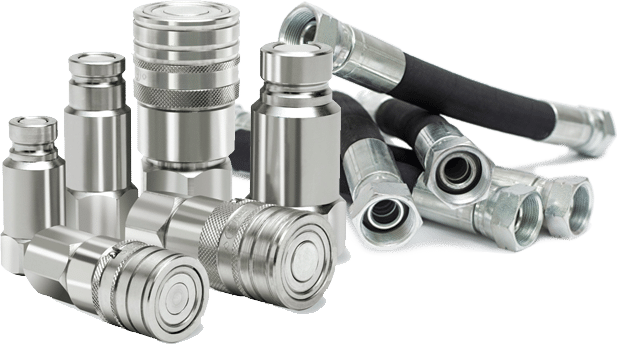
Title: Importance of Hydraulic Fittings in Industrial Applications
Hydraulic systems form the backbone of numerous industrial applications, ranging from heavy machinery to precision equipment. At the core of these systems lie hydraulic fittings, often overlooked but absolutely crucial. These fittings connect various components, ensuring the seamless transfer of hydraulic fluid to generate the necessary force. Understanding the significance of hydraulic fittings is key to optimizing system performance, safety, and efficiency.
In industrial settings, the importance of hydraulic fittings cannot be overstated. These connectors are responsible for maintaining the integrity of the hydraulic system, ensuring it operates at peak performance. Whether it's a massive construction crane or a delicate medical device, hydraulic fittings are the unsung heroes that make it all possible.
One of the primary advantages of hydraulic systems is their ability to transmit power over long distances with minimal energy loss. This is made possible by hydraulic fittings that facilitate the efficient transfer of pressurized fluid. Without properly selected and maintained fittings, a hydraulic system can experience leaks, pressure drops, and reduced overall efficiency, all of which can lead to costly downtime and repairs.
Moreover, hydraulic fittings play a pivotal role in ensuring the safety of both the equipment and personnel. In industries where heavy machinery is involved, any failure or malfunction of hydraulic fittings can result in catastrophic accidents. Thus, the choice and maintenance of hydraulic fittings are critical factors in preventing accidents and upholding workplace safety standards.
Title: Types of Hydraulic Fittings
Hydraulic systems are incredibly versatile, serving a wide range of industries, each with unique requirements. To meet these diverse needs, various types of hydraulic fittings have been developed. Understanding the different types of hydraulic fittings is essential for selecting the right one for your specific application.
-
Hydraulic Hose Fittings: These fittings are used to connect hydraulic hoses to components like pumps, cylinders, and valves. They come in various styles, including JIC, NPT, and BSP, each with its own advantages and applications.
-
Hydraulic Tube Fittings: Tube fittings, such as flared and flareless fittings, are used to connect hydraulic tubing. They are commonly found in systems where rigid tubing is preferred for durability and cleanliness.
-
Hydraulic Adapters: Adapters are versatile connectors that allow different types of fittings to be joined together. They play a vital role in customizing hydraulic systems to meet specific requirements.
-
Quick Couplers: Quick couplers enable fast and easy connection and disconnection of hydraulic components, making them ideal for applications requiring frequent changes or maintenance.
-
Compression Fittings: These fittings use compression to seal hydraulic connections, making them suitable for applications where tight seals are essential, such as high-pressure systems.
-
O-Ring Face Seal Fittings: Often used in high-pressure hydraulic applications, these fittings provide a secure and leak-free connection, thanks to the inclusion of an O-ring seal.
-
Hydraulic Flanges: Flange fittings are used to connect pipes or tubes through bolting, providing a secure and robust connection often seen in heavy-duty applications.
Understanding the specific characteristics and applications of these hydraulic fitting types is crucial for selecting the right one for your system, ensuring optimal performance and safety.
.jpg)
Title: Understanding Hydraulic Fitting Terminology and Measurements
To navigate the world of hydraulic fittings effectively, it's essential to be well-versed in the terminology and measurements associated with them. This knowledge not only aids in selecting the right fittings but also ensures that they are installed correctly and perform as expected.
-
Thread Type: Hydraulic fittings come with various thread types, including JIC, NPT, BSP, and SAE. Understanding these thread types is crucial for proper fitting selection, as using incompatible threads can result in leaks and system inefficiencies.
-
Dash Size: Dash size refers to the nominal size of hydraulic hoses and fittings. It is typically denoted by a number, such as -4, -6, or -8, and corresponds to specific measurements of hose and fitting dimensions.
-
Pressure Rating: Hydraulic fittings have pressure ratings that indicate their maximum operating pressure. It's vital to choose fittings with a pressure rating that matches or exceeds the system's requirements to ensure safety and prevent leakage.
-
Thread Pitch: Thread pitch is the distance between threads on a fitting. Knowing the thread pitch is crucial for proper thread engagement and preventing leaks due to mismatched threads.
-
Thread Sealant: Understanding the types of thread sealants, such as Teflon tape or thread sealant compounds, and when to use them can prevent leaks and ensure a secure connection.
-
Thread Orientation: Fittings may have straight threads or tapered threads. Understanding the difference is essential for correctly assembling components.
-
Angle and Orientation: Some fittings have specific angles or orientations, such as 45 degrees or 90 degrees. Selecting the right angle is crucial for proper hose routing and system design.
By familiarizing yourself with these hydraulic fitting terminologies and measurements, you'll be better equipped to choose, install, and maintain fittings that meet your system's requirements, ensuring optimal performance and safety.
Title: Common Hydraulic Fitting Materials
Hydraulic fittings are available in a variety of materials, each with its own set of properties and advantages. Choosing the right material is critical to ensure that fittings can withstand the demands of your specific application and environment. Here are some common hydraulic fitting materials:
-
Steel: Steel fittings are known for their strength and durability, making them suitable for high-pressure applications. They are often used in heavy machinery and industrial equipment.
-
Stainless Steel: Stainless steel fittings offer excellent resistance to corrosion, making them ideal for applications in harsh environments or those involving exposure to moisture and chemicals.
-
Brass: Brass fittings are valued for their corrosion resistance and ease of machining. They are commonly used in low-pressure hydraulic systems and pneumatic applications.
-
Aluminum: Aluminum fittings are lightweight and have good corrosion resistance. They are often chosen for applications where weight reduction is crucial, such as aerospace and automotive industries.
-
Plastic: Plastic fittings are lightweight, cost-effective, and resistant to corrosion. They are commonly used in low-pressure hydraulic systems and fluid transport applications.
-
Composite Materials: Composite fittings combine the advantages of different materials, such as strength and corrosion resistance. They are used in specialized applications where unique properties are required.
Selecting the appropriate material for your hydraulic fittings depends on factors like operating pressure, temperature, fluid compatibility, and environmental conditions. Careful consideration of these factors ensures that your fittings will perform reliably and have a longer service life.
Title: Choosing the Right Hydraulic Fitting for Your Application
Selecting the right hydraulic fitting for your application is a crucial decision that directly impacts the performance and safety of your hydraulic system. To make an informed choice, consider the following factors:
-
Operating Pressure: Determine the maximum pressure your hydraulic system will experience. Choose fittings with a pressure rating that exceeds this value to ensure safety.
-
Fluid Compatibility: Check that the hydraulic fluid you're using is compatible with the material of the fitting to prevent corrosion or degradation.
-
Temperature Range: Consider the temperature extremes your system may encounter. Some materials and seals perform better in high or low-temperature conditions.
-
Thread Type: Ensure that the thread type of the fitting matches the threads of the components you are connecting to avoid leaks.
-
Environmental Conditions: If your system operates in a harsh environment, such as saltwater exposure or extreme weather, choose materials that offer resistance to corrosion and environmental factors.
-
Installation Ease: Some fittings are easier to install than others. Consider the ease of installation, especially if you need to make frequent changes or repairs.
-
Longevity: For long-term applications, select materials that provide durability and resistance to wear and tear.
-
Cost: Balance the quality and performance of fittings with your budget constraints.
By carefully assessing these factors and consulting with hydraulic experts when necessary, you can make an informed decision when choosing the right hydraulic fittings, ensuring the reliability and safety of your system.
Title: Installation and Maintenance of Hydraulic Fittings
Proper installation and maintenance of hydraulic fittings are essential to ensure the long-term performance and safety of your hydraulic system. Here are key steps to consider:
-
Inspect Fittings: Before installation, thoroughly inspect fittings for any defects or damage. Replace any compromised fittings to prevent future issues.
-
Cleanliness: Ensure that all components, including fittings, hoses, and connections, are clean and free of contaminants. Even small particles can lead to system malfunctions.
-
Tightening: Use the recommended torque values and tools to tighten fittings. Over-tightening can damage threads, while under-tightening can result in leaks.
-
Thread Sealant: Apply the appropriate thread sealant as needed to prevent leaks. Follow manufacturer recommendations for sealant type and application.
-
Orientation: Ensure that fittings are properly oriented to avoid stress on hoses and tubing. Misalignment can lead to premature wear and failure.
-
Bleeding Air: After installation, bleed air from the system to prevent cavitation and ensure proper hydraulic fluid flow.
-
Regular Inspections: Establish a routine inspection schedule to check for wear, damage, or leaks in hydraulic fittings. Replace any components showing signs of deterioration.
-
Record Keeping: Maintain detailed records of fittings used, installation dates, and maintenance activities. This information is invaluable for troubleshooting and replacement planning.
-
Training: Ensure that personnel involved in installation and maintenance are adequately trained in hydraulic system procedures and safety protocols.
-
Emergency Response: Have a plan in place for responding to hydraulic system failures or leaks to minimize downtime and prevent damage.
Proper installation and maintenance not only extend the lifespan of hydraulic fittings but also contribute to the safety and reliability of the entire hydraulic system.
.jpg)
Title: Troubleshooting Common Hydraulic Fitting Issues
Even with careful installation and maintenance, hydraulic fittings can experience issues over time. Understanding common problems and how to troubleshoot them is crucial for preventing downtime and costly repairs. Here are some common hydraulic fitting issues and their solutions:
-
Leakage: Hydraulic leaks can occur due to damaged seals, loose fittings, or improper installation. Inspect the affected area, tighten fittings, replace seals, and ensure proper thread engagement.
-
Pressure Drops: Reduced system pressure can result from restrictions in hydraulic lines, blockages, or worn-out fittings. Check for obstructions, replace damaged fittings, and clean or replace clogged filters.
-
Fitting Wear: Over time, hydraulic fittings can experience wear and tear. Regularly inspect fittings for signs of corrosion, erosion, or fatigue. Replace worn fittings promptly.
-
Thread Damage: Damaged threads can lead to leaks and fitting failure. Repair or replace fittings with damaged threads, ensuring proper alignment and torque during installation.
-
Misalignment: Incorrectly aligned fittings can cause stress on hoses and tubing, leading to premature failure. Realign fittings to reduce stress and wear.
-
Cavitation: Cavitation occurs when air bubbles form in the hydraulic fluid, leading to reduced performance and potential damage. Bleed air from the system and ensure proper fluid levels.
-
Cracking: Fittings may crack due to excessive pressure or stress. Replace cracked fittings with ones that meet the system's pressure requirements.
-
Seal Failure: Seal failure can result in leaks and reduced system efficiency. Replace damaged or worn seals promptly.
-
Vibration and Shock: In applications with high vibration or shock loads, use fittings designed to absorb and dampen vibrations to prevent loosening or damage.
-
Corrosion: Corrosion can weaken fittings, especially in corrosive environments. Choose corrosion-resistant materials and regularly inspect for signs of corrosion.
Regular maintenance and proactive troubleshooting can help identify and address hydraulic fitting issues before they escalate into major problems, ensuring the continued performance and safety of the hydraulic system.
Title: Hydraulic Fitting Safety Precautions
Safety should always be a top priority when working with hydraulic systems and fittings. Improper handling or neglecting safety precautions can result in accidents, injuries, and damage to equipment. Here are important safety precautions to follow:
-
Personal Protective Equipment (PPE): Wear appropriate PPE, including safety glasses, gloves, and protective clothing, when working with hydraulic systems to protect against fluid spills, splashes, and debris.
-
Hydraulic Fluid Hazards: Hydraulic fluid can be hazardous. Be aware of the fluid used in your system and its Material Safety Data Sheet (MSDS). Avoid contact with skin and eyes and handle spills properly.
-
Pressure Release: Before performing any maintenance or disassembly, relieve hydraulic pressure by disconnecting power sources, activating release valves, and ensuring all pressure is dissipated.
-
Bleeding Air: Properly bleed air from the system to prevent cavitation during operation, which can damage components and cause injuries.
-
Safe Work Environment: Keep the work area clean and organized to minimize trip hazards and ensure clear access to equipment and fittings.
-
Training: Ensure that personnel working with hydraulic systems are adequately trained in safe operating procedures, emergency response, and the recognition of potential hazards.
-
System Shutdown: Always shut down the hydraulic system before attempting any maintenance or repairs. Lockout/tagout procedures may be necessary to prevent accidental startup.
-
Use Proper Tools: Use the correct tools and equipment for the job, and ensure they are in good working condition. Avoid using improvised tools, as they can lead to accidents.
-
Lifting and Handling: When handling heavy components or equipment, use proper lifting techniques and equipment to prevent strain and injury.
-
Emergency Response: Have an emergency response plan in place, including first aid kits, eyewash stations, and spill containment materials, to address accidents or fluid spills promptly.
By adhering to these safety precautions and promoting a culture of safety in the workplace, you can minimize the risks associated with hydraulic systems and fittings, protecting both personnel and equipment.
Title: Conclusion: The Importance of Proper Hydraulic Fittings in Ensuring System Efficiency and Safety
In the realm of industrial applications, the significance of hydraulic fittings cannot be overstated. These unassuming connectors are the linchpin of hydraulic systems, ensuring the seamless transfer of pressurized fluid to generate the force required for countless tasks. As we conclude our exploration of hydraulic fittings, it's essential to underscore their pivotal role in ensuring both system efficiency and safety.
Efficiency, the cornerstone of productivity in industrial settings, is intrinsically tied to the quality and functionality of hydraulic fittings. These fittings enable the transmission of power over extended distances with minimal energy loss, a feat that underpins the operation of heavy machinery, precision equipment, and critical infrastructure. Any compromise in the integrity of hydraulic fittings can lead to inefficiencies, leaks, and pressure drops, culminating in costly downtime and repairs. Therefore, the meticulous selection and maintenance of hydraulic fittings are non-negotiable for industries aiming to maximize efficiency.
Beyond efficiency, safety is an uncompromisable priority in any industrial environment. Hydraulic systems, by their very nature, involve immense pressures and forces. Consequently, the reliability and safety of hydraulic fittings directly correlate with the well-being of personnel and the protection of valuable assets. A failure or malfunction of these fittings in industries using heavy machinery can result in catastrophic accidents. Thus, the meticulous choice and upkeep of hydraulic fittings are not merely best practices but prerequisites for adhering to workplace safety standards.
In closing, the world of hydraulic fittings is a complex and multifaceted one, marked by various types, materials, terminologies, and considerations. Mastery of these facets is paramount for industrial professionals, as it empowers them to make informed decisions regarding the selection, installation, and maintenance of hydraulic fittings. Moreover, it equips them to troubleshoot issues and implement safety measures effectively. In this journey, prioritizing efficiency and safety is not just good practice; it's the key to unlocking the full potential of hydraulic systems in industrial applications.
.jpg)
FAQ 1: What Are the Key Considerations When Choosing Hydraulic Fittings for Industrial Applications?
Keywords: hydraulic fittings selection, industrial applications, factors to consider, efficiency, safety
Selecting the right hydraulic fittings for industrial applications is crucial for efficiency and safety. To make an informed choice, consider factors such as operating pressure, fluid compatibility, temperature range, and environmental conditions. It's also important to ensure that the fittings align with the specific demands of your industrial setup. Proper selection enhances efficiency and minimizes the risk of costly system failures.
FAQ 2: How Can I Prevent Hydraulic Fitting Leaks in My Machinery?
Keywords: hydraulic fitting leaks, prevention, proper installation, thread sealant, regular inspections
Preventing hydraulic fitting leaks is essential to maintain a reliable hydraulic system. To do this, ensure proper installation, use appropriate thread sealants, and conduct regular inspections. Tighten fittings to the recommended torque values, and be vigilant for signs of wear or damage. Addressing these issues promptly will keep your machinery operating smoothly and reduce downtime.
FAQ 3: What Safety Measures Should We Implement When Handling Hydraulic Fittings in Our Manufacturing Facility?
Keywords: safety measures, handling hydraulic fittings, personal protective equipment, pressure release, safe work environment
Handling hydraulic fittings requires strict adherence to safety measures. Ensure that personnel wear appropriate personal protective equipment (PPE), release hydraulic pressure before maintenance, and maintain a safe work environment. Providing training on safe operating procedures and emergency response is also crucial for preventing accidents and injuries in your manufacturing facility.
FAQ 4: What Are the Common Types of Hydraulic Fittings Used in Industrial Settings?
Keywords: common hydraulic fitting types, industrial applications, hydraulic hose fittings, hydraulic tube fittings
In industrial settings, several common types of hydraulic fittings are used. These include hydraulic hose fittings, which connect hoses to components, and hydraulic tube fittings, used for connecting rigid tubing. Understanding the distinctions between these types is essential for selecting the right fittings to ensure smooth operations in your industrial applications.
FAQ 5: How Can I Ensure Longevity and Performance of Hydraulic Fittings in My Equipment?
Keywords: longevity of hydraulic fittings, performance, maintenance, record keeping
To ensure the longevity and optimal performance of hydraulic fittings in your equipment, establish a maintenance routine. Inspect fittings regularly for wear, damage, or leaks, and replace components as needed. Maintain detailed records of fittings used and their maintenance history. This proactive approach will extend the life of your hydraulic fittings, reducing downtime and operational costs.