Experience the power and precision of pressure die casting for your metal component production needs. With its numerous advantages and applications, pressure die casting has revolutionized the manufacturing industry. By utilizing high pressure to inject molten metal into precision molds, pressure die casting enables the production of complex and intricate components with exceptional accuracy and consistency. Its ability to create near-net shape parts reduces the need for additional machining, saving both time and costs. The advantages of pressure die casting extend beyond its precise manufacturing capabilities. It offers excellent surface finish options, allowing for aesthetically appealing components that meet the highest industry standards. Moreover, pressure die casting enables the production of lightweight yet durable parts, making it particularly ideal for industries such as automotive, aerospace, and electronics. Unlock the potential of pressure die casting and elevate your metal component production to new heights. Whether you need intricate parts for your next design or lightweight components for improved efficiency, pressure die casting delivers the precision and quality that your business demands.
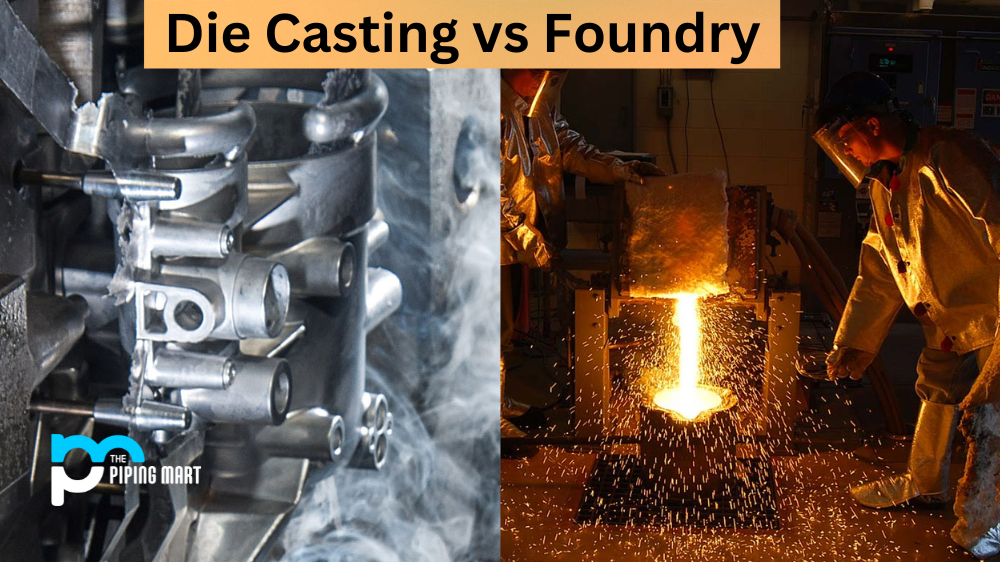
Advantages of Pressure Die Casting
Pressure die casting offers numerous advantages that make it a popular choice in various industries. One of its primary benefits is the ability to create complex, intricate, and detailed parts with high precision. This precision is essential in industries like automotive and aerospace, where even the smallest imperfections can lead to catastrophic failures.
Additionally, pressure die casting yields parts with excellent dimensional stability, ensuring consistent quality and tight tolerances. This consistency is crucial in applications where parts must fit together seamlessly, such as in engines or electronic devices.
Another significant advantage is the cost-effectiveness of pressure die casting for high-volume production. The high-speed production capabilities of this process result in reduced labor costs and shorter cycle times, ultimately leading to lower overall production expenses.
Furthermore, pressure die casting is exceptionally versatile, accommodating a wide range of materials, including aluminum, zinc, magnesium, and more. This versatility allows manufacturers to select the ideal material for their specific application, balancing factors like strength, weight, and corrosion resistance.
Lastly, pressure die casting can reduce or eliminate the need for additional machining processes due to its net-shape capabilities. This not only saves time but also minimizes material waste, making it an environmentally friendly manufacturing method.
Applications of Pressure Die Casting in Various Industries
Pressure die casting finds extensive applications across various industries due to its versatility and efficiency. In the automotive sector, it is commonly used to produce engine components, transmission parts, and even entire chassis structures. The lightweight yet durable characteristics of pressure die-cast components contribute to improved fuel efficiency and vehicle performance.
In the electronics industry, pressure die casting plays a pivotal role in creating intricate housings for electronic devices like smartphones, laptops, and tablets. The process ensures that these housings are not only aesthetically pleasing but also offer effective heat dissipation and protection for delicate electronic components.
In the aerospace industry, where safety is paramount, pressure die casting is used for critical parts such as turbine blades, landing gear components, and structural elements. The process's ability to create complex, high-strength parts is crucial for maintaining the integrity of aircraft and ensuring passenger safety.
Other industries, including medical equipment, consumer goods, and even the construction sector, benefit from pressure die casting's ability to produce high-quality, precisely engineered components efficiently. The versatility of this process allows manufacturers in these industries to meet stringent requirements while remaining cost-competitive.
The Process of Pressure Die Casting
Pressure die casting is a highly efficient manufacturing process that involves several key steps. It starts with the preparation of the die, which is a mold made from hardened steel or other suitable materials. The die is designed to shape the molten material into the desired part.
Next, the die is clamped together, forming a sealed cavity. The molten material, typically aluminum or other metals, is then injected into the cavity under high pressure. This pressure forces the material to conform to the die's shape, resulting in a highly detailed and precise part.
Once the material cools and solidifies within the die, the die is opened, and the part is ejected. This cycle can be repeated continuously, making pressure die casting a highly efficient process for mass production.
The process can be further refined with the use of computer-controlled machinery, allowing for precise control of variables such as temperature, pressure, and injection speed. This level of automation enhances the consistency and quality of the cast parts.
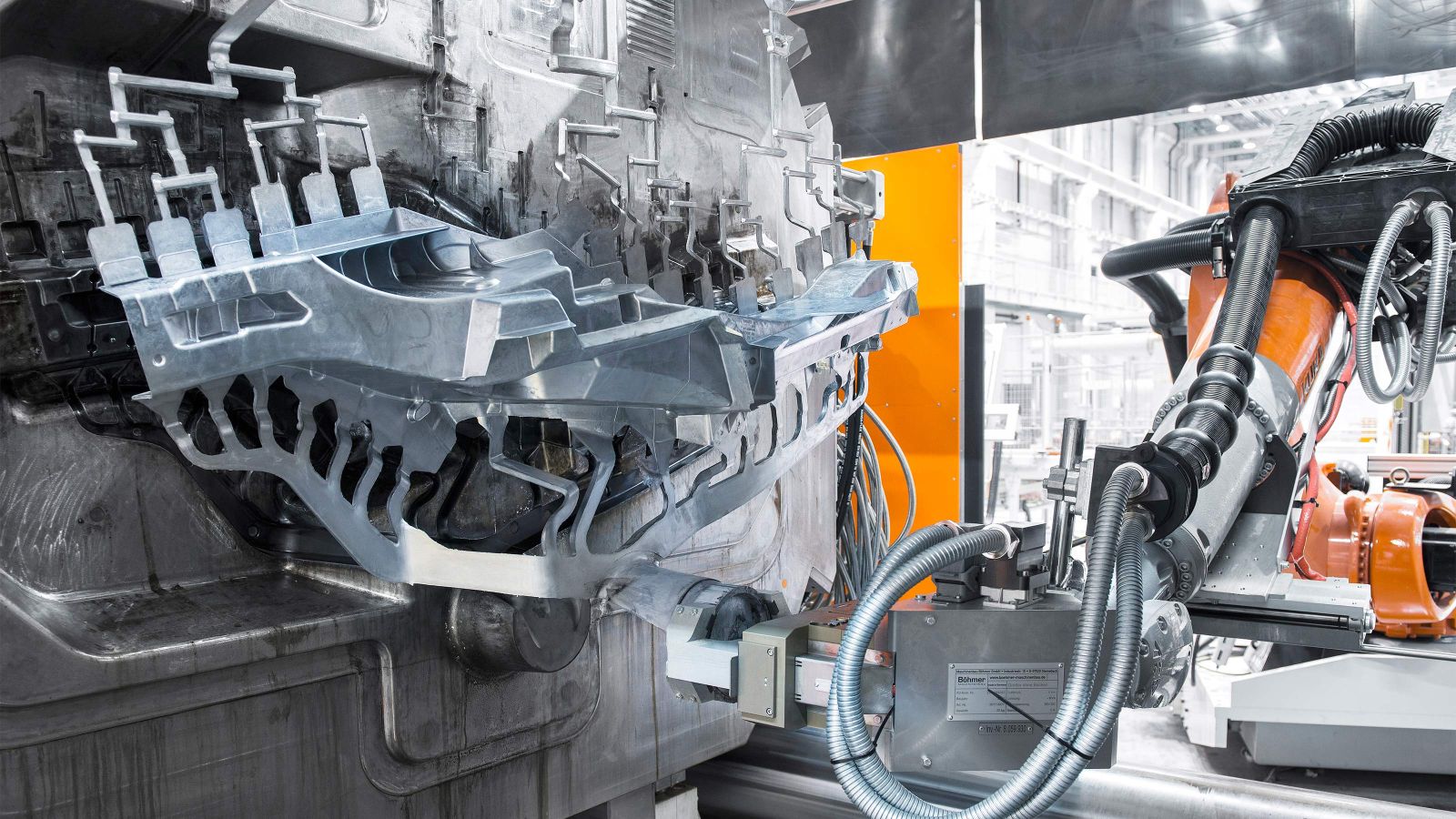
In recent years, advancements in robotics and real-time monitoring systems have further improved the efficiency and reliability of pressure die casting. These innovations enable manufacturers to produce parts with even greater precision and consistency while minimizing human error.
Materials Used in Pressure Die Casting
Pressure die casting is compatible with a wide range of materials, each offering distinct advantages depending on the application. Among the most commonly used materials are aluminum, zinc, and magnesium.
Aluminum is a popular choice due to its excellent strength-to-weight ratio, corrosion resistance, and thermal conductivity. It is frequently used in automotive components, electronic housings, and aerospace applications.
Zinc is known for its excellent casting properties, making it suitable for producing intricate and detailed parts with thin walls. It also offers good dimensional stability and is often chosen for consumer electronics and decorative items.
Magnesium is the lightest of the commonly used die casting materials, making it ideal for applications where weight reduction is critical. It finds use in the automotive industry for parts that require both strength and lightness, such as steering wheels and gearbox housings.
Additionally, pressure die casting can accommodate specialty alloys, allowing manufacturers to tailor material properties to specific requirements. This versatility in material selection is one of the key strengths of the process, enabling it to serve diverse industries effectively.
Design Considerations for Pressure Die Casting
Designing parts for pressure die casting requires careful consideration of various factors to ensure optimal results. One critical aspect is draft angles, which facilitate the ejection of parts from the die. Including appropriate draft angles in the design helps prevent damage to the part and the die itself.
Another consideration is the selection of gating and runner systems. These components control the flow of molten material into the die cavity and play a significant role in achieving uniform filling and minimizing defects like porosity or air entrapment.
Wall thickness is another critical parameter, as overly thick sections can lead to slow cooling and potential defects, while overly thin sections may result in rapid solidification and incomplete filling of the die.
Furthermore, designers must consider the placement of ejector pins, which assist in the removal of the part from the die. Strategic placement helps avoid interference with the part's critical features.
Geometric features such as ribs, bosses, and thin-walled sections should be carefully designed to ensure proper filling of the die and avoid stress concentration areas that could lead to part failure.
Incorporating fillets and radii at sharp corners can also improve the flow of material and reduce the risk of defects. Additionally, designers should select appropriate surface finishes and textures to meet functional and aesthetic requirements.
By carefully addressing these design considerations, manufacturers can maximize the advantages of pressure die casting and produce high-quality parts that meet performance and cost objectives.
Quality Control in Pressure Die Casting
Maintaining strict quality control throughout the pressure die casting process is essential to ensure the production of defect-free parts. Quality control begins with the inspection and maintenance of the die itself. Regular checks and maintenance help identify issues such as wear and damage, which can affect the quality of cast parts.
The quality control process extends to the selection and preparation of materials. Proper material handling and storage practices are crucial to prevent contamination and ensure the material's integrity.
During casting, real-time monitoring systems are employed to track critical parameters like temperature, pressure, and injection speed. Any deviations from the specified parameters can be immediately detected and corrected, reducing the risk of defects.
Post-casting inspections involve the examination of cast parts for defects such as porosity, surface imperfections, or dimensional inaccuracies. Advanced non-destructive testing methods, such as X-ray and ultrasound, are often used to identify internal defects that may not be visible to the naked eye.
Statistical process control (SPC) techniques are employed to analyze process data and identify trends or variations that could impact quality. By continuously monitoring and adjusting the process, manufacturers can maintain consistency and produce parts that meet stringent quality standards.
Quality control in pressure die casting is not limited to the production phase; it also extends to packaging and shipping. Proper packaging ensures that parts arrive at their destination in pristine condition, ready for assembly or use.
In summary, robust quality control practices are integral to the success of pressure die casting, allowing manufacturers to deliver parts that meet or exceed customer expectations while minimizing waste and rework.
.jpg)
Cost Considerations in Pressure Die Casting
While pressure die casting offers numerous advantages, cost considerations play a significant role in determining its feasibility for a given project. Understanding the factors that contribute to the overall cost of die-cast parts is essential for effective decision-making.
One of the primary cost drivers in pressure die casting is the initial tooling and die design. Creating the mold or die is a one-time expense, and it can be substantial, especially for complex or large parts. However, this cost is amortized over the production volume, making it cost-effective for high-volume runs.
Material costs are another significant consideration. The choice of material can impact both the material cost itself and the ease of machining and finishing. While high-performance alloys may offer superior properties, they often come at a higher price point.
Labor costs are minimized in pressure die casting due to the high level of automation involved in the process. However, skilled operators and technicians are still required to set up and maintain the equipment, monitor the process, and perform quality checks.
Energy costs, including electricity and gas, can also contribute to the overall expenses. Energy-efficient equipment and optimized process parameters can help mitigate these costs.
Post-casting operations, such as machining, surface finishing, and assembly, should be factored into the cost analysis. While pressure die casting can produce near-net-shape parts, some components may still require additional processing to meet final specifications.
Shipping and logistics costs should not be overlooked, especially for large or heavy parts that may require special handling or transportation.
Lastly, tooling maintenance and replacement costs should be considered, as dies and molds may wear out over time and require refurbishment or replacement.
To optimize cost-effectiveness in pressure die casting, manufacturers must strike a balance between initial tooling expenses, material selection, process efficiency, and post-casting operations. Careful planning and analysis of these cost factors can lead to significant cost savings over the long term.
Innovations in Pressure Die Casting Technology
The field of pressure die casting has seen continuous advancements driven by the quest for improved efficiency, precision, and sustainability. These innovations have led to significant breakthroughs in both equipment and process techniques.
One notable innovation is the development of multi-slide die casting machines. These machines enable the production of highly complex parts with multiple undercuts and intricate features. By using multiple slides and cores, these machines can create parts that were previously difficult or impossible to achieve with traditional die casting methods.
The integration of robotics and automation has also transformed pressure die casting. Automated systems can handle tasks such as part extraction, trimming, and quality inspection, reducing labor costs and improving consistency. Real-time monitoring and data analytics allow for immediate adjustments to the process, enhancing quality control.
Advancements in materials have expanded the range of applications for pressure die casting. The use of high-performance alloys, composite materials, and hybrid processes has opened up new possibilities in industries such as aerospace and automotive, where lightweight and high-strength components are in demand.
Sustainability has become a central focus in die casting, with innovations in recycling and waste reduction. Closed-loop systems that capture and recycle excess material, along with more energy-efficient processes, help minimize environmental impact.
Simulation software has also made significant strides in optimizing die casting processes. These tools enable engineers to model and analyze the entire casting process digitally, allowing for the identification and correction of potential issues before they occur on the shop floor. This reduces the need for physical prototypes and minimizes costly trial-and-error iterations.
Lastly, 3D printing technology has begun to complement pressure die casting by creating intricate tooling and molds with high precision. This not only accelerates the tooling design process but also offers greater flexibility in design iterations.
As pressure die casting continues to evolve, these innovations are poised to drive further improvements in efficiency, quality, and sustainability, making it an even more attractive choice for manufacturers across industries.
Conclusion: The Future of Pressure Die Casting
Pressure die casting has established itself as a cornerstone of modern manufacturing, offering a plethora of advantages and applications across various industries. As technology continues to advance, the future of pressure die casting looks promising, with several key trends and developments expected to shape its evolution.
One of the most significant trends is the increasing demand for lightweight and high-strength materials. This aligns with the automotive industry's push for fuel efficiency and emissions reduction, as well as the aerospace sector's pursuit of weight savings for improved performance. Pressure die casting's ability to efficiently produce parts from materials like aluminum and magnesium positions it as a key player in meeting these demands.
The integration of Industry 4.0 principles, such as the Internet of Things (IoT) and data analytics, is set to revolutionize pressure die casting operations. Real-time monitoring and predictive maintenance will become standard practices, ensuring higher process reliability and reduced downtime. Additionally, digital twin technology will enable manufacturers to simulate and optimize the entire die casting process, from design to production.
Sustainability will remain a driving force in the future of pressure die casting. The industry will continue to adopt eco-friendly practices, such as closed-loop systems, recycling, and energy-efficient equipment, to minimize its environmental footprint. As global regulations become more stringent, pressure die casting will need to adapt to meet increasingly demanding sustainability standards.
Advancements in materials and alloys will expand the range of applications for pressure die casting. Hybrid processes that combine traditional casting with additive manufacturing techniques will offer new design possibilities and further improve the performance of die-cast components.
Lastly, the integration of artificial intelligence (AI) and machine learning will enhance quality control and defect detection in pressure die casting. These technologies will enable automatic inspection and real-time defect classification, reducing the likelihood of substandard parts reaching customers.
In conclusion, the future of pressure die casting is bright and full of potential. With ongoing innovation, a commitment to sustainability, and the integration of cutting-edge technologies, pressure die casting will continue to play a pivotal role in manufacturing across diverse industries, ensuring the production of high-quality, precise, and cost-effective components. As industries evolve and customer demands change, pressure die casting will adapt and thrive, remaining a cornerstone of modern manufacturing.
This comprehensive exploration of pressure die casting, from its advantages and applications to its future potential, provides a valuable resource for manufacturers and engineers seeking to leverage this versatile and efficient manufacturing process. By understanding the intricacies of pressure die casting and staying abreast of the latest innovations, businesses can harness its benefits to produce high-quality components and stay competitive in a rapidly evolving global market.
FAQ 1: What Are the Key Advantages of Pressure Die Casting?
Keywords: Advantages of pressure die casting, benefits of die casting, precision manufacturing, cost-effectiveness, materials in die casting.
Pressure die casting offers several key advantages, making it a preferred manufacturing method in various industries. One of its primary benefits is its ability to achieve precision manufacturing. With high accuracy and tight tolerances, what kind of industries benefit the most from this precision? Additionally, how does it contribute to cost-effectiveness in high-volume production? Learn more about the materials commonly used in pressure die casting and how they impact the overall advantages of this process.
FAQ 2: How Can Pressure Die Casting Be Applied Across Different Industries?
Keywords: Applications of pressure die casting, die casting in automotive, electronics, aerospace, medical equipment, consumer goods.
Pressure die casting finds applications across diverse industries. Could you provide examples of specific components manufactured using this process in the automotive, electronics, aerospace, medical equipment, and consumer goods industries? Exploring these real-world applications will help you understand the versatility of pressure die casting and its contribution to these sectors.
FAQ 3: What Are the Key Steps in the Pressure Die Casting Process?
Keywords: Process of pressure die casting, die preparation, mold clamping, material injection, part ejection, continuous cycle.
Understanding the steps involved in pressure die casting is crucial. Could you elaborate on each step in the process, from die preparation to part ejection? How does the high-pressure injection of molten material contribute to the creation of intricate and precise parts? Providing a detailed breakdown of the process will help readers grasp its complexity and efficiency.
FAQ 4: Which Materials Are Commonly Used in Pressure Die Casting?
Keywords: Materials in pressure die casting, die-cast alloys, aluminum, zinc, magnesium, specialty alloys.
Pressure die casting accommodates a wide range of materials, each with its unique properties. Can you delve deeper into the characteristics of commonly used materials like aluminum, zinc, and magnesium? What are the advantages of choosing one material over another for specific applications? Understanding the material options in die casting is essential for making informed decisions in the manufacturing process.
FAQ 5: What Design Considerations Are Crucial for Successful Pressure Die Casting?
Keywords: Design for die casting, draft angles, gating and runner systems, wall thickness, ejector pins, geometric features.
Designing parts for pressure die casting requires careful consideration. Could you explain the importance of draft angles, gating and runner systems, and other design elements? How do these considerations affect the outcome of the die casting process and the quality of the final parts? This information will assist designers and engineers in optimizing their designs for die casting.