Gravity die casting is a dynamic and efficient manufacturing process that is revolutionizing industries around the world. With its unseen advantages, this method offers exceptional quality and efficiency that is hard to match. In this article, we will unlock the secrets behind gravity die casting and explore how it can benefit your business. Unlike other casting techniques, gravity die casting utilizes the force of gravity to fill the mold with molten metal. This results in a superior surface finish and a more precise casting, reducing the need for extensive post-processing. With gravity die casting, you can achieve intricate and complex designs with ease while maintaining tight tolerances. One of the major advantages of gravity die casting is its economic efficiency. The process allows for rapid production cycles, reducing lead times and minimizing costs. Additionally, the molds used in gravity die casting are durable and long-lasting, making them a cost-effective choice for large-scale production. Whether you are in the automotive, aerospace, or any other industry that requires high-quality castings, gravity die casting is a technique worth considering. So, let's dive deep into the world of gravity die casting and discover the hidden advantages that can take your manufacturing processes to new heights.
.jpg)
Title: Advantages of Gravity Die Casting Over Other Casting Methods
Gravity die casting is a versatile and efficient casting method that offers numerous advantages over other casting techniques. Its exceptional qualities make it a popular choice for various industries. In this article, we'll explore the unique benefits of gravity die casting and why it stands out among its counterparts.
Gravity die casting involves pouring molten metal into a pre-designed mold, allowing gravity to fill the mold cavity. This method stands out for its ability to deliver superior quality and dimensional accuracy in the final product.
One of the primary advantages of gravity die casting is its ability to produce parts with minimal porosity and fewer defects compared to other casting methods. The controlled, slow filling of the mold under gravity's influence results in reduced turbulence and gas entrapment, leading to a finer microstructure and fewer imperfections in the finished component.
Moreover, gravity die casting enables the production of intricate and complex geometries with exceptional precision. This is particularly valuable in industries like aerospace, automotive, and medical equipment manufacturing, where tight tolerances and intricate designs are crucial.
Furthermore, gravity die casting minimizes the need for post-casting machining, as it often produces parts with excellent surface finish and dimensional stability. This not only saves time but also reduces material wastage and associated costs.
Title: Improved Quality and Dimensional Accuracy in Gravity Die Casting
When it comes to producing components with unmatched quality and dimensional accuracy, gravity die casting stands as a superior choice. Its unique characteristics contribute significantly to the improvement of the final product's integrity and precision.
The controlled filling of the mold under the influence of gravity plays a pivotal role in enhancing quality. By reducing turbulence and minimizing the risk of gas entrapment, gravity die casting ensures that the molten metal solidifies uniformly, resulting in a finer and more consistent microstructure. This, in turn, translates into parts with superior mechanical properties, such as increased tensile strength and fatigue resistance.
Moreover, gravity die casting minimizes the formation of porosity, which is a common issue in other casting methods. The absence of porosity means fewer weak points in the component, resulting in improved structural integrity and reduced risk of failure under stress.
Additionally, the precision achievable through gravity die casting is unmatched. It enables the production of components with tight tolerances, making it ideal for applications where dimensional accuracy is critical. Industries like aerospace and automotive benefit greatly from this level of precision, as it ensures that parts fit together seamlessly and perform reliably.
In summary, gravity die casting's ability to consistently deliver high-quality, dimensionally accurate components sets it apart as a preferred choice for manufacturers seeking excellence in their products.
Title: Enhanced Production Efficiency and Cost-Effectiveness
In the fast-paced world of manufacturing, efficiency and cost-effectiveness are paramount. Gravity die casting excels in these areas, offering a range of advantages that streamline production processes and reduce overall costs.
One of the key factors contributing to enhanced production efficiency in gravity die casting is the relatively short cycle time. The controlled filling of the mold allows for faster solidification of the molten metal, resulting in quicker part production. This speed is particularly beneficial in high-volume manufacturing, where time equals money.
Additionally, gravity die casting often requires minimal post-casting machining, thanks to its superior dimensional accuracy and surface finish. This reduces the need for additional processing steps, such as grinding or polishing, which not only saves time but also cuts down on labor costs and material wastage.
Furthermore, gravity die casting is an energy-efficient process. The controlled nature of the filling process and reduced need for extensive rework contribute to lower energy consumption. This aligns with modern sustainability goals and helps manufacturers reduce their environmental footprint while improving their bottom line.
When it comes to cost-effectiveness, gravity die casting shines as an investment with long-term benefits. While initial tooling and equipment costs may be higher compared to some other casting methods, the efficiency gains and reduced production costs over time make it a financially sound choice for manufacturers.
In conclusion, the improved production efficiency and cost-effectiveness offered by gravity die casting make it a compelling option for businesses looking to optimize their manufacturing processes.
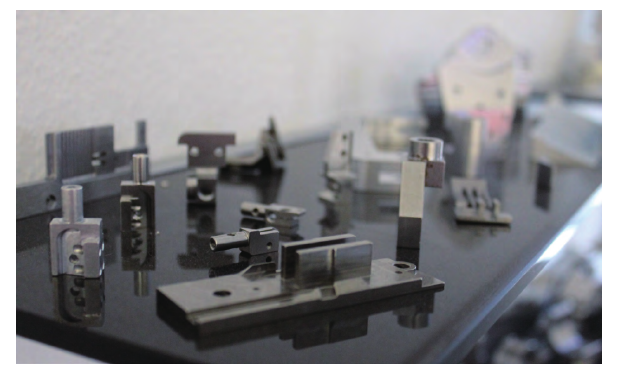
Title: Increased Design Flexibility with Gravity Die Casting
In the world of product design and manufacturing, flexibility is a prized asset. Gravity die casting stands out as a versatile method that provides designers and engineers with increased freedom and adaptability in realizing their creative visions.
One of the key advantages of gravity die casting in terms of design flexibility is its ability to handle complex geometries and intricate details. Unlike some other casting methods that struggle with intricate shapes, gravity die casting excels in reproducing fine details and precise features. This opens up a world of possibilities for designers looking to push the boundaries of what's achievable.
Gravity die casting is particularly valuable in industries where lightweight and thin-walled components are required. Its ability to produce thin sections and intricate designs while maintaining structural integrity is a significant advantage. For example, in the automotive sector, gravity die casting is often used to create lightweight engine components that enhance fuel efficiency.
Moreover, gravity die casting can accommodate a wide range of materials, from aluminum and magnesium to zinc and copper alloys. This material versatility further expands the design possibilities, as engineers can select the most suitable material for their specific application.
Additionally, gravity die casting allows for the production of multi-cavity molds, enabling the simultaneous casting of multiple parts in a single cycle. This not only saves time but also reduces production costs, making it an attractive option for high-volume manufacturing.
In summary, the design flexibility offered by gravity die casting empowers engineers and designers to innovate and create products that meet the most demanding requirements of their industries.
Title: Case Studies Showcasing the Benefits of Gravity Die Casting
To fully appreciate the advantages of gravity die casting, let's delve into some real-world case studies that highlight its benefits across various industries.
Aerospace Industry Case Study:
In the aerospace industry, where precision and reliability are non-negotiable, gravity die casting plays a crucial role. A case study involving the production of turbine blades for jet engines illustrates the advantages. Gravity die casting ensures the production of blades with exceptional dimensional accuracy and minimal porosity, resulting in increased engine efficiency and reduced maintenance requirements. This not only enhances the performance of the aircraft but also lowers operational costs, making it a preferred choice for leading aerospace manufacturers.
Automotive Industry Case Study:
In the automotive sector, a case study on the production of transmission housings showcases the cost-effectiveness of gravity die casting. By using this method, a major automotive manufacturer achieved significant savings in machining and material costs. The ability to create lightweight and structurally sound components translated into improved fuel efficiency and reduced emissions. These results demonstrate how gravity die casting aligns with the automotive industry's sustainability and performance goals.
Medical Equipment Manufacturing Case Study:
For medical equipment manufacturers, precision and material integrity are paramount. A case study involving the production of intricate surgical instruments exemplifies how gravity die casting delivers the necessary quality. The method's ability to produce components with tight tolerances and a smooth surface finish ensures that medical instruments meet strict regulatory standards. This not only guarantees the safety and effectiveness of the instruments but also reduces the need for post-casting processing, optimizing production efficiency.
These case studies serve as compelling evidence of the tangible benefits that gravity die casting brings to various industries. Whether it's improving performance in aerospace, reducing costs in automotive manufacturing, or ensuring quality in medical equipment production, gravity die casting consistently proves its worth.
Title: The Importance of Proper Tooling and Equipment in Gravity Die Casting
While gravity die casting offers numerous advantages, realizing its full potential depends on having the right tooling and equipment in place. Properly designed and maintained tools and machinery are essential for achieving high-quality and efficient production processes.
Tooling plays a critical role in gravity die casting, as it directly impacts the final product's quality and consistency. High-quality molds, made from materials such as cast iron or steel, are essential for achieving dimensional accuracy and surface finish. Well-designed molds should also consider factors like venting and cooling channels to minimize defects and ensure proper solidification of the molten metal.
In addition to molds, the design and condition of the casting machine itself are crucial. Gravity die casting machines come in various sizes and configurations, and selecting the right one for the job is essential. Proper maintenance and calibration of these machines are equally important to ensure consistent performance and minimize downtime.
Furthermore, the choice of release agents and coatings can significantly influence the casting process. Effective release agents facilitate the removal of the finished part from the mold, reducing the risk of damage or defects. Coatings can improve surface finish and enhance the life of the mold.
Regular inspection and maintenance of tooling and equipment are essential to prevent issues such as mold wear, misalignment, or damage. Proper lubrication and cleaning routines, as well as prompt replacement of worn components, are key to sustaining efficient and high-quality production.
In conclusion, the importance of proper tooling and equipment cannot be overstated when it comes to gravity die casting. Well-designed, well-maintained tools and machinery are the foundation upon which the method's advantages are built.
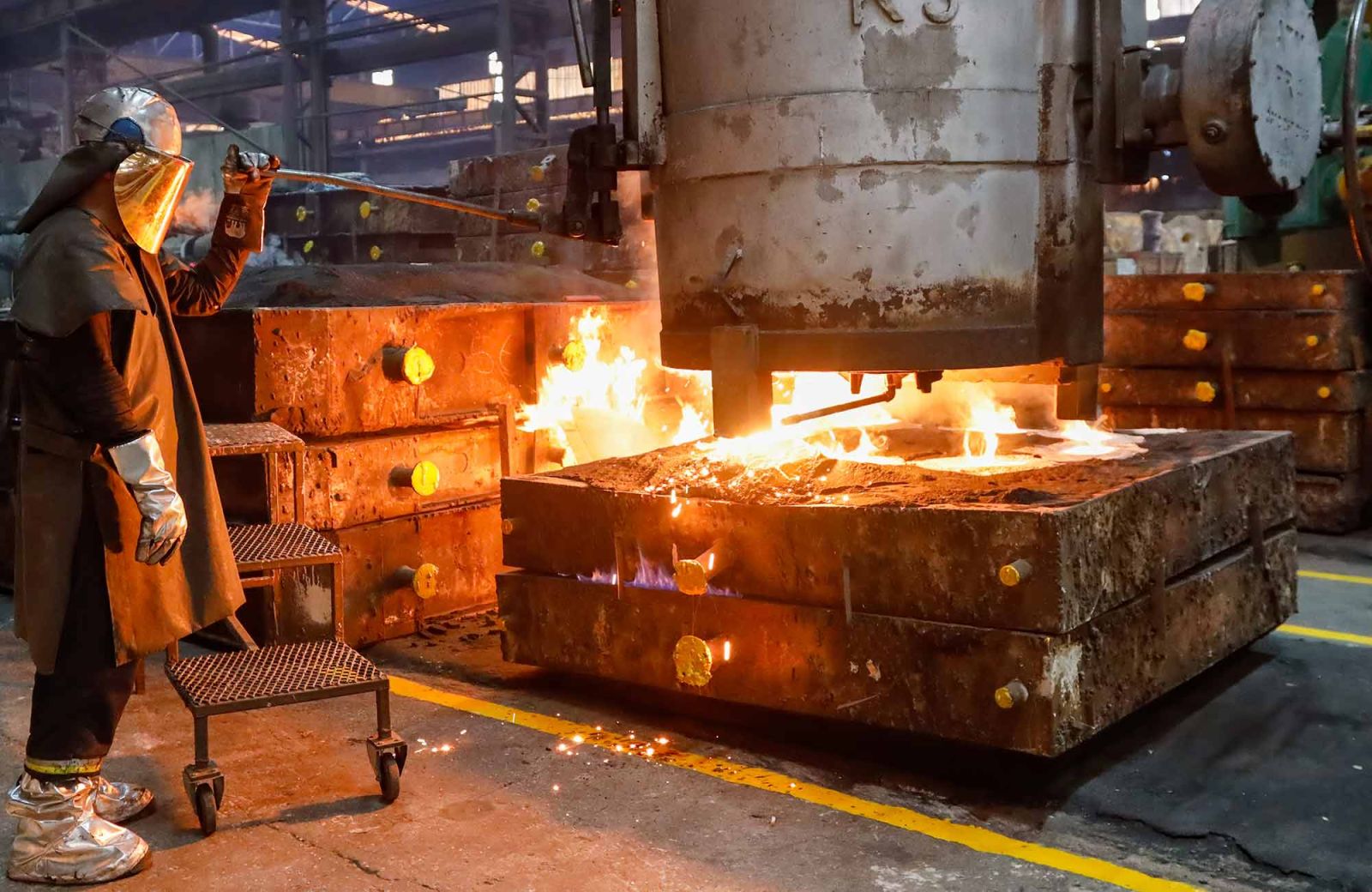
Title: Tips for Optimizing Gravity Die Casting Processes
Optimizing gravity die casting processes requires attention to detail and a commitment to continuous improvement. Here are some valuable tips to help manufacturers make the most of this efficient casting method:
-
Design Optimization: Start by optimizing the design of the casting, considering factors like wall thickness, draft angles, and fillets. A well-designed component minimizes the risk of defects and ensures efficient metal flow during casting.
-
Material Selection: Choose the right alloy for your application. Different materials offer varying properties, such as strength, corrosion resistance, and thermal conductivity. Selecting the appropriate alloy is crucial for achieving the desired performance.
-
Mold Maintenance: Regularly inspect and maintain your molds to ensure they are in excellent condition. Address any wear or damage promptly, and keep molds clean and properly lubricated.
-
Temperature Control: Maintain precise temperature control during the casting process. Proper metal and mold temperatures are essential for consistent results.
-
Optimize Gating System: Pay attention to the gating system design, as it influences the flow of molten metal. A well-designed gating system minimizes turbulence and helps prevent defects.
-
Use of Release Agents: Choose the right release agent for your application. Properly applied release agents facilitate mold filling and part removal.
-
Quality Control: Implement a rigorous quality control process to monitor and inspect parts throughout production. Identify and address any deviations promptly to maintain consistency and quality.
-
Operator Training: Ensure that your operators are well-trained in gravity die casting techniques. Knowledgeable operators can identify and address issues in real-time, reducing the likelihood of defects.
-
Automation: Consider automation options for repetitive tasks, such as mold closing and part ejection. Automation can improve consistency and reduce labor costs.
-
Data Monitoring: Implement data monitoring and analytics tools to track process parameters and identify opportunities for improvement. Data-driven decision-making can lead to enhanced process efficiency.
By following these tips and continuously refining your gravity die casting processes, you can optimize production, reduce defects, and maximize the benefits of this versatile casting method.
Title: Gravity Die Casting in Various Industries
Gravity die casting has found applications in a wide range of industries, thanks to its exceptional advantages and adaptability. Let's explore how this casting method is making its mark in various sectors.
1. Aerospace Industry: Gravity die casting is widely used in the aerospace sector to produce critical components like aircraft engine parts, landing gear components, and structural elements. Its ability to create parts with high precision and exceptional mechanical properties ensures the safety and reliability of aerospace systems.
2. Automotive Industry: In the automotive industry, gravity die casting is utilized for manufacturing engine blocks, transmission housings, and various other components. Its cost-effectiveness, material efficiency, and lightweight design options align with the industry's goals of efficiency and sustainability.
3. Medical Equipment Manufacturing: Gravity die casting plays a vital role in the production of medical devices and instruments. The method's precision and ability to produce intricate, sterilizable components make it a preferred choice for manufacturing critical medical equipment.
4. Electronics and Telecommunications: Electronic enclosures, heat sinks, and other components used in electronics and telecommunications benefit from gravity die casting's ability to maintain dimensional accuracy and provide excellent thermal conductivity.
5. Defense and Military: In the defense sector, gravity die casting is used to create components for military vehicles, weaponry, and communication systems. Its ability to produce high-strength parts ensures the durability and performance of these critical applications.
6. Energy Sector: Gravity die casting is employed in the energy sector to produce components for renewable energy systems, such as wind turbines and solar panels. Its precision and material flexibility contribute to the efficient operation of these energy solutions.
7. Industrial Equipment: Machinery and industrial equipment manufacturers leverage gravity die casting for producing robust and durable components. Its ability to withstand harsh operating conditions and provide long-term reliability is highly valued.
8. Consumer Goods: In the consumer goods industry, gravity die casting is used for manufacturing products like cookware, outdoor equipment, and decorative items. Its versatility allows for the creation of aesthetically pleasing and functional products.
9. Marine and Shipbuilding: The marine and shipbuilding industry relies on gravity die casting for components like propellers, ship fittings, and marine engine parts. The method's corrosion resistance and strength are vital in the challenging marine environment.
In conclusion, gravity die casting's widespread adoption across multiple industries underscores its versatility and ability to meet diverse manufacturing needs. Its unique advantages make it a versatile and reliable choice for manufacturers across the globe.
Title: Conclusion: Harnessing the Unseen Advantages of Gravity Die Casting
In the world of manufacturing, finding a casting method that combines efficiency, precision, and cost-effectiveness is a valuable discovery. Gravity die casting, often underestimated, possesses a treasure trove of advantages that manufacturers can harness to elevate their products and processes.
The unseen advantages of gravity die casting include:
1. Exceptional Quality: Gravity die casting consistently delivers parts with superior quality, thanks to reduced porosity, minimal defects, and finer microstructures. This quality translates into reliable and long-lasting components.
2. Precision and Dimensional Accuracy: The controlled filling of molds under gravity's influence results in unmatched dimensional accuracy. Tight tolerances and intricate designs are achievable, providing engineers with design flexibility.
3. Cost-Efficiency: While initial tooling and equipment costs may be higher, gravity die casting's efficiency and reduced post-casting processing lead to long-term cost savings. Manufacturers can optimize their bottom line while delivering high-quality products.
4. Design Freedom: The method's ability to handle complex geometries and intricate details offers designers unprecedented creative freedom. This adaptability empowers industries to innovate and stay competitive.
5. Industry Applications: Gravity die casting's advantages extend across diverse sectors, from aerospace and automotive to medical equipment and consumer goods. Its adaptability ensures it finds a home in many industries.
6. Sustainability: Gravity die casting aligns with modern sustainability goals. Reduced material wastage, energy efficiency, and minimal post-processing contribute to a smaller environmental footprint.
7. Continuous Improvement: Manufacturers can continuously optimize their gravity die casting processes by focusing on design, material selection, maintenance, automation, and data-driven decision-making.
In conclusion, gravity die casting offers a world of possibilities that often go unnoticed. Manufacturers willing to explore and harness its advantages can elevate their products, improve their processes, and stay competitive in an ever-evolving market. By understanding the hidden strengths of gravity die casting, you can unlock its full potential for your business, paving the way for a future of success and innovation.
1. FAQ: What Are the Primary Advantages of Gravity Die Casting Over Other Methods?
Keywords: gravity die casting advantages, casting methods, benefits of gravity die casting
Answer: Gravity die casting offers several key advantages over alternative casting methods. It excels in producing high-quality, dimensionally accurate components with minimal defects and porosity. The method's precision and ability to handle intricate designs make it a top choice for industries such as aerospace, automotive, and medical equipment manufacturing. Its cost-effectiveness, material versatility, and design flexibility further solidify its position as a preferred casting method.
2. FAQ: How Does Gravity Die Casting Improve Production Efficiency?
Keywords: production efficiency, gravity die casting, cycle time, energy efficiency
Answer: Gravity die casting enhances production efficiency in several ways. Its controlled filling process leads to shorter cycle times, enabling rapid part production, making it ideal for high-volume manufacturing. Additionally, the method's energy efficiency reduces overall production costs and aligns with sustainability goals. Minimal post-casting machining requirements further contribute to increased efficiency.
3. FAQ: Can Gravity Die Casting Be Adapted for Complex Designs?
Keywords: design flexibility, intricate designs, gravity die casting capabilities
Answer: Yes, gravity die casting is highly adaptable for complex designs. It excels in reproducing intricate geometries and fine details with precision. This adaptability is particularly valuable in industries where intricate shapes and tight tolerances are essential. Gravity die casting's ability to maintain dimensional accuracy while accommodating complex designs provides engineers and designers with significant freedom and flexibility.
4. FAQ: What Industries Benefit Most from Gravity Die Casting?
Keywords: gravity die casting applications, industry sectors, aerospace, automotive, medical equipment
Answer: Gravity die casting finds applications in various industries due to its versatile advantages. It is widely used in aerospace for critical components like engine parts. In the automotive sector, it's favored for engine blocks and transmission housings. Medical equipment manufacturing relies on gravity die casting for precise and sterilizable components. Additionally, it serves the electronics, defense, energy, industrial, consumer goods, and marine industries, making it a versatile choice.
5. FAQ: How Can Proper Tooling and Equipment Maximize Gravity Die Casting Efficiency?
Keywords: tooling, equipment, gravity die casting, maintenance, mold design
Answer: Proper tooling and equipment are essential for maximizing gravity die casting efficiency. High-quality molds, regular maintenance, and well-designed gating systems ensure consistent, high-quality results. Casting machines should be appropriately sized and maintained. Adequate release agents and coatings help facilitate smooth casting and part removal. Maintaining and monitoring tooling and equipment prevent costly issues, ensuring optimal casting performance.