1. Introduction: The Silent Guardians of Industrial Integrity
In the vast machinery of modern industry—whether it's a 300-meter container ship plowing through the North Atlantic, a lithium-ion battery pack in a Tesla, or the steel framework of a skyscraper in Shanghai—there exists a silent, often overlooked hero. These are the fasteners: the bolts, screws, nuts, and washers that transform collections of individual components into unified, functional structures.
Despite their diminutive size, fasteners carry an immense burden. A single failed bolt in a critical application can lead to catastrophic consequences: machinery downtime costing tens of thousands of dollars per hour, safety hazards endangering human life, or structural failures that result in legal liability. In fact, studies in the automotive industry suggest that vibration-induced loosening of fasteners accounts for a significant percentage of warranty claims and recall events.
The Selection Paradox: With thousands of material grades and coating combinations available, how does an engineer, procurement specialist, or maintenance manager make the right choice? The answer lies in understanding the complex interplay between three factors: mechanical load requirements, environmental exposure, and electrochemical compatibility.
This is where the specialized expertise of manufacturers like Ningbo Yichou becomes invaluable. Unlike mass-produced commodity fasteners that prioritize cost above all else, precision-machined fasteners offer something increasingly rare in today's globalized supply chain: predictability. When you specify a custom fastener machined from bar stock, you're not just buying a component—you're buying engineering certainty.
2. The Evolution of Fastener Materials: Market Trends Driving Change
2.1 The Shift Toward Stainless Steel Mainstream Adoption
The global fastener market, valued at approximately $90 billion annually, is witnessing a fundamental shift in material preferences. Historically, carbon steel—cheap, strong, and readily available—dominated approximately 80% of the industrial fastener market. However, this dominance is being challenged by the rising adoption of stainless steel fasteners.
Why this shift? The answer lies in lifecycle cost analysis (LCA) . While a stainless steel screw may cost 3-5 times more than a zinc-plated carbon steel equivalent upfront, the total cost of ownership tells a different story:
-
Maintenance Reduction: Facilities using stainless steel fasteners report 60-80% reduction in maintenance labor costs related to corrosion remediation.
-
Downtime Prevention: In process industries, unplanned downtime costs average $250,000 per hour. Stainless steel's reliability eliminates corrosion-related failures.
-
Aesthetic Longevity: For architectural and consumer-facing applications, stainless maintains appearance without painting or touch-ups.
Market Data Point: According to recent industry analyses, the stainless steel fastener segment is growing at a CAGR of 5.2%, outpacing the overall fastener market growth of 3.8% .
2.2 Alloy Steel: The Backbone of High-Strength Applications
Despite stainless steel's corrosion advantages, there are applications where nothing replaces the sheer mechanical strength of heat-treated alloy steel. Grade 8 fasteners (SAE J429) and metric classes 10.9 and 12.9 represent the pinnacle of strength-to-cost ratio in the fastener world.
These fasteners undergo complex heat treatment processes—quenching and tempering—to achieve tensile strengths exceeding 150,000 psi. This makes them indispensable for:
-
Automotive chassis and suspension systems
-
Heavy equipment attachment points
-
Structural steel connections
-
Pressure vessel closures
2.3 The Rise of Specialty Metals for Extreme Environments
Perhaps the most exciting trend is the democratization of specialty alloys. Once confined to aerospace and nuclear applications, materials like Titanium, Inconel, Hastelloy, and Monel are finding their way into mainstream industrial applications as operating environments become more demanding.
Case Study: Offshore Wind Energy
Modern offshore wind turbines face a corrosive nightmare: salt spray, high humidity, and biogenic acids from marine life. Standard 316 stainless, while good, can suffer from crevice corrosion in the stagnant conditions of bolted flange connections. Engineers are increasingly specifying Duplex Stainless Steel (e.g., 2205) fasteners for these applications, offering double the yield strength of 316 with superior chloride stress corrosion cracking resistance.
.jpg)
3. Comprehensive Fastener Materials Comparison
Understanding the nuances of fastener materials requires more than a simple table—it demands a deep dive into metallurgy. Below is an expanded comparison with technical details that procurement professionals need.
Detailed Material Profiles
| Material | Tensile Strength (MPa) | Yield Strength (MPa) | Corrosion Resistance | Magnetic? | Typical Cost Index | Primary Applications |
|---|---|---|---|---|---|---|
| 18-8 Stainless (304) | 515-720 | 205-310 | Excellent (General) | Slightly (cold worked) | 1.0x | General industrial, food processing, architectural trim |
| 316 Stainless (A4) | 515-620 | 205-290 | Superior (Marine) | Slightly | 1.6x | Marine grade fasteners, chemical plants, pharmaceutical equipment |
| Alloy Steel (Grade 8) | 1034-1200 | 896-1034 | Poor | Yes | 0.8x | Automotive drivetrain, heavy equipment, structural joints |
| Brass (360) | 340-470 | 110-280 | Good | No | 1.2x | Decorative hardware, electrical terminals, plumbing fixtures |
| Silicon Bronze (655) | 480-550 | 195-275 | Exceptional (Seawater) | No | 2.5x | Wooden boat construction, marine restoration, underwater fasteners |
| Titanium (Grade 5) | 896-1000 | 827-896 | Excellent | No | 8-12x | Aerospace, medical implants, high-performance automotive, chemical processing |
| Monel 400 | 550-620 | 240-310 | Excellent (Acids/Salt) | Slightly | 5-7x | Offshore oil & gas, marine propulsion, valves, pumps |
| Hastelloy C-276 | 790-820 | 355-415 | Exceptional (Chemical) | Yes (cold worked) | 10-15x | Chemical reactors, pollution control, pharmaceutical synthesis |
| Inconel 718 | 1240-1380 | 1034-1160 | Excellent (High Temp) | Yes | 12-18x | Gas turbines, nuclear reactors, aerospace, high-temperature fasteners |
3.1 Deep Dive: Marine Grade Fasteners
For applications involving saltwater exposure, the term "marine grade fasteners" is frequently used but often misunderstood. True marine-grade materials must resist three specific corrosion mechanisms:
-
Uniform Corrosion: General surface attack.
-
Pitting and Crevice Corrosion: Localized attack in shielded areas—the most common failure mode for stainless in marine environments.
-
Galvanic Corrosion: When dissimilar metals are electrically connected in an electrolyte (seawater).
The 316 Advantage: 316 stainless steel contains 2-3% molybdenum, an alloying element that specifically combats chloride-induced pitting. This is why 316 is the minimum acceptable standard for coastal architecture, boat fittings, and offshore structures .
Beyond 316: For applications requiring even higher reliability, materials like Monel 400 (a nickel-copper alloy) offer near-immunity to seawater corrosion. Monel fasteners are often specified for wooden boat construction where they must last 50+ years without replacement.
4. Advanced Surface Treatment Technologies
While base material selection establishes a fastener's inherent properties, screw coatings provide the critical interface between the fastener and its environment. Modern coating technologies have evolved dramatically.
4.1 Multi-Layer Anti-Corrosion Systems
Traditional electroplated zinc (clear or yellow) provides perhaps 50-100 hours of salt spray resistance—adequate for indoor applications but insufficient for exterior use.
Zinc-Nickel (Zn-Ni) Alloy Coatings:
This represents the gold standard in automotive and industrial corrosion protection. By alloying 12-15% nickel with zinc, these coatings achieve:
-
500-1000 hours to red rust in ASTM B117 salt spray testing
-
Superior ductility—resists cracking during thread forming
-
Higher temperature resistance (120°C+ vs. 80°C for pure zinc)
-
Lower hydrogen embrittlement risk due to higher current efficiency during plating
Geomet®/Dacromet® Type Coatings:
These are water-based, chrome-free coating systems consisting of zinc and aluminum flakes dispersed in an inorganic binder. When cured, they create a sacrificial metallic layer with exceptional corrosion resistance (1000+ hours) and no hydrogen embrittlement risk—critical for high-strength fasteners .
4.2 Ceramic and Solid Film Lubricants
For applications combining corrosion resistance with controlled friction, ceramic-based coatings offer unique advantages:
-
Torque-Tension Control: These coatings provide consistent, predictable friction coefficients (typically 0.12-0.15 μ), eliminating the "stick-slip" phenomenon that plagues torque-controlled assembly.
-
Temperature Resistance: Ceramic coatings maintain integrity up to 800°C, making them ideal for exhaust systems, turbochargers, and furnace applications.
-
Wear Resistance: The hardness of ceramic coatings reduces galling—a common problem when installing stainless steel fasteners.
4.3 Custom Color Coatings: Function Meets Branding
Beyond corrosion protection, coatings increasingly serve quality assurance and branding functions:
-
Visual Verification: In complex assemblies (e.g., automotive engines), color-coded fasteners allow visual confirmation that the correct grade was installed.
-
Tamper Indication: Special coatings can be formulated to show visible change if a fastener has been removed or over-torqued.
-
Brand Identity: Custom-colored coatings matching corporate brand guidelines create a premium appearance for exposed fasteners on consumer products.
5. Industry-Specific Application Requirements
5.1 Electric Vehicles (EVs) and Electrification
The automotive industry's transition to electric propulsion has created entirely new fastener requirements that didn't exist a decade ago.
Vibration Resistance in Battery Packs:
EV battery packs experience continuous vibration from road inputs and regenerative braking. Loose connections within the pack can generate heat, increase electrical resistance, or cause arc flash events. Engineers are increasingly specifying mechanical locking features:
-
Thread-locking patches (nylon or adhesive)
-
Serrated flange heads that bite into mating surfaces
-
Prevailing torque threads that maintain clamp load under vibration
Electrical Considerations:
Fasteners in EV battery systems must often serve dual roles: mechanical clamping and electrical conduction. This requires:
-
Low contact resistance: Achieved through special coatings or plating that penetrate oxide layers on aluminum busbars
-
Controlled galvanic compatibility: Aluminum busbars coupled with steel fasteners require careful isolation or specific platings to prevent galvanic corrosion
-
Thermal management: Some fasteners are designed to conduct heat away from electrical connections
Case Study: Battery Module Assembly
A major EV manufacturer recently specified custom TiN-coated stainless steel fasteners for their battery module connections. The coating provided low electrical resistance, excellent corrosion resistance, and a distinctive gold appearance that simplified quality inspection.
5.2 Marine and Offshore Applications
The marine environment represents perhaps the most challenging application for fasteners due to the combination of saltwater, wave action, and biofouling.
Material Selection Matrix for Marine Use:
| Application | Recommended Material | Why |
|---|---|---|
| Above waterline (deck hardware) | 316 Stainless | Good corrosion resistance, reasonable cost |
| Below waterline (hull fittings) | Silicon Bronze or Monel | No risk of chloride stress corrosion cracking |
| Wooden boat construction | Silicon Bronze or Hot-dipped galvanized | Compatible with wood tannins and preservatives |
| Aluminum boat attachment | 316 Stainless with isolation | Prevent galvanic corrosion of aluminum |
| Offshore platform structure | Duplex 2205 or Super Duplex | Higher strength, superior chloride resistance |
Coating Systems for Marine Fasteners:
Even when using inherently corrosion-resistant materials, coatings provide additional protection:
-
Passivation: A chemical treatment that enhances the natural chromium oxide layer on stainless steel
-
Electropolishing: Removes surface imperfections that could initiate corrosion
-
PTFE-based topcoats: Provide lubricity and additional barrier protection
5.3 Chemical Processing and Pharmaceutical
In environments involving aggressive chemicals, the fastener must be chemically inert to prevent contamination and corrosion.
Clean-in-Place (CIP) Considerations:
Pharmaceutical and food processing facilities undergo frequent sterilization cycles involving caustic washes, acid rinses, and steam. Fasteners must survive:
-
pH extremes: From 2-12
-
Temperature cycles: Ambient to 150°C steam
-
Pressure fluctuations: Vacuum to positive pressure
Material Solutions:
-
316L stainless (low carbon variant) for general pharmaceutical use
-
Hastelloy C-22 for aggressive chloride environments
-
Titanium for bleach and chlorine dioxide service
6. Quality Assurance and Verification
When sourcing fasteners—especially for critical applications—verification of quality is non-negotiable.
6.1 Material Certification (Mill Test Reports)
A reputable supplier should provide Mill Test Reports (MTRs) traceable to the specific heat lot of material used. The MTR documents:
-
Chemical composition (exact percentages of alloying elements)
-
Mechanical properties (tensile, yield, elongation)
-
Heat treatment parameters
Red Flag: If a supplier cannot provide MTRs or offers "typical" values rather than lot-specific data, consider this a serious warning sign.
6.2 Coating Verification
For screw coatings, quality control involves:
-
Thickness measurement: Using X-ray fluorescence (XRF) or magnetic induction methods to verify coating thickness meets specification
-
Adhesion testing: Tape tests or bend tests to ensure coating doesn't flake
-
Salt spray testing: ASTM B117 testing to verify corrosion resistance meets claimed hours to red rust
6.3 Dimensional Inspection
Precision matters. Critical dimensions should be verified:
-
Thread pitch diameter: Using thread gauges or optical comparators
-
Head height and drive depth: Critical for tool engagement
-
Concentricity: Especially important for high-speed automated assembly
7. Ningbo Yichou's Custom Fastener Capabilities
At Ningbo Yichou, we bridge the gap between commodity fasteners and the demanding requirements of modern industry.
7.1 Machined from Bar Stock: The Precision Difference
Unlike cold-headed fasteners—which are formed by pounding wire into shape at high speed—our fasteners are machined from solid bar stock. This approach offers distinct advantages:
-
Superior Grain Structure: Machining preserves the continuous grain flow of the parent material, eliminating the stress points and potential failure sites created by cold forming.
-
Material Flexibility: We can machine any material that can be produced as bar stock—from standard 316 stainless to exotic alloys like Inconel, Monel, and Titanium.
-
Tight Tolerances: We achieve dimensional accuracy impossible with cold heading, with thread tolerances to Class 3A/3B and concentricity within 0.05mm.
7.2 Ideal for Small to Medium Quantities
Cold heading requires expensive tooling ($5,000-$20,000 per part) and minimum quantities of 10,000+ pieces to be economical. Our machining approach allows us to economically produce:
-
Prototype quantities: 10-100 pieces for development testing
-
MRO quantities: 100-1,000 pieces for maintenance needs
-
Medium production: 1,000-10,000 pieces without tooling amortization
7.3 Special Materials and Coatings Expertise
We maintain relationships with specialty coating applicators to offer a complete solution:
-
Zinc-nickel plating with trivalent passivation
-
Geomet/Dacromet-type coatings
-
PTFE and Xylan impregnated coatings
-
Custom color anodizing for aluminum fasteners
-
Passivation and electropolishing for stainless
8. Frequently Asked Questions for Buyers
Q: Why are stainless steel screws becoming more popular?
A: The shift is driven by lifecycle cost economics. While stainless steel screws have a higher initial purchase price than zinc-plated carbon steel, they eliminate maintenance costs, reduce downtime risk, and last the life of the assembly. For outdoor, marine, or food processing applications, stainless steel is often the most economical choice over a 10-year horizon .
Q: What fasteners are used in electric vehicles?
A: EV fasters are specialized components designed for:
-
Vibration resistance: Often incorporating thread-locking features or prevailing torque elements
-
Electrical functionality: Some serve as electrical conductors between battery cells and busbars
-
Thermal management: Designed to conduct heat or maintain integrity through temperature cycles
-
Lightweighting: Increasing use of aluminum and titanium where strength permits
Q: How important is surface treatment?
A: For carbon steel fasteners in any environment with moisture exposure, surface treatment is absolutely critical. A quality coating system (like zinc-nickel plus topcoat) can extend fastener life from days to decades. Even for stainless steel, surface treatments like passivation enhance the natural oxide layer and improve performance .
Q: What is the difference between 304 and 316 stainless steel?
A: The key difference is molybdenum content. 316 stainless contains 2-3% molybdenum, which specifically improves resistance to chloride-induced pitting and crevice corrosion. This makes 316 the standard for marine grade fasteners and chemical processing applications. 304 stainless will eventually show rust in saltwater; 316 will not .
Q: When should I specify custom fasteners rather than standard?
A: Consider custom fasteners when:
-
You need a non-standard head style, drive type, or thread length
-
Your application requires a specialty material not available in standard catalogs
-
You need controlled friction characteristics for torque-critical assembly
-
You're designing for automated assembly and need consistent dimensional tolerances
-
Your volumes are too low for cost-effective cold heading
9. Conclusion: Making the Right Selection
Selecting the optimal fastener for your application is a multi-faceted decision that balances mechanical requirements, environmental exposure, and economic considerations. By understanding the properties of different fastener materials—from the general-purpose utility of 18-8 stainless to the extreme-environment capabilities of Monel and Inconel—and combining them with appropriate screw coatings, you can ensure reliable, long-lasting performance.
Key Takeaways:
-
Match material to environment: Use the comparison table to select base materials appropriate for your corrosion exposure.
-
Consider coatings as performance enhancers: Modern coating systems dramatically extend fastener life and add functionality like controlled friction or color coding.
-
Verify quality: Always request material certifications and coating verification data.
-
Consider total lifecycle cost: The cheapest fastener upfront is rarely the most economical over the life of your product or facility.
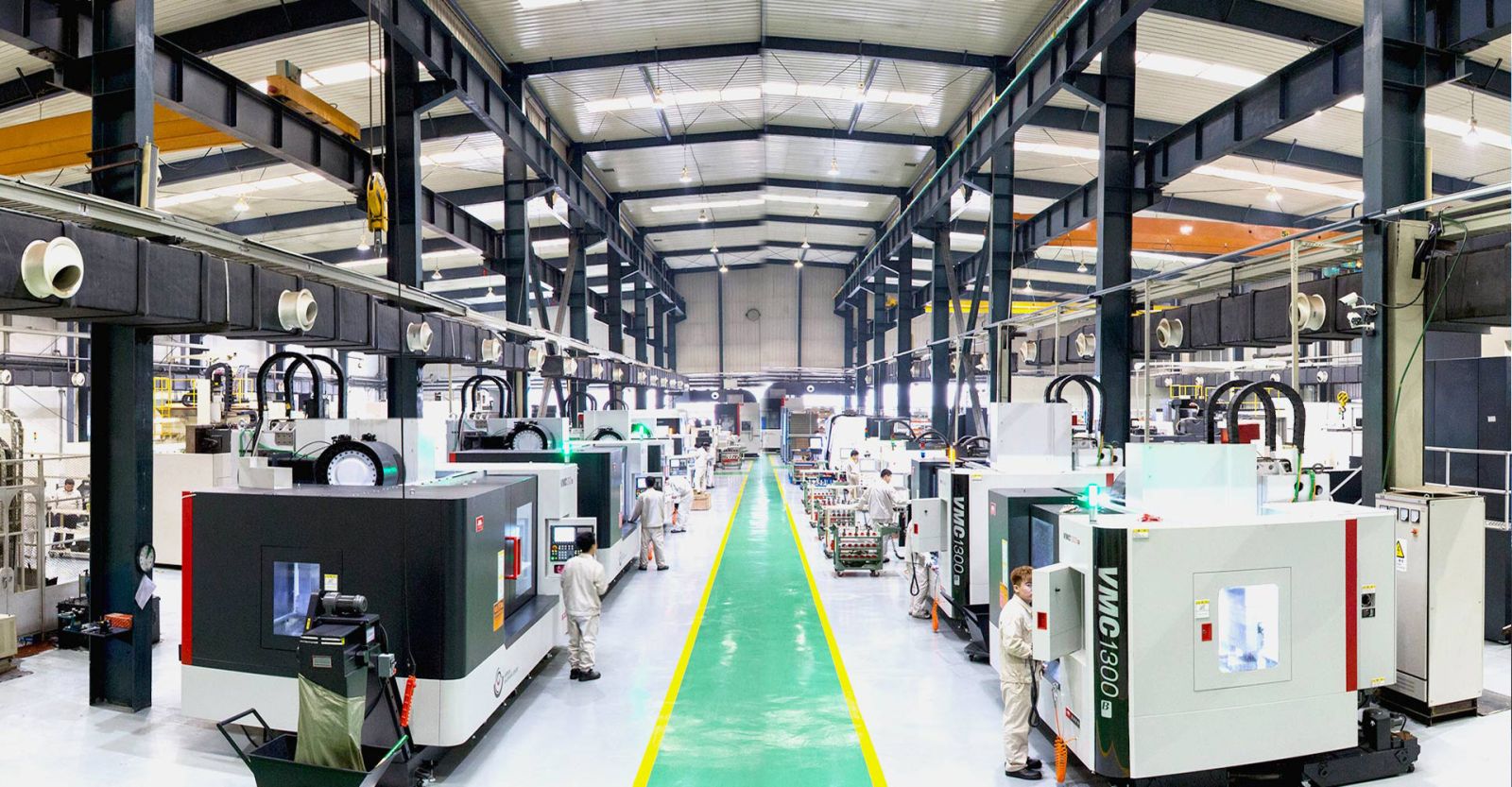
At Ningbo Yichou, we're committed to providing precision-machined fasteners that meet the exacting demands of modern industry. Whether you need a prototype batch of titanium aerospace fasteners or a production run of custom-coated automotive components, we have the technical expertise and manufacturing capability to deliver.
Contact us today for a competitive quote and technical support!
Let Yichou help you achieve excellence in your next project. Whether you need raw materials, custom alloy solutions, or precision-manufactured components, our team is ready to assist.
- Email us: [email protected]
- Call us/whatsapp: +86 13355741031
- Chat with us: Live chat support available on our website