Fused Deposition Modeling (FDM) has completely changed the landscape of 3D printing, revolutionizing the way products are designed and manufactured. This groundbreaking technology offers endless possibilities, allowing businesses and individuals to bring their ideas to life with unprecedented speed and precision. With FDM, intricate models and prototypes can be created using a layer-by-layer process, using a thermoplastic filament that is heated and extruded through a nozzle. Not only does FDM enable rapid prototyping, but it also significantly reduces development costs, making it an attractive option for industries like aerospace, automotive, and healthcare. The ability to quickly iterate and test designs has transformed the product development cycle, allowing for faster time-to-market and increased innovation. Furthermore, FDM is not limited to just prototyping; it has evolved to produce end-use parts as well. Its versatility has proven invaluable in manufacturing customized products, spare parts, and even medical implants. As more industries adopt this technology, the potential for FDM continues to expand, shaping the future of manufacturing. In this article, we will delve deeper into the world of FDM and explore how it is reshaping the future of 3D printing. Join us as we discover the endless possibilities this transformative technology has to offer.
.jpg)
How does fused deposition modeling work?
Fused Deposition Modeling (FDM) is a cutting-edge 3D printing technology that has revolutionized manufacturing processes. Understanding how FDM works is crucial to harness its potential fully. At its core, FDM involves the layer-by-layer deposition of thermoplastic materials to create three-dimensional objects. This process starts with a 3D model designed using computer-aided design (CAD) software. The software then slices the digital model into thin horizontal layers, which serve as a blueprint for the printer.
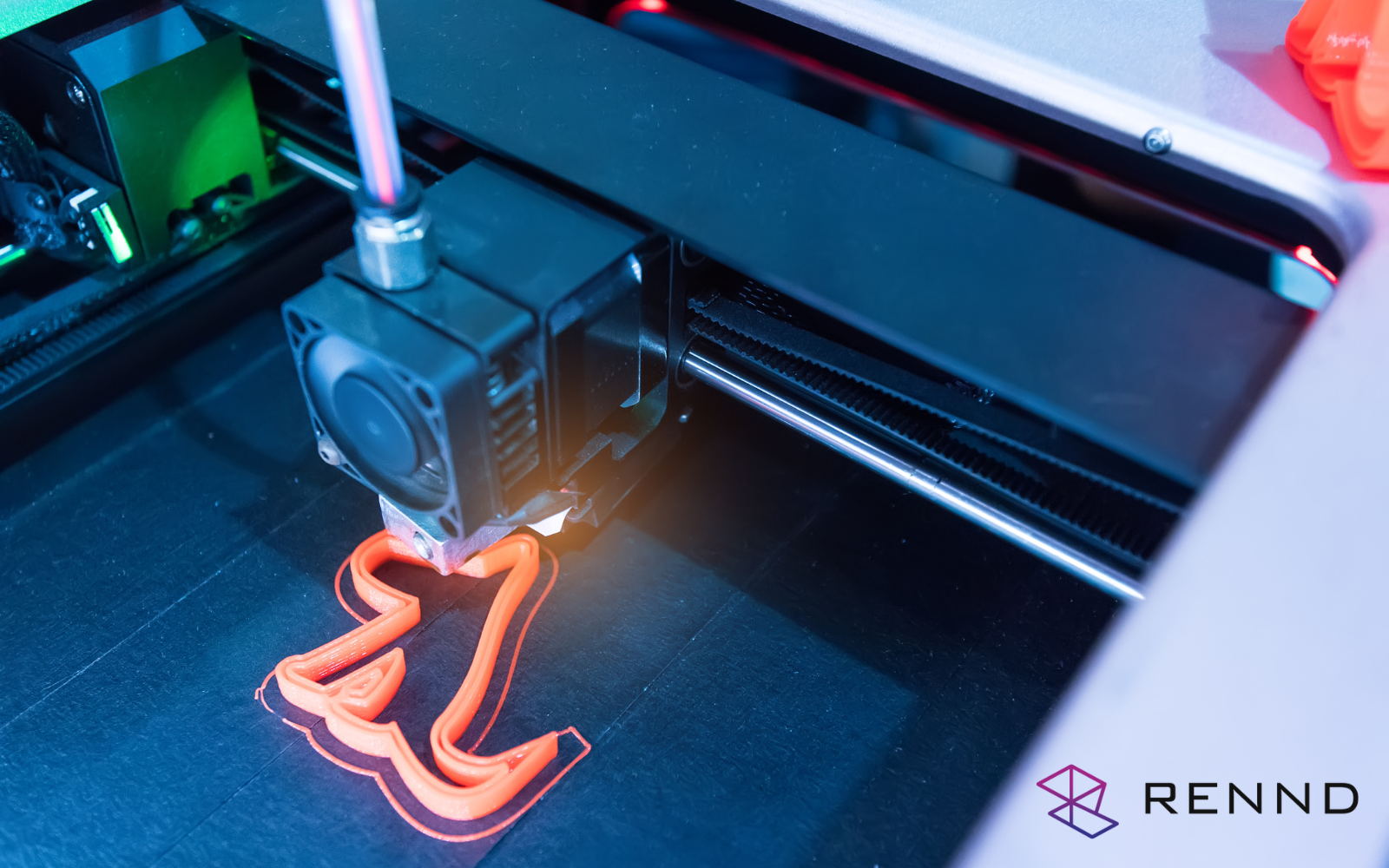
FDM 3D printers typically consist of a print head or nozzle, a heated build platform, and a spool of filament. The filament, often made of materials like PLA or ABS, is fed into the print head, where it is heated to its melting point. The nozzle then moves along the predefined path, extruding the molten material onto the build platform layer by layer. As each layer cools and solidifies, it fuses with the previous one, gradually forming the final object. This additive manufacturing process offers precision and versatility, making it a preferred choice in various industries.
To optimize your understanding of FDM, it's essential to dive deeper into the advantages it offers in the realm of 3D printing.
Advantages of FDM in 3D Printing
FDM has risen to prominence in the 3D printing landscape due to its array of advantages that cater to both hobbyists and industrial manufacturers. One of the standout benefits is its accessibility. FDM 3D printers are relatively affordable, making them accessible to a wide range of users. Moreover, they are user-friendly, allowing even novices to bring their concepts to life.
FDM also boasts a vast selection of materials, ranging from standard thermoplastics to advanced composites with enhanced properties like strength, flexibility, and heat resistance. This versatility makes FDM suitable for various applications across industries, from aerospace to healthcare.
Another compelling advantage is the ability to create complex geometric shapes with ease. FDM's layer-by-layer approach enables intricate designs and internal structures that would be challenging or impossible to achieve through traditional manufacturing methods.
Furthermore, FDM is environmentally friendly, with minimal waste generation compared to subtractive manufacturing processes. The ease of recycling and reusing materials adds to its sustainability appeal.
As we delve deeper into FDM's applications in diverse industries, you'll discover the extensive scope of its influence.
Applications of FDM in Various Industries
FDM's versatility extends far beyond prototyping and hobbyist projects. It has found a prominent place in numerous industries, thanks to its ability to transform digital designs into tangible objects efficiently and economically.
In the aerospace industry, FDM is instrumental in creating lightweight yet robust components, such as air ducts and brackets, using materials like ULTEM. This not only reduces aircraft weight but also enhances fuel efficiency.
Healthcare has also embraced FDM for personalized medical devices and implants. The technology's precision allows for custom prosthetics, orthodontic devices, and even patient-specific surgical guides.
The automotive sector utilizes FDM for rapid prototyping and producing tooling fixtures. Manufacturers can quickly iterate designs and develop cost-effective production aids.
In architecture and construction, FDM enables the creation of intricate scale models and functional prototypes of building components. This accelerates the design validation process and ensures structural integrity.
These are just a few examples of FDM's vast applicability. It's clear that FDM technology has transcended traditional boundaries, prompting comparisons with other 3D printing technologies.
Comparing FDM with Other 3D Printing Technologies
While FDM has gained widespread popularity, it's essential to understand how it stacks up against other 3D printing technologies to make informed choices for specific applications.
One key comparison is between FDM and Stereolithography (SLA). SLA employs a laser to solidify liquid resin layer by layer, resulting in highly detailed and smooth surface finishes. However, FDM stands out with its cost-effectiveness, especially when producing larger parts.
Selective Laser Sintering (SLS) is another competitor, using a laser to sinter powdered materials. FDM, with its wider material selection, offers more versatility, while SLS excels in producing complex geometries.
Inkjet 3D printing, which involves the deposition of droplets of material, is often used for full-color printing and ceramics. FDM, with its broader range of materials, is favored for functional prototypes and end-use parts.
Each technology has its strengths and weaknesses, and the choice depends on factors like material requirements, cost considerations, and desired print quality.
However, FDM does come with its limitations and challenges that need to be addressed for successful implementation.
Limitations and Challenges of Fused Deposition Modeling
Despite its numerous advantages, FDM has its share of limitations. One significant constraint is the layer-by-layer approach, which can result in visible layer lines on the printed object's surface. Post-processing techniques like sanding or painting may be required for a smoother finish.
Another challenge is overhangs and unsupported structures. FDM printers struggle to create parts with large overhangs or intricate internal features without the need for support structures, which can be time-consuming to remove.
Additionally, FDM's material properties may not always meet specific requirements, such as extreme heat resistance or biocompatibility. In such cases, other 3D printing technologies or post-processing methods may be necessary.
Maintaining printer calibration and ensuring proper adhesion of the first layer to the build platform are ongoing challenges that can affect print quality. Fine-tuning these parameters is crucial for successful FDM printing.
Despite these challenges, achieving optimal results with FDM is entirely feasible with the right approach and techniques. Let's explore some essential tips for successful FDM printing.
Tips for Successful FDM Printing
To unlock the full potential of FDM 3D printing, it's crucial to follow best practices and employ strategies that address its limitations effectively.
-
Calibration and Leveling: Regularly calibrate your printer and ensure the build platform is level. Proper adhesion of the first layer is essential for a successful print.
-
Material Selection: Choose the right filament material for your application, considering factors like strength, flexibility, and heat resistance.
-
Support Structures: When designing your model, use support structures sparingly to minimize post-processing. Consider printing orientation to reduce overhangs.
-
Print Speed and Temperature: Adjust print speed and nozzle temperature according to the material used. Experiment to find the optimal settings for your specific project.
-
Layer Height: Fine-tune the layer height for a balance between print quality and speed. Smaller layer heights result in smoother surfaces but longer print times.
-
Cooling Fan: Use the cooling fan judiciously to prevent warping and improve the overall print quality, especially for PLA.
-
Post-Processing: After printing, dedicate time to post-processing, which may include sanding, painting, or assembling multiple parts.
As technology continues to advance, the future of FDM holds exciting possibilities and innovations.
Future Advancements and Innovations in FDM
The world of 3D printing is dynamic, with constant innovation driving the development of FDM technology. Several exciting advancements are on the horizon:
-
Multi-Material Printing: Researchers are working on enabling FDM printers to use multiple materials simultaneously, allowing for the creation of objects with diverse properties and functionalities in a single print.
-
Improved Speed: Efforts are underway to increase FDM printing speeds while maintaining print quality, making the technology even more efficient for industrial applications.
-
Enhanced Materials: Continued development of advanced materials will expand the range of possibilities for FDM, including materials with enhanced conductivity, biocompatibility, and fire resistance.
-
Sustainability: FDM is poised to become even more environmentally friendly with the development of biodegradable and recyclable filaments.
-
Incorporating Electronics: Researchers are exploring ways to integrate electronics and sensors directly into FDM-printed objects, opening up new avenues for smart, functional prototypes.
These advancements will further solidify FDM's position as a game-changing technology. But to leverage these innovations, understanding the specifications of FDM 3D printers is vital.
FDM 3D Printers and Their Specifications
Choosing the right FDM 3D printer involves considering various specifications that align with your specific needs. Some key specifications to evaluate include:
-
Build Volume: The size of the printable area determines the maximum dimensions of your creations. Consider the intended use when selecting a suitable build volume.
-
Layer Resolution: This parameter dictates the level of detail achievable in your prints. Smaller layer resolutions result in finer details but longer print times.
-
Print Speed: Faster print speeds can be advantageous for large-scale production, while slower speeds may be necessary for intricate, high-quality prints.
-
Extruder Type: Single or dual extruders offer different capabilities. Dual extruders enable multi-material printing or the use of support materials.
-
Heated Build Platform: A heated build platform aids in adhesion and prevents warping, particularly for materials like ABS.
-
Connectivity and Software: Look for printers with user-friendly software and connectivity options, such as USB, Wi-Fi, or Ethernet, to streamline the printing process.
-
Price: Consider your budget and how it aligns with the features and capabilities of the printer you're interested in.
By thoroughly assessing these specifications, you can make an informed decision when investing in an FDM 3D printer.
Conclusion
In conclusion, Fused Deposition Modeling (FDM) is a remarkable 3D printing technology with widespread applications across various industries. Its layer-by-layer approach, versatility in materials, and accessibility make it a go-to choice for both beginners and professionals.
While FDM has its limitations, overcoming them is possible through proper calibration, material selection, and design considerations. As the 3D printing landscape evolves, FDM is poised to benefit from innovations such as multi-material printing, increased speed, and enhanced materials.
When choosing an FDM 3D printer, carefully evaluate its specifications to ensure it aligns with your project requirements and budget. With the right printer and best practices in place, you can unlock the full potential of FDM technology and bring your creative ideas to life. Whether you're a hobbyist or an industry professional, FDM offers a world of possibilities for innovation and manufacturing.
.png)
1. How does YICHOU utilize FDM technology in its manufacturing processes?
At YICHOU, we harness the power of Fused Deposition Modeling (FDM) in our manufacturing operations. FDM is a versatile 3D printing technology that allows us to create intricate and custom-designed parts and products. Our use of FDM technology ensures precision and efficiency in manufacturing, resulting in high-quality end products. By incorporating FDM into our processes, we can cater to a wide range of industries with diverse needs.
2. What advantages does YICHOU offer through FDM 3D printing services?
YICHOU stands out in the realm of 3D printing, particularly in FDM technology. We offer a multitude of advantages, including cost-effectiveness, fast turnaround times, and access to a broad selection of materials. Our FDM capabilities enable us to meet the demands of various industries, from aerospace to healthcare. Whether you need rapid prototyping or custom production, YICHOU's FDM services have you covered.
3. Can YICHOU's FDM technology be applied to specific industry needs?
Absolutely. YICHOU's FDM technology finds applications across a spectrum of industries. Whether you require lightweight and durable components for aerospace, precise medical devices, or functional prototypes for automotive, our FDM capabilities are adaptable to your industry's unique requirements. We tailor our FDM solutions to address specific challenges and deliver exceptional results.
4. How does YICHOU compare FDM technology with other 3D printing methods?
YICHOU understands the importance of choosing the right 3D printing technology for your projects. We offer insights into how FDM stacks up against other 3D printing methods, such as Stereolithography (SLA), Selective Laser Sintering (SLS), and Inkjet 3D printing. Our comparison highlights the strengths and weaknesses of each technology, helping you make informed decisions for your manufacturing needs.
5. What steps does YICHOU take to overcome FDM's limitations and ensure successful 3D printing?
At YICHOU, we are committed to providing our clients with top-quality FDM 3D printing. We share valuable tips and strategies for overcoming FDM's limitations, including layer lines and support structures. Our expert insights cover calibration, material selection, and post-processing techniques, ensuring that your FDM projects meet the highest standards of quality and precision.