In the world of precision engineering, where accuracy and efficiency are paramount, metal CNC machines have emerged as a breakthrough technology. These cutting-edge machines utilize computer numerical control (CNC) to craft intricate metal parts with astonishing precision and speed. From automotive and aerospace industries to the medical and electronics sectors, metal CNC machines have revolutionized manufacturing processes across various sectors. With their ability to seamlessly translate complex designs into tangible products, metal CNC machines have become an indispensable tool for engineers and manufacturers. These machines are capable of working with a wide range of metals, including steel, aluminum, and titanium, ensuring versatility and adaptability in the production process. In this comprehensive guide, we will delve into the intricacies of metal CNC machines, exploring their underlying technology, advantages, and applications. From understanding the fundamentals of CNC programming to optimizing machine settings for achieving desired outcomes, this guide will equip you with the knowledge and expertise to harness the full potential of these cutting-edge machines. Join us as we uncover the power and precision of metal CNC machines, and discover how they are shaping the future of precision engineering.
Advantages of Using Metal CNC Machines
Metal CNC machines offer a plethora of advantages that have revolutionized the manufacturing industry. Their precision, versatility, and efficiency make them indispensable tools for various applications. One of the primary benefits of using metal CNC machines is their unmatched precision. These machines can produce intricate, complex designs with incredible accuracy, ensuring that every finished product meets the highest quality standards. Whether you're creating aerospace components, medical implants, or intricate jewelry pieces, precision is paramount, and CNC machines deliver it consistently.
Another significant advantage is the speed at which metal CNC machines can operate. Traditional manual machining processes often require hours of labor, while CNC machines can complete the same tasks in a fraction of the time. This not only boosts productivity but also reduces labor costs. Moreover, the automation of CNC machines minimizes the risk of human error, resulting in a higher yield of flawless products.
The versatility of metal CNC machines cannot be overstated. They can work with a wide range of metals, including aluminum, steel, brass, and titanium. This adaptability makes them ideal for diverse industries, from automotive manufacturing to custom jewelry design. The ability to switch between materials seamlessly provides manufacturers with unparalleled flexibility.
Efficiency and material optimization are additional advantages. CNC machines can minimize waste by precisely carving out parts from raw materials, optimizing material usage and reducing overall production costs. This makes them an eco-friendly choice for environmentally conscious businesses.
Cost-effectiveness is yet another advantage of metal CNC machines. While the initial investment may be substantial, the long-term savings in labor and material costs, as well as increased production capacity, more than justify the expense. In today's competitive market, businesses that invest in CNC technology gain a significant edge over their rivals.
Types of Metal CNC Machines
Metal CNC machines come in various types, each designed for specific tasks and industries. Understanding the different types is crucial for choosing the right machine to meet your manufacturing needs.
-
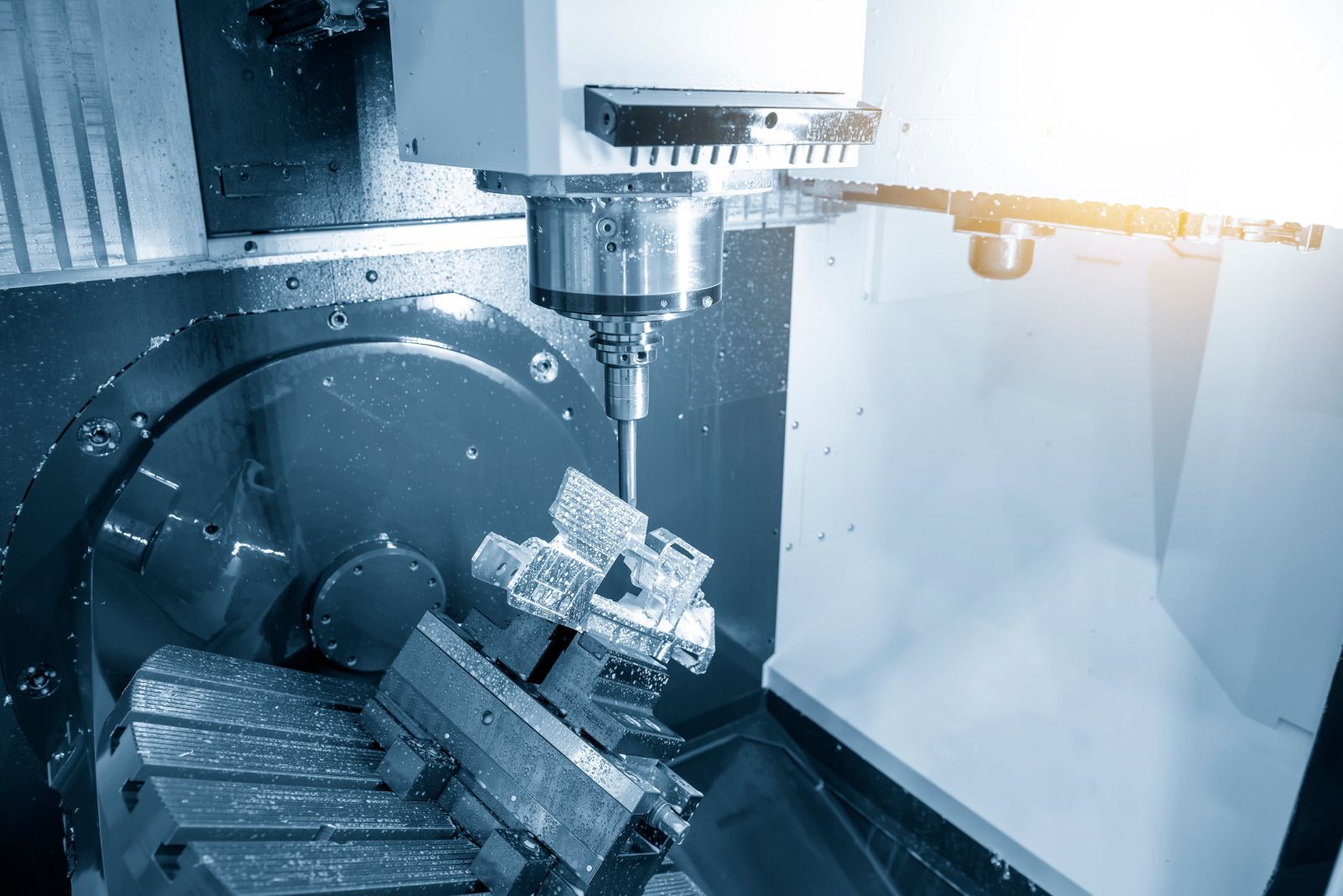
CNC Milling Machines: These machines are the workhorses of the metalworking industry. They use rotary cutters to remove material from a workpiece, producing precision parts with complex shapes. Vertical and horizontal milling machines are common variations, with each having its advantages.
-
CNC Lathe Machines: Lathes are used to create cylindrical or tubular components by rotating the workpiece against cutting tools. CNC lathe machines are ideal for producing parts like shafts, bolts, and fittings.
-
CNC Plasma Cutters: These machines use a high-velocity jet of plasma to cut through metal sheets with exceptional precision. They are commonly used in industries requiring intricate metal shapes, such as automotive and aerospace.
-
CNC Laser Cutters: Laser cutting machines employ focused laser beams to cut through metal sheets. They excel in producing fine details and are used extensively in industries like custom signage and jewelry making.
-
CNC Waterjet Cutters: Waterjet cutting machines use a high-pressure stream of water mixed with abrasive materials to cut through metal. They are suitable for various materials, including metals, ceramics, and composites.
-
CNC EDM (Electrical Discharge Machining): EDM machines use electrical discharges to erode material from the workpiece. They are highly precise and are often used for making molds and dies.
-
CNC Punch Presses: These machines are designed for high-speed punching, forming, and bending operations. They are commonly used in sheet metal fabrication.
Each type of metal CNC machine offers unique capabilities and is best suited for specific applications. Understanding these distinctions is crucial for making an informed decision when investing in CNC technology for your business.
How Metal CNC Machines Work
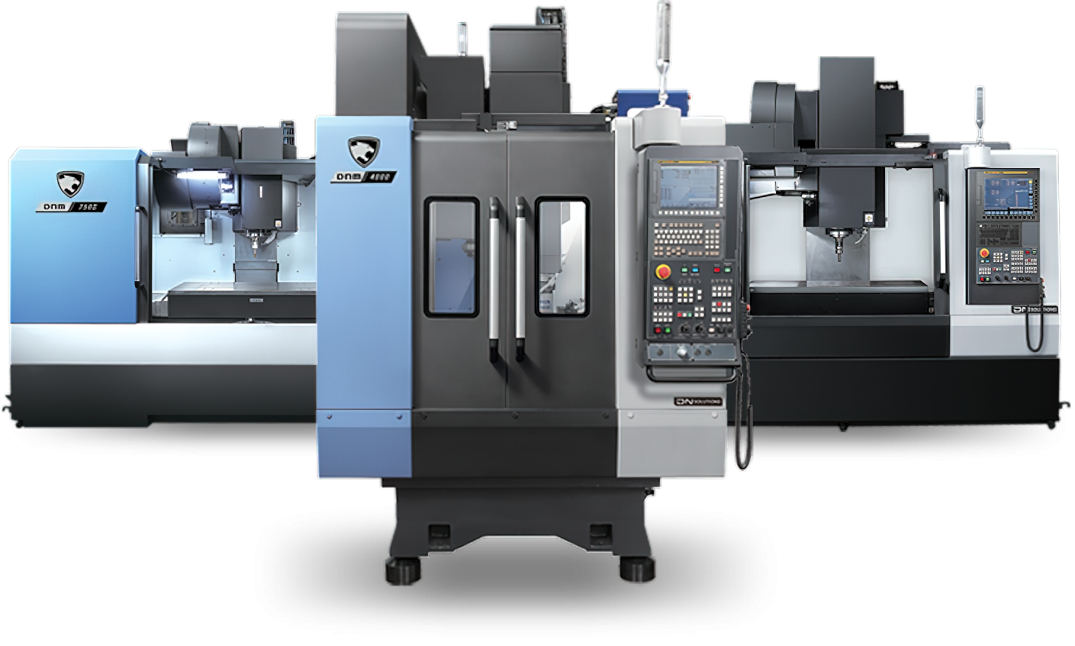
Metal CNC machines operate based on the principles of computer numerical control, where computer programs (often referred to as G-code) guide the machine's movements and operations. Understanding how these machines work is fundamental for anyone considering their use in manufacturing.
The process begins with the creation of a 3D computer-aided design (CAD) model of the desired part or component. This CAD model is then converted into a CNC program that contains the precise instructions for the machine's movements and operations.
Once the CNC program is loaded into the machine's computer, the operator secures the raw metal workpiece onto the machine's worktable. The machine's cutting or shaping tool is equipped with the appropriate tooling, such as end mills, drills, or lasers, depending on the type of CNC machine.
The CNC machine's computer interprets the program's instructions and directs the tool to move along the X, Y, and Z axes with incredible precision. As the tool follows the programmed path, it removes material or shapes the workpiece accordingly. This process continues until the part is completed, with the CNC machine automatically adjusting its movements and tooling as necessary.
One of the key advantages of metal CNC machines is their ability to make highly precise and repetitive movements. This precision is achieved through the use of servo motors and feedback systems that constantly monitor and adjust the machine's position. As a result, even intricate and complex parts can be manufactured with exceptional accuracy.
Additionally, CNC machines can often operate 24/7 without the need for human intervention, further increasing their efficiency and productivity. This automation allows manufacturers to reduce lead times and meet tight production schedules.
In summary, metal CNC machines work by using computer programs to guide their movements and operations, resulting in the precise machining and shaping of metal workpieces. Understanding this process is essential for harnessing the full potential of CNC technology in manufacturing.
Applications of Metal CNC Machines
The versatility and precision of metal CNC machines make them invaluable across a wide range of industries. Here are some notable applications that highlight their significance:
-
Aerospace Industry: In aerospace manufacturing, precision is non-negotiable. Metal CNC machines are used to create critical components like aircraft engine parts, landing gear, and structural elements. Their ability to work with aerospace-grade materials and produce intricate shapes ensures the safety and reliability of aircraft.
-
Automotive Manufacturing: The automotive industry relies heavily on metal CNC machines for producing engine components, transmission parts, and chassis components. CNC technology enables automakers to meet stringent quality standards and design specifications.
-
Medical Device Manufacturing: From surgical instruments to prosthetic implants, the medical device industry demands extreme precision and biocompatibility. Metal CNC machines are instrumental in crafting intricate medical devices that improve patient outcomes and quality of life.
-
Electronics Manufacturing: Precision is crucial in the production of electronics, and metal CNC machines play a vital role in creating components like connectors, heat sinks, and enclosures. They ensure that electronic devices function reliably and efficiently.
-
Tool and Die Making: Tool and die makers use CNC technology to create molds, dies, and tooling for various industries. These precision tools are essential for mass production processes and are used in industries ranging from plastics to metal stamping.
-
Custom Jewelry Design: CNC machines are employed by jewelry artisans and designers to create intricate and personalized pieces. They enable the crafting of detailed jewelry with precision and consistency.
-
Architectural Metalwork: In architectural applications, metal CNC machines are used to fabricate decorative metalwork, ornamental gates, and custom metal structures. Their ability to create intricate designs enhances the aesthetics of buildings and structures.
-
Marine and Shipbuilding: CNC technology is used in the construction of ships and marine equipment. It ensures the accuracy of components like propellers, hull sections, and navigation equipment.
-
Energy Sector: CNC machines are involved in manufacturing parts for the energy sector, including components for wind turbines, nuclear reactors, and oil and gas exploration equipment.
-
Consumer Goods: Metal CNC machines are used in the production of various consumer goods, including high-quality kitchen appliances, sporting equipment, and even custom firearms.
These diverse applications illustrate the adaptability of metal CNC machines across industries where precision, efficiency, and quality are paramount. As technology continues to advance, their role in manufacturing will only become more prominent.
Factors to Consider When Choosing a Metal CNC Machine
Selecting the right metal CNC machine is a critical decision that can significantly impact your manufacturing process. To make an informed choice, consider the following factors:
-
Machine Type: Determine which type of CNC machine best suits your needs based on the specific tasks you intend to perform. Whether it's milling, turning, cutting, or shaping, choose a machine that aligns with your production requirements.
-
Size and Capacity: Evaluate the size and capacity of the machine's work envelope. Ensure it can accommodate the dimensions of your typical workpieces, both in terms of size and weight.
-
Materials Compatibility: Check whether the CNC machine is compatible with the materials you intend to work with. Some machines are designed for specific types of metals, while others offer more versatility.
-
Accuracy and Precision: Assess the machine's precision, accuracy, and repeatability. This is crucial, especially for industries where tight tolerances are essential.
-
Speed and Feed Rates: Consider the machine's speed and feed rates. Faster machines can increase productivity, but they should not compromise on precision.
-
Tooling and Accessories: Examine the availability and compatibility of tooling and accessories for your chosen machine. Having a wide range of tooling options can enhance the machine's versatility.
-
Ease of Use: Evaluate the user-friendliness of the machine's control system. An intuitive interface and easy programming can reduce the learning curve for operators.
-
Maintenance and Support: Inquire about the maintenance requirements and the availability of technical support and spare parts. Reliable support can minimize downtime and keep your operations running smoothly.
-
Cost and Budget: Consider your budget constraints and the overall cost of ownership, which includes not only the machine's purchase price but also operating costs and potential energy consumption.
-
Future Expansion: Think about your future needs. Will the machine accommodate potential growth in your business, or will you need to invest in additional equipment down the line?
-
Brand Reputation: Research the reputation of the manufacturer or brand. Established and reputable manufacturers often provide better quality and support.
-
Safety Features: Ensure the machine has adequate safety features to protect operators and prevent accidents.
Taking these factors into account when choosing a metal CNC machine will help you make a well-informed decision that aligns with your production goals and requirements.
.jpeg)
Maintenance and Troubleshooting Tips for Metal CNC Machines
Proper maintenance is essential to ensure the longevity and consistent performance of metal CNC machines. Additionally, knowing how to troubleshoot common issues can minimize downtime and keep your production on track. Here are some maintenance and troubleshooting tips:
Maintenance Tips:
-
Regular Cleaning: Clean the machine's work area, including chips and debris, to prevent interference with the machining process.
-
Lubrication: Follow the manufacturer's guidelines for lubricating moving parts. Proper lubrication reduces friction and wear.
-
Tool Inspection: Regularly inspect and replace worn or damaged cutting tools to maintain precision.
-
Coolant Management: Maintain coolant levels and monitor their condition. Proper coolant circulation prevents overheating and ensures efficient cutting.
-
Axis Calibration: Periodically calibrate the machine's axes to maintain accuracy. Over time, vibrations and wear can affect calibration.
-
Electrical Connections: Check electrical connections and cables for wear or loose connections, as these can lead to electrical issues.
-
Software Updates: Keep the CNC machine's control software up to date to benefit from performance enhancements and bug fixes.
-
Spindle Maintenance: If your machine has a spindle, monitor its condition and replace bearings as needed to prevent excessive vibration.
Troubleshooting Tips:
-
Tool Breakage: If tools are breaking frequently, check for improper tool selection, excessive feed rates, or incorrect cutting parameters.
-
Surface Finish Issues: Poor surface finish may result from worn tools, incorrect tool geometry, or improper feeds and speeds. Adjust accordingly.
-
Accuracy Problems: If the machine's accuracy is compromised, inspect ball screws, guides, and linear bearings for wear or damage.
-
Software Errors: If the CNC control software is malfunctioning, check for corrupted files, reinitialize the control system, or contact technical support.
-
Overheating: Overheating can lead to thermal expansion, affecting accuracy. Ensure adequate cooling and ventilation around the machine.
-
Electrical Issues: If you encounter electrical problems, inspect wiring, connections, and fuses. Faulty electrical components may need replacement.
-
Vibration and Noise: Excessive vibration and noise can indicate issues with the spindle, tooling, or machine foundations. Investigate and address the root cause.
-
Safety Concerns: Address any safety-related issues immediately to prevent accidents. Ensure that emergency stop buttons and safety interlocks are functioning correctly.
Regularly scheduled maintenance and a proactive approach to troubleshooting can significantly reduce downtime and increase the overall efficiency of your metal CNC machines.
Training and Certification for Operating Metal CNC Machines
Operating metal CNC machines requires specialized knowledge and skills to ensure safe and efficient production. Training and certification programs are essential for individuals looking to excel in this field.
-
Basic CNC Training: Beginners should start with basic CNC training courses that cover the fundamentals of CNC technology, including machine operation, G-code programming, and safety protocols.
-
Advanced CNC Training: For those seeking to specialize, advanced CNC training programs offer in-depth knowledge of specific machine types, such as milling, turning, or laser cutting.
-
Programming Courses: Learning G-code programming is crucial for CNC machine operators. These courses teach how to create, edit, and troubleshoot CNC programs.
-
Safety Training: Safety is paramount in CNC machining. Training programs should include instruction on machine safety, including proper use of personal protective equipment (PPE).
-
Tooling and Materials: Understanding tooling selection and materials compatibility is vital. Specialized training in this area helps operators optimize machining processes.
-
Maintenance and Troubleshooting: Training in machine maintenance and troubleshooting equips operators with the skills to keep machines running smoothly and address common issues.
-
CAD/CAM Software Training: Proficiency in computer-aided design (CAD) and computer-aided manufacturing (CAM) software is essential for creating and optimizing CNC programs.
Certification in CNC machining can enhance job prospects and demonstrate competence to potential employers. It is often offered by technical schools, community colleges, and industry associations. Certification programs typically include both theoretical and hands-on training, ensuring that operators are well-prepared for the demands of the job.
Future Trends in Metal CNC Machine Technology
The world of metal CNC machines is constantly evolving, driven by advancements in technology and industry demands. Several key trends are shaping the future of CNC machining:
-
Integration of AI and Machine Learning: AI and machine learning algorithms are being incorporated into CNC machines to optimize tool paths, predict maintenance needs, and enhance overall efficiency.
-
IoT Connectivity: The Internet of Things (IoT) is enabling remote monitoring and data collection from CNC machines. This data can be used for predictive maintenance, process optimization, and quality control.
-
Additive Manufacturing Integration: The integration of CNC machining with additive manufacturing (3D printing) is becoming more prevalent. This combination allows for the creation of complex parts with greater efficiency.
-
Increased Automation: CNC machines are becoming more automated, reducing the need for constant operator supervision. This trend is driving productivity gains and cost reductions.
-
Enhanced Precision: Advancements in sensor technology and feedback systems are leading to even greater precision in CNC machining, allowing for the production of ever-smaller and more intricate components.
-
Green Machining: Environmental concerns are pushing the development of eco-friendly machining processes that minimize waste, energy consumption, and emissions.
-
Customization and Small-Batch Production: CNC machines are being used to produce highly customized and low-volume parts efficiently, catering to niche markets and individualized needs.
-
Human-Machine Collaboration: Collaborative robots (cobots) are being integrated into CNC machining processes, allowing for safer and more flexible manufacturing environments.
-
Hybrid Machines: CNC machines that combine multiple machining techniques, such as milling and additive manufacturing, are on the rise, offering versatility and efficiency.
-
Global Supply Chain Resilience: CNC machining is playing a crucial role in enhancing supply chain resilience by enabling local and on-demand production.
In conclusion, the future of metal CNC machines promises increased automation, precision, and integration with emerging technologies. Staying informed about these trends is essential for businesses looking to remain competitive in the evolving landscape of manufacturing.
Conclusion
Metal CNC machines have undeniably transformed the manufacturing industry, offering a multitude of advantages, including unparalleled precision, versatility, efficiency, and cost-effectiveness. They find applications in aerospace, automotive, medical, electronics, and various other sectors, enabling the production of high-quality components with remarkable consistency.
When choosing a metal CNC machine, it's essential to consider factors such as machine type, size, materials compatibility, accuracy, and budget constraints. Regular maintenance and troubleshooting are crucial to ensuring optimal machine performance and minimizing downtime.
Training and certification programs are invaluable for operators looking to master the art of CNC machining, while staying up-to-date with future trends, including AI integration, IoT connectivity, and increased automation, will be essential for businesses seeking a competitive edge in the ever-evolving world of manufacturing. Ultimately, embracing the advantages of metal CNC machines and staying ahead of industry developments will be key to success in this dynamic field.
.jpg)
FAQ 1: What are the Advantages of Using YICHOU's Metal CNC Machines?
Keywords: YICHOU, Advantages, Metal CNC Machines
At YICHOU, our metal CNC machines offer several advantages that set them apart. With precision at the core of our machines, you can expect flawless results every time. Whether you need intricate aerospace components or custom jewelry, our CNC machines deliver unrivaled precision. Moreover, our machines are designed for versatility, ensuring they can work with a variety of metals, including aluminum, steel, brass, and titanium. This adaptability provides you with the flexibility needed for diverse manufacturing tasks. To top it off, our machines are cost-effective, offering long-term savings through reduced labor and material costs, making YICHOU the choice for businesses looking to gain a competitive edge.
FAQ 2: How Do YICHOU's Metal CNC Machines Ensure Precision in Manufacturing?
Keywords: YICHOU, Precision, Metal CNC Machines
YICHOU's metal CNC machines are engineered to deliver precision in manufacturing. Our machines rely on computer numerical control (CNC) technology, guided by precise computer programs. This technology ensures that the movements and operations of the machine follow the exact specifications, resulting in impeccable precision. Additionally, our machines incorporate advanced servo motors and feedback systems that constantly monitor and adjust the machine's position. This feature guarantees that even the most complex and intricate parts are manufactured with exceptional accuracy. When precision matters most, YICHOU's metal CNC machines are the reliable choice for your manufacturing needs.
FAQ 3: What Types of Metal CNC Machines Does YICHOU Offer?
Keywords: YICHOU, Metal CNC Machines, Types
YICHOU offers a diverse range of metal CNC machines tailored to various manufacturing requirements. Whether you need milling, turning, laser cutting, or plasma cutting, we have you covered. Our CNC milling machines are ideal for creating precision parts with complex shapes, while our CNC lathe machines are perfect for cylindrical components. We also provide CNC plasma cutters, CNC laser cutters, and CNC waterjet cutters for intricate metal cutting tasks. Additionally, our CNC EDM machines excel in producing molds and dies. With YICHOU, you'll find the right type of metal CNC machine for your specific applications.
FAQ 4: What Training and Certification Programs Does YICHOU Offer for Operating Metal CNC Machines?
Keywords: YICHOU, Training, Certification, Metal CNC Machines
YICHOU offers comprehensive training and certification programs for operating metal CNC machines. Our programs cover everything from basic CNC training to advanced courses that specialize in specific machine types like milling, turning, and laser cutting. We ensure that our operators are well-versed in G-code programming, safety protocols, and maintenance. Additionally, YICHOU's training programs equip operators with the skills needed to work with various materials and tooling effectively. Our certification demonstrates competence and proficiency, making our operators highly sought after in the manufacturing industry.
FAQ 5: What Future Trends in Metal CNC Machine Technology Can We Expect from YICHOU?
Keywords: YICHOU, Future Trends, Metal CNC Machine Technology
YICHOU is committed to staying at the forefront of metal CNC machine technology. We are actively integrating artificial intelligence (AI) and machine learning into our machines to optimize performance. IoT connectivity is a priority, enabling remote monitoring and predictive maintenance. Furthermore, our commitment to sustainability drives the development of eco-friendly machining processes, minimizing waste and energy consumption. With YICHOU, you can expect ongoing innovation, including the integration of additive manufacturing, enhanced precision, and human-machine collaboration. We are dedicated to helping you stay competitive in the evolving world of manufacturing with cutting-edge technology.