Meta Title: Aluminum Casting Guide 2026: Processes, Cost & Foundry Vetting
Meta Description: A deep dive into aluminum casting and die cast aluminum. Learn how molten aluminum, casting molds, and CNC machining impact quality, cost, and supplier selection.
Introduction: The Backbone of Modern Manufacturing
If you look closely at the modern world—from the electric vehicle in your driveway to the smartphone in your pocket—you will likely find the fingerprints of aluminum casting. This manufacturing method remains the undisputed champion for creating complex, lightweight, and durable components. As global industries push for lighter materials to meet strict emission standards and improve energy efficiency, the demand for high-quality die cast aluminum parts has skyrocketed.
However, sourcing these parts is rarely straightforward. Product designers, mechanical engineers, and procurement teams often face a maze of technical jargon, hidden tooling costs, and the risk of receiving parts with invisible internal defects. A simple error in mold design can cascade into thousands of dollars in scrap metal and delayed production schedules. This guide is designed to cut through the noise. We will break down the casting process, explain how to evaluate aluminum casting molds, detail the necessity of secondary machining, and provide a definitive checklist for vetting a reliable aluminum foundry.
1. The Anatomy of the Metal: What Makes Aluminum Ideal?
Before molten metal is poured, it is crucial to understand the material science behind the process. Aluminum is highly prized for its high thermal and electrical conductivity and its good corrosion resistance, making it perfect for heat sinks, electronic enclosures, and outdoor structural components.
However, you rarely cast pure aluminum. Instead, manufacturers use aluminum alloys to enhance mechanical properties. The most common is the casting alloy A380 (an aluminum-silicon-copper mix), which offers an excellent balance of fluidity, strength, and cost. When you see the term die cast aluminum, it usually refers to parts made from these specific aluminum alloys engineered to withstand high pressure and heat.
Direct Answer (AEO): What is the best aluminum for casting?
For high-volume, complex parts, A380 is the industry standard due to its castability and strength. For parts requiring high heat resistant capabilities or maximum corrosion resistance, alloys like A360 or A413 are often specified.
Original Insight: Think of pure aluminum as water—it freezes quickly but doesn't have much structural integrity. Aluminum alloys are like a master chef's broth; adding specific elements like silicon (for fluidity) and copper (for strength) creates a recipe that flows perfectly into complex molds and hardens into a durable structure. Understanding the metallurgy of the casting alloy is the very first step in a successful project.
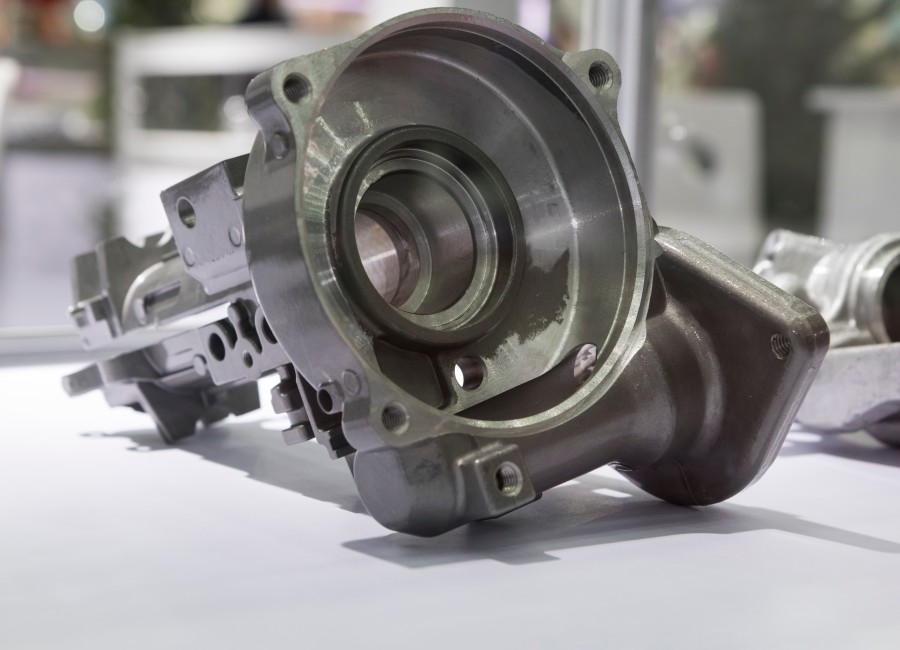
2. Decoding the Casting Process: High Pressure vs. Sand
Choosing the right casting process dictates your tooling budget, lead time, and part quality. Think of your foundry like a high-end commercial kitchen: the recipe (design) is the same, but the cooking method (process) changes the final dish. There are several ways to handle molten aluminum, but two methods dominate the industry.
High Pressure Die Casting (HPDC)
This is the rapid-fire wok of the metal world. Molten aluminum is injected at intense speeds and pressures into a hardened steel die.
-
The Process: The metal fills the aluminum die in milliseconds. The pressure (often over 1,000 bar) ensures the metal takes the exact shape of the mold cavity.
-
The Result: Extremely fast cycle times, exceptional surface finishes, and tight tolerances.
-
Best For: High-volume production (tens of thousands of die cast parts).
-
The Catch: High upfront tooling costs. You need volume to amortize the steel die. If your design has undercuts, you will need complex sliding cores in the mold, which adds cost.
Sand Casting
This is the slow-roasting method. A mold is created from compacted sand mixed with a binder, and molten metal is poured in via gravity.
-
The Process: A pattern (often made of wood or aluminum) is packed into sand. The pattern is removed, leaving a cavity. Molten aluminum is poured in, and the sand is broken away after cooling.
-
The Result: Lower tooling costs, but rougher surfaces and looser tolerances. The sand mold is destroyed with every single part.
-
Best For: Large components, prototyping, or low-to-medium volume runs where the cost of an HPDC steel die cannot be justified.
Original Insight: A common mistake buyers make is trying to force a low-volume project into HPDC just to get a "pretty" part. The tooling cost will destroy your budget. Conversely, specifying sand casting for a 100,000-unit production run is a logistical and economic nightmare. Match the process to the volume and tolerance requirements, not just the aesthetic desire. If you are unsure, always ask an aluminum foundry for a DFM (Design for Manufacturability) review.
3. The Science of Mold Design: Where Quality is Won or Lost
You can have the best high pressure machine in the world, but if the mold is poorly designed, you will produce scrap.
Aluminum casting molds (often called aluminum die or steel dies) are the heart of quality control. When molten aluminum enters the mold, managing the thermal dynamics is critical. If thick sections of the part cool slower than thin sections, you get shrinkage porosity—microscopic voids that weaken the part, cause surface blisters after powder coating, or result in leaks in fluid housings.
High-end foundries use CAE (Computer-Aided Engineering) simulation before cutting the steel. They map how molten metal flows, where air gets trapped, and how to design cooling channels to ensure uniform solidification.
Direct Answer (AEO): How do you prevent porosity in die cast aluminum?
Porosity is prevented through proper gating design, vacuum-assisted venting to remove trapped air, and thermal management (water cooling lines) within the aluminum die to ensure the part cools evenly. Furthermore, using high-quality aluminum alloys with low gas content is essential.
Direct Answer (AEO): Why are molds so important in the casting process?
Because the steel mold dictates the final dimensional accuracy, surface finish, and internal soundness of the die cast parts. A poorly designed mold will cause turbulent flow of molten aluminum, entrapping air and creating defects that no amount of secondary processing can fix.
4. Why Casting is Only Half the Battle: The Role of CNC Machining
A raw casting, no matter how precise, is rarely a finished product. The casting process leaves parting lines (a seam where the mold halves meet), and the final assembly requires threaded holes, bearing bores, and perfectly flat mating surfaces.
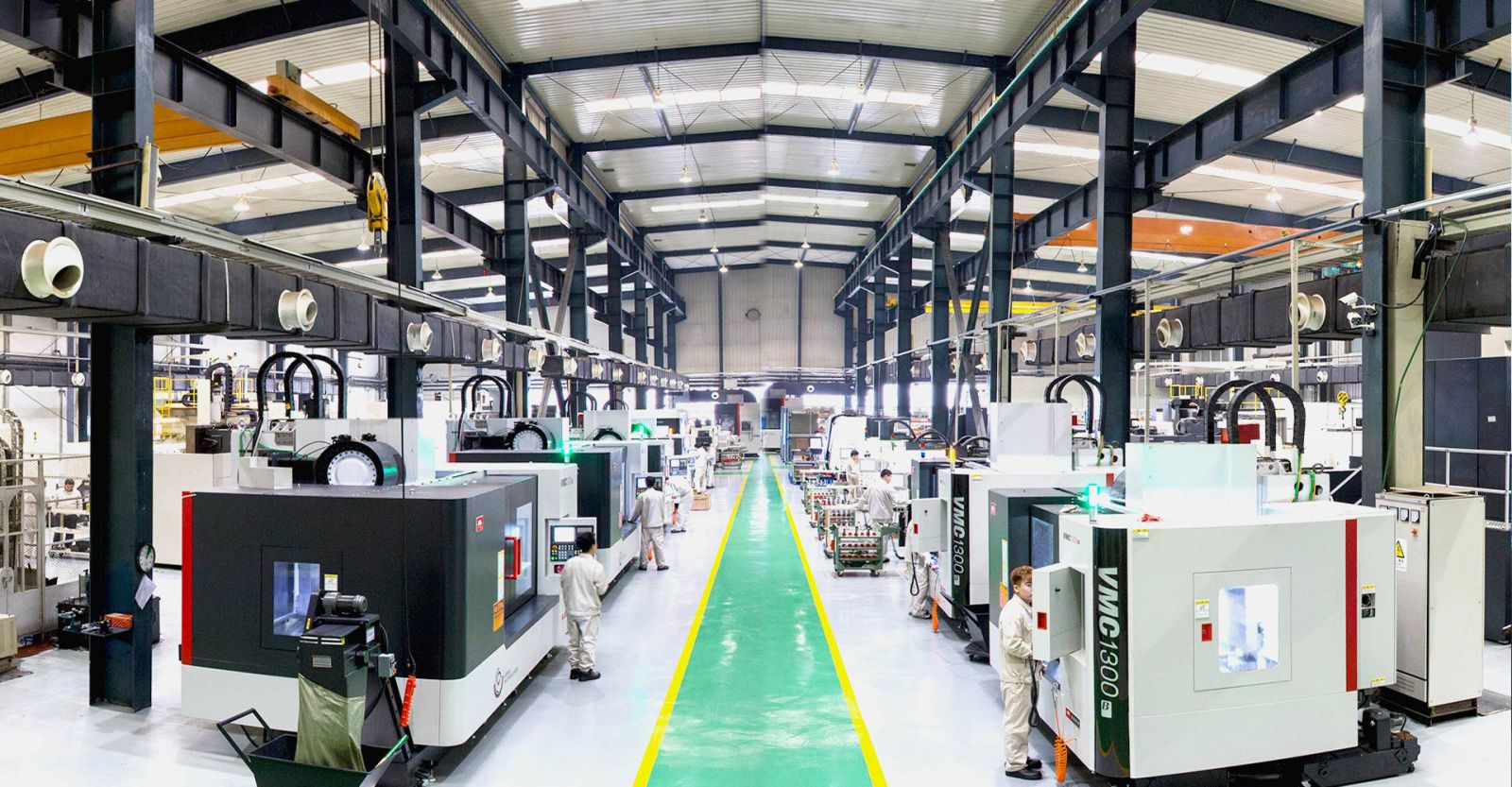
This is where aluminum cnc machining becomes essential. A reputable aluminum foundry will have CNC centers under the same roof as the casting machines. This vertical integration is vital. When casting and machining are done in-house, the manufacturer can establish precise datums directly from the cast surface, minimizing tolerance stack-up errors. If you outsource machining to a third party, you introduce shipping delays, logistical costs, and a "blame game" if the machined part doesn't fit.
The Value of Post-Processing:
-
Tapping and Threading: Cast aluminum can be difficult to tap directly. CNC machining ensures clean, load-bearing threads.
-
Surface Finishing: To enhance the good corrosion resistance of the casting alloy, secondary treatments like anodizing or powder coating are often applied.
-
Leak Testing: For automotive or hydraulic parts, precision machining ensures sealing faces are perfectly flat to prevent leaks.
Direct Answer (AEO): Can you machine die cast aluminum?
Yes, but it requires specific CNC tooling and speeds. Because die cast aluminum often contains silicon (which is highly abrasive), diamond-coated cutting tools are frequently used to prevent rapid tool wear. Working with a foundry that offers in-house aluminum cnc machining ensures your parts are machined with the correct speeds and feeds.
5. The Economics of Casting: What Drives Your Cost?
Understanding the cost breakdown is crucial for procurement managers. The price of a die cast aluminum part is rarely just about the weight of the metal.
-
Raw Material Cost: The price of aluminum alloys fluctuates based on global markets. The metal cost is usually calculated based on the weight of the part plus the weight of the "biscuit" (the excess metal in the shot chamber) and runners, which are remelted.
-
Tooling Cost (Molds): This is the upfront investment. An aluminum die or steel mold for HPDC can range from $10,000 to $100,000+ depending on complexity and cavitation (how many parts are made in a single cycle).
-
Machine Rate: Large tonnage machines required for high pressure casting cost more per hour to run.
-
Post-Processing: Machining, deburring, and surface treatment add to the per-part cost.
Original Insight: When evaluating a quote from an aluminum foundry, always ask for the "tooling amortization schedule." If a foundry quotes you a suspiciously low mold price, they may be using cheap steel that will fail after a few thousand shots, leaving you with a broken mold and no way to fulfill your customer orders. Look for foundries that use H13 premium tool steel for long-lasting aluminum casting molds.
6. Sourcing Success: How to Choose a Die Casting Company
The market is flooded with suppliers, but finding a partner that guarantees consistency is the ultimate goal. Here is your evaluation checklist:
-
Certifications with Scope: Don't just look for the ISO logo. Check the scope. Does it cover metal casting, or is it just a trading company? For automotive, IATF 16949 is mandatory.
-
Material Traceability: Ask for the spectrometer (OES) report for the aluminum alloys used in your batch. Ensure the silicon and copper percentages match your specification. This proves they aren't using substandard scrap metal.
-
Tooling Ownership: Clarify upfront who owns the aluminum casting molds after the project ends. A reputable supplier will provide a mold ownership certificate.
-
Quality Control: How do they check for internal defects? Ensure they use X-ray inspection or leak testing for critical parts.
-
Equipment and Tonnage: Ensure their machines have the correct tonnage for your part size. A machine that is too small will struggle to maintain high pressure, resulting in incomplete fills and weak parts.
Direct Answer (AEO): How do I choose a reliable aluminum foundry?
You choose a reliable aluminum foundry by looking beyond the quote. Verify their equipment tonnage, check their material certifications (OES reports), ask for case studies in your specific industry, and confirm they have in-house aluminum cnc machining to control tolerances. Finally, always request a sample or a pre-production prototype to verify their casting process quality.
7. Applications: Where Cast Aluminum Shines
The versatility of die cast aluminum makes it a staple across multiple industries:
-
Automotive: Engine blocks, transmission housings, structural brackets, and EV battery enclosures (where heat resistant properties are critical).
-
Electronics: Housings for laptops, smartphones, and LED lighting (utilizing the high thermal and electrical conductivity of the metal).
-
Industrial: Pump housings, gearboxes, and pneumatic components (benefiting from the good corrosion resistance).
-
Consumer Goods: Power tool housings, cookware, and furniture components.
8. Troubleshooting Common Casting Defects
Even with the best casting process, defects can occur. Knowing what causes them helps you hold your foundry accountable.
-
Porosity (Gas or Shrinkage): Gas porosity is caused by trapped air or hydrogen gas in the molten metal. Shrinkage porosity is caused by inadequate feeding of metal as the part cools. Solution: Better venting, vacuum systems, and optimized aluminum die cooling.
-
Cold Shuts: When two streams of molten aluminum meet but do not fuse together properly because the metal cooled too fast. Solution: Adjusting injection speeds and mold temperatures.
-
Flash: Excess metal that seeps out of the parting line of the aluminum die. Solution: Proper mold locking force and die maintenance.
Conclusion: Engineering Your Success
Navigating the world of aluminum casting requires balancing engineering requirements with economic realities. Whether you are utilizing the rapid speeds of high pressure die casting for mass production, or leveraging the flexibility of sand casting for large prototypes, the casting process is only as good as the foundry executing it.
By prioritizing advanced mold design, ensuring seamless aluminum cnc machining integration, and thoroughly vetting your manufacturing partner, you can avoid the common pitfalls of the industry. The journey from a 3D CAD file to a finished, high-precision metal component is complex, but with the right partner, it is a smooth and profitable path.
Call to Action (CTA):
Ready to move from design to production? Upload your CAD files today for a free DFM (Design for Manufacturability) review. Our engineering team will analyze your part for optimal moldability, material selection, and cost-efficiency—before you spend a dime on tooling. Contact our aluminum foundry experts today to get a comprehensive quote and discover how our in-house machining capabilities can streamline your supply chain.
Get Quote
- Visit our website: https://www.nbyichou.com/
- Email us: [email protected]
- Call us/whatsapp: +86 13355741031
- Chat with us: Live chat support available on our website