Welcome to the fascinating world of plastic injection molds, where precision meets innovation. In this article, we will unravel the secrets behind these highly sought-after tools that drive the production of countless plastic products. From car parts to medical devices, plastic injection molds play a crucial role in manufacturing diverse products with unrivaled accuracy and efficiency. But what lies beneath their seamless exteriors? The answer lies in the science of precision. Each mold is meticulously designed and crafted to exact specifications, utilizing cutting-edge technology and engineering principles. The process involves injecting molten plastic into a mold cavity, allowing it to cool and solidify into the desired shape. With flawless precision, these molds ensure uniformity and repeatability, guaranteeing consistent quality in mass production. But how do they achieve such remarkable precision? It’s a combination of meticulous design, advanced materials, and intricate craftsmanship. From the selection of the right plastic material to the intricate design of the mold cavity, every element is carefully optimized to deliver impeccable results every time. Join us as we dive deep into the science of precision, exploring the intricate workings of plastic injection molds and uncovering the secrets that enable them to shape our world with utmost accuracy.
.jpg)
Title: How Plastic Injection Molds Work
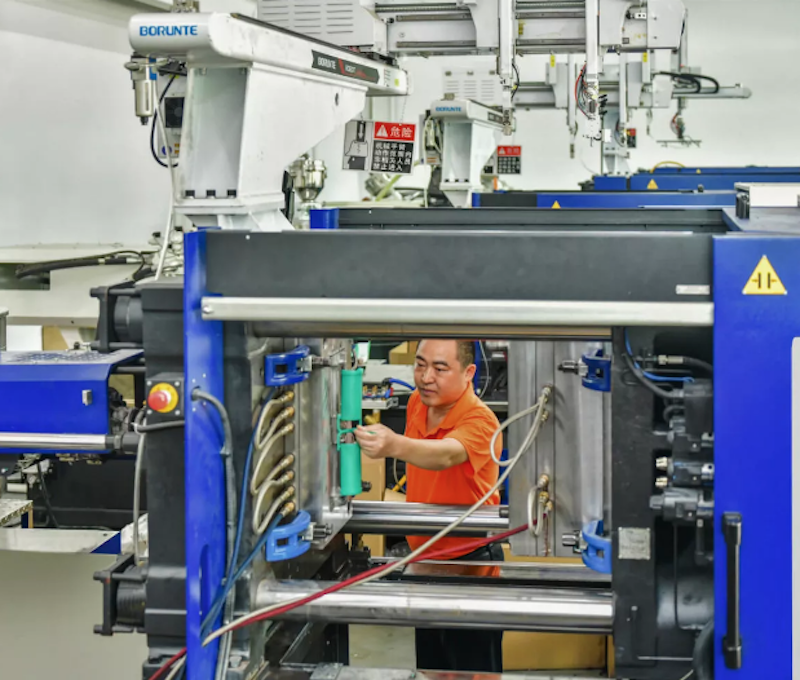
Plastic injection molding is a versatile and widely used manufacturing process that allows for the efficient production of a wide range of plastic products. At its core, plastic injection molding involves the creation of intricate and precise parts by injecting molten plastic material into a mold cavity. The process is highly automated, making it cost-effective and ideal for mass production. Let's delve deeper into the workings of plastic injection molds and understand the key components that make it all happen.
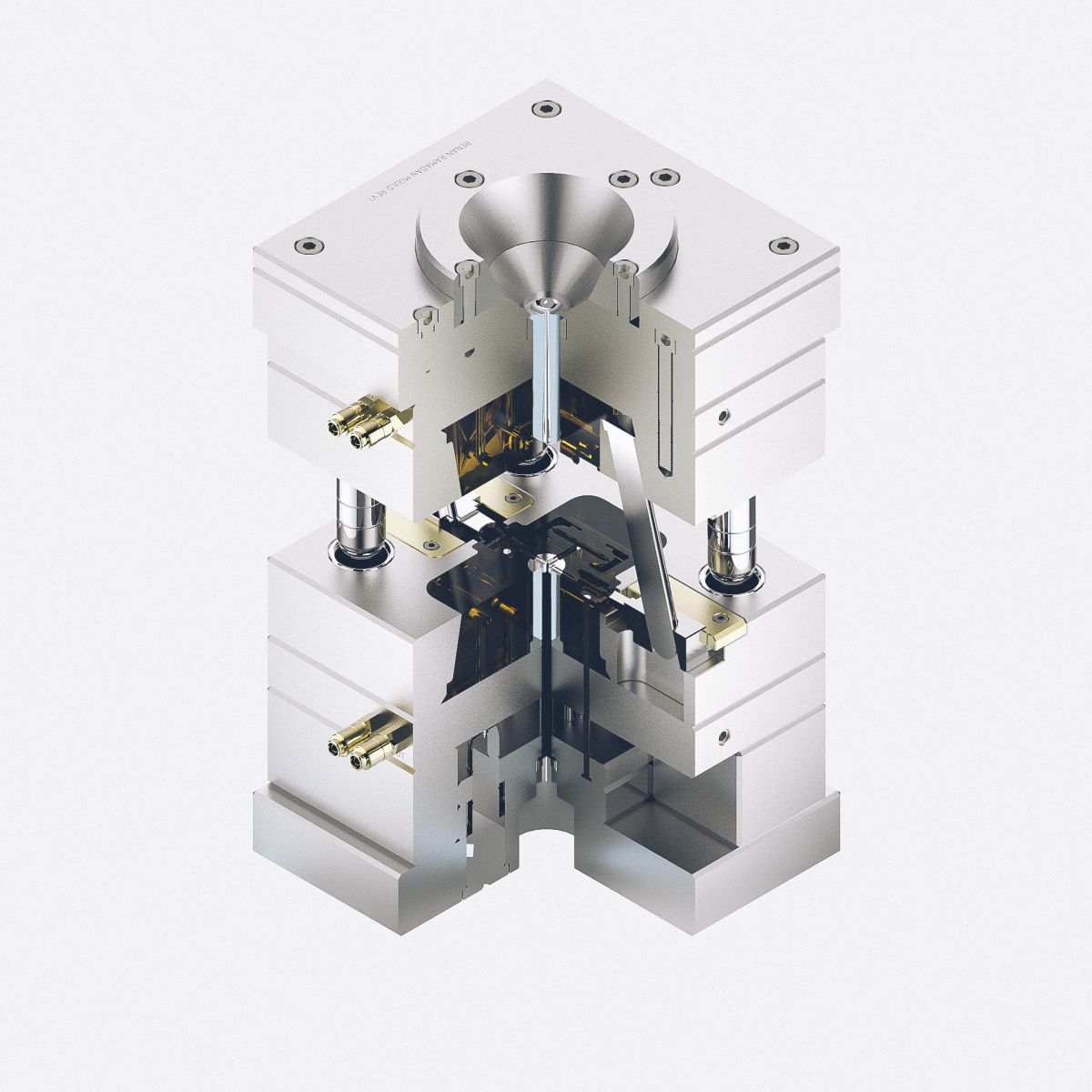
Central to the plastic injection molding process is the injection mold itself. This mold is a carefully designed and machined tool that defines the shape and dimensions of the final plastic product. Molds are typically made from steel or aluminum and consist of two main parts: the core and the cavity. These two components fit together precisely to form a hollow space in the shape of the desired product.
The process begins with the heating of plastic pellets until they reach a molten state. This molten plastic is then injected into the mold under high pressure through a sprue, runner system, and gates. As the plastic fills the cavity, it takes on the shape of the mold. Once the plastic has cooled and solidified within the mold, the mold opens, and the finished product is ejected. The cycle then repeats, allowing for rapid and continuous production.
To achieve high-quality and precise plastic parts, the design of the mold is crucial. Factors such as the type of plastic material, cooling system, and venting must be carefully considered. Additionally, the mold may incorporate features like ejector pins and slides to aid in the removal of the finished product. Proper mold design ensures that the final product meets the desired specifications and tolerances.
In conclusion, plastic injection molds are the backbone of the plastic injection molding process. Their intricate design and precise manufacturing enable the production of a wide variety of plastic products efficiently and cost-effectively. Understanding how these molds work is essential for anyone involved in plastic manufacturing.
Title: Types of Plastic Injection Molds
When it comes to plastic injection molding, not all molds are created equal. Different types of molds are used to produce a diverse range of plastic products, each with its own unique characteristics and applications. To optimize your plastic manufacturing process, it's crucial to understand the various types of injection molds available and how they cater to specific needs.
-
Single Cavity Molds: These molds are designed to produce a single plastic part per cycle. They are ideal for low-volume production runs and prototyping. Single cavity molds are relatively simple in design and are often used when the cost of creating a multi-cavity mold is not justified.
-
Multi-Cavity Molds: In contrast to single cavity molds, multi-cavity molds have multiple identical cavities within the same mold. This means that they can produce several parts in a single cycle, significantly increasing production efficiency. They are a cost-effective choice for high-volume production.
-
Family Molds: Family molds are a variation of multi-cavity molds but are used to produce different parts simultaneously in a single mold. This is useful when multiple components are required for a single product, such as a cap and a bottle for a beverage container.
-
Insert Molds: Insert molds are designed to accommodate pre-made components or inserts, such as metal pins or threaded inserts. These inserts are placed into the mold cavity before the plastic is injected, ensuring a secure and integrated final product.
-
Overmolding Molds: Overmolding is a technique where a second material is molded over an existing plastic part or substrate. This can create products with soft-touch grips, color variations, or additional functionalities. Overmolding molds are specialized for this purpose.
-
Hot Runner Molds: Hot runner molds utilize a heated runner system that keeps the plastic in the channels between the mold cavities molten. This reduces waste and cycle time, making them ideal for large-scale production of precision parts.
-
Cold Runner Molds: Cold runner molds have a runner system that is not heated. While they may produce more waste material, they are simpler and more cost-effective for smaller production runs.
Understanding the type of mold that suits your project's requirements is crucial for optimizing production efficiency and cost-effectiveness. Each type of mold has its own advantages and limitations, and selecting the right one can significantly impact the success of your plastic manufacturing project.
.jpeg)
Title: Factors to Consider When Designing a Plastic Injection Mold
Designing an effective plastic injection mold is a critical step in the manufacturing process. The mold's design directly influences the quality of the final product, production efficiency, and overall costs. To create a mold that meets your specific requirements, several key factors must be carefully considered and incorporated into the design process.
-
Material Selection: The type of plastic material to be used plays a fundamental role in mold design. Different plastics have varying melt temperatures, shrink rates, and flow characteristics. The mold must be designed to accommodate the chosen material's properties, ensuring that it fills the cavity properly and results in a high-quality product.
-
Part Geometry: The complexity of the part's geometry determines the mold's intricacy. Complex shapes may require additional features such as slides, lifters, or cores to achieve the desired form. Simple parts, on the other hand, can be produced with a basic mold design.
-
Wall Thickness: Maintaining uniform wall thickness is essential to prevent defects such as warping, sink marks, or voids. The mold should be designed to allow for consistent material flow and cooling to achieve the desired wall thickness throughout the part.
-
Cooling System: Efficient cooling is critical to the plastic injection molding process. Properly designed cooling channels in the mold help control cycle times and prevent overheating, which can lead to part defects. Advanced cooling technologies, such as conformal cooling, can optimize this aspect.
-
Venting: Proper venting in the mold is necessary to allow air and gases to escape as the plastic material fills the cavity. Inadequate venting can result in trapped air bubbles or incomplete filling, leading to defects in the final product.
-
Ejection System: The mold's ejection system, which includes ejector pins, sleeves, and lifters, must be designed to facilitate the removal of the finished part without damaging it. This is especially crucial for intricate or fragile parts.
-
Tolerance and Surface Finish: Depending on the part's specifications, tight tolerances and specific surface finishes may be required. These factors should be considered during mold design to ensure the desired product quality.
-
Runner and Gate Design: The runner system and gate design impact material flow and waste generation. Optimal runner and gate configurations help reduce material waste and cycle times, improving overall efficiency.
-
Mold Materials and Durability: Choosing the right materials for the mold, such as tool steel or aluminum, is essential for durability and longevity. Factors like abrasion resistance and thermal conductivity should be taken into account.
-
Mold Maintenance: Consider ease of maintenance during mold design. Accessible components and clear documentation can streamline mold upkeep, minimizing downtime and costs.
Successful mold design requires a deep understanding of these factors and how they interact with each other. Collaborating with experienced mold designers and manufacturers is often the key to ensuring that your mold meets all specifications and produces high-quality plastic parts efficiently.
.png)
Title: Steps in the Plastic Injection Molding Process
The plastic injection molding process is a precise and well-structured sequence of steps that transforms raw plastic material into a final product. Understanding these steps is essential for optimizing production efficiency and ensuring the quality of the finished parts. Let's take a closer look at the key stages involved in plastic injection molding:
-
Material Preparation: The process begins with the preparation of the plastic material. Small plastic pellets or granules are loaded into a hopper and fed into the injection molding machine. The material is then heated to its melting point within the machine's barrel.
-
Injection: Once the plastic is molten, it is injected into the mold cavity under high pressure. The injection unit of the machine includes a screw or piston that forces the material into the mold. The mold's design and shape determine the final form of the product.
-
Cooling: After the molten plastic fills the mold cavity, it begins to cool and solidify. Proper cooling is essential to achieve the desired part quality and minimize cycle times. Cooling channels within the mold assist in this process.
-
Mold Opening: Once the plastic has cooled sufficiently, the mold opens to reveal the finished part. This step is crucial, and the mold's design should allow for easy ejection of the part without damage.
-
Ejection: The finished part is ejected from the mold using an ejection system, which typically includes ejector pins or sleeves. Care must be taken to ensure that the part is removed without deformation.
-
Post-Processing: Depending on the product's requirements, post-processing may be necessary. This can include trimming excess material, adding secondary operations like assembly or printing, or performing quality inspections.
-
Quality Control: Quality control checks are essential to ensure that the parts meet the specified tolerances and quality standards. This may involve measuring dimensions, inspecting surface finish, and performing tests for strength and durability.
-
Packaging and Shipping: Once the parts have passed quality control, they are prepared for packaging and shipping to their final destination. Proper packaging protects the parts during transit and storage.
-
Repeat: The entire cycle is repeated, often multiple times per minute, depending on the complexity of the part and the capabilities of the injection molding machine. Continuous monitoring and adjustment of process parameters ensure consistent quality.
It's important to note that each of these steps requires careful attention to detail and precision to ensure the production of high-quality plastic parts. Furthermore, the choice of injection molding machine, mold design, and material selection all contribute to the success of the process.
Title: Common Challenges in Plastic Injection Molding and How to Overcome Them
While plastic injection molding is a highly efficient and versatile manufacturing process, it is not without its challenges. Manufacturers often encounter various issues that can impact product quality, production efficiency, and cost-effectiveness. Let's explore some common challenges in plastic injection molding and strategies to overcome them.
-
Warping and Shrinkage: Warping and shrinkage occur when the cooling of the plastic part is uneven, causing it to distort or contract. To address this, ensure proper mold design with uniform cooling channels and consider using materials with lower shrinkage rates. Additionally, optimizing the cooling process can help mitigate these issues.
-
Sink Marks: Sink marks are depressions or dimples on the surface of a plastic part, typically caused by uneven cooling or variations in wall thickness. To minimize sink marks, maintain consistent wall thickness, adjust gate locations, and optimize the cooling system to reduce temperature variations.
-
Flash: Flash is excess plastic material that escapes from the mold cavity, resulting in thin, unwanted protrusions on the part. Proper mold clamping and maintenance can help prevent flash. Additionally, adjusting injection pressure and temperature settings can reduce the likelihood of flash formation.
-
Short Shots: Short shots occur when the mold does not completely fill with plastic material, leaving voids or incomplete parts. To avoid short shots, optimize the injection parameters, ensure proper venting in the mold, and maintain consistent material quality.
-
Mold Maintenance: Mold maintenance is crucial to ensure the longevity and performance of the mold. Regular cleaning, lubrication, and inspection of components such as ejector pins and cooling channels are essential. Failure to maintain the mold can lead to production interruptions and defects.
-
Material Selection: Choosing the right plastic material is paramount. Inadequate material selection can result in part failure, brittleness, or other defects. Consult with material suppliers and conduct thorough testing to determine the most suitable material for your application.
-
Cycle Time Optimization: Longer cycle times can increase production costs and reduce efficiency. To optimize cycle times, adjust cooling system parameters, use hot runner molds, and fine-tune the injection process for faster and consistent results.
-
Environmental Considerations: Plastic injection molding generates waste material, which can be a concern for sustainability. Implement recycling and waste reduction practices to minimize the environmental impact of your manufacturing process.
-
Quality Control: Effective quality control measures are essential to identify and rectify defects early in the production process. Implement robust inspection protocols and invest in quality control equipment to maintain high product standards.
-
Training and Skill Development: Ensuring that your team is well-trained and knowledgeable about the injection molding process is critical. Continuous training and skill development programs can help prevent issues and improve overall efficiency.
By addressing these common challenges and implementing proactive measures, manufacturers can enhance the quality and efficiency of their plastic injection molding operations. Overcoming these hurdles not only reduces production costs but also ensures the consistent delivery of high-quality plastic products.
.jpg)
Title: Best Practices for Successful Plastic Injection Molding
To achieve success in plastic injection molding, it's essential to follow best practices that optimize the process and result in high-quality, cost-effective products. Whether you are a seasoned manufacturer or new to the industry, adhering to these best practices can make a significant difference in the outcome of your injection molding projects.
-
Collaborate with Experienced Mold Designers: Engage with experienced mold designers who understand the intricacies of mold creation. Their expertise in mold design can help you avoid costly mistakes and ensure efficient production.
-
Select the Right Material: Carefully choose the plastic material based on the application's requirements. Consider factors such as material strength, flexibility, temperature resistance, and chemical resistance to make an informed decision.
-
Optimize Mold Design: Pay meticulous attention to mold design. Ensure uniform wall thickness, proper venting, and efficient cooling channels. Well-designed molds lead to high-quality parts and shorter cycle times.
-
Use Advanced Cooling Technologies: Implement advanced cooling technologies, such as conformal cooling, to improve cooling efficiency. Efficient cooling reduces cycle times and minimizes warping and shrinkage issues.
-
Control Injection Parameters: Fine-tune injection parameters, including temperature, pressure, and speed, to achieve the desired part quality. Regularly monitor and adjust these parameters to maintain consistency.
-
Maintain and Clean Molds Regularly: Proper mold maintenance and cleaning are essential to prevent defects and ensure the longevity of the mold. Establish a routine maintenance schedule and address issues promptly.
-
Minimize Material Waste: Reduce material waste by optimizing runner and gate design. Implement a runner recycling system to reduce costs associated with material disposal.
-
Quality Control: Implement stringent quality control measures at every stage of production. Use quality control equipment such as coordinate measuring machines (CMMs) to verify part dimensions and specifications.
-
Training and Skill Development: Invest in training programs for your workforce to enhance their understanding of injection molding processes and techniques. Well-trained operators can troubleshoot and resolve issues effectively.
-
Continuous Improvement: Embrace a culture of continuous improvement. Regularly review and analyze production data to identify areas for optimization and efficiency gains.
-
Environmental Responsibility: Consider the environmental impact of your manufacturing process. Explore options for recycling and sustainable materials to align with green manufacturing practices.
-
Communication and Collaboration: Foster open communication and collaboration among team members, including mold designers, operators, and quality control personnel. Effective teamwork can lead to smoother production processes and quicker issue resolution.
By following these best practices, you can maximize the efficiency and quality of your plastic injection molding operations. Consistently producing high-quality parts while minimizing waste and defects is not only cost-effective but also crucial for maintaining a competitive edge in the industry.
Title: How to Choose the Right Plastic Injection Mold Manufacturer
Selecting the right plastic injection mold manufacturer is a critical decision that significantly impacts the success of your manufacturing project. The choice of a manufacturer can affect product quality, production efficiency, lead times, and overall costs. To make an informed decision, consider the following factors when choosing a plastic injection mold manufacturer:
-
Experience and Expertise: Look for a manufacturer with a proven track record and extensive experience in plastic injection molding. A manufacturer with a deep understanding of mold design and production techniques is more likely to deliver quality results.
-
Specialization: Consider whether the manufacturer specializes in specific industries or applications. Some manufacturers may have expertise in automotive, medical, consumer electronics, or other sectors, making them better suited for your particular needs.
-
Equipment and Technology: Evaluate the manufacturer's injection molding machines and technology. State-of-the-art equipment can contribute to higher efficiency and product quality. Inquire about their capacity to handle your project's requirements.
-
Quality Assurance: Inquire about the manufacturer's quality control processes and certifications. ISO certifications and adherence to industry standards demonstrate a commitment to quality. Request samples of their previous work to assess quality firsthand.
-
Mold Design Capabilities: Assess the manufacturer's mold design capabilities. A manufacturer with in-house mold design expertise can streamline the process and ensure that molds are optimized for your specific project.
-
Materials and Material Sourcing: Verify the manufacturer's ability to source and work with a wide range of plastic materials. They should have relationships with reputable material suppliers to ensure material quality.
-
Customization and Flexibility: Determine whether the manufacturer can accommodate customization and design changes as your project evolves. Flexibility is essential, especially for prototypes and low-volume production runs.
-
Lead Times: Inquire about the manufacturer's lead times for mold design, production, and delivery. Timely project completion is crucial to meeting production deadlines.
-
Communication and Support: Effective communication is vital for a successful partnership. Ensure that the manufacturer maintains clear lines of communication and provides responsive customer support.
-
Cost Transparency: Request a detailed cost breakdown for your project. This should include mold design fees, material costs, production costs, and any additional charges. Transparent pricing helps you plan your budget effectively.
-
References and Reviews: Ask for references from previous clients and read reviews or testimonials. This firsthand feedback can provide valuable insights into the manufacturer's reputation and performance.
-
Location: Consider the manufacturer's location in relation to your facility or distribution centers. Proximity can reduce shipping costs and lead times.
-
Sustainability Practices: If sustainability is a priority for your project, inquire about the manufacturer's environmental practices, such as waste reduction, recycling, and the use of eco-friendly materials.
-
Legal and Regulatory Compliance: Ensure that the manufacturer complies with all relevant legal and regulatory requirements, including safety, labor, and environmental regulations.
Choosing the right plastic injection mold manufacturer is a crucial step in the success of your manufacturing project. Conduct thorough research, request multiple quotes, and visit potential manufacturers' facilities if possible. By carefully evaluating these factors, you can make an informed decision that aligns with your project's goals and requirements.
Title: Cost Considerations in Plastic Injection Molding
Cost considerations play a significant role in the plastic injection molding process. To maximize profitability and competitiveness, it's essential to manage and optimize costs at every stage of production. Let's explore the key cost factors involved in plastic injection molding and strategies for cost-effective manufacturing:
-
Mold Design and Creation: The initial cost of mold design and creation can be a significant expense. However, investing in a well-designed, high-quality mold is essential for long-term cost savings through efficient production and reduced defects.
-
Material Costs: The cost of the plastic material used in injection molding varies depending on the type of material, quantity required, and market fluctuations. Careful material selection and efficient use can help manage these costs.
-
Labor Costs: Labor costs include the wages of machine operators, mold technicians, quality control personnel, and other skilled workers involved in the process. Streamlining operations and improving efficiency can help reduce labor expenses.
-
Cycle Time: Longer cycle times result in higher labor costs and reduced machine availability. Optimizing cycle times through efficient cooling, injection parameters, and automation can lead to cost savings.
-
Machine Maintenance: Regular maintenance of injection molding machines is crucial to prevent breakdowns and costly repairs. Neglecting maintenance can result in production interruptions and increased costs.
-
Waste Management: Minimizing material waste and efficiently managing runner systems and scrap is essential for cost control. Consider implementing recycling programs to reduce material disposal expenses.
-
Energy Consumption: Injection molding machines consume energy for heating, cooling, and operation. Implement energy-efficient practices and equipment to lower energy costs.
-
Tooling Costs: Beyond mold creation, tooling costs can include additional features like slides, lifters, and cores. Careful consideration of these features can help manage tooling expenses.
-
Transportation Costs: If molds or parts need to be transported between facilities, shipping costs can add up. Minimize transportation costs by selecting nearby suppliers and optimizing shipping routes.
-
Overhead Expenses: Overhead expenses, including rent, utilities, and administrative costs, contribute to the overall cost of production. Efficiently managing overhead can improve cost-effectiveness.
-
Quality Control: While quality control is essential, excessive inspections and rework can drive up costs. Implement efficient quality control processes to maintain high-quality standards without unnecessary expenses.
-
Prototyping Costs: Prototyping is often a necessary step in product development. Consider cost-effective prototyping methods, such as 3D printing, to minimize expenses during the design phase.
-
Regulatory Compliance: Ensuring compliance with industry and safety regulations may require investments in testing and certification. Budget for these expenses to avoid surprises later in the production process.
-
Economic Batch Size: Determine the optimal batch size for your production needs. Producing too few or too many parts in a single batch can result in inefficiencies and increased costs.
-
Supplier Relationships: Build strong relationships with suppliers to negotiate favorable pricing and terms for materials, tooling, and services.
-
Continuous Improvement: Embrace a culture of continuous improvement to identify and eliminate cost inefficiencies over time.
By carefully managing these cost factors and continuously seeking opportunities for improvement, you can optimize the cost-effectiveness of your plastic injection molding operations. Balancing cost control with product quality and efficiency is key to long-term success in the industry.
Title: Conclusion: The Importance of Plastic Injection Molds in Manufacturing
In the world of manufacturing, plastic injection molds are the unsung heroes that enable the production of a wide array of products we use in our daily lives. They are at the heart of the plastic injection molding process, serving as the critical tool that shapes molten plastic into precise components. As we conclude our exploration of plastic injection molds, it's important to emphasize their paramount importance in modern manufacturing.
Plastic injection molds are the foundation of efficient and cost-effective mass production. They enable the creation of intricate and complex parts with remarkable precision. From the plastic casing of your smartphone to the components of your automobile, plastic injection molds have a profound impact on the products we rely on.
The versatility of plastic injection molding allows for the production of products across various industries, from automotive and aerospace to medical devices and consumer goods. It's the process of choice for manufacturers seeking to produce high-quality parts consistently and economically.
Successful plastic injection molding requires a harmonious blend of art and science. The art lies in mold design, which demands creativity, precision, and an understanding of materials and production processes. The science encompasses the precise control of parameters such as temperature, pressure, and cooling rates to ensure that each part meets exacting standards.
Moreover, plastic injection molding is not just about manufacturing; it's also about sustainability. Many manufacturers are incorporating environmentally friendly practices by using recyclable plastics and minimizing material waste. This aligns with global efforts to reduce the environmental impact of industrial processes.
As the manufacturing landscape continues to evolve, plastic injection molding remains a crucial technology. Its adaptability and ability to produce complex parts efficiently make it indispensable in today's competitive market. Companies that invest in advanced mold design, materials, and process optimization gain a significant edge in terms of cost-effectiveness and product quality.
In conclusion, plastic injection molds are the backbone of modern manufacturing. They empower us to create innovative products, reduce production costs, and contribute to sustainability efforts. Understanding the intricacies of plastic injection molds and their role in the manufacturing ecosystem is key to staying at the forefront of the industry's advancements and delivering products that meet the highest standards of quality and efficiency.
GET QUOTE
- Visit our website: https://www.nbyichou.com/
- Email us: [email protected]
- Call us/whatsapp: +86 13355741031
- Chat with us: Live chat support available on our website