Stop Searching "Titanium Valves"—Sophisticated Buyers Are Already Stocking by Part Number: How YICHOU Delivers Precision Titanium Valve Components Straight to Your Supply Chain
If your current sourcing workflow involves typing the broad keyword “titanium valve” into a search engine, you are voluntarily stepping into a commodity trap. The result is a flood of undifferentiated supplier listings, lengthy email chains explaining basic material properties, and quotations that fail to address the single most critical question: “Will this part fit my exact application, and will it perform reliably for the required service life?” However, a growing segment of technically astute procurement engineers and supply chain managers has abandoned this generic approach. They have transitioned to searching for highly specific, parameter-laden terms such as “2.02 titanium valves,” “2013 ford fusion titanium purge valve,” and “fass 100 cummins fuel valve.” This shift in search behavior is not trivial; it is a direct reflection of a market that has matured beyond a fascination with the material itself and into a demand for engineered, application-ready components. The core logic of titanium valve procurement has irrevocably moved from a “material-centric” model to a “component-centric” one. As a dedicated manufacturer of precision titanium alloy components, YICHOU is uniquely positioned to explain how aligning your sourcing strategy with this reality will dramatically elevate your supply chain efficiency, reduce your total cost of ownership, and provide your customers with the exact high-value parts they are actively seeking.
I. The Economic Argument for Abandoning Generic Keywords: What Search Data Reveals About True Purchase Intent
When we analyze aggregated international search behavior, a clear dichotomy emerges. The head term “titanium valve” maintains a monthly search volume of approximately 620 queries. These searches typically originate from the earliest stages of project conception—a student conducting generic research, a junior engineer writing a broad feasibility study, or a procurement officer creating an initial budget line item. This traffic carries extremely low commercial intent and an equally low conversion rate. By stark contrast, the long-tail, highly specific search queries—often receiving only a few dozen searches per month—exhibit a conversion rate that is an order of magnitude higher. These queries fall into three definitive categories, each representing a procurement professional holding a purchase order in principle and looking for the final piece of the sourcing puzzle.
The first category is dimensionally defined sourcing. Queries such as “2.02 1.60 titanium valves” or “2.08 titanium valves” are not abstract. The numbers “2.02” and “2.08” indicate the valve head diameter in inches, while “1.60” typically refers to the stem diameter. These are the exact specifications used in high-performance engine builds. An individual executing such a search is not in an exploratory phase. They are likely a master engine builder or a technical buyer for a performance parts distributor who holds a blueprint requiring precise dimensional conformance. Their primary concerns are mechanical: tolerances on stem straightness, seat concentricity, and the fatigue limit of the titanium alloy under cyclic loading at elevated temperatures. They demand immediate verification that a supplier can hit these numbers consistently, and they assess sourcing decisions based on technical compliance, not marketing language.
The second category is vehicle-specific and failure-mode-driven. The exemplary search string is “2013 ford fusion titanium purge valve,” a query that has seen a 50% year-over-year increase in volume. This increase correlates directly with a well-documented engineering failure pattern: the OEM purge valve in the evaporative emissions system of that vehicle generation, typically manufactured from glass-filled nylon or similar thermoplastics, undergoes progressive thermal embrittlement when subjected to repetitive heat soak cycles in the engine bay. The valve body eventually cracks, triggering a check engine light and failing emissions tests. The aftermarket has identified that a titanium valve body—immune to this degradation mechanism—is the definitive repair. The entity performing this search is often a specialized auto parts e-commerce business or a repair chain that has identified a profitable, recurring service opportunity. This buyer is not price-sensitive in the conventional sense; they are seeking a premium, permanent solution that allows them to offer a extended warranty on the repair, thereby justifying a higher service ticket.
The third category involves searches for compatibility with recognized performance ecosystems. Phrases like “del west valves” or “fass 100 cummins” indicate that the searcher is building or maintaining a system around a premier brand. Del West is synonymous with professional motorsport valvetrain components. FASS is a dominant player in high-performance diesel fuel air separation systems for Cummins platforms. A procurement professional searching for titanium valves in conjunction with these brand names is signaling that they require components that meet or exceed the specifications of the original system. They are managing a sub-assembly where component failure carries a disproportionately high cost in terms of engine damage and reputation. They are not buying a valve; they are buying a guarantee of system integrity.
For YICHOU, this data is not merely academic marketing intelligence; it is the foundational blueprint for our manufacturing resourcing and inventory strategy. The observable fact that an entire professional buyer community has moved to this component-specific nomenclature means that any supplier who remains stuck at the generic level is effectively invisible to the most lucrative segment of the market.
II. The Four Pillars of High-Value Titanium Valve Procurement: A Deep-Dive Engineering and Sourcing Analysis
Transitioning from a generic sourcing approach to a precision-component strategy requires a granular understanding of the value drivers within each product cluster. YICHOU has mapped the search data directly onto our production capabilities, resulting in a focused portfolio of four high-value titanium valve categories.
1. Titanium Alloy Engine Valves (2.02, 2.08 Series): The Physics of Reciprocating Mass and Volumetric Efficiency
The single most impactful modification within a naturally aspirated or forced-induction performance engine build is the reduction of valvetrain reciprocating mass. A conventional steel intake valve for a 2.02-inch port might weigh between 100 and 115 grams. An equivalent valve manufactured from TC4 (Ti-6Al-4V) titanium alloy weighs approximately 60 to 70 grams. This roughly 40% mass reduction translates directly into engineering advantage. It permits higher engine speeds before valve float occurs, reduces the required seat and open spring pressures, and consequently reduces parasitic frictional losses in the valvetrain. The result is a measurable increase in available power across the upper RPM band and a significant improvement in valve seat and guide longevity due to the reduced impact forces.
However, the procurement of these components is fraught with quality risks that are invisible in a standard photograph. The critical failure mode is not ultimate tensile failure but high-cycle fatigue originating at surface stress risers. YICHOU’s manufacturing protocol for these critical valvetrain components begins with stringent incoming material controls on premium-grade titanium alloy bar stock, specifically certified for low inclusion content and verified via ultrasonic inspection. The stem grinding process employs a multi-pass centerless grinding technique that achieves a surface finish of Ra 0.2 µm or better and a straightness tolerance within 0.005 mm over the entire stem length, effectively eliminating micro-fissures that could propagate under service conditions. The valve head forging process is precisely controlled for temperature and grain flow, with post-forging heat treatment, solution treatment, and aging performed in vacuum furnaces to optimize the balance of tensile strength and fatigue resistance. For applications involving aggressive combustion environments or high exhaust gas temperatures, we offer proprietary surface treatments, including micro-polishing and thin-film coatings, to enhance resistance to hot corrosion. The economic model for this product category is driven by high replacement volume—a V8 engine requires sixteen valves—and the premium pricing commanded by documented, verifiable quality, which we support with dimensional inspection reports and material certifications with every shipment.
2. Vehicle-Specific Titanium Purge Valves: Solving a Systemic Point of Failure with CNC Precision
The evaporative emission control system purge valve operates on a simple principle: it meters the flow of fuel vapor from the charcoal canister into the intake manifold. However, the under-hood operating environment is severe. Cyclic temperatures can range from -40°C ambient cold start to well over 100°C during sustained operation. The repeated thermal expansion and contraction of a plastic valve body, compounded by chemical exposure to aggressive fuel vapors, leads to micro-crack formation at stress concentration points, particularly around the solenoid mounting flange and hose barb connections. The failure is gradual at first—a small vacuum leak—and then catastrophic when the plastic finally fractures.
The retrofit solution is a direct-machined replacement valve body in Grade 2 or Grade 5 titanium. The engineering challenge lies not in material selection but in precision reverse-engineering and multi-axis CNC programming. The internal geometry of these valves often includes complex cross-drilled ports, precision sealing seats for an elastomeric diaphragm or plunger, and external features that must conform exactly to the vehicle’s quick-connect fittings and mounting bracket locations. YICHOU addresses this by accepting OEM sample parts or 3D scan data, from which our engineering team constructs a complete solid model. The titanium replacement is then machined from solid billet on a 5-axis CNC machining center in a single setup whenever possible to minimize geometric tolerance stack-up. The sealing surface is machined to a flatness and surface finish specified for the specific seal type, often a fluorocarbon elastomer. The outcome is a component that is a dimensional drop-in replacement but offers a functionally indefinite service life compared to the OEM plastic part. For our distribution partners, this represents a product with exceptionally high barriers to competitive entry—the initial reverse-engineering and programming effort is non-trivial—and a customer base that is actively searching for a solution, resulting in strong conversion rates on e-commerce platforms and low return rates.
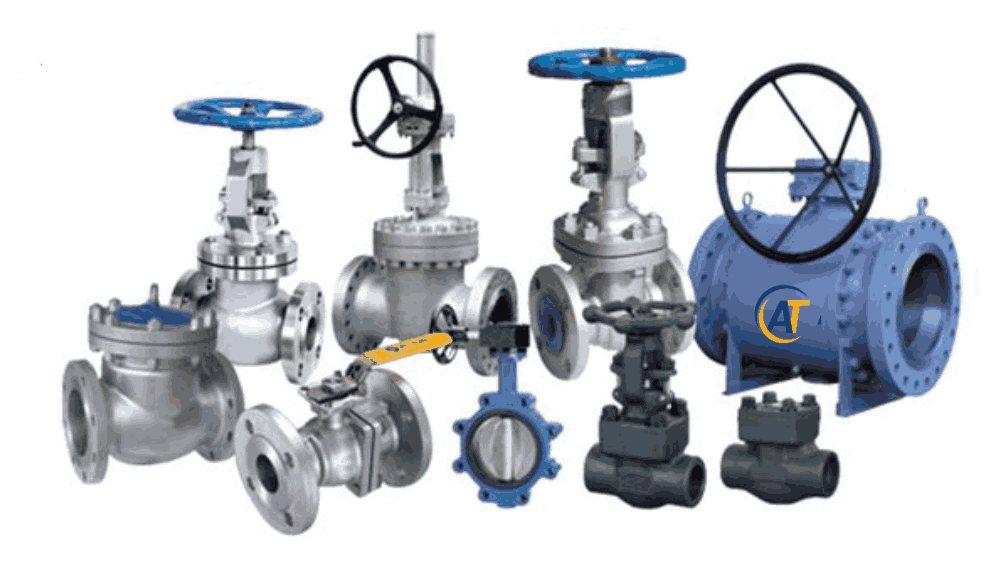
3. Titanium Ball Valves and Globe Valves for the Chemical and Marine Sectors: Navigating the Specification Labyrinth
The chemical process industries and marine engineering sector represent the largest volume driver for industrial titanium valves, collectively accounting for a significant majority of the market. The justification is corrosion economics. In chlor-alkali production, the presence of wet chlorine gas and saturated brine creates an environment so aggressive that even super-austenitic stainless steels are subject to pitting and crevice corrosion, often failing within months. Similarly, in desalination plants and offshore platform seawater handling systems, the combination of high chloride levels and elevated temperatures accelerates stress corrosion cracking in stainless steel. Commercial purity titanium (ASTM B348 Gr.2) is virtually inert in these environments due to the spontaneous formation of a stable, tenacious titanium dioxide passive film. In applications requiring even higher corrosion resistance at elevated temperatures or in reducing acid conditions, palladium-alloyed grades such as ASTM Gr.7 or Gr.11 are specified.
Procurement in this space is not a product selection exercise but a complex engineering negotiation. A single line item for a “6-inch titanium ball valve” might involve a twenty-page specification package. The body material must conform to ASTM B367 for castings or B381 for forgings. The ball and stem must be specified with compatible alloys. The seat and seal materials must be selected for the full temperature and chemical concentration range, often involving PTFE, reinforced PTFE, or metal-seated designs. Flange drilling must be compatible with the piping specification, whether ASME B16.5 Class 150 or 300, EN 1092-1 PN16, or JIS standards. The valve may require fire-safe certification to API 607, fugitive emissions testing to ISO 15848, and pressure testing per API 598. YICHOU’s core competency lies in functioning as your engineering and manufacturing extension. We do not simply cross-reference part numbers; we review your piping and instrumentation diagrams and valve data sheets line by line with our in-house process engineers. Our capability encompasses shell molding for titanium castings, open-die and closed-die forging for high-integrity body parts, CNC machining of all trim components, and a certified clean welding and assembly area. The final product is hydrostatically and pneumatically tested on our premises, and a full material test report package is compiled. For project-based procurement, this direct engineering-to-manufacturing interface eliminates the technical dilution that occurs when communicating through multiple layers of distribution, ensuring that the valve that arrives on site is fully compliant and documented.
4. Diesel Fuel System Performance Valves: The FASS and High-Pressure Environment
The high-performance diesel aftermarket, particularly for Ram, Ford Powerstroke, and GM Duramax platforms equipped with Cummins engines, has seen a sustained trend toward fuel system upgrades that enhance filtration, air separation, and consistent supply pressure. The FASS Titanium Series system is a prominent example, utilizing higher flow rates and pressure regulation to optimize injector performance. Within this system, the fuel pressure regulator, check valves, and bypass valves undergo extreme service conditions. They are exposed to continuous pressure pulsations from the injection pump, fluid velocities that can induce cavitation erosion on sealing surfaces, and the inherent lubricity and corrosion characteristics of modern ultra-low-sulfur diesel fuels.
Manufacturing titanium components for this application demands a focus on precision sealing and wear resistance at the micro-scale. A titanium fuel pressure regulator poppet or a check valve shuttle must exhibit a combination of high surface hardness to resist galling and precise geometric control to maintain a consistent seat sealing line. YICHOU utilizes a manufacturing sequence that involves precision CNC turning of the titanium valve internals, followed by advanced surface treatment such as titanium nitride physical vapor deposition to increase surface hardness to over 2000 HV, dramatically enhancing wear life. Critical sealing features are then finish-machined or lapped to achieve the required leak-tight closed condition. For clients who are developing or distributing diesel performance kits, YICHOU offers a complete valve sub-assembly service. Rather than supplying a loose bag of components, we can deliver a fully assembled, set-pressure-tested titanium valve block that integrates directly into the fuel system plumbing. This elevates the client’s product from a collection of parts to a tested, warrantable system component, creating a higher value perception and a stronger competitive position in the performance aftermarket.
III. The YICHOU Manufacturing Assurance: Infrastructure, Metallurgy, and Responsiveness for the Precision Parts Era
A procurement decision for a high-value titanium component is fundamentally a decision to trust a manufacturing partner with your supply chain’s integrity. YICHOU’s operational philosophy is built to address the three pillars of that trust: absolute material integrity, advanced processing and dimensional capability, and a market-responsive production model that reduces lead-time risk.
On the subject of material integrity, the provenance of titanium alloys is paramount. The global supply chain contains channels of non-certified, recycled, or off-specification titanium, the use of which in a pressure-containing or fatigue-critical component is indefensible. Our material control system operates on a full chain-of-custody principle. Every bar, plate, forging, and casting blank that enters our facility is segregated and verified against its originating mill test certificate, which we further validate periodically through independent third-party optical emission spectrometry and mechanical testing. This ensures that a component specified as ASTM Gr.5 titanium is, in fact, produced from material with the correct aluminum and vanadium composition and tensile properties, not a generic “6-4” of unknown pedigree.
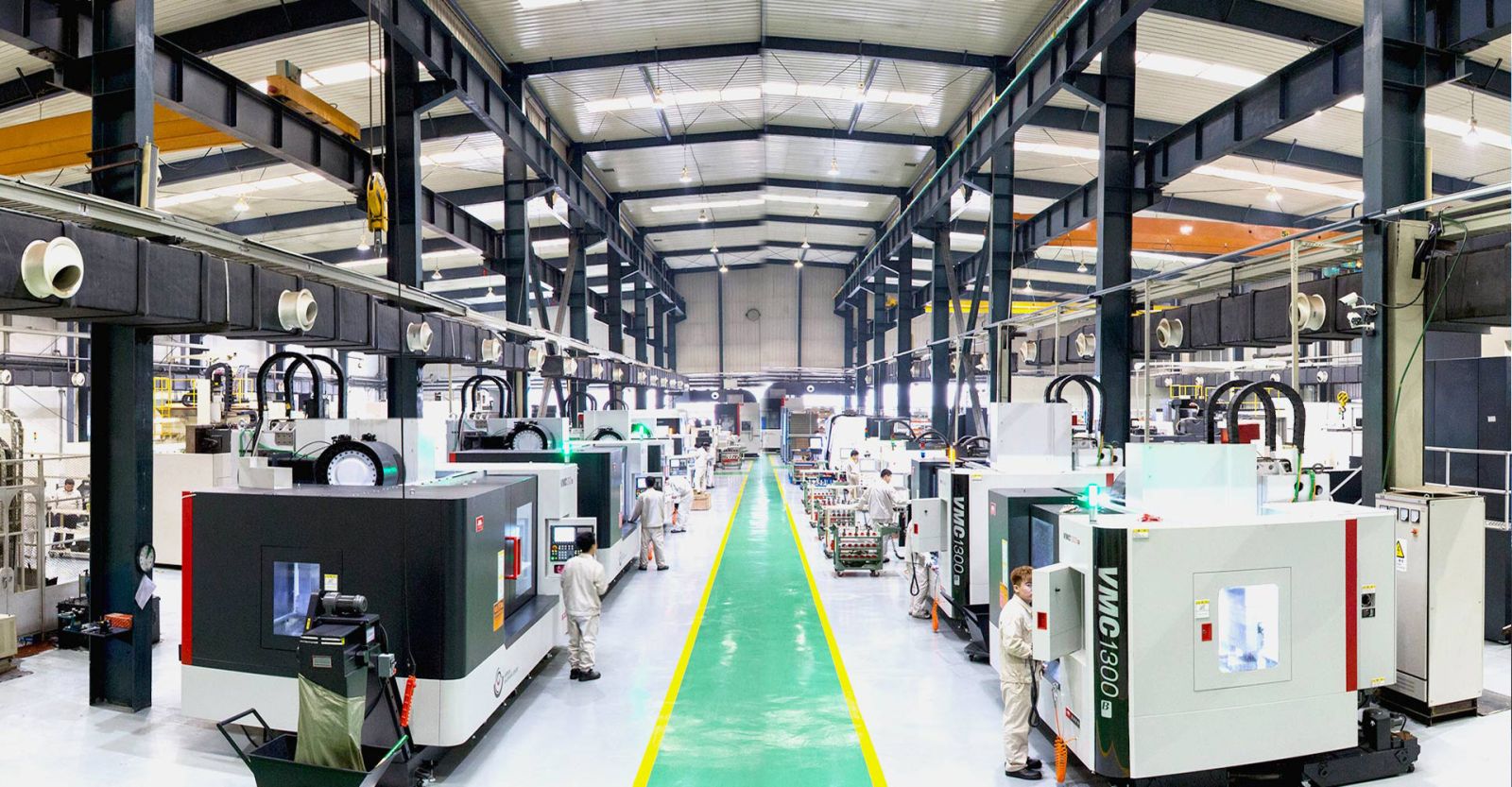
Our processing capability directly supports the low-volume, high-mix reality of precision component procurement. Unlike mass-production factories optimized for millions of identical parts, our shop floor is configured for flexibility. Our Swiss-type lathes and 5-axis machining centers are programmed by experienced manufacturing engineers who can transition from a batch of 2.02-inch valve blanks to a complex purge valve body with minimal setup time. For non-standard or semi-custom parts where the investment in forging or casting tooling is the primary barrier to project launch, YICHOU mitigates this by offering an initial production run completely machined from forged billet or plate using advanced toolpath strategies, producing a product that is geometrically identical and mechanically equivalent to the long-term tooled component. This allows our clients to launch a product, test the market, and generate revenue while the long-lead investment-cast dies or forging tools are being manufactured in parallel.
Finally, our approach to inventory and lead time is directly informed by the market intelligence we have discussed. By continuously monitoring search frequency and technical forums for specific part numbers, we are able to anticipate demand curves for items like the Ford Fusion titanium purge valve or the popular 2.02-inch LS-engine valve size. We maintain a strategic buffer stock of semi-finished parts—valves that are ground but not yet final-polished, or valve bodies that are machined but not yet assembled—which allows us to compress emergency order fulfillment from a typical 90-day lead time to a matter of weeks or even days. This logistical strategy turns shared market knowledge into a tangible competitive advantage for our procurement partners.
IV. Operationalizing the Precision-Component Sourcing Model: A Practical Guide from YICHOU
To convert the insights above into measurable supply chain improvement, we recommend a structured, three-phase realignment of your titanium valve procurement process.
Phase one is a taxonomic reorganization of your procurement database. Remove the generic category “Titanium Valves” from your material resource planning system. Replace it with discrete, search-informed categories: “Engine Titanium Intake Valves (2.02 & 2.08 Series),” “Vehicle-Specific Titanium EVAP Purge Valves,” “Corrosion-Resistant Titanium Flanged Ball Valves (Chemical Service),” and “Titanium Fuel System Check & Relief Valves (Diesel Performance).” Assign specific internal part numbers that mirror the industry-standard terminology your customers and engineers actually use. This single administrative change eliminates the friction of translating a precise need into a vague inquiry, enabling a direct and fast quotation loop between your procurement team and our applications engineering group.
Phase two is a technical collaboration initiative focused on high-demand failure points. Compile a list from your sales history and returns data of the top five vehicle-related emissions or fuel system failures that currently have only a plastic or inferior metal replacement solution available. Provide YICHOU with a representative sample and the failure mode analysis. Our engineering team will assess the feasibility of a billet-machined titanium substitute and provide a development timeline and target cost per unit. This process allows you to become the first-mover in the aftermarket with a definitive, lifetime solution for a known problem, creating a dedicated customer following and a product line that is immune to price-based competition for a significant period.
Phase three is the optimization of all digital and e-commerce product data sheets. Given that end-users are searching with parameter-rich strings, the technical listing for a YICHOU-supplied titanium component must be correspondingly explicit. The product title should lead with the core dimensional or application parameters: “2.02” Titanium Intake Valve, TC4, +1.0mm Stem Length, LS3 Application.” The description must declare the exact ASTM material grade, key mechanical properties, applicable vehicle years and engine codes, and any certifications (e.g., material test report included). We will provide you with a complete technical data package suitable for immediate upload, ensuring that when a buyer searches with precision, your listing perfectly satisfies the search algorithm’s intent, directly leading to a transaction.
V. The Definitive Argument for a Factory-Direct, Precision-First Supply Chain
Engaging directly with a specialized titanium component manufacturer like YICHOU represents a fundamentally different supply chain model than purchasing through industrial distributors or general trading-company intermediaries. It is a shift from price-discovery on commodity terms to value-creation on technical terms. The immediate economic benefit is the removal of multi-tiered margin stacking, which can represent a significant portion of the component cost. However, the more durable competitive advantage is the establishment of a two-way technical communication channel. When a recurring warranty issue is traced to a subtle material deficiency or a dimensional tolerance stacking, that information flows directly to our quality engineering department, resulting in a permanent process correction—not a protracted dispute through a non-technical intermediary.
The market for titanium fluid control components is no longer in an era of material scarcity, where the mere possession of “titanium” was a sufficient differentiator. It has entered an era of application-specific engineering, where value is captured by those who can precisely match a component’s physical and dimensional characteristics to the operational demands of its service environment. The search data unequivocally proves that the buyers who matter are already operating on this assumption. They are not searching for “titanium valves” in the abstract; they are searching for the exact part number that solves their pressure, temperature, corrosion, and fitment challenge. YICHOU’s commitment is to align our entire manufacturing system—from metallurgical sourcing to final inspection and logistics—with that precise, intelligent search query. Our objective is not simply to be another supplier of titanium parts but to become the invisible, reliable backbone of your precision-component supply chain.
When your next customer cannot locate a reliable source for a high-performance engine valve, a failure-proof emissions valve, or a process-critical industrial valve, your ability to respond with a specific, fully-qualified YICHOU solution will not only close a transaction; it will permanently elevate your position from a vendor to a solutions provider. We have already prepared the manufacturing cell for the 2.02 valve run, the programming for the Ford purge valve body, and the forging process for the chemical ball valve. The only remaining variable is your decision to move your procurement strategy from the generic to the absolute specific. Contact YICHOU’s applications engineering team today with your most challenging drawing or your most persistent failure part, and begin the process of building a supply chain that is as precise as the components it delivers.
Get in Touch with Yichou
- Email us: [email protected]
- Call us/whatsapp: +86 13355741031
- Chat with us: Live chat support available on our website