Target Audience:
Procurement Managers, Design Engineers, Aerospace/Marine/O&G Industry Buyers
Primary Keywords:
inconel 625, alloy 625, uns n06625, ams 5666, inconel 625 suppliers, inconel 625 price, inconel 625 tubing, inconel 625 round bar, inconel 625 plate, inconel 625 sheet
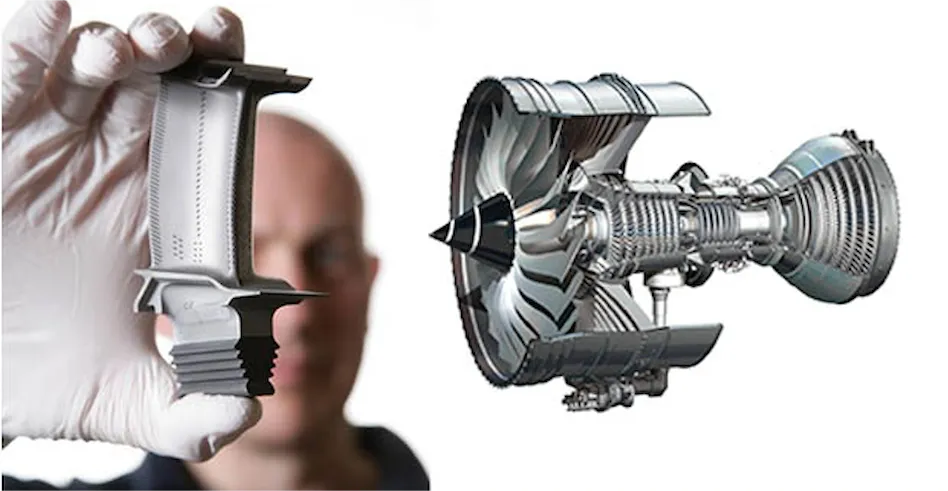
1. Introduction: The Alloy 625 Advantage
"When corrosion, 1000°C heat, and extreme mechanical stress converge in critical applications, only a handful of superalloys deliver – and Inconel 625 (UNS N06625) consistently leads the pack."
What is Inconel 625?
Inconel 625 (commonly called Alloy 625, certified as UNS N06625 and AMS 5666) is a nickel-chromium-molybdenum superalloy engineered for performance where ordinary metals fail. Unlike "fake" or decorative alloys, it’s a solution-strengthened material with:
-
Unmatched corrosion resistance (even in seawater/acidic environments)
-
Tensile strength beyond 1,200 MPa at room temperature
-
Zero rust due to its passive oxide layer
-
Retained strength from cryogenic to 1,000°C
Why Top Industries Specify Alloy 625:
| Industry | Critical Applications | Why 625 Wins |
|---|---|---|
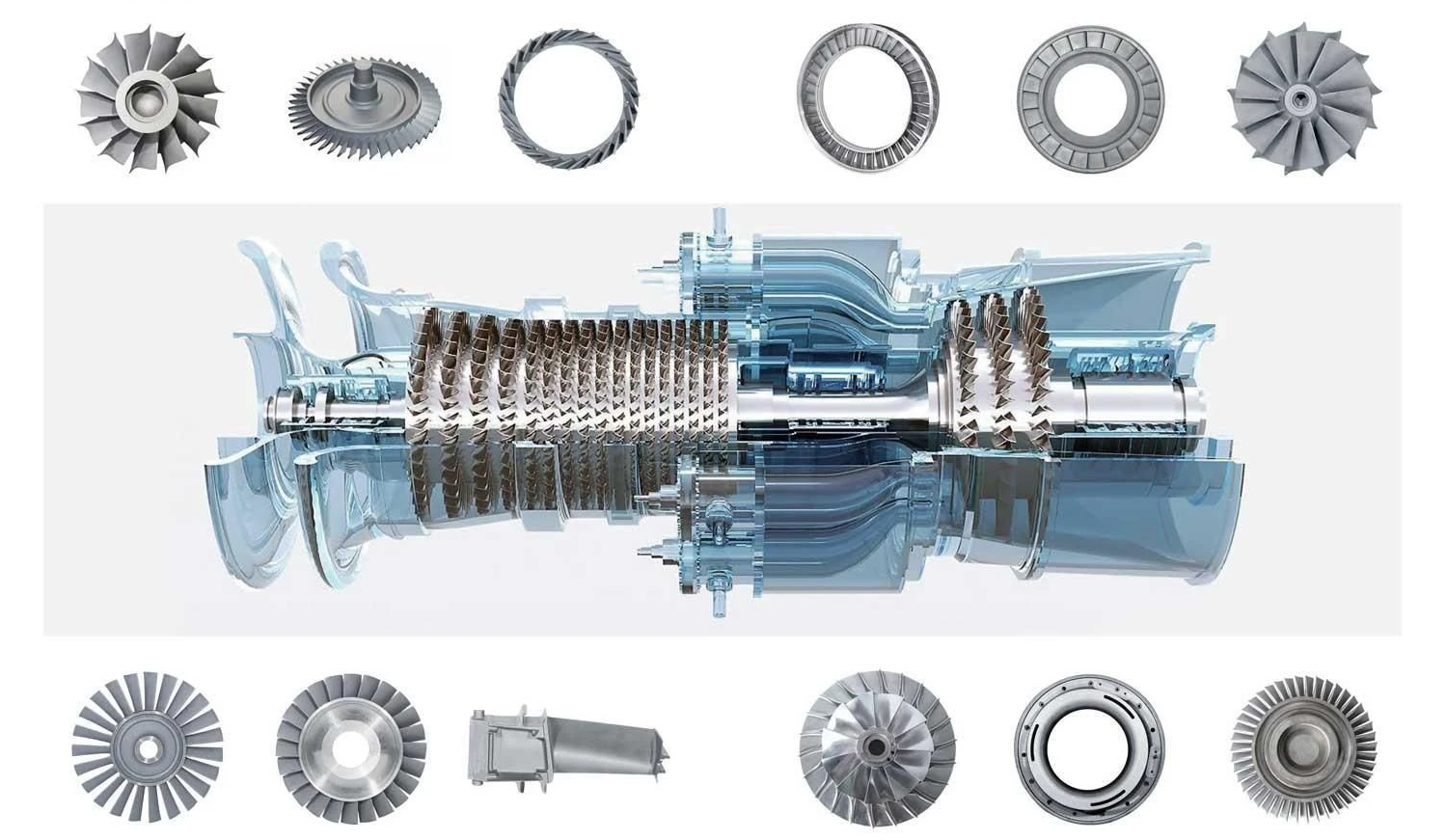
| Aerospace | Turbine seals, exhaust systems, engine mounts | AMS 5666 compliance + oxidation resistance at 800°C+ |
| Marine | Propeller blades, submarine components, heat exchangers | Immunity to pitting/crevice corrosion in seawater |
| Oil & Gas | Downhole tools, valve trim, SCR systems | Stress corrosion cracking resistance in sour gas |
| Nuclear | Reactor core components, waste processing systems | Radiation stability + chloride resistance |
*"While cheaper alloys like 316 stainless steel corrode or warp under extreme conditions, Alloy 625 delivers decades of zero-failure service – making it the ultimate ROI choice for mission-critical parts."
2. Alloy 625 Demystified: Answering Top FAQs
Q: Is Alloy 625 a "Fake" Metal?
No. Unlike decorative alloys, Inconel 625 is engineered for extreme performance.
-
Pure Metals vs. Engineered Alloys: While pure metals (e.g., iron, nickel) have limited uses, alloys like 625 combine nickel (58%), chromium (20-23%), molybdenum (8-10%), and niobium to create superior properties unattainable by single elements.
-
Why It’s Superior: This isn’t a cheap imitation – it’s a solution-strengthened superalloy designed for aerospace, nuclear, and marine applications where failure isn’t an option.
Q: Does Alloy 625 Rust?
Alloy 625 resists rust, pitting, and crevice corrosion even in aggressive environments.
-
Key Corrosion Resistance Data:
-
Seawater Exposure: Zero pitting after 1,000+ hours (per ASTM G48)
-
Acid Resistance: Withstands phosphoric, nitric, and sulfuric acids
-
Oxidation Resistance: Forms self-repairing chromium oxide layer up to 1,000°C
-
-
vs. Stainless Steel 316/304:
Environment Alloy 625 SS 316 Hot Seawater No corrosion Pitting in 6 months Chloride Exposure Immune Stress corrosion cracking Acid Processing No attack Thinning/erosion
Q: Grade 1 vs. Grade 2: What’s the Difference?
Choose based on your part’s strength vs. formability needs:
| Property | Grade 1 (Soft Annealed) | Grade 2 (Solution Annealed) |
|---|---|---|
| Tensile Strength | 827 MPa (min) | 1034 MPa (min) |
| Yield Strength | 414 MPa (min) | 517 MPa (min) |
| Formability | Excellent (Ideal for bending, deep drawing) | Good (Requires controlled machining) |
| Best For | Tubing, cold-formed parts | High-stress fasteners, valves, machined components |
Pro Tip: For AMS 5666 compliance, Grade 2 is preferred in aerospace due to its fatigue resistance.
3. Alloy 625 vs. Competitors: Why It Wins
Inconel 625 vs. Stainless Steel 316: When to Upgrade
Use 625 when performance > budget:
| Parameter | Inconel 625 | Stainless Steel 316 |
|---|---|---|
| Max Service Temp | 980°C (Oxidation resistant) | 870°C (Scales rapidly beyond 600°C) |
| Chloride Resistance | Immune to pitting/crevice corrosion | Prone to stress corrosion cracking |
| Tensile Strength | 1,300 MPa (RT) | 580 MPa (RT) |
| Fatigue Strength | 2x higher at 500°C | Drops sharply above 300°C |
| Cost | Higher initial cost | Lower upfront cost |
Key Takeaway: SS 316 works for mild environments, but upgrade to 625 for:
-
High-temperature exhaust systems
-
Seawater-cooled heat exchangers
-
Sour gas (H₂S) processing equipment
Inconel 625 vs. Monel 400 vs. Hastelloy C-276
*Positioning 625 as the cost-performance sweet spot:*
| Alloy | Best Performance | Limitations | Cost Relative to 625 |
|---|---|---|---|
| Monel 400 | Hydrofluoric acid, alkalis | Weak oxidation resistance above 600°C | 20-30% Lower |
| Inconel 625 | Oxidation, seawater, high strength | Limited HF resistance | Baseline |
| Hastelloy C-276 | Severe reducing acids (HCl, H₂SO₄) | Overkill for many applications | 2-3x Higher |
Procurement Tip: Choose 625 over Monel for oxidising environments (e.g., flue gas desulphurisation). Opt for C-276 only for boiling hydrochloric acid.
Inconel 625 vs. Titanium
Application-driven selection:
| Factor | Inconel 625 | Titanium Grade 5 |
|---|---|---|
| Density | 8.44 g/cm³ | 4.43 g/cm³ (Lightweight) |
| Max Temp | 980°C (Retains strength) | 600°C (Loses strength rapidly) |
| Corrosion | Superior in sulphidic/chloride media | Better in hypochlorite/oxidising acids |
| Machinability | Challenging (requires expertise) | Easier |
Design Guide:
-
Choose Titanium: Aircraft fittings, seawater piping where weight matters
-
Choose 625: Combustion chambers, SCR systems, chemical reactors
Strategic Messaging for Buyers:
-
For Cost-Conscious Teams: “While SS 316 saves upfront, 625 reduces lifetime TCO in aggressive environments.”
-
For High-Reliability Sectors: *“When C-276 is overkill, 625 delivers 90% of corrosion resistance at 50% cost.”*
-
For Weight-Sensitive Projects: “Titanium wins on density, but 625 dominates above 600°C.”
4. Machining & Fabrication: What Buyers Must Know
Q: Is Inconel 625 Hard to Machine?
Yes – but our specialized processes tame its challenges.
Key Challenges & Our Solutions:
| Challenge | Consequence | Our Factory’s Approach |
|---|---|---|
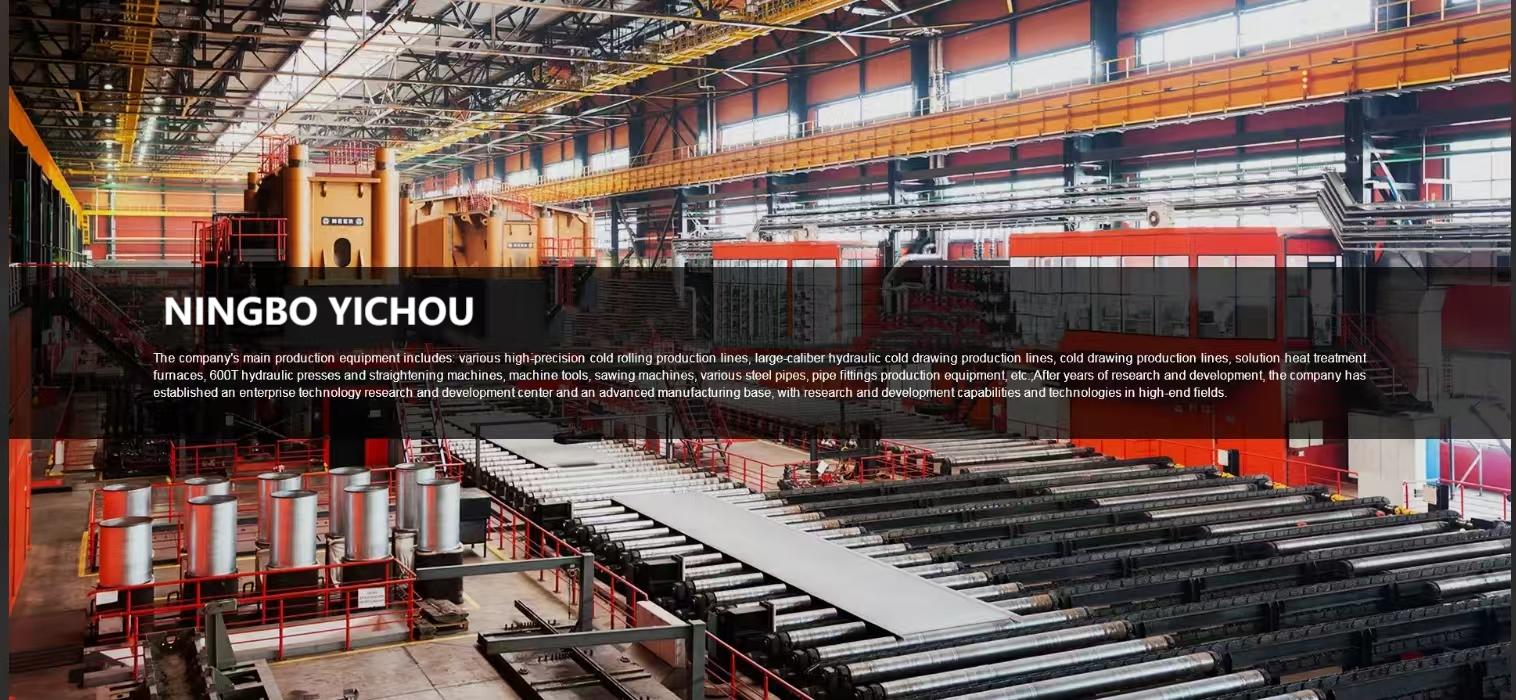
| Rapid Work Hardening | Tool breakage, dimensional inaccuracy | Low-RPM CNC with high feed rates to minimize heat |
| Abrasive Carbides | Excessive tool wear | Ceramic/PCD Tooling + High-Pressure Coolant (1000+ psi) |
| High Cutting Forces | Part deformation, vibration | Rigid Fixturing + Vibration Dampening Systems |
| Residual Stress | Post-machining distortion | Stress-Relief Annealing after rough machining |
"We achieve tolerances to 0.005mm on complex parts – minimizing scrap and rework."
Q: Can Alloy 625 Be Welded?
Yes – with strict process controls to prevent cracking.
Best Practices We Follow:
-
Preferred Method: Gas Tungsten Arc Welding (GTAW/TIG) with ERNiCrMo-3 filler
-
Critical Precautions:
-
Preheat: 150-200°C (prevents cracking)
-
Interpass Temp: Max 150°C (controls grain growth)
-
Shielding Gas: 100% Argon (avoid helium blends for thin sections)
-
-
Post-Weld Treatment: Solution annealing at 1150°C + rapid quench (for Grade 2 properties)
Common Applications: Valve bodies, reactor flanges, custom-fabricated assemblies.
Your Machining Advantage
Why Partner With Us?
-
In-House Capabilities: CNC turning/milling, welding, heat treatment, NDT (PT/UT)
-
Zero Subcontracting: Single-point responsibility for quality
-
Certified Stock: AMS 5666, ASTM B444, NACE MR0175 compliant
-
ROI Focus: Optimized toolpaths + bulk material sourcing = 15-20% cost savings
"We transform Alloy 625’s ‘difficult’ reputation into precision-machined reliability."
5. Cost Factors & Value Justification
Why Is Inconel 625 Expensive?
Understanding the premium – and why it pays off:
-
Raw Material Costs: Nickel (58%), chromium (23%), and molybdenum (9%) are volatile commodities. Global nickel prices rose 45% in 2023 (LME data).
-
Energy-Intensive Production: Vacuum induction melting (VIM) + electroslag remelting (ESR) processes consume 3x more energy than stainless steel.
-
Certification Overhead: AMS 5666 compliance requires batch testing, mill reports, and third-party validation.
*"While initial costs are higher than stainless steel, Alloy 625 delivers 5-8x longer service life in corrosive/thermal cycles – making it cheaper per operating hour."*
ROI Calculation: When Alloy 625 Saves Money
Breakdown for critical components (e.g., seawater valve trim):
| Cost Factor | Stainless Steel 316 | Inconel 625 |
|---|---|---|
| Unit Cost | $100 | $350 (3.5x higher) |
| Replacement Cycle | 12 months (fails due to pitting) | 10+ years (no failure) |
| Downtime Cost | $15,000/year (production halt) | $0 (continuous operation) |
| Maintenance | $2,000/year (seal/gasket swaps) | Negligible |
| 10-Year TCO | $270,000 | $350 |
*Key Insight: The "sticker shock" fades when 625 eliminates 9 replacements and $269,650 in downtime/maintenance.*
When to Specify Alloy 625 for Maximum ROI:
-
High-Temperature Environments (>600°C) – Outlasts SS 316 by 8x.
-
Chloride/Sour Gas Exposure – Zero corrosion vs. rapid SS failure.
-
Mission-Critical Parts – Avoid $100k+/hour downtime in oil/gas rigs.
-
Low-Volume, High-Value Components – Machining costs offset by longevity.
"Still hesitant about inconel 625 price? We optimize costs via:
-
Bulk Material Sourcing: 15% discounts on 5+ ton orders.
-
DFM Optimization: Reduces machining hours by 30%.
-
Remnant Utilization: For small parts, we use off-cut stock."
6. Sourcing Guide: Forms & Specifications
Always Start with AMS 5666 Certification for Aerospace/Defense Projects
| Product Form | Key Specifications | Your Procurement Advantage |
|---|---|---|
| Inconel 625 Tubing | ASTM B444, AMS 5581 OD: 3mm–120mm Wall: 0.5mm–15mm |
Stock Ready: Seamless/cold-drawn in 6m lengths |
| Inconel 625 Round Bar | AMS 5666, ASTM B446 ⌀: 5mm–500mm Condition: Annealed/Solution Treated |
Cut-to-Size: Tolerance h9, ultrasonic testing included |
| Inconel 625 Plate/Sheet | AMS 5599, ASTM B443 Thickness: 0.5mm–150mm Width: 1,500mm max |
No-Min-Order: Full or half plates, shear-cut edges |
| Custom Components | CNC Machined/Forged Parts Compliance: AS9100, ISO 9001, PED |
In-House Workflow: Material → Forging → Machining → QC (one supplier) |
Critical Tip: Specify AMS 5666 for fatigue-critical applications (e.g., turbine shafts) to guarantee 1034 MPa tensile strength.
7. Conclusion: Partner with a Specialist
Why Inconel 625 Dominates Extreme Environments:
-
Corrosion Immunity: Outlasts stainless steel 10:1 in seawater/sour gas
-
Heat Resistance: Maintains 90% strength at 700°C
-
Fatigue Strength: 2× higher than titanium at elevated temperatures
Why Choose Us as Your Alloy 625 Supplier:
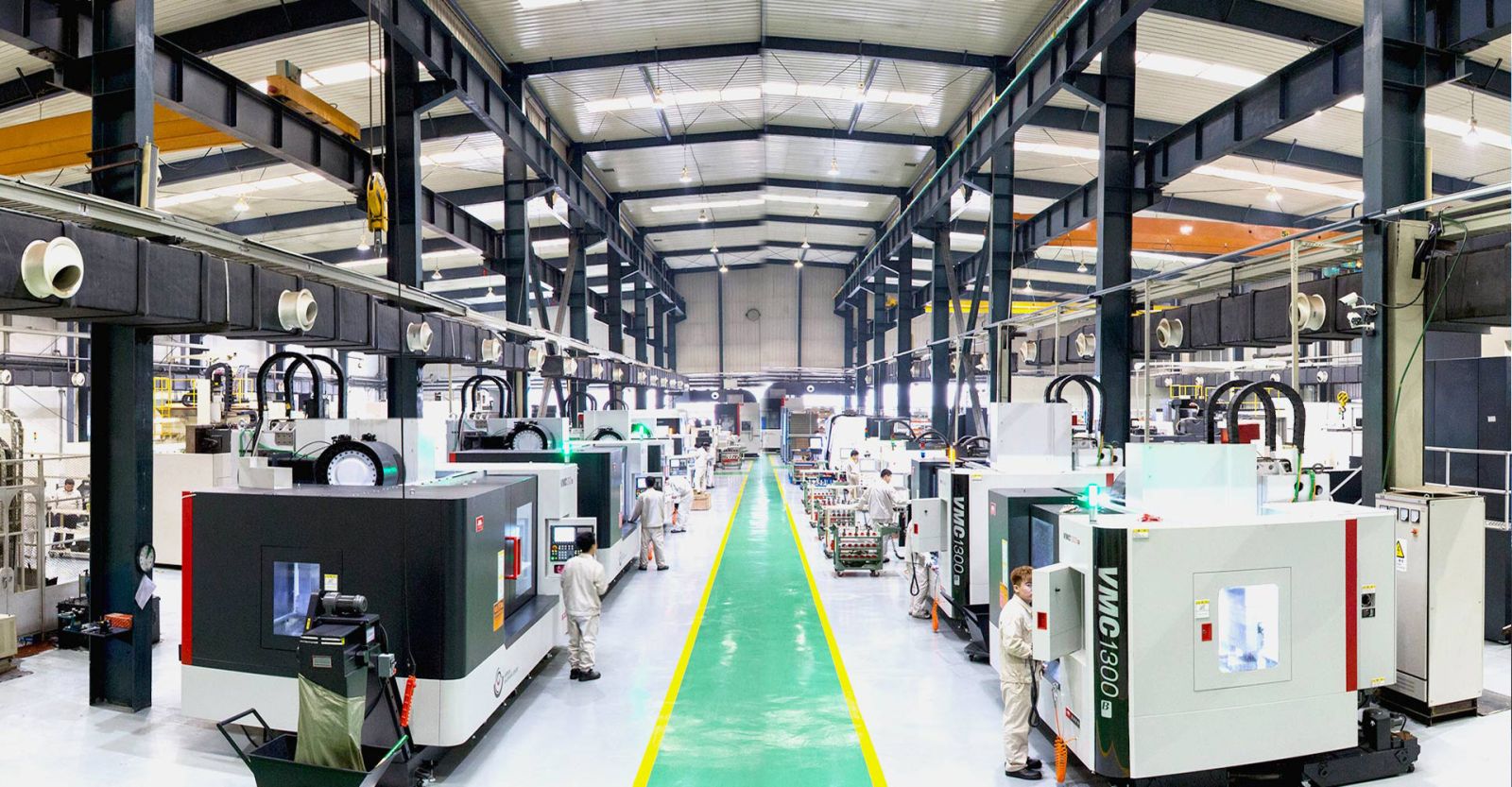
*"We’re not just distributors – we’re your ISO 9001-certified factory with end-to-end capabilities: from AMS 5666-certified stock to precision-machined components, all under one roof. No subcontracting. No delays."*
Get Quote
- Visit our website: https://www.nbyichou.com/
- Email us: [email protected]
- Call us/whatsapp: +86 13355741031
- Chat with us: Live chat support available on our website