Introduction to Inconel 625
Overview: What is Inconel 625?
Inconel 625 is a high-performance nickel-based alloy known for its exceptional resistance to corrosion, oxidation, and extreme temperatures. Composed primarily of nickel, with additions of chromium, molybdenum, and niobium, Inconel 625 is renowned for its ability to perform in harsh environments, making it an essential material in industries like aerospace, marine, chemical processing, and power generation.
Key Features of Inconel 625
- Corrosion Resistance
Inconel 625 provides outstanding protection against a wide range of corrosive agents, including seawater, acidic chemicals, and oxidizing atmospheres. This makes it highly suitable for marine and chemical applications. - High Strength
With a superior strength-to-weight ratio, Inconel 625 can endure extreme mechanical stress without deforming, even at elevated temperatures. - Oxidation Resistance
Its remarkable ability to resist oxidation ensures long-term performance in high-temperature environments, such as aerospace engines and power plant components. - Versatility
Whether in cryogenic temperatures or environments exceeding 980°C (1800°F), Inconel 625 maintains its structural integrity.
Why Choose YICHOU?
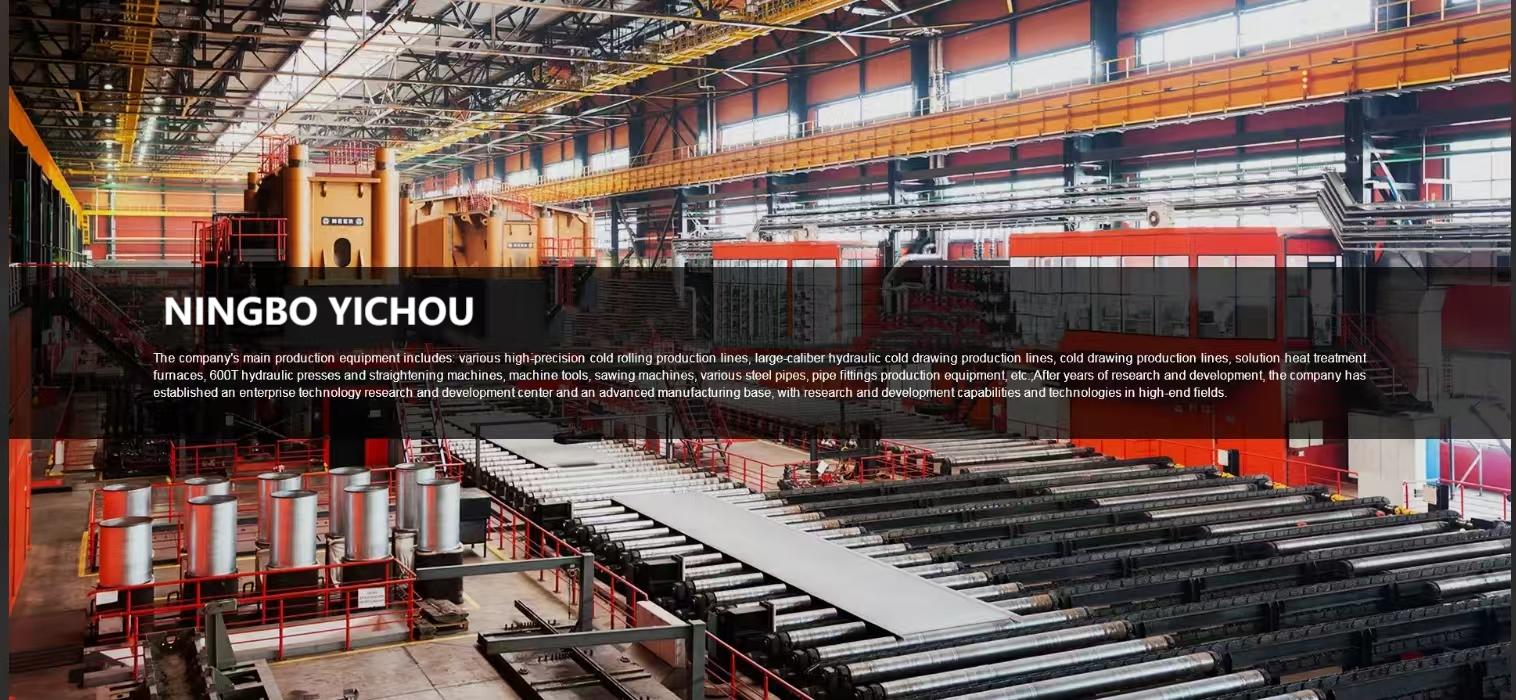
As a leading manufacturer of high-quality nickel-based alloys, YICHOU specializes in producing and supplying Inconel 625 products tailored to meet your industry’s needs. With advanced manufacturing capabilities, strict quality control, and years of expertise, we deliver reliable, high-performance materials to global clients. From marine components to aerospace parts, YICHOU is your trusted partner in alloy solutions.
2
Applications of Inconel 625
Inconel 625 is a versatile nickel-based alloy widely utilized across multiple industries due to its exceptional resistance to corrosion, high strength, and ability to withstand extreme temperatures. Below, we explore its key applications in various sectors:
1. Marine Engineering
Inconel 625’s excellent resistance to seawater corrosion and biofouling makes it an ideal choice for marine environments. Common applications include:
- Seawater Components: Pumps, valves, and piping systems exposed to saltwater.
- Propeller Blades: High-performance marine propulsion systems.
- Marine Exhaust Systems: Withstanding high temperatures and corrosive gases.
2. Aerospace Industry
Inconel 625 is indispensable in the aerospace sector for its ability to maintain structural integrity under extreme heat and stress. Key applications include:
- Turbine Blades: Components that endure high rotational speeds and heat.
- Exhaust Ducts: Resistance to oxidation and thermal cycling.
- Heat Shields: Protecting critical areas from extreme temperatures.
3. Chemical Processing
Withstanding harsh chemicals is a defining feature of Inconel 625, making it a preferred material in chemical industries for:
- Tanks: Used for storing acidic or alkaline substances.
- Heat Exchangers: Durability in handling temperature fluctuations and corrosive fluids.
4. Power Generation
Inconel 625 finds extensive use in power plants, especially in environments where strength and corrosion resistance are critical. Applications include:
- Nuclear Reactors: Ensuring safety and reliability in high-radiation environments.
- Heat Recovery Systems: Resisting thermal fatigue and oxidation.
Why Inconel 625 is the Preferred Material
Across these industries, the unmatched combination of high-temperature resistance, mechanical strength, and corrosion resistance sets Inconel 625 apart from other alloys.
3
Benefits of Using Inconel 625
Inconel 625 is renowned for its exceptional properties, making it the material of choice for industries requiring high performance under extreme conditions. Here are the top benefits of using Inconel 625:
1. Superior Corrosion Resistance
Inconel 625 provides unmatched resistance to a wide range of corrosive environments, including:
- Saltwater: Ideal for marine applications due to its resistance to pitting and crevice corrosion.
- Acidic Environments: Stands up to acids such as sulfuric, hydrochloric, and nitric acid, making it ideal for chemical processing.
- Oxidizing and Reducing Conditions: Performs reliably in environments with fluctuating chemical exposure.
2. High Strength and Stress Resistance
Engineered for demanding conditions, Inconel 625:
- Handles extreme mechanical stress without deforming or losing its structural integrity.
- Excels in high-pressure environments, such as deep-sea and aerospace applications.
3. Temperature Resistance
Inconel 625 is effective across a broad temperature range:
- Performs well in cryogenic conditions, retaining ductility and strength.
- Withstands extreme heat, up to 980°C (1796°F), making it ideal for turbines and heat shields.
4. Exceptional Durability
The alloy’s resilience offers a longer service life, reducing operational costs:
- Low Maintenance: Its resistance to wear and tear minimizes the need for frequent repairs.
- Cost-Efficiency: Long-lasting performance makes it a cost-effective solution in the long run.
Why Choose Inconel 625 from YICHOU?
At YICHOU, we manufacture and supply ASTM-compliant Inconel 625 products designed for high performance in challenging environments. Our expertise ensures:
- Tailored solutions for your specific application needs.
- Consistently high-quality materials backed by strict testing standards.
4 Inconel 625 vs Other Materials
When selecting the right material for demanding industrial applications, it’s essential to weigh the unique properties of Inconel 625 against other popular options like stainless steel and alternative Inconel grades. Here’s a detailed comparison:
1. Inconel 625 vs Stainless Steel
Key Differences:
-
Corrosion Resistance:
- Inconel 625: Exceptional resistance to both oxidizing and reducing environments, particularly in saltwater, acids, and high-temperature environments.
- Stainless Steel: Adequate for general corrosion resistance but struggles in highly acidic or chloride-rich conditions.
-
Strength and Durability:
- Inconel 625: Retains superior strength at both high and cryogenic temperatures, making it ideal for aerospace and marine applications.
- Stainless Steel: Strong at room temperature but loses strength at elevated temperatures.
-
Temperature Resistance:
- Inconel 625: Withstands extreme heat up to 980°C (1796°F) and cryogenic conditions without losing structural integrity.
- Stainless Steel: Limited performance at temperatures above 600°C (1112°F).
Conclusion:
For environments requiring higher corrosion resistance and temperature performance, Inconel 625 outperforms stainless steel.
2. Inconel 625 vs Other Inconel Grades
Comparison with Inconel 718:
- Strength: Inconel 718 has higher tensile and yield strength, making it more suitable for high-stress applications.
- Temperature Range: Inconel 625 handles more extreme temperature fluctuations, making it ideal for environments requiring resistance to both cryogenic and high-temperature conditions.
- Applications:
- Inconel 625: Marine, chemical, and aerospace applications.
- Inconel 718: Aerospace turbine components and high-pressure systems.
Comparison with Inconel 825:
- Corrosion Resistance: Both are highly corrosion-resistant, but Inconel 625 offers better resistance to oxidizing and reducing agents.
- Applications:
- Inconel 625: Preferred for marine, nuclear, and aerospace applications.
- Inconel 825: Commonly used in chemical and pollution-control industries.
3. Cost Analysis
Inconel 625 is more expensive than stainless steel and some Inconel grades due to its advanced properties:
- Longer Lifespan: Durability reduces maintenance and replacement costs.
- High-Performance Applications: Critical industries like aerospace, nuclear, and marine justify the investment.
Why It’s Worth the Investment:
When the material’s performance directly impacts safety, durability, and efficiency, Inconel 625’s superior properties make it the clear choice despite the higher initial cost.
5 Technical Questions About Inconel 625
When considering Inconel 625 for industrial applications, understanding its performance in comparison to other materials, its workability, and its unique properties is crucial. Below are answers to common technical questions:
1. Is Inconel 625 Better Than Titanium?
The answer depends on the application:
-
Corrosion Resistance:
- Inconel 625: Superior in extreme environments, including chloride-rich, acidic, and oxidizing conditions.
- Titanium: Excellent in mildly corrosive environments but may not perform as well in highly oxidizing or reducing conditions.
-
Temperature Resistance:
- Inconel 625: Can withstand temperatures up to 980°C (1796°F), making it ideal for high-temperature applications.
- Titanium: Limited to lower temperatures, as it oxidizes above 600°C (1112°F).
-
Strength-to-Weight Ratio:
- Titanium: Lighter and has a higher strength-to-weight ratio, making it ideal for weight-sensitive applications like aerospace structures.
Conclusion:
For applications requiring high corrosion resistance and temperature stability, Inconel 625 is the better choice. Titanium excels in lightweight, general-purpose environments.
2. Can Inconel 625 Be Welded or Forged?
-
Welding:
Inconel 625 is highly weldable using common methods such as TIG (Tungsten Inert Gas), MIG (Metal Inert Gas), and plasma arc welding. Its weld joints exhibit excellent strength and corrosion resistance.Tips for Welding Inconel 625:
- Use matching filler metals for consistency.
- Preheating is generally not required.
- Avoid overheating to prevent oxidation and microcracking.
-
Forging:
Inconel 625 is easily forgeable when heated to 1121–1232°C (2050–2250°F). Post-forging heat treatments enhance its properties.
Applications of Welded and Forged Components:
- Heat exchangers
- Marine equipment
- Aerospace parts
3. What Are the Machining Challenges of Inconel 625?
Inconel 625 is known for being difficult to machine due to its:
- High Strength: Resistance to deformation increases tool wear.
- Work Hardening: Hardens quickly during machining, requiring careful cutting parameters.
- Heat Retention: Retains heat at the cutting surface, leading to tool damage if not managed properly.
Tips for Machining Inconel 625:
- Use carbide or ceramic tools for durability.
- Employ lower cutting speeds and higher feed rates.
- Ensure efficient cooling using high-pressure lubricants.
- Avoid excessive cutting depth to minimize work hardening.
FAQs About Composition and Properties
Q: What Is Inconel 625 Made Of?
A: Inconel 625 is a nickel-based alloy with key elements:
- Nickel: ~58%
- Chromium: 20–23%
- Molybdenum: 8–10%
- Iron: Up to 5%
These elements provide exceptional corrosion resistance, strength, and oxidation resistance.
Q: Is Inconel 625 Magnetic?
A: No, Inconel 625 is non-magnetic due to its high nickel content.
Q: Does Inconel 625 Rust?
A: No, Inconel 625 is highly resistant to rust and corrosion, even in harsh marine or acidic environments.
Why Choose YICHOU for Inconel 625?
- Technical Expertise: Deep knowledge of Inconel 625’s welding, forging, and machining processes.
- Tailored Solutions: Custom manufacturing to meet your exact needs.
- Global Standards: ASTM-compliant Inconel 625 materials for guaranteed quality.
6 Material Grades and Standards of Inconel 625
When choosing Inconel 625 for critical applications, understanding its standards, material grades, and methods of verification is essential. Below is an overview to guide you.
1. ASTM Standards for Inconel 625
Inconel 625 adheres to various ASTM (American Society for Testing and Materials) standards, which ensure consistency and quality. Key standards include:
- ASTM B443: For plate, sheet, and strip materials.
- ASTM B446: For bars and rods.
- ASTM B704/B705: For seamless pipes and tubes.
- ASTM B366: For fittings.
Key Requirements:
- Composition: Precise percentage ranges for nickel, chromium, molybdenum, and iron.
- Mechanical Properties: Includes tensile strength, yield strength, and elongation.
- Testing Procedures: Non-destructive testing (NDT), hardness testing, and corrosion resistance evaluation.
Compliance with these standards ensures material reliability for applications in aerospace, marine, and chemical processing.
2. Material Grades: Grade 1 vs Grade 2
Inconel 625 is available in two primary grades, differentiated by their intended use:
-
Grade 1:
- Application: Annealed for optimal corrosion resistance.
- Properties: Excellent in highly corrosive environments, especially in seawater and acidic conditions.
- Uses: Marine engineering, chemical processing, and heat exchangers.
-
Grade 2:
- Application: Solution annealed for enhanced strength at high temperatures.
- Properties: Superior mechanical strength and oxidation resistance in elevated temperatures.
- Uses: Aerospace components, high-temperature exhaust systems, and power generation equipment.
Selection Tip:
Grade 1 is ideal for environments requiring high corrosion resistance, while Grade 2 is preferred for high-stress, high-temperature applications.
3. How to Verify Inconel 625 Compliance
Ensuring the material meets required standards is crucial for safety and performance. Verification methods include:
-
Certifications:
- Request mill test certificates (MTC) or material test reports (MTR) from suppliers.
- Ensure compliance with relevant ASTM standards (e.g., ASTM B443, B446).
- Verify certifications from third-party testing agencies.
-
Chemical Analysis:
- Use spectrometers or XRF analyzers to confirm composition.
- Ensure nickel content is ~58% and chromium is 20–23%.
-
Mechanical Testing:
- Conduct tensile strength and hardness tests to verify compliance with ASTM standards.
- Perform stress rupture testing for high-temperature applications.
-
Corrosion Testing:
- Evaluate pitting and crevice corrosion resistance using standardized tests such as ASTM G48.
Pro Tip: Always work with reputable suppliers like YICHOU, who provide complete documentation and testing results for all Inconel 625 materials.
7 Pricing and Availability of Inconel 625
Understanding the cost and availability of Inconel 625 is crucial for buyers seeking high-performance materials for demanding applications. Below, we explore the factors influencing its price, compare it with other alloys, and explain why it’s worth the investment.
1. What Determines the Cost of Inconel 625?
The price of Inconel 625 is influenced by multiple factors, including:
-
Raw Material Costs:
- High nickel and chromium content make it more expensive than conventional alloys.
- Fluctuations in global metal markets impact pricing.
-
Manufacturing Processes:
- Advanced melting, forging, and heat-treatment processes contribute to higher costs.
- Strict adherence to ASTM standards ensures quality but increases production complexity.
-
Demand and Supply:
- Widely used in aerospace, marine, and chemical industries, demand for Inconel 625 is consistently high.
- Limited suppliers for certified materials can create supply constraints.
-
Customization:
- Special shapes, sizes, and machining requirements increase costs.
- Surface treatments or additional testing also impact the final price.
2. Price Comparison with Other Alloys
How does Inconel 625 compare to other materials in terms of cost and performance?
| Material | Approx. Price (per kg) | Key Features | Common Uses |
|---|---|---|---|
| Inconel 625 | $80–$150 | High strength, corrosion, and heat resistance | Aerospace, marine, chemical processing |
| Stainless Steel (316) | $5–$10 | Corrosion resistance, affordability | General-purpose applications |
| Titanium (Grade 5) | $30–$50 | Lightweight, high strength | Aerospace, medical |
| Inconel 718 | $70–$140 | High-temperature strength, weldability | Aerospace, gas turbines |
Key Insight:
Although Inconel 625 is more expensive than stainless steel or titanium, its unparalleled performance in extreme conditions justifies the cost.
3. Why Invest in High-Performance Alloys?
-
Long-Term Cost Savings:
- With superior durability, Inconel 625 reduces maintenance and replacement expenses.
-
Enhanced Performance:
- Handles extreme conditions where other materials fail, ensuring reliability in critical applications.
-
Versatility:
- Used across industries including aerospace, marine, power generation, and chemical processing.
Pro Tip: Investing in high-performance alloys like Inconel 625 ensures safety and efficiency in mission-critical operations.
4. YICHOU’s Competitive Pricing
At YICHOU, we offer:
- Transparent Pricing: Competitive rates for certified Inconel 625 materials.
- Customization Options: Tailored sizes, grades, and machining to meet client requirements.
- Global Supply: Reliable availability with fast delivery to meet project deadlines.
How We Add Value:
- Bulk discounts for large orders.
- Assistance with material selection and cost optimization.
- Free consultation for your specific alloy requirements.
Conclusion: Why Choose YICHOU?
By combining high-quality Inconel 625, competitive pricing, and exceptional customer service, YICHOU is your trusted supplier for nickel-based alloys.
8 Challenges in Manufacturing Inconel 625
Manufacturing Inconel 625, known for its exceptional strength, corrosion resistance, and thermal stability, presents unique challenges that require advanced techniques and expertise.
1. Machining Difficulties
Due to its high hardness and heat resistance, Inconel 625 is notoriously challenging to machine:
- High Cutting Forces:
- Requires robust tooling and machinery to handle the alloy's toughness.
- Heat Build-Up:
- The material’s low thermal conductivity traps heat, increasing tool wear and machining difficulty.
- Work Hardening:
- Inconel 625 tends to harden during machining, complicating the process.
Solutions:
- Use of carbide or ceramic tools for durability.
- Application of high-pressure coolant systems to reduce heat.
- Optimized cutting parameters to minimize work hardening.
2. Welding and Forging Challenges
-
Welding:
- Requires precise control to prevent cracking and ensure strength in welded joints.
- YICHOU employs advanced welding techniques to maintain integrity in high-stress applications.
-
Forging:
- Due to its high strength, forging Inconel 625 demands specialized high-temperature equipment.
- Strict temperature controls ensure uniformity and compliance with ASTM standards.
3. YICHOU’s Advanced Techniques
At YICHOU, we overcome these challenges using:
- State-of-the-Art Machinery:
- CNC equipment designed for nickel-based superalloys.
- Expert Engineers:
- Decades of experience in machining, forging, and welding Inconel 625.
- Comprehensive Quality Control:
- Rigorous testing ensures compliance with global standards and client requirements.
8
Frequently Asked Questions (FAQs)
1. What is the difference between Inconel 625 and 718?
-
Inconel 625:
- Known for its excellent corrosion resistance, especially in seawater and chemical environments.
- Best suited for high-temperature applications with moderate stress levels.
-
Inconel 718:
- Designed for higher mechanical strength, particularly in cryogenic and high-stress environments.
- Commonly used in aerospace for components like turbine disks and fasteners.
2. Can Inconel 625 rust?
- No, Inconel 625 does not rust due to its high nickel (58%) and chromium (20–23%) content.
- It offers exceptional resistance to oxidation and corrosion in both acidic and alkaline environments, making it ideal for harsh conditions.
3. What makes Inconel 625 special?
- Corrosion Resistance: Exceptional performance in seawater, acidic, and oxidizing environments.
- High Strength: Maintains mechanical integrity under extreme stress and temperature conditions.
- Durability: Long service life reduces maintenance and replacement costs.
Call to Action
Partner with YICHOU, your trusted expert in Inconel 625 manufacturing, for high-quality materials and solutions tailored to your needs.
Why Choose Us?
- Custom Solutions: Tailored for marine, aerospace, and chemical industries.
- Unmatched Quality: Compliance with ASTM standards and rigorous in-house testing.
- Competitive Pricing: Affordable solutions for high-performance alloys.
What We Offer:
- Product Customization: Let us know your specifications, and we’ll deliver the perfect solution.
- Bulk Orders: Capable of meeting large-scale demands with consistent quality.
- Technical Advice: Reach out for expert guidance on applications, machining, and pricing.
Contact us today to learn how YICHOU can support your next project!
Get Quote
- Visit our website: https://www.nbyichou.com/
- Email us: [email protected]
- Call us/whatsapp: +86 13355741031
- Chat with us: Live chat support available on our website