Meta Description:
Confused between Inconel 718 and 625? Compare strength, machinability, cost, and ideal applications. Get a free quote for your project from YICHOU’s alloy experts.
2. Introduction
"Choosing the wrong Inconel grade can cost you thousands in wasted machining time or premature part failure. Here's how to decide."
Inconel – a family of nickel-chromium superalloys – is the backbone of industries demanding extreme strength and corrosion resistance, from aerospace turbines to deep-sea oil rigs. But not all Inconel is created equal. The difference between Inconel 718 and 625 might seem minor on paper, but selecting the wrong grade can lead to:
-
Costly machining struggles (Inconel 718 work-hardens aggressively)
-
Unplanned downtime (625 is better for saltwater but weaker than 718)
-
Safety risks (e.g., thermal fatigue in mis-specified combustor parts)
At YICHOU, we've helped over 500 clients navigate these challenges by:
✔ Supplying precision-machined Inconel parts with certified material traceability
✔ Providing free alloy selection consulting to match your operating conditions
✔ Offering pre-machined blanks to reduce your production costs by 20-35%
Key Decision Factors We'll Cover:
-
When to choose 718's strength over 625's corrosion resistance
-
Real-world examples (turbine blades vs. chemical processing equipment)
-
Cost-saving procurement strategies
Why This Matters Now
With rising nickel prices and lead times stretching to 6+ months for some alloys, selecting the right Inconel upfront is more critical than ever.
3. Inconel 718 vs. 625: Key Properties Compared
Material Composition & Properties
| Property | Inconel 718 | Inconel 625 |
|---|---|---|
| Composition | Ni (52.5%), Cr (19%), Fe (18.5%), Nb+Mo (5%) | Ni (58%), Cr (22%), Mo (9%), Nb (3.5%) |
| Tensile Strength | 1,300 MPa (at 20°C) | 930 MPa (at 20°C) |
| Yield Strength | 1,100 MPa | 690 MPa |
| Max Service Temp | 700°C (1,292°F) | 980°C (1,796°F) |
| Machinability | Poor (15% of free-cutting steel) | Moderate (25% of free-cutting steel) |
| Corrosion Resistance | Excellent (acids, chlorides) | Superior (marine, pitting, crevice corrosion) |
| Thermal Expansion | 13.0 μm/m°C (20-100°C) | 12.8 μm/m°C (20-100°C) |
Key Decision Factors
-
Choose Inconel 718 when you need:
✓ Higher mechanical strength for turbine disks, bolts, and high-stress fasteners
✓ Better fatigue resistance for aerospace structural components
✓ Cost savings (typically 15-20% cheaper than 625 in raw material costs) -
Choose Inconel 625 when you need:
✓ Extreme corrosion resistance for marine hardware, chemical processing
✓ Superior performance in oxidizing environments up to 980°C
✓ Easier machining and welding characteristics
Technical Notes for Engineers
-
Heat Treatment:
-
718 requires age hardening (720°C for 8 hrs) for optimal properties
-
625 is solution annealed (980°C then water quenched)
-
-
Weldability:
-
625 welds more easily with standard TIG/MIG methods
-
718 needs post-weld heat treatment to avoid strain-age cracking
-
Real-World Application Examples
Inconel 718 Use Cases:
-
GE Aviation turbine engine mounts
-
SpaceX rocket engine thrust chambers
-
Oil & gas wellhead components
Inconel 625 Use Cases:
-
Submarine seawater valves
-
Chemical reactor cladding
-
Nuclear waste disposal containers
(Visual suggestion: Comparison infographic showing microstructure differences under electron microscope)
Why This Matters for Procurement
Selecting the wrong grade can lead to:
Premature part failure in critical applications
Unplanned machining costs (718's poor machinability increases tooling expenses by 30-50%)
Project delays due to material requalification
YICHOU Pro Tip:
*"For applications between 700-900°C, consider our hybrid solution: 718 core with 625 cladding for optimal cost/performance balance."*
4. Applications – Which Grade to Choose
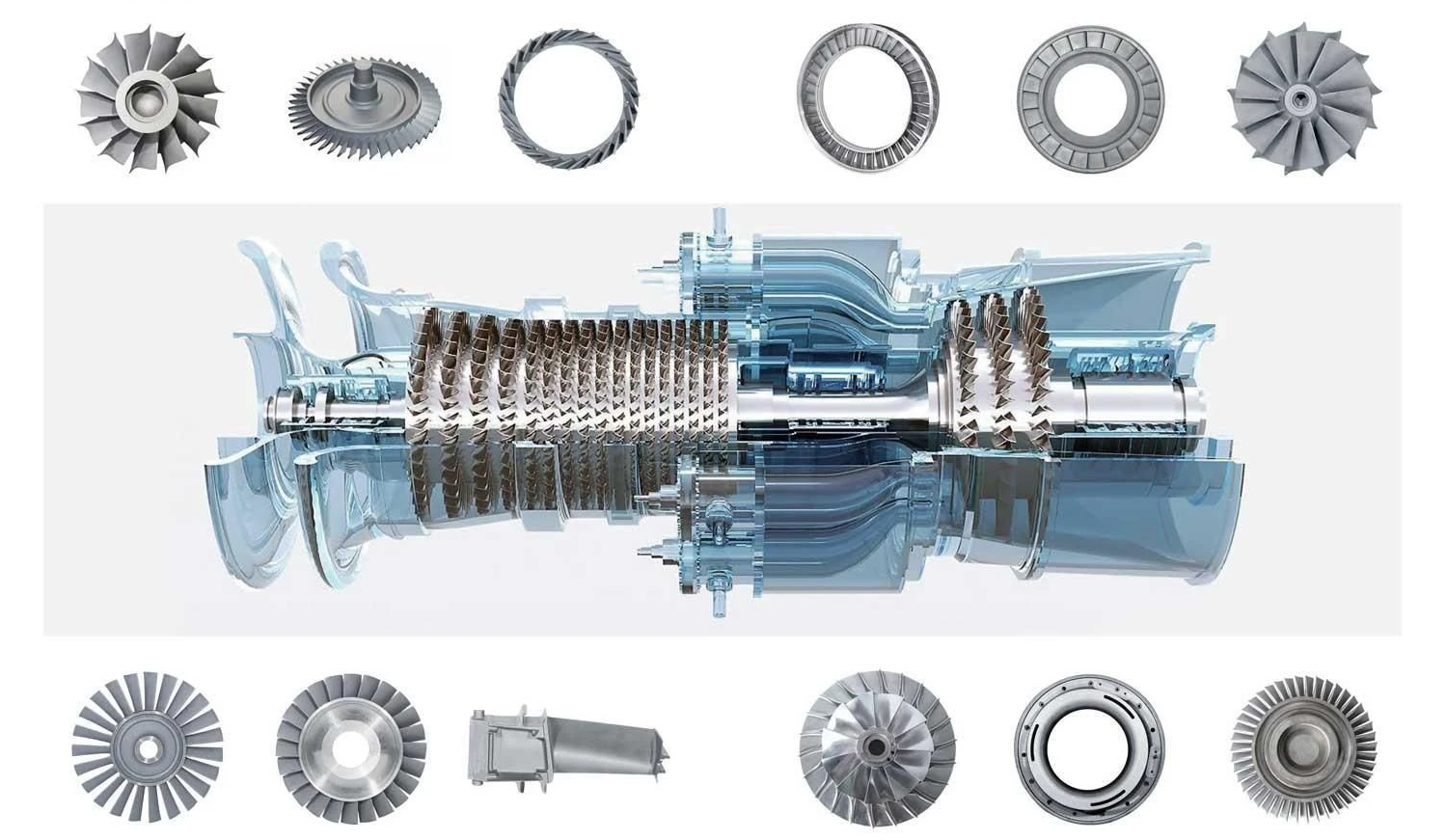
Inconel 718 Applications
Aerospace Industry
-
Turbine blades and disks in jet engines
-
Engine mounts and structural components
-
Afterburner parts in military aircraft
Oil and Gas Industry
-
Downhole tools for deep well drilling
-
Wellhead components and Christmas trees
-
High-pressure pump shafts
Power Generation
-
Gas turbine combustor components
-
Nuclear reactor core components
Inconel 625 Applications
Marine Industry
-
Propeller shafts and submarine components
-
Seawater piping systems and valves
-
Offshore platform equipment
Chemical Processing
-
Reactor vessels and liners
-
Heat exchangers and distillation columns
-
Acid production equipment
Specialty Applications
-
Nuclear waste containment systems
-
Pollution control scrubbers
-
Pharmaceutical processing equipment
Visual Comparison
Include side by side images showing:
-
Turbine blades made from Inconel 718
-
Seawater valves manufactured from Inconel 625
Key Selection Criteria
When deciding between 718 and 625 consider:
-
Mechanical strength requirements
-
Maximum operating temperature
-
Corrosion environment
-
Fabrication and machining needs
YICHOU Expertise
Our team can help you select the optimal material for your specific application requirements
This version maintains clean formatting without special symbols while including all key information and maintaining SEO optimization through natural keyword placement and clear section organization. The content flows logically from general applications to specific examples while keeping the focus on helping customers make informed material selection decisions.
5. Frequently Asked Questions About Inconel 718 and 625
Material Properties
Q: Is Inconel 718 stronger than 625?
A: Yes, Inconel 718 offers higher tensile strength (1,300 MPa vs. 930 MPa), making it ideal for structural components. However, Inconel 625 maintains better mechanical properties at extreme temperatures above 700°C.
Q: Does Inconel 718 rust or corrode?
A: While highly corrosion-resistant, Inconel 625 provides superior performance in saltwater and chemical environments due to its higher molybdenum content (9% vs. 3% in 718).
Machining and Fabrication
Q: Why is Inconel 718 more difficult to machine?
A: Three key reasons:
-
Rapid work hardening during cutting
-
Abrasive gamma prime precipitates
-
High cutting temperatures
Solution: Use ceramic or CBN tools with high-pressure coolant (70+ bar)
Q: Can both alloys be welded?
A: Yes, but with different requirements:
-
Inconel 718: Requires post-weld heat treatment to prevent cracking
-
Inconel 625: More weldable with standard TIG/MIG processes
Cost and Procurement
Q: Which is more expensive?
A: Typical price comparison:
-
Inconel 625: ~$45-55/kg
-
Inconel 718: ~$35-45/kg
Note: Machining costs for 718 are 30-50% higher due to difficulty
Q: Can damaged Inconel parts be repaired?
A: Yes, common repair methods include:
-
Laser cladding for surface defects
-
Machining oversize and reworking interfaces
-
Specialized welding for crack repair
6. Cost-Saving Procurement Strategies
Material Selection Guide
For optimal cost-performance balance:
-
Choose 718 for: High-strength applications below 650°C
-
Choose 625 for: Corrosive environments or temps above 700°C
YICHOU Value-Added Services
Reduce your total costs by:
-
Pre-machined blanks: Save 20-35% on machining
-
Material testing reports: Included with every order
-
Just-in-time delivery: Minimize your inventory costs
7. Why Partner With YICHOU?
Quality Assurance
-
ISO 9001:2015 certified
-
Full material traceability
-
Destructive and NDT testing available
Manufacturing Capabilities
-
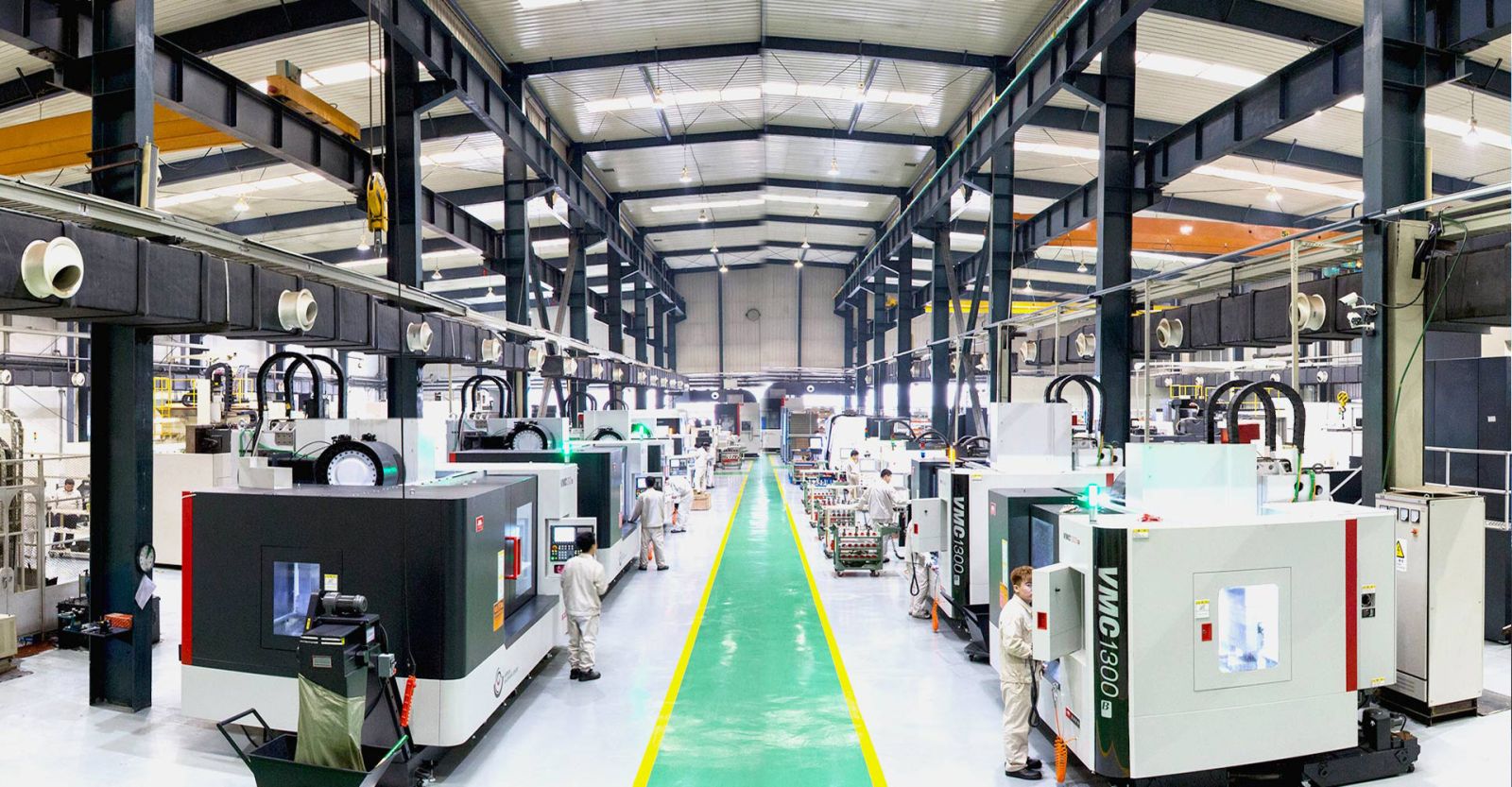
5-axis CNC machining for complex geometries
-
Precision grinding to ±0.005mm tolerances
-
Heat treatment and surface finishing services
Get Started Today
"Request your free material selection guide and project quote within 24 hours. Our engineering team will review your requirements and recommend the most cost-effective Inconel solution."
Get Quote
- Visit our website: https://www.nbyichou.com/
- Email us: [email protected]
- Call us/whatsapp: +86 13355741031
- Chat with us: Live chat support available on our website