- Are you looking to learn more about common machining processes? Look no further! In this article, we will explore the basics of machining, including its different types and applications.This article aims to provide readers with an introduction to common machining processes, including their types and applications.
-
.jpg)
Machining Processes
Machining is a manufacturing process that involves the use of various cutting tools to remove material from a workpiece to create a desired shape or form. Some common machining processes include:
- Turning
- Milling
- Drilling
- Grinding
Each of these processes has its own unique set of advantages and disadvantages and is best suited for certain applications.Machining is a critical process in manufacturing that involves the removal of material from a workpiece to create the desired shape or form. Here are the advantages and disadvantages of the most common machining processes.
.jpg)
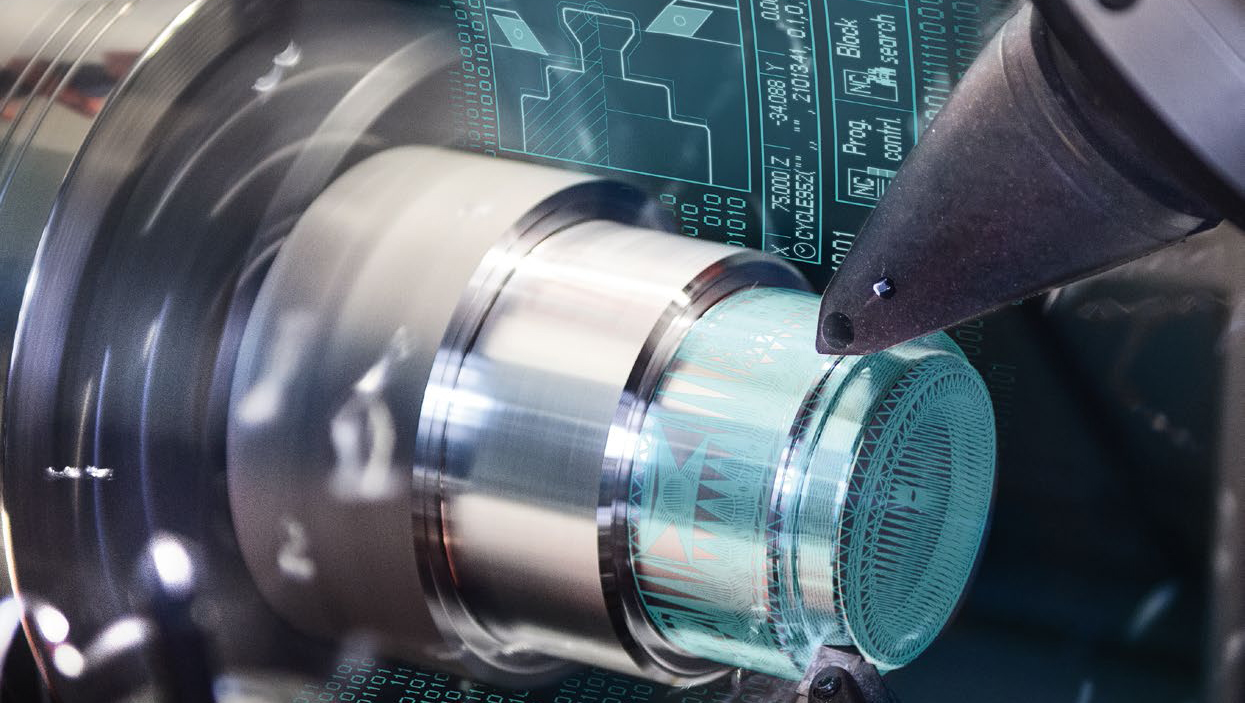
CNC Turning
There are several factors that can affect the accuracy and tolerance of turned parts, such as the material being machined, the type of cutting tool used, the speed and feed rate of the tool, and the skill of the machinist.Turning is a common machining process used in the manufacturing industry to remove material from a workpiece and create cylindrical parts. In this process, the workpiece is rotated against a cutting tool, which removes material and shapes it into the desired form.
Advantages:
- High precision and accuracy
- Creates cylindrical shapes
- Low tooling cost for simple parts
- Good surface finish
Disadvantages:
- Limited to rotational parts
- Limited to external shapes
- Limited to small to medium-sized parts
- Limited to softer materials
CNC Milling
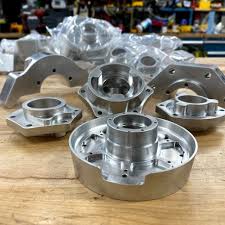
Milling is another common machining process used in the manufacturing industry to remove material from a workpiece. Unlike turning, which produces cylindrical parts, milling can be used to produce parts with complex shapes and contours. The milling process removes material from a stationary workpiece by rotating a cutting tool to achieve the desired shape.
Milling is a flexible machining process that can produce parts with different levels of complexity and accuracy. There are various factors that can affect the tolerance and precision of milled parts, similar to turning.achining process that can produce parts with different levels of complexity and accuracy. There are various factors that can affect the tolerance and precision of milled parts, similar to turning.
Advantages:
- Versatile - can create complex shapes and features
- High material removal rate
- Good surface finish
- Good for small to medium-sized parts
Disadvantages:
- Expensive tooling
- Requires advanced programming
- Limited to flat or prismatic parts
- Limited to softer materials
CNC Drilling
Drilling is a widely used machining process in the manufacturing industry used to create holes in workpieces. To create a hole, drilling involves rotating a cutting tool against a fixed object. It is a versatile and affordable way to make holes of different shapes and sizes. I used it in a wide range of industries, including automotive, aerospace, and construction.
Advantages:
- High precision and accuracy
- Creates holes of various sizes and shapes
- Good for small to medium-sized parts
- Good for harder materials
Disadvantages:
- Limited to cylindrical holes
- Limited to drilling perpendicular to surface
- Limited to small to medium-sized parts
- Limited to softer materials
CNC Grinding
Mechanical processing needs Grinding's technology because it is widely used in manufacturing.Mechanical processing needs Grinding's technology because it is widely used in manufacturing. It is used to remove material from workpieces to create the desired shape and surface finish. To create polished and smooth surfaces, especially with harder materials that cannot be shaped through other methods, grinding is an essential process. In addition, grinding can be used to create flat or cylindrical surfaces, making it a versatile process that can be used in a wide range of applications.
Advantages:
- High precision and accuracy
- Creates smooth and polished surfaces
- Good for small to medium-sized parts
- Good for harder materials
Disadvantages:
- Expensive tooling
- Slow material removal rate
- Limited to flat or cylindrical surfaces
- Limited to harder materials
Combination Methods
There are combination methods that can be used along with the four primary machining processes to produce more intricate shapes and features. Some common combination methods include:
- Turning and milling
- Milling and drilling
- Turning and grinding
These combination methods can offer the advantages of both processes while minimizing their disadvantages.
Applications
Common applications for machining processes include:
- Aerospace and aviation
- Automotive manufacturing
- Medical device manufacturing
- Electronics manufacturing
- Construction and building materials
Materials
Machining processes can be used with a wide range of materials, including:
- Metals (e.g., aluminum, steel, titanium)
- Plastics
- Composites
- Ceramics
- Wood
FAQ
What is the difference between turning and milling?
Turning is the process of removing material from a workpiece by rotating it against a cutting tool. Milling, on the other hand, involves using a rotating cutting tool to remove material from a stationary workpiece.
In turning, the cutting tool is stationary and the workpiece rotates, while in milling, the cutting tool rotates and the workpiece is stationary. Turning is typically used to create cylindrical shapes, while milling is better suited for creating complex shapes and features
Additionally, both processes can be used to create precision parts with high accuracy and tight tolerances, which is critical in the medical field to ensure the safety and effectiveness of medical devices and implants.
https://www.youtube.com/watch?v=i-PgeWbDgq4
Which machining process is best for creating complex shapes?
Milling is the most common machining process because it is highly versatile and capable of creating complex shapes and features. It works by removing material from a workpiece using a rotary cutter. This allows for precise and intricate cuts that cannot be achieved through other machining processes.
In the aerospace field, milling is particularly useful for creating critical components such as turbine blades and engine parts. These components require high precision and accuracy, and milling is capable of meeting those demands. Additionally, milling allows for the creation of lightweight parts, which is important in aerospace applications where weight is a critical factor.
What is the future development of mechanical processing?
The future development of mechanical processing is likely to involve increased automation and the use of advanced technologies such as artificial intelligence and machine learning. This will allow for faster and more efficient machining processes, as well as the ability to produce more complex shapes and features with greater precision and accuracy.
Additionally, there is a growing focus on sustainability and reducing the environmental impact of manufacturing processes. This has led to the development of new machining techniques and technologies that are more energy-efficient and produce less waste.
Overall, the future of mechanical processing is bright, with continued innovation and advancements in technology driving the industry forward.
what are the benefits of cnc machining?
CNC machining offers numerous benefits. It ensures high precision and accuracy, producing parts with tight tolerances. Its automation reduces errors and increases productivity, making it cost-effective for mass production. CNC machines are versatile, working with various materials like metals, plastics, and composites. Integration with CAD/CAM software simplifies design and generates machine code. This technology allows for complex part geometries, enhancing customization and prototyping. With reduced human intervention and enhanced safety features, CNC machining optimizes material usage, minimizing waste. Overall, CNC machining provides efficient, reliable, and adaptable manufacturing solutions across diverse industries.
what are the limitations of cnc machining?
CNC machining has some limitations to consider. Firstly, the initial setup and programming can be time-consuming and costly for small production runs. Additionally, while CNC machines are versatile, they may struggle with certain complex geometries or irregular shapes. Material selection can also impact machining performance, especially for very hard or brittle materials. Maintenance and skilled operator requirements add to operational costs. Finally, CNC machining may not be the most suitable choice for rapid prototyping due to setup time. Despite these limitations, CNC machining remains a valuable manufacturing process for its precision, repeatability, and efficiency across various industries.
Is cnc machining dangerous?
CNC machining can present certain risks, but with proper safety precautions and operator training, these risks can be minimized. The rotating cutting tools can cause injuries if not handled correctly. Additionally, the use of coolant or lubricant can lead to slip hazards. Machine malfunctions and flying debris are also potential dangers. However, implementing safety protocols, providing protective equipment, and ensuring skilled operators can greatly reduce the risk of accidents. By adhering to safety guidelines, CNC machining can be performed safely, offering its numerous benefits in precision manufacturing across industries.
- Visit our website: https://www.nbyichou.com/
- Email us: [email protected]
- Call us/whatsapp: +86 13355741031
- Chat with us: Live chat support available on our website