In recent years, the application of 3D printing technology in the molding of ceramic components has received increasing attention and has broad market prospects. In theory, 3D printing can overcome many challenges caused by traditional processes and has significant advantages in manufacturing ceramic parts of any complex shape, such as fast, flexible, and mold free manufacturing. This article systematically summarizes the historical evolution and latest research progress of 9 current ceramic 3D printing technologies. Discussions were conducted on the properties of raw materials, printing process, post-processing, and ceramic component performance. Explore some of the problems, challenges, and feasible solutions faced. At the same time, typical 3D printed ceramic parts were introduced, and the future development direction of ceramic 3D printing technology was prospected
Introduction
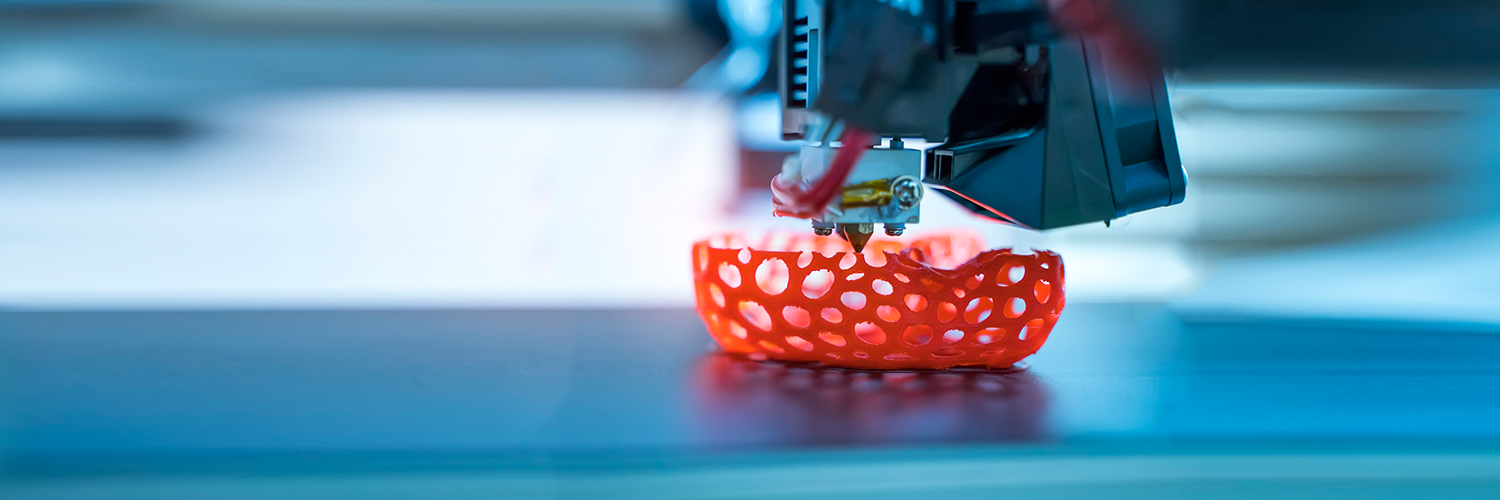
3D printing technology is also known as Additive Manufacturing technology. It first discretizes the 3D model data into multiple 2D sections, and uses computer automation to control the material to gradually accumulate points, lines, surfaces, and bodies for part manufacturing. Due to this innovative manufacturing method being able to flexibly manufacture highly complex structures that traditional methods such as casting and machining cannot achieve .
Ceramics are widely used in fields such as chemical, mechanical, electronic, aerospace, and biomedical fields due to their high mechanical strength and hardness, good chemical stability, and excellent acoustic, optoelectronic, magnetic, and thermal properties. In traditional ceramic manufacturing process, ceramic powder is usually mixed with binder or other additives, and the required shape is made by injection molding, molding, tape casting, gel casting and other methods . The produced green body is further densified through processes such as high-temperature degreasing and sintering. However, most of these traditional manufacturing processes require the prior manufacturing of molds, resulting in a longer overall production cycle and the inability to shape ceramic parts with highly complex structures. In addition, due to the extremely high hardness and brittleness of ceramics, their processing is extremely difficult. On the one hand, cutting tools are prone to wear and tear, and on the other hand, they may also cause defects such as cracking in the sample during the machining process.
The application of 3D printing technology in the manufacturing of ceramic parts provides a new possibility to solve the aforementioned problems and challenges. The ceramic 3D printing technology was first proposed by Marcus et al. [3] and Sachs et al. [4] in the 1990s. With the continuous improvement of science and technology in materials and computer science, research on 3D printing technology suitable for ceramic parts manufacturing has also made significant progress, and its categories are becoming increasingly diverse. This article divides these technologies into Fused Deposition Modeling (FDM) based on extrusion molding principles, Direct Ink Writing DIW (Direct Ink Writing DIW), Stereolithography SL (Stereolithography SL) based on photosensitive polymerization molding principles, based on different ceramic 3D printing molding principles Digital Light Processing (DLP) and Two Photon Polymerization (TPP), Ink Jet Printing IJP based on the principle of powder bonding, and Three Dimensional Printing 3DP Selective Laser Sintering SLS and Selective Laser Melting SLM based on the principle of powder sintering molding, a total of 9 ceramic 3D printing processes
.jpg)
1:Ceramic 3D printing technology based on extrusion molding principle
The principle of extrusion molding refers to the process of adding solvents or physical heating to enable ceramic raw materials to have a certain fluidity. Through extrusion, a certain shape of material is extruded from an extrusion nozzle with a certain diameter (usually several hundred micrometers to a few millimeters in diameter), forming ceramic parts layer by layer like toothpaste. This section mainly introduces two types of ceramic 3D printing technologies based on this principle, namely Fused Deposition Modeling FDM using nozzle heating and Direct Ink Writing DIW technology with solvent added.
1.1 Fused Deposition Modeling FDM
Melt deposition modeling technology is also known as melt deposition manufacturing technology. Due to its simple process, ease of DIY, and low cost, it has become one of the most commonly used 3D printing technologies. It was initially developed by Crump et al. in the 1990s and commercialized by Stratasys [6]. In the FDM printing process, the linear raw material is continuously supplied and extruded at the moving nozzle, and is heated and attached to the printed layer at a temperature higher than its melting point for cooling and solidification, as shown in Figure 1. Therefore, the size of the extrusion nozzle determines the layer thickness, which has a significant impact on the vertical dimensional accuracy of the resulting parts
At present, FDM printing mostly uses thermoplastic polymers such as ABS with lower melting points, or some metal wires with slightly higher melting points. Due to the inability of ceramics to be processed into soft and winding wires, it is usually necessary to mix a certain proportion of ceramic particles with thermoplastic adhesives to prepare composite wires for FDM printing. Figure 2 shows a ceramic polymer composite wire, which is made of ABS as the matrix material and filled with 3 μ M Barium titanate (BT) powder, volume percentage up to 35% [8].
1.2 Direct Ink Writing DIW
Pulp Direct Writing Technology (DIW), also known as Robocasting [29], was first proposed and patented by Cesarano et al. at Sandia National Laboratory in the United States in 1997 [30]. The difference between FDM and FDM is that FDM uses wire and is melted and extruded through high-temperature nozzles, while DIW uses high viscosity ceramic slurry mixed with ceramic powder and adhesives as raw materials, and directly deposits and "writes" the designed structure and shape from the nozzle discharge through external force extrusion. A slurry with high solid content and high viscosity is easy to maintain its shape after being extruded. After high-temperature degreasing and sintering, the final ceramic parts are made
.jpg)
2:Ceramic 3D Printing Technology Based on Photosensitive Polymerization Forming Principle
Ceramic 3D printing technology based on photosensitive polymerization molding typically uses a slurry system containing a mixture of ceramic particles and photosensitive resin, or a liquid system of organic ceramic precursors (Preceramic Polymers PCPs) that can be photosensitive polymerized. Photosensitive polymerization, also known as photocuring, refers to the crosslinking polymerization reaction caused by a certain volume of liquid materials such as polymer monomers under a certain wavelength of light irradiation to complete curing [51]. For the 3D printing process of a slurry system mixed with ceramic particles and photosensitive resin, it is actually a network structure formed by resin polymerization and cross-linking to uniformly wrap the ceramic particles dispersed in the system, thereby forming the solidification of the mixed material at a macro level. Afterwards, the printed piece is subjected to processes such as high-temperature degreasing and sintering to discharge the resin organic matter, densify it, and further diffuse and increase the ceramic particles, forming the final sample. This heat treatment stage is similar to traditional ceramic manufacturing methods. The liquid system of organic ceramic precursors that can be photosensitive polymerized is similar to the 3D printing process of ordinary photosensitive resins, and then is transformed into the required precursor conversion ceramics (PolymerDerived Ceramics PDCs) material samples through high-temperature thermal decomposition porcelain. This process is more achieved through chemical changes. The commonly used ceramic precursors mainly include polysiloxane, polysiloxane, and polycarbosilane containing silicon atoms in the main chain. After forming, they are transformed into ceramics such as SiOC, SiCN, and SiC through high-temperature pyrolysis.
The 3D printing technology of ceramics based on the photosensitive polymerization molding principle introduced in this section includes Stereolithography SL, Digital Light Processing DLP and Two Photon Polymerization TPP.
2.1 Stereolithography SL
Stereolithography technology is considered the most famous and popular 3D printing technology to date, and is widely used worldwide [52]. It was first proposed by Hull in 1986 [53] and commercialized by 3D Systems. The SL process typically uses a specific wavelength beam (usually ultraviolet light) to scan and solidify the surface of the material system from point to line to surface, followed by layer stacking (Figure 12). According to different top-down or bottom-up printing methods, after curing one layer, the printing platform is raised or lowered by one layer thickness. The beam used by SL can have a very fine spot size, which enables the production of high surface quality parts with micron level resolution.
2.2 Digital Light Processing
DLP technology is actually a mask based surface exposure SL technology, also known as projection micro stereo lithography, or P μ SL. This technology uses a light source to expose the entire printed shape of the layered layer through a mask to the surface of the photosensitive resin for layer by layer curing. This concept was initially implemented by Nakamoto and Yamaguchi in 1996 by using solid masks [88]. In 1997, Bertsch et al. further improved liquid crystal displays (LCDs) as dynamic mask generators [89]. Since 2001, Texas Instruments' Digital Mirror Device DMD has greatly improved the display resolution and contrast due to its highly competitive fill coefficient and reflectivity, and then replaced LCD as a new generation mask technology for DLP printing [90-92]. DMD is a chip composed of hundreds of thousands of micro mirror rectangular arrays corresponding to the displayed image pixels. By driving the micro mirror with electrostatic force, it can be independently rotated ± 10-12 ° to control the ultra fast light on or off state. In this way, the incident beam with a spatial resolution of 1.1um is reflected through or deviates from the lens, causing pixels to appear bright or dark on the projection surface [93]. The ultra fast ray switching and overall projection greatly shorten the processing time of DLP 3D printing compared to the traditional SL point line surface scanning process, and can achieve micrometer level feature resolution, enabling faster and higher precision manufacturing of parts [94-98]. These significant advantages of DLP technology have attracted great attention from the 3D printing industry. Figure 16 shows a schematic diagram of the DLP photocuring process. It can be seen that, unlike SL, DLP photocuring can generally be exposed from below through the bottom of the transparent material slot. Therefore, its material consumption can actually be much saved compared to SL, with less powder consumption and low specification requirements, as well as higher efficiency and relatively economic cost. DLP ceramic 3D printing technology can be used for printing high-precision and high-quality ceramic parts, especially for preparing thin-walled and macro porous ceramic devices with complex characteristics and structures.
2.3 Two Photon Polymerization TPP
In recent years, the market demand for nanomanufacturing three-dimensional structures has also been increasing, especially in fields such as nanobiomedicine, nanoelectronics, and nanomechanics. The continuous development of material chemistry and laser optics has made it possible to develop new nanomanufacturing technologies. Two photon aggregation technology is a typical representative of it. This polymerization is achieved by focusing high light intensity focal points in a specific space within the photosensitive resin, while absorbing two photons of near-infrared (780nm) or green (515nm) lasers to activate them
3:Ceramic 3D Printing Technology Based on Powder Bonding Forming Principle
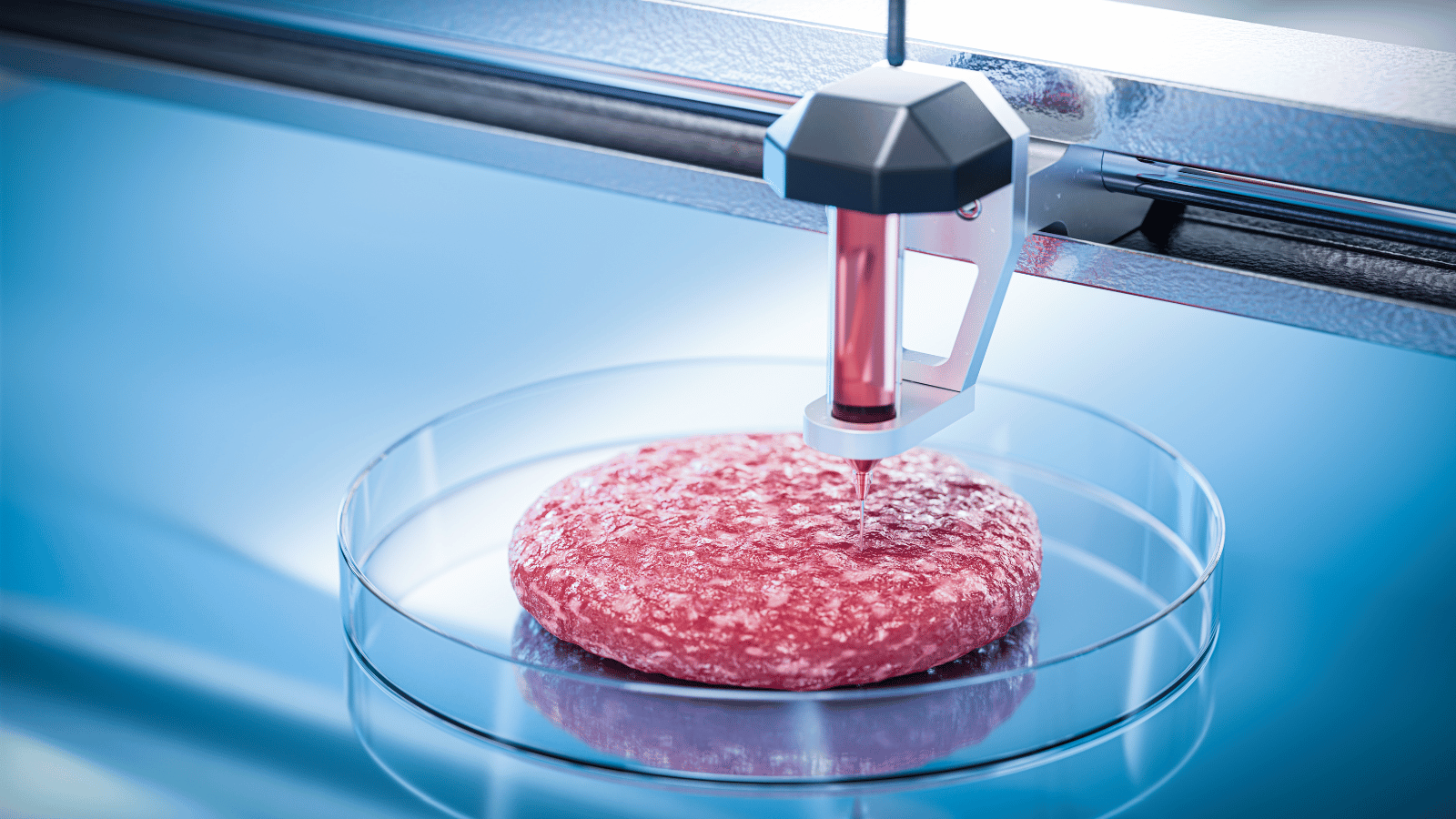
Powder bonding molding generally uses liquid solvents or adhesives to act on ceramic particles to form powder bonding. The molding process does not involve the use of energy sources such as ultraviolet light or laser. This section introduces two main ceramic 3D printing technologies based on this principle, including inkjet printing technology (InkJet Printing IJP) where liquid solvents or adhesives have been mixed with ceramic powder to form a suspension ink before printing, and three dimensional printing technology (Three Dimensional Printing 3DP) where liquid solvents or adhesives are sprayed onto ceramic powder through a nozzle during the printing process and mixed in contact. Please note the difference between "3DP" and "3D printing" here. Due to historical reasons, the abbreviation "3DP" has been retained as a category of 3D printing technology, and "3D printing" is now a general term and a variant of additive manufacturing.
3.1 Inkjet Printing Technology (Ink Jet Printing IJP)
Ink jet printing is a commonly used technique for printing flat text and images in daily life and office work. There are various printers on the market, from small and inexpensive consumer models to large and expensive industrial machines. It sprays ink in the form of droplets onto paper, plastic, or other materials through a print head nozzle [137]. IJP was initially developed in the 1950s, and it was not until the 1970s that commercial computer-aided control IJP emerged, mainly developed by companies such as Epson, HP, and Canon [138]. IJP includes two modes: continuous or on-demand (DOD) [139]. DOD mode realizes printing by thermal excitation or Piezoelectricity squeezing ink, which has high positioning accuracy and small droplet size, so IJP has been further developed as a material deposition technology. The raw materials for ink have been greatly expanded, including polymers or metals for electronic pattern printing [140, 141], solder for microelectronic welding [142], and cells for tissue engineering repair [143]. Due to the very small volume of ink droplets sprayed (which can be as low as several pL), IJP is limited to printing small components.
3.2 Three Dimensional Printing-3DP
The 3DP technology was initially proposed by Sachs et al. at the Massachusetts Institute of Technology in 1989 [176]. Although 3DP can be considered as an indirect inkjet printing process, unlike the inkjet printing described earlier, in the 3DP process, an organic binder solution is sprayed onto a specific area of the powder bed surface through a nozzle, and then the binder penetrates and encapsulates the powder in that area and solidifies into a solid. Afterwards, a new layer of powder is evenly coated on the printed layer for the next layer of printing until the three-dimensional part is formed. The loose powder used as a support in the powder bed is removed after the entire part is printed. Finally, the parts are removed and subjected to high-temperature sintering to remove organic binders and other organic additives, densifying the ceramic parts to obtain the required mechanical properties
.png)
4:Ceramic 3D Printing Technology Based on Powder Sintering Principle
Unlike the principle of powder bonding, ceramic 3D printing technology based on the principle of powder sintering does not directly use liquid adhesives, but mainly uses high-power laser beams to provide thermal energy, selectively sintering or melting the surface of the powder bed containing loose ceramic particles (or also solid adhesive particles), in order to achieve the purpose of bonding and solidification molding. This section discusses Selective Laser Sintering SLS and Selective Laser Melting SLM.
4.1 Selective Laser Sintering SLS
SLS was first patented by Deckard and Beaman of the University of Texas at Austin in 1986 [1999], and further commercialized by DTM, which was acquired by 3D Systems in 2001. During the SLS printing process, high-power laser beams selectively irradiate the surface of the target powder bed. The powder is heated and sintered by laser at high temperature, resulting in fusion and connection between particles. Subsequently, a new powder layer is applied to the surface of the previous printing layer for printing the next layer, and this is repeated until the designed 3D part is printed as a whole. Similar to 3DP, due to the fact that the structure of printing solidification during the SLS process is always supported by the powder in the powder bed, there is no need to design and manufacture additional support structures
4.2 Selective Laser Melting SLM
SLM is usually considered to have evolved from SLS technology and was successfully developed at the Fraunhofer Laser Technology Research Institute (ILT) in Germany in 1996 [235]. Similar to the working principle of SLS, SLM uses a laser source with higher energy density to selectively fuse all the powder laid on the surface of the powder bed in one go, without the need for the use of low melting point adhesive powder. SLM is currently one of the fastest developing 3D printing technologies, especially in the field of metal forming. This is mainly because it can almost directly produce sturdy and durable parts in one go, and can simultaneously control the shape of the parts during the printing process. This technology mainly uses metal or alloy powders (such as aluminum, copper, stainless steel, and alloys such as titanium and nickel) to manufacture engineering components, such as lightweight parts used in the aerospace industry [236]. Due to SLM's ability to completely melt powder into a liquid phase, which ensures rapid densification, SLM can produce almost completely dense and uniform parts. High density component manufacturing and excellent control of crystal structure enable SLM to produce components with stronger functions and wider applications
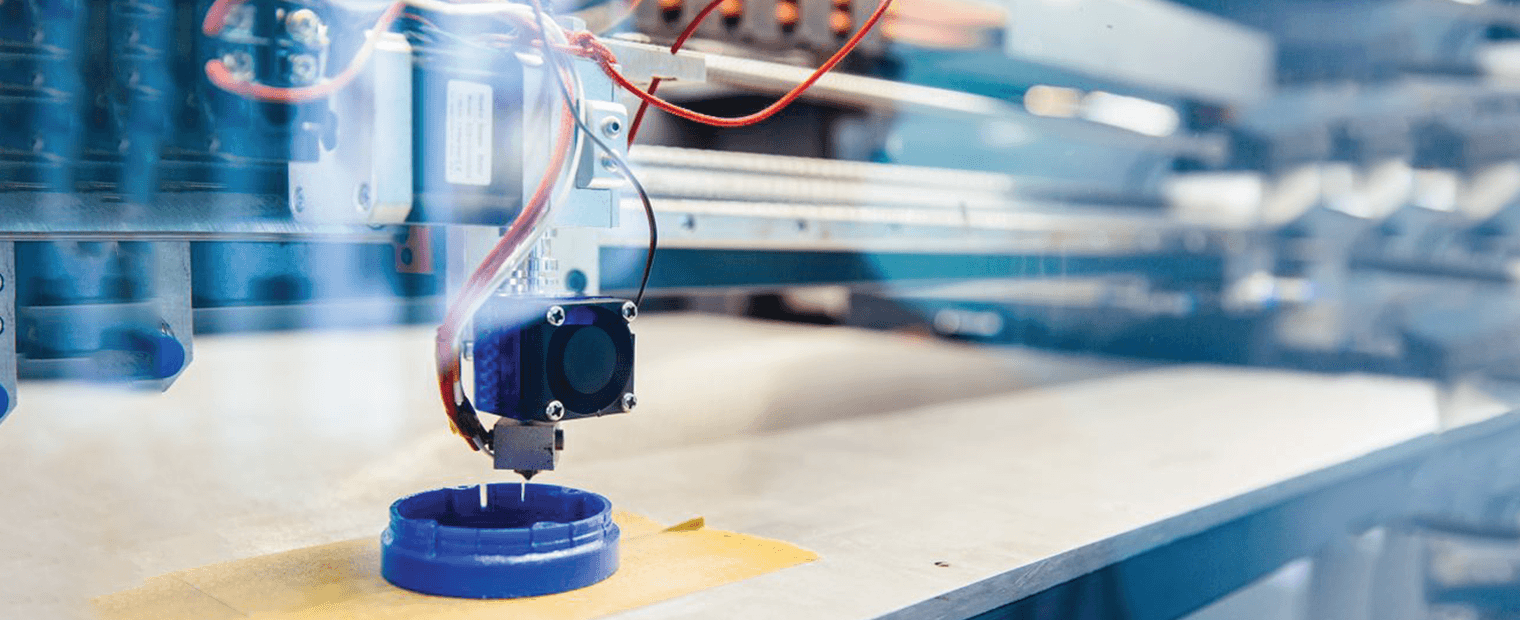
Strictly speaking, 3D printing is just one of the many forming processes involved in the preparation of ceramic parts. The performance of the final part also depends on the composition and microstructure characteristics determined by material preparation and drying sintering processes. This requires the integration of 3D printing technology with raw material preparation and required post-processing processes such as infiltration and isostatic pressing, to provide more possibilities for further improving part performance, although these operations may increase production time and costs.
Although significant progress has been made in the research of powder fusion processes for polymers and metals (i.e. SLS and SLM), their application in the manufacturing of ceramic parts is still not very mature. Further theoretical and experimental research on the dynamic interaction and melting process between laser and ceramic particles will contribute to the control and manufacturing of ceramic component structures. There is currently a relatively lack of work in this area. At the same time, under rapid laser heating and cooling rates, residual stress caused by temperature gradients inside ceramic parts remains the main factor leading to defects such as cracks and deformations. Although preheating the powder bed can help alleviate these problems, the high melting point of ceramics places greater demands on manufacturing processes. The surface roughness, excess porosity, and large shrinkage of ceramic printed parts also limit their application range.
Relatively speaking, ceramic 3D printing technologies based on the principle of photosensitive polymerization molding (SL, DLP, and TPP) have shown significant advantages in printing accuracy, surface quality of parts, and mechanical properties. Therefore, they are generally considered a promising class of ceramic 3D printing processes, especially compared to methods such as powder sintering, which have greater application potential in printing precision ceramic parts. Moreover, among the commercial ceramic 3D printing devices currently appearing on the market, the cost of DLP printers is usually relatively low, especially significantly lower than devices such as SLM that require high-energy lasers. Therefore, it further promotes the widespread application and popularization of DLP ceramic 3D printing technology.
The aerospace and biomedical industries are the two most promising markets for ceramic 3D printing. However, due to its strict and high standards of airworthiness and certification policy requirements, the admission cycle is longer. In addition, in these cases, 3D printing no longer has an average cost benefit advantage compared to traditional manufacturing methods, as these fields typically adopt small-scale customization to manufacture high-end parts, which clearly results in higher production costs. IJP and 3DP can be used to manufacture dense or porous ceramic parts, and can also be used to print artificial hollow lattice ceramic structures like DIW and FDM processes. Although the surface finish of 3DP printed parts is limited, a significant advantage of this technology is its ability to flexibly use various powder raw materials. The disadvantages of low precision, low density, and low surface quality may no longer be a problem in the application of bioceramic scaffolds, but may transform into favorable structural characteristics for these component applications. Therefore, the research on manufacturing porous bioceramic parts using the above methods has made rapid progress.
In short, there are many categories of ceramic 3D printing technology, and the maturity of various process methods varies. Although some progress has been made in the selection of ceramic raw materials, optimization of process parameters, and post-processing research, the widespread application of 3D printing in ceramic manufacturing and mass production still pose great challenges. In order to expand the applicability of ceramic 3D printing, achieve large-scale production of high-quality ceramic components, and have a substantial impact on industrial applications, the author suggests that the focus of future research on ceramic 3D printing should be on material development and process control, especially the development of new forming mechanisms to produce high-performance ceramic parts at lower costs and in a shorter time. From the significant development of 3D printing in various materials and applications in recent years, it can be predicted that ceramic 3D printing technology will complement the advantages of traditional ceramic manufacturing processes and become a new growth point in the field of ceramic production.
- Visit our website: https://www.nbyichou.com/
- Email us: [email protected]
- Call us/whatsapp: +86 13355741031
- Chat with us: Live chat support available on our website