Searching for the best aluminum anodizing services can be a daunting task. With so many options available, it's important to find a provider that not only meets your needs but also exceeds your expectations. That's where this ultimate guide comes in. We've done the research for you, uncovering the hidden brilliance of aluminum anodizing services and providing you with everything you need to know to make an informed decision. From understanding the anodizing process to knowing what to look for in a service provider, we've got you covered. Whether you're in need of anodizing for automotive parts, aerospace components, or architectural applications, this guide will help you navigate the complex world of aluminum anodizing and find the best services near you. So, buckle up and get ready to unlock the hidden brilliance of aluminum anodizing with our ultimate guide.
Title: Benefits of Aluminum Anodizing
Aluminum anodizing is a versatile and highly effective surface treatment process that offers a plethora of benefits for various industries and applications. Whether you're a manufacturer, a designer, or simply someone looking to enhance the durability and aesthetics of aluminum products, understanding the advantages of aluminum anodizing is crucial. In this section, we'll delve into the myriad benefits this process brings to the table, shedding light on how it can transform your aluminum materials and products.
One of the foremost advantages of aluminum anodizing is its ability to enhance the corrosion resistance of aluminum. Aluminum, while inherently lightweight and durable, can be susceptible to corrosion over time. Anodizing forms a protective oxide layer on the aluminum surface, effectively sealing it off from environmental factors like moisture, chemicals, and UV radiation. This corrosion resistance is especially valuable for outdoor and marine applications where aluminum components are exposed to harsh conditions.
In addition to safeguarding against corrosion, aluminum anodizing also significantly improves the material's wear resistance. This is particularly beneficial for components subjected to friction, abrasion, or frequent handling. The anodized layer acts as a hard, durable surface that extends the lifespan of aluminum products and reduces the need for maintenance and replacement.
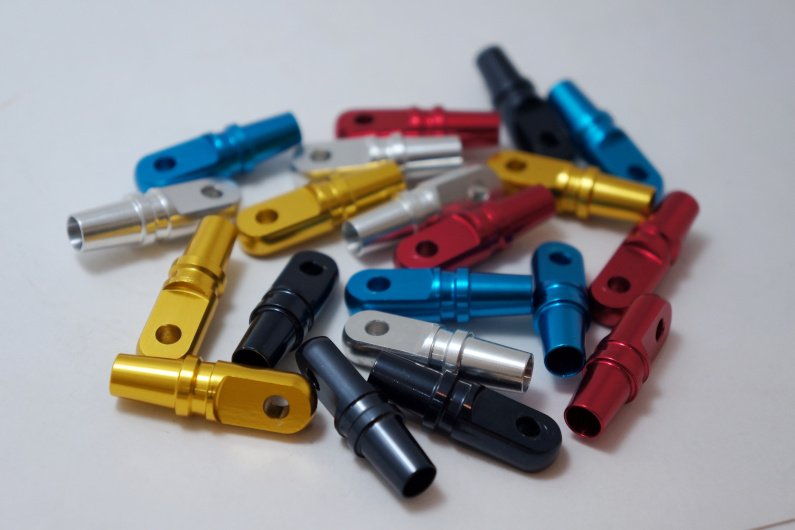
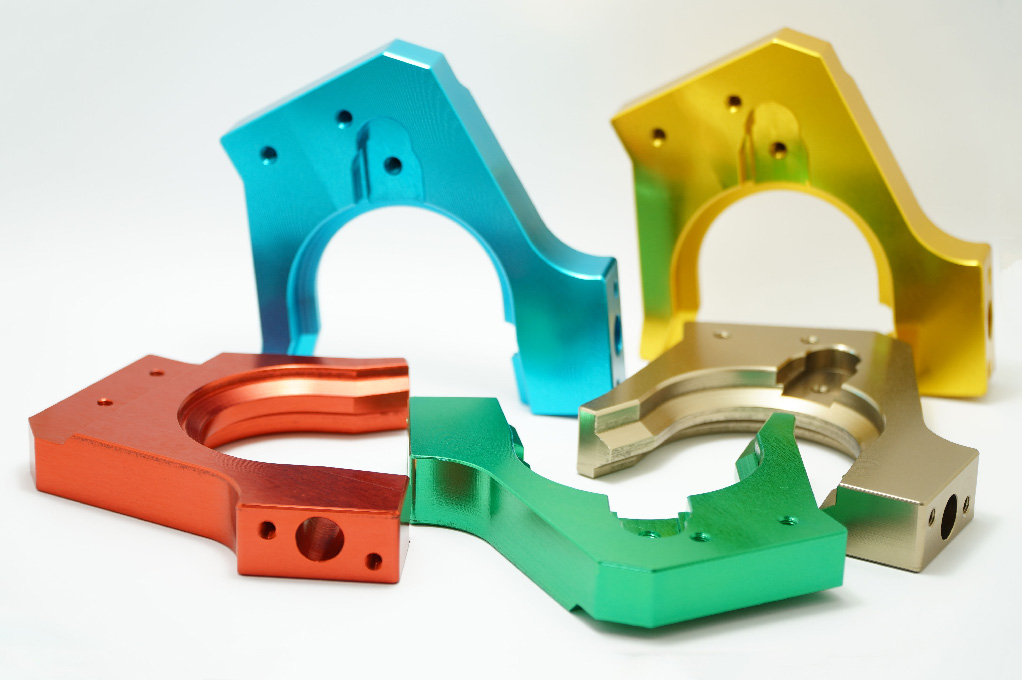
Furthermore, the aesthetic appeal of anodized aluminum cannot be overstated. The anodizing process can be customized to produce a wide range of colors, textures, and finishes. Whether you desire a sleek, modern look or a vibrant, eye-catching appearance, aluminum anodizing can make it a reality. This versatility in aesthetics makes anodized aluminum a favored choice in industries such as architecture, automotive, and consumer electronics.
Beyond its protective and visual benefits, anodizing also offers an environmentally friendly solution. The process consumes minimal energy, generates little waste, and the resultant anodized aluminum is fully recyclable. As sustainability becomes increasingly important in today's world, choosing anodized aluminum aligns with eco-conscious principles.
In conclusion, the advantages of aluminum anodizing are multifaceted, encompassing improved corrosion resistance, enhanced wear resistance, customizable aesthetics, and environmental sustainability. Understanding these benefits is the first step in harnessing the potential of aluminum anodizing for your specific needs, whether you're in manufacturing, construction, or any other industry. With these advantages in mind, let's delve deeper into the anodizing process itself.
Title: Understanding the Anodizing Process
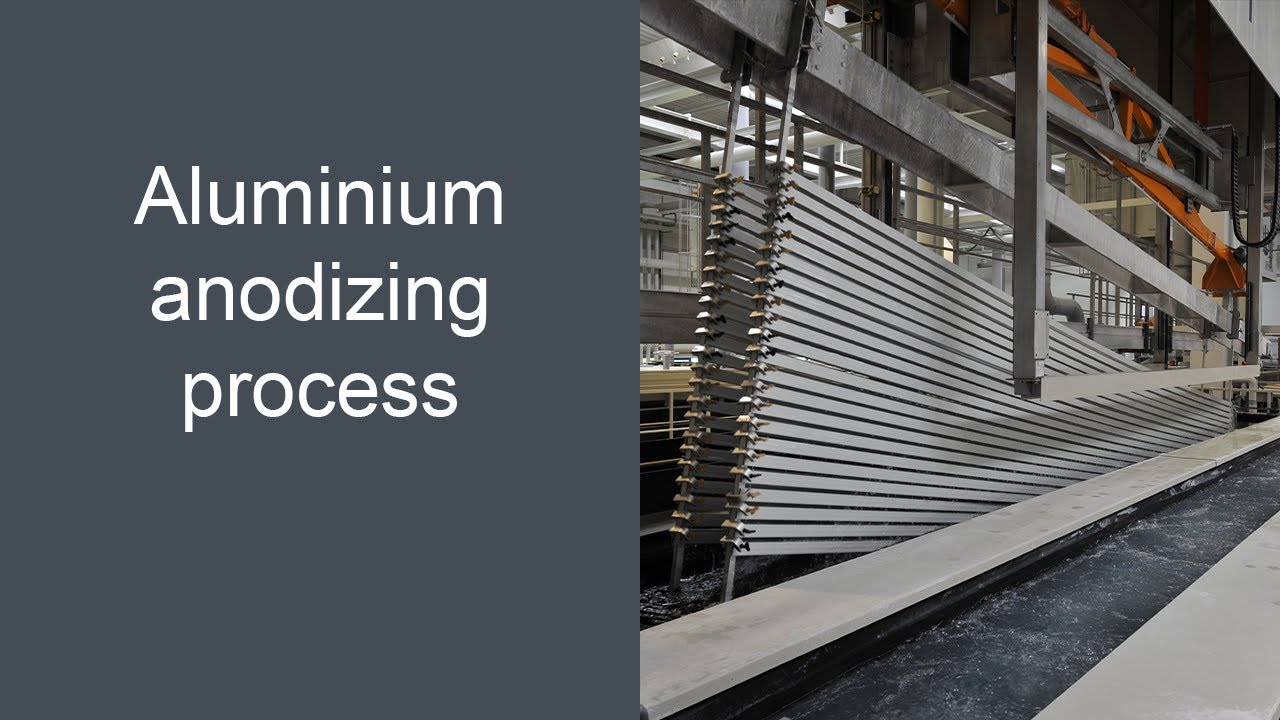
To fully appreciate the benefits of aluminum anodizing, it's essential to gain a comprehensive understanding of the anodizing process itself. Anodizing is a controlled electrochemical oxidation process that transforms the surface of aluminum into a durable and highly functional finish. Let's break down the key steps involved in this transformative procedure.
-
Preparation: The anodizing process begins with thorough cleaning and preparation of the aluminum substrate. Any contaminants, such as oils, greases, or surface oxides, are removed to ensure uniform and effective anodization. This step is critical for achieving a high-quality finish.
-
Electrolytic Bath: The prepared aluminum is then immersed in an electrolytic bath, typically containing sulfuric acid or other suitable electrolytes. The aluminum acts as the anode (hence the name "anodizing"), while a cathode is also present in the bath. When an electric current is applied, an oxidation reaction occurs on the aluminum's surface.
-
Formation of Anodic Oxide: As a result of the electric current, an oxide layer forms on the aluminum's surface. This oxide layer is integral to the enhanced properties of anodized aluminum. It's important to note that the thickness of this layer can be controlled, allowing for customization according to the intended application.
-
Color and Finish: Anodized aluminum's aesthetic appeal is achieved through a process called dyeing or electrolytic coloring. In this step, the anodized surface is immersed in a dye bath, where it absorbs color to achieve the desired appearance. Alternatively, various finishing techniques, such as brushing or polishing, can be applied to create different textures and patterns.
-
Sealing: The final step involves sealing the anodized surface to lock in the benefits achieved during the anodizing process. This can be done through methods like hot water sealing or chemical sealing, which enhance corrosion resistance and overall durability.
-
Quality Control: Throughout the entire process, stringent quality control measures are employed to ensure that the anodized aluminum meets the specified standards. This includes checks for thickness, color consistency, and adhesion.
By comprehending the intricacies of the anodizing process, you gain a deeper appreciation for the science behind the remarkable properties of anodized aluminum. Armed with this knowledge, you can make informed decisions when considering aluminum anodizing services in your local area. Speaking of which, let's move on to the crucial factors to consider when choosing an aluminum anodizing service provider nearby.
Title: Factors to Consider When Choosing Aluminum Anodizing Near Me
When you're in the market for aluminum anodizing services, selecting the right local provider is paramount. Your choice can significantly impact the quality, cost-effectiveness, and turnaround time of your project. To ensure you make an informed decision, consider the following key factors when choosing an aluminum anodizing service provider near you.
1. Expertise and Experience: Begin by evaluating the provider's expertise and experience in the field of aluminum anodizing. Look for a company that has a proven track record of successfully completing projects similar to yours. An experienced provider is more likely to deliver high-quality results and navigate any potential challenges that may arise during the process.
2. Equipment and Technology: The equipment and technology used in the anodizing process can have a significant impact on the final outcome. Inquire about the provider's anodizing equipment, ensuring that it is modern and well-maintained. Cutting-edge technology can result in more precise and consistent anodized finishes.
3. Customization Options: Different projects may require specific customization options, such as color choices, finishes, and thicknesses of the anodized layer. A reputable provider should offer a range of customization possibilities to meet your unique needs.
4. Quality Control Measures: Quality control is crucial in the anodizing process to ensure the finished product meets the desired specifications. Inquire about the provider's quality control procedures, including thickness measurement, color consistency checks, and adhesion testing.
5. Turnaround Time: Consider your project timeline and inquire about the provider's turnaround time. Some projects may have tight deadlines, so it's essential to choose a provider who can accommodate your schedule without compromising on quality.
6. Pricing: While cost is a factor, it should not be the sole determining factor in your decision. Look for a provider that offers competitive pricing while maintaining the quality and customization options you require. Be cautious of providers offering significantly lower prices, as this may indicate subpar quality.
7. Environmental Practices: If sustainability is a priority for your project, inquire about the provider's environmental practices. Anodizing can be an environmentally friendly process when performed responsibly, so choose a provider that minimizes waste and adheres to eco-conscious practices.
8. Location and Accessibility: The proximity of the provider to your location can affect transportation costs and logistics. Choosing a local provider may offer convenience and potential cost savings.
9. References and Reviews: Research the provider's reputation by seeking references and reading online reviews from past clients. Positive feedback and testimonials can provide valuable insights into the provider's reliability and quality of service.
10. Communication and Customer Service: Effective communication and excellent customer service are essential for a smooth project experience. Choose a provider who is responsive to your inquiries and provides clear, transparent information throughout the process.
By carefully evaluating these factors, you can make an informed decision when selecting an aluminum anodizing service provider near you. Next, we'll explore the steps involved in researching and evaluating local anodizing service providers to help you find the perfect match for your project.
Title: Researching and Evaluating Local Anodizing Service Providers
When embarking on a project that requires aluminum anodizing, conducting thorough research and evaluation of local service providers is a critical step. This process ensures that you select a reputable and capable partner for your anodizing needs. Here are the key steps to follow when researching and evaluating local anodizing service providers.
1. Online Research: Start your search by utilizing online resources. Search engines, business directories, and industry-specific websites can help you compile a list of potential anodizing service providers in your area. Pay attention to companies with well-designed websites that provide detailed information about their services and capabilities.
2. Seek Recommendations: Reach out to colleagues, peers, or industry contacts who may have experience with aluminum anodizing services. Recommendations from trusted sources can be invaluable in identifying reliable providers.
3. Check Certifications and Accreditations: Verify whether the anodizing service providers you're considering hold relevant certifications and accreditations. These certifications often indicate a commitment to quality and adherence to industry standards.
4. Visit Facilities: If possible, arrange visits to the facilities of the shortlisted providers. This gives you the opportunity to assess their equipment, cleanliness, and overall capabilities. A well-organized and maintained facility is a good indicator of professionalism.
5. Request Samples: Ask the providers to provide samples of their anodized aluminum work. Examining these samples allows you to assess the quality of their finishes, color options, and customization capabilities.
6. Inquire About Experience: During your interactions with potential providers, inquire about their experience with projects similar to yours. A provider with relevant experience is more likely to understand your specific needs and deliver satisfactory results.
7. Get Multiple Quotes: Request detailed quotes from several providers. Ensure that the quotes include a breakdown of costs, customization options, and any additional services or fees. Comparing multiple quotes can help you make a cost-effective decision.
8. Check References: Contact references provided by the providers to gather insights into their past performance and client satisfaction levels. Ask about the quality of work, communication, and adherence to project timelines.
9. Assess Communication: Pay attention to how each provider communicates with you. Prompt and clear communication is essential for a successful project partnership. Choose a provider who is responsive to your inquiries and addresses your concerns.
10. Review Contracts and Terms: Carefully review the contracts and terms proposed by each provider. Ensure that all aspects of the project, including pricing, deadlines, and quality standards, are clearly defined in the contract.
11. Consider Industry Specialization: Some anodizing service providers specialize in specific industries or applications. Consider whether a provider's specialization aligns with your project requirements, as they may have specialized knowledge and expertise.
12. Evaluate Customer Service: Assess the level of customer service provided by each company. A provider who prioritizes customer satisfaction and is willing to accommodate your needs is more likely to deliver a positive experience.
By diligently following these steps, you can gather comprehensive information about local anodizing service providers and make an informed decision based on your project's specific requirements. With a shortlist of potential partners in hand, the next step is to prepare a list of questions to ask when contacting these providers, ensuring you get all the information you need to make a well-informed choice.
Title: Questions to Ask When Contacting Anodizing Service Providers
Contacting anodizing service providers is a crucial step in the selection process. It's an opportunity to gather essential information, clarify doubts, and assess the provider's suitability for your project. To ensure you cover all the necessary aspects, here is a list of pertinent questions to ask when reaching out to anodizing service providers.
1. Can you provide an overview of your anodizing process?: Begin by asking the provider to explain their anodizing process in detail. Understanding their approach and methodology is essential to assess the quality of their work.
2. What types of aluminum alloys do you work with?: Different aluminum alloys may require specific anodizing techniques. Ensure that the provider has experience working with the specific alloys used in your project.
3. What customization options do you offer for color and finish?: Inquire about the range of color choices and finishing options available. This helps determine whether the provider can achieve the aesthetic you desire for your project.
4. What is your quality control process?: Gain insight into the provider's quality control measures. Ask about the tools and procedures they use to ensure the anodized aluminum meets the required standards.
5. Can you provide references from past clients?: Request references from previous clients who have undertaken similar projects with the provider. Contact these references to learn about their experiences and the quality of the work delivered.
6. What is your turnaround time for projects of this scale?: Discuss your project timeline and inquire about the provider's estimated turnaround time. Ensure that their schedule aligns with your project's needs.
7. How do you handle rush orders or urgent requests?: If your project has urgent requirements, ask the provider about their ability to accommodate rush orders and any associated fees.
8. What are your pricing structures and payment terms?: Seek detailed information about pricing, including any additional fees or charges. Clarify the payment terms and discuss whether they offer flexibility in payment arrangements.
9. Are there any environmental practices you follow in your anodizing process?: If sustainability is a concern for your project, ask about the provider's environmental practices and their commitment to eco-friendly anodizing.
10. How do you handle issues or disputes during a project?: Discuss the provider's approach to conflict resolution and how they address issues that may arise during the course of a project.
11. Can you provide a detailed project proposal or contract?: Request a comprehensive project proposal or contract that outlines all aspects of the project, including deliverables, timelines, and pricing.
12. What sets your company apart from other anodizing service providers in the area?: Ask the provider to highlight their unique strengths and capabilities that differentiate them from competitors.
13. How do you stay updated on industry trends and technology?: Inquire about the provider's commitment to staying current with industry advancements and technology updates, as this can impact the quality of their work.
14. Can you accommodate special requirements, such as masking or selective anodizing?: If your project has specific requirements like masking or selective anodizing, discuss whether the provider can accommodate these needs.
15. What is your policy on confidentiality and data security?: If your project involves sensitive information, discuss the provider's policies and measures for ensuring confidentiality and data security.
Asking these questions will not only help you gather vital information but also gauge the provider's transparency, professionalism, and willingness to work closely with you to meet your project goals. With the responses in hand, you'll be well-equipped to make an informed decision. Next, we'll explore the importance of comparing pricing and turnaround time when selecting an anodizing service provider.
Title: Comparing Pricing and Turnaround Time
Two crucial factors that significantly influence your choice of an anodizing service provider are pricing and turnaround time. Balancing cost-effectiveness with project timelines is essential for a successful anodizing project. In this section, we'll delve into the significance of comparing pricing and turnaround time among potential providers and provide insights into making informed decisions in this regard.
Pricing Considerations:
Pricing is a key factor that can greatly impact your project's budget. When comparing quotes from different anodizing service providers, it's important to consider the following aspects:
-
Detailed Quotes: Ensure that each provider provides a detailed quote that breaks down the cost components. This allows you to understand what you're paying for and facilitates accurate comparisons.
-
Customization Costs: If your project requires specific colors, finishes, or thicknesses for the anodized layer, inquire about any additional costs associated with customization. Some providers may charge extra for certain customization options.
-
Volume Discounts: If your project involves a significant volume of anodized parts or components, check whether the provider offers volume discounts. Bulk orders may lead to cost savings.
-
Hidden Costs: Be vigilant for any hidden costs or fees that may not be immediately evident in the initial quote. These could include setup fees, rush order charges, or additional testing costs.
-
Long-Term Value: While it's natural to focus on upfront costs, consider the long-term value of the services provided. High-quality anodizing that extends the lifespan of your aluminum products can be a cost-effective choice in the long run.
-
Quality vs. Cost: Striking the right balance between cost and quality is crucial. Be cautious of providers offering significantly lower prices, as this may indicate compromises in quality.
Turnaround Time Considerations:
The turnaround time of an anodizing project is another critical factor, especially if you have specific deadlines to meet. Here's how to evaluate and compare providers based on turnaround time:
-
Projected Timeline: Inquire about the provider's estimated turnaround time for your project. Ensure that it aligns with your project's schedule and deadlines.
-
Urgent Requests: If your project requires expedited processing, discuss how each provider handles urgent requests. Some providers may offer rush services for quicker turnaround.
-
Communication: Effective communication plays a crucial role in meeting project timelines. Choose a provider who commits to clear and timely communication throughout the project.
-
Project Complexity: Consider the complexity of your project and whether it may impact the turnaround time. Complex or highly customized projects may require more time for precision.
-
Delivery Logistics: Factor in the time required for the delivery or pickup of anodized parts. Choose a provider whose location and logistics support timely delivery.
-
Flexibility: Assess the provider's flexibility in accommodating changes to project timelines if unforeseen issues arise. A provider who can adapt to unexpected challenges is valuable.
Strategies for Decision-Making:
When comparing pricing and turnaround time among anodizing service providers, it's important to adopt a strategic approach:
-
Prioritize Project Requirements: Consider the specific needs and priorities of your project. Sometimes, a slightly higher cost may be justified if it ensures superior quality or faster delivery.
-
Evaluate the Overall Package: Don't make decisions solely based on cost or turnaround time. Assess the overall package that each provider offers, including quality, customization, and customer service.
-
Consider Long-Term Benefits: Look beyond the immediate project and consider the long-term benefits of choosing a provider that offers high-quality anodizing. A durable finish can reduce maintenance and replacement costs.
-
Negotiate When Appropriate: If you find a provider who meets most of your requirements but falls slightly outside your budget, consider negotiating for more favorable terms. Some providers may be willing to adjust pricing for long-term partnerships.
-
Request Clarifications: If any aspect of pricing or turnaround time is unclear, don't hesitate to seek clarifications from the provider. A transparent and open dialogue can help in making informed decisions.
By carefully weighing pricing and turnaround time considerations, you can select an anodizing service provider that aligns with your project's goals and constraints. However, your decision-making process should also encompass the evaluation of customer feedback and testimonials, which we'll explore in the next section.
Title: Reviewing Customer Feedback and Testimonials
Customer feedback and testimonials are invaluable resources when evaluating the credibility and performance of an anodizing service provider. They offer firsthand insights into the experiences of past clients and can help you make an informed decision. In this section, we'll discuss the importance of reviewing customer feedback and provide guidance on how to interpret and utilize this information effectively.
The Significance of Customer Feedback:
-
Objective Insights: Customer feedback provides objective insights into the provider's performance, quality of work, and customer service. It offers a glimpse into the provider's track record.
-
Real-World Experiences: Reading about the experiences of clients who have worked with the provider can help you anticipate potential challenges or advantages of choosing them for your project.
-
Reputation Assessment: Customer feedback helps you assess the reputation of the anodizing service provider within the industry and among its clients. Positive feedback can be a strong indicator of reliability.
-
Red Flags: Negative feedback or recurring issues mentioned in testimonials can serve as red flags. Pay attention to any consistent concerns raised by multiple clients.
How to Review Customer Feedback and Testimonials:
-
Diverse Sources: Gather feedback from various sources, including the provider's website, online review platforms, and references provided by the provider. A comprehensive view of feedback is more reliable.
-
Recent Reviews: Focus on recent reviews and testimonials, as they reflect the provider's current performance and practices. Older reviews may not accurately represent the provider's current standards.
-
Positive and Negative Patterns: Look for patterns in feedback. Are there recurring positive comments about a particular aspect of the provider's service? Conversely, are there consistent negative issues raised?
-
Balance of Reviews: Consider the overall balance of reviews. A few negative reviews among a majority of positive ones may not be cause for concern, but consistent negativity should be investigated.
-
Specific Feedback: Pay attention to specific feedback that aligns with your project requirements. If a client mentions successful completion of a project similar to yours, it's a positive indicator.
-
Ask for References: If the provider has not already provided references, don't hesitate to ask for them. Contacting past clients directly can offer more detailed insights.
Interpreting Feedback Objectively:
-
Objective Perspective: Maintain an objective perspective while reading feedback. Consider both positive and negative comments to form a balanced assessment.
-
Context Matters: Consider the context in which feedback was given. Sometimes, negative feedback may be related to unique circumstances that don't apply to your project.
-
Responding to Negative Feedback: If you come across negative feedback, inquire with the provider about how they addressed those concerns. A provider's willingness to rectify issues is significant.
-
Use Feedback for Questions: Utilize feedback as a basis for questions when you contact the provider. For instance, if a client mentions a delay in delivery, ask the provider about their current approach to project timelines.
-
Evaluate the Provider's Response: Some review platforms allow providers to respond to feedback. Assess how the provider responds to both positive and negative reviews. A professional and constructive response indicates accountability.
The Role of Testimonials:
Testimonials are condensed expressions of client satisfaction and can be highly impactful. When reviewing testimonials, look for the following:
- Specific details about the project or service received.
- Mention of how the provider exceeded expectations.
- Statements about the positive impact on the client's business or project.
- Endorsements of the provider's reliability, quality, and professionalism.
In conclusion, customer feedback and testimonials offer valuable insights into the performance and reputation of an anodizing service provider. By carefully reviewing this feedback and testimonials from past clients, you can make a more informed decision when choosing the right provider for your project. With this information in hand, it's time to make the final decision and schedule your anodizing project, which we'll explore in the next section.
Title: Making the Final Decision and Scheduling Your Anodizing Project
After thorough research, evaluation, and consideration of all relevant factors, it's time to make the final decision and schedule your anodizing project with the chosen service provider. This crucial step involves formalizing the partnership, setting project milestones, and ensuring a smooth and successful execution. Let's explore the key aspects of making the final decision and getting your anodizing project underway.
Confirming the Selection:
Once you've chosen an anodizing service provider that aligns with your project's requirements and expectations, take the following steps to confirm the selection:
-
Notify the Chosen Provider: Inform the selected provider of your decision and formally accept their proposal or contract. Ensure that all terms and conditions are clearly understood and agreed upon.
-
Clarify Project Details: Review the project details with the provider to confirm that both parties have a shared understanding of the scope, customization options, and any specific requirements.
-
Schedule the Project: Set a project start date and agree on project milestones and deadlines. Establish a clear timeline that includes key stages of the anodizing process, from preparation to final delivery.
-
Document the Agreement: Formalize the agreement in writing, including all project specifications, pricing, payment terms, and any other relevant terms and conditions. This written agreement provides a reference point for both parties.
Preparing for the Anodizing Process:
As the project start date approaches, take the following steps to ensure a seamless initiation of the anodizing process:
-
Prepare Aluminum Materials: If you're providing the aluminum materials for anodizing, ensure they are cleaned and prepared according to the provider's specifications. Removing contaminants is essential for quality results.
-
Logistics and Transportation: Plan for the transportation of aluminum materials to the provider's facility. Confirm logistics and delivery details to avoid delays.
-
Communication Plan: Establish a communication plan with the provider, including designated points of contact for inquiries, updates, and issue resolution.
-
Quality Assurance: Discuss and agree on the quality control measures that will be in place throughout the anodizing process. Ensure that both parties are aligned on quality standards.
-
Contingency Planning: Prepare for potential contingencies or unforeseen issues that may arise during the project. Having a plan in place can minimize disruptions.
Monitoring Progress:
Throughout the anodizing process, maintain regular communication with the provider to monitor progress and address any concerns:
-
Scheduled Updates: Set up a schedule for updates on the project's status. Regular updates help ensure that the project is on track and that any deviations can be addressed promptly.
-
Quality Checks: Request periodic quality checks and inspections to verify that the anodized finish meets the agreed-upon specifications. This proactive approach can prevent issues from escalating.
-
Issue Resolution: If any issues or challenges arise during the process, work closely with the provider to resolve them in a collaborative manner. Effective communication is key.
Final Inspection and Acceptance:
As the anodizing process nears completion, perform a final inspection to ensure that the finished product aligns with your expectations and quality standards:
-
Quality Verification: Examine the anodized aluminum parts or components to verify that they meet the desired color, finish, and thickness specifications.
-
Adherence to Timeline: Confirm that the project has adhered to the agreed-upon timeline and that all milestones have been met.
-
Acceptance Testing: If applicable, conduct any acceptance testing or quality assurance procedures to validate the anodized parts' functionality and durability.
Payment and Documentation:
Once you are satisfied with the results and all aspects of the project have been completed successfully, take the following steps:
-
Final Payment: Fulfill any remaining payment obligations in accordance with the agreed-upon terms and conditions.
-
Documentation: Ensure that you receive all necessary documentation related to the project, including invoices, quality certificates, and any warranties provided by the provider.
-
Client Feedback: Provide feedback to the provider regarding your experience with the project, highlighting positive aspects and constructive suggestions for improvement.
Conclusion: Embracing the Brilliance of Aluminum Anodizing Near Me:
In conclusion, the journey to embrace the brilliance of aluminum anodizing near you involves a meticulous process of research, evaluation, and collaboration with the right service provider. From understanding the benefits of aluminum anodizing to scrutinizing customer feedback, every step plays a crucial role in ensuring a successful anodizing project.
By considering factors such as expertise, technology, customization options, pricing, turnaround time, and customer feedback, you can make an informed decision that aligns with your project goals and expectations. With the chosen provider, effective communication, and careful monitoring, you can confidently embark on your anodizing project, knowing that you are harnessing the advantages of this remarkable surface treatment process for your aluminum materials and products.
Now, armed with a comprehensive understanding of aluminum anodizing and the necessary steps to navigate the selection process, you're well-prepared to embark on your journey towards enhanced corrosion resistance, improved wear resistance, customizable aesthetics, and sustainable solutions for your aluminum projects.

FAQ 1: How Can YICHOU's Lathe Processing Services Enhance Aluminum Anodizing?
Keywords: YICHOU, lathe processing, aluminum anodizing, enhanced benefits
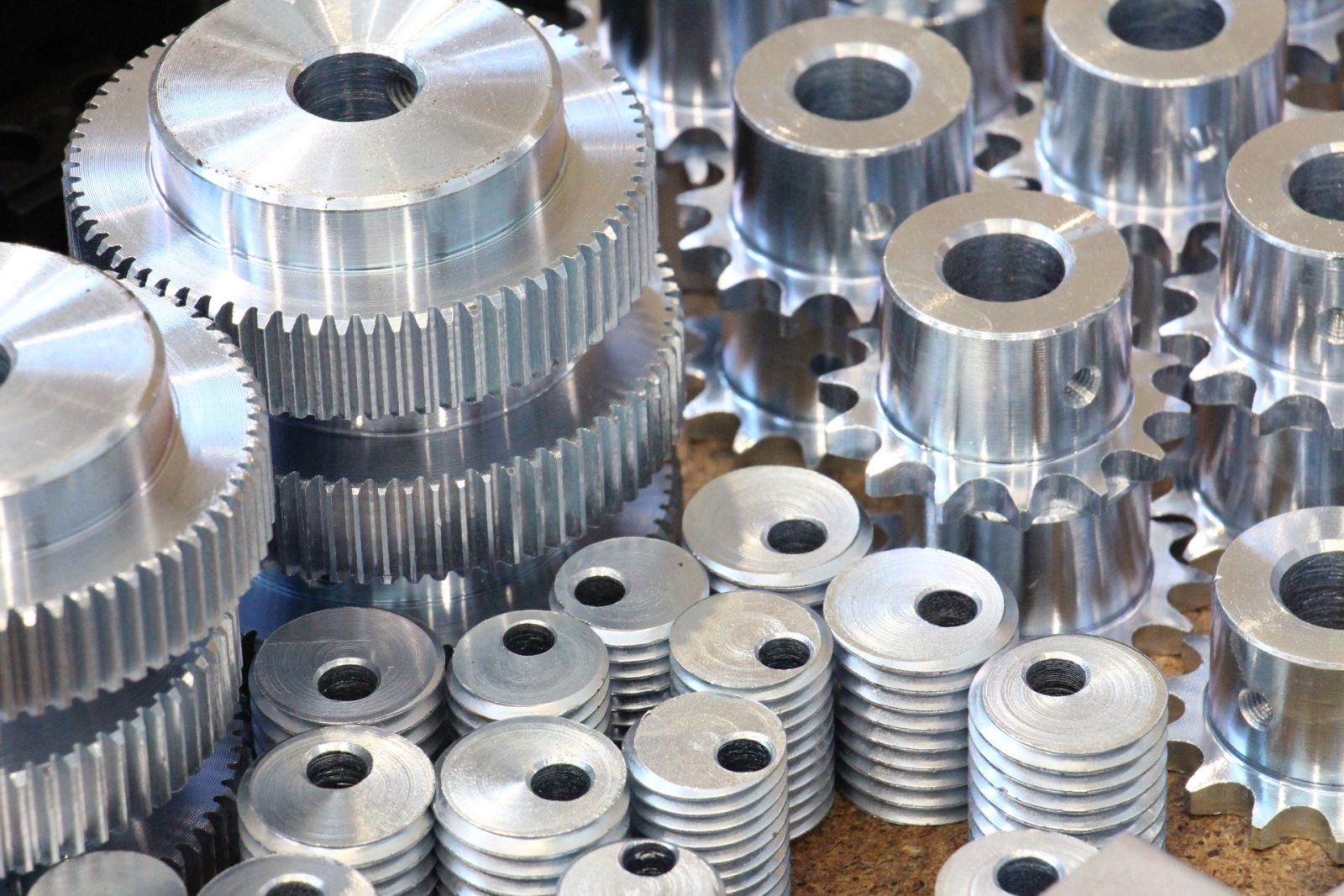
At YICHOU, our lathe processing services play a vital role in enhancing the benefits of aluminum anodizing. By precisely machining aluminum components to your specifications before anodizing, we ensure a perfect surface for the anodizing process. This results in a more uniform and durable anodized finish, ultimately improving corrosion resistance and wear resistance. Our expertise in lathe processing complements the advantages of anodizing, providing you with superior results.
FAQ 2: Can YICHOU Assist in Customizing Aluminum Parts for Anodizing?
Keywords: YICHOU, custom aluminum parts, anodizing, tailored finishes
Absolutely! YICHOU specializes in customizing aluminum parts for anodizing. We understand that different projects have unique requirements, and we can tailor the machining process to achieve the desired finish, thickness, and texture for anodized components. Whether you need specific colors, textures, or intricate designs, our lathe processing capabilities can help you achieve the precise customization you require for your anodized aluminum parts.
FAQ 3: How Does YICHOU Ensure Quality Control for Anodized Aluminum Components?
Keywords: YICHOU, quality control, anodized aluminum, precision machining
At YICHOU, quality control is at the core of our operations. When it comes to anodized aluminum components, our precision machining and lathe processing are complemented by stringent quality control measures. We perform thorough inspections, measurements, and testing to verify that each component meets the specified standards. Our commitment to precision and quality ensures that you receive anodized aluminum parts that exceed your expectations.
FAQ 4: What Sets YICHOU Apart in Providing Lathe Processing for Anodized Aluminum?
Keywords: YICHOU, lathe processing, anodized aluminum, competitive advantage
YICHOU stands out in the field of lathe processing for anodized aluminum due to several key advantages. Firstly, our extensive experience and expertise in machining aluminum materials make us a reliable partner for your anodizing projects. Secondly, our commitment to state-of-the-art technology and equipment ensures precise and consistent results. Lastly, our dedication to customer satisfaction and transparent communication sets us apart as a trusted partner for achieving exceptional anodized aluminum components.
FAQ 5: Can YICHOU Handle Both Small and Large-Scale Lathe Processing Projects for Anodized Aluminum?
Keywords: YICHOU, lathe processing, anodized aluminum, project scalability
Yes, YICHOU is equipped to handle a wide range of lathe processing projects for anodized aluminum, both small and large in scale. Our versatile machining capabilities and flexible production processes enable us to accommodate projects of various sizes and complexities. Whether you need a single customized component or large-scale production runs, our team is ready to deliver high-quality results tailored to your specific needs.