Get ready to unlock your inner metal maestro with our step-by-step guide on mastering the art of bending sheet metal. Whether you're a seasoned craftsman or a DIY enthusiast, this comprehensive guide will equip you with the tools and knowledge needed to create perfect shapes with ease. In this article, we will walk you through the entire process, from selecting the right type of metal and tools to understanding the principles of sheet metal bending. With our expert tips and techniques, you'll be able to transform a flat sheet of metal into intricate and precise shapes that showcase your creativity. Our brand voice is one of empowerment and expertise, aiming to inspire and guide our readers. We believe that anyone can learn and master the craft of bending sheet metal, and this guide is designed to make the journey accessible and enjoyable for all skill levels. So, dust off your workbench, grab your tools, and join us as we delve into the art of bending sheet metal. Get ready to unlock a whole new realm of possibilities and create stunning metal creations like never before.
.jpg)
Title: Tools and Equipment for Sheet Metal Bending
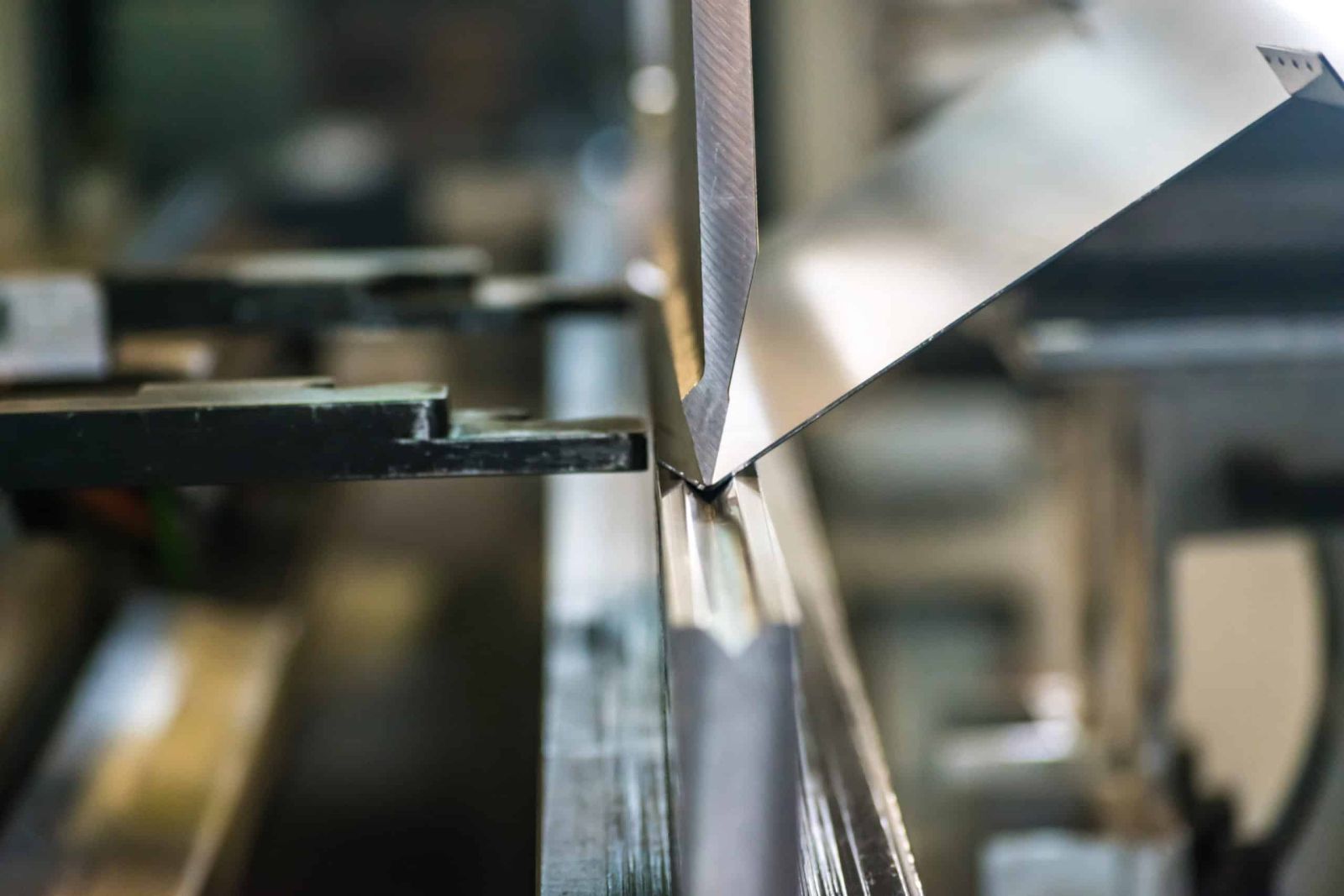
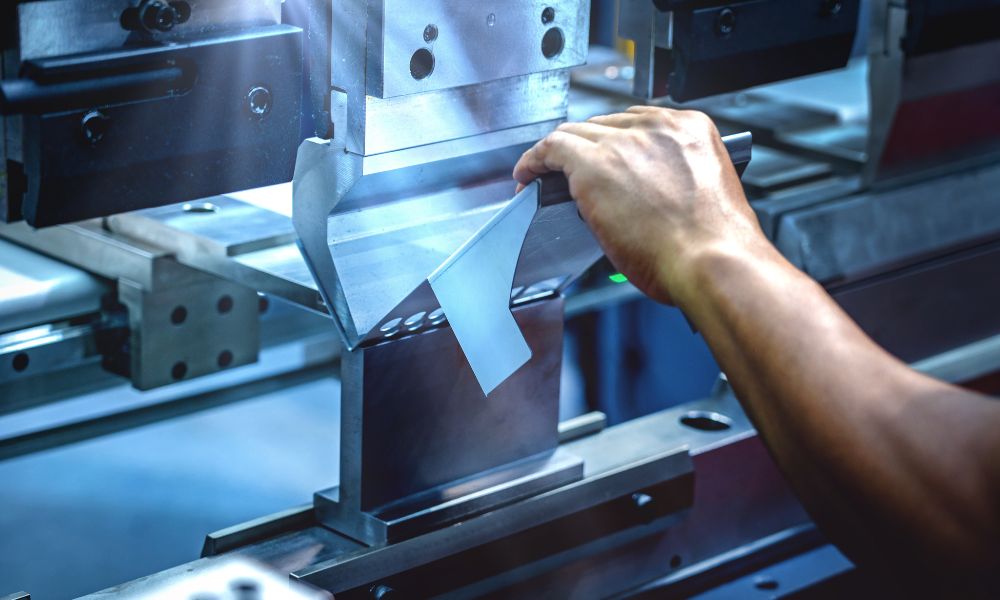
Sheet metal bending is a crucial skill in various industries, from automotive to construction. To achieve precise bends, you need the right tools and equipment. One of the essential tools for sheet metal bending is a press brake. A press brake uses a punch and die to bend metal, ensuring accuracy and consistency in your bends. Various types of press brakes are available, including hydraulic, mechanical, and pneumatic options. Hydraulic press brakes are popular for their precision and versatility, while mechanical press brakes are known for their speed. Consider the specific requirements of your project when choosing the right press brake for your needs.
In addition to press brakes, you'll need other essential tools like a ruler or tape measure for accurate measurements, a scriber for marking, and safety equipment such as gloves and safety glasses to protect yourself while working with sheet metal. Investing in high-quality tools and equipment is essential for achieving professional results in sheet metal bending.
When it comes to materials, the type and thickness of the sheet metal you're working with will determine the success of your bending project. Common materials used include aluminum, stainless steel, and mild steel. Ensure that your tools are compatible with the material you're working with to avoid complications during the bending process.
In summary, having the right tools and equipment, including a suitable press brake, measuring tools, and safety gear, is the first step towards mastering sheet metal bending. Investing in quality equipment and materials will ultimately save you time and resources while ensuring precise and consistent bends.
Title: Understanding Different Types of Bends
Sheet metal bending involves various types of bends, each serving a specific purpose. Understanding these bend types is essential for achieving your desired results. The most common types of bends include:
-
90-Degree Bend: This is a sharp bend commonly used for creating corners or edges in sheet metal projects. It forms a perfect right angle, and achieving precision is crucial.
-
Acute Angle Bend: These bends are less than 90 degrees and are often used for decorative purposes or when a more gradual curve is needed.
-
Obtuse Angle Bend: These bends are greater than 90 degrees and are used when you need a bend that is wider than a right angle.
-
Hemming Bend: Hemming involves folding the edge of the sheet metal over itself to create a smooth, rounded edge. It's commonly used for safety reasons or to prevent sharp edges.
-
U-Bend: U-bends are used to create enclosed shapes or channels in sheet metal, making them versatile for various applications.
-
Offset Bend: Offset bends involve two parallel bends with a space in between. They are used to shift a section of the sheet metal from its original plane.
-
Z-Bend: Similar to the offset bend, a Z-bend involves three bends forming the shape of the letter "Z." It's commonly used in brackets and supports.
-
Joggle Bend: Joggle bends are designed to create overlapping sections of sheet metal, often used for joining two pieces together securely.
Choosing the right type of bend for your project is essential for achieving the desired functionality and aesthetics. Precision is key in sheet metal bending, so take the time to plan and measure accurately before starting your project. Additionally, familiarize yourself with the specific requirements of each bend type to ensure successful results.
.jpg)
Title: Step-by-Step Guide to Measuring and Marking Sheet Metal
Accurate measurements and markings are fundamental to successful sheet metal bending. Here's a step-by-step guide to help you get it right:
-
Measure Carefully: Use a high-quality ruler or tape measure to measure the length of sheet metal you need to bend. Double-check your measurements to avoid mistakes.
-
Mark with Precision: Once you've measured, use a scriber or a fine-tip marker to mark the exact points where the bends should start and end. Use a square or protractor to ensure your marks are at the correct angles.
-
Consider Bend Allowance: Different materials and bend angles require adjustments for bend allowance. Research or consult a bend allowance chart to determine the additional length you need for each bend.
-
Use the Right Tools: Select the appropriate tool for bending based on the type of bend you're making. Press brakes are the go-to choice for precise bends, but other tools like a bench vise or slip roller may be suitable for specific applications.
-
Setup and Alignment: Set up your chosen tool according to the specifications for your project. Ensure the sheet metal is aligned correctly with your markings and the tool.
-
Bending Process: Apply gradual pressure to the sheet metal using the tool. Follow the markings precisely, and monitor the angle to ensure it matches your design.
-
Check and Adjust: After each bend, use a square or protractor to confirm that the angle is accurate. Make any necessary adjustments before proceeding to the next bend.
-
Repeat as Needed: Depending on your project, you may need to repeat the bending process multiple times to achieve the desired shape.
-
Inspect and Polish: Once all bends are completed, inspect the finished piece for any imperfections or sharp edges. Use appropriate finishing techniques to smooth out edges and surfaces.
By following these steps, you'll be well on your way to accurately measuring and marking sheet metal for precise bending. Remember that practice makes perfect, so don't be discouraged if it takes a few attempts to master this critical skill.
Title: Techniques for Achieving Precise Bends
Precise bends in sheet metal are the hallmark of quality craftsmanship. Here are some techniques to help you achieve accuracy in your bending projects:
-
Consistent Pressure: When using a press brake or similar tool, apply pressure evenly and consistently across the entire length of the metal. This prevents distortion and ensures uniform bending.
-
Tool Setup: Calibrate your bending tool properly, including adjusting the back gauge and die clearance. Refer to the manufacturer's instructions for precise settings.
-
Test Bends: Before bending your actual project piece, perform test bends on scrap metal of the same material and thickness. This allows you to fine-tune your technique and settings.
-
Bend in Sequence: If your project involves multiple bends, plan the sequence carefully. Start with the most critical bends and work your way to less critical ones to avoid interference.
-
Clamping and Support: Use clamps and support blocks to hold the sheet metal securely in place during bending. This minimizes vibration and ensures accurate results.
-
Backstop and Gauges: Utilize a backstop or gauges to guide the metal's position, especially for repetitive bends. This maintains consistency throughout your project.
-
Incremental Bending: For complex shapes or angles, consider making incremental bends at smaller angles and gradually working towards the desired angle. This reduces the risk of over-bending.
-
Marking Aids: Consider using marking aids like angle finders and templates to ensure your markings are precise and align perfectly with your design.
-
Practice Scrap Recovery: If a bend doesn't turn out as expected, don't discard the piece. Practice scrap recovery techniques, such as annealing or re-bending, to salvage the material.
-
Record Your Process: Keep a record of the settings and techniques used for successful bends. This documentation can be invaluable for future projects.
Precision in sheet metal bending is a skill that develops with experience and attention to detail. As you become more familiar with these techniques, you'll consistently achieve the precise bends needed for your projects, leading to higher-quality results.
.jpg)
Title: Common Mistakes to Avoid in Sheet Metal Bending
While mastering sheet metal bending is a valuable skill, it's equally important to be aware of common mistakes and pitfalls to avoid. These mistakes can lead to wasted materials, time, and frustration. Here are some common errors to watch out for:
-
Inaccurate Measurements: Rushing through the measurement and marking process can result in inaccurate bends. Always double-check your measurements before starting.
-
Incorrect Tool Selection: Using the wrong tool for the job can lead to uneven bends or material damage. Ensure you choose the appropriate tool for your project.
-
Neglecting Bend Allowance: Failing to account for bend allowance can result in incorrect part dimensions. Refer to bend allowance charts or software for accurate calculations.
-
Over-Bending: Applying too much pressure or force during bending can lead to over-bending, where the angle exceeds the desired measurement. Practice precise control of your bending tool.
-
Under-Bending: On the flip side, applying too little force or pressure can result in under-bending, leaving the sheet metal shy of the required angle. Monitor your progress carefully.
-
Improper Material Handling: Mishandling or bending materials with surface defects can lead to irregular bends or damage to the sheet metal. Inspect materials before starting your project.
-
Inadequate Safety Measures: Neglecting safety equipment and precautions can lead to accidents and injuries. Always wear the appropriate safety gear, including gloves and eye protection.
-
Rushing Through Bends: Impatience can lead to rushed bending, which often results in errors. Take your time to ensure each bend is accurate and precise.
-
Ignoring Material Properties: Different materials have different properties, including hardness and elasticity. Understanding these properties is crucial for successful bending.
-
Inadequate Tool Maintenance: Neglecting to maintain and calibrate your bending tools can lead to inaccuracies. Regularly inspect and service your equipment as needed.
By recognizing these common mistakes and actively avoiding them, you'll significantly improve your sheet metal bending skills and minimize setbacks in your projects.
Title: Tips for Troubleshooting Common Bending Issues
Even with careful planning and execution, issues can arise during sheet metal bending. Troubleshooting these problems is a valuable skill that can save your project from costly mistakes. Here are some tips for addressing common bending issues:
-
Uneven Bending: If you notice that one side of the bend is sharper than the other, check the alignment of your sheet metal with the tool. Make sure it's centered to achieve even bending.
-
Cracking or Fracturing: Cracks or fractures can occur when bending brittle materials like stainless steel. Slow down the bending process and ensure your tool is appropriately lubricated to reduce friction and stress on the metal.
-
Bend Ripples: Ripples or waves in the bend can result from excessive pressure or an uneven application of force. Reduce pressure, use proper tooling, and ensure the sheet metal is flat and free from defects.
-
Springback: Springback is when the metal partially returns to its original shape after bending. To counter this, overbend the metal slightly to compensate for the springback effect. Experiment with the bend angle until you achieve the desired result.
-
Material Distortion: Distortion can occur if the sheet metal isn't adequately supported during bending. Use support blocks and clamps to prevent the metal from warping.
-
Inconsistent Bends: If you're experiencing inconsistencies in your bends, review your tool setup and technique. Ensure that your press brake or bending tool is calibrated correctly and that you're applying consistent pressure.
-
Tool Marks: Marks or scratches on the sheet metal surface can result from using worn or damaged tooling. Inspect your tooling regularly and replace it when necessary to maintain a smooth surface finish.
-
Edge Cracking: To avoid edge cracking, make sure your sheet metal is free from defects along the edges. You can also use a radius die to round the edges slightly before bending.
-
Angular Deviations: If you're struggling to achieve precise angles, use angle finders or digital protractors to measure and adjust your bends accurately.
-
Consult Experts: Don't hesitate to seek advice from experienced metalworkers or engineers if you encounter persistent bending issues. They may offer insights and solutions based on their expertise.
Troubleshooting is a crucial part of the sheet metal bending process. By addressing these common problems effectively, you'll enhance your skills and produce high-quality results in your projects.
.jpg)
Title: Finishing Techniques for Sheet Metal Bends
Achieving precise bends in sheet metal is only part of the process. To create professional and polished projects, you'll also need to employ appropriate finishing techniques. Here are some finishing methods to consider:
-
Deburring: After bending, sheet metal edges may have sharp burrs. Use a deburring tool or file to remove these burrs, creating a smoother and safer edge.
-
Sanding: Sand the surface of the sheet metal with progressively finer grits of sandpaper to remove any imperfections, scratches, or tool marks. This step is essential for achieving a smooth finish.
-
Polishing: For a glossy finish, consider polishing the sheet metal using a buffing wheel and metal polish. This is particularly effective for decorative or architectural projects.
-
Painting: If your project requires a specific color or protection against corrosion, consider applying paint or a protective coating. Ensure proper surface preparation for paint adhesion.
-
Powder Coating: Powder coating provides a durable and uniform finish. It involves applying a dry powder to the metal, which is then heated to create a smooth and even coating.
-
Anodizing: Anodizing is an electrochemical process that can add color and corrosion resistance to aluminum sheet metal. It creates a durable oxide layer on the surface.
-
Embossing and Engraving: These techniques can add intricate designs and patterns to your sheet metal projects, enhancing their aesthetic appeal.
-
Patina: For a rustic or aged appearance, consider applying a patina to copper or brass sheet metal. Patinas can create unique colors and textures.
-
Clear Coating: To preserve the natural appearance of metals like copper, brass, or stainless steel, apply a clear coating to protect against tarnishing and oxidation.
-
Assembly and Joining: Use appropriate fasteners, welding, or soldering techniques to assemble your sheet metal components securely. Ensure joints are clean and well-finished.
Remember that the choice of finishing technique depends on your project's requirements and the material you're working with. Proper finishing not only enhances the appearance of your sheet metal work but also ensures its longevity and functionality.
Title: Advanced Sheet Metal Bending Techniques
Once you've mastered the basics of sheet metal bending, you can explore advanced techniques to expand your capabilities and take on more complex projects. Here are some advanced techniques to consider:
-
Multi-Bend Forming: Create intricate shapes by incorporating multiple bends and angles into a single piece of sheet metal. This technique requires careful planning and precision.
-
Compound Bending: Compound bends involve bending the sheet metal in multiple directions simultaneously. This technique is often used in the aerospace industry for complex components.
-
Cone Rolling: Cone rolling involves bending sheet metal into conical shapes. Specialized cone rolling machines or slip rolls are used for this purpose.
-
Wrinkle Bending: To add texture and visual interest to your projects, experiment with wrinkle bending. This technique intentionally introduces controlled wrinkles or folds in the sheet metal.
-
Incremental Bending for Curves: Achieve smooth curves by making small, incremental bends along the length of the metal. This technique is ideal for creating cylindrical or rounded shapes.
-
Corrugation: Corrugating sheet metal involves creating a series of parallel ridges and grooves. It's commonly used for roofing and decorative applications.
-
Forming Complex Flanges: Master the art of forming complex flanges, which are bent edges or lips on sheet metal that serve various functions, from reinforcement to aesthetics.
-
Reverse Bending: In reverse bending, the sheet metal is bent in the opposite direction of the desired final shape before being bent back to achieve the intended form. This technique is useful for precise angles.
-
Stretch Forming: Stretch forming involves stretching the sheet metal over a form or mold to create curved or contoured shapes. It's often used in the production of aircraft parts.
-
Custom Tooling: For highly specialized projects, consider designing and fabricating custom tooling and dies to achieve unique shapes and forms.
Advanced sheet metal bending techniques require a deep understanding of material behavior, tooling, and precise control. It's advisable to gain experience with basic bending techniques before attempting more complex methods.
Conclusion: Mastering the Art of Bending Sheet Metal
Bending sheet metal is both a science and an art, requiring a combination of knowledge, skill, and practice. From understanding different types of bends to selecting the right tools and equipment, accurate measurement, and employing advanced techniques, you've now embarked on a journey to master this versatile craft.
As you continue to refine your sheet metal bending skills, remember that patience and persistence are key. Learning from mistakes and troubleshooting common issues will contribute to your growth as a skilled metalworker.
Whether you're working on automotive parts, architectural features, or intricate artistic creations, the ability to bend sheet metal with precision and finesse opens up a world of possibilities. With the knowledge and techniques presented here, you're well on your way to becoming a master of this valuable trade. So, go forth, create, and bend sheet metal with confidence, knowing that your skills will shape the future of countless projects.
.jpg)
FAQ 1: What are the essential tools for sheet metal bending, and how can they improve the quality of my projects?
Keywords: sheet metal bending tools, essential equipment, project quality improvement.
Answer: In the world of sheet metal bending, the right tools are your trusted companions on the journey to precision and quality. Among these tools, the press brake stands as a stalwart, a true workhorse. Its hydraulic or mechanical power, in harmony with precision dies, transforms flat sheets into precisely bent components. This marriage of technology and craftsmanship ensures not only the accuracy but also the consistency of your bends, vital for creating intricate structures or dependable mechanical parts.
Yet, the press brake is just the tip of the iceberg. Rulers and tape measures are the unassuming architects of precision, providing the foundations for your bends with accurate measurements. Meanwhile, the humble scriber, often overlooked, brings your vision to life by etching precise marks on the metal. And let us not forget the protective gear, your shield against unforeseen accidents. Safety glasses guard your eyes, while gloves offer protection and grip.
Investing in these essential tools is not just a choice; it's a commitment to excellence. They empower you to sculpt metal with unparalleled accuracy, giving your projects the finesse they deserve. With the right equipment in hand, you're poised to elevate your sheet metal bending game and achieve new heights of quality and craftsmanship.
FAQ 2: What is bend allowance, and why is it important in sheet metal bending?
Keywords: bend allowance, importance in bending, sheet metal bending accuracy.
Answer: Bend allowance is the secret sauce of sheet metal bending accuracy, the factor that bridges the gap between design and reality. It's the understanding that, when you bend metal, it stretches and changes shape. This stretch, dictated by material thickness and properties, is the essence of bend allowance.
But why is this understanding crucial? Imagine a scenario: you're crafting a complex component with tight tolerances. Without considering bend allowance, you might find your masterpiece falling short of the intended dimensions. That's where bend allowance comes to the rescue. It's your guiding star, helping you calculate the extra length needed for each bend, ensuring that your final piece aligns perfectly with your design.
In essence, bend allowance is the compass that navigates you through the labyrinth of sheet metal bending. It's the compass that ensures your projects not only meet but exceed your expectations, making it an indispensable tool in your arsenal for precision and accuracy.
FAQ 3: Can you provide tips for avoiding common sheet metal bending mistakes that can affect project outcomes?
Keywords: avoiding bending mistakes, sheet metal bending tips, project success.
Answer: Sheet metal bending is a craft where every detail counts, and precision is non-negotiable. Common mistakes, if left unaddressed, can be the Achilles' heel of your project outcomes. Let's delve into some invaluable tips to shield your projects from the pitfalls of sheet metal bending.
Firstly, never underestimate the power of meticulous measurement. Rushing through measurements can lead to inaccuracies, causing your bends to miss the mark. Take the time to measure, re-measure, and triple-check before you even think about bending.
Secondly, tool selection is your silent partner in this journey. Using the wrong tool can turn your project into a saga of frustration and errors. Make it a habit to choose the appropriate tool for each job, considering factors like material type and thickness.
Lastly, safety isn't a choice; it's a responsibility. Neglecting safety precautions can jeopardize not only your project but also your well-being. Wear safety glasses and gloves religiously, ensuring you're adequately shielded from potential hazards.
Embracing these tips is akin to fortifying the foundations of your sheet metal bending endeavors. It's the difference between a project that meets expectations and one that exceeds them.
FAQ 4: What finishing techniques can I use to enhance the appearance and durability of my sheet metal bends?
Keywords: sheet metal finishing techniques, appearance enhancement, durability.
Answer: Sheet metal bending isn't just about functionality; it's also about aesthetics and longevity. After meticulously crafting your bends, it's time to put the finishing touches on your masterpiece. Let's explore a palette of finishing techniques that can elevate the appearance and durability of your sheet metal projects.
Deburring is your first step in the journey of refinement. It's the process of removing sharp burrs left behind by the bending process, ensuring not only a smoother finish but also a safer one.
Sanding takes you a step further in the quest for perfection. By sanding the surface with progressively finer grits of sandpaper, you achieve a smooth, flawless finish, free from imperfections and tool marks.
If you desire a burst of color or corrosion protection, painting is your go-to choice. A well-executed paint job not only enhances the aesthetics but also provides a protective shield against the elements.
For the pinnacle of durability and uniformity, powder coating reigns supreme. It involves applying a dry powder to the metal's surface, which is then heated to create a resilient, even coating.
Anodizing is the sorcerer's spell for aluminum, bestowing it with unique colors and improved corrosion resistance. This electrochemical process transforms your metal into a work of art that stands the test of time.
The choice of finishing technique is akin to selecting the perfect frame for a masterpiece painting. Each technique has its merits, and your selection should align with your project's requirements and the visual impact you wish to achieve.
FAQ 5: Are there any advanced sheet metal bending techniques that can help me take on more complex projects?
Keywords: advanced bending techniques, complex projects, sheet metal bending mastery.
Answer: Once you've harnessed the fundamentals of sheet metal bending, the world of advanced techniques unfolds, inviting you to push the boundaries of your craft. These techniques are the keys to unlocking the realm of complex projects, where innovation and precision converge.
Multi-bend forming is your gateway to intricate shapes and structures. By incorporating multiple bends and angles into a single piece of sheet metal, you can create components that defy convention and inspire awe.
Compound bending, a symphony of precision, involves bending the sheet metal in multiple directions simultaneously. This technique, akin to the choreography of a complex dance, is often used in the aerospace industry for crafting components with unique shapes and requirements.
Reverse bending, a magician's act in the world of metalworking, allows you to bend the metal in the opposite direction before bringing it back to its intended form. It's the technique of choice when you need precision angles that leave no room for error.
These advanced techniques are the crown jewels of sheet metal bending mastery. They require not only a deep understanding of material behavior but also a surgeon's precision in execution. As you venture into this uncharted territory, remember that with great skill comes great creativity, and the possibilities for your sheet metal projects become limitless.
Get Quote
- Visit our website: https://www.nbyichou.com/
- Email us: [email protected]
- Call us/whatsapp: +86 13355741031
- Chat with us: Live chat support available on our website