Monel is a high-performance nickel-copper alloy renowned for its outstanding corrosion resistance and strength, especially in harsh environments. Its unique blend of nickel (around 67%) and copper (with trace amounts of iron, manganese, and other elements) makes it a go-to material for industries that demand durability and reliability under extreme conditions.
Known for its remarkable ability to withstand saltwater, acids, and other corrosive substances, Monel is frequently used in marine and chemical applications. From seawater valves and pump shafts to heat exchangers and chemical processing equipment, Monel’s combination of toughness and corrosion resistance makes it ideal for industries that operate in aggressive, high-stress environments. Its versatility also extends to aerospace, oil and gas, and power generation, where materials must perform under both high pressure and elevated temperatures.
If you’re looking for a material that excels in resisting corrosion, maintaining strength, and performing in extreme conditions, Monel is an exceptional choice, making it indispensable across a range of industries.
1. Composition and Characteristics of Monel
What is Monel made of?
Monel is primarily composed of nickel (around 67%) and copper, with trace amounts of elements such as iron, manganese, carbon, and silicon. The specific alloying elements vary slightly depending on the grade, but the nickel-copper combination is what defines Monel’s unique properties. The most common grades, like Monel 400 and Monel K-500, offer a balance of corrosion resistance, toughness, and durability that makes them ideal for heavy-duty applications.
Nickel (67%): Provides resistance to oxidation and corrosion, especially in marine environments.
Copper: Enhances the material’s resistance to acids and gives it additional strength.
Iron and Manganese: These elements improve overall toughness and help maintain stability at high temperatures.
Why is Monel rust-proof?
Monel’s exceptional resistance to rust comes from its high nickel content. Unlike iron-based alloys, Monel doesn’t form rust (iron oxide) when exposed to water or oxygen. The nickel acts as a barrier, preventing the alloy from oxidizing, even in the presence of moisture or saltwater. This makes Monel ideal for marine and chemical environments, where other metals would quickly corrode.
Corrosion Resistance: Monel is highly resistant to a wide range of corrosive environments, including saltwater, acids, and alkalis. It performs well in both neutral and acidic conditions, making it a preferred choice for applications like seawater piping, chemical processing, and even oil and gas exploration.
Strength and Durability: The combination of nickel and copper not only prevents rust but also allows Monel to maintain its strength and integrity even when exposed to harsh chemicals or high temperatures, making it invaluable in extreme environments.
In summary, the unique composition of Monel enables it to resist rust and corrosion while providing durability and toughness, making it one of the most reliable materials in industries exposed to demanding conditions.
2. Strength of Monel
Is Monel stronger than steel?
When comparing Monel to steel, it's essential to consider the context of "strength" in various applications. Monel has a tensile strength of approximately 70,000 to 100,000 psi, depending on the specific grade, while carbon steel generally has a tensile strength ranging from 45,000 to 85,000 psi. Although Monel's tensile strength is comparable to some steels, its true advantage lies in environments where corrosion resistance and durability are critical factors.
Specific conditions where Monel outperforms steel:
Corrosive Environments:
Monel significantly outperforms steel in highly corrosive environments, particularly in exposure to saltwater, acids, and alkalis. While steel can rust or deteriorate over time when exposed to such elements, Monel remains highly resistant to corrosion, especially in marine and chemical industries. This makes it the preferred material for seawater piping, valves, pump shafts, and other components exposed to harsh conditions.
High-Temperature Applications:
While certain types of steel can withstand high temperatures, Monel retains its strength and structural integrity at elevated temperatures better than many types of steel. This makes it an excellent choice for applications like heat exchangers, boiler feedwater heaters, and other equipment that needs to withstand both heat and corrosive environments.
Stress and Toughness:
Monel alloys, particularly Monel K-500, can be precipitation-hardened to offer even greater tensile strength, exceeding that of many conventional steels. In addition to its strength, Monel’s toughness and resistance to stress corrosion cracking give it a distinct advantage in environments where both mechanical stress and corrosive exposure are concerns.
In summary, while Monel and steel have similar strength levels, Monel excels in environments where high corrosion resistance and durability under extreme conditions are necessary, making it a more robust choice in specific industrial applications.
Is Monel Better Than Titanium?
When comparing Monel and titanium, both are premium materials known for their strength, corrosion resistance, and durability, but they perform differently depending on the specific application.
Strength Comparison:
Monel: Monel alloys, particularly Monel 400 and Monel K-500, offer high strength, with tensile strengths ranging from 70,000 to 160,000 psi depending on the specific alloy and heat treatment. Monel K-500, for example, can be precipitation-hardened to increase its strength.
Titanium: Titanium alloys, especially Grade 5 Titanium (Ti-6Al-4V), have tensile strengths that range from 120,000 to 160,000 psi, making titanium stronger than Monel in many cases. However, titanium is also much lighter than Monel, giving it an advantage in strength-to-weight ratio.
Weight:
Monel: Monel is a dense alloy, with a density of approximately 8.80 g/cm³.
Titanium: Titanium is much lighter, with a density of around 4.50 g/cm³, roughly half that of Monel. This makes titanium an attractive choice in applications where reducing weight is crucial, such as in aerospace and marine structures.
Corrosion Resistance:
Monel: Monel is highly resistant to corrosion, particularly in marine environments. It excels in environments exposed to saltwater, acids, and alkalis, making it a top choice for seawater piping, valves, pump shafts, and offshore equipment.
Titanium: Titanium also boasts exceptional corrosion resistance but stands out in high-temperature and chloride-rich environments, where it resists corrosion from aggressive chemicals like chlorine, seawater, and acidic solutions. It is widely used in aerospace, medical devices, and marine environments, especially for heat exchangers and propeller shafts where lightweight and high strength are needed.
Marine and High-Temperature Applications:
In marine environments, both Monel and titanium perform exceptionally well, but Monel is often favored for saltwater systems and chemical processing equipment due to its proven corrosion resistance, particularly in seawater.
In high-temperature applications, titanium outperforms Monel in many cases, particularly in the aerospace industry, where components are exposed to extreme heat and weight reduction is vital. Titanium maintains its integrity and strength at high temperatures and is often used in aircraft and exhaust systems.
Conclusion:
Monel is better suited for marine applications, especially where extreme corrosion resistance is required, but its density makes it less suitable in applications where weight is a concern.
Titanium, with its lighter weight and high strength-to-weight ratio, is often preferred in aerospace and high-temperature environments where weight and heat tolerance are key factors. It also performs exceptionally well in marine applications, though at a higher cost.
Overall, the choice between Monel and titanium depends heavily on the specific application's demands, such as whether strength, weight, or corrosion resistance is the most critical factor.
3. Corrosion Resistance of Monel
Does Monel 400 rust?
Monel 400 is renowned for its exceptional corrosion resistance, making it one of the most reliable materials for use in harsh environmental conditions. Unlike iron-based alloys such as steel, which can rust when exposed to moisture and oxygen, Monel 400 does not rust. This is because Monel 400 is a nickel-copper alloy with a high nickel content (about 67%), which provides outstanding resistance to oxidation and corrosion.
Key Features of Monel 400:
Excellent Resistance to Corrosion: Monel 400 performs exceptionally well in a variety of corrosive environments, including acidic and alkaline settings. It resists corrosion in rapidly flowing brackish water or seawater, making it ideal for marine applications.
Resistance to Pitting and Crevice Corrosion: Monel 400 is highly resistant to pitting and crevice corrosion, common issues in metals exposed to saltwater and other harsh conditions.
Durability in Harsh Environments: It maintains its mechanical properties across a wide temperature range, from sub-zero temperatures up to 1,000°F (538°C), ensuring reliability in various applications.
Monel 400's ability to withstand aggressive environments without rusting makes it a preferred material for components like pump shafts, seawater valves, and marine fixtures that demand long-term durability.
Is Monel suitable for seawater?
Absolutely, Monel is highly suitable for seawater applications, and it is often the material of choice in marine environments due to its superior corrosion resistance.
Why Monel Excels in Saltwater Environments:
Exceptional Corrosion Resistance: Monel alloys, particularly Monel 400, exhibit outstanding resistance to the corrosive effects of saltwater. They can withstand both stagnant and flowing seawater without succumbing to corrosion, which is a common problem with other metals.
Resistance to Biofouling: Monel resists biofouling, the accumulation of microorganisms, plants, algae, or small animals on wetted surfaces. This property is crucial for marine applications where biofouling can lead to decreased efficiency and increased maintenance.
Mechanical Strength in Marine Conditions: Monel maintains its strength and toughness even after prolonged exposure to seawater, ensuring structural integrity and reliability.
Common Marine Applications of Monel:
Seawater Valves and Pumps: Used extensively in the manufacture of valves, pumps, and piping systems that handle seawater, due to its ability to resist corrosion and maintain performance over time.
Marine Fasteners and Fittings: Ideal for bolts, screws, and fittings on ships, offshore platforms, and coastal structures where exposure to saltwater is constant.
Heat Exchangers and Condensers: Monel is often used in heat exchangers and condensers that operate with seawater as the cooling medium, providing longevity and reducing the risk of leaks or failures.
Propeller Shafts and Submarine Components: Its combination of strength and corrosion resistance makes Monel suitable for critical components like propeller shafts and submarine parts.
In summary, Monel's excellent performance in saltwater environments makes it a preferred choice for marine applications. Its ability to resist corrosion and maintain structural integrity in seawater not only enhances the longevity of marine equipment but also reduces maintenance costs and downtime, proving its value in the industry.
4. Welding and Fabrication
Can Monel be welded?
Yes, Monel can be welded, but it requires specific expertise and techniques due to its unique composition and properties. Welding Monel alloys, particularly Monel 400, poses certain challenges because of its high nickel content and its tendency to harden rapidly during the welding process. To ensure successful welding, several best practices must be followed.
Challenges in Welding Monel:
High Thermal Conductivity and Expansion: Monel's high thermal conductivity and coefficient of expansion can lead to warping and distortion during the welding process, especially when working with thin materials.
Rapid Work Hardening: Monel tends to harden quickly as it is deformed, making it more difficult to machine and weld compared to other metals like stainless steel. This hardening can also lead to cracking if the proper welding technique is not used.
Porosity Issues: Porosity can occur if the welding area is not adequately shielded, as Monel is sensitive to contamination from air, moisture, or other impurities during the welding process.
Best Practices for Welding Monel:
Preheating: Preheating the material can help reduce thermal stresses and minimize the risk of cracking.
Use of Specialized Electrodes and Filler Material: Monel requires the use of specific electrodes or filler rods made from compatible alloys to ensure a strong and durable weld. For Monel 400, the filler metal should typically be a nickel-based filler like AWS ENiCu-7.
Shielding Gas: Proper shielding with inert gases, such as argon or helium, is essential to protect the weld pool from atmospheric contamination and prevent porosity.
Control of Heat Input: It is crucial to control heat input during welding to minimize the risk of cracking due to thermal stresses. This can be achieved by using lower current settings and shorter arc lengths.
In summary, while Monel can be welded, it demands careful preparation, the right filler materials, and close attention to the welding technique to prevent issues like cracking and porosity.
Can Monel be welded to stainless steel?
Yes, Monel can be welded to stainless steel, but it requires careful consideration of the differences between the two materials. The key challenge is managing the distinct thermal expansion rates and metallurgical properties of Monel (a nickel-copper alloy) and stainless steel (an iron-based alloy), which can lead to stresses and cracking at the weld joint if not properly handled.
Best Practices for Welding Monel to Stainless Steel:
Compatible Filler Material: To ensure a strong bond between Monel and stainless steel, a nickel-based filler material such as Inconel 82 or ERNiCr-3 is commonly used. These fillers are designed to bridge the gap between the two different metals and prevent the formation of brittle phases at the weld interface.
Control of Heat Input: Since Monel and stainless steel have different thermal expansion rates, controlling the heat input during welding is critical. Excessive heat can lead to distortion or cracking, especially at the weld joint.
Preheating and Post-Weld Heat Treatment: Preheating is typically not necessary when welding Monel to stainless steel, but in some cases, post-weld heat treatment may be applied to relieve residual stresses and prevent cracking.
Dissimilar Welding Techniques: Techniques such as TIG (Tungsten Inert Gas) welding or MIG (Metal Inert Gas) welding are commonly used for welding Monel to stainless steel, as they provide good control over heat input and the weld pool.
Applications of Welding Monel to Stainless Steel:
Welding Monel to stainless steel is often used in industrial applications where both materials offer unique advantages that complement each other. For instance:
Heat Exchangers: Monel may be used in parts of heat exchangers exposed to seawater, while stainless steel is used in other areas requiring cost-effective corrosion resistance.
Chemical Processing Equipment: In environments where both corrosion resistance (from Monel) and structural integrity (from stainless steel) are needed, these materials are welded together to enhance overall performance.
Marine and Offshore Applications: Components like piping systems, valves, and fasteners that need to withstand harsh marine environments can benefit from combining Monel's corrosion resistance with stainless steel's mechanical strength.
In conclusion, welding Monel to stainless steel is possible and useful in various industrial settings, provided the correct techniques, filler materials, and heat controls are applied to avoid defects and ensure a durable weld.
5. Applications of Monel
What is Monel used for?
Monel is highly valued across several industries due to its unique combination of strength, corrosion resistance, and durability, especially in harsh environments. Its versatility allows it to be used in a wide range of demanding applications, particularly in marine, aerospace, chemical processing, and power generation sectors.
Key Industries and Applications:
Marine Industry:
Pump Shafts and Seawater Valves: Monel’s exceptional resistance to seawater corrosion makes it an ideal material for components like pump shafts, seawater valves, and fasteners. These parts are exposed to saltwater and aggressive marine conditions, where most metals would quickly corrode.
Shipbuilding: Monel is used in propeller shafts, fittings, and other structural components that are constantly in contact with seawater, ensuring long-term durability.
Aerospace Industry:
Engine Components: In aerospace, Monel is used for exhaust systems, turbine blades, and other engine components that are subjected to extreme temperatures and stress.
Fuel and Hydraulic Lines: The alloy's resistance to both corrosion and high pressure makes it an excellent choice for fuel and hydraulic lines in aircraft.
Chemical Processing:
Heat Exchangers and Reactors: Monel is often found in chemical processing equipment such as heat exchangers, reactors, and piping systems where materials are exposed to acids, alkalis, and high temperatures.
Storage Tanks and Vessels: Due to its ability to resist corrosion from chemicals, Monel is used in the construction of storage tanks and reaction vessels for handling corrosive chemicals.
Power Generation:
Turbine Blades and Boiler Feedwater Heaters: In power generation, Monel alloys are used in the construction of turbine blades, boiler feedwater heaters, and other equipment exposed to steam and high temperatures.
Nuclear Reactors: Monel’s ability to withstand radiation and resist corrosion makes it a candidate for use in the nuclear power industry.
Monel’s resistance to corrosion and its ability to retain strength at elevated temperatures make it a top choice for critical components across these industries.
Why is Monel used in extreme environments?
Monel is particularly suitable for extreme environments due to several key properties:
Corrosion Resistance: Monel is highly resistant to corrosion from acids, alkalis, and seawater, making it ideal for applications exposed to harsh chemicals or marine conditions. This is especially important in industries like chemical processing and shipbuilding, where constant exposure to corrosive agents is a challenge.
High-Temperature Performance: Monel maintains its strength and stability at high temperatures, which is critical for applications in aerospace and power generation. It can withstand temperatures exceeding 500°C (932°F), making it a reliable material for parts subjected to intense heat, such as gas turbine engines and nuclear reactors.
Resistance to Stress and Wear: Monel alloys are known for their toughness and resistance to stress, even in environments where other metals would fail due to cracking, deformation, or corrosion. This makes them perfect for pump shafts, seawater valves, and other equipment that needs to operate under heavy mechanical loads.
Excellent Strength-to-Weight Ratio: While Monel is heavier than some other materials like aluminum or titanium, its strength and corrosion resistance compensate for this, particularly in critical applications that demand both durability and protection from environmental factors.
Example: Seawater Valves and Heat Exchangers
In environments where saltwater and chemicals are prevalent, Monel’s ability to resist rust and corrosion makes it the preferred material for components like seawater valves, heat exchangers, and piping. These applications demand long-term reliability and minimal maintenance, both of which Monel provides.
In conclusion, Monel is widely used in extreme environments due to its unique combination of corrosion resistance, high strength, and ability to withstand elevated temperatures, making it indispensable in marine, aerospace, chemical, and power generation industries.
6. Cost and Availability of Monel
Why is Monel so expensive?
Monel is generally considered a high-cost material, and several factors contribute to its price:
Raw Material Costs:
Monel is primarily composed of nickel (up to 67%) and copper (up to 30%), both of which are expensive raw materials. Nickel, in particular, is a high-demand commodity, used extensively in the production of stainless steel, batteries, and other advanced alloys. As the price of nickel fluctuates due to global market conditions, this has a direct impact on the cost of Monel.
The availability of nickel in the global market can be affected by supply constraints, mining conditions, and geopolitical issues, further pushing up the price.
Complex Processing:
The process of manufacturing Monel is more complex than other metals due to its unique combination of properties. Melting, alloying, and casting Monel require advanced technology and highly controlled environments to achieve the right balance between nickel and copper, along with other trace elements like manganese and iron.
Additionally, Monel alloys are difficult to machine, which adds to the cost of production. The hardness and toughness of Monel require specialized tools and techniques to cut and shape, resulting in longer production times and higher machining costs.
Specialized Applications:
Since Monel is used in critical applications where performance and durability are key, such as in aerospace, marine, and chemical processing, the alloy must meet stringent quality and safety standards. This drives up the cost due to additional quality control measures, testing, and certifications that manufacturers need to comply with.
The limited demand for Monel, as compared to more common alloys like stainless steel, also means it’s produced in smaller quantities, which increases its production cost per unit.
How much is Monel worth?
The price of Monel fluctuates depending on several factors, including:
Market Price of Nickel and Copper:
Since Monel is heavily dependent on nickel and copper, any changes in the pricing of these raw materials will directly affect the cost of the alloy. For example, when nickel prices rise, due to increased demand in sectors like battery manufacturing or supply chain disruptions, the cost of Monel also increases.
The price of Monel typically tracks the market rates of these metals, so when nickel or copper prices are high, so is Monel’s price.
General Pricing Insights:
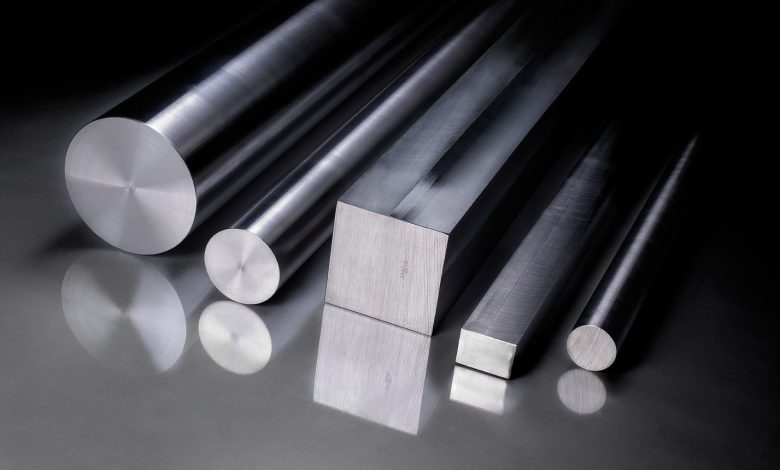
As of the latest market data, Monel 400, one of the most widely used Monel grades, generally costs between $25 to $35 per kilogram. However, these figures can vary significantly depending on the form (bars, plates, or sheets) and quantity ordered.
For smaller, specialized components made from Monel, such as marine valves or chemical processing parts, the cost can be much higher due to the additional fabrication and machining expenses.
Other Influencing Factors:
Geopolitical factors, such as tariffs, sanctions, or export restrictions, particularly in countries that are major producers of nickel or copper, can affect supply and drive up prices.
Economic factors, like inflation and global demand for industrial metals, will also influence Monel’s cost. For instance, during periods of increased demand for aerospace or marine engineering projects, prices for Monel can see a noticeable uptick.
In summary, Monel's high price is primarily driven by the expensive raw materials, complex production processes, and specialized applications that require the alloy’s advanced properties. Market demand and fluctuations in the cost of nickel and copper further contribute to its price volatility.
7. Disadvantages of Monel
What are the disadvantages of Monel?
Monel is highly regarded for its strength and corrosion resistance, but it has several notable limitations:
High Cost:Monel is significantly more expensive than common alloys like stainless steel due to its nickel and copper content. This makes it less viable for cost-sensitive applications.
Difficulty in Machining:Monel is challenging to machine due to its toughness and work-hardening properties, which cause it to harden quickly when worked. This results in increased wear on cutting tools and longer machining times, requiring specialized carbide tools.
Limited Availability:Monel is not as widely available as other alloys, leading to potential sourcing challenges and longer lead times.
Heavy Weight:Compared to alternatives like titanium and aluminum, Monel is relatively heavy, making it less suitable for applications where weight savings are critical.
Potential Alternatives:Alternatives to Monel include stainless steel, which is more cost-effective; Inconel, which offers superior high-temperature resistance; titanium, known for its lightweight properties; and bronze, which can be a viable option in marine applications.
Why is Monel hard to machine?
Monel’s machining challenges stem from several factors:
Work-Hardening Properties:
Monel hardens rapidly under cutting forces, increasing resistance and requiring higher cutting forces and specialized tools to maintain precision.
High Toughness:
While its toughness is beneficial for durability, it complicates shaping and machining, leading to the need for lower cutting speeds and specialized techniques.
Heat Generation:
Machining generates significant heat, which can further harden the material and damage tools. Cooling systems are often necessary to manage temperature and prolong tool life.
In summary, Monel’s work-hardening, toughness, and heat retention present machining challenges that increase production times and costs.
Conclusion
Monel stands out as a high-performance nickel-copper alloy known for its exceptional corrosion resistance, strength, and versatility. Its unique combination of properties makes it highly suitable for demanding applications in various industries, including marine, aerospace, chemical processing, and power generation.
The alloy’s remarkable ability to withstand harsh environments—particularly those involving saltwater and acidic conditions—ensures reliability and longevity in critical components. From pump shafts and seawater valves to heat exchangers, Monel has proven its worth as a crucial material where durability and performance are non-negotiable.
In summary, Monel's distinctive qualities make it an indispensable choice for industries that prioritize reliability in extreme conditions, reinforcing its status as a go-to alloy for high-stakes applications.
Get Quote
- Visit our website: https://www.nbyichou.com/
- Email us: [email protected]
- Call us/whatsapp: +86 13355741031
- Chat with us: Live chat support available on our website