Introduction: What is Inconel?
Inconel is a high-performance nickel-chromium-based alloy that excels in environments where extreme heat, corrosion, and pressure are present. Its unique composition gives it remarkable resistance to oxidation and wear, even in the most demanding conditions. This makes Inconel a go-to material in industries such as aerospace, marine engineering, and chemical processing, where conventional metals often fail.
Designed to endure high-temperature environments, Inconel is frequently used in jet engines, gas turbines, nuclear reactors, and exhaust systems. Its exceptional properties allow it to maintain strength and resist degradation, ensuring reliability and durability in applications that push materials to their limits.
Whether in corrosive chemical plants or high-speed aircraft, Inconel's ability to perform under pressure has earned it a reputation as one of the most versatile and resilient alloys in the world.
1. Composition and Characteristics of Inconel
What is Inconel made of?
Inconel is primarily composed of nickel (over 50%) and chromium, along with varying amounts of other elements such as iron, molybdenum, cobalt, and niobium. These elements combine to create a superalloy with remarkable properties that can withstand extreme conditions. Nickel gives Inconel its core strength and resistance to high temperatures, while chromium enhances its corrosion resistance, especially in oxidative environments.
Additional elements such as molybdenum and niobium further boost its resistance to pitting and crevice corrosion, which is crucial in harsh chemical or marine environments. Cobalt increases high-temperature strength and oxidation resistance, making Inconel highly suitable for applications that require durability at elevated temperatures.
This carefully balanced composition is what gives Inconel its unique ability to retain mechanical strength under thermal stress while resisting environmental degradation.
What makes Inconel special?
Inconel stands out due to its exceptional resistance to oxidation, corrosion, and heat, making it ideal for use in some of the most extreme industrial environments. One of the alloy's key characteristics is its ability to form a protective oxide layer when exposed to heat, which prevents further oxidation. This protective layer allows Inconel to withstand temperatures upwards of 1000°C without losing its structural integrity, making it indispensable in high-temperature applications like jet engines, gas turbines, and exhaust systems.
In addition to heat resistance, Inconel's composition allows it to endure highly corrosive environments, including exposure to acids, seawater, and other aggressive chemicals. Its resistance to stress-corrosion cracking, pitting, and crevice corrosion makes it an excellent choice for both marine and chemical processing industries.
This combination of mechanical strength, thermal stability, and corrosion resistance makes Inconel one of the most sought-after materials for industries requiring longevity and performance under extreme conditions.
2. Strength of Inconel
Is Inconel stronger than steel?
In terms of mechanical strength and high-temperature resistance, Inconel significantly outperforms most types of steel, especially in extreme conditions. While steel is widely used for its strength and cost-effectiveness, it begins to weaken at temperatures exceeding 500°C, making it unsuitable for high-heat applications.
In contrast, Inconel maintains its structural integrity at temperatures exceeding 1000°C, allowing it to perform in environments such as jet engines, gas turbines, and chemical reactors. Additionally, Inconel has a higher resistance to corrosion and oxidation compared to steel, which can rust and degrade when exposed to certain chemicals or seawater.
Specific cases where Inconel outperforms steel include:
- Aerospace components, where heat and corrosion resistance are paramount for safety and durability.
- Exhaust systems in high-performance vehicles and industrial applications, where sustained exposure to high temperatures would quickly degrade steel.
- Oil and gas industries, where the harsh, corrosive environment of drilling and pumping equipment demands materials like Inconel that can withstand both heat and chemical exposure.
Is Inconel stronger than titanium?
When comparing Inconel to titanium, the key differentiator is temperature resistance. Inconel is the superior choice for applications requiring sustained performance at extreme temperatures. Titanium, while incredibly strong and corrosion-resistant, begins to lose its mechanical strength at temperatures above 600°C. In contrast, Inconel can maintain its strength and oxidation resistance well beyond this range, making it ideal for high-temperature environments like gas turbines and rocket engines.
However, titanium excels in applications where strength-to-weight ratio is critical. Titanium is much lighter than Inconel, with a density of 4.5 g/cm³ compared to Inconel's 8.44 g/cm³. This makes titanium preferable for aerospace structures, where minimizing weight is crucial to performance and efficiency.
Key differences between Inconel and titanium:
- Density and strength-to-weight ratio: Titanium is lighter and offers a better strength-to-weight ratio, making it ideal for aircraft frames and sports equipment.
- High-temperature performance: Inconel can handle much higher temperatures, making it indispensable in extreme environments like jet engines, power plants, and chemical industries.
- Specific uses: Titanium is commonly used in aircraft frames and medical implants where biocompatibility and weight savings are important, while Inconel is used in high-heat exhaust systems, nuclear reactors, and turbines where heat and corrosion resistance are critical.
In summary, while both materials offer incredible strength and corrosion resistance, Inconel's high-temperature resilience makes it the superior choice for extreme heat applications, whereas titanium is preferred when weight and strength must be optimized together.
3. Hardness and Durability
What is the hardest metal on earth?
The title of the hardest metal on earth typically goes to tungsten, known for its extreme hardness and melting point. Tungsten has a Vickers hardness of around 3430 HV, far exceeding most metals. However, when comparing hardness among superalloys, Inconel is renowned for its durability and toughness, though it isn’t the absolute hardest metal.
Inconel's hardness is often compared with other high-performance alloys such as Hastelloy and Waspaloy. These alloys share similar properties but are used for different applications depending on the specific needs of temperature and corrosion resistance. Inconel 718, for instance, has a Rockwell hardness of 35–40 HRC, making it extremely tough and wear-resistant. While it may not be the hardest material, its combination of hardness, heat resistance, and durability makes it superior in extreme environments.
Is Inconel harder than titanium?
Yes, Inconel is harder than titanium, but the distinction in industrial applications depends on what property is more critical. Titanium, while strong and corrosion-resistant, is relatively softer compared to Inconel. In terms of hardness, titanium has a Rockwell hardness of around 36 HRC, while Inconel 718 can exceed 40 HRC depending on the specific heat treatment.
In industrial applications, hardness plays a crucial role in determining wear resistance and durability. Inconel's higher hardness makes it more suited for applications where it will face abrasion, high stress, or extreme temperatures, such as gas turbines or aerospace components. Titanium, on the other hand, is chosen more for its excellent strength-to-weight ratio and corrosion resistance, especially in lower temperature applications where weight reduction is critical, such as in aircraft frames and biomedical implants.
Why is Inconel so hard to cut?
Inconel is notoriously difficult to cut and machine, primarily because of its toughness, hardness, and resistance to wear. These properties, while essential for its performance in extreme environments, make machining Inconel highly challenging. Several factors contribute to this difficulty:
- Work hardening: Inconel tends to harden quickly during machining, which means the material becomes harder as cutting progresses. This increases tool wear and makes it more challenging to achieve clean cuts.
- Heat resistance: Inconel’s ability to retain its strength at high temperatures also means that it doesn’t dissipate heat well during machining. The heat generated during cutting can cause rapid tool wear and affect machining accuracy.
- Toughness: The alloy's overall toughness makes it more resistant to cutting forces, increasing the load on cutting tools, which leads to rapid wear and damage.
As a result, special machining techniques are required for Inconel, such as using carbide tools, lower cutting speeds, and coolants to manage the heat. Machining Inconel often involves higher costs and longer production times due to the challenges of its hardness and toughness, but these efforts are justified by the alloy’s performance in critical applications.
4. Corrosion Resistance
Is Inconel rust proof?
Yes, Inconel is virtually rust-proof due to its exceptional resistance to corrosion, making it an ideal material for use in harsh and extreme environments. Inconel is a nickel-chromium alloy, and the presence of these elements forms a protective oxide layer when exposed to high temperatures and corrosive conditions. This layer prevents rust, oxidation, and other forms of corrosion that commonly affect other metals like steel.
Inconel's resistance to oxidation and corrosion is particularly valuable in marine environments, where saltwater is highly corrosive. Materials like steel can easily rust when exposed to moisture and saline conditions, but Inconel maintains its integrity even when submerged for extended periods, making it highly sought after for offshore platforms, marine engines, and subsea components.
Does Inconel 718 rust?
Inconel 718, one of the most widely used grades of Inconel, is known for its outstanding corrosion resistance. This superalloy is specifically designed to withstand both high temperatures and highly corrosive environments. Like other Inconel grades, Inconel 718 forms a stable passive oxide layer that protects it from corrosion, even in acidic, alkaline, or seawater environments.
While Inconel 718 does not "rust" in the traditional sense due to its high nickel and chromium content, it is still susceptible to certain types of localized corrosion under extreme conditions, such as pitting or crevice corrosion in highly aggressive environments. However, these conditions are rare and can be mitigated by proper design and material handling. For most practical applications, Inconel 718’s resistance to rust makes it a reliable choice for aerospace, nuclear, and chemical processing industries, where both high temperatures and corrosive substances are common.
5. Welding and Fabrication
Is Inconel easy to weld?
Welding Inconel is challenging, primarily due to its high melting point and the material’s tendency to crack during the cooling process. Inconel's excellent high-temperature strength and resistance to thermal degradation also mean it behaves differently from many other metals during welding.
Several challenges arise when welding Inconel:
- High heat: Inconel alloys are known for their ability to retain strength at high temperatures, making them difficult to weld without proper control. The high heat required can lead to thermal stress, which, if not managed properly, can result in distortion or cracking in the welded area.
- Work hardening: As with machining, Inconel tends to work-harden when exposed to welding heat, further complicating the process.
- Cracking susceptibility: Some Inconel grades, such as Inconel 718, can be prone to hot cracking (cracks that form during solidification). This can occur if the correct welding techniques or filler materials aren’t used.
To weld Inconel successfully, specific techniques are employed, such as gas tungsten arc welding (GTAW) or gas metal arc welding (GMAW), along with the use of nickel-based filler materials. Preheating the material, carefully controlling the cooling rate, and using appropriate post-weld heat treatment can mitigate the risk of cracking and ensure a strong, reliable weld.
Can Inconel be welded to stainless steel?
Yes, Inconel can be welded to stainless steel, but this process requires careful handling to ensure a compatible weld. Welding dissimilar metals like Inconel and stainless steel presents additional challenges because of their different thermal properties and expansion rates.
Key factors to consider when welding Inconel to stainless steel include:
- Filler material: The choice of filler metal is crucial. A nickel-based filler (such as Inconel 625 filler) is commonly used to help bridge the metallurgical gap between the two materials, ensuring a strong weld without cracking.
- Preheating: Preheating both metals can help reduce the risk of thermal expansion issues during the welding process. However, excessive heat must still be avoided to prevent distortion.
- Welding technique: Similar to welding Inconel to itself, using methods like GTAW or GMAW with controlled heat input is essential for minimizing stress and ensuring a strong, corrosion-resistant joint.
Overall, while welding Inconel to stainless steel is more complex than welding similar metals, it is possible with the right techniques and equipment, making it useful in situations where the combined strengths of both materials are needed, such as in chemical processing, aerospace, and energy applications.
6. Applications of Inconel
What is Inconel used for?
Inconel is a highly versatile material used in industries that demand exceptional resistance to heat, corrosion, and pressure. Its unique properties make it ideal for applications in extreme environments. Some of the key industries where Inconel is used include:
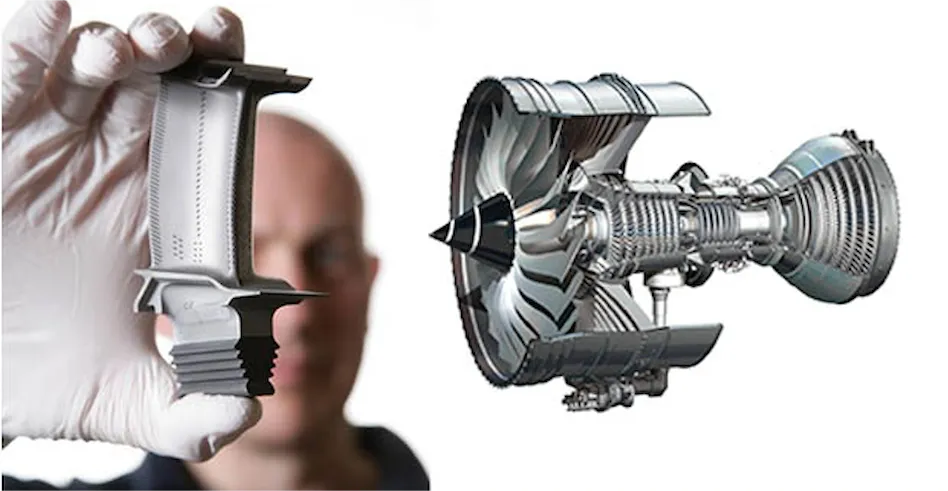
Aerospace: Inconel is widely used in jet engines and turbine blades due to its ability to maintain strength and resist oxidation even at temperatures exceeding 1,000°C (1,832°F). Components like exhaust systems, combustion chambers, and afterburners benefit from its durability under thermal stress.
Automotive: High-performance automotive parts, especially in exhaust systems and turbochargers, use Inconel because of its thermal fatigue resistance. It ensures that these components can function efficiently under the high-temperature cycles found in racing cars and performance vehicles.
Power Generation: Inconel is essential in gas turbines and nuclear reactors due to its resistance to high temperatures and radiation. Its corrosion resistance makes it ideal for use in nuclear fuel rods, boilers, and heat exchangers.
Oil & Gas: Inconel is critical in downhole tubing, wellheads, and valves, where materials must withstand extreme pressure and highly corrosive environments, including contact with sour gas (hydrogen sulfide) and saltwater.
Chemical Processing: Inconel is often chosen for handling acidic, alkaline, and oxidizing solutions. Its ability to resist pitting, stress-corrosion cracking, and intergranular corrosion makes it indispensable in acid production, heat exchangers, and pressure vessels.
Why is Inconel used in exhausts?
In automotive and aerospace exhaust systems, materials must endure extremely high temperatures and corrosive gases produced during combustion. Inconel is a top choice for exhaust components due to its high-temperature strength and oxidation resistance.
Heat resistance: Inconel can maintain structural integrity at temperatures that would cause other metals, such as stainless steel, to warp or break down. In high-performance automotive applications, such as turbocharged engines and racing cars, Inconel exhaust systems help withstand the thermal cycles that occur during acceleration and deceleration, ensuring longer part life.
Corrosion resistance: Exhaust systems are exposed to various gases, moisture, and corrosive chemicals that can cause traditional materials to rust or degrade. Inconel’s corrosion-resistant properties, even at elevated temperatures, make it ideal for aerospace exhaust systems where consistent performance is essential for safety and efficiency.
Weight-to-strength ratio: Although Inconel is denser than some metals, its superior strength allows for the use of thinner components, reducing overall weight without compromising durability. This is particularly beneficial in aerospace applications, where weight savings are critical for fuel efficiency.
In conclusion, Inconel’s combination of heat resistance, corrosion resistance, and strength makes it indispensable for high-performance exhaust systems in both automotive and aerospace industries. Its ability to operate in high-stress environments ensures that exhaust systems can handle the toughest conditions without failure.
7. Cost and Availability
Why is Inconel so expensive?
The high cost of Inconel can be attributed to several factors, making it one of the more expensive materials available in the market:
Raw Material Costs: Inconel is primarily composed of nickel and chromium, two metals that can be quite costly, especially when demand exceeds supply. Nickel prices, in particular, are influenced by global market conditions, mining production, and geopolitical factors, leading to significant fluctuations in material costs.
Alloy Composition: In addition to nickel and chromium, Inconel may contain other alloying elements such as molybdenum, cobalt, and niobium. These elements are necessary to enhance the properties of Inconel but also contribute to the overall cost of the alloy.
Complex Processing: The production of Inconel involves sophisticated metallurgical processes that require advanced technology and equipment. The manufacturing process is highly controlled to ensure the alloy's unique properties, which adds to the cost. Additionally, the high temperatures and specialized techniques needed for fabrication and welding further increase production costs.
Quality Standards: In industries such as aerospace, oil and gas, and nuclear power, components made from Inconel must meet stringent quality and safety standards. This level of quality assurance and the potential need for extensive testing and certification can also drive up costs.
Is Inconel cheap?
When compared to other high-performance materials, Inconel is generally considered not cheap. While it offers exceptional properties, its price point is higher than many alternative materials, such as:
Stainless Steel: Although stainless steel has decent corrosion resistance and strength, it cannot match Inconel’s performance at elevated temperatures. Inconel’s unique properties make it necessary for specific applications, particularly in extreme environments where stainless steel would fail.
Titanium: While titanium alloys are known for their strength-to-weight ratio, they are often more expensive than Inconel in many cases. However, titanium does have advantages in specific applications where weight savings are critical, such as in aerospace structures.
Other Superalloys: Inconel is part of a broader category of superalloys, which also includes materials like Hastelloy and Monel. Prices can vary widely based on alloy composition and market demand, but Inconel often remains on the higher end of the spectrum.
In summary, Inconel is not considered cheap, especially when compared to materials that are suitable for less demanding applications. Its cost is justified by the unique properties it offers, which are essential in critical industrial settings.
What is the price of Inconel today?
The price of Inconel fluctuates based on several factors, including:
Market Demand: The demand for Inconel in industries such as aerospace, oil and gas, and power generation can drive prices higher. Increased activity in these sectors typically leads to higher raw material costs.
Raw Material Costs: As previously mentioned, the prices of nickel and chromium are subject to market volatility, which can significantly impact the cost of Inconel. Any changes in mining operations, global supply chains, or tariffs can influence prices.
Production Costs: Variations in the costs associated with processing and manufacturing Inconel can also affect its market price. Factors such as energy costs, labor, and technological advancements in production methods can contribute to fluctuations.
As of now, Inconel prices can range widely, often anywhere from $30 to $50 per pound or even higher, depending on the specific grade and market conditions. Regularly checking industry reports, supplier quotes, and commodity price indices is essential for obtaining the most accurate pricing information.
8. Disadvantages of Inconel
What are the disadvantages of Inconel?
While Inconel offers exceptional properties and is widely used in demanding applications, it also has several disadvantages that can limit its use in certain situations:
Machining Difficulty: Inconel is known for its toughness, which can make machining a challenge. The material tends to work-harden, leading to increased tool wear and requiring special cutting tools and techniques. Conventional machining methods may be inefficient, resulting in higher manufacturing costs and longer lead times.
High Cost: As discussed earlier, Inconel is one of the more expensive materials due to the high costs of raw materials and the complexity of its production. This high price can be a significant drawback for projects with budget constraints, especially when alternative materials can suffice.
Weight: Inconel has a higher density than some alternatives, such as aluminum or titanium. In applications where weight is a critical factor, such as aerospace, this can be a disadvantage, prompting engineers to seek lighter materials.
Potential for Alternatives: In many applications, alternatives like stainless steel, titanium alloys, or other nickel-based superalloys may provide sufficient performance at a lower cost. The choice of material often depends on specific performance requirements, and in some cases, Inconel may be over-engineered for the task at hand.
Why does Inconel crack?
Inconel can experience cracking due to several factors, particularly during welding and under thermal stress:
Welding Issues: Inconel's high melting point and thermal conductivity can lead to difficulties in welding, such as the formation of hot cracks. These cracks typically occur when the material cools and solidifies too quickly, causing internal stresses that exceed the material's capacity to deform. Poor welding technique, inadequate filler materials, or not preheating the workpieces can exacerbate this issue.
Thermal Stress: When subjected to rapid temperature changes, Inconel can develop thermal stress. This is particularly problematic in applications where the material undergoes extreme thermal cycling, such as in jet engines or gas turbines. If not managed correctly, these stresses can lead to cracking over time.
Microstructural Changes: The composition of Inconel can lead to microstructural changes during processing or welding, which may make certain areas more susceptible to cracking. For example, the presence of carbides and other precipitates can influence the material's ductility and toughness, potentially leading to embrittlement in specific conditions.
To mitigate these issues, careful attention must be paid to the welding processes, preheating techniques, and the selection of appropriate filler materials. Proper post-weld heat treatment can also help relieve residual stresses and reduce the risk of cracking, ensuring the integrity of Inconel components in demanding applications.
9. Inconel vs Other Metals
Here’s a comparison of Inconel with stainless steel and titanium in terms of key properties, focusing on corrosion resistance, strength, and cost.
Inconel vs Stainless Steel: Inconel is superior in terms of corrosion resistance and strength, especially in high-temperature environments. However, it comes at a higher cost compared to stainless steel, which is more affordable and widely used for less demanding applications.
Inconel vs Titanium: Inconel generally outperforms titanium in high-temperature applications, while titanium offers a higher strength-to-weight ratio and is advantageous in situations where weight savings are crucial. Each metal has its unique advantages depending on the specific application requirements.
- Conclusion
Inconel is a remarkable high-performance nickel-chromium-based alloy, distinguished by its exceptional properties that make it indispensable in industries operating under extreme conditions. Its unique composition provides outstanding resistance to corrosion, oxidation, and high temperatures, enabling it to maintain mechanical integrity even in the harshest environments.
The versatility of Inconel allows it to be utilized across various applications, from aerospace components and gas turbines to chemical processing and marine environments. In these demanding sectors, Inconel's ability to withstand thermal stress and corrosive elements ensures the reliability and longevity of critical equipment and components.
Inconel's combination of high strength, durability, and resistance to wear makes it a crucial material for industries that require unwavering performance under challenging conditions. As technology advances and the demand for high-performance materials continues to grow, Inconel will undoubtedly remain at the forefront, providing solutions for the most rigorous applications in our modern world.
Get Quote
- Visit our website: https://www.nbyichou.com/
- Email us: [email protected]
- Call us/whatsapp: +86 13355741031
- Chat with us: Live chat support available on our website